
Iringa, Tanzania, offers a wealth of hidden gems and unique local tours that go beyond the typical safari circuit, revealing its rich history, vibrant culture, and stunning natural landscapes. To truly experience Iringa, focus on exploring sites like the Isimila Stone Bowl, Kalenga Historical Centre, and the local markets, engaging with community-based tourism initiatives, and opting for guided tours that prioritize authenticity and local insight, especially as you plan for adventures in 2026 and 2027.
Why Iringa? Beyond the Tourist Trail
When most travelers think of Tanzania, their minds immediately conjure images of the Serengeti’s great migration, the majestic peak of Kilimanjaro, or the spice-scented islands of Zanzibar. While these are undoubtedly iconic destinations, the southern highlands of Tanzania, particularly the region around Iringa, hold a different kind of allure – one of authentic discovery, rich history, and less-trodden paths. Iringa, a city perched on a plateau overlooking the Ruaha River, serves as a gateway to these less-explored wonders. It’s a place where you can step back in time, connect with local communities, and witness landscapes that haven’t been shaped by mass tourism. For those seeking a deeper understanding of Tanzania, moving beyond the well-worn safari routes to explore Iringa’s hidden gems and local tours offers an unparalleled opportunity for genuine connection and memorable experiences, especially as we look towards travel in 2026 and 2027.
The appeal of Iringa lies in its layered history, dating back to German colonial times and even earlier, its strategic importance, and its position as a hub for agricultural and cultural exchange. Unlike the bustling northern safari circuit, Iringa presents a more relaxed pace, allowing visitors to truly absorb their surroundings. The local culture is a fascinating blend of different ethnic groups, with the Wahehe people playing a significant historical role. This region is also a crucial agricultural producer, meaning the landscapes are often a vibrant patchwork of farms and natural bushland, punctuated by dramatic escarpments and ancient geological formations. For the discerning traveler in 2026-2027, Iringa promises an enriching journey into the heart of Tanzania, away from the crowds and commercialism.
Historical Treasures: Unearthing Iringa’s Past
Iringa’s historical significance is profound, marked by colonial influences and ancient geological marvels. Understanding these sites provides crucial context for the region and offers fascinating insights for any visitor interested in the human and natural history of Tanzania.
The Isimila Stone Bowl: A Prehistoric Enigma
Perhaps the most striking and unique historical-natural site near Iringa is the Isimila Stone Bowl. This is not a man-made structure but a impressive geological formation. Imagine a vast, open plain dotted with hundreds of sandstone pillars, some reaching up to 20 meters in height. These pillars, sculpted by millennia of wind and water erosion, create an almost alien landscape. What makes Isimila even more remarkable are the archaeological discoveries made here. Excavations have revealed ancient stone tools and evidence of early human activity dating back hundreds of thousands of years, suggesting that this area was a significant site for early hominids. It’s a place that sparks the imagination, connecting you to a deep past that predates recorded history. Visiting Isimila Stone Bowl feels like stepping onto another planet, or perhaps, stepping back to the dawn of humanity. It’s a must-see for anyone exploring the hidden gems of Iringa.
When planning a visit, consider that the site is an open-air location. The best times to visit are typically during the drier months to avoid muddy conditions, though the landscape has a stark beauty even after rain. Local guides are invaluable here; they can point out interesting geological features, explain the erosion processes, and share insights from the archaeological findings that might otherwise be missed. The journey to Isimila itself, often a scenic drive through rural landscapes, is part of the experience. Allow at least half a day to explore the site properly and absorb its unique atmosphere. For travelers planning trips in 2026 or 2027, confirming local conditions and guide availability ahead of time is advisable.
Kalenga Historical Centre: Echoes of the Wahehe
Another pivotal historical location is the Kalenga Historical Centre, situated about 30 kilometers from Iringa town. This site is deeply connected to the history of the Wahehe people and their legendary chief, Mkwawa. Chief Mkwawa was a formidable leader who fiercely resisted German colonial rule in the late 19th century, leading a protracted and often brutal struggle. Kalenga was his capital, and the historical centre preserves remnants of this era. You can see the foundations of Mkwawa’s former palace, explore a museum that houses artifacts related to his reign and the Wahehe culture, and visit his grave. The center also features a traditional Wahehe house, offering a glimpse into their architectural styles and daily life.
The significance of Kalenga is immense for understanding Tanzanian resistance to colonialism. It’s a place of historical weight and cultural importance. The museum, while perhaps modest in scale compared to international standards, is rich in local history and provides an essential narrative of Iringa’s past. Engaging with a local guide at Kalenga is highly recommended. They can bring the stories of Chief Mkwawa and the Wahehe to life, explaining the context of the resistance, the strategic importance of Kalenga, and the cultural practices that defined the people. This is an excellent example of a local tour that offers deep historical and cultural immersion, a true less crowded place for those interested in more than just wildlife. Planning for 2026-2027 trips should include checking the operating hours and any potential updates to the museum’s exhibits or access.
German Boma and Cemeteries: Colonial Footprints
Iringa itself bears the marks of its German colonial past. The original German administrative post, known as the ‘Boma’, still stands and is often used for government offices. While not always accessible for interior tours, its architecture is a testament to the period. More poignant are the German cemeteries. The most notable is the German military cemetery, a solemn and well-maintained site where soldiers who died during colonial campaigns and World War I are buried. It offers a quiet space for reflection on a complex period of history. Visiting these sites provides a different perspective on Iringa’s past, acknowledging the layers of influence that have shaped the region. These historical markers are less frequently visited than the natural wonders but are crucial for a comprehensive understanding of Iringa’s narrative.
Nature’s Secrets: Iringa’s Undiscovered Landscapes
Beyond the unique geological formations of Isimila, the Iringa region boasts a diverse array of natural attractions, many of which remain relatively unknown to mainstream tourism. These landscapes offer opportunities for exploration, relaxation, and appreciating Tanzania’s raw, untamed beauty.
Gateway to Ruaha National Park: Tanzania’s Wild Heart
While not strictly *in* Iringa town, the region serves as a critical gateway to Ruaha National Park, Tanzania’s largest national park and arguably its wildest. Ruaha is a true wilderness, known for its vastness, dramatic landscapes, and significant populations of elephants and predators, including lions, leopards, and cheetahs. It’s a place that feels truly remote and untouched. Unlike the more popular northern parks, Ruaha offers a more exclusive safari experience, with fewer vehicles and a greater sense of solitude. The park’s topography is stunning, featuring rugged hills, vast plains, and the Great Ruaha River, which becomes a lifeline for wildlife during the dry season.
For travelers interested in **hidden gems and local tours in Iringa, Tanzania**, incorporating a visit to Ruaha is highly recommended. The drive from Iringa to Ruaha can be an adventure in itself, showcasing the changing landscapes of the southern highlands. Most visitors fly into Ruaha’s airstrips for shorter stays, but overland trips from Iringa are possible for those who want a more in-depth journey. When planning for 2026-2027, consider the best time to visit Ruaha. The dry season (June to October) is excellent for game viewing as animals congregate around water sources, while the wet season (November to May) brings lush greenery and spectacular birdlife, though some roads may become impassable. A safari here is a far cry from the crowded parks up north, offering a genuine sense of discovery.
Matumizi Waterfalls: A Refreshing Escape
For those seeking a more accessible natural retreat closer to Iringa town, the Matumizi Waterfalls offer a delightful excursion. Located a manageable distance from the city, these falls provide a refreshing opportunity to connect with nature. The journey to the falls often takes you through scenic rural areas, offering glimpses of local life and agricultural practices. The falls themselves are beautiful, cascading into a pool that can be a perfect spot for a cool dip on a warm day. It’s a less developed attraction, meaning you’re unlikely to encounter large crowds, preserving its tranquil charm. This is precisely the kind of less crowded place that makes exploring Iringa so rewarding.
A visit to Matumizi Waterfalls is best combined with other local experiences in the surrounding area. Pack a picnic lunch to enjoy by the water, and wear comfortable walking shoes as there might be some light trekking involved to reach the best viewpoints or swimming spots. Local guides can often arrange transport and guide you to the falls, providing context about the local flora and fauna. For travelers looking for off-the-beaten-path natural beauty, Matumizi Waterfalls represents a perfect example of the kind of tranquil escape Iringa offers, especially for those planning their visits for 2026 or 2027.
Local Viewpoints and Hiking Trails
The hilly terrain surrounding Iringa is ripe for exploration. There are numerous local viewpoints that offer panoramic vistas of the town, the Ruaha River valley, and the surrounding countryside. These are often places locals frequent for sunset views or a moment of quiet contemplation. For the more adventurous, informal hiking trails wind through the hills and valleys, offering opportunities for moderate trekking. These trails are not typically marked or maintained for mass tourism, which means they provide a more authentic, rugged experience. A local guide is essential for navigating these paths safely and for understanding the ecological significance of the areas you traverse. Exploring these less-known trails is a fantastic way to discover the natural beauty of Iringa at your own pace, finding your own hidden gems.
Cultural Encounters: Connecting with Local Life
The true essence of Iringa, like many parts of Tanzania, lies in its people and their vibrant culture. Moving beyond historical sites and natural landscapes, engaging with local communities offers the most profound travel experiences. This is where the concept of hidden gems and local tours in Iringa, Tanzania truly shines.
The Bustling Iringa Town Market
No visit to Iringa is complete without immersing yourself in the sensory explosion of the Iringa Town Market. This is the beating heart of the city, a place where locals come to buy and sell everything from fresh produce, grains, and spices to handcrafted goods, clothing, and household items. The market is a kaleidoscope of colors, sounds, and smells. You’ll find vendors selling mounds of vibrant spices, piles of fresh fruits and vegetables, and stalls laden with local textiles. It’s a fantastic place to observe daily life, practice your bargaining skills (politely, of course), and perhaps pick up some unique souvenirs. The energy of the market is infectious, offering a genuine slice of Tanzanian life.
For travelers interested in photography, the market offers endless opportunities. Be mindful and respectful when taking pictures; it’s always best to ask permission from individuals before photographing them directly. Engaging with vendors, even with just a smile and a few Swahili greetings, can lead to warm interactions. You can find local snacks and drinks here, offering a taste of authentic Tanzanian street food. A guided tour of the market can be particularly beneficial, as a local guide can explain the different products, their uses, and the cultural significance of various items. This is a prime example of a local tour that provides unparalleled cultural immersion. For those planning their trips for 2026-2027, the market is a year-round attraction, though it tends to be busiest in the mornings.
Local Craftsmanship and Artisans
Iringa is known for its skilled artisans, particularly in areas like pottery, wood carving, and basket weaving. While you might find mass-produced souvenirs in some shops, seeking out authentic local craftsmanship offers a more meaningful connection to the region’s artistic heritage. Small workshops and cooperatives often provide opportunities to see artisans at work and purchase unique, handmade items directly from the creators. These pieces are not just souvenirs; they represent hours of skill, tradition, and cultural expression. Supporting these local artisans directly contributes to the community’s economy and helps preserve traditional skills.
Identifying these authentic craftspeople often requires local knowledge. A well-connected local tour operator can arrange visits to specific workshops or cooperatives, ensuring you find genuine artisans rather than intermediaries. This is a key aspect of finding those hidden gems and local tours in Iringa, Tanzania that offer real value. Learning about the techniques and materials used in their craft adds another layer of appreciation to the items you might purchase. For trips planned in 2026 or 2027, inquiring about specific craft traditions, such as the distinctive pottery of the region, can help guide your exploration.
Community-Based Tourism Initiatives
In recent years, there has been a growing movement towards community-based tourism (CBT) in Tanzania, and the Iringa region is no exception. These initiatives are designed to empower local communities by involving them directly in tourism activities, ensuring that the benefits of tourism are shared more equitably. CBT projects can range from homestays and village tours to cultural performances, guided nature walks, and agricultural experiences. Participating in a CBT program offers an unparalleled opportunity to experience local life firsthand, interact with families, and gain a deeper understanding of their customs, traditions, and daily challenges and joys.
When looking for local tours in Iringa, seeking out registered CBT projects is highly recommended. These programs often provide a more authentic and responsible way to travel, offering experiences that are deeply rooted in the local culture. They can be a fantastic alternative or complement to traditional tourist activities. For example, a CBT homestay might allow you to participate in cooking traditional meals, learn about farming techniques, or simply share stories with your host family. These experiences are often the most memorable and impactful part of a trip. For travelers planning for 2026-2027, researching and booking through reputable local organizations or the Tanzania Tourist Board’s recognized CBT networks is a good strategy.
Planning Your Iringa Adventure: Practical Advice for 2026-2027
To make the most of your journey to Iringa, careful planning is essential. While it’s a region rich in potential discoveries, it requires a different approach than more established tourist destinations. Understanding the logistics, best times to visit, and accommodation options will significantly enhance your experience.
Best Time to Visit Iringa
Iringa’s climate is generally pleasant due to its high altitude. The region experiences distinct wet and dry seasons. The dry season, from June to October, is generally considered the best time for travel. The weather is sunny and mild, with little to no rain, making it ideal for exploring outdoor sites like Isimila Stone Bowl and for game viewing in Ruaha National Park. The landscape can be drier, but this often concentrates wildlife around water sources.
The wet season runs from November to May. During this period, the landscape becomes lush and green, and birdwatching is at its peak. However, some roads, particularly those leading to more remote areas or within national parks, can become challenging to navigate due to mud. The shoulder months, like late October/early November and May/June, can offer a good balance of decent weather and fewer crowds. For those planning trips in 2026 and 2027, understanding these seasonal variations is key to tailoring your itinerary. If game viewing in Ruaha is a priority, stick to the dry season. If you prefer lush scenery and birding, the wet season can be rewarding, provided you have a reliable 4×4 vehicle and flexible travel plans.
Getting to Iringa
Iringa is accessible primarily by road and air. The most common way to reach Iringa is by road from major cities like Dar es Salaam or Arusha. The drive from Dar es Salaam takes approximately 8-10 hours, and from Arusha, it’s a longer journey, often requiring an overnight stop. The roads are generally in fair to good condition, though they can be rough in places. Public buses and private shuttle services operate these routes regularly.
For a quicker and more comfortable journey, flying into Iringa’s airport (IRI) is an option. There are scheduled domestic flights, often connecting through Dar es Salaam. This is a more expensive option but saves significant travel time, which can be crucial for shorter trips or for those prioritizing comfort. When planning for 2026-2027 travel, it’s wise to book flights and long-distance bus tickets in advance, especially during peak travel seasons, to secure your preferred dates and potentially better prices.
Accommodation Options in and Around Iringa
Iringa offers a range of accommodation to suit different budgets and travel styles. In Iringa town itself, you’ll find a mix of hotels, guesthouses, and lodges. These range from basic, clean, and budget-friendly options to more comfortable mid-range establishments. Some hotels offer amenities like restaurants, Wi-Fi, and reliable power, which can be a welcome comfort after a day of exploration.
For a more in-depth experience, consider looking for community-based tourism accommodations or lodges located just outside the town, closer to natural attractions or within the vicinity of Ruaha National Park. These might include eco-lodges or campsites that offer a closer connection to nature. For those planning extended stays or seeking a truly authentic cultural experience, arranging a homestay through a reputable local operator can be an incredible option, though facilities will be more basic. When booking for 2026-2027, especially for unique stays like CBT homestays or specialized lodges near Ruaha, early booking is highly recommended as availability can be limited.
Transportation within Iringa and Surrounds
Getting around Iringa town is relatively easy. Taxis and ‘bodabodas’ (motorcycle taxis) are readily available for short distances. For exploring sites further afield, such as Isimila Stone Bowl or Kalenga Historical Centre, you’ll need to arrange private transport. This can be a private car with a driver, often hired through your accommodation or a local tour operator. Hiring a vehicle and driver for a full day is a practical solution for visiting multiple sites, allowing you flexibility and comfort.
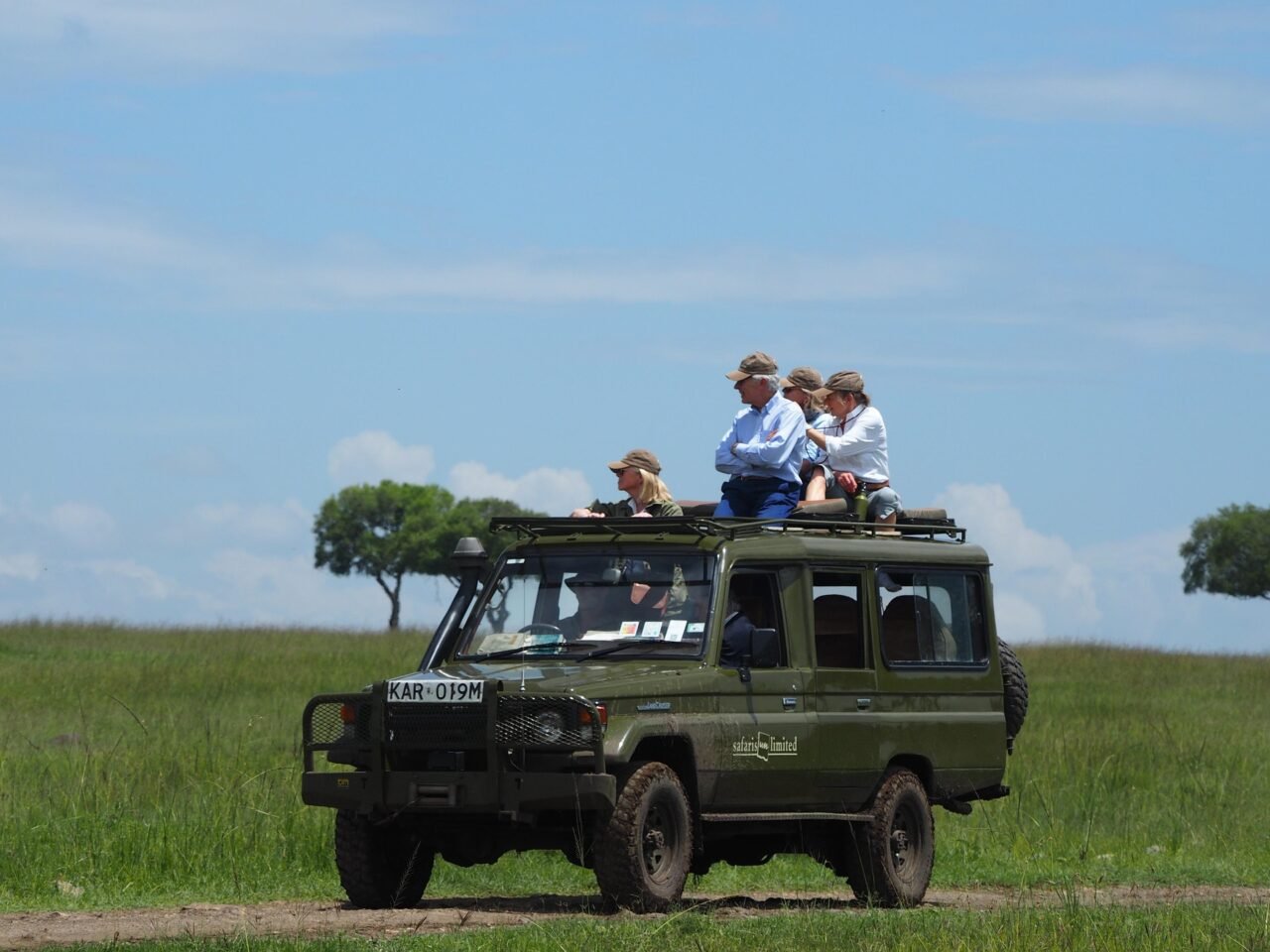
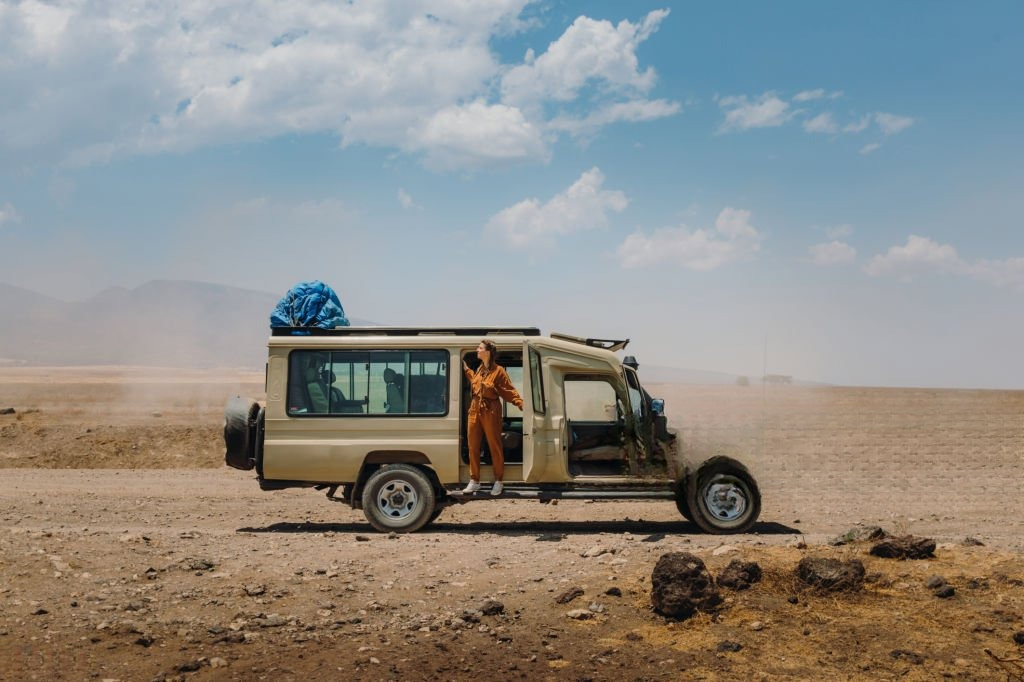
If your itinerary includes visiting Ruaha National Park, specialized 4×4 safari vehicles are essential, especially during the wet season. Many tour operators offering Ruaha safaris will include transportation as part of the package. For those focusing on hidden gems and local tours in Iringa, Tanzania, a reliable local contact who can arrange appropriate transport for specific excursions is invaluable. Confirming the condition of vehicles and the experience of drivers is always a good practice when booking for 2026-2027.
Choosing Authentic Local Tours in Iringa
The key to unlocking Iringa’s true potential lies in selecting tours that are genuinely local and offer authentic experiences. This means looking beyond generic offerings and seeking out guides and operators who have deep roots in the community and a passion for sharing their knowledge.
Working with Local Guides
Local guides are indispensable for exploring Iringa’s hidden gems. They possess an intimate knowledge of the area, its history, culture, flora, and fauna that no guidebook can replicate. A good local guide can transform a simple visit to a historical site into a interesting narrative, point out subtle details in the landscape you would otherwise miss, and facilitate meaningful interactions with local communities. They can also ensure your safety and navigate challenging terrain or cultural etiquette.
When seeking local tours in Iringa, prioritize guides who are recommended by reputable sources or who work with established local tour operators. Ask about their experience, their knowledge of the specific sites you wish to visit, and their approach to guiding. A guide who is passionate about Iringa and eager to share its stories will undoubtedly enhance your trip. For planning in 2026-2027, building a relationship with a trusted local guide or operator can lead to personalized itineraries that uncover even more unique experiences.
Community-Based Tourism vs. Conventional Tours
When it comes to authenticity, community-based tourism (CBT) initiatives often offer the most direct route to genuine cultural immersion. These tours are typically run by members of the local community, with proceeds directly benefiting the village or group involved. Experiences might include village walks, traditional cooking lessons, agricultural demonstrations, or homestays. These are not staged performances but genuine glimpses into daily life.
Conventional tours, while often well-organized and convenient, may sometimes lack the depth of engagement found in CBT. However, many conventional tour operators are increasingly partnering with local communities or employing local guides to offer more authentic experiences. The key is to inquire about the structure of the tour: Does it involve direct interaction with local people? Are the benefits of the tour shared with the community? For travelers focused on hidden gems and local tours in Iringa, Tanzania, understanding this distinction helps in choosing tours that align with their desire for authentic connection and responsible travel, especially as they plan for 2026-2027, when sustainable tourism is gaining even more importance.
Tailor-Made Experiences
Given that Iringa is not a mass-tourism destination, tailor-made itineraries are often the most effective way to experience its hidden gems. Working with a local tour operator like Climb 4 Africa allows you to customize your trip based on your specific interests, whether they lie in history, nature, culture, or a combination of all three. A tailor-made approach ensures that your itinerary focuses on the sites and activities that are most appealing to you, maximizing your time and enjoyment.
For instance, if you are particularly interested in archaeology, your itinerary can be designed to spend more time at Isimila and incorporate visits to other potential fossil sites. If cultural immersion is your priority, you can arrange for extended stays in villages or focus on markets and artisan workshops. This personalized planning is crucial for uncovering the unique hidden gems of Iringa. When contacting operators for trips in 2026 or 2027, clearly communicate your interests and desired pace to help them craft the perfect itinerary for you.
Booking Your Iringa Experience: What to Know
Securing your Iringa adventure, particularly if you’re aiming for unique local tours and hidden gems, requires attention to detail in the booking process. Understanding what to expect and how to prepare will ensure a smoother and more rewarding trip.
When to Book Your Trip
For international travelers planning trips to Iringa in 2026 and 2027, it’s generally advisable to book your main arrangements at least 3-6 months in advance. This is especially true if you are planning to visit Ruaha National Park during the peak dry season (July-September), as accommodations and internal flights can fill up quickly. For tours focusing purely on Iringa town and its immediate surroundings, a slightly shorter booking window might suffice, but early booking still ensures better availability and potentially better rates, especially for specialized local guides or community-based experiences.
If your travel dates are flexible, consider traveling during the shoulder seasons (e.g., May, June, October, November). You’ll often find fewer crowds, greener landscapes (in the wet season), and potentially more competitive pricing. However, always confirm that the specific activities you wish to do are accessible during your chosen travel time. For example, certain rural roads might be impassable during the height of the rainy season.
What to Confirm with Operators
When booking local tours in Iringa, Tanzania, clear communication with your tour operator is paramount. Here are key details to confirm:
- Inclusions and Exclusions: What exactly is covered in the tour price? This includes transportation, guide fees, park entry fees (if applicable), meals, and accommodation. Be clear about what you will need to pay for separately.
- Guide Qualifications: Ensure your guide is knowledgeable, experienced, and ideally, local to the Iringa region. Ask about their language proficiency if English is not your first language.
- Transportation: Confirm the type of vehicle used, its condition, and whether it’s suitable for the terrain and distances involved. For Ruaha, a 4×4 is essential.
- Itinerary Flexibility: Understand how flexible the itinerary is. Sometimes, unexpected opportunities arise, or local conditions might require adjustments. A good operator will build in some flexibility.
- Community Benefits: If booking community-based tours, ask how your payment directly benefits the local community. This is a crucial aspect of responsible tourism.
- Payment Terms: Clarify deposit requirements, payment schedules, and cancellation policies.
By confirming these details, you set clear expectations and minimize the risk of misunderstandings, ensuring your exploration of Iringa’s hidden gems is as smooth as possible. For any queries regarding planning your specific adventure for 2026-2027, reaching out to experienced local operators is the best first step.
Traveler Tip for 2026-2027:
As you plan your journey for 2026-2027, consider that Iringa offers a more authentic, less commercialized experience than many other Tanzanian destinations. Embrace the slower pace, be open to spontaneous interactions, and allow yourself to be surprised by the discoveries you make. The value of a trip to Iringa lies not just in what you see, but in the connections you make and the deeper understanding you gain.
Exploring Iringa, Tanzania, offers a unique opportunity to step off the beaten path and discover a region rich in history, natural beauty, and authentic cultural experiences. From the prehistoric enigma of the Isimila Stone Bowl to the historical resistance at Kalenga, and the untamed wilderness of Ruaha National Park, Iringa provides a compelling alternative for travelers seeking depth and authenticity. By focusing on genuine local tours and actively seeking out the area’s hidden gems, you can craft an unforgettable adventure. Whether you’re planning for the upcoming seasons or looking ahead to 2026 and 2027, a well-planned trip to Iringa promises rewarding discoveries and a true taste of Tanzania beyond the typical tourist trails. For expert guidance in crafting your personalized Iringa itinerary, including access to the best local guides and community-based experiences, consider reaching out to Climb 4 Africa. They specialize in creating tailor-made Tanzanian adventures and can assist with all aspects of your trip planning. You can connect with them via WhatsApp at +255 747 477 898 or by emailing climb4africa@gmail.com to discuss your specific interests and start planning your exploration of Iringa’s wonders.
Check Availability for Hidden Gems And Local Tours In Iringa, Tanzania: Your Essential Guide
Ready to compare dates, prices, and the best option for your group? Send the package name and travel month so the team can reply with a clear quote, availability, and what is included.

Hidden Gems And Local Tours In Geita, Tanzania Guide
Explore the lesser-known attractions and authentic local experiences in Geita, Tanzania. This guide provides practical insights for travelers seeking unique adventures off the beaten path…
Hidden Gems And Local Tours In Dodoma, Tanzania Guide
Explore the less-traveled paths of Dodoma, Tanzania's capital, with insights into its hidden gems and authentic local tours. From unique cultural landmarks to bustling markets and…
Discover Dar Es Salaams Hidden Gems & Authentic Local Tours () 2026-2027
Uncover the soul of Dar es Salaam with our guide to its hidden gems and authentic local tours. Move beyond the tourist trail to experience the true pulse of Tanzania's coastal capital.
Hidden Gems And Local Tours In Arusha, Tanzania 2026-2027
Hidden Gems and Local Tours in Arusha, Tanzania is explained with current 2026-2027 planning, price, itinerary and booking information.
No related package matches those filters. Clear one or more filters to see the other topic-matched options.



