Geita, Tanzania, offers a rich mix of hidden gems and authentic local tours beyond its well-known gold mining operations. Travelers can discover vibrant local markets, serene lake shores along Lake Victoria, traditional fishing villages, and opportunities for cultural immersion with the Sukuma people. Planning for 2026-2027 involves understanding the best times to visit, local transportation options, and how to engage with community-based tourism initiatives for a truly unique experience. Local support from operators like Climb 4 Africa can help navigate these less-charted territories, ensuring a safe and enriching adventure.

Understanding Geita: More Than Gold
Geita, a region in northwestern Tanzania, is often primarily associated with its significant gold mining activities. While this industry has shaped its economy and infrastructure, it’s crucial to look beyond the mines to appreciate the true essence of Geita. This area is a vibrant hub of culture, natural beauty, and authentic Tanzanian life, largely untouched by mass tourism. The region is home to the Sukuma people, one of Tanzania’s largest ethnic groups, whose traditions, music, and art are deeply ingrained in the local fabric. Geita’s strategic location on the southern shores of Lake Victoria, Africa’s largest lake, also endows it with unique ecological and cultural landscapes. For travelers aiming to explore in 2026 or 2027, understanding this dual identity—industrial hub and cultural heartland—is key to unlocking its hidden potential.
The allure of Geita lies in its raw, unfiltered authenticity. Unlike more established tourist destinations in Tanzania, Geita offers a chance to connect with local life in a way that feels genuine and unscripted. The interactions here are often more personal, the landscapes more pristine, and the experiences more profound. This is a destination for the curious traveler, the one who seeks to understand the rhythm of daily life, the stories of the people, and the subtle beauty of a region that is just beginning to share its secrets. Embracing this perspective will set the stage for an unforgettable journey into the heart of Geita.
When planning a trip to Geita, it’s important to set expectations. This is not a place of polished resorts or pre-packaged tours designed for mass appeal. Instead, it’s a destination that rewards patience, an open mind, and a willingness to step outside your comfort zone. The rewards, however, are immense: a deeper understanding of Tanzanian culture, impressive natural vistas, and interactions that leave a lasting impression. For those looking to experience a side of Tanzania that few tourists ever see, Geita presents an exceptional opportunity, particularly as we look towards travel in 2026 and 2027 when sustainable and authentic tourism practices are becoming increasingly valued.
### The Sukuma People: A Cultural Cornerstone
The Sukuma, meaning “people of the north,” are the predominant ethnic group in the Geita region and extend into neighboring areas. Their rich cultural heritage is a significant draw for anyone interested in understanding the soul of this part of Tanzania. Traditional Sukuma society was organized around chieftainships and age-sets, with a strong emphasis on community, agriculture, and cattle herding. Their spiritual beliefs often involve ancestor veneration and a connection to the natural world. The Sukuma are renowned for their intricate dance traditions, often featuring energetic movements, storytelling through performance, and the use of traditional instruments.
Historically, the Sukuma have also been known for their unique artistry, particularly in carving and weaving. Their intricate wood carvings, often depicting animals, human figures, and symbolic motifs, are a testament to their craftsmanship. While modern influences are present, many traditional practices and beliefs persist, especially in rural communities surrounding Geita town. Engaging with Sukuma culture offers a window into a way of life that has endured for centuries, providing a valuable counterpoint to the region’s modern economic drivers. Understanding these cultural underpinnings is essential for appreciating the hidden gems and local tours that Geita has to offer.
### Geita’s Economic Landscape: Mining and Beyond
Gold mining has been a dominant force in Geita’s economy for decades, with major international companies operating large-scale mines. This has brought significant economic activity and infrastructure development to the area, but it also presents a complex social and environmental picture. While the mines provide employment and revenue, they also shape the region’s landscape and demographics. For the traveler, this means that while the mining operations themselves are not typically a tourist attraction, their presence influences the local economy, the availability of services, and the overall atmosphere of the region.
However, Geita’s economy is not solely dependent on gold. Agriculture remains a vital sector, with crops like cassava, maize, beans, and rice being cultivated by smallholder farmers. Livestock, particularly cattle, is also important. Furthermore, the proximity to Lake Victoria supports a significant fishing industry, providing livelihoods for many communities along the shore. These agricultural and fishing activities form the backbone of daily life for many residents and offer opportunities for authentic cultural experiences. Exploring these sectors, perhaps through visits to farms or fishing villages, can reveal a different, more grounded side of Geita, complementing any exploration of its cultural heritage.
### Environmental Context: Lake Victoria’s Influence
Lake Victoria is not just a geographical feature; it’s a lifeblood for the region. Its vast expanse influences the climate, supports biodiversity, and provides crucial resources for local communities. The lake’s ecosystem is diverse, though it faces environmental challenges. The shores of Lake Victoria offer stunning scenery, from tranquil bays to bustling fishing ports. The lake’s waters are a vital transport route for goods and people between different communities, and its fisheries are a major source of income and food. For visitors, the lake presents opportunities for boat trips, exploring islands, enjoying fresh fish meals, and witnessing the daily life of fishing communities.
Understanding the environmental context is also important for responsible tourism. Awareness of conservation efforts, potential pollution issues, and the importance of sustainable practices when visiting the lake and its surroundings will enhance the traveler’s appreciation and contribution to the region. As we plan for 2026-2027, there’s a growing global emphasis on eco-tourism and sustainable travel, making this an opportune time to explore destinations like Geita with a mindful approach to their environmental assets.
Unveiling Geita’s Hidden Gems
Geita is replete with experiences that lie beneath the surface, waiting to be discovered by those willing to venture off the well-trodden path. These hidden gems offer authentic glimpses into the region’s natural beauty, cultural richness, and the daily lives of its people. Unlike the typical tourist trails of Tanzania, Geita’s treasures are often found in the quiet moments, the unexpected encounters, and the places that don’t make it into standard guidebooks.
### Lake Victoria’s Serene Shores
While Lake Victoria is a major geographical feature, its numerous bays, islands, and villages along the Geita coastline are often overlooked by mainstream tourism. These areas offer tranquility and stunning natural beauty, a stark contrast to the bustling mining towns. Imagine waking up to the gentle lapping of waves, watching local fishermen prepare their dhows at dawn, or enjoying a sunset picnic on a secluded beach. The sheer scale of Lake Victoria means there are countless quiet spots to explore.
**Specific Areas to Consider:**
* Uninhabited Islands: Many small, uninhabited islands dot the lake near Geita. These can be reached by local boat and offer pristine natural environments for birdwatching, swimming, or simply enjoying solitude. A local guide is essential for navigation and safety.
* Quiet Bays and Beaches: Beyond the main fishing ports, you can find smaller, more secluded beaches. These are perfect for relaxation and offer a chance to observe local life without intrusion. The sand quality varies, but the peaceful atmosphere is consistent.
* Sunrise and Sunset Views: The vastness of Lake Victoria provides spectacular, unobstructed views of the sunrise and sunset. Finding a good vantage point, perhaps from a local lodge or a quiet spot along the shore, can be a highlight of any visit.
These lakeside experiences are best enjoyed with a local touch. Hiring a local fisherman for a boat trip, perhaps for an afternoon of fishing or exploring hidden coves, provides authentic interaction and access to areas not reachable by land. Such excursions are a perfect example of Geita’s hidden gems, offering peace and a deep connection with the environment.
### Sukuma Cultural Encounters
Beyond the general knowledge of the Sukuma people, there are specific cultural experiences that can be sought out in Geita. These are not staged performances but rather opportunities to witness or participate in traditions that are still very much alive. Engaging respectfully with these traditions offers profound insights into the local way of life.
* Traditional Dance Performances: While not always advertised, local communities sometimes hold traditional dance gatherings. These can be energetic and deeply spiritual, showcasing the vibrant music and storytelling of the Sukuma. Your local tour operator or accommodation can often help you find out about such events.
* Artisan Workshops: Seek out local artisans who still practice traditional crafts like wood carving or beadwork. While mass-produced souvenirs exist, finding a craftsman at work, understanding their techniques, and perhaps even purchasing a piece directly from them, offers a more meaningful connection.
* Local Storytelling: In many rural communities, elders are repositories of traditional knowledge and stories. With the help of a translator and a respectful approach, listening to these oral histories can be an incredibly enriching experience.
These cultural encounters are best facilitated by local guides who understand the nuances of Sukuma customs and can bridge communication gaps. They ensure that interactions are respectful and that the traveler gains genuine understanding rather than just observing. For planning in 2026-2027, focusing on community-based tourism will likely yield the most authentic cultural interactions.
### Local Markets and Crafts
The markets in Geita town and surrounding villages are bustling centers of commerce and social life. They are where local produce, household goods, clothing, and crafts are traded. Visiting a market is a sensory experience, filled with vibrant colors, diverse smells, and the constant hum of activity.
* Geita Central Market: This is the largest market and offers the widest variety of goods. It’s a great place to observe daily life, sample local snacks, and find unique handcrafted items. Be prepared for crowds and a lively atmosphere.
* Village Markets: Smaller markets in surrounding villages often have a more specific focus, perhaps on agricultural produce or local handicrafts. These offer a more intimate glimpse into rural commerce.
* Crafts to Look For: Keep an eye out for intricately carved wooden figures, traditional Sukuma clothing (like patterned wraps), beaded jewelry, and woven baskets. Quality can vary, so take your time to browse.
When shopping, remember that bargaining is common, but it should be done respectfully and with a sense of fairness. Understanding the value of the item to the artisan is important. A local guide can be invaluable in navigating the market and understanding the cultural context of trade.
### Traditional Fishing Villages
The communities that live and work along the shores of Lake Victoria are intrinsically linked to the lake’s bounty. Visiting these fishing villages offers a profound look at a traditional way of life that has sustained communities for generations. Witnessing the early morning return of the fishing boats, the process of preparing the catch, and the daily routines of the fishermen and their families provides a powerful insight.
* Morning Activities: Arriving early in the morning, around 5-7 AM, is the best time to see the fishermen returning with their catch. This is a dynamic and fascinating scene.
* Fish Processing: You might observe traditional methods of fish drying or smoking, which are crucial for preserving the catch.
*
Community Life: Beyond fishing, these villages have their own social structures, schools, and local shops. A guided walk can reveal the broader community dynamics.
It’s crucial to approach these villages with sensitivity and respect. Always ask permission before taking photos, and consider engaging a local guide who can facilitate respectful interactions and explain the customs of the village. A small contribution, perhaps by purchasing some local crafts or snacks, can also be a way to support the community.
### Nature and Wildlife Spots
While Geita is not a primary wildlife safari destination like the Serengeti or Tarangire, its natural environment offers opportunities for appreciating local flora and fauna, and unique geological features. The focus here is less on big game and more on the subtle beauty of the landscape and its inhabitants.
* Birdwatching: The shores of Lake Victoria and the surrounding woodlands are rich in birdlife. Migratory and resident species can be spotted, especially during the wetter seasons. Bring binoculars for the best experience.
* Scenic Landscapes: The rolling hills, vast lake views, and acacia-dotted plains offer picturesque scenery. Exploring these areas, perhaps on foot or by bicycle (if available), can be very rewarding.
* Geological Formations: The area’s geology, influenced by mining and volcanic activity, can present interesting rock formations and landscapes.
These natural attractions are best explored with a local guide who knows the best spots and can point out interesting details about the local ecology. For travelers planning for 2026-2027, seeking out these quieter natural spots offers a tranquil counterpoint to more intense travel experiences.
Crafting Your Local Tour Experience in Geita
Designing a local tour in Geita requires a focus on authenticity, cultural immersion, and community engagement. The goal is to move beyond passive observation and participate in experiences that offer genuine connection and understanding. This approach is particularly relevant for travelers in 2026-2027 who are increasingly seeking meaningful and responsible travel opportunities.
### Community-Based Tourism Initiatives
Community-Based Tourism (CBT) is an excellent way to ensure that your visit directly benefits local people and offers an authentic experience. These initiatives are often run by the communities themselves, with a focus on showcasing their culture, traditions, and daily life in a sustainable manner.
* What to Expect: CBT can include homestays, guided village walks, participation in daily activities (like farming or cooking), and cultural performances. The infrastructure might be simpler than in commercial lodges, but the experience is often far richer.
* Finding CBT: Identifying reliable CBT projects can be challenging. Local tour operators with strong community ties are the best resource. They can vet projects, arrange logistics, and ensure respectful interactions.
* Benefits: Supporting CBT directly contributes to the economic well-being of the community, helps preserve cultural heritage, and provides travelers with unparalleled insights.
When exploring options for 2026-2027, prioritizing CBT will align with growing global trends in sustainable and ethical travel.
### Guided Village Walks
A guided walk through a Geita village, whether it’s a fishing community or an agricultural settlement, is an essential experience. A local guide, ideally from the village or with deep connections there, can lead you through the heart of the community, explaining social structures, customs, and the significance of various activities.
* What You’ll See: Homes, local shops, community centers, schools, and perhaps farms or fishing areas. The guide will explain the purpose and function of each.
* Interaction: The guide will facilitate introductions to villagers, helping to break down barriers and foster respectful communication. This is where you can learn about daily challenges and joys.
* Practicalities: Dress modestly and respectfully. Always ask before taking photographs of people. Be prepared for curious children, but maintain a respectful distance unless introductions are made.
These walks are more than just sightseeing; they are opportunities for genuine human connection and cultural exchange.
### Cultural Exchange Programs
For a deeper dive, consider programs that facilitate more direct cultural exchange. This could involve spending time with a local family, participating in craft workshops, or learning about traditional farming techniques. These are often arranged on a more personalized basis.
* Homestays: While not as common as in some other parts of Tanzania, homestays can offer an incredibly in-depth experience, allowing you to live alongside a local family and participate in their daily routines.
* Skill Sharing: Some initiatives might allow you to share a skill (e.g., teaching basic English) in exchange for learning about local crafts or cooking.
*
Longer Stays: For those with more time, longer stays can foster deeper relationships and a more comprehensive understanding of the culture.
These programs require careful planning and a commitment to respectful engagement. A reputable tour operator can help identify and arrange such opportunities, ensuring they are mutually beneficial.
### Boat Trips and Fishing Excursions
Exploring Lake Victoria by boat is a must. Local fishermen often offer trips on their traditional wooden boats or larger dhows. These excursions can range from short trips around the local shores to longer journeys to nearby islands or fishing grounds.
* Types of Trips:
* Sunset Cruises: Enjoy the spectacular lake sunsets from the water.
* Fishing Trips: Join local fishermen for a morning or afternoon of traditional fishing.
* Island Exploration: Visit smaller islands for birdwatching or picnicking.
* Village-to-Village Travel: Experience local transport by hopping between lakeside communities.
* What to Bring: Sunscreen, a hat, water, and a camera. A light jacket might be useful for cooler mornings or evenings.
These trips are an excellent way to see the landscape from a different perspective and interact with the people whose lives are so closely tied to the lake.
### Culinary Explorations
Geita’s cuisine is a reflection of its agricultural abundance and its proximity to Lake Victoria. Trying local dishes is an integral part of understanding the region’s culture and resources.
* Local Staples: Expect to encounter dishes based on maize (ugali), cassava, beans, and rice. These form the foundation of many meals.
* Lake Fish: Freshly caught tilapia and other local fish are a specialty, often grilled or fried and served with rice or ugali. This is a must-try when in Geita.
* Street Food: Markets are great places to sample local snacks like roasted maize, chapati (flatbread), or fried plantains. Be mindful of hygiene when choosing street food.
* Local Brews: You might encounter local brews made from millet or other grains. These are part of social gatherings and can be an interesting cultural experience, but consume responsibly.
Participating in a cooking lesson, if available through a community initiative or a local guide, can offer hands-on experience with preparing traditional dishes.
Planning Your Geita Trip: Logistics and Timing for 2026-2027
Successful travel to Geita, especially when seeking out its hidden gems, relies on meticulous planning. Understanding the local logistics, climate, and transportation options is crucial for a smooth and enjoyable experience. This section provides practical advice for planning your trip for 2026-2027, ensuring you’re well-prepared for what Geita has to offer.
### Best Time to Visit Geita
Geita experiences a tropical climate, characterized by distinct wet and dry seasons. The timing of your visit will significantly impact your experience, from accessibility to comfort.
* Dry Season (June to October): This is generally considered the best time to visit Geita. The weather is sunny, with lower humidity and minimal rainfall. This makes travel and outdoor activities more comfortable and accessible. Roads are in better condition, and the lake is generally calmer.
* Short Rains (November to December): A brief period of rainfall, which can be unpredictable. It’s a shoulder season, potentially offering fewer crowds and lush landscapes, but some activities might be affected by rain.
* Long Rains (January to May): This is the wet season. Heavy rainfall can occur, making some roads impassable and potentially disrupting travel plans. However, the landscape is at its most vibrant, and this period can be ideal for birdwatching. Prices for accommodation might be lower during this time, making it an option for budget-conscious travelers in 2026 or 2027 looking for a different perspective.
**Considerations for 2026-2027:** For travelers seeking to explore hidden gems, the dry season offers the most reliable access. However, the shoulder seasons can provide unique opportunities for photographers and those who prefer quieter travel, provided they are prepared for occasional rain.
### Getting to Geita
Geita is not as easily accessible as major tourist hubs in Tanzania, which contributes to its ‘less crowded place’ status. Understanding your travel options is key.
* **By Air:** The closest airport with scheduled commercial flights is Mwanza Airport (MWZ). From Mwanza, you can arrange onward travel to Geita. There are also smaller airstrips near Geita that might be used for charter flights.
* **By Road:** Geita is accessible by road from major Tanzanian cities. The journey from Dar es Salaam is long (over 1,000 km) and can take 12-18 hours by bus or private vehicle, often involving a ferry crossing. The road conditions can vary, especially during the rainy season.
* From Mwanza: The road journey from Mwanza to Geita is approximately 150-200 km and takes around 3-5 hours, depending on road conditions and traffic. This is the most common road access point.
* By Lake Victoria Ferry: There are ferry services operating on Lake Victoria, which can be an adventurous way to travel between different lakeside towns, potentially connecting to Geita. However, these services can be subject to delays and weather conditions.
**Recommendation for 2026-2027:** For efficiency and comfort, flying into Mwanza and then arranging a private transfer or reliable bus service to Geita is often the most practical approach. Booking road transport in advance, especially for private transfers, is advisable.
### Local Transportation in Geita
Once you are in Geita town or exploring the surrounding areas, navigating locally requires understanding the available transport options.
* **Taxis/Private Cars:** Taxis are available in Geita town for getting around the urban areas or for day trips to nearby locations. Hiring a private car with a driver for a full day or multiple days is the most convenient way to explore more remote hidden gems, especially if you don’t have your own vehicle.
* Motorcycles (Bodabodas): These are ubiquitous for short distances within towns and villages. They are fast and can navigate narrow paths but are best suited for solo travelers and require caution regarding safety.
* Buses (Daladalas): Local minibuses (daladalas) operate on fixed routes within towns and between nearby villages. They are a very affordable option but can be crowded and slow.
* Bicycles: In some areas, bicycles can be rented, offering a more active way to explore local villages and the immediate surroundings.
* Boat Taxis: For travel between lakeside communities or to islands, local boats often serve as taxis. Agree on the price and destination clearly beforehand.
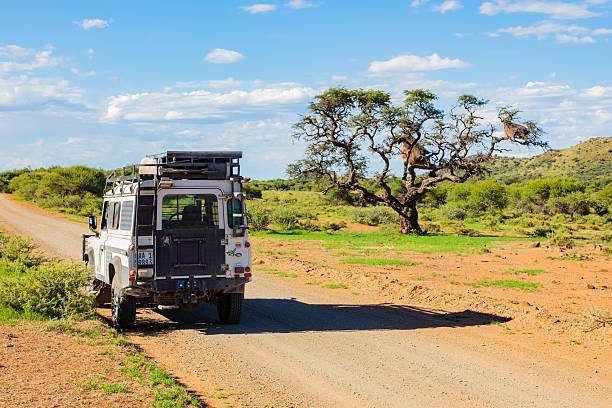
**Tip for 2026-2027:** For exploring less accessible hidden gems, hiring a 4×4 vehicle with a knowledgeable local driver is highly recommended. This ensures you can reach your destination safely and comfortably, regardless of road conditions.
### Accommodation Options
Geita’s accommodation landscape is evolving. While it doesn’t offer the luxury safari lodges found elsewhere in Tanzania, there are options catering to different budgets and preferences.
* **Local Hotels and Guesthouses:** Geita town has a number of hotels and guesthouses. These range from basic to mid-range, offering essential amenities. They are convenient for accessing town facilities and markets.
* Lakeside Lodges/Camps: As Geita’s tourism potential is recognized, more lodges and camps are emerging along the shores of Lake Victoria. These often offer more scenic settings and a connection to the lake environment. They might be simpler in terms of luxury but excel in location and atmosphere.
* Community Homestays: For the most authentic experience, look for opportunities to stay with local families through community-based tourism initiatives. These are often basic but provide unparalleled cultural immersion.
**Booking for 2026-2027:** It’s advisable to book accommodation in advance, especially if you are looking for specific types of lodging or traveling during peak dry season. For community homestays or unique lakeside experiences, early booking is essential.
### Safety and Health Considerations
As with any travel, safety and health are paramount. Geita is generally safe for tourists, but taking standard precautions is wise.
* Health:
* Malaria: Geita is a malaria-endemic area. Consult your doctor about malaria prophylaxis before your trip and use insect repellent, wear long sleeves and trousers in the evenings, and sleep under mosquito nets.
* Water: Drink only bottled or purified water. Avoid ice in drinks unless you are certain it’s made from purified water.
* Food: Eat well-cooked food, preferably hot. Be cautious with raw fruits and vegetables unless you peel them yourself or are sure they have been washed in purified water.
* Vaccinations: Ensure your routine vaccinations are up to date. A Yellow Fever vaccination certificate may be required for entry into Tanzania or for onward travel.
* Safety:
* Personal Belongings: Be mindful of your belongings, especially in crowded markets or on public transport. Use a money belt and keep valuables secure.
* Night Travel: It’s advisable to avoid walking alone at night, especially in less-developed areas. Use taxis if you need to travel after dark.
* Interactions: Be respectful of local customs and traditions. Dress modestly, especially when visiting villages or religious sites.
* Mining Areas: Avoid venturing into active mining areas unless on an authorized tour, as these can be dangerous.
**For 2026-2027:** Stay informed about any health advisories or travel recommendations issued by your government or international health organizations. Carrying a basic first-aid kit is always a good idea.
Choosing a Local Tour Operator for Geita
Navigating Geita’s hidden gems and local tours is significantly enhanced by partnering with a knowledgeable and reputable local tour operator. Their expertise can find experiences that are otherwise difficult to find or arrange, ensuring a safe, authentic, and enriching journey. This is especially true for destinations like Geita, which are not yet on the mainstream tourist radar.
### Why Local Expertise Matters
Local tour operators possess an intimate understanding of Geita that goes beyond what any guidebook can offer. They have established relationships within communities, a deep knowledge of the terrain, and insights into the cultural nuances that are vital for authentic experiences.
* Access to Hidden Gems: They know about the secluded beaches, the best fishing villages, the artisan workshops, and the cultural events that are not advertised.
* Cultural Sensitivity: Local guides are trained to interact respectfully with communities, ensuring that your visit is welcomed and beneficial.
* Logistical Mastery: They understand the local transportation network, road conditions (especially during different seasons), and can navigate potential challenges with efficiency.
* Safety and Support: They are equipped to handle emergencies, provide guidance on health and safety, and offer a reliable point of contact throughout your trip.
* Economic Benefit: By choosing a local operator, you ensure that a larger portion of your travel expenditure directly benefits the local economy.
### What to Look For in an Operator
When selecting a tour operator for your Geita adventure, consider the following qualities:
* Local Ownership and Operation: Prioritize companies that are based in Tanzania and have a strong presence and understanding of Geita.
* Community Ties: Look for operators who actively engage with and support local communities, perhaps through community-based tourism projects.
* Customization: The best operators will offer tailor-made itineraries that fit your interests, rather than pushing a standard package.
* Transparency: They should be clear about what is included in their tours, pricing, and any potential exclusions.
*
Reputation and Reviews: While Geita might have fewer online reviews, look for operators with a good reputation for service and authenticity in Tanzania more broadly. Recommendations from other travelers or reliable travel forums can be valuable.
* Safety Standards: Inquire about their safety protocols, emergency procedures, and the qualifications of their guides.
### Booking Considerations for 2026-2027
As you plan for travel in 2026 or 2027, booking your Geita tour with a reputable local operator like **Climb 4 Africa** is a strategic decision. They specialize in creating authentic Tanzanian experiences and can expertly guide you through the unique offerings of Geita.
* Early Planning: For unique experiences or community-based stays, booking well in advance is crucial. This is particularly true for 2026-2027 when sustainable and experiential travel is expected to see continued growth.
* Itinerary Design: Discuss your interests in hidden gems, cultural immersion, and local life with your chosen operator. They can help craft an itinerary that perfectly matches your desires.
* Inclusions: Clarify what is included in your tour package. This typically covers accommodation, transportation, guide services, and planned activities. Meals and entrance fees are usually specified.
* Payment and Terms: Understand their payment schedule, cancellation policy, and booking terms. Reputable operators will have clear and fair policies.
**Contact Climb 4 Africa:** To start planning your personalized Geita exploration for 2026-2027, reach out to Climb 4 Africa. Their expertise in Tanzanian travel, combined with their commitment to authentic experiences, makes them an ideal partner for discovering the hidden gems of Geita. You can contact them via **WhatsApp at +255 747 477 898** or **Email at climb4africa@gmail.com** to discuss your specific interests and begin crafting your unique itinerary.
Making the Most of Your Geita Visit
To truly maximize your experience in Geita and connect with its essence, adopting a traveler’s mindset that embraces authenticity and respect is key. Geita offers a unique opportunity to see Tanzania beyond the typical tourist circuit, and your approach can make all the difference.
* Be Open and Flexible: Things may not always run on a strict schedule. Embrace the local pace of life and be prepared for spontaneous encounters or slight adjustments to plans. This flexibility is often where the most memorable moments occur.
* Engage with Locals: Smile, learn a few Swahili greetings (like ‘Jambo’ for hello, ‘Asante’ for thank you), and show genuine interest in the people you meet. Most Tanzanians are warm and welcoming.
* Respect Local Customs: Dress modestly, especially in villages and when interacting with elders. Always ask permission before taking photographs of people.
* Support Local Businesses: Whenever possible, choose local restaurants, buy crafts directly from artisans, and utilize local transport services. This ensures your money has a positive impact.
* Learn About the Culture: Read up on Sukuma traditions and Tanzanian history before you go. This background knowledge will enrich your understanding of what you see and experience.
* Be Mindful of Photography: While capturing memories is important, be discreet and respectful. Avoid intrusive photography, especially in sensitive areas or during cultural ceremonies.
* Stay Curious: Ask questions (through your guide if necessary), observe daily life, and seek to understand the context behind what you are seeing. Geita’s true treasures are often revealed through curiosity and observation.
By adopting these practices, your visit to Geita will be not just a trip, but a meaningful trip and connection.
Conclusion: Geita Awaits
Geita, Tanzania, stands as a compelling destination for the discerning traveler seeking experiences beyond the ordinary. Its identity as a significant gold-mining region is only one facet; the true allure lies in its serene Lake Victoria shores, the rich cultural heritage of the Sukuma people, vibrant local markets, and traditional fishing villages. These hidden gems offer an authentic glimpse into Tanzanian life that is both enriching and unforgettable.
For travelers planning their adventures for 2026-2027, Geita presents an opportunity to engage with a destination that is still largely undiscovered by mass tourism. The key to unlocking its potential lies in meticulous planning, a willingness to embrace local culture, and partnering with operators who understand the region intimately. From navigating local transport to finding the most authentic community-based tourism initiatives, expert local support is invaluable.
**Climb 4 Africa** is exceptionally well-positioned to help you curate an extraordinary journey into the heart of Geita. Their deep knowledge of Tanzania, commitment to responsible tourism, and ability to craft personalized itineraries ensure that your exploration of Geita’s hidden gems will be both smooth and profoundly rewarding. Whether you’re dreaming of tranquil lakeside moments, vibrant cultural exchanges, or simply experiencing the genuine warmth of Tanzanian hospitality, Geita is ready to welcome you.
To begin crafting your personalized Geita adventure for 2026-2027, reach out to Climb 4 Africa. Connect with their team via **WhatsApp at +255 747 477 898** or **Email at climb4africa@gmail.com**. Let them help you uncover the authentic spirit of Geita and create memories that will last a lifetime.
Check Availability for Hidden Gems And Local Tours In Geita, Tanzania Guide
Ready to compare dates, prices, and the best option for your group? Send the package name and travel month so the team can reply with a clear quote, availability, and what is included.
Hidden Gems And Local Tours In Dodoma, Tanzania Guide
Explore the less-traveled paths of Dodoma, Tanzania's capital, with insights into its hidden gems and authentic local tours. From unique cultural landmarks to bustling markets and…
Discover Dar Es Salaams Hidden Gems & Authentic Local Tours () 2026-2027
Uncover the soul of Dar es Salaam with our guide to its hidden gems and authentic local tours. Move beyond the tourist trail to experience the true pulse of Tanzania's coastal capital.
Hidden Gems And Local Tours In Arusha, Tanzania 2026-2027
Hidden Gems and Local Tours in Arusha, Tanzania is explained with current 2026-2027 planning, price, itinerary and booking information.
No related package matches those filters. Clear one or more filters to see the other topic-matched options.