
Discovering Tabora, Tanzania’s hidden gems and local tours offers a profound connection to the country’s rich history, vibrant culture, and less-traveled landscapes, providing unique experiences for adventurers planning trips in 2026-2027. Unlike more frequented destinations, Tabora presents an opportunity to engage with authentic Swahili heritage, explore colonial remnants, and witness daily life unfold at a genuine pace, all while supporting local communities and guides.
Tabora: More Than Just a Transit Point
Tabora, situated in the western part of Tanzania, often gets overlooked by travelers rushing between the famed northern safari circuit and Zanzibar. Yet, this historical town and its surrounding region hold a interesting allure for those seeking an authentic Tanzanian experience away from the crowds. It was once the bustling heart of caravan routes, a vital trading post for ivory and slaves, and later a significant administrative center during colonial times. This rich, often complex, past has left an indelible mark on Tabora, shaping its unique character and offering a depth of cultural and historical exploration that few other Tanzanian destinations can match. For travelers in 2026 and 2027 who prioritize genuine cultural exchange and a deeper understanding of East African history, Tabora presents an unparalleled opportunity. It’s a place where the rhythms of daily life are still largely dictated by tradition, where ancient stories are whispered in bustling markets, and where the landscape itself tells tales of bygone eras.
The true essence of Tabora lies not in grand monuments, but in its subtle layers: the architecture that hints at a German past, the resilience of its people, the vibrant pulse of its markets, and the quiet dignity of its historical sites. It’s a destination that rewards curiosity and patience, inviting visitors to slow down and truly engage with their surroundings. Planning a trip here means looking beyond the typical safari package and embracing a journey that delves into the soul of Tanzania. Local guides and community-based initiatives are key to unlocking these authentic experiences, ensuring that your visit contributes positively to the region and provides you with insights you wouldn’t find in any guidebook.
Unearthing Tabora’s Historical Layers
Tabora’s history is a multi-faceted narrative, woven from threads of trade, conflict, administration, and cultural exchange. Understanding this past is crucial to appreciating the present-day character of the town and its people. It’s a history that is both grand in its regional impact and deeply personal in its human stories.
The Echoes of the Slave Trade
Perhaps the most profound, and somber, chapter in Tabora’s history is its role as a major hub in the East African slave trade. From the mid-19th century, Tabora (then known as Kazeh) was a principal destination for caravans bringing enslaved people from the interior to be traded. The notorious Arab ivory and slave traders, like Tippu Tip and Nguni, established significant bases here. This period left a deep scar on the region, impacting its demographics, social structures, and economy for generations. Exploring this history requires sensitivity, but it is essential for a comprehensive understanding of the area. Local historians and guides can illuminate this era through stories, the locations of former trading posts, and discussions about its lasting impact. While physical remnants are scarce, the historical significance is palpable.
For travelers interested in this aspect of history, seeking out sites associated with the Arab quarter and understanding the routes caravans took is key. It’s a reminder of the complex and often brutal forces that shaped East Africa. Engaging with this history respectfully allows for a deeper appreciation of the region’s resilience and its journey towards independence and modern development. It’s a critical piece of the narrative that makes Tabora’s story so compelling.
Colonial Footprints: German and British Eras
Following the decline of the slave trade, Tabora found itself at the heart of colonial ambitions. The German East Africa Company established a presence, recognizing its strategic importance as a junction for trade routes. The Germans built administrative centers and infrastructure, remnants of which can still be observed in the town’s architecture. The iconic German Residency, though now in a state of disrepair, stands as a testament to this period. After World War I, control passed to the British under the Tanganyika mandate. The British continued to administer the region, further developing infrastructure and solidifying Tabora’s role as a transportation and administrative hub, particularly with the arrival of the railway.
Exploring these colonial-era buildings, understanding the administrative structures that were put in place, and learning about the impact of colonial rule on local society offers another layer of historical context. Local guides can point out specific buildings, share anecdotes about the different colonial administrations, and explain how these periods influenced the town’s development and its relationship with the wider world. These tangible links to the past provide a unique perspective on Tabora’s evolution through the late 19th and early 20th centuries.
Tabora as a Swahili Cultural Hub
Beyond the influences of the slave trade and colonialism, Tabora has long been a significant center for Swahili culture. The Swahili people, a vibrant ethnic group with a rich linguistic and cultural heritage, have a strong presence here. Swahili culture is characterized by its blend of African, Arab, Persian, and Indian influences, evident in its language, customs, cuisine, and art. Tabora, situated inland but historically connected to coastal trade networks, developed its own distinct Swahili identity. This is visible in the local dialects, the traditional dress, the intricate social customs, and the hospitality extended to visitors.
Engaging with the local Swahili community is perhaps the most rewarding aspect of visiting Tabora. This involves visiting local homes (with prior arrangement and respect for customs), participating in traditional activities, learning basic Swahili phrases, and understanding the social etiquette. Local tours can facilitate these interactions, ensuring they are respectful and mutually beneficial. Experiencing the warmth and generosity of the Swahili people, understanding their daily lives, and witnessing their cultural practices firsthand is what makes Tabora a truly special destination for those seeking authentic connections in 2026-2027.
Off-the-Beaten-Path Attractions in Tabora
While the historical narratives are compelling, Tabora also offers access to natural beauty and unique local attractions that are far from the typical tourist circuit. These hidden gems provide opportunities for adventure, wildlife viewing, and deeper cultural immersion.
Ugalla River National Park: A Wilderness Gem
For the adventurous traveler, Ugalla River National Park, located south of Tabora town, is a significant draw. This park is one of Tanzania’s less-visited but increasingly recognized wildlife destinations. It’s known for its diverse ecosystems, including miombo woodlands, riverine forests, and open grasslands, which support a rich array of wildlife. Ugalla is particularly renowned for its large elephant herds, a healthy population of lions, leopards, wild dogs, and a fantastic variety of birdlife. The park’s remote location means that visitors often have the wilderness largely to themselves, offering an exclusive safari experience.
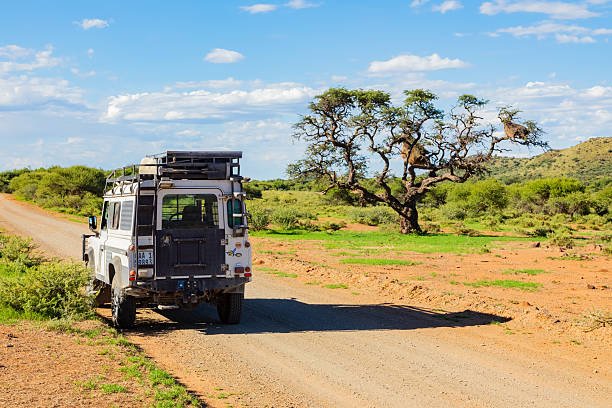
Access to Ugalla can be challenging, often requiring a 4×4 vehicle and experienced local guides. The park offers opportunities for game drives, walking safaris (where permitted and guided), and excellent birdwatching. The Ugalla River itself is a focal point for wildlife, especially during the dry season. Planning a trip to Ugalla in 2026 or 2027 requires careful logistics, including arranging transport, accommodation (which is typically basic and often involves camping or simple lodges), and park permits. This is where the expertise of local tour operators like Climb 4 Africa becomes invaluable, ensuring a safe and well-organized expedition into this wild frontier. It’s an ideal destination for those seeking an unadulterated African wilderness experience.
Kigwa Forest Reserve: Biodiversity Hotspot
Another natural treasure near Tabora is the Kigwa Forest Reserve. This area is a vital ecosystem, important for its biodiversity and its role in the local environment. While not a national park with extensive tourist infrastructure, Kigwa offers opportunities for nature walks, birdwatching, and appreciating the unique flora and fauna of the miombo woodland ecosystem. It’s a place where one can experience the tranquility of Tanzanian forests and observe smaller wildlife and a vast array of bird species. Local guides can lead excursions into the reserve, highlighting the ecological significance of the area and pointing out various plant species and their traditional uses.
Kigwa is best explored with a knowledgeable local guide who can navigate the trails and identify different species. It’s a perfect addition for travelers interested in ecotourism, conservation, or simply seeking a peaceful retreat into nature. Such excursions can be arranged as part of a broader Tabora itinerary, offering a contrast to the historical sites and bustling town life.
Local Markets and Villages: Authentic Encounters
The heart of Tabora beats in its local markets and surrounding villages. The main Tabora Market is a vibrant spectacle of daily life, a place where farmers, traders, and artisans converge. Here, you can find everything from fresh produce, local crafts, and textiles to household goods. It’s an excellent spot for people-watching, taking photographs (always ask permission first), and perhaps picking up some unique souvenirs. The sensory experience – the colors, sounds, and smells – is intoxicating.
Beyond the central market, exploring smaller village markets on specific market days offers an even more intimate glimpse into rural life. Visiting nearby villages allows for direct interaction with local communities. This could involve seeing traditional farming practices, understanding local livelihoods, or simply sharing a cup of chai with villagers. These experiences are best facilitated by local guides who can bridge language barriers, explain customs, and ensure respectful engagement. Such interactions are invaluable for understanding the true spirit of Tabora and its people, offering genuine cultural immersion that goes beyond surface-level tourism. Planning such visits for 2026-2027 should focus on respectful engagement and supporting community initiatives.
Significant Religious Sites
Tabora is home to several religious sites that reflect the diverse spiritual landscape of the region. The town has a notable Catholic presence, with the Cathedral of St. Theresa being a prominent landmark. This church, with its historical architecture, serves as a center for the local Catholic community. Additionally, there are mosques that cater to the Muslim population, reflecting the historical Arab influence and the broader Islamic heritage in parts of Tanzania.
Visiting these sites can offer insights into the religious practices and beliefs that are integral to the lives of many Tabora residents. While these are active places of worship, respectful visits are often welcomed. Understanding the role of religion in society provides another dimension to the cultural mix of Tabora. Local guides can provide context about the history of these institutions and their significance to the community.
Traditional Crafts and Artisan Workshops
Tabora is known for its traditional crafts, passed down through generations. While perhaps not as widely advertised as crafts from other regions, local artisans produce beautiful work. This can include wood carvings, pottery, basket weaving, and the creation of traditional clothing and adornments. Visiting local workshops or cooperatives allows travelers to witness these crafts being made, learn about the techniques involved, and purchase authentic items directly from the makers. This direct support is vital for sustaining these traditional skills.
For those interested in handicrafts, arranging a visit to a workshop or an artisan’s home can be a deeply enriching experience. It’s an opportunity to understand the artistry, the materials used, and the cultural significance behind each piece. These are the kinds of unique souvenirs that carry true meaning and tell a story, far more so than mass-produced items. Exploring these craft traditions adds another layer to the cultural exploration of Tabora, especially for travelers seeking tangible connections to local heritage in 2026-2027.
Crafting Your Tabora Experience: Local Tours and Activities
To truly find the hidden gems of Tabora, engaging with local tour operators and guides is essential. They possess the knowledge, connections, and understanding to craft authentic and meaningful experiences. The focus here is on tailored activities that go beyond standard sightseeing, delving into the cultural, historical, and natural richness of the region.
Historical Walking Tours
A guided walking tour through Tabora town is perhaps the best way to begin understanding its layered past. Local guides can lead you through the old Arab quarter, pointing out architectural remnants of the slave trade era, though many are subtle. They will guide you to the significant colonial buildings, such as the German Residency, the old post office, and the railway station, explaining their historical context and significance. These tours are not just about seeing buildings; they are about hearing the stories, understanding the social and political forces that shaped them, and piecing together the narrative of Tabora’s evolution. A good guide will bring these historical periods to life, making the past tangible.
These tours are ideal for independent travelers or small groups. They offer flexibility, allowing you to linger at points of interest and ask questions. Planning a historical walking tour for 2026-2027 should involve selecting a guide with deep local knowledge, preferably one who can speak English fluently and has a passion for Tabora’s history. The duration can be customized, from a few hours to a full day, depending on your interest.
Cultural Immersion Tours
Cultural immersion tours are designed to offer genuine interaction with the local community. This can include visits to local villages, participating in daily activities like cooking traditional meals, learning about farming techniques, or attending local ceremonies (if timing and circumstances permit, with utmost respect). These tours often involve spending time with local families, fostering a deeper understanding of Swahili life, customs, and values. The emphasis is on respectful exchange, learning, and mutual appreciation.
These experiences are profoundly rewarding but require careful planning to ensure they are ethical and beneficial to the host communities. Local operators can arrange these visits, ensuring proper introductions, understanding of customs, and appropriate contributions. For travelers in 2026-2027 looking for authentic connections, these tours are invaluable. It’s important to approach these experiences with an open mind and a willingness to learn and adapt to local ways.
Nature and Wildlife Excursions
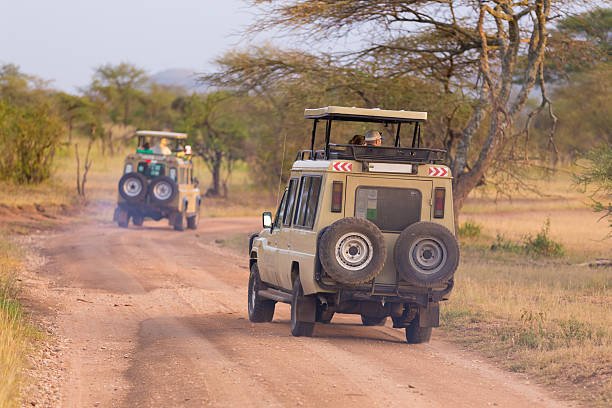
For those drawn to Tanzania’s natural beauty, excursions to Ugalla River National Park and Kigwa Forest Reserve are essential. Local guides are indispensable for navigating these areas safely and effectively. In Ugalla, guided game drives and walking safaris offer opportunities to witness diverse wildlife, from large mammals to an incredible array of bird species. The experience is often intimate, with few other tourists around, providing a true sense of wilderness exploration.
In Kigwa Forest Reserve, guided nature walks focus on the rich biodiversity of the miombo woodlands. These walks are perfect for birdwatchers, botanists, and anyone who appreciates the tranquility of untouched natural environments. Local guides can identify various plant species, explain their medicinal or traditional uses, and spot elusive forest dwellers. Planning these excursions for 2026-2027 involves understanding the best seasons for wildlife viewing, the logistical requirements (like 4×4 vehicles for Ugalla), and the availability of experienced local guides who know these areas intimately.
Community-Based Tourism Initiatives
Tabora is increasingly seeing the development of community-based tourism (CBT) initiatives. These projects are designed to empower local communities by allowing them to directly benefit from tourism. This can include homestays in villages, guided tours led by community members, participation in local crafts or agricultural activities, and experiencing traditional performances. CBT offers an authentic way to engage with local culture while ensuring that tourism revenue stays within the community, fostering sustainable development.
When planning a trip to Tabora for 2026-2027, seeking out and supporting these CBT initiatives is highly recommended. They provide unique insights into local life and contribute directly to the well-being of the people you meet. Local tour operators can help identify and arrange visits to reputable CBT projects, ensuring that your experience is both enriching and responsible.
Special Interest Tours (e.g., photography, birdwatching)
Tabora’s unique character lends itself well to specialized tours. Photographers will find endless subjects, from the vibrant markets and colonial architecture to the sweeping landscapes and intimate portraits of local life. Birdwatchers will be delighted by the diverse avian species found in Kigwa Forest and the wetlands around Ugalla. Experienced local guides, especially those with a keen eye for wildlife or an understanding of photographic composition, can enhance these specialized experiences.
For travelers with specific interests, it’s crucial to communicate these needs clearly to tour operators. Whether you’re focused on capturing the perfect shot of a rare bird or documenting the daily life of a village, a tailored tour can maximize your experience. The 2026-2027 travel season presents an excellent opportunity to explore these niche interests in Tabora, benefiting from the growing local expertise in guiding.
Planning Your Tabora Adventure: 2026-2027 Practicalities
A successful trip to Tabora requires thoughtful planning, considering factors unique to this less-traveled region of Tanzania. Understanding these practicalities will help ensure a smooth and enjoyable journey in 2026-2027.
Best Time to Visit Tabora
Tabora experiences a tropical climate with distinct wet and dry seasons. The dry season, typically from June to October, is generally considered the best time to visit for comfortable travel and optimal wildlife viewing in areas like Ugalla. During this period, the weather is pleasant, with less humidity and lower chances of rain, making exploration easier. Roads are also in better condition.
The rainy season runs from November to May, with a peak usually between March and April. While some travelers might prefer the lush green landscapes and fewer crowds during the rains, travel can be more challenging due to muddy roads, and some activities might be restricted. Birdwatching can be excellent during the wet season. For safari activities in Ugalla, the dry season is usually preferred for ease of access and wildlife concentration around water sources. When planning for 2026-2027, consider your priorities: comfortable exploration and wildlife viewing (dry season) or experiencing the landscape in its verdant state and potentially lower costs (shoulder/wet seasons).
Getting to Tabora
Tabora is accessible primarily by air and road. The town has an airport (Tabora Airport – TBO) that receives domestic flights, mainly from Dar es Salaam and occasionally from other major Tanzanian cities. These flights offer a quicker, albeit more expensive, way to reach Tabora. Booking flights well in advance is advisable, especially for the 2026-2027 travel period.
By road, Tabora is connected by a paved highway system, though the journey can be long. It is a significant stop on the central railway line, offering an alternative mode of transport, though train schedules can be unpredictable. The journey from Dar es Salaam by road typically takes 10-12 hours, and from Arusha, it’s even longer. Many travelers combine Tabora with other western Tanzanian destinations or arrive from Dodoma. For those arriving from Kilimanjaro International Airport (JRO) or Dar es Salaam International Airport (DAR), a domestic flight to Tabora is often the most practical first step, followed by local transfers arranged by your tour operator.
Accommodation Options
Accommodation in Tabora town ranges from basic guesthouses and hotels to a few mid-range options. These provide comfortable stays for travelers focusing on the town’s historical and cultural aspects. For those venturing into Ugalla River National Park, accommodation is more rustic, typically involving tented camps or basic lodges, often managed by park authorities or local tour operators. These offer a more in-depth wilderness experience.
When planning for 2026-2027, it’s important to book accommodation in advance, especially during peak seasons or if you are traveling as a group. For specialized safaris in Ugalla, the tour operator will typically arrange all lodging as part of the package. Researching options that align with your budget and comfort level is key. Consider whether you prioritize proximity to town attractions or a remote wilderness setting.
Local Transport and Logistics
Within Tabora town, transport options include taxis, boda-bodas (motorcycle taxis), and local minibuses (daladalas). For excursions outside the town, especially to natural attractions like Ugalla or Kigwa, a 4×4 vehicle is often essential, particularly during the rainy season. Hiring a vehicle with a driver and a knowledgeable local guide is the most reliable and convenient way to explore the region.
Logistics for remote areas like Ugalla require careful planning. This includes arranging fuel, food supplies, camping equipment (if needed), and ensuring communication devices are functional. Local tour operators are experts in managing these complexities. When booking your 2026-2027 trip, clarify what transport is included, especially for any off-road excursions. Understanding these logistical aspects will prevent potential travel disruptions.
Health and Safety Considerations
As with any travel in Tanzania, it’s important to take health precautions. Malaria is present, so consult your doctor about appropriate anti-malarial medication and use insect repellent. Ensure you are up-to-date with recommended vaccinations, such as Hepatitis A and Typhoid. Drink only bottled or purified water.
Safety in Tabora is generally good, especially when sticking to reputable tour operators and guides. Be aware of your surroundings, particularly in crowded markets. For wildlife excursions, always follow the instructions of your guide. Ensure you have adequate travel insurance that covers medical emergencies and evacuation. For 2026-2027 travel, staying informed about any current health advisories is recommended.
Budgeting for Tabora
Tabora can be a more budget-friendly destination compared to Tanzania’s more popular tourist hubs, especially if you opt for local accommodation and transport within town. However, costs can increase significantly for specialized excursions, particularly safaris to Ugalla River National Park, which require specialized vehicles and logistics. Factors influencing your budget include:
- Accommodation: Guesthouses and basic hotels are more affordable than lodges in remote areas.
- Transport: Hiring a 4×4 with a driver for safaris will be a major expense. Local taxis and boda-bodas are cheaper for town travel.
- Activities: Entrance fees for national parks (Ugalla) and guided tours will add to the cost.
- Duration: Longer stays naturally increase overall expenses.
- Time of Year: While Tabora doesn’t have extreme peak seasons like the Serengeti, booking during the dry season might be slightly more costly due to demand.
For a comprehensive trip in 2026-2027 that includes exploring both the town and its natural surroundings, budgeting for $150 – $350+ per person per day is a reasonable estimate, depending heavily on the extent of safari activities and accommodation choices. It’s always best to get a detailed quote from a local operator for your specific itinerary. For a more accurate quote for 2026-2027, contact Climb 4 Africa directly.
Responsible Tourism in Tabora
Traveling responsibly in Tabora means being mindful of the cultural and environmental impact of your visit. This includes:
- Respecting Local Culture: Dress modestly, especially when visiting villages or religious sites. Always ask permission before taking photos of people. Learn a few basic Swahili phrases.
- Supporting Local Economy: Purchase crafts directly from artisans, eat at local eateries, and choose community-based tourism initiatives.
- Environmental Conservation: Minimize waste, avoid single-use plastics, and respect wildlife and natural habitats. Stick to marked trails and follow guide instructions in natural areas.
- Ethical Wildlife Viewing: Maintain a safe distance from animals, never feed them, and avoid activities that disturb their natural behavior.
By traveling conscientiously, you can ensure your visit to Tabora in 2026-2027 contributes positively to the local community and environment, leaving a legacy of respect and appreciation.
Booking Your Tabora Local Tour: Partnering with Experts
Given Tabora’s off-the-beaten-path nature and the importance of local knowledge, partnering with an experienced tour operator is highly recommended for planning your trip in 2026-2027. A company like Climb 4 Africa, with its deep roots in Tanzania and expertise in tailor-made itineraries, can be instrumental in crafting an authentic and smooth experience. They understand the logistics of reaching remote areas like Ugalla, have established relationships with local guides and communities, and can navigate the complexities of health, safety, and transport.
When you reach out to Climb 4 Africa, be prepared to discuss your interests: are you more drawn to the historical aspects of Tabora town, the wildlife of Ugalla, cultural immersion in villages, or a combination? Sharing your travel dates for 2026 or 2027, your preferred travel style (e.g., budget, mid-range, comfort), and any specific activities you wish to include will help them design a personalized itinerary. They can advise on the best times to visit, suggest unique local experiences, and provide transparent pricing. Booking through a reputable operator not only simplifies planning but also ensures that your journey is well-supported, safe, and genuinely enriching, allowing you to fully appreciate the hidden gems and local tours of Tabora.
For personalized assistance in planning your unique Tabora adventure for 2026-2027, consider reaching out to the experts at Climb 4 Africa. You can contact them via WhatsApp at +255 747 477 898 or email them at climb4africa@gmail.com to discuss your tailor-made Tanzanian travel experience.
Check Availability for Hidden Gems And Local Tours In Tabora, Tanzania: A Deep Dive For 2026-2027
Ready to compare dates, prices, and the best option for your group? Send the package name and travel month so the team can reply with a clear quote, availability, and what is included.
Hidden Gems And Local Tours In Singida, Tanzania Guide
Explore the less-traveled paths of Singida, Tanzania, uncovering its unique cultural heritage, natural beauty, and local community interactions through authentic tours.
Discover Simiyus Hidden Gems: Authentic Local Tours & Experiences In Tanzania
Uncover the best-kept secrets of Simiyu, Tanzania, through authentic local tours. This guide highlights unique cultural encounters, wildlife viewing opportunities, and stunning natural…
Hidden Gems And Local Tours In Shinyanga, Tanzania: An Experts Guide 2026-2027
Explore the lesser-known attractions and unique local experiences in Shinyanga, Tanzania. This guide reveals hidden gems and provides practical advice for planning unforgettable tours, with…
Hidden Gems And Local Tours In Ruvuma, Tanzania Guide
Ruvuma region in Tanzania offers a wealth of undiscovered treasures, from vibrant local cultures to pristine natural landscapes. This guide details how to experience these hidden gems…

Discover Rukwas Hidden Gems: Authentic Local Tours In Tanzania 2026-2027
Uncover the authentic charm of Rukwa, Tanzania, by venturing off the beaten path. This guide details hidden gems and local tour experiences, from unique wildlife encounters to cultural…

Discover Pwanis Hidden Gems & Authentic Local Tours In Tanzania 2026-2027
Uncover the lesser-known wonders and authentic local experiences in Pwani, Tanzania. This guide highlights unique destinations and tours for travelers seeking genuine cultural immersion and…
Pemba Kusini: Discover Hidden Gems And Authentic Local Tours In Tanzania
Uncover the untold stories and untouched beauty of Pemba Kusini, Tanzania, with this in-depth guide to its hidden gems and authentic local tours. From pristine beaches to vibrant culture…
Hidden Gems And Local Tours In Pemba Kaskazini, Tanzania: Your Ultimate
find the secrets of Pemba Kaskazini, Tanzania. This guide reveals its most secluded beaches, unique cultural experiences, and unforgettable local tours, perfect for travelers seeking…

Discover Njombe, Tanzania: Hidden Gems And Authentic Local Tours For 2026-2027
Uncover the lesser-known treasures of Njombe, Tanzania, with a focus on authentic local tours and unique experiences. This guide explores the natural beauty, cultural richness, and…

Hidden Gems And Local Tours In Mwanza, Tanzania Guide
Uncover the soul of Mwanza, Tanzania, through its lesser-known attractions and genuine local tours. This guide reveals secret spots and unique cultural encounters for an unforgettable…
Hidden Gems And Local Tours In Mtwara, Tanzania: Your Ultimate Guide 2026-2027
Uncover the secrets of Mtwara, Tanzania, with this comprehensive guide to its hidden gems and local tours. From untouched coastlines to vibrant cultural experiences, plan your unforgettable…
Best Songea Tours: Exploring Southern Tanzanias Hidden Gems In 2026-2027
Songea, the capital of the Ruvuma region in southern Tanzania, offers a less-traveled but profoundly rewarding experience. This guide details the best tours and activities for exploring its…
No related package matches those filters. Clear one or more filters to see the other topic-matched options.



