
Traveling to Tabora, Tanzania, involves understanding its central location and the primary modes of transport available, mainly flights into Tabora Airport (TBO) or long-distance bus services connecting from major Tanzanian cities like Dar es Salaam and Arusha. While direct international flights are unavailable, connecting via Kilimanjaro International Airport (JRO) or Julius Nyerere International Airport (DAR) is standard. Given Tabora’s inland position, road travel is common, though often lengthy. Planning for 2026-2027 trips means considering these transport links, accommodation options, and the best times to visit, typically during the dry seasons from June to October and December to February, to fully appreciate its historical significance and local culture.

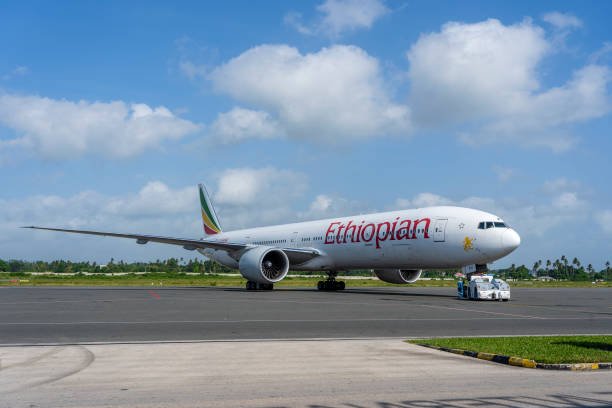
Understanding Tabora: A Glimpse into Tanzania’s Heart
Tabora, situated in the heart of Tanzania, is a region rich in history and cultural significance. Once a major trading post, particularly for ivory and slaves in the 19th century, it played a pivotal role in shaping East African commerce and its interactions with the outside world. This legacy is still palpable in its architecture and the stories of its people. Today, Tabora is a bustling provincial capital, serving as a vital hub for the surrounding agricultural communities. Its strategic location in central Tanzania makes it a unique destination, offering a different perspective on the country compared to the more frequented coastal areas or northern safari circuits. For travelers looking to experience authentic Tanzanian life beyond the typical tourist trails, Tabora presents an intriguing option, especially as interest in less-explored regions grows for 2026 and 2027 travel.
Exploring Tabora means stepping back in time while engaging with a vibrant present. The town’s history is intertwined with famous explorers like Henry Morton Stanley, who passed through and used it as a base. Its railway station, though perhaps less grand than in its heyday, still stands as a testament to its past importance. The local culture is a fascinating blend of indigenous tribes, with the Nyamwezi people being historically dominant in the region, known for their resilience and trading prowess. Understanding this context is key to appreciating the journey to Tabora and the experiences it offers. It’s a place where the pace of life is dictated by local rhythms, offering a genuine encounter with Tanzanian society.
When planning a trip to Tabora, it’s important to set expectations correctly. This is not a destination with luxury resorts or high-octane tourist activities. Instead, it offers a deep look at local life, history, and the everyday realities of central Tanzania. The journey itself is often part of the adventure, requiring patience and a willingness to embrace the local way of travel. For those who seek a more profound connection with their travel destination, Tabora rewards the effort with authentic experiences and a unique understanding of Tanzania’s heritage. The growing interest in sustainable and responsible tourism for 2026-2027 makes places like Tabora increasingly appealing for travelers seeking depth over superficiality.
Getting to Tabora by Air
For many international travelers, reaching Tabora will involve a multi-leg journey, as there are no direct international flights into Tabora Airport (TBO). The most practical approach is to fly into one of Tanzania’s main international gateways and then connect to a domestic flight. This method, while requiring careful planning, is generally the fastest way to cover the significant distances involved in reaching central Tanzania. It allows you to bypass potentially long and arduous overland journeys, especially if your time is limited.
### International Arrival Points
The primary international airports serving Tanzania are:
* Julius Nyerere International Airport (DAR) in Dar es Salaam: This is the largest and busiest airport in Tanzania, with the most extensive network of international flights. Many travelers arrive here from Europe, the Middle East, and other parts of Africa. From Dar es Salaam, you can find domestic connections to Tabora.
* Kilimanjaro International Airport (JRO) in Arusha/Moshi: Located in the northern safari circuit, JRO is another major entry point, especially for those combining a trip to Tabora with a Kilimanjaro climb or a northern safari. While less common for direct connections to Tabora than DAR, it’s a viable option if your itinerary starts in the north.
### Domestic Flights to Tabora
Once you’ve landed at either DAR or JRO, your next step is to book a domestic flight to Tabora Airport (TBO). Several Tanzanian airlines operate domestic routes. The most common carriers that might offer flights to Tabora include:
* Precision Air: Often a reliable choice for domestic routes within Tanzania.
* Air Tanzania: The national airline, which also services many domestic destinations.
* Fastjet: While primarily focused on regional and international routes, they sometimes have domestic services that could connect you.
Flight schedules can vary, and it’s crucial to check the latest information closer to your travel dates for 2026-2027. Flights from Dar es Salaam to Tabora typically take around 1.5 to 2 hours. The frequency of these flights can also fluctuate, with fewer services on certain days of the week or during the low season. Booking in advance is highly recommended, especially for peak travel periods.
### Comparing Air Travel Options
**Pros of Flying:**
* Speed: Significantly reduces travel time compared to road travel.
* Comfort: Generally more comfortable and less physically demanding than long bus journeys.
* Convenience: Simplifies reaching a more remote destination like Tabora.
**Cons of Flying:**
* Cost: Domestic flights in Tanzania can be more expensive than bus travel, especially if booked last minute.
* Potential Delays: Small aircraft and weather conditions can sometimes lead to flight delays or cancellations.
* Baggage Restrictions: Smaller planes often have stricter baggage allowances.
**When to Book:** For travel in 2026 or 2027, booking domestic flights at least 2-3 months in advance is advisable to secure better fares and ensure availability, particularly if you need to connect from an international arrival.
Getting to Tabora by Road
For travelers who prefer to see the country unfold or are on a tighter budget, traveling to Tabora by road is a viable, albeit time-consuming, option. Tanzania has a network of roads connecting its major towns and cities, and Tabora is accessible via these routes. This method offers a more in-depth experience of Tanzanian life, allowing you to witness the changing landscapes and observe daily activities along the way.
### Bus Travel Options
Long-distance buses are the most common and economical way to travel between major cities in Tanzania. Several reputable bus companies operate routes that pass through or terminate in Tabora. Some of the well-known companies include:
* Abood Bus Services: One of the largest and most popular bus operators in Tanzania, known for its relatively comfortable coaches and extensive network.
* Royal Coach: Another reputable company offering inter-city bus services.
* Other local operators: Numerous smaller companies also ply these routes, often with less modern buses but offering a more local experience.
Journeys from Dar es Salaam to Tabora can take anywhere from 10 to 14 hours, depending on the bus company, the specific route, road conditions, and the number of stops. Buses typically depart from major bus terminals in cities like Dar es Salaam (e.g., Ubungo Bus Terminal) or Arusha. It’s advisable to book your tickets a day or two in advance, especially for popular routes or if traveling during peak season. Overnight journeys are common, so consider booking an “VIP” or “first-class” seat if available for added comfort.
### Private Transfers and Car Hire
For those seeking more comfort, flexibility, and privacy, arranging a private transfer or hiring a car with a driver is an option. This is a significantly more expensive choice but offers unparalleled convenience. You can arrange this through tour operators or specialized car hire services in Tanzania. A private transfer from Dar es Salaam to Tabora would typically involve a journey of 8-10 hours, with stops made at your convenience.
This option is ideal for small groups who can share the cost, or for travelers who have specific interests along the route and want to make spontaneous stops. Ensure that any vehicle hired is in good condition and that the driver is experienced with long-distance travel in Tanzania. For trips planned for 2026-2027, booking private transport well in advance is recommended to secure reliable services.
### Considerations for Road Travel
* Duration: Be prepared for long travel times. Road conditions can be variable, and journeys may take longer than estimated.
* Comfort: Buses can range from modern coaches to more basic vehicles. Seats may be cramped, and air conditioning is not always guaranteed.
* Safety: While generally safe, it’s wise to travel during daylight hours when possible and be aware of your surroundings. Reputable bus companies generally adhere to safety standards.
* Scenery: Road travel offers a fantastic opportunity to see the Tanzanian countryside, from bustling towns to rural villages and agricultural landscapes.
* Booking: For bus tickets, purchase them directly from the bus company offices or authorized agents. For private transfers, use a trusted tour operator.
Traveling by road to Tabora for 2026-2027 is an excellent choice if you want to experience the fabric of Tanzanian life and have the time to enjoy the journey. It’s a more authentic way to connect with the country.
Best Time to Visit Tabora
Choosing the right time to visit Tabora is crucial for maximizing your enjoyment and comfort. Tanzania experiences distinct weather patterns, and understanding these will help you plan your trip for 2026-2027 effectively. Tabora, being in the central plateau, has a climate that differs slightly from the coastal regions or the highlands. Generally, the region experiences a bimodal rainfall pattern, with a main rainy season and a shorter, less intense rainy period.
### Weather Patterns and Seasons
Tabora experiences two main seasons:
* The Dry Season: This period runs from approximately June to October and again from December to February. These months offer the most pleasant weather for travel. Daytime temperatures are usually warm but not excessively hot, and humidity is lower. The skies are generally clear, making it ideal for exploring the town and its surroundings.
* The Rainy Season: The main rainy season typically occurs from March to May, with occasional shorter rains in November. During these months, heavy downpours are common, which can disrupt travel plans, make roads muddy and difficult to navigate, and potentially affect outdoor activities. However, the rains bring lush greenery to the landscape.
### Seasonal Considerations for 2026-2027
When planning your visit for 2026 or 2027, consider the following:
* June to October: This is the prime dry season and arguably the best time to visit Tabora. The weather is consistently pleasant, with lower humidity and plenty of sunshine. It’s perfect for walking around town, visiting historical sites, and engaging in local markets without the discomfort of heavy rain or extreme heat. This period also coincides with peak tourist season in other parts of Tanzania, so expect slightly higher prices for accommodation if you book last minute, but Tabora itself remains less crowded than major tourist hubs.
* November: This is a transitional month, often seeing the end of the short rains or the beginning of the dry spell. Weather can be mixed, with some sunny days interspersed with occasional showers.
* December to February: This is another dry period, often referred to as the “short dry season” or the “short rains” followed by dryness. It’s generally warm, and while you might encounter some showers, it’s still a good time to visit. This period often aligns with holiday travel, so booking well in advance for 2026-2027 is recommended.
* March to May: This is the main rainy season (Masika). Expect significant rainfall, especially in April and May. While the landscape will be green and beautiful, travel can be challenging due to muddy roads. This is considered the low season for tourism, meaning lower prices but also fewer services and potential travel disruptions.
For a comfortable and predictable experience when traveling to Tabora in 2026-2027, aim for the main dry season (June-October) or the warmer dry period (December-February). If you don’t mind occasional rain and want to experience the landscape at its greenest, the shoulder months like November or early March can also be attractive, provided you are prepared for variable weather.
Where to Stay in Tabora
Tabora offers a range of accommodation options, catering to different budgets and preferences. While it doesn’t boast the luxury hotels found in major cities like Dar es Salaam or Arusha, you’ll find comfortable and clean places to stay that provide a local experience. Understanding the types of lodging available will help you choose the best fit for your 2026-2027 travel plans.
### Accommodation Types and Levels
The accommodation scene in Tabora primarily consists of:
* Hotels: These are the most common type of lodging. They range from basic, no-frills establishments to mid-range hotels offering more amenities. You can expect clean rooms, often with private bathrooms, and sometimes with air conditioning. Some hotels have on-site restaurants and bars.
* Guesthouses: Often a more budget-friendly option, guesthouses provide simpler accommodation. They are usually family-run and offer a more intimate atmosphere. Rooms may be more basic, and facilities might be shared in some cases.
* Lodges: While less common in the town itself, there might be a few more upscale lodges on the outskirts or within the broader Tabora region, though these are typically geared towards safari-goers or longer stays and might require advance booking.
When choosing your accommodation, consider factors like proximity to the town center, availability of transportation, and the specific amenities you require. For instance, if you plan to explore extensively, a hotel closer to the bus station or taxi ranks might be more convenient.
### Booking Accommodation for 2026-2027
For trips planned for 2026 or 2027, here’s how to approach booking:
* Online Travel Agencies (OTAs): Major booking platforms like Booking.com or Agoda may list some of Tabora’s hotels. These offer a convenient way to compare prices and read reviews (though reviews might be limited for smaller establishments).
* Direct Booking: Contacting hotels directly can sometimes yield better rates or allow you to arrange specific needs. Many hotels in Tanzania have a presence on social media or basic websites.
* Local Recommendations: If you are arriving by bus or have arranged transport, your driver or a local contact might be able to recommend and even assist in booking suitable accommodation.
* Peak Season Considerations: While Tabora is not a high-volume tourist destination, during peak travel times (like Christmas/New Year or mid-year holidays), it’s still wise to book at least a few weeks in advance for 2026-2027 to ensure you get your preferred choice.
**What to look for:**
* Cleanliness: Always a priority, especially in areas where standards can vary.
* Location: Central locations are usually best for easy access to amenities and transport.
* Reviews: If available, check recent reviews for insights into the current state of the accommodation.
* Amenities: Confirm if Wi-Fi, air conditioning, or hot water are available, as these can differ significantly.
For travelers looking for a reliable and comfortable mid-range option, searching for hotels with good ratings on booking platforms or asking local contacts for recommendations is a solid strategy. If you’re working with a tour operator like Climb 4 Africa, they can often assist with securing suitable accommodation as part of a larger itinerary, ensuring a smoother experience for your 2026-2027 adventure.
Things to Do in Tabora
Tabora offers a unique blend of historical depth and authentic local life, providing a rich experience for travelers seeking to understand Tanzania beyond its famed wildlife parks. Its past as a major trading hub has left a significant mark, making historical exploration a key activity. Beyond history, engaging with the local culture and daily life offers rewarding insights.
### Historical and Cultural Sites
* The Tabora Museum (former District Commissioner’s House): This is a must-visit to understand the region’s history, particularly its colonial past and its role in the ivory trade. The museum houses artifacts and exhibits that tell the story of Tabora’s significance.
* Stanley’s House: The legendary explorer Henry Morton Stanley stayed here. Visiting this site offers a connection to the era of African exploration and the role Tabora played.
* German Boma: Remnants of the German colonial administration can still be seen, offering a glimpse into the colonial architecture and administration of the time.
* Portuguese Catholic Church: A historical landmark that speaks to the diverse influences on the region.
* The Railway Station: Though perhaps not as grand as it once was, the Tabora railway station is a symbol of its historical importance as a transport hub, connecting it to the coast and other parts of the country.
### Local Experiences and Markets
* Tabora Market: experience the vibrant atmosphere of the local market. Here you can find fresh produce, local crafts, textiles, and a variety of goods. It’s an excellent place to observe daily life and interact with local vendors. Bargaining is common, so be prepared to negotiate respectfully.
* Cultural Encounters: Engage with the local Nyamwezi culture. While direct interaction might require introductions, simply observing daily life, agricultural practices, and community interactions provides a deep cultural understanding.
* Local Cuisine: Sample local dishes at small eateries or ‘vibandas’. Staples often include ugali (maize porridge), rice, beans, and various stews made with local vegetables or meats. Trying local snacks and beverages is also part of the experience.
### Day Trips and Excursions
While Tabora itself offers plenty to explore, the surrounding region also has points of interest. Depending on your itinerary and interests for 2026-2027, consider:
* Ugunda: A nearby area known for its agricultural activities. Visiting can offer insight into rural Tanzanian life.
* Local Villages: Arranging a visit to a nearby village can provide an authentic glimpse into the lives of people living outside the main town. This should be done respectfully and ideally with a local guide.
* Wildlife Viewing: While Tabora is not a primary safari destination, the broader Tabora region does have some wildlife reserves, though they are less developed and accessible than those in the north. Research specific areas if wildlife is a key interest, but manage expectations compared to Serengeti or Selous.
When planning activities in Tabora, especially for 2026-2027, it’s beneficial to engage local guides. They can provide historical context, facilitate cultural interactions, and ensure you navigate the town and its surroundings safely and respectfully. The historical significance of Tabora, combined with its vibrant present-day culture, makes it a compelling destination for the curious traveler.
Planning Your Tabora Trip
Successful travel to Tabora, especially for those planning visits in 2026-2027, requires thorough preparation. Beyond understanding how to get there and where to stay, essential details like visas, health precautions, currency, and packing need careful consideration. This section covers the practicalities to ensure your journey is as smooth and enjoyable as possible.
### Visas and Entry Requirements
Most foreign nationals require a visa to enter Tanzania. The process and requirements can vary depending on your nationality.
* Visa Application: You can typically apply for a Tanzanian visa online through the official Tanzanian immigration website or at a Tanzanian embassy or consulate in your home country before you travel. In some cases, visas may be available on arrival at major airports like DAR or JRO, but it’s generally recommended to secure it in advance to avoid potential delays or issues.
* Passport Validity: Ensure your passport is valid for at least six months beyond your intended stay and has at least two blank pages.
* Check Requirements: Always verify the latest visa regulations for your specific nationality on the official Tanzanian immigration portal or through your local embassy well in advance of your 2026-2027 travel dates.
### Health and Safety Advice
* Vaccinations: Consult your doctor or a travel clinic at least 4-6 weeks before your trip. Recommended vaccinations often include Hepatitis A, Typhoid, Tetanus, and Polio. Yellow Fever vaccination is mandatory for travelers arriving from or transiting through countries with a risk of Yellow Fever transmission; a certificate is required.
* Malaria Prevention: Tanzania is a malaria-endemic country. Discuss malaria prophylaxis with your doctor and take precautions such as using insect repellent, wearing long sleeves and trousers at dawn and dusk, and sleeping under a mosquito net.
* Food and Water: Drink only bottled or purified water. Be cautious with street food; opt for freshly cooked meals from reputable establishments.
* General Safety: Tabora is generally a safe town, but like anywhere, it’s wise to exercise caution. Avoid displaying valuable items, be aware of your surroundings, especially at night, and use reputable taxis. Inform someone of your travel plans and itinerary.
* Travel Insurance: Comprehensive travel insurance is essential. It should cover medical emergencies, evacuation, trip cancellations, and lost belongings.
### Currency and Budgeting
* Currency: The official currency is the Tanzanian Shilling (TZS). While US Dollars are widely accepted in tourist areas and for larger purchases like safaris or tours, it’s essential to have Tanzanian Shillings for daily expenses, market purchases, and local transport.
* ATMs: ATMs are available in Tabora, but they can sometimes be unreliable. It’s advisable to carry some cash (USD or Euros) to exchange upon arrival and use ATMs as a backup. Inform your bank about your travel dates to avoid blocked cards.
* Credit Cards: Credit card acceptance is limited, primarily found in larger hotels or some established tour operator offices. For most transactions in Tabora, cash is king.
* Budgeting: Tabora is generally more affordable than popular tourist hubs like Zanzibar or the northern safari circuit. Accommodation and food costs are relatively low. However, transportation to and from Tabora can be a significant expense. Factor in costs for accommodation, meals, local transport (taxis, dala-dalas), market purchases, and any guided tours or entrance fees.
### Packing Essentials
* Clothing: Lightweight, breathable clothing is ideal for the warm climate. Cotton and linen are good choices. Include long-sleeved shirts and trousers for sun protection and evenings (malaria prevention).
* Footwear: Comfortable walking shoes are essential for exploring the town and markets. Sandals or flip-flops are useful for relaxing.
* Sun Protection: A wide-brimmed hat, sunglasses, and high-SPF sunscreen are vital.
* Insect Repellent: A strong repellent containing DEET is recommended.
* Medications: Carry a personal first-aid kit with any prescription medications you need, plus basics like pain relievers, antiseptic wipes, and bandages.
* Adapters: Tanzania uses Type D and Type G electrical sockets (230V). Bring a universal adapter.
* Documents: Keep copies of your passport, visa, flight tickets, and travel insurance separate from the originals.
Careful planning for these aspects will significantly enhance your trip to Tabora in 2026-2027, allowing you to focus on the unique experiences this central Tanzanian gem has to offer.
Why Choose Climb 4 Africa for Your Tanzania Adventure?
While Tabora might not be a direct part of a Kilimanjaro climb or a typical safari itinerary, understanding how to navigate Tanzania effectively is crucial for any comprehensive African adventure. Climb 4 Africa specializes in creating tailor-made experiences across Tanzania, offering practical local support that can extend to destinations like Tabora. If you are planning a multi-faceted trip that includes trekking, safaris, and cultural exploration, our expertise ensures a smooth journey. We understand the logistics of travel within Tanzania, from arranging internal flights and reliable road transport to booking suitable accommodation that aligns with your comfort and budget for trips in 2026-2027 and beyond.
Our team’s local knowledge means we can provide insights into destinations like Tabora, helping you integrate it into a larger Tanzanian itinerary. Whether you need assistance with transportation from Kilimanjaro to the coast, or advice on the best way to reach central Tanzania, we are here to help. We pride ourselves on offering personalized service, ensuring that your travel plans are meticulously organized and that you receive the best possible support on the ground. For any aspect of your Tanzanian travel, from iconic climbs to less-explored regions, reaching out to us ensures a well-planned and memorable experience. Contact us today to discuss your 2026-2027 travel aspirations and discover how we can make them a reality.
WhatsApp: +255 747 477 898
Email: climb4africa@gmail.com”
}
“`
Check Availability for How To Travel To Tabora, Tanzania 2026-2027
Ready to compare dates, prices, and the best option for your group? Send the package name and travel month so the team can reply with a clear quote, availability, and what is included.



