
Shinyanga, Tanzania, offers a wealth of hidden gems and authentic local tour experiences beyond the typical tourist trails, focusing on its rich cultural heritage, unique geological formations, and vibrant community life. While not as internationally renowned as destinations like the Serengeti or Zanzibar, Shinyanga presents opportunities for in-depth travel, particularly for those seeking genuine interaction with local communities, exploring ancient traditions, and discovering off-the-beaten-path natural wonders. Planning a visit for 2026 or 2027 involves understanding its unique attractions, such as the Maasai cultural centers, the ancient rock paintings at Mwandui, and the distinctive landscapes around Lake Victoria’s southern shores, best experienced through carefully curated local tours that prioritize sustainability and cultural respect. Engaging with local guides and tour operators is paramount to unlocking these experiences, ensuring a deeper connection to the region and supporting its economy.
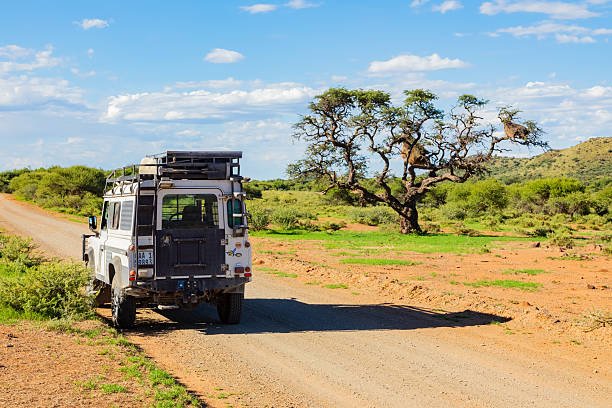

Introduction to Shinyanga: Beyond the Surface
Shinyanga, a region in northwestern Tanzania, often flies under the radar for international travelers. Yet, for those willing to venture beyond the well-trodden paths of safaris and mountain climbs, Shinyanga offers a profound glimpse into the heart of Tanzanian culture and its less-publicized natural beauty. This is a land where ancient traditions persist, geological marvels lie waiting to be discovered, and the rhythms of daily life unfold with an authenticity that is increasingly rare. For intrepid explorers planning their travels for 2026 and 2027, Shinyanga presents an unparalleled opportunity to connect with a different facet of Tanzania, one characterized by genuine human interaction, rich historical narratives, and landscapes shaped by both nature and human endeavor. Understanding what makes Shinyanga unique is the first step to unlocking its secrets and planning an unforgettable journey.
Exploring Shinyanga: Key Local Tours and Attractions
Shinyanga’s appeal is rooted in its diverse attractions, many of which are best accessed through local expertise. These experiences offer a tangible connection to the region’s history, culture, and natural environment.
Ancient Rock Art and Archaeological Sites
The Shinyanga region, particularly around Mwandui, holds archaeological significance with evidence of ancient human activity. While not as extensively publicized as sites in other parts of Africa, there are local discoveries and oral histories pointing to ancient settlements and rock art. These sites, often requiring a local guide to locate and interpret, offer a glimpse into the region’s prehistoric past. Understanding the context of these findings, often tied to indigenous groups who inhabited the area for millennia, provides a deeper appreciation for the land’s long history. For those interested in the deep past, arranging a tour focused on these archaeological whispers is a unique opportunity.
in-depth Cultural Village Visits
Engaging with the local communities is perhaps the most rewarding aspect of visiting Shinyanga. The Sukuma and Maasai people offer rich cultural experiences, best facilitated by guides who understand protocol and can foster respectful interactions.
Maasai Communities and Traditions
While often associated with northern Tanzania, significant Maasai communities also reside in and around Shinyanga. A local tour can arrange visits to Maasai bomas (homesteads) where visitors can learn about their semi-nomadic lifestyle, intricate beadwork, traditional attire, and the importance of cattle in their culture. Understanding their social structure, the roles of elders and warriors, and their deep connection to the land provides profound cultural insight. It’s crucial that these visits are conducted ethically, ensuring that the community benefits directly and that visitors are respectful observers, not intrusive spectators. Local guides are indispensable for ensuring this balance.
Sukuma Heritage and Local Crafts
The Sukuma people are renowned for their vibrant culture, including intricate dance forms, storytelling, and craftsmanship. Local tours can connect visitors with Sukuma villages where they can witness traditional dances, learn about their agricultural practices, and see artisans creating distinctive crafts. This might include wood carving, pottery, or the creation of traditional musical instruments. Opportunities to learn about Sukuma healing traditions and their spiritual beliefs can also be arranged. These experiences offer a hands-on understanding of Sukuma heritage, moving beyond superficial observation to genuine engagement. For travelers interested in the arts and cultural heritage, these interactions are invaluable.
Natural Landscapes Around Lake Victoria
Shinyanga’s proximity to Lake Victoria, Africa’s largest freshwater lake, offers unique natural experiences distinct from the inland regions of Tanzania. The lake’s southern shores present a different ecosystem and way of life.
Exploring Local Fishing Villages
A key attraction along the Lake Victoria shoreline within Shinyanga region are the bustling fishing villages. Tours can take visitors to these vibrant communities, offering a look into the daily lives of fishermen, their families, and the local economy driven by the lake. Witnessing the early morning or late afternoon fish catches, observing traditional fishing methods, and understanding the challenges and rewards of this livelihood provides a compelling narrative. These visits can also include opportunities to sample fresh fish, prepared locally, and to purchase handcrafted fishing gear or souvenirs. It’s an experience that connects visitors directly to the resourcefulness and resilience of the local population.
Birdwatching Opportunities and Local Ecosystems
The diverse habitats around Lake Victoria, including wetlands, shores, and adjacent savannas, are rich in birdlife. While not a primary birding destination like some national parks, Shinyanga offers excellent opportunities for amateur and enthusiast birdwatchers to spot a variety of species. Local guides can point out endemic and migratory birds, explaining their ecological significance within the lake’s ecosystem. Beyond birds, the region’s flora and fauna, though perhaps less dramatic than in prime safari areas, offer a unique insight into the biodiversity of the Lake Victoria basin. This aspect appeals to travelers interested in nature, conservation, and quiet observation.
Mining Heritage and Geological Interest
Shinyanga’s history is intrinsically linked to its mineral wealth, particularly diamonds. This has shaped the region’s development and offers unique points of interest for visitors.
Mwadui Diamond Mine History and Impact
The Mwadui mine, once known as the Williamson Diamond Mine, is one of the most significant diamond mines in the world. While large-scale commercial mining operations may have evolved, the history and impact of this mine on Shinyanga are undeniable. Tours can explore the historical context of its discovery, its role in the region’s economy, and the social changes it brought. Visiting areas that were historically significant to the mine, or learning about the geological processes that led to such rich diamond deposits, offers a unique perspective on industrial and geological history. Understanding this legacy is crucial to comprehending modern Shinyanga.
Other Local Geological Formations
Beyond the famous diamond mine, the Shinyanga region features interesting geological formations. These can include unique rock outcrops, hills, and the underlying geological structures that define the landscape. Local guides, particularly those with an interest in geography or geology, can highlight these features, explaining their formation and significance. These might not be dramatic tourist attractions in themselves but add a layer of understanding to the region’s physical environment and its potential mineral resources, which have shaped its past and present.
Vibrant Local Markets and Culinary Discoveries
No exploration of a region is complete without experiencing its local markets and cuisine. Shinyanga’s markets are vibrant hubs of activity, offering a sensory feast and a chance to interact with local life.
The main market in Shinyanga town, and smaller village markets, are places to see an array of fresh produce, local crafts, clothing, and everyday goods. It’s an excellent opportunity to observe daily commerce, sample local snacks, and perhaps purchase unique souvenirs. Local guides can help navigate the market, explain the significance of different items, and assist in polite bargaining. Culinary exploration in Shinyanga involves tasting traditional Tanzanian dishes, often prepared with local ingredients. This might include staple foods like ugali (maize porridge), accompanied by various stews made from local vegetables, fish from Lake Victoria, or goat meat. Trying local fruits and perhaps a traditional brew offers a full sensory immersion into the region’s food culture. For travelers in 2026-2027 looking for authentic flavors, these culinary experiences are a must.
Planning Your Shinyanga Adventure: 2026-2027 Insights
A well-planned trip to Shinyanga ensures a more rewarding and smoother experience. Considering practical aspects for travel in 2026-2027 is key to maximizing your discovery of this unique region.
Best Time to Visit Shinyanga
The climate in Shinyanga is generally tropical, with distinct wet and dry seasons. The best time to visit for comfortable weather and accessibility is typically during the dry season, which usually runs from June to October. During these months, rainfall is minimal, making travel on unpaved roads easier and outdoor activities more pleasant. The shoulder months of May and November can also be good, though there might be lingering rains. The rainy season, from March to May, can bring heavy downpours that may affect road conditions and limit some outdoor excursions. Travelers planning for 2026-2027 should aim for the dry season for the most convenient exploration of Shinyanga’s hidden gems.
Getting to Shinyanga
Shinyanga is accessible by air and road. The region has its own airport (Shinyanga Airport – SHY), which receives domestic flights, primarily from Dar es Salaam and sometimes Kilimanjaro. This is the quickest way to reach Shinyanga if connecting from major international arrival points. Alternatively, Shinyanga can be reached by road, often as part of a larger Tanzanian itinerary. Driving from Dar es Salaam is a long journey (over 12 hours) but can be done via bus services or private hire. From Arusha or Moshi, the journey is also substantial, often involving routes through Mwanza. For those combining Shinyanga with other northern circuit destinations, Mwanza serves as a key gateway, with road connections to Shinyanga town. For smooth travel in 2026-2027, consider internal flights or pre-arranged transport.
Accommodation Options in and Around Shinyanga
Accommodation in Shinyanga is more limited and less luxurious compared to major tourist hubs. You will find a range of options, from basic guesthouses and lodges within Shinyanga town to more modest establishments in smaller towns. For those seeking a more authentic experience, staying in locally run guesthouses can offer genuine interaction. Some lodges may offer more comfort, but they are generally simpler than high-end safari lodges. For travelers seeking unique stays related to specific attractions, such as near Lake Victoria or in more remote areas, local homestays or community-run accommodations might be available through specialized local tour operators. It’s advisable to book accommodation in advance, especially if traveling during peak seasons or for specific 2026-2027 dates.
Navigating Shinyanga: Local Transportation
Within Shinyanga town and for traveling between towns, common modes of transport include taxis, daladalas (minibuses), and boda-bodas (motorcycle taxis). For excursions to more remote attractions or cultural villages, hiring a 4×4 vehicle with a local driver is highly recommended, especially during or after the rainy season, as roads can be challenging. Local guides and tour operators can arrange these vehicles. Using local transport like daladalas can be an adventure in itself, offering a glimpse into daily life, but it’s less efficient for reaching specific hidden gems. For a comfortable and effective exploration of Shinyanga’s unique sites in 2026-2027, pre-booked transport with a knowledgeable driver is the most practical choice.
Essential Packing List for Shinyanga
Packing for Shinyanga requires consideration for its climate, cultural norms, and the types of activities planned. Key items include:
- Lightweight, breathable clothing suitable for warm weather. Long sleeves and trousers are advisable for sun protection and to be respectful when visiting villages.
- A good quality insect repellent.
- Sunscreen, a wide-brimmed hat, and sunglasses.
- Comfortable walking shoes or hiking boots, especially if visiting rock art sites or natural areas.
- A reusable water bottle and water purification tablets or a filter.
- A basic first-aid kit with personal medications.
- A camera and extra batteries/power bank.
- A small backpack for day trips.
- A headlamp or flashlight for areas with limited electricity.
- Copies of important documents (passport, visa, insurance).
- Small denominations of Tanzanian Shillings for markets and small purchases.
When visiting cultural sites, consider bringing small gifts or items that can be shared, such as school supplies for children or useful household items, though it’s best to discuss this with your local guide to ensure appropriateness.
Health and Safety Considerations
Standard travel health precautions apply to Shinyanga. It’s advisable to consult your doctor or a travel clinic well in advance of your 2026-2027 trip regarding vaccinations and malaria prophylaxis. Tanzania is a malaria-risk area. Drink only bottled or purified water. Food hygiene is important; eat at reputable establishments and ensure food is cooked thoroughly. While Shinyanga is generally safe, like any destination, it’s wise to be aware of your surroundings, avoid displaying valuable items, and not walk alone at night in unfamiliar areas. Respecting local customs, such as dressing modestly, is crucial for positive interactions. Local guides are invaluable for navigating any safety concerns and understanding local etiquette.
Crafting Your Itinerary with Local Guides
The success of exploring Shinyanga’s hidden gems hinges significantly on working with knowledgeable local guides and tour operators. Their expertise transforms a trip from a simple visit into a deeply enriching experience.
The Indispensable Role of Local Guides
Local guides are the key to unlocking Shinyanga’s secrets. They possess intimate knowledge of the terrain, cultural nuances, historical contexts, and the locations of less-obvious attractions. Beyond navigation, they act as cultural interpreters, facilitating respectful interactions with local communities, explaining traditions, and sharing insights that would be inaccessible to a visitor on their own. For areas like ancient rock art sites, remote villages, or specific geological formations, a local guide is not just helpful but essential for finding and understanding them. Their role is pivotal in ensuring your 2026-2027 visit is both authentic and safe.
Customizing Your Tour for Unique Interests
Shinyanga’s appeal lies in its diversity. Whether your interest lies in archaeology, cultural immersion, birdwatching, geology, or simply experiencing daily life, a custom-designed tour is ideal. Local tour operators can tailor itineraries to match your specific interests. For example, an itinerary could focus on visiting Sukuma traditional healers and craftspeople, or perhaps exploring the geological history of the Mwadui area and its surrounding formations. The flexibility offered by local expertise allows for spontaneous discoveries and deeper dives into subjects that capture your attention, ensuring your 2026-2027 journey is perfectly aligned with your personal travel goals.
Promoting Sustainable and Responsible Tourism
When exploring hidden gems like those in Shinyanga, responsible tourism practices are paramount. Choosing local tour operators who prioritize community benefit, environmental conservation, and cultural respect is crucial. This means ensuring that your visits contribute positively to the local economy, that waste is managed responsibly, and that interactions with communities are based on mutual respect. Local guides can educate visitors on these practices, helping to minimize negative impacts and maximize the positive contributions of tourism. For trips planned in 2026-2027, there is an increasing global emphasis on sustainable travel, and Shinyanga offers a unique opportunity to practice it authentically.
Booking Your Shinyanga Experience
To truly experience the hidden gems and local tours of Shinyanga, particularly for travel in 2026-2027, partnering with an experienced and reputable tour operator is highly recommended. This ensures not only access to unique sites but also a well-organized, culturally sensitive, and safe journey.
Why Climb 4 Africa for Your Shinyanga Exploration?
While Climb 4 Africa is renowned for Kilimanjaro climbs and safaris, their deep understanding of Tanzania extends to regions like Shinyanga. They specialize in creating tailor-made African travel experiences that go beyond the mainstream. For a destination like Shinyanga, where local knowledge is key, Climb 4 Africa can leverage their network of local guides and community contacts to design authentic, off-the-beaten-path itineraries. They understand the importance of responsible tourism, cultural immersion, and logistical planning in less-developed tourist areas. By choosing Climb 4 Africa, you gain access to expertly crafted tours that reveal the true essence of Shinyanga, ensuring a journey that is both memorable and meaningful for your 2026-2027 adventure.
Next Steps and Inquiries for 2026-2027 Bookings
To begin planning your bespoke exploration of Shinyanga’s hidden gems and local tours for 2026 or 2027, the best approach is direct communication. Share your interests, desired travel dates, group size, and any specific experiences you wish to include. This detailed information will allow Climb 4 Africa to craft a personalized itinerary that perfectly suits your needs. Don’t hesitate to reach out with any questions regarding logistics, cultural etiquette, or specific sites you’d like to visit. The team is ready to help you design an unforgettable journey into the heart of Shinyanga.
You can connect with Climb 4 Africa via WhatsApp at +255 747 477 898 or by sending an email to climb4africa@gmail.com. Discussing your plans early for 2026-2027 travel is advisable to secure the best local guides and tailor-made arrangements.
Conclusion: Experiencing the Real Shinyanga
Shinyanga, Tanzania, is a destination that rewards the curious and the adventurous. It’s a region where the quiet hum of authentic life, the echoes of ancient history, and the subtle beauty of unique landscapes converge. For travelers seeking to move beyond the conventional tourist circuit and connect with the genuine spirit of Tanzania, Shinyanga offers unparalleled opportunities. From the ancient rock art whispering tales of the past to the vibrant Sukuma and Maasai cultures and the distinctive geology shaped by centuries of natural processes and mining, the region is a treasure trove of experiences. Planning your visit for 2026-2027 with a focus on local tours and a willingness to embrace the unexpected will undoubtedly lead to a profound and unforgettable journey. By engaging with local expertise and embracing responsible travel, you can uncover the true essence of Shinyanga, a less crowded place waiting to be discovered.
Check Availability for Hidden Gems And Local Tours In Shinyanga, Tanzania: An Experts Guide…
Ready to compare dates, prices, and the best option for your group? Send the package name and travel month so the team can reply with a clear quote, availability, and what is included.
Hidden Gems And Local Tours In Ruvuma, Tanzania Guide
Ruvuma region in Tanzania offers a wealth of undiscovered treasures, from vibrant local cultures to pristine natural landscapes. This guide details how to experience these hidden gems…

Discover Rukwas Hidden Gems: Authentic Local Tours In Tanzania 2026-2027
Uncover the authentic charm of Rukwa, Tanzania, by venturing off the beaten path. This guide details hidden gems and local tour experiences, from unique wildlife encounters to cultural…

Discover Pwanis Hidden Gems & Authentic Local Tours In Tanzania 2026-2027
Uncover the lesser-known wonders and authentic local experiences in Pwani, Tanzania. This guide highlights unique destinations and tours for travelers seeking genuine cultural immersion and…

Pemba Kusini: Discover Hidden Gems And Authentic Local Tours In Tanzania
Uncover the untold stories and untouched beauty of Pemba Kusini, Tanzania, with this in-depth guide to its hidden gems and authentic local tours. From pristine beaches to vibrant culture…

Hidden Gems And Local Tours In Pemba Kaskazini, Tanzania: Your Ultimate
find the secrets of Pemba Kaskazini, Tanzania. This guide reveals its most secluded beaches, unique cultural experiences, and unforgettable local tours, perfect for travelers seeking…

Discover Njombe, Tanzania: Hidden Gems And Authentic Local Tours For 2026-2027
Uncover the lesser-known treasures of Njombe, Tanzania, with a focus on authentic local tours and unique experiences. This guide explores the natural beauty, cultural richness, and…

Hidden Gems And Local Tours In Mwanza, Tanzania Guide
Uncover the soul of Mwanza, Tanzania, through its lesser-known attractions and genuine local tours. This guide reveals secret spots and unique cultural encounters for an unforgettable…
Hidden Gems And Local Tours In Mtwara, Tanzania: Your Ultimate Guide 2026-2027
Uncover the secrets of Mtwara, Tanzania, with this comprehensive guide to its hidden gems and local tours. From untouched coastlines to vibrant cultural experiences, plan your unforgettable…
Hidden Gems And Local Tours In Mjini Magharibi, Tanzania 2026-2027
Hidden Gems and Local Tours in Mjini Magharibi, Tanzania is explained with current 2026-2027 planning, price, itinerary and booking information.
Hidden Gems And Local Tours In Mbeya, Tanzania: Your Expert Guide 2026-2027
Explore the lesser-known wonders of Mbeya, Tanzania, with this in-depth guide to its hidden gems and authentic local tours. From stunning landscapes to cultural encounters, plan your…

Hidden Gems And Local Tours In Manyara, Tanzania: Beyond The Obvious Safari
Explore Lake Manyara National Park's lesser-known treasures and discover authentic local tours. This guide helps you plan an unforgettable Tanzania safari, revealing experiences beyond the…
Best Songea Tours: Exploring Southern Tanzanias Hidden Gems In 2026-2027
Songea, the capital of the Ruvuma region in southern Tanzania, offers a less-traveled but profoundly rewarding experience. This guide details the best tours and activities for exploring its…
No related package matches those filters. Clear one or more filters to see the other topic-matched options.



