
Traveling to Shinyanga, Tanzania, primarily involves flying into Shinyanga Airport (SHY) from major Tanzanian hubs like Dar es Salaam or Kilimanjaro, or undertaking a longer journey by road from cities such as Mwanza, Arusha, or Dar es Salaam. The choice depends on your budget, time constraints, and desired travel experience, with road travel offering a more in-depth, albeit slower, introduction to the Tanzanian landscape for your 2026-2027 adventures.

Introduction to Shinyanga
Shinyanga, a significant administrative and commercial center in northwestern Tanzania, offers a glimpse into the country’s interior life, distinct from the bustling coastal cities or the iconic safari destinations. It serves as a gateway to the wider Shinyanga Region, known for its mining activities, agricultural produce, and rich cultural heritage. For travelers seeking to explore beyond the well-trodden paths, understanding how to travel to Shinyanga, Tanzania is the crucial first step in crafting a unique East African itinerary for 2026 or 2027.
This region presents a different pace of life, characterized by its semi-arid climate, rolling landscapes dotted with acacia trees, and vibrant local communities. While not a primary tourist destination in the same vein as Kilimanjaro or the Serengeti, Shinyanga provides opportunities for cultural immersion, exploring local economies, and understanding the broader Tanzanian context. Planning your journey requires careful consideration of transportation logistics, the best times to visit, and what to expect upon arrival.
Getting There by Air: The Fastest Route
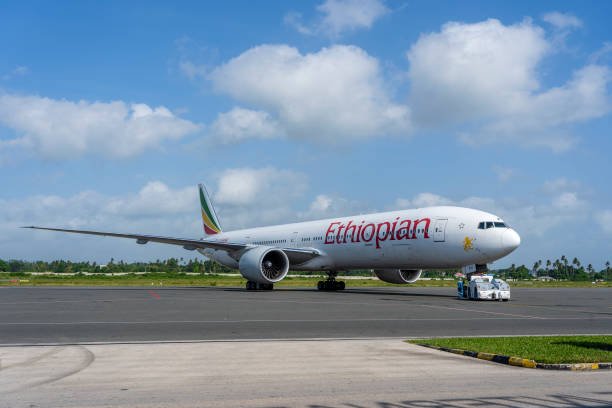
For most international travelers and those on a tighter schedule, flying is the most efficient method for reaching Shinyanga. The town has its own airport, Shinyanga Airport (SHY), which handles domestic flights. This bypasses the long overland journeys and allows you to arrive refreshed and ready to explore.
Domestic Flights to Shinyanga
Several Tanzanian airlines operate scheduled flights into Shinyanga Airport. These flights typically connect from the country’s main international gateways and other major cities. The flight duration is relatively short, often ranging from 1 to 2 hours, depending on the departure point and any intermediate stops. These services are essential for anyone looking to minimize travel time when their itinerary includes Shinyanga, especially if it’s part of a larger Tanzanian tour in 2026-2027.
Choosing Your Departure Hub
The most common departure points for flights to Shinyanga are Julius Nyerere International Airport (JNIA) in Dar es Salaam and Kilimanjaro International Airport (JRO), which serves Arusha and the northern safari circuit. If you are arriving in Tanzania internationally, you will likely clear immigration and customs at one of these airports. Depending on your onward travel plans, you might need to take a domestic connection to Shinyanga from these hubs.
- Dar es Salaam (DAR): Tanzania’s largest city and main economic hub, offering the most frequent domestic flight options.
- Kilimanjaro (JRO): Convenient if you are coming from or heading to the northern safari parks (Serengeti, Ngorongoro, Tarangire) or Mount Kilimanjaro.
- Mwanza (MWZ): Sometimes flights might connect through Mwanza, a major city on Lake Victoria, which is relatively close to Shinyanga.
The availability and frequency of flights can vary, so it’s always advisable to check schedules closer to your intended travel dates for 2026 or 2027.
Booking Flights for 2026-2027
Booking your domestic flights in advance is highly recommended, especially if you plan to travel during peak seasons or holidays in 2026-2027. Airlines like Precision Air and Fastjet are common carriers for domestic routes in Tanzania. It’s wise to monitor their websites or use reputable flight booking platforms. When booking, ensure you have your passport details ready. Consider the luggage allowance, as it can differ significantly between airlines and international vs. domestic carriers.
If you are working with a tour operator for your wider Tanzanian trip, they can often assist with booking these domestic flights as part of your package, potentially securing better rates or ensuring smooth connections. This is a key benefit of using experienced local operators.
Road Travel to Shinyanga: An in-depth Journey
For the more adventurous traveler, or those on a tighter budget, traveling to Shinyanga by road offers a much deeper connection with Tanzania. It allows you to witness the diverse landscapes, observe daily life unfold along the highways, and experience the country’s infrastructure firsthand. However, it is significantly more time-consuming than flying.
Bus Services to Shinyanga
Long-distance bus services are the most common and economical way to travel overland in Tanzania. Shinyanga is well-connected by bus to major cities across the country.
- From Mwanza: This is one of the most common routes. Mwanza is a large city on Lake Victoria and has frequent bus services heading towards Shinyanga. The journey typically takes around 3-4 hours, depending on road conditions and the number of stops.
- From Arusha/Moshi: Traveling from the northern tourist circuit requires a longer journey. You’ll likely take a bus towards Dodoma or Dar es Salaam and then connect to a service heading to Shinyanga, or find a direct service if available, which can take upwards of 10-12 hours or more.
- From Dar es Salaam: This is a substantial journey, often exceeding 12-15 hours. Buses are usually comfortable, often featuring reclining seats and air conditioning (though this can be inconsistent). Companies like Abood Bus Service and Royal Coach are well-known for inter-city travel.
When choosing a bus, opt for companies known for reliability and safety. It’s advisable to book your ticket a day or two in advance, especially for longer routes or popular travel times in 2026-2027. Arrive at the bus station early to secure a good seat.
Private Transport Options
For greater comfort, flexibility, and privacy, hiring a private car and driver is an excellent option. This is particularly suitable for families, small groups, or travelers who prefer a more personalized journey. A private vehicle allows you to stop at points of interest along the way, control your schedule, and travel directly without the multiple stops typical of public buses.
This service is often arranged through tour operators or reputable car hire companies in Tanzania. The cost will be significantly higher than public transport but offers a superior travel experience. When budgeting for 2026-2027 travel, factor in the daily rates for the vehicle, driver, fuel, and potential overnight accommodation for the driver if it’s a multi-day trip.
Driving Yourself Considerations
Self-driving in Tanzania is possible but generally not recommended for tourists unfamiliar with the local driving conditions, road rules, and vehicle maintenance. Roads outside major routes can be poorly maintained, signage can be sparse, and traffic can be unpredictable. If you do choose to self-drive, ensure you have a robust 4×4 vehicle, comprehensive insurance, and a good understanding of navigation, perhaps with a local SIM card for GPS and communication.
Road Conditions and Timing
Tanzania’s road network is improving, but conditions can vary greatly. Main highways, such as the road between Mwanza and Shinyanga, are generally paved and in reasonable condition. However, secondary roads or routes affected by heavy rains can become challenging, with potholes and unpaved sections being common. The rainy seasons (typically March-May and November) can significantly impact travel times and road accessibility.
Plan your road journeys to depart early in the morning to maximize daylight hours for driving. This is crucial for safety, as driving at night outside major towns is often discouraged due to poor visibility, unlit vehicles, and potential hazards like wandering livestock or unmarked obstacles.
Navigating Within Shinyanga
Once you arrive in Shinyanga, getting around town and to nearby areas is straightforward, with several local transport options available.
Taxis and Bajajis
The most common modes of local transport are taxis (usually sedans or minibuses) and bajajis (three-wheeled auto-rickshaws). These are readily available throughout Shinyanga town and can be hailed on the street or arranged through your accommodation.
- Taxis: Suitable for longer distances within town or for carrying more luggage. Agree on the fare before starting your journey, as meters are rarely used.
- Bajajis: Ideal for short trips within the town center. They are cheaper than taxis but offer less comfort and protection from the elements. Again, agree on the price beforehand.
Bargaining is expected, especially with bajajis. Keep small denominations of Tanzanian Shillings (TZS) handy for these short trips.
Rental Cars
While less common for getting around within Shinyanga town itself, you can rent cars in larger cities like Mwanza or Dar es Salaam if you plan to use Shinyanga as a base for exploring the surrounding region. Ensure the rental company provides comprehensive insurance and check the vehicle thoroughly before you depart.
Walking and Cycling
For short distances within the town center, walking is a pleasant way to explore local markets, shops, and administrative buildings. Cycling is also popular among locals, and bicycles can sometimes be rented, though this is less common for tourists.
Best Time to Visit Shinyanga
The climate in Shinyanga is generally warm to hot year-round, with distinct wet and dry seasons. Understanding these patterns is key to planning a comfortable visit for 2026-2027.
Weather Patterns
- Dry Season (June to October): This period is characterized by sunny skies, lower humidity, and cooler temperatures, especially in the mornings and evenings. It’s generally considered the most pleasant time to visit for outdoor activities and comfortable travel.
- Short Rains (November to December): Expect occasional showers, which can be brief but heavy. Temperatures remain warm.
- Long Rains (March to May): This is the wettest period, with frequent and sometimes prolonged rainfall. Roads can become challenging, and some activities might be limited.
- Hot Season (January to February): This period can be very hot and humid, with sporadic rains.
Seasonal Considerations for 2026-2027
For most visitors planning a trip to Shinyanga in 2026 or 2027, the dry season from June to October offers the most favorable conditions. The weather is predictable, making travel arrangements smoother and outdoor exploration more enjoyable. Temperatures during this time typically range from the mid-20s to low 30s Celsius (mid-70s to high 80s Fahrenheit).
If your itinerary involves visiting rural areas or exploring natural sites, the dry season ensures better accessibility. However, if you are interested in experiencing the lush green landscapes after the rains, the shoulder months of November or March can offer a good compromise, though you should be prepared for potential rainfall.
Planning Your Trip to Shinyanga
Successful travel to any destination requires thorough planning. Here are key aspects to consider for your trip to Shinyanga in 2026-2027.
Visa Requirements
Most foreign nationals require a visa to enter Tanzania. You can typically apply for a visa online through the Tanzanian immigration website or obtain one upon arrival at major entry points, including airports like Dar es Salaam and Kilimanjaro. Check the latest visa regulations and fees for your nationality well in advance of your travel dates for 2026-2027. Some nationalities may be eligible for visa-on-arrival, while others might need to apply beforehand.
Accommodation Options
Shinyanga offers a range of accommodation, primarily catering to business travelers and locals, but sufficient for tourists. You’ll find:
- Hotels: Ranging from basic to mid-range, offering essential amenities.
- Guesthouses: Often a more budget-friendly option, providing simple rooms.
- Lodges: Some larger establishments might be referred to as lodges, offering more services.
Booking in advance is advisable, especially if you are traveling during busy periods. For specific requirements or unique stays, consulting with a local tour operator can help identify the best options that fit your comfort level and budget for your 2026-2027 trip.
Health and Safety
Consult your doctor or a travel clinic several months before your trip regarding vaccinations and malaria prophylaxis. Tanzania is a malaria-endemic country, and precautions are essential.
- Vaccinations: Routine vaccinations should be up-to-date. Yellow Fever vaccination is often required if arriving from or transiting through a country with a risk of Yellow Fever.
- Malaria Prevention: Discuss antimalarial medication options with your healthcare provider.
- Food and Water: Drink bottled or purified water. Be cautious with street food and ensure all meals are cooked thoroughly.
- General Safety: Shinyanga is generally safe for visitors, but standard precautions against petty theft should be taken, especially in crowded markets or bus stations. Avoid walking alone at night in unfamiliar areas.
Travel insurance is a must for any international trip, covering medical emergencies, trip cancellations, and lost belongings.
Currency and Budgeting
The local currency is the Tanzanian Shilling (TZS). Major foreign currencies like USD and EUR are sometimes accepted in larger hotels or for specific services, but it’s best to have local currency for daily expenses. ATMs are available in Shinyanga town, primarily dispensing TZS. Credit cards are accepted in some larger hotels and businesses, but not widely.
When budgeting for your 2026-2027 travel, consider costs for accommodation, transport (flights, buses, local taxis), food, activities, and any personal shopping. Road travel is significantly cheaper than flying. Private transport and higher-end accommodation will increase your budget considerably.
What to Pack
Given Shinyanga’s climate and activities, pack light, breathable clothing. Include:
- Lightweight cotton or linen clothing (long-sleeved shirts and trousers for sun and insect protection).
- A warm jacket or fleece for cooler mornings and evenings.
- Comfortable walking shoes.
- Sunscreen, sunglasses, and a wide-brimmed hat.
- Insect repellent.
- Basic first-aid kit and personal medications.
- A reusable water bottle.
- A universal travel adapter.
- A small backpack for day trips.
What to Do in and Around Shinyanga
While Shinyanga isn’t a prime tourist hotspot, it offers authentic cultural experiences and a chance to see a different side of Tanzania.
Local Markets and Culture
The central market is the heart of Shinyanga town, a bustling place where you can find local produce, crafts, clothing, and household goods. It’s a fantastic spot to observe local life, interact with vendors, and perhaps try some local snacks. The town also has a rich cultural heritage, with the Sukuma people being the predominant ethnic group in the region, known for their traditional music, dance, and artistry.
Mining Heritage
The Shinyanga Region is historically significant for its diamond mining. While active mining operations might be less accessible to casual visitors, understanding this economic aspect provides context to the region’s development and importance. You might find local information or small exhibits related to mining history.
Nearby Natural Attractions
While Shinyanga itself is not situated within a major national park, the surrounding region offers opportunities for exploring the Tanzanian countryside. This might include:
- Lake Victoria shores: Although Mwanza is the primary gateway to Lake Victoria, parts of the lake are accessible from the Shinyanga region, offering scenic views and fishing villages.
- Rural Landscapes: Exploring the agricultural land, acacia-dotted plains, and small villages surrounding Shinyanga can be a rewarding experience for those interested in rural Tanzanian life.
Day Trips from Shinyanga
Depending on your interests and available transport, consider day trips to:
- Mwadui Mine: Historically one of the largest diamond mines in the world, though access and tours might be limited and require prior arrangement.
- Local Villages: Arranging a visit to a nearby Sukuma village can offer deep cultural insights. This is best done with local guidance to ensure a respectful and authentic interaction.
When planning these excursions for 2026-2027, it’s essential to arrange transport and potentially a local guide through a reputable operator to ensure safety and a meaningful experience.
Making the Most of Your Shinyanga Visit
To truly appreciate Shinyanga, approach it with an open mind and a willingness to engage with local culture. Be prepared for a pace of life that is different from major tourist hubs. Learning a few basic Swahili phrases can greatly enhance your interactions. Respect local customs and traditions, especially when visiting markets or villages.
If your visit to Shinyanga is part of a larger Tanzanian itinerary in 2026-2027, consider how it complements your other destinations. It can offer a grounding experience before or after a high-octane safari or a challenging Kilimanjaro climb. For instance, combining a trip to Shinyanga with nearby Mwanza for Lake Victoria exploration or venturing further to explore other regions can create a well-rounded Tanzanian adventure.
Connecting with Climb 4 Africa
Planning a trip to a less-visited destination like Shinyanga can present unique logistical challenges. Working with an experienced Tanzanian tour operator like Climb 4 Africa can significantly simplify the process and enhance your overall experience. We specialize in crafting tailor-made itineraries that incorporate diverse destinations across Tanzania, ensuring practical support from start to finish.
Whether you’re looking to arrange smooth domestic flights, secure reliable road transport, find suitable accommodation, or organize insightful local excursions around Shinyanga for your 2026-2027 travel plans, our local expertise is invaluable. We understand the nuances of traveling within Tanzania, from navigating transport options to recommending authentic cultural experiences. Let us help you build a comprehensive itinerary that includes Shinyanga, ensuring a smooth and memorable journey. For personalized assistance and to discuss your travel needs, please feel free to reach out to us.
Contact Climb 4 Africa:
- WhatsApp: +255 747 477 898
- Email: climb4africa@gmail.com
- Website: climb-4-africa.com
We are dedicated to providing practical, local support for your Tanzanian adventures, ensuring you can travel to Shinyanga and beyond with confidence.
Check Availability for How To Travel To Shinyanga, Tanzania: Your Essential Guide 2026-2027
Ready to compare dates, prices, and the best option for your group? Send the package name and travel month so the team can reply with a clear quote, availability, and what is included.



