
Songea tour packages are your key to unlocking the less-explored, wild heart of Southern Tanzania, offering authentic safari experiences in areas like Ruaha National Park and the Selous Game Reserve (now Nyerere National Park), alongside rich cultural encounters. These packages typically range in duration from 3 days to over two weeks, focusing on game drives, walking safaris, and community visits, with options for both luxury and more rustic adventures. Planning your 2026 or 2027 trip involves selecting an itinerary that balances wildlife viewing with exploration of local life, often starting from Songea or nearby hubs like Iringa or Mbeya, with inclusions varying significantly based on the operator and chosen level of comfort.
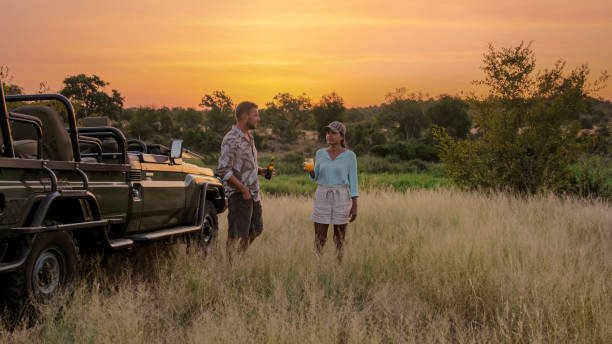
Introduction to Songea Tour Packages
Southern Tanzania, a region often overshadowed by its northern counterparts, holds an allure of raw, untamed beauty and profound authenticity. Songea, a significant town in the Ruvuma region, serves as a vital gateway to this interesting part of the country. Songea tour packages are specifically designed to showcase the unique treasures of this less-trodden path, offering an escape from the typical tourist routes into landscapes teeming with wildlife and vibrant local cultures. Unlike the well-established northern circuit, the south presents a more intimate and exclusive safari experience, where vast expanses of wilderness remain largely undisturbed. These packages are ideal for the discerning traveler seeking genuine adventure, exceptional photographic opportunities, and a deeper connection with nature and local communities. Whether your interest lies in the immense elephant herds of Ruaha, the riverine ecosystems of Nyerere National Park, or the unique floral landscapes of Kitulo, a well-crafted Songea tour package can be your perfect introduction.
Why Choose Songea for Your Tanzanian Adventure?
Opting for Songea as your base or entry point for exploring Southern Tanzania offers a distinct set of advantages that appeal to travelers looking for something beyond the ordinary. The region’s relative remoteness has preserved its natural and cultural integrity, providing an experience that feels both grand and deeply personal.
Unspoiled Wilderness and Fewer Crowds
Perhaps the most compelling reason to choose Songea is the unparalleled opportunity to experience Tanzania’s wilderness with significantly fewer crowds. While the northern parks are world-renowned, they can often feel busy, especially during peak seasons. Southern Tanzania, accessed via Songea, offers vast, open landscapes where you might go for hours without encountering another safari vehicle. This allows for a more in-depth and intimate connection with the environment, providing a sense of true discovery. The sheer scale of parks like Ruaha and Nyerere means that even with a few other vehicles, the feeling of solitude and wildness is easily maintained.
Exceptional Wildlife Diversity
Don’t let the lower visitor numbers fool you; Southern Tanzania boasts an incredible array of wildlife. Ruaha National Park, in particular, is famous for its large elephant and buffalo herds, and it’s one of the best places in Africa to spot predators, including a high density of lions and the endangered African wild dog. The park’s topography supports a diverse range of species, from greater and lesser kudus to roan and sable antelopes, all thriving in a rugged, dramatic landscape. Nyerere National Park offers a different but equally spectacular wildlife spectacle, with its extensive river systems supporting large hippopotamus and crocodile populations, abundant birdlife, and significant numbers of elephants, lions, and leopards. These parks provide a rich mix of fauna that rivals any other major wildlife destination.
Rich Cultural Heritage
The areas around Songea are home to diverse ethnic groups, including the Wasukuma, Wahehe, and Yao people. Songea tour packages can incorporate meaningful cultural experiences, allowing travelers to visit local villages, learn about traditional ways of life, understand local crafts, and witness community projects. This cultural dimension adds significant depth to a trip, moving beyond just wildlife viewing to a more holistic understanding of Tanzania. Engaging with local communities provides insights into their history, customs, and daily challenges, offering a perspective often missed on more conventional safari routes. The Ruvuma region itself has a rich history, including its role in Tanzania’s independence movement, offering further layers of cultural exploration.
Strategic Access to Key Parks
Songea’s location makes it a strategic starting point or transit hub for accessing several of Tanzania’s premier southern parks. While driving times can be substantial, well-planned tour packages often utilize light aircraft transfers to minimize travel and maximize time spent on safari. From Songea, you can readily access Ruaha National Park, as well as explore the northern reaches of Nyerere National Park. It also serves as a gateway to the unique botanical wonders of Kitulo National Park. This geographical advantage means that Songea tour packages can be curated to offer a comprehensive Southern Tanzanian experience without excessive backtracking, efficiently connecting diverse natural attractions.
Exploring the Jewels of Southern Tanzania via Songea
The true magic of Songea tour packages lies in their ability to guide you through the spectacular natural landscapes and diverse ecosystems that characterize Southern Tanzania. This region is a treasure trove of biodiversity, offering experiences that are both thrilling and profoundly beautiful.
Ruaha National Park: The King of the South
Ruaha is Tanzania’s largest national park and a jewel of the Southern Circuit. Its vast, rugged terrain, dominated by the Great Ruaha River, creates a dramatic backdrop for incredible wildlife viewing. The park is known for its sheer size, remote feel, and the sheer abundance of its predators and large mammal herds.
Ruaha Wildlife Highlights
Ruaha is renowned for having one of the highest concentrations of elephants in Tanzania, often seen in large, impressive herds. It’s also a prime location for observing buffalo, with massive herds that can number in the hundreds. For predator enthusiasts, Ruaha is a must-visit. It boasts a healthy population of lions, including the famous Ruaha ‘super pride’ known for their size and hunting prowess. Cheetahs and leopards are also present, though more elusive. The park is a stronghold for the endangered African wild dog, and sightings are more common here than in many other parts of Africa. You’ll also find a spectacular array of antelope species, including the majestic greater kudu, sable, and roan antelopes, as well as giraffes, zebras, hippos, and crocodiles. Birdlife is also prolific, with over 570 species recorded.
Ruaha Safari Activities
Beyond traditional game drives, Ruaha offers a range of safari activities that enhance the visitor experience. Walking safaris are a significant draw, allowing for a much closer and more intimate encounter with the bush, guided by experienced rangers who can point out smaller details and teach you about the flora and fauna. Night game drives are often permitted in certain areas or private concessions, offering a chance to see nocturnal animals like civets, genets, and perhaps even leopards or lions on the hunt. Boat safaris along the Ruaha River, when water levels permit, provide unique perspectives on hippos, crocodiles, and water birds. Photography is exceptional here, with dramatic light and vast landscapes offering endless opportunities.
Planning Your Ruaha Visit (2026-2027)
The best time to visit Ruaha for prime game viewing is generally during the dry season, from June to December. During these months, water sources become scarce, concentrating wildlife around the remaining rivers and waterholes, making them easier to spot. The vegetation also thins out, improving visibility. However, the green season (January to May) offers a different kind of beauty, with lush landscapes, spectacular birding, and fewer visitors, though game viewing can be more challenging due to thicker vegetation and dispersed wildlife. For 2026 and 2027 bookings, consider the dry season for the most classic safari experience. Access is typically via light aircraft from Dar es Salaam, Arusha, or other regional hubs directly to airstrips within or near the park. Accommodation ranges from comfortable tented camps to more luxurious lodges.
Nyerere National Park (formerly Selous): A Vast Ecosystem
Nyerere National Park, formerly part of the Selous Game Reserve, is one of Africa’s largest wildlife sanctuaries. Its immense size and diverse habitats, from miombo woodlands to extensive riverine forests and the vast Rufiji River delta, support a rich and varied ecosystem. It offers a different safari experience compared to Ruaha, with a strong emphasis on water-based activities.
Nyerere Wildlife and Landscape
Nyerere is renowned for its large populations of elephants, hippos, and crocodiles. The Rufiji River system is a lifeline for wildlife, and boat safaris offer incredible opportunities to see these animals up close in their natural environment. Lions, leopards, and cheetahs are present, with lions often found near the riverbanks. The park is also home to wild dogs, giraffes, zebras, wildebeest, and a variety of antelopes. Birdlife is spectacular, especially in the delta region, with numerous resident and migratory species. The landscape is varied, offering open plains, dense bush, and the unique mangrove ecosystems of the delta.
Nyerere Unique Safari Experiences
What sets Nyerere apart are its diverse safari activities. Boat safaris are a highlight, allowing you to cruise along the Rufiji River, observing hippos basking, crocodiles lurking, and elephants coming to drink. The Rufiji Delta offers unique boat trips through mangrove channels and out towards the Indian Ocean. Walking safaris are also available, providing an up-close experience of the bush. Game drives explore different sectors of the vast park. Unlike Ruaha, Nyerere was historically a reserve, and some areas still allow for activities like camping in designated remote sites, offering a truly wild experience. The park’s designation as a UNESCO World Heritage Site underscores its global importance.
Nyerere Best Time to Visit (2026-2027)
The dry season, from June to October, is generally considered the best time for game viewing in Nyerere, as animals congregate around the Rufiji River. However, the park is also beautiful and accessible during the wet season (November to May), which offers lush scenery and excellent birdwatching. During the rains, some roads might become impassable, but boat safaris remain excellent. For 2026 and 2027 trips, the dry season is ideal for maximizing wildlife sightings. Access is typically via light aircraft from Dar es Salaam to airstrips within the park, or by road from Dar es Salaam, though this is a long journey.
Kitulo National Park: The Garden of God
Kitulo National Park, often called the ‘Garden of God’, is a unique destination that offers a different kind of natural beauty. It’s one of Africa’s few national parks primarily dedicated to the protection of flora, particularly its vast array of orchids and other wildflowers.
Kitulo Floral Biodiversity
The park’s rolling hills and montane grasslands are carpeted with an astonishing diversity of wildflowers, especially during the rainy season. It is home to over 350 species of orchids, making it a botanist’s paradise. Beyond orchids, you’ll find a stunning variety of other plants, including lilies, aloes, proteas, and giant lobelias. The changing seasons bring different blooms, ensuring a unique spectacle at various times of the year. While not primarily a wildlife park, it is home to various bird species and some larger mammals like eland and reedbuck can occasionally be seen grazing on the grasslands.
Kitulo Activities and Access
Activities in Kitulo are focused on appreciating its natural beauty. Hiking and trekking are the main ways to explore the park, with trails leading through the grasslands and offering panoramic views. Birdwatching is excellent, and photography opportunities abound. Kitulo is accessible from Songea or Mbeya via road. The journey itself can be scenic, traversing the Southern Highlands. While not as developed for tourism as Ruaha or Nyerere, it offers a serene and contemplative experience for nature lovers. Packages to Kitulo are often combined with visits to other southern attractions to create a more comprehensive itinerary.
Matumizi and Other Conservation Areas
Southern Tanzania is dotted with numerous smaller game reserves and conservation areas that offer excellent, uncrowded wildlife viewing opportunities. These might include areas like the Mbomipa Wildlife Reserve or smaller forest reserves. While not as famous as Ruaha or Nyerere, these areas are often managed with community involvement and can provide authentic, off-the-beaten-path experiences. Songea tour packages can be customized to include visits to these lesser-known gems, offering a chance to see wildlife in a more pristine and less-commercialized setting. These areas often focus on specific ecosystems or species, providing unique insights into Tanzania’s biodiversity.
Types of Songea Tour Packages Available
When planning a trip through Songea, understanding the different types of tour packages available will help you choose an itinerary that aligns perfectly with your interests and travel style. The diversity of Southern Tanzania means packages can cater to a wide range of preferences, from hardcore wildlife enthusiasts to those seeking cultural immersion or photographic opportunities.
Classic Wildlife Safaris
These are the most common types of Songea tour packages. They focus primarily on game drives in the renowned national parks like Ruaha and Nyerere. Itineraries are designed to maximize wildlife sightings, with early morning and late afternoon drives to catch animals at their most active. These packages typically include accommodation at lodges or tented camps within or near the parks, all meals, park fees, and a private safari vehicle with a guide. The duration can vary from a few days to over a week, depending on how many parks you wish to visit and how deeply you want to explore each one. They are excellent for first-time visitors to Southern Tanzania or those who want a comprehensive overview of the region’s wildlife.
Walking Safaris and Bush Adventures
For travelers seeking a more intimate and adventurous connection with the wilderness, walking safaris are a fantastic option. These packages often take place in areas adjacent to national parks or in specific concessions where walking is permitted, such as parts of Nyerere or private reserves. Led by highly trained and armed guides, walking safaris allow you to explore the smaller details of the bush – tracking animals on foot, learning about medicinal plants, and experiencing the sounds and smells of the wilderness up close. They can be multi-day excursions, sometimes involving fly-camping in remote locations, offering a truly in-depth and rugged experience. These are ideal for the physically fit and adventurous traveler who wants to go beyond the vehicle.
Cultural Immersion Tours
While wildlife is a major draw, Southern Tanzania also offers rich cultural experiences. Songea tour packages can be designed to focus on visiting local villages, interacting with communities, and learning about their traditions, livelihoods, and history. These tours might include visits to traditional homesteads, learning about local agriculture, understanding traditional crafts like pottery or beadwork, and perhaps even participating in a local dance or ceremony. They often involve staying in community-run guesthouses or homestays, providing a deeper connection than a typical lodge stay. These tours are perfect for travelers interested in anthropology, local life, and authentic human connections, offering a counterpoint to the wildlife focus.
Photography-Focused Expeditions
Southern Tanzania’s vast landscapes, dramatic light, and abundant wildlife make it a photographer’s dream. Specialized photography tours are designed to cater to enthusiasts. These packages often utilize custom-built safari vehicles with open sides or lower seating for better photo angles, and guides are chosen for their understanding of photographic opportunities, including animal behavior and light conditions. They may also offer longer stays in prime locations and flexible schedules to wait for the perfect shot. These expeditions are ideal for amateur and professional photographers alike who want to capture the essence of African wildlife and landscapes.
Combination Packages
Many travelers opt for combination packages that blend different experiences. For instance, a typical Songea tour package might combine several days of classic game drives in Ruaha with a few days of walking safaris or a cultural visit to a local village. Other combinations could include a safari component with a visit to Kitulo National Park for its unique flora, or even extend to a brief coastal experience if logistics allow. These packages offer a well-rounded introduction to the diverse attractions of Southern Tanzania, ensuring a varied and engaging trip. For 2026 and 2027 bookings, considering a combination package can offer the most complete experience of the region.
Crafting Your Ideal Songea Itinerary
Designing the perfect Songea tour package requires careful consideration of your interests, the time you have available, and the type of experience you’re seeking. A well-crafted itinerary maximizes your enjoyment and minimizes potential logistical challenges.
Determining Duration and Pace
The length of your trip will significantly influence the depth and breadth of your experience. A short 3-5 day package might focus on a single park like Ruaha, offering a concentrated wildlife experience. A 7-10 day itinerary allows for visiting two major parks, such as Ruaha and Nyerere, providing a good contrast in ecosystems and activities. For a truly comprehensive exploration of Southern Tanzania, including cultural elements and perhaps Kitulo National Park, consider a 14-day or longer trip. The pace is also crucial; a slower pace allows for more in-depth exploration and relaxation, while a faster pace covers more ground but can feel rushed. For 2026-2027 travel, assessing your available time is the first step in itinerary planning.
Selecting Accommodation Styles
Accommodation options in Southern Tanzania range from rustic and comfortable tented camps to more luxurious lodges. Tented camps offer a classic safari feel, often with en-suite bathrooms and comfortable furnishings, placing you closer to the natural environment. Lodges provide more amenities, such as swimming pools, restaurants, and bars, and are generally a more comfortable option, especially during the hotter months. For a truly adventurous experience, some packages might include fly-camping, which involves setting up a fully equipped camp in a remote location for a night or two. Your choice of accommodation will greatly impact the overall feel and cost of your Songea tour package.
Balancing Wildlife and Culture
A common question is how to best balance wildlife viewing with cultural experiences. If wildlife is your primary focus, allocate the majority of your time to national parks like Ruaha and Nyerere. However, even a few days dedicated to visiting local communities near Songea or within park buffer zones can add immense value. Conversely, if cultural immersion is a key interest, you might spend more time in villages and smaller reserves, incorporating shorter, targeted safari excursions. A balanced itinerary could involve spending 5-7 days on safari and 3-4 days exploring local life and smaller conservation areas. For 2026 and 2027 travel, discuss this balance with your tour operator to tailor the experience.
Logistics and Transportation
Getting around Southern Tanzania often involves a combination of methods. Light aircraft flights are frequently used to connect major parks and reduce long driving hours, especially from Dar es Salaam or Arusha to airstrips near Ruaha or Nyerere. These flights can be costly but save significant time. Road transfers are also common, especially for shorter distances or when traveling between locations like Songea and Kitulo, or for day trips. Safari vehicles are typically 4×4 land cruisers or land rovers, equipped for off-road driving and offering excellent viewing opportunities. When booking a Songea tour package, clarify the transportation methods included, as this significantly impacts the cost and travel experience.
Essential Planning for Your 2026-2027 Songea Trip
Successful planning is key to an unforgettable journey through Southern Tanzania. Understanding the best times to visit, necessary health and visa requirements, and what to pack will ensure a smooth and enjoyable experience. For those looking to book for 2026 and 2027, starting these preparations early is advisable.
Best Time to Visit Songea Region
The Southern Tanzanian climate is characterized by distinct wet and dry seasons. The dry season, typically from June to October, is prime time for wildlife viewing in parks like Ruaha and Nyerere. Water sources are limited, concentrating animals, and the vegetation is less dense, improving visibility. This period also offers pleasant temperatures, though evenings can be cool. The green season, from November to May, sees rainfall, which transforms the landscape into a vibrant green. Birdwatching is exceptional during this time, and wildflowers bloom in areas like Kitulo. While game viewing can be more challenging due to thicker vegetation and dispersed animals, visitor numbers are lower, and prices may be more competitive. For those interested in photography, the green season can offer dramatic skies and lush backdrops. Consider your priorities when choosing between the dry and green seasons for your 2026 or 2027 trip.
Visa and Health Requirements
Visas: Most nationalities require a visa to enter Tanzania. These can often be obtained online in advance (e-Visa) or upon arrival at major entry points, though applying online is generally recommended to save time. Always check the latest visa regulations with the Tanzanian embassy or consulate in your country well before your travel dates for 2026-2027.
Health: Tanzania is a malaria-endemic country, so it’s essential to consult your doctor or a travel clinic about malaria prophylaxis. Yellow fever vaccination is mandatory for travelers arriving from or transiting through countries with a risk of yellow fever transmission. Other recommended vaccinations include Hepatitis A, Typhoid, and Tetanus. It’s also advisable to take precautions against mosquito bites by using repellent and wearing long sleeves and trousers, especially during dawn and dusk. Ensure you have comprehensive travel insurance that covers medical emergencies and evacuation.
Packing Essentials for Southern Tanzania
Packing wisely can significantly enhance your comfort and enjoyment. Here are some essentials:
- Clothing: Lightweight, neutral-colored clothing (khaki, beige, olive green) is best for safaris to avoid startling wildlife. Include long-sleeved shirts and trousers for sun protection and mosquito protection, especially in the evenings. A warm fleece or jacket is recommended for cooler mornings and evenings, particularly during the dry season. Comfortable walking shoes are a must for walking safaris and exploring.
- Sun Protection: A wide-brimmed hat, sunglasses, and high SPF sunscreen are crucial due to the strong equatorial sun.
- Insect Repellent: A good quality repellent containing DEET is essential for preventing mosquito bites.
- Camera Equipment: Bring your camera, extra batteries, memory cards, and a good zoom lens. Consider a dust-proof bag.
- Binoculars: High-quality binoculars will greatly enhance your wildlife viewing experience.
- Personal Items: A small backpack for day trips, a reusable water bottle, any personal medications, and a basic first-aid kit.
- Headlamp or Torch: Useful for navigating around camps at night.
For 2026 and 2027 trips, ensure your packing list is updated based on current recommendations and your specific itinerary.
Understanding Travel Styles and Budgets
Songea tour packages can cater to various budgets and travel styles, from budget-conscious adventurers to those seeking luxury. The primary cost drivers are accommodation, transportation (especially light aircraft flights), park fees, and the duration of the safari. Budget travelers might opt for simpler tented camps, overland transport, and shorter itineraries focused on one or two key areas. Mid-range options offer a comfortable balance of good accommodation, private vehicles, and a well-rounded itinerary. Luxury packages provide high-end lodges, exclusive concessions, private charter flights, and personalized service. When planning for 2026-2027, it’s wise to get detailed quotes for different styles to understand the cost implications. Remember that park fees are often fixed, so accommodation and transport are where you’ll see the most variation.
Booking Your Songea Tour Package
Securing the right Songea tour package involves choosing a reputable operator and ensuring all details are clear. This is where local expertise becomes invaluable for navigating the complexities of Southern Tanzanian travel.
Working with Local Experts
Partnering with a local tour operator like Climb 4 Africa is highly recommended for planning Songea tour packages. Local operators possess in-depth knowledge of Southern Tanzania’s parks, lodges, road conditions, and the best times to visit specific areas. They have established relationships with guides, lodges, and transport providers, which can lead to smoother logistics and better value. They can also offer authentic insights into local culture and wildlife, providing a more nuanced and enriching experience than a generic international operator might.
For bespoke Southern Tanzania adventures, including tailored Songea tour packages, contacting Climb 4 Africa is an excellent first step. They can help you design an itinerary that perfectly matches your interests and budget for your 2026 or 2027 safari. Reach out via WhatsApp at +255 747 477 898 or email them at climb4africa@gmail.com to discuss your plans.
What to Confirm Before Booking
Before committing to a Songea tour package, it’s crucial to confirm several key details:
- Inclusions and Exclusions: Clearly understand what is covered in the price – park fees, accommodation, meals, activities (game drives, walking safaris, boat trips), guide services, and internal transport. Exclusions often include international flights, visas, travel insurance, tips, and personal expenses.
- Accommodation Details: Confirm the specific lodges or camps booked, their locations, and the room types.
- Vehicle and Guide: Ensure you will have a private safari vehicle and a qualified, experienced guide. For walking safaris, confirm the guide’s qualifications.
- Itinerary Flexibility: Understand how flexible the itinerary is, especially regarding wildlife sightings or if you wish to spend more time in a particular area.
- Payment Schedule and Cancellation Policy: Clarify deposit requirements, final payment dates, and the terms and conditions for cancellations or changes, especially important for planning 2026-2027 trips.
- Emergency Procedures: Ask about emergency protocols and what support is available in case of unforeseen circumstances.
Customization and Tailor-Made Options
The beauty of Songea tour packages is their potential for customization. Most reputable operators, especially local ones, can tailor itineraries to your specific needs. Whether you want to focus on photography, include more cultural elements, extend your stay in a particular park, or combine Southern Tanzania with other regions like Zanzibar or the northern parks, this is often possible. For instance, a traveler interested in birdwatching might request an itinerary that prioritizes areas known for avian diversity, or a family might need specific accommodation arrangements. For 2026 and 2027 travel, starting the customization process early with your chosen operator is key to getting exactly what you envision.
Next Steps for 2026-2027 Bookings
To secure your ideal Songea tour package for 2026 or 2027, take these steps:
- Define Your Interests: What are your must-see wildlife, landscapes, and cultural experiences?
- Determine Your Budget and Dates: Have a clear idea of your budget range and potential travel dates.
- Research Operators: Look for local, reputable tour operators with experience in Southern Tanzania.
- Request Quotes and Itineraries: Contact a few operators, including Climb 4 Africa, with your requirements and ask for detailed proposals.
- Compare and Discuss: Review the itineraries and quotes, ask clarifying questions, and discuss any necessary adjustments.
- Book and Confirm: Once satisfied, proceed with booking and ensure you receive confirmation of all details.
Starting this process at least 9-12 months in advance for popular travel periods in 2026 and 2027 is highly recommended, especially if you require specific accommodation or have a tight schedule.
Conclusion: Your Southern Tanzanian Journey Awaits
Songea tour packages offer a unique and rewarding way to experience the untamed beauty and rich cultural mix of Southern Tanzania. By choosing this less-traveled path, you gain access to impressive wilderness, exceptional wildlife encounters, and authentic cultural exchanges, all with the advantage of fewer crowds. Whether you dream of witnessing vast elephant herds in Ruaha, exploring the riverine wonders of Nyerere, or marveling at the floral displays of Kitulo, a meticulously planned itinerary can bring your adventure to life. As you look ahead to planning your travels for 2026 and 2027, remember the value of local expertise. Working with operators who understand the intricacies of this region ensures a smooth, enriching, and truly unforgettable journey. Your exploration of Southern Tanzania’s wild heart begins with a thoughtfully chosen Songea tour package.
Check Availability for Songea Tour Packages Guide
Ready to compare dates, prices, and the best option for your group? Send the package name and travel month so the team can reply with a clear quote, availability, and what is included.



