
A West Kilimanjaro Wildlife Tour primarily focuses on the northern slopes of Mount Kilimanjaro and the adjacent Amboseli National Park in Kenya, offering a distinct wildlife viewing experience with Kilimanjaro as a dramatic backdrop, alongside explorations of the unique volcanic landscapes of the Shira Plateau, ideal for travelers seeking diverse ecosystems and fewer crowds than more traditional safari circuits, with prime viewing seasons often aligning with the dry months of June through October and December to February for 2026 and 2027 travel.
Understanding West Kilimanjaro’s Unique Appeal
When people think of a Tanzanian safari, their minds often jump to the vast plains of the Serengeti or the Ngorongoro Crater. While these are undeniably spectacular, the region west of Kilimanjaro offers a distinct and often overlooked experience. This area, particularly the regions bordering Kenya’s Amboseli National Park and extending onto Kilimanjaro’s own lower slopes, presents a unique blend of iconic landscapes, diverse wildlife, and a more intimate safari feel. A West Kilimanjaro Wildlife Tour is not just about spotting animals; it’s about experiencing the majesty of Africa’s highest peak from a different perspective, understanding fragile ecosystems, and encountering species that thrive in this transitional zone between savanna and mountain.
The western slopes of Kilimanjaro, often referred to in a broader sense when discussing tours that include nearby areas, are characterized by their semi-arid environment, dotted with acacia trees and supporting a surprising density of wildlife. This contrasts sharply with the dense rainforests found higher up the mountain or the wetter southern regions of Tanzania. The proximity to Amboseli National Park means that wildlife migratory patterns often link these areas, providing opportunities to see large herds, especially elephants, against the impressive silhouette of Kilimanjaro. For travelers in 2026 or 2027 looking for something beyond the standard Northern Circuit, this region promises a rewarding and memorable adventure.
This tour type often combines elements of a Kenyan safari (Amboseli) with Tanzanian exploration, requiring careful logistical planning. It’s an area where the Maasai people have traditionally lived and grazed their cattle for centuries, and their cultural heritage is deeply intertwined with the landscape and its wildlife. Understanding this context enriches the safari experience, offering insights into human-wildlife coexistence. A well-planned West Kilimanjaro Wildlife Tour will leverage this unique geographical and cultural mix.
Defining the West Kilimanjaro Experience: Amboseli & Shira Plateau
The term “West Kilimanjaro” can sometimes be used broadly. For clarity in planning a wildlife tour, it’s essential to pinpoint the key geographical areas that define this experience. The most significant components typically include Amboseli National Park (technically in Kenya but directly adjacent and offering iconic Kilimanjaro views) and the lower western flanks of Kilimanjaro itself, often encompassing areas like the Shira Plateau, which provides access to unique montane ecosystems and vistas.
Amboseli National Park: The Elephant Kingdom with Kilimanjaro Views
Amboseli National Park, situated just across the border in Kenya, is perhaps the most famous component of a West Kilimanjaro-adjacent tour. Its name, derived from the Maasai word for “salty dust,” hints at its arid nature, yet it is surprisingly rich in wildlife, particularly elephants. The park is renowned for its large herds of African bush elephants, which often congregate in the park’s swamps and wetlands, providing unparalleled viewing opportunities. What truly sets Amboseli apart, however, is its unobstructed, panoramic views of Mount Kilimanjaro. The sight of elephants grazing in the foreground with the snow-capped peak of Kilimanjaro dominating the horizon is one of the most iconic images in African wildlife photography. For a West Kilimanjaro Wildlife Tour, a visit to Amboseli is almost essential for these views and elephant encounters.
Beyond elephants, Amboseli hosts a diverse array of wildlife, including wildebeest, zebras, giraffes, buffalo, hippos, cheetahs, and lions. The park’s landscape is a mosaic of open plains, acacia woodlands, and swamps, creating varied habitats that support this biodiversity. The best times to visit Amboseli, and thus a key consideration for your 2026 or 2027 itinerary, are during the dry seasons (June-October and December-February) when animals are more concentrated around the water sources. However, even in the green season, the park remains a prime wildlife destination.
The Shira Plateau: A Volcanic Wilderness on Kilimanjaro’s Flank
The Shira Plateau is a high-altitude, ancient volcanic caldera located on the western side of Mount Kilimanjaro. It’s a starkly beautiful, relatively flat expanse of moorland and heath, situated at an elevation of around 3,500 to 4,000 meters (11,500 to 13,000 feet). While not a traditional wildlife-viewing destination in the same vein as Amboseli, the Shira Plateau offers a unique ecological niche and is often included in more adventurous West Kilimanjaro Wildlife Tours, particularly those that might incorporate elements of Kilimanjaro trekking or offer a different perspective of the mountain’s ecosystem. It is a UNESCO World Heritage site and part of Kilimanjaro National Park.
The plateau is characterized by its rugged terrain, unique flora adapted to high altitudes, and dramatic, often cloud-shrouded, vistas. Wildlife here is sparser and more adapted to alpine conditions. You might spot eland, various small antelope, and unique bird species. The main draw for many visiting the Shira Plateau is the sheer geological wonder of the landscape, the feeling of being on the roof of Africa, and the incredible views back towards the main peaks of Kilimanjaro (Kibo and Mawenzi). Access to the Shira Plateau typically requires a 4×4 vehicle and is often part of the initial stages of certain Kilimanjaro climbing routes, like the Shira Route. For a purely wildlife-focused tour, it offers a different kind of encounter – one with dramatic landscapes and hardy mountain wildlife.
Wildlife Encounters: What to Expect
A West Kilimanjaro Wildlife Tour promises a rich mix of animal encounters, shaped by the unique environment that bridges the savanna of Amboseli and the lower slopes of Kilimanjaro. While you might not find the sheer density of megafauna seen in the heart of the Serengeti during peak migration, the quality of sightings, the dramatic backdrops, and the presence of specific species make this region a compelling choice.
Mammals of West Kilimanjaro
Elephants are undoubtedly the stars of the show, especially within Amboseli. Expect to see large family herds, often with calves, moving gracefully across the plains or bathing in the swampy areas. Their interactions, from playful young to protective matriarchs, are fascinating to observe. The sheer number of elephants, often estimated to be in the hundreds within the park during certain times, is a testament to the area’s importance for these magnificent creatures. Their presence is also a key indicator of the health of the ecosystem.
Beyond elephants, the plains teem with other iconic African mammals. Herds of wildebeest and zebras are common, especially during their migratory movements. Maasai giraffes, with their distinctive coat patterns, browse on acacia trees. Buffalo are also present, often found near water sources. For predators, cheetahs are frequently sighted, particularly on the open plains of Amboseli, where they hunt smaller prey. Lions can be found, though they are more elusive than in other parks. Leopards are present but are highly nocturnal and secretive. Smaller mammals like hyenas, jackals, warthogs, and various antelopes (including Grant’s gazelles, Thomson’s gazelles, and dik-diks) add to the biodiversity. On the higher slopes near the Shira Plateau, you might encounter eland, the largest antelope species, and perhaps even glimpses of the elusive mountain reedbuck.
Avian Wonders
For bird enthusiasts, the West Kilimanjaro region is a paradise. Amboseli’s wetlands and acacia woodlands attract a huge variety of birdlife. Expect to see large water birds like pelicans, flamingos (though often more prominent in other Rift Valley lakes, they can appear in Amboseli), storks, and herons. Raptors are well-represented, including martial eagles, tawny eagles, and various falcons. The open plains host species like ostriches, secretary birds, and kori bustards. In the acacia areas, you’ll find weavers, starlings, and sunbirds. The transition zone towards Kilimanjaro introduces montane species.
Conservation and Wildlife Management
The conservation of this region is a collaborative effort, often involving Tanzanian and Kenyan wildlife authorities, local communities (particularly the Maasai), and conservation organizations. The challenges are significant, including human-wildlife conflict, habitat degradation, and the impacts of climate change. Understanding these efforts adds a crucial layer to your safari experience. Many tour operators, including Climb 4 Africa, are committed to supporting these initiatives through responsible tourism practices. When planning for 2026 or 2027, consider operators who actively contribute to conservation. The success of protecting species like elephants in Amboseli relies heavily on these ongoing efforts and the management of protected areas on both sides of the border.
Optimal Timing for Your West Kilimanjaro Wildlife Tour (2026-2027)
Choosing the right time to visit is crucial for maximizing your chances of incredible wildlife sightings and enjoying comfortable weather. The West Kilimanjaro region, encompassing Amboseli and the Kilimanjaro foothills, experiences distinct wet and dry seasons that significantly influence animal behavior and landscape conditions.
The Dry Seasons: Peak Wildlife Viewing
The primary dry seasons, generally from June to October and again from December to February, are considered the peak times for a West Kilimanjaro Wildlife Tour. During these months, rainfall is minimal, and the landscape becomes drier. This forces wildlife to congregate around permanent water sources, such as the swamps in Amboseli National Park. For elephant viewing, these periods are exceptional as large herds are reliably found near water. The vegetation thins out, making animals easier to spot against the landscape. The skies are often clear, offering excellent, unobstructed views of Mount Kilimanjaro – a major draw for visitors. The 2026 and 2027 dry seasons are likely to follow these patterns, making them ideal for planning a trip if clear skies and abundant wildlife are your priority.
The Green Seasons: Lush Landscapes and Birding
The ‘long rains’ typically occur from March to May, and the ‘short rains’ usually in November. While these periods can bring heavy downpours, they also transform the landscape into a vibrant green. The vegetation becomes lush, and the scenery is particularly beautiful. For birdwatchers, the green seasons are often superior, as migratory birds arrive, and resident birds are more active. While wildlife might be more dispersed due to the availability of water and greener pastures, the dramatic scenery and the chance to see young animals can be very rewarding. Traveling during the shoulder months of these seasons, or even during the short rains in November, can offer a different, often more tranquil, safari experience with potentially lower prices for 2026-2027 bookings.
Understanding Local Weather Patterns
It’s important to remember that Kilimanjaro itself influences local weather. The mountain can create its own microclimates. Even during the dry season, brief afternoon showers can occur, especially on the mountain’s slopes. Temperatures can vary significantly. During the day, it can be warm to hot, especially in Amboseli. However, evenings and early mornings, particularly at higher altitudes like the Shira Plateau or even just the general foothills, can be quite cool to cold. Packing layers is essential regardless of the season. For planning your 2026 or 2027 trip, checking specific seasonal forecasts closer to your travel dates is always advisable, but the general patterns hold true.
Crafting Your West Kilimanjaro Wildlife Tour Itinerary
Designing the perfect West Kilimanjaro Wildlife Tour itinerary involves balancing iconic experiences with the practicalities of travel and your personal interests. The duration, pacing, and specific locations will depend on what you wish to achieve from your safari.
Typical Durations and Pacing
Most wildlife tours in this region range from 3 to 7 days. A shorter trip (3-4 days) might focus solely on Amboseli National Park, offering intensive wildlife viewing and Kilimanjaro photography. A slightly longer itinerary (5-7 days) allows for a more comprehensive exploration of Amboseli and can incorporate visits to the lower western slopes of Kilimanjaro, perhaps including a drive onto the Shira Plateau or exploring the Kilimanjaro National Park buffer zones.
It’s crucial to avoid over-scheduling. Wildlife viewing is unpredictable, and rushing from one point to another diminishes the experience. Allowing ample time for game drives, relaxation, and spontaneous wildlife sightings is key. For instance, dedicating at least two full days to Amboseli is recommended to experience different areas and times of day. If including the Shira Plateau, factor in travel time and the need for a sturdy 4×4 vehicle, as the terrain is rough.
Sample Itinerary Structures
Here are a couple of conceptual itinerary structures to illustrate possibilities for your 2026-2027 travel:
Option 1: Amboseli Focus (4 Days / 3 Nights)
* Day 1: Arrive in Nairobi, transfer to Amboseli National Park. Check into lodge/camp. Afternoon game drive.
* Day 2: Full day of game drives in Amboseli, focusing on elephant herds and Kilimanjaro vistas.
* Day 3: Morning game drive in Amboseli, then transfer towards West Kilimanjaro foothills (e.g., near Kajiado or Rombo District in Tanzania for a border-crossing experience if feasible, or a Tanzanian side lodge with Kilimanjaro views). Explore local Maasai culture or enjoy views.
* Day 4: Morning activity (e.g., guided walk, village visit), then transfer back to Nairobi for departure.
Option 2: Amboseli & Kilimanjaro Foothills (6 Days / 5 Nights)
* Day 1: Arrive Kilimanjaro International Airport (JRO) or Nairobi (NBO), transfer to a lodge near Amboseli (Kenya side).
* Day 2: Full day game drives in Amboseli National Park.
* Day 3: Morning game drive in Amboseli. Cross the border into Tanzania (e.g., via Namanga) and transfer to a lodge in the West Kilimanjaro region of Tanzania. Enjoy views of Kilimanjaro from the Tanzanian side.
* Day 4: Explore the West Kilimanjaro area. This could include a visit to a Maasai community, a guided nature walk, or a scenic drive towards the lower slopes of Kilimanjaro.
* Day 5: Drive towards the Shira Plateau access point (if conditions and vehicle permit). Explore the unique high-altitude landscape. (Note: Direct access to the plateau itself might be limited for non-trekkers and depends on road conditions).
* Day 6: Morning relaxation or optional activity, then transfer to JRO for departure.
Customization for Specific Interests
Your West Kilimanjaro Wildlife Tour can be tailored. For photographers, itineraries can be designed to maximize golden hour opportunities, focusing on locations with the best Kilimanjaro backdrops. For birdwatchers, more time can be spent in wetland areas or specific acacia woodlands. Those interested in culture can include more in-depth visits to Maasai villages, learning about their traditions and way of life. The 2026-2027 travel season offers ample opportunity for bespoke planning. Discussing your specific interests with your tour operator is vital.
Logistics, Access, and Getting Around
Successfully executing a West Kilimanjaro Wildlife Tour hinges on understanding the logistical complexities, particularly given the cross-border nature of the most popular elements (Amboseli in Kenya, Kilimanjaro foothills in Tanzania). Careful planning of access points, transportation, and accommodation is paramount.
Key Entry Points and Border Crossings
* Kilimanjaro International Airport (JRO): This is the most convenient airport if your tour is primarily focused on the Tanzanian side of West Kilimanjaro or if you plan to start your safari immediately upon arrival in Tanzania. It’s located between Arusha and Moshi.
* Nairobi, Kenya (NBO): Many travelers fly into Nairobi due to its extensive international flight connections. From Nairobi, you can arrange a road transfer directly to Amboseli National Park (approximately a 4-5 hour drive, depending on road conditions). This is the most common entry point for tours focusing heavily on Amboseli.
* Border Crossings: The main border crossing relevant to this tour is at Namanga, between Kenya and Tanzania. This crossing is well-established and used by many tourists. However, border formalities can sometimes take time, so it’s essential to factor this into your itinerary, especially if you are on a tight schedule for 2026 or 2027 travel. Ensure your passports and visas are in order.
Safari Vehicle and Driver-Guide Selection
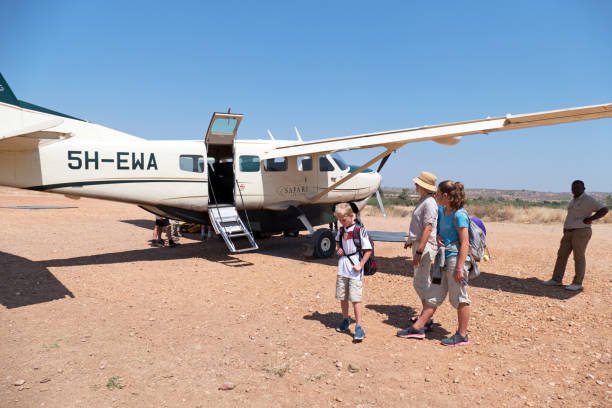
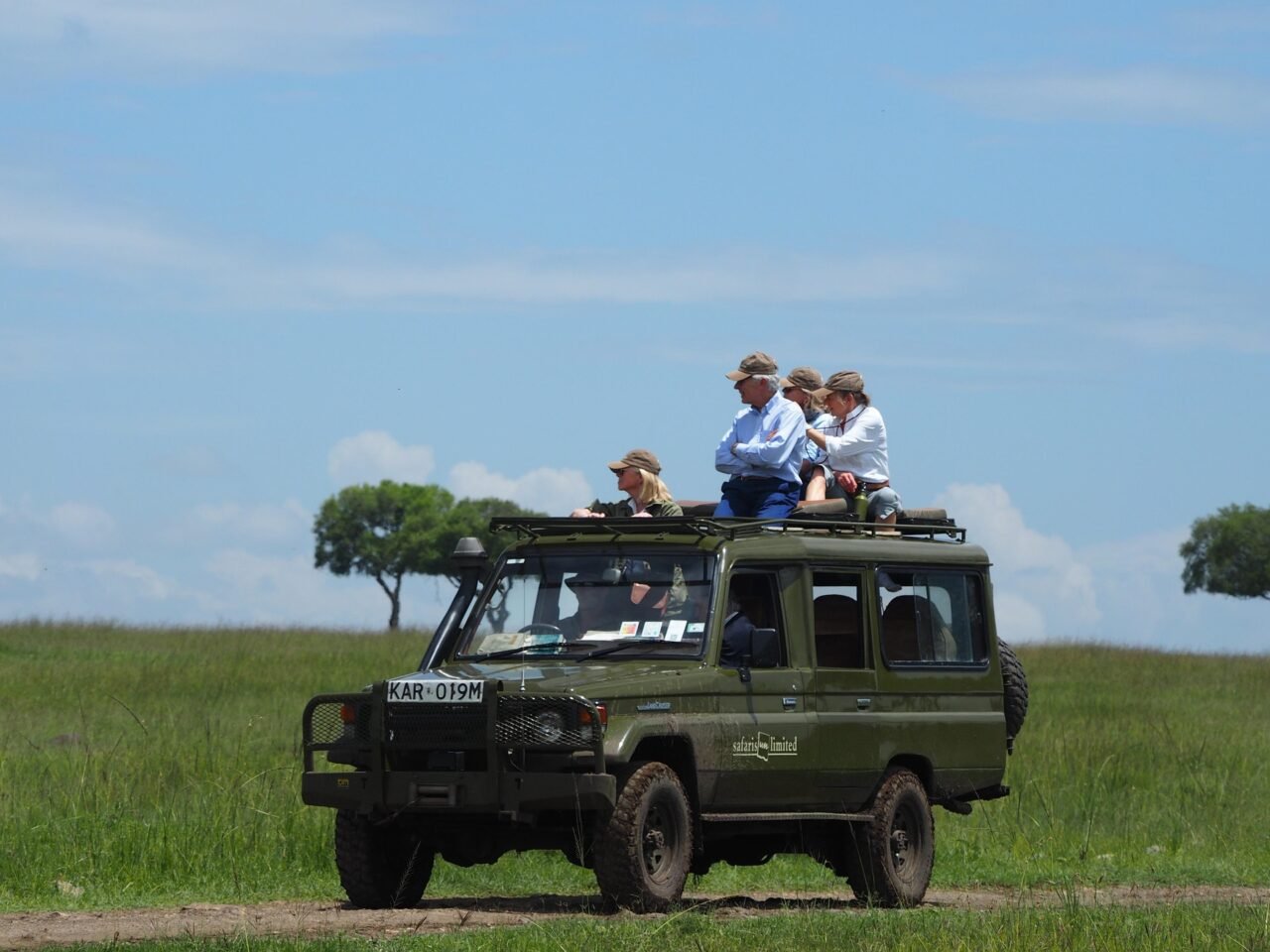
For a West Kilimanjaro Wildlife Tour, a reliable 4×4 safari vehicle is essential. These vehicles are designed to handle the varied terrain, from dusty tracks in Amboseli to potentially rougher roads on Kilimanjaro’s lower slopes. Key features include:
* Pop-up roof: Essential for unobstructed game viewing and photography.
* Comfortable seating: For long drives.
* Reliability: A well-maintained vehicle is crucial to avoid breakdowns in remote areas.
Your driver-guide is equally important. An experienced guide will have extensive knowledge of wildlife behavior, animal tracking, local flora and fauna, and the best locations for sightings. They will also understand the cultural nuances of the region. For tours that cross the border, ensure your guide is licensed to operate in both Kenya and Tanzania or that you have arrangements for a smooth handover of guides and vehicles at the border.
Accommodation Options: Camps, Lodges, and Tented Camps
Accommodation choices significantly impact the overall safari experience and budget. In the West Kilimanjaro region, you’ll find a range of options:
* **Luxury Lodges:** Often offer premium amenities, swimming pools, fine dining, and stunning views, particularly those situated with direct Kilimanjaro vistas on the Tanzanian side.
* **Tented Camps:** Provide a more in-depth experience, often with comfortable beds, en-suite bathrooms, and canvas walls that allow you to feel closer to nature. These can range from mid-range to very luxurious.
* **Budget Camps/Guesthouses:** Simpler accommodations, often used by backpackers or those on a tighter budget. These might offer basic amenities and shared facilities.
When booking for 2026 or 2027, consider the location of your accommodation relative to the wildlife viewing areas and the views of Kilimanjaro. Some lodges are strategically placed to offer unparalleled photographic opportunities of the mountain at sunrise and sunset.
Comparing West Kilimanjaro to Other Tanzanian Safari Experiences
Understanding how a West Kilimanjaro Wildlife Tour differs from other popular Tanzanian safari destinations helps in making informed decisions about your travel plans for 2026 or 2027.
West Kilimanjaro vs. Serengeti & Masai Mara
The Serengeti (Tanzania) and Masai Mara (Kenya) are world-renowned for the Great Migration, offering unparalleled numbers of wildebeest, zebras, and predators. The landscape is vast, open savanna.
* **West Kilimanjaro:** Offers iconic Kilimanjaro backdrops, huge elephant herds in Amboseli, and a more focused experience. It’s generally less crowded than the main migration routes. The landscape is more varied, including plains, acacia woodlands, and the mountain itself.
* **Serengeti/Mara:** Known for sheer volume of wildlife, the Great Migration spectacle, and vast, sweeping plains. Can be very crowded, especially during migration season. The focus is purely on wildlife and landscape, with Kilimanjaro absent.
If your priority is witnessing the Great Migration drama, the Serengeti/Mara is unmatched. If you seek stunning mountain views alongside wildlife, particularly elephants, and a potentially less crowded experience, West Kilimanjaro is a strong contender.
West Kilimanjaro vs. Tarangire and Lake Manyara
Tarangire National Park is famous for its large elephant herds (often more numerous than in Amboseli) and baobab trees. Lake Manyara offers diverse habitats, from groundwater forests to soda lakes, and is known for its tree-climbing lions and large bird populations.
* **West Kilimanjaro:** The primary draw is Amboseli’s elephant herds and Kilimanjaro’s iconic views. The Shira Plateau offers a unique, high-altitude volcanic landscape. Wildlife is concentrated near water in Amboseli.
* **Tarangire/Manyara:** Tarangire offers exceptional elephant viewing, especially in the dry season. Lake Manyara provides a compact safari with diverse ecosystems and unique attractions like tree-climbing lions and pink flamingos. These parks are part of the Northern Circuit and are easily combined.
If massive elephant herds and diverse ecosystems within a concentrated area are your goal, Tarangire and Manyara are excellent choices. For the specific combination of elephants and Kilimanjaro’s majestic presence, West Kilimanjaro stands out.
West Kilimanjaro vs. the Southern Circuit (Ruaha, Selous)
Tanzania’s Southern Circuit, comprising Ruaha National Park and the Nyerere National Park (formerly Selous Game Reserve), offers a wilder, more remote safari experience. These parks are vast and less visited than the Northern Circuit.
* **West Kilimanjaro:** Offers easier access from major international hubs, iconic mountain scenery, and large elephant herds in Amboseli. It’s a more accessible introduction to East African wildlife.
* **Southern Circuit:** Known for its rugged wilderness, large predator populations (especially lions and wild dogs in Ruaha), and extensive riverine systems and boat safaris in Nyerere. It provides a more off-the-beaten-path adventure with fewer tourists.
If you seek an untouched, wild frontier experience with fewer crowds and a focus on predators and vast landscapes, the Southern Circuit is ideal. If your priority is the classic Kilimanjaro backdrop, immense elephant herds, and a more established tourist infrastructure, the West Kilimanjaro region is a better fit.
Photography Opportunities and Tips
A West Kilimanjaro Wildlife Tour is a photographer’s dream, offering a unique blend of wildlife, dramatic landscapes, and the ever-present, majestic Mount Kilimanjaro.
Capturing Iconic Kilimanjaro Vistas
The most sought-after photographs feature Mount Kilimanjaro as the backdrop.
* Sunrise and Sunset: These times offer the most dramatic light. Kilimanjaro can be bathed in golden or pink hues, creating unforgettable images. Amboseli is particularly famous for this. Plan your game drives to be in prime locations during these hours.
* Silhouettes: Elephants, giraffes, or acacia trees silhouetted against the mountain at dawn or dusk are classic shots.
* Weather: Don’t shy away from clouds. Sometimes, dramatic cloud formations around the peaks can add mood and scale to your photos. However, clear skies are often preferred for unobstructed views, especially during the dry seasons of 2026 and 2027.
Wildlife Photography Essentials
When focusing on wildlife, especially the large elephant herds of Amboseli:
* Patience: Wildlife photography requires patience. Spend time observing animal behavior. This is when you capture the most compelling moments – interactions, nursing mothers, playful young.
* Telephoto Lens: A good telephoto lens (e.g., 70-200mm, 100-400mm) is crucial for capturing details of animals from a safe distance without disturbing them.
* Fast Shutter Speed: Use a fast shutter speed to freeze motion, especially for birds in flight or fast-moving animals like cheetahs.
* Low Light: Early morning and late evening are prime wildlife viewing times but also low-light conditions. A lens with a wide aperture (e.g., f/2.8 or f/4) and good ISO performance on your camera are beneficial.
Recommended Camera Gear
* DSLR or Mirrorless Camera: With interchangeable lenses.
* Telephoto Zoom Lens: 100-400mm or similar is highly versatile.
* Wide-Angle Lens: For landscapes and capturing the grandeur of Kilimanjaro with its surroundings.
* Extra Batteries and Memory Cards: Essential, as you’ll be shooting extensively and power sources can be limited.
* Tripod or Monopod: Useful for stability, especially in low light or for long telephoto shots, though a beanbag is often more practical in a safari vehicle.
* Cleaning Kit: Dust is prevalent; keep your lenses and sensors clean.
Remember to respect wildlife. Maintain a safe distance and avoid actions that stress or disturb the animals. Your guide will be invaluable in advising on safe and ethical photography practices during your West Kilimanjaro Wildlife Tour.
Practicing Responsible Tourism in West Kilimanjaro
As travelers exploring the unique ecosystems and cultures of West Kilimanjaro, embracing responsible tourism is not just a choice but a necessity. This ensures the preservation of the natural beauty and cultural heritage for future generations, including visitors in 2026 and 2027, and beyond.
Choosing Eco-Conscious Operators and Lodges
When selecting a tour operator for your West Kilimanjaro Wildlife Tour, look for companies that demonstrate a clear commitment to sustainability. This includes:
* Environmental Policies: Do they minimize waste, use renewable energy where possible, and manage water resources responsibly?
* Local Employment: Do they hire and train local staff, ensuring fair wages and working conditions?
* Community Support: Do they partner with or contribute to local community development projects?
* Conservation Contributions: Do they support local conservation efforts or wildlife research?
Climb 4 Africa is committed to these principles, ensuring that your safari contributes positively to the region.
Respecting Wildlife and Habitats
Responsible wildlife viewing is paramount:
* Maintain Distance: Always keep a safe and respectful distance from animals. Never approach or feed wildlife.
* Minimize Noise: Avoid loud noises that can disturb animals.
* Stay in Vehicle: Unless in designated areas or with a guide on a walking safari, remain in your vehicle.
* No Littering: Pack out everything you pack in. Ensure no waste is left behind in natural areas.
* Photography Ethics: Do not use flash photography on nocturnal animals or disturb wildlife for a photo.
Supporting Local Communities
Your visit can directly benefit the local communities, particularly the Maasai people who inhabit this region:
* Visit Cultural Bomas: Engage respectfully with Maasai communities. Learn about their traditions, but be mindful of commercialization and ensure your visit is authentic and respectful.
* Purchase Local Crafts: Buying handicrafts directly from artisans supports their livelihoods. Ensure you are purchasing genuine local products.
* Choose Local Services: Where possible, opt for lodges and camps that employ local staff and source local produce.
By being a mindful and responsible traveler, your West Kilimanjaro Wildlife Tour can be a force for good, helping to protect the incredible natural and cultural heritage of this unique corner of East Africa.
Planning Your 2026-2027 West Kilimanjaro Wildlife Tour
Planning ahead is key to securing the best experiences and ensuring a smooth trip. For travel in 2026 and 2027, consider these planning aspects:
Ideal Booking Windows
* 12-18 Months in Advance: For peak seasons (June-October 2026/2027) and for those seeking specific lodges or custom itineraries, booking this far ahead is highly recommended. This is especially true if you want to secure private vehicles or specific guides.
* 6-12 Months in Advance: For mid-season travel or standard group tours, this window is generally sufficient. It allows time to coordinate flights and confirm accommodation.
* 3-6 Months in Advance: For travel during the shoulder or green seasons, or if you are flexible with accommodation, booking within this timeframe is often manageable. However, it’s always best to book sooner rather than later to ensure availability.
Booking early for 2026 or 2027 ensures you get your preferred dates and accommodations, especially as travel demand continues to rise.
Budgetary Factors and Cost Breakdown
The cost of a West Kilimanjaro Wildlife Tour can vary significantly based on several factors:
* Duration of the Tour: Longer trips naturally cost more.
* Accommodation Level: Luxury lodges are considerably more expensive than mid-range tented camps or budget guesthouses.
* Vehicle Type: A private 4×4 safari vehicle with a dedicated guide will be more expensive than joining a shared group tour.
* Inclusions: The price will depend on what is included – park fees, meals, drinks, activities (e.g., cultural visits, guided walks), and transfers.
* Seasonality: Peak seasons (dry months) generally command higher prices.
Typical Cost Components:
* Park Fees: These are often a significant portion of the cost and are set by the park authorities (e.g., Kenya Wildlife Service for Amboseli, Tanzania National Parks Authority for Kilimanjaro areas).
* Accommodation: Daily rates for lodges and camps.
* Vehicle and Guide Hire: Daily rates for the 4×4 vehicle and driver-guide.
* Meals and Drinks: Depending on the accommodation and tour package.
* Transfers: Airport transfers and inter-park transfers.
For a West Kilimanjaro Wildlife Tour, expect prices to be competitive with other Northern Circuit safaris, perhaps slightly higher if crossing borders is involved due to logistical complexities. A mid-range 5-day tour might range from $1,500 to $2,500 per person, while luxury options could exceed $4,000 per person. For accurate pricing for your 2026-2027 trip, it’s best to get a custom quote.
Essential Packing List
* Clothing: Lightweight, neutral-colored clothing (khaki, green, brown) for game drives. Long-sleeved shirts and trousers for evenings to protect against insects. A warm fleece or jacket for cool mornings and evenings, especially if venturing onto higher altitudes.
* Footwear: Comfortable walking shoes or hiking boots (if any walking activities are planned), sandals for relaxing at the lodge.
* Sun Protection: Wide-brimmed hat, sunglasses, high SPF sunscreen.
* Insect Repellent: Essential, especially for evenings and early mornings.
* Camera Gear: As detailed in the photography section.
* Binoculars: Crucial for spotting wildlife at a distance.
* Personal First-Aid Kit: Including any personal medications.
* Adapter: For charging electronics (Type G in Kenya, Type D/G in Tanzania).
* Reusable Water Bottle: To minimize plastic waste.
Health and Safety Precautions
* Malaria Prevention: Consult your doctor about malaria prophylaxis. Use insect repellent and wear long sleeves/trousers, especially at dawn and dusk.
* Vaccinations: Ensure routine vaccinations are up to date. Yellow fever vaccination is often required if arriving from or transiting through a country with a risk of yellow fever transmission.
* Travel Insurance: Comprehensive travel insurance covering medical emergencies, evacuation, and trip cancellation is highly recommended.
* Water: Drink only bottled or purified water.
* Sunburn: The equatorial sun is strong; take precautions.
Why Choose Climb 4 Africa for Your West Kilimanjaro Adventure
When planning a specialized journey like a West Kilimanjaro Wildlife Tour, partnering with an experienced and reputable tour operator is paramount. Climb 4 Africa offers deep local knowledge and a commitment to providing authentic, well-managed safari experiences. Our team understands the unique logistical challenges and opportunities presented by combining regions like Amboseli with the Tanzanian side of Kilimanjaro.
We pride ourselves on crafting itineraries that balance incredible wildlife viewing with cultural immersion and impressive scenery. Our guides are knowledgeable, passionate, and dedicated to ensuring your safety and enjoyment. Whether you are planning for 2026 or 2027, we can help design a tour that perfectly matches your interests and budget, from private tailored safaris to small group departures. For a truly memorable and smooth West Kilimanjaro Wildlife Tour, consider reaching out to our experts. You can connect with us via WhatsApp at +255 747 477 898 or send an email to climb4africa@gmail.com. Let us help you discover the magic of West Kilimanjaro.
Check Availability for West Kilimanjaro Wildlife Tour: Expert Guide To Amboseli & Shira Plateau
Ready to compare dates, prices, and the best option for your group? Send the package name and travel month so the team can reply with a clear quote, availability, and what is included.
Last Minute Kilimanjaro August – Group Spaces And Availability 2027
Last Minute Kilimanjaro August 2027 – Group Spaces and Availability is explained with current 2027 planning, price, itinerary and booking information.
View package details
Northern Circuit – 10 July Dry-Season Expedition: Your Ultimate Kilimanjaro
Plan your Northern Circuit expedition for July 10, 2027. This dry-season adventure offers the most scenic and gradual ascent on Kilimanjaro, maximizing acclimatization and success rates.
View package details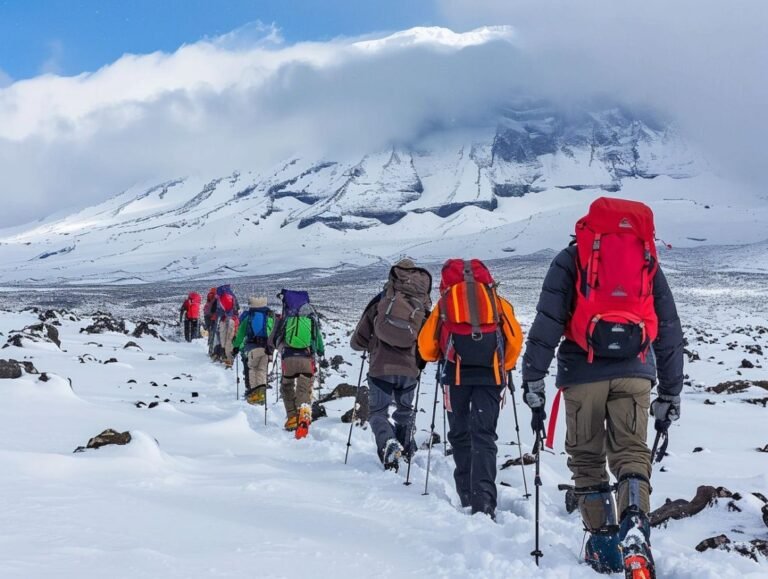
Kilimanjaro Climb July – Peak Dry-Season Group Departures 2027
Kilimanjaro Climb July 2027 – Peak Dry-Season Group Departures is explained with current 2027 planning, price, itinerary and booking information.
View package details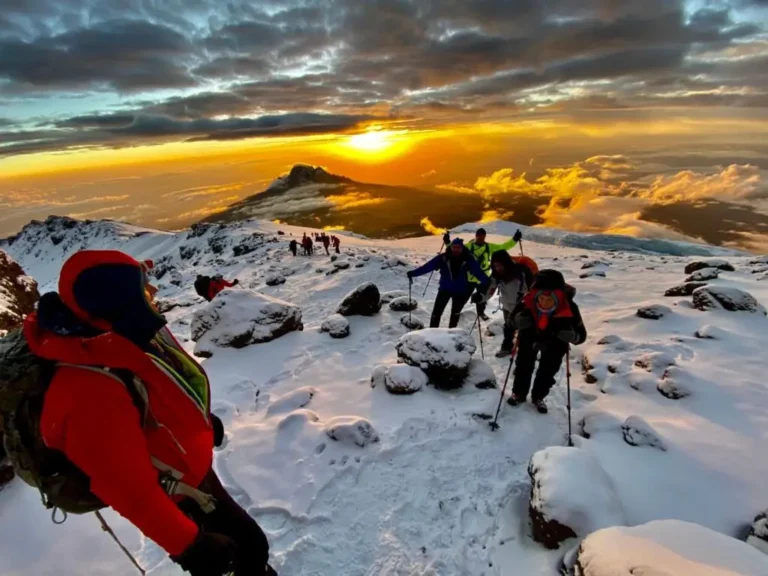
Marangu Route – 26 June Kilimanjaro Group Climb 2027
Marangu Route – 26 June 2027 Kilimanjaro Group Climb is explained with current 2027 planning, price, itinerary and booking information.
View package details7 Day Machame Route – 19 June Kilimanjaro Group Departure 2027
Planning to climb Kilimanjaro on the Machame Route in a group setting? This 7-day departure on June 19, 2027, offers a balanced approach to acclimatization and scenery. Learn what to...
View package detailsKilimanjaro 1 May : Your Day Mountain Adventure Awaits 2027
start an unforgettable Kilimanjaro 1 May 2027 adventure. This guide details everything you need to know for a successful May Day climb, from route selection to essential preparation.
View package details8 Day Lemosho Route – 20 February Kilimanjaro Departure With Climb 4 Africa
This article details the 8-day Lemosho Route Kilimanjaro climb scheduled for February 20, 2027, focusing on planning, itinerary, and what makes this departure a unique opportunity with...
View package details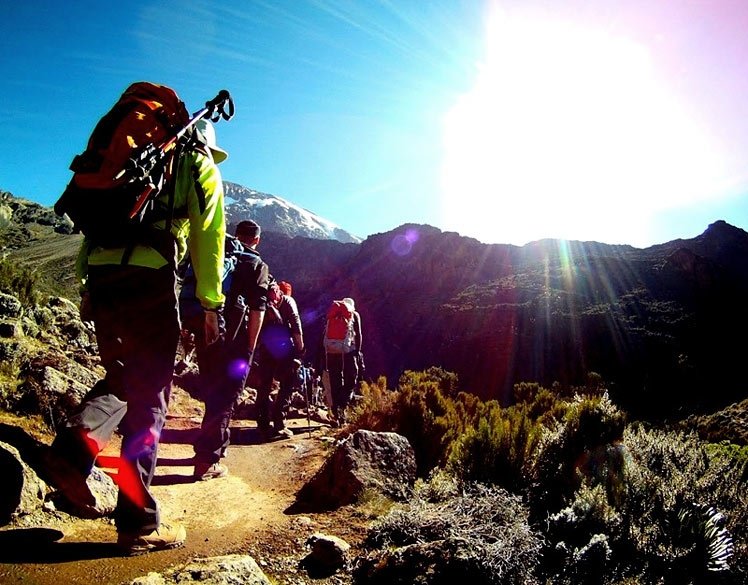
Kilimanjaro Climb February – Dry Season Groups And Availability 2027
Kilimanjaro Climb February 2027 – Dry Season Groups and Availability is explained with current 2027 planning, price, itinerary and booking information.
View package detailsLemosho Route – 7 August Summer Group Climb: Your Kilimanjaro Adventure 2027
start a memorable Lemosho Route – 7 August 2027 Summer Group Climb up Mount Kilimanjaro. This guide covers the itinerary, acclimatization, and preparation for your ascent.
View package detailsSolo Traveller Kilimanjaro August – Join A Peak-Season Group 2027
Solo Traveller Kilimanjaro August 2027 – Join a Peak-Season Group is explained with current 2027 planning, price, itinerary and booking information.
View package details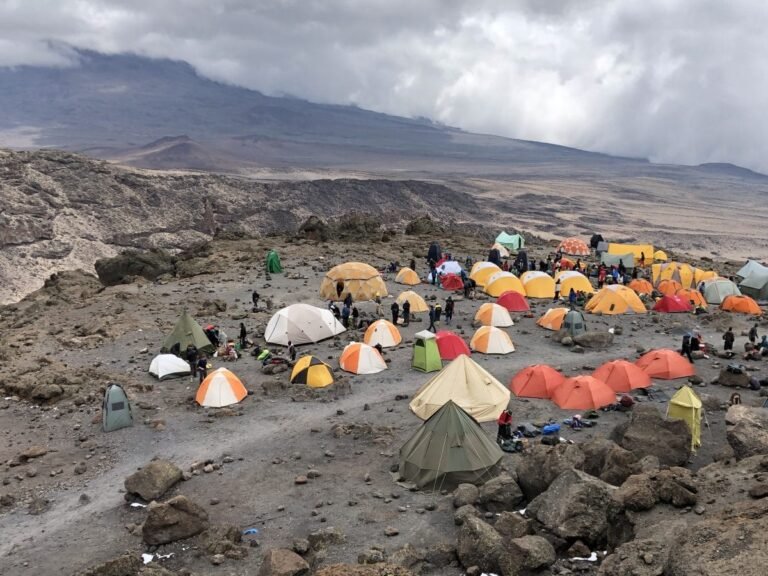
Family Kilimanjaro Climb August : Your Summer Holiday Adventure 2027
start an unforgettable Family Kilimanjaro Climb during August 2027. This guide covers the best routes, essential planning, and tips for a successful summer holiday ascent.
View package details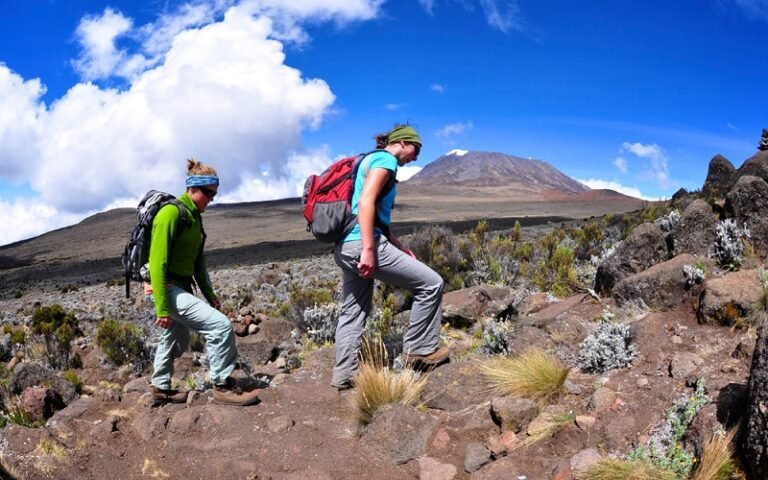
Kilimanjaro And Mara River Crossing Safari August : Peak Season Adventure 2027
Combining the ultimate challenge of climbing Mount Kilimanjaro with the awe-inspiring spectacle of the Great Migration river crossing in the Maasai Mara offers an unparalleled African...
View package detailsNo related package matches those filters. Clear one or more filters to see the other topic-matched options.



