
Traveling to Katavi, Tanzania, involves reaching its remote location primarily via charter or scheduled light aircraft flights into the park’s airstrips, or through a long, rugged overland journey. Given its isolation, it’s crucial to book flights well in advance, especially for 2026-2027 travel, and to consider that most visitors combine Katavi with other Tanzanian parks due to its accessibility challenges and the need for specialized 4×4 transport within the park and for the overland approach. Planning with a local expert is highly recommended to manage logistics and ensure a smooth, rewarding experience in this wild frontier.
Understanding Katavi’s Unique Appeal
Katavi National Park is not your typical Tanzanian safari destination. Unlike the more accessible Serengeti or Ngorongoro Crater, Katavi remains largely untouched, offering a raw, wild, and incredibly rewarding experience for those willing to venture off the beaten path. Its sheer size – the third-largest park in Tanzania – and its remoteness mean that wildlife sightings are often intimate and unhurried, without the constant presence of other vehicles. This is a place where you can truly feel like an explorer, discovering vast floodplains, dense woodlands, and the seasonal lakes and rivers that support an astonishing array of wildlife. The park is particularly renowned for its large herds of buffalo, significant populations of elephants, and a healthy predator population including lions, leopards, and cheetahs. The unique Katavi hippo and crocodile pools, especially during the dry season, are legendary, concentrating hundreds of these creatures in a dramatic spectacle. For travelers planning their adventures for 2026-2027, Katavi presents an opportunity to witness Tanzania’s wilderness in its most pristine state, far from the crowds that can characterize more popular parks. It requires a different kind of planning, one that prioritizes patience, flexibility, and a deep appreciation for the wild. The rewards, however, are immense: a sense of true discovery and an unforgettable connection with nature.
Accessing Katavi by Air: The Primary Route
For most international visitors and even many domestic travelers, flying is the most practical and time-efficient way to reach Katavi National Park. The park’s remote location makes overland travel arduous and time-consuming, often taking multiple days and requiring specialized vehicles. Air travel significantly shortens the journey, typically from major hubs like Arusha or Dar es Salaam, and offers a comfortable transition into the wilderness. Understanding the flight options, providers, and booking procedures is paramount when planning your trip, especially as availability for 2026-2027 can be limited due to the nature of these small aircraft operations.
Scheduled Flights: Options and Providers
Several Tanzanian charter and scheduled flight operators provide services to Katavi. The most common routes originate from Arusha Airport (ARK) or Kilimanjaro International Airport (JRO), with some services potentially connecting from Dar es Salaam (DAR) depending on demand and operator schedules. Companies like Auric Air and Coastal Aviation are frequent operators on these routes. These scheduled flights are typically operated using small aircraft, often Cessna Caravans or similar models, which carry between 8 to 12 passengers. The flight duration from Arusha to Katavi can range from approximately 1.5 to 3 hours, depending on the number of stops and the specific airstrip within the park. While these are ‘scheduled’ services, it’s important to note that they often operate on a demand-basis, meaning flights might be consolidated or adjusted based on passenger bookings. Booking these flights as far in advance as possible, ideally 6-12 months ahead for peak seasons in 2026-2027, is strongly advised to secure your preferred dates and seats. The luggage allowance on these small planes is usually quite restrictive, typically around 15-20 kg per person in soft-sided bags, which is a critical detail to consider when packing for your safari.
Charter Flights: Flexibility and Cost
For groups or travelers seeking maximum flexibility and privacy, charter flights offer a premium solution for reaching Katavi. Chartering a private aircraft provides the ability to set your own departure times, choose specific airstrips within the park (subject to availability and regulations), and travel with a more generous luggage allowance. This option is particularly attractive for families, small tour groups, or individuals who wish to incorporate Katavi as part of a multi-park itinerary without adhering to fixed schedules. However, charter flights come at a significantly higher cost compared to scheduled services. The price is typically calculated per flying hour or per trip, and can range from several thousand US dollars upwards, depending on the aircraft type and the distance. For a group of 4-6 people, a charter flight might become more cost-effective on a per-person basis than booking individual seats on scheduled flights, especially if you factor in the convenience and time savings. It’s essential to work with a reputable flight operator or your tour organizer to arrange these charters, ensuring all logistical details are meticulously handled. For those planning a special trip in 2026 or 2027, a charter flight can elevate the experience, making the journey to Katavi itself a memorable part of the adventure.
Key Airports and Airstrips in Katavi
Katavi National Park is served by several airstrips, strategically located to provide access to different areas of the park and its various lodges. The most commonly used airstrips include:
* Katavi Airstrip (KVT): Often considered the main airstrip, serving the central and southern parts of the park. It’s usually the primary disembarkation point for many visitors. The proximity to key wildlife viewing areas and several camps makes it a popular choice.
* Mpimbwe Airstrip: Located closer to the eastern side of the park, this airstrip can be convenient for lodges situated in that region.
* Ibindi Airstrip: Serves the northern sector of Katavi, offering access to lodges and areas in that part of the park.
The specific airstrip your flight will land at will depend on the location of your chosen accommodation. When booking your safari package, your tour operator will coordinate the flight details to ensure you land at the most convenient airstrip for your camp or lodge. Upon arrival, you will typically be met by your guide and safari vehicle, ready to commence your game drives directly from the airstrip. The transition from air to ground is usually smooth, highlighting the efficiency of air travel for accessing this remote park.
Booking Your Flights: Key Considerations
When booking flights to Katavi, several factors require careful attention to ensure a smooth journey. Firstly, **confirm the exact departure and arrival airports and airstrips**. While Arusha and Kilimanjaro are common departure points, always verify the specific airport code. Secondly, **clarify the luggage allowance**. As mentioned, soft-sided bags and strict weight limits (usually 15-20 kg per person) are standard. Oversized or excess luggage may need to be stored at the operator’s office or may incur additional fees. Thirdly, **understand the flight schedule and potential for delays or cancellations**. Small aircraft operations can be subject to weather conditions and operational adjustments. It’s wise to build some buffer time into your overall itinerary, especially if connecting to international flights. Finally, **book through a reputable tour operator or directly with the airline well in advance**. For popular travel periods in 2026-2027, flights can fill up quickly. A trusted operator like Climb 4 Africa can manage these complex flight bookings for you, integrating them seamlessly into your safari package, saving you considerable time and potential stress.
Overland Travel to Katavi: The Adventurous Path
While flying is the most common method, overland travel to Katavi National Park is an option for the truly adventurous traveler seeking an extended journey and a different perspective on Tanzania’s landscapes. This route is significantly more challenging and time-consuming than flying, typically requiring multiple days of driving, often in conjunction with a multi-park safari itinerary. It’s a path less traveled, offering an authentic immersion into the Tanzanian countryside, but it demands careful planning, a robust 4×4 vehicle, and a significant degree of flexibility.
Driving Routes and Road Conditions
There isn’t a single, straightforward road to Katavi. The journey usually involves driving from a major city like Dar es Salaam or Arusha towards the western regions of Tanzania. A common route might take you through towns like Tabora or Kigoma, before heading south towards the park. The roads leading to Katavi are notoriously poor, especially the sections within and around the park boundaries. Expect unpaved, dusty, and often deeply rutted tracks that can become impassable during the rainy season (November to May). During the dry season (June to October), the roads are passable but still require a sturdy vehicle and experienced driver. The drive from Dar es Salaam to Katavi can take 2-3 days of solid driving, and from Arusha, it’s similarly long, often requiring overnight stops in towns like Tabora. The final approach to the park can be particularly slow and challenging, with distances that look short on a map translating into many hours of travel.
Vehicle Requirements for the Journey
Undertaking an overland journey to Katavi necessitates a specialized vehicle. A standard 2WD or even a basic 4WD SUV will likely not suffice. You will need a **robust, high-clearance 4×4 vehicle** equipped for off-road conditions. This typically means a vehicle like a Toyota Land Cruiser or a similar sturdy 4×4, ideally with good ground clearance, reliable four-wheel drive, and preferably with good tires. If you are arranging this trip yourself, ensure the vehicle is in excellent mechanical condition and comes with spare tires, tools, and recovery equipment. If you book with a tour operator, they will provide a suitable safari vehicle and an experienced driver-guide who understands the challenging terrain and navigation. This driver-guide is crucial not only for navigating the difficult roads but also for their knowledge of the areas you’ll be passing through.
Time Commitment and Difficulty Level
Overland travel to Katavi is a significant time commitment. A round trip from Dar es Salaam or Arusha, allowing for game drives within the park, could easily consume 5-7 days or more, solely for the travel and a brief visit. If you’re incorporating Katavi into a larger overland safari circuit that includes other parks like Ruaha or Selous (though these are geographically challenging to link directly), the duration can extend much further. The difficulty level is high. It requires patience, resilience, and the ability to cope with long, bumpy drives, dust, heat, and basic facilities in some transit towns. It is not a journey for the faint-hearted or those seeking a comfortable, quick transfer. This type of travel is best suited for experienced overland travelers or those who have a deep desire to see the country unfold outside the typical tourist routes.
Combining Overland with Other Parks
Overland travel to Katavi can be part of a larger overland circuit, though it’s geographically challenging to connect seamlessly with the northern circuit parks (Serengeti, Ngorongoro, etc.) without significant backtracking or expensive internal flights. More feasible overland combinations might include parks in the southern circuit like Ruaha National Park, though even this route is long and arduous, often requiring a stop in Iringa or other transit points. Some adventurous travelers might combine Katavi with Lake Tanganyika or Lake Rukwa. If your primary goal is to see multiple parks, it is often more practical and time-efficient to use a combination of flights for longer distances and overland travel within specific regions. For instance, you might fly into Katavi, spend a few days, then fly out to Arusha to begin a northern circuit safari. However, for those committed to an overland expedition, the journey itself becomes a significant part of the adventure, offering a unique perspective on Tanzania’s vast and diverse landscapes.
When to Visit Katavi: Timing Your Safari
Katavi National Park offers a distinct safari experience throughout the year, but visiting during the optimal season can significantly enhance wildlife viewing and overall enjoyment. The park experiences a typical East African climate with distinct wet and dry seasons, each offering unique advantages and challenges for travelers planning their 2026-2027 trips.
The Dry Season (June to October): Peak Wildlife Viewing
The dry season is generally considered the prime time for visiting Katavi, and indeed most of Tanzania’s wildlife parks. During these months, the weather is typically sunny and dry, with cooler temperatures, especially in June, July, and August. As the landscape dries out, water sources become scarcer, concentrating wildlife around the remaining rivers and waterholes. This makes animals more visible and easier to spot. The park’s famous hippo pools, like the one at Katuma River, become particularly spectacular as hundreds, sometimes thousands, of hippos congregate in the shrinking water, leading to intense territorial disputes. Large herds of buffalo and elephants are also more readily observed as they move in search of water and grazing. Predator sightings can also be excellent, as they stalk the concentrated prey. For those planning a safari in 2026 or 2027, this period offers the highest probability of encountering a wide array of animals in impressive numbers. However, this is also the peak tourist season, meaning accommodations and flights can be more expensive and require booking well in advance.
The Wet Season (November to May): Lush Landscapes and Fewer Crowds
The wet season in Katavi presents a different, yet equally compelling, safari experience. From November to May, the park receives its rainfall, transforming the landscape into a vibrant green expanse. The rains typically come in short, intense bursts, often in the afternoon, interspersed with sunny periods. For wildlife, the abundance of water and fresh vegetation means they disperse throughout the park, making them potentially harder to spot than during the dry season. However, the lush scenery is incredibly beautiful, offering stunning photographic opportunities. Birdlife is at its peak during this time, with migratory birds arriving to join the resident species, making it a paradise for birdwatchers. The fewer crowds mean a more exclusive and intimate safari experience, and prices for accommodation and sometimes flights can be lower. The months of November and December often represent a ‘shoulder’ season, with good wildlife viewing and fewer visitors than the peak dry months. January and February can see a period of drier weather within the wet season, often referred to as the ‘short dry season’, which can offer excellent game viewing. However, from March to May, heavy rains can make some roads impassable, potentially limiting access to certain areas of the park and impacting travel logistics, especially for overland journeys.
Specific Wildlife Events to Consider
While Katavi doesn’t have the large-scale wildebeest migration seen in the Serengeti, it has its own unique wildlife spectacles. The **hippo congregations** during the peak dry season (July-September) are arguably the most dramatic. Witnessing hundreds of hippos vying for space and dominance in shrinking pools is an extraordinary sight. Similarly, the **concentration of crocodiles** in these same pools is impressive. For elephant and buffalo enthusiasts, the dry season also offers fantastic viewing as these large herds gather. The arrival of migratory birds during the wet season, particularly from November onwards, makes this period ideal for ornithologists. Planning your 2026-2027 trip around these specific events can tailor your experience to your interests, whether it’s the drama of the hippo pools or the vibrant avian life.
Logistics and Support Within Katavi
Once you arrive in Katavi, either by air or overland, understanding the logistical framework is key to a successful safari. The remoteness of Katavi means that support systems are concentrated around the few camps and lodges, and self-sufficiency is important. Planning ahead with your chosen tour operator ensures that these vital logistics are managed smoothly.
Internal Transport: Game Drives and Beyond
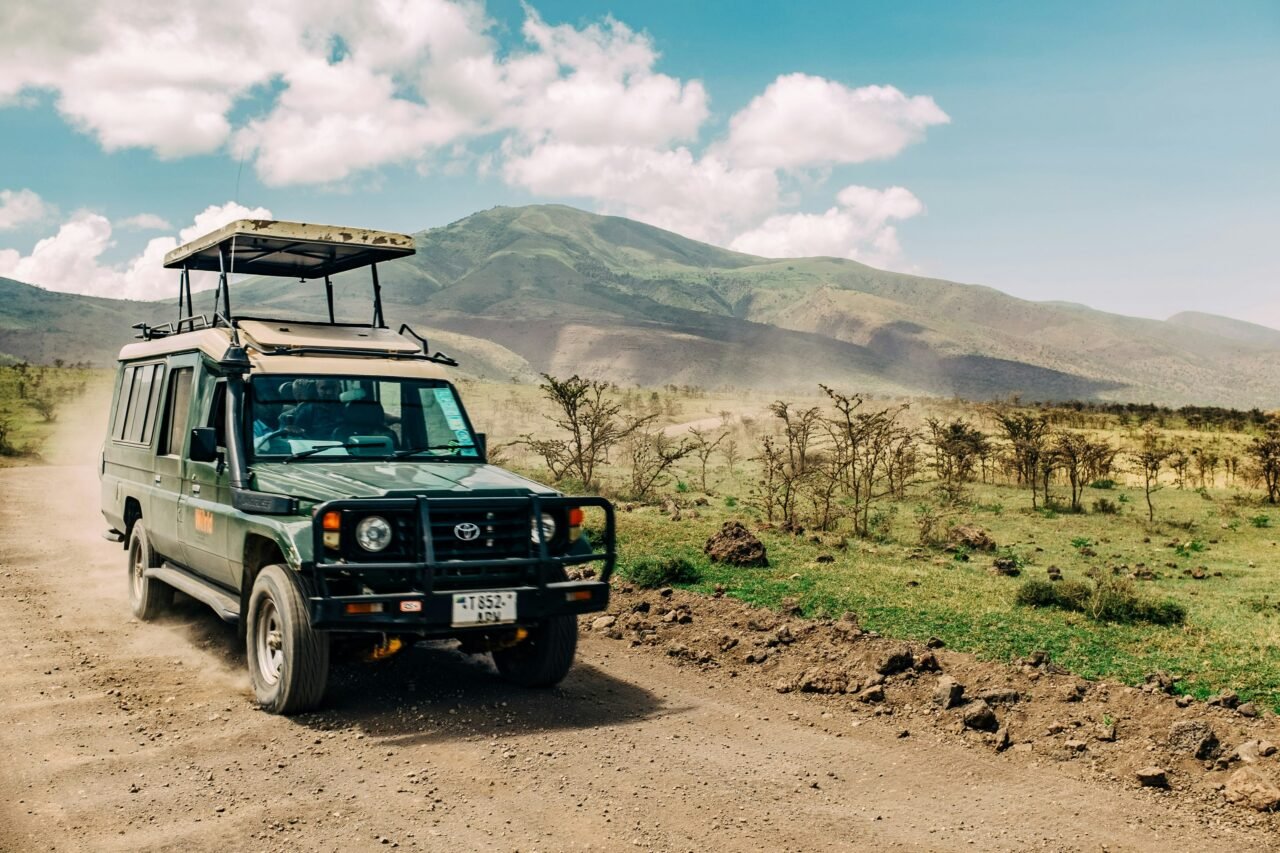
Within Katavi National Park, your primary mode of transport will be a 4×4 safari vehicle, typically an open-sided Land Cruiser or similar, driven by a knowledgeable guide. These vehicles are essential for navigating the park’s diverse terrain, from open plains to dense bush and riverine areas. Game drives are the core activity, usually conducted in the early morning and late afternoon when wildlife is most active. The limited number of vehicles allowed in the park at any given time, combined with Katavi’s vastness, means you’ll often have sightings to yourselves, providing a truly in-depth experience. Beyond standard game drives, some camps may offer walking safaris (subject to park regulations and guide availability) for a more intimate encounter with the bush, or boat trips on the larger rivers during certain times of the year. Your lodge or camp will arrange all internal transport and game drives as part of your safari package. For 2026-2027 travel, confirm with your operator what types of activities are included and available.
Accommodation Options: Camps and Lodges
Accommodation in Katavi National Park is limited and generally consists of a few well-established safari camps and lodges. These range from comfortable mid-range options to more exclusive luxury tented camps. Examples include:
* Chada Katavi: A classic, intimate luxury tented camp known for its exceptional guiding and location.
* Mlelemi Katavi: Offering a comfortable and authentic safari experience.
* Katavi Wildlife Camp: One of the older camps, providing a solid safari base.
These establishments are designed to blend into the environment, offering en-suite bathrooms, comfortable beds, and common areas for dining and relaxation. All-inclusive rates are standard, covering accommodation, meals, local drinks, park fees, and game drives. Due to the limited number of properties and their remoteness, booking accommodation in Katavi, especially for popular periods in 2026-2027, needs to be done months, if not a year, in advance. Your choice of accommodation will heavily influence the airstrip you fly into and the overall feel of your safari.
Essential Gear for Katavi
Packing for Katavi requires careful consideration, especially given the flight luggage restrictions. The key is to pack light, practical items suitable for a safari environment. Essential items include:
* Lightweight, neutral-colored clothing: Earth tones like khaki, beige, and green are best. Avoid bright colors and dark blue or black, which can attract insects.
* Layers: Mornings and evenings can be cool, so bring a fleece or warm jacket, especially during the dry season.
* Comfortable walking shoes: For around the camp and any potential walking safaris.
* Sun protection: A wide-brimmed hat, sunglasses, and high SPF sunscreen are crucial.
* Insect repellent: Especially important for evenings and near water sources.
* Binoculars: Essential for wildlife viewing.
* Camera with extra batteries and memory cards: You’ll want to capture everything.
* Personal first-aid kit: With any personal medications.
* Headlamp or flashlight: Useful for navigating camp at night.
Remember the luggage restrictions for flights – soft-sided duffel bags are usually preferred over hard suitcases. If you’re flying, pack your essentials and consider if any larger items can be shipped or stored if necessary.
Park Fees and Permits
Park fees are a significant component of any Tanzanian safari budget and are typically included in safari packages booked through reputable operators. For Katavi National Park, the fees are set by the Tanzania National Parks Authority (TANAPA). These fees are usually charged on a per-person, per-day basis. As of recent information, standard park entry fees can be in the range of $30-$50 USD per person per day, with additional fees for vehicles and camping (if applicable). These fees are subject to change, and it’s important to confirm the exact rates for your travel dates in 2026-2027 with your tour operator. Most lodges and camps will include these fees in their quoted prices, but it’s always wise to clarify what is and isn’t covered. Private conservancy fees may also apply if your accommodation is situated in such an area adjacent to the park.
Planning Your Katavi Safari in 2026-2027
Planning a safari to a remote destination like Katavi requires a more detailed approach than visiting more accessible parks. The success of your trip, especially for planning in 2026-2027, hinges on careful selection of your tour operator, thoughtful itinerary design, realistic budgeting, and attending to essential health and visa requirements.
Choosing a Tour Operator
Given Katavi’s remoteness and the complexity of logistics, choosing the right tour operator is perhaps the single most important decision you will make. You need an operator with deep local knowledge, established relationships with flight providers and lodges in Katavi, and a proven track record of handling remote safaris. Look for companies that:
* **Specialize in Tanzania:** Operators who know the country intimately will be better equipped to manage the nuances of Katavi.
* **Have strong local support:** A team on the ground in Tanzania can resolve issues quickly.
* **Offer flexible itineraries:** Can tailor the trip to your interests and travel style.
* **Provide clear communication:** Are transparent about inclusions, exclusions, and potential challenges.
Companies like **Climb 4 Africa** are well-positioned to assist with Katavi safaris. Their expertise in Tanzanian travel, including remote destinations, means they can manage the intricate flight bookings, lodge reservations, and ground logistics required. They can also advise on the best times to visit for 2026-2027 and help craft an itinerary that maximizes your experience. When you contact them, be ready to discuss your interests, budget, and desired travel dates.
Itinerary Design: Katavi and Beyond
When designing your Katavi itinerary, consider its placement within a broader Tanzanian safari. Due to the travel time and cost involved in reaching Katavi, most visitors opt for a combination of parks. A common approach is to combine Katavi with other remote parks like **Ruaha National Park** in the south, or fly from Katavi to the more accessible northern circuit parks (Serengeti, Ngorongoro) for a diverse experience. A typical stay in Katavi itself would be **3-4 nights** to allow sufficient time for game drives and to absorb the park’s atmosphere. However, if you’re making the long journey overland, you might allocate more time. For example, a 10-14 day safari could look like:
* Fly into Arusha, overnight.
* Fly to Katavi, 3-4 nights.
* Fly from Katavi to Ruaha, 3-4 nights.
* Fly from Ruaha to Zanzibar or Dar es Salaam for departure.
Alternatively, for a more focused trip:
* Fly into Arusha.
* Fly to Katavi, 4 nights.
* Fly back to Arusha for onward travel.
For 2026-2027 bookings, discussing these combinations with your operator is key. They can advise on the most logical and time-efficient flow, considering flight schedules and internal transfer times. Remember that Katavi is best enjoyed with time to slow down and appreciate its wild solitude.
Budgeting for Your Katavi Adventure
Katavi National Park is generally considered a more expensive safari destination due to the high costs associated with accessing its remote location. The primary cost drivers are:
* Flights: Internal flights to Katavi are a significant expense, often costing upwards of $400-$600 USD per person for a return trip from Arusha or Dar es Salaam. Charter flights are considerably more.
* Accommodation: The limited number of high-quality camps and lodges means prices are often in the luxury or upper mid-range bracket. Expect to pay anywhere from $600 to $1200+ USD per person per night, all-inclusive (accommodation, meals, drinks, park fees, and game drives).
* Park Fees: As mentioned, these can add $30-$50 USD per person per day.
A realistic budget for a 3-night safari in Katavi, including flights from Arusha, would likely start from around $3,000 – $4,500 USD per person, excluding international flights to Tanzania. For longer stays or more luxurious options, this figure will increase. When planning for 2026-2027, it’s wise to factor in potential price increases, so getting a detailed quote from your operator is essential. Remember to clarify exactly what is included in the price – often, it’s full board, park fees, and scheduled safari activities. Exclusions might include premium drinks, tips, and personal expenses.
Visa and Health Requirements
Before traveling to Tanzania, ensure you have the necessary documentation and health preparations in order.
* Visas: Most nationalities require a visa to enter Tanzania. This can typically be obtained in advance online through the Tanzanian immigration website or upon arrival at Kilimanjaro International Airport (JRO) or Julius Nyerere International Airport (DAR). Check the latest requirements for your nationality well before your 2026-2027 travel dates.
* Health: Tanzania is a malaria-endemic country, so **malaria prophylaxis is strongly recommended**. Consult your doctor or a travel clinic 4-6 weeks before your trip to discuss antimalarial medication and other vaccinations. Routine vaccinations such as Hepatitis A and Typhoid are often advised. Yellow Fever vaccination may be required if you are arriving from or transiting through a country with a risk of Yellow Fever transmission – carry your vaccination certificate. Ensure your travel insurance covers medical emergencies and evacuation, which is crucial for remote safari destinations.
Why Katavi is Worth the Effort
Katavi National Park is not a destination for the casual tourist. It demands more effort, more planning, and often a higher budget than other Tanzanian parks. However, for those who undertake the journey, the rewards are profound. It offers an experience of true wilderness, a Tanzania that feels ancient and untamed. The solitude, the sheer scale of the landscape, and the unadulterated wildlife encounters create a powerful connection to nature. You’ll find yourself alone with a herd of elephants on the plains, or watching a pride of lions without another vehicle in sight. The dramatic hippo pools, the vast herds of buffalo, and the chance to see elusive predators in their natural, undisturbed habitat are unique selling points. For travelers in 2026-2027 seeking an authentic, off-the-beaten-path adventure that offers a deep immersion into the wild heart of Africa, Katavi delivers an unparalleled experience. It’s a place that stays with you long after you’ve left, a testament to the power and beauty of truly wild places.
Next Steps for Your Katavi Trip
Embarking on a safari to Katavi National Park is an exciting prospect, and the next steps are crucial for turning this dream into a reality. Given the complexities of arranging travel to such a remote location, partnering with experienced local experts is highly recommended. They can navigate the intricacies of flight bookings, lodge reservations, and ground logistics, ensuring your 2026-2027 adventure is smooth and unforgettable.
To begin planning, consider the following:
* Define Your Travel Window: Decide on your preferred travel dates, keeping in mind the optimal dry season (June-October) for wildlife viewing.
* Determine Your Budget: Understand the cost factors, particularly flights and accommodation, and set a realistic budget for your trip.
* Consider Your Interests: Are you focused on birdwatching, predator sightings, or general wildlife photography? This can help tailor your itinerary.
* Contact an Expert: Reach out to a reputable tour operator like Climb 4 Africa. They have the local knowledge and connections to design a bespoke Katavi safari for you. You can connect with them via WhatsApp at +255 747 477 898 or by sending an email to climb4africa@gmail.com. Be prepared to share your desired travel dates, number of travelers, and any specific interests you have.
Working with Climb 4 Africa will allow you to leverage their expertise to handle all the challenging logistics, from booking the right flights into Katavi’s airstrips to securing accommodation at the best camps. They can also advise on combining Katavi with other Tanzanian destinations to create a comprehensive safari experience for your 2026-2027 journey. Let them help you craft an adventure that truly captures the wild spirit of Katavi National Park.
Check Availability for How To Travel To Katavi, Tanzania: Your Definitive Guide For 2026-2027
Ready to compare dates, prices, and the best option for your group? Send the package name and travel month so the team can reply with a clear quote, availability, and what is included.
Kilimanjaro And Great Migration Safari July : Your Ultimate Tanzanian
Combining a Kilimanjaro climb with a Great Migration safari in July 2027 offers a spectacular Tanzanian adventure. This guide helps you plan your ideal itinerary, considering the best...
View package details
Kilimanjaro And Grumeti Migration Safari June : The Ultimate Tanzanian
Plan your unforgettable Kilimanjaro and Grumeti Migration safari for June 2027. This comprehensive guide details how to combine the challenge of summiting Africa's highest peak with the...
View package details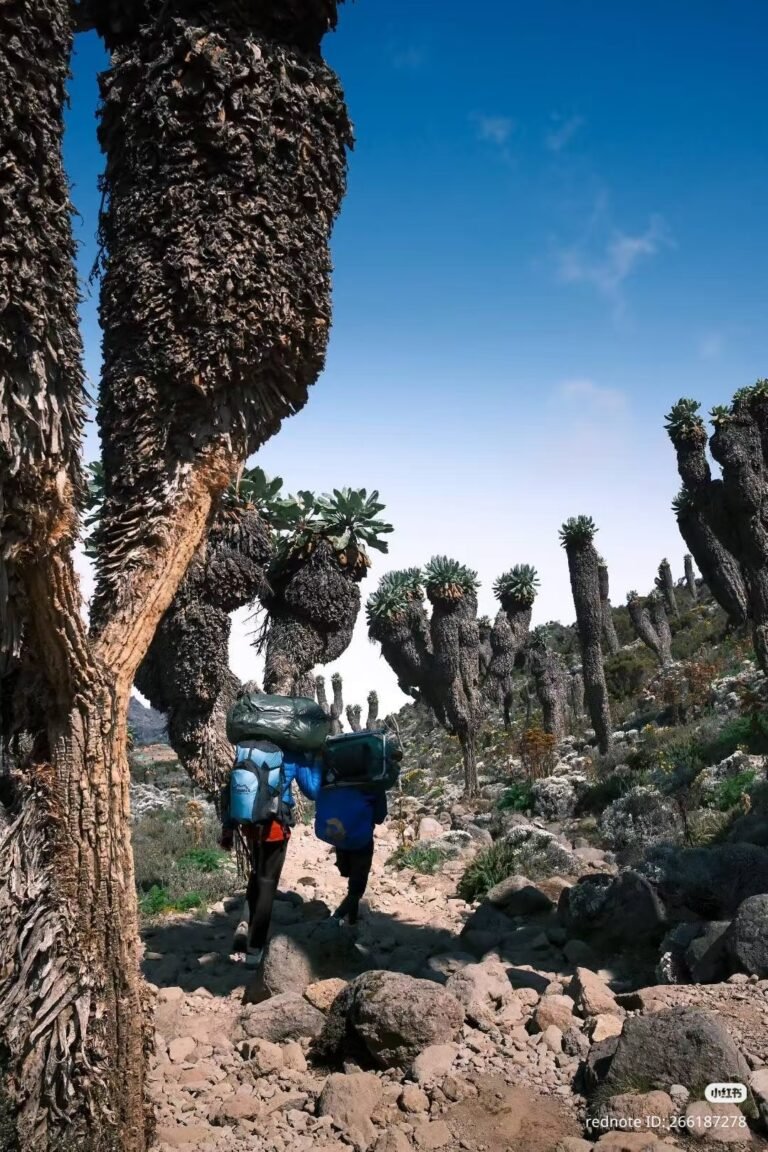
Kilimanjaro Christmas Climb And Tanzania Safari : Your Festive Adventure
Combine the magic of a Christmas ascent of Kilimanjaro with a thrilling Tanzania safari in 2026. Discover how to plan this dual adventure for a truly unique festive season.
View package detailsKilimanjaro And Mara River Crossing Safari August : Peak Season Adventure 2027
Combining the ultimate challenge of climbing Mount Kilimanjaro with the awe-inspiring spectacle of the Great Migration river crossing in the Maasai Mara offers an unparalleled African...
View package details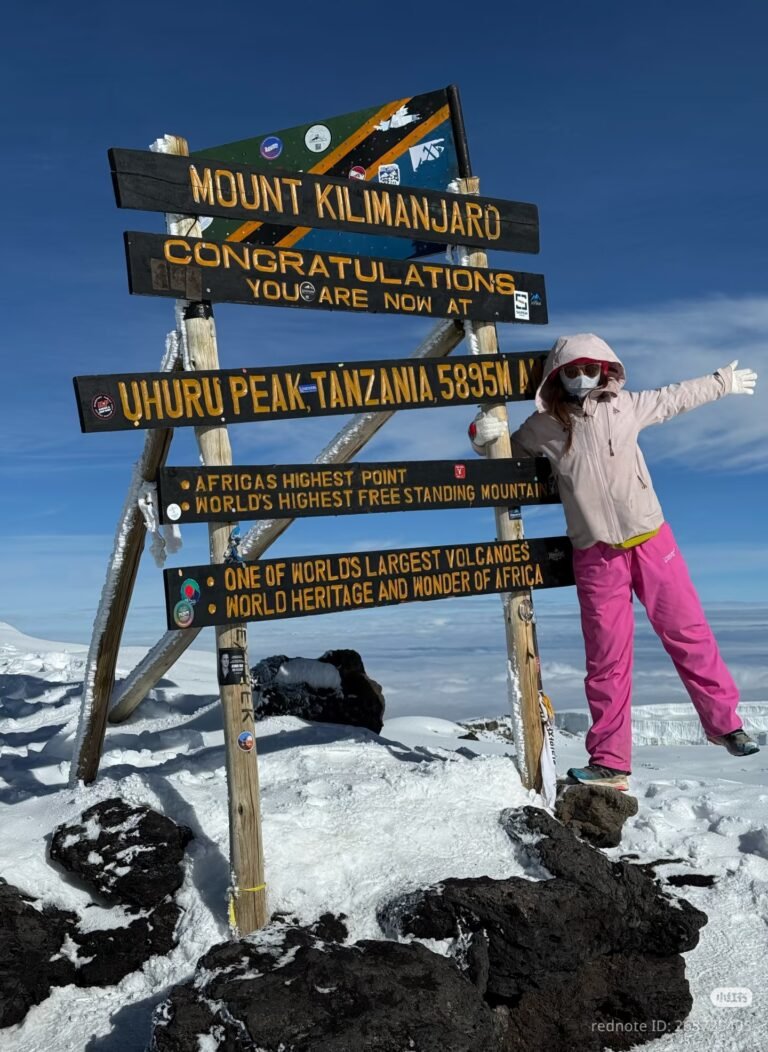
Kilimanjaro And Great Migration Safari August : Your Peak Season Adventure
Plan your ultimate Tanzanian adventure in August 2027, combining a Kilimanjaro climb with the spectacle of the Great Migration. This guide details the best timings, routes, and safari...
View package detailsKilimanjaro And Mara River Crossing Safari July 2027
Kilimanjaro and Mara River Crossing Safari July 2027 is explained with current 2027 planning, price, itinerary and booking information.
View package details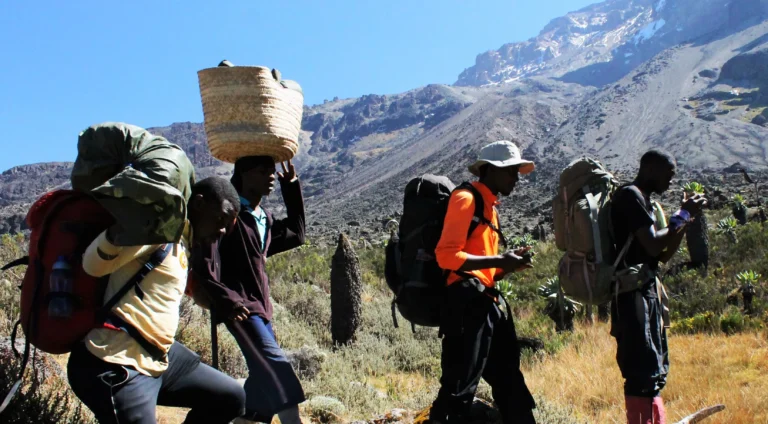
Best Kilimanjaro And Serengeti Calving Season Safari March 2027
Discover the magic of a March 2027 Kilimanjaro and Serengeti calving season safari. This guide explores the unique advantages and considerations for experiencing Tanzania's wildlife...
View package details
Kilimanjaro And Serengeti Calving Safari February : The Ultimate Planning
Combine the majesty of Mount Kilimanjaro with the impressive spectacle of the Serengeti's calving season in February 2027. This guide details how to plan this dual adventure, focusing on...
View package details
Kilimanjaro And Serengeti Calving Safari January 2026-2027
Kilimanjaro and Serengeti Calving Safari January 2027 is explained with current 2026-2027 planning, price, itinerary and booking information.
View package detailsNo related package matches those filters. Clear one or more filters to see the other topic-matched options.



