
Traveling to Iringa, Tanzania, primarily involves flying into Dar es Salaam or Kilimanjaro International Airport and then taking domestic flights, buses, or private transfers to reach the city. For 2026-2027, expect a mix of modern amenities and traditional travel methods, with air travel offering the quickest route from major hubs, while bus journeys provide a more in-depth, budget-friendly experience through Tanzania’s diverse landscapes. Planning your route will depend on your starting point, budget, and desired pace for exploring this historically rich highland region.

Getting to Iringa: Your Primary Routes
Iringa, situated in the southern highlands of Tanzania, is a destination that rewards those willing to venture beyond the most beaten paths. While not as directly accessible as the northern safari circuit hubs like Arusha or Moshi, reaching Iringa is a well-trodden journey for those seeking its unique blend of history, culture, and natural beauty. The primary gateways to Tanzania are Julius Nyerere International Airport (DAR) in Dar es Salaam and Kilimanjaro International Airport (JRO) near Arusha. From these points, your travel to Iringa will branch out.
Most international travelers will first arrive in Dar es Salaam. This bustling coastal city serves as Tanzania’s largest commercial center and offers a crucial transit point. Alternatively, some may fly directly into JRO if their Tanzanian itinerary begins with safaris or Kilimanjaro climbs in the north. Regardless of your arrival airport, the subsequent leg to Iringa demands careful consideration of your travel style, budget, and time constraints. For 2026-2027 travel, understanding these options is key to a smooth and enjoyable journey.
The journey to Iringa is an integral part of the overall Tanzanian experience. It’s a chance to witness the country’s vastness, from the coastal plains to the rolling highlands. Whether you opt for the speed of a domestic flight or the scenic, albeit longer, route by road, each method offers a distinct perspective on Tanzania. We’ll break down these options to help you make an informed decision for your upcoming adventure.
Air Travel Options to Iringa
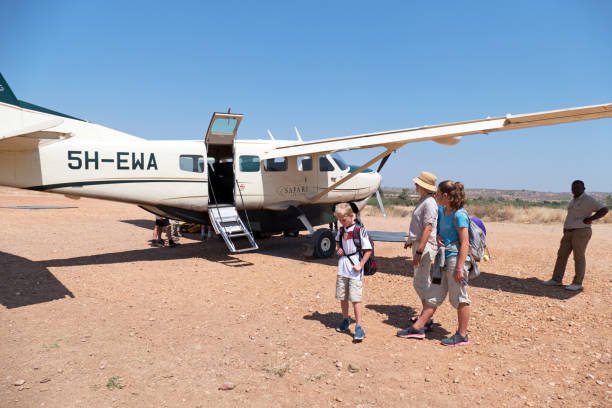
For many travelers, especially those on a tighter schedule, air travel represents the most efficient way to reach Iringa. The primary airport serving the region is Iringa Airport (IRI), also known as Nduli Airport. This airport handles domestic flights, connecting Iringa to major Tanzanian cities.
Flights from Dar es Salaam to Iringa:
The most common air route is from Dar es Salaam (DAR) to Iringa (IRI). Several Tanzanian airlines operate this route, including Precision Air and ultimately, depending on airline schedules and demand in 2026-2027, other carriers might offer competitive options. Flights typically depart from Dar es Salaam’s domestic terminal. The flight duration is approximately 1 to 1.5 hours, offering a stark contrast to the many hours spent on the road. Booking these flights in advance is highly recommended, especially during peak travel seasons or for specific dates around holidays in 2026 or 2027.
Flights from Kilimanjaro (JRO) or Arusha to Iringa:
Direct flights from Kilimanjaro International Airport (JRO) or Arusha Airport (ARK) to Iringa (IRI) are less frequent. Often, travelers flying into JRO will need to connect through Dar es Salaam. This might involve a separate flight from JRO to DAR, and then another flight from DAR to IRI. While this adds an extra step, it’s still a viable option for those prioritizing air travel and starting their journey in the northern circuit. It’s essential to check the latest flight schedules with the airlines as routes and frequencies can change year to year, particularly looking towards 2026-2027.
Booking and Considerations for Air Travel:
- Airlines: Research current operating airlines for the DAR-IRI route.
- Schedules: Flight frequencies can vary; check daily or weekly availability.
- Baggage Allowance: Domestic flights in Tanzania often have stricter baggage limits than international carriers. Be aware of weight restrictions to avoid unexpected fees.
- Booking Window: For travel in 2026-2027, booking at least 2-3 months in advance is wise, especially for popular dates.
- Airport Transfers: Upon arrival at Iringa Airport (IRI), you will need to arrange onward transportation to your accommodation. Taxis or pre-booked transfers are common options.
While flying is convenient, it’s also the most expensive option. The cost of domestic flights can add significantly to your overall travel budget. However, for those who value time and comfort, or are connecting from international arrivals, it’s often the preferred choice. Always compare prices and consider booking through a local tour operator who might have access to better rates or packages.
Road Travel: Buses and Private Transfers
Road travel to Iringa is a classic Tanzanian experience, offering a more in-depth journey through the country’s diverse landscapes. It is also significantly more budget-friendly than flying.
Inter-city Buses:
Tanzania has a well-developed network of inter-city buses. The main bus station in Dar es Salaam is Mbezi Beach Bus Terminal, a large and busy hub. From here, numerous bus companies operate services to Iringa. Popular companies often include Scyllas, Sunrise, and various local operators. The journey from Dar es Salaam to Iringa by bus is long, typically taking anywhere from 8 to 12 hours, depending on road conditions, stops, and the specific bus company. The route traverses varied scenery, from coastal plains to agricultural lands and eventually the highlands.
Bus Experience:
- Comfort Levels: Buses range from VIP or ‘express’ services with more legroom and fewer stops to standard buses. For longer journeys, opting for a more comfortable service is advisable.
- Departure Times: Buses usually depart early in the morning, often between 6 AM and 9 AM. Arriving at the terminal early is crucial to secure a good seat.
- Onboard Amenities: While some buses might offer basic snacks or water, it’s wise to bring your own food, water, and entertainment for the long ride.
- Safety: While generally safe, it’s important to be aware of your belongings and avoid displaying valuables. Driving standards can be different from what you might be accustomed to.
The bus journey is not just about getting from point A to point B; it’s an opportunity to observe local life, see small towns, and appreciate the vastness of Tanzania. For travelers looking to experience the country authentically and on a budget, the bus is an excellent choice. For 2026-2027, expect similar operations, though improvements in road infrastructure could potentially speed up journeys.
Private Transfers and Taxis:
For those seeking more comfort, flexibility, and privacy, hiring a private car with a driver is an option. This can be arranged through tour operators, hotels, or dedicated transport services. A private transfer offers the ability to stop for photos, meals, or breaks as needed. The journey time remains similar to the bus, but the comfort and convenience are significantly higher. This is the most expensive road travel option but offers unparalleled flexibility.
From other locations:
If you are coming from other major towns like Mbeya or Dodoma, bus services are also available, though frequencies might be lower than from Dar es Salaam. The travel times will vary accordingly.
Understanding Transport Trade-offs
Choosing how to travel to Iringa involves weighing several factors, primarily cost, time, and comfort. Each method presents distinct advantages and disadvantages, and the best choice for you will depend on your personal travel preferences and priorities for your 2026-2027 trip.
Air Travel:
- Pros: Fastest, most comfortable, avoids long road journeys. Ideal for maximizing time in Iringa.
- Cons: Most expensive option, baggage restrictions, requires airport transfers at both ends.
- Best for: Travelers on a shorter schedule, those prioritizing comfort, or those connecting from international flights where onward travel needs to be swift.
Bus Travel:
- Pros: Most budget-friendly, in-depth cultural experience, frequent departures from major hubs.
- Cons: Longest travel time (8-12 hours), can be less comfortable, potential for delays, requires navigating bus terminals.
- Best for: Budget travelers, backpackers, those who enjoy observing local life and have ample time.
Private Transfers:
- Pros: High comfort and privacy, flexible schedule, ability to make stops, door-to-door service.
- Cons: Most expensive road option, still a long journey.
- Best for: Families, small groups, travelers seeking a balance of comfort and cost-effectiveness over public buses, or those with specific itinerary needs.
When planning for 2026-2027, consider that road infrastructure in Tanzania is continuously improving. While the Dar es Salaam to Iringa road is generally in good condition, potential roadworks or seasonal weather impacts can affect travel times. It’s always wise to factor in a buffer for any unforeseen delays, especially when relying on road transport.
For those arriving internationally, a common strategy is to fly into Dar es Salaam, spend a day or two acclimatizing, and then take a morning bus or pre-booked transfer to Iringa. This breaks up the journey and allows for a smoother transition.
Planning Your Journey in 2026-2027
Successful travel to Iringa, particularly for trips planned in 2026 or 2027, hinges on meticulous planning. As a destination that requires a bit more effort to reach than the typical northern circuit tourist spots, being prepared can significantly enhance your experience.
Booking Flights and Buses:
- International Flights: Book your international flights to Dar es Salaam (DAR) or Kilimanjaro (JRO) well in advance, especially if you’re targeting peak seasons in 2026-2027.
- Domestic Flights: For flights to Iringa (IRI), compare prices between airlines like Precision Air and check for any new operators that may emerge by 2026-2027. Booking directly through airline websites or a reputable local agent is advised.
- Bus Tickets: For bus travel, you can often purchase tickets at the bus terminal on the day of travel, but for popular routes or preferred seating, buying a day or two in advance is a good strategy. Some companies may offer online booking options, which could become more prevalent by 2026-2027.
Timing Your Travel:
The best time to visit Iringa is generally during the dry seasons, from June to October and again from December to February. These periods offer pleasant weather with less rain, making travel and exploration more comfortable. The shoulder months can also be rewarding with fewer crowds. Consider how these seasons align with your travel dates in 2026-2027.
Accommodation:
Iringa offers a range of accommodation, from comfortable hotels and guesthouses to more basic lodges. It’s wise to book your accommodation in advance, particularly if you’re arriving late or during a busy period. This ensures you have a place to rest after your journey.
Itinerary Considerations:
Factor in travel time when planning your Iringa itinerary. If you’re arriving by bus, dedicate a full day to travel. If flying, you can often reach your accommodation and start exploring on the same day. For comprehensive Tanzania experiences, consider combining Iringa with other destinations. For example, a trip to Ruaha National Park, one of Africa’s largest and wildest parks, is a popular addition, and Iringa serves as a convenient gateway.
Connectivity and Communication:
Mobile phone coverage is generally good in Iringa town. Purchasing a local SIM card upon arrival in Tanzania (e.g., at the airport or in Dar es Salaam) is cost-effective for calls and data. Internet access in hotels can vary in reliability and speed.
Currency:
The currency is the Tanzanian Shilling (TZS). While US dollars are sometimes accepted for tourist services, it’s best to have local currency for everyday expenses, local markets, and smaller establishments. ATMs are available in Iringa town, and major hotels may accept credit cards, but it’s always good to carry some cash.
Packing Essentials:
Pack layers as highland temperatures can fluctuate. Comfortable walking shoes are essential. Include insect repellent, sunscreen, a hat, and a basic first-aid kit. For road trips, a travel pillow and snacks can enhance comfort.
Navigating Within Iringa
Once you arrive in Iringa, getting around the city and its surroundings is relatively straightforward, though it requires understanding local transport options. The city itself is spread out, and many attractions are outside the immediate town center.
Taxis:
Taxis are readily available in Iringa town. They are a convenient way to get to hotels, restaurants, and local sites. It’s advisable to agree on the fare before starting your journey, as taxis are not metered. For longer trips or day tours around Iringa, you can hire a taxi for the day. Negotiate a rate that covers your planned itinerary.
Dala-dalas:
For the budget-conscious and adventurous traveler, ‘dala-dalas’ are the local minibuses that form the backbone of public transport. They operate on fixed routes throughout the city and to nearby villages. While incredibly cheap, they can be crowded and follow a less predictable schedule. They are an excellent way to experience local life but may not be suitable for those with limited time or heavy luggage.
Motorcycle Taxis (Boda-bodas):
Boda-bodas are a common sight and offer quick transport for shorter distances. Helmets are usually provided, and it’s wise to wear them. As with taxis, agree on the fare beforehand. They are best suited for solo travelers and quick hops around town.
Hired Cars with Drivers:
For exploring areas outside of Iringa, such as the Isimila Stone Bowl or nearby villages, hiring a vehicle with a driver is the most practical option. This can be arranged through your hotel or a local tour operator. This provides flexibility and comfort, especially on unpaved roads.
Walking:
The central areas of Iringa town are walkable. Strolling through the markets, colonial-era buildings, and along the Great Ruaha River can be a pleasant way to get a feel for the city. However, distances between major points of interest can be significant, and the climate can make extended walking challenging.
When planning your movements in 2026-2027, consider the weather. During the rainy season, some unpaved roads can become difficult to navigate, making a 4WD vehicle or a reliable taxi/driver essential for excursions.
What to Expect on Arrival
Arriving in Iringa, whether by air at IRI or by bus at the central bus station, marks the beginning of your highland adventure. Understanding what awaits you can help manage expectations and ensure a smooth transition.
Iringa Airport (IRI):
Iringa Airport is a small, regional airport. Upon arrival, you’ll typically find a few taxis waiting outside. There are usually no large tour operator desks or extensive facilities. The process is generally quick and efficient. If you have pre-arranged a transfer, your driver should be waiting with a sign bearing your name.
Iringa Bus Station:
The main bus station in Iringa is a bustling hub of activity. Expect a lively atmosphere with vendors selling snacks, drinks, and local goods. This is where you’ll find taxis and boda-bodas ready to take you to your accommodation. Be prepared for a bit of friendly negotiation for fares. It’s also a good place to observe local life.
First Impressions of Iringa:
Iringa town is characterized by its hilly terrain, colonial architecture, and a generally relaxed pace of life compared to Dar es Salaam. You’ll notice the cooler highland climate, especially if arriving from the coast. The air is often crisp, and the scenery is dominated by rolling hills and fertile valleys. The local people are known for their hospitality.
Language:
The official language is Swahili, but English is widely spoken in hotels, tourist establishments, and by many locals, particularly in business contexts. Learning a few basic Swahili phrases will always be appreciated.
Safety and Security:
Iringa is generally considered one of the safer regions in Tanzania. However, as with any travel, it’s prudent to exercise common sense. Avoid walking alone late at night in unfamiliar areas, and keep an eye on your belongings in crowded places like the bus station or markets. Petty theft can occur, so be vigilant.
Currency Exchange:
While you can exchange money at banks in Iringa, it’s often more convenient to have already obtained some Tanzanian Shillings or US Dollars before arriving. ATMs are available for withdrawals.
Immediate Needs:
Upon arrival, your priority will likely be getting to your accommodation, checking in, and perhaps having a meal. If you’ve had a long journey, taking time to rest and acclimatize to the altitude and climate is advisable. For those planning onward travel, like safaris to Ruaha, confirm your arrangements and departure times.
Accommodation Options in Iringa
Iringa offers a diverse range of lodging options to suit different budgets and preferences. Whether you seek simple comfort or more upscale amenities, you’ll find suitable places to stay. For 2026-2027, expect existing options to remain, with potential for new establishments to emerge.
Hotels:
Iringa has several hotels, ranging from mid-range to more comfortable establishments. These typically offer en-suite bathrooms, breakfast, and sometimes restaurants and bars. Some hotels might retain colonial-era charm, while others are more modern. Examples include the Ruaha National Park Lodge (though this is outside Iringa town, it’s relevant for those combining trips), and various local hotels within the town itself.
Guesthouses and B&Bs:
For a more personal touch, guesthouses and bed & breakfasts provide a welcoming atmosphere. They are often smaller and can offer a glimpse into local life. These are excellent choices for solo travelers or couples looking for a cozy stay.
Budget Lodges and Hostels:
For backpackers and budget-conscious travelers, simpler lodges and hostels are available. These offer basic amenities, often shared facilities, and are a great way to meet other travelers. They are the most economical choice for accommodation in Iringa.
Factors to Consider When Booking:
- Location: Decide if you prefer to be in the heart of town for easy access to amenities or slightly outside for tranquility.
- Amenities: Check for essentials like Wi-Fi, hot water, and breakfast inclusion.
- Reviews: Look at recent reviews for insights into cleanliness, service, and overall guest experience, especially for 2026-2027 bookings.
- Price: Compare prices for your travel dates. Booking in advance can sometimes secure better rates.
When planning your trip, especially if you intend to visit nearby attractions like Ruaha National Park, consider booking accommodation that can assist with tour arrangements or transfers. Local operators like Climb 4 Africa can often assist with securing suitable accommodation as part of a larger travel package, ensuring convenience and good value.
Essential Packing for Iringa
Packing appropriately for Iringa is crucial, given its highland location and the variety of activities you might undertake. The climate can be cooler than the coast, and days can involve exploration on foot or by vehicle.
Clothing:
- Layers: Pack light, breathable layers. Evenings and early mornings can be cool, so a fleece jacket, sweater, or warm hoodie is essential. Daytime temperatures can be pleasant, but it’s always good to be prepared.
- Trousers/Long Skirts: Lightweight, comfortable trousers or long skirts are practical for both cooler weather and protection from the sun or insects.
- T-shirts and Tops: A few short-sleeved and long-sleeved shirts.
- Rain Gear: A lightweight, waterproof jacket or poncho is advisable, especially during the rainy seasons (typically November-December and March-May).
- Comfortable Shoes: Sturdy walking shoes or hiking boots are a must if you plan to explore historical sites, markets, or natural areas.
- Sandals/Flip-flops: For relaxing at your accommodation.
- Modest Attire: While Iringa is a city, it’s still Tanzania. Dressing modestly, especially when visiting local communities or religious sites, is respectful. Shoulders and knees should generally be covered.
Health and Toiletries:
- Insect Repellent: Essential for evenings and any time spent outdoors, especially if venturing near water or vegetation.
- Sunscreen: High SPF sunscreen, a wide-brimmed hat, and sunglasses are important due to the strong equatorial sun, even at altitude.
- Personal First-Aid Kit: Include basics like pain relievers, antiseptic wipes, bandages, motion sickness medication, and any personal prescriptions.
- Hand Sanitizer: Useful for maintaining hygiene, especially when traveling by bus or visiting markets.
- Toiletries: Your preferred brands, though most hotels will provide basics.
Documents and Money:
- Passport and Visa: Ensure your passport is valid for at least six months beyond your stay and you have the necessary visa for Tanzania.
- Copies of Documents: Keep photocopies or digital scans of your passport, visa, and flight information separate from the originals.
- Cash: Bring some USD for initial expenses and plan to exchange for Tanzanian Shillings upon arrival.
- Credit/Debit Cards: Inform your bank of your travel dates and have cards as a backup.
Electronics:
- Phone and Charger: A local SIM card can be purchased upon arrival.
- Power Bank: Useful for keeping devices charged on long journeys or during power outages.
- Camera: To capture the stunning landscapes and cultural experiences.
- Universal Adapter: Tanzania uses Type G sockets (the UK-style plug).
Miscellaneous:
- Reusable Water Bottle: Stay hydrated and reduce plastic waste.
- Small Backpack: For day trips and carrying essentials.
- Travel Pillow: Highly recommended for long bus or flight journeys.
When packing for 2026-2027, consider the specific activities you have planned. If a safari to Ruaha is on your itinerary, you’ll need appropriate safari attire. For cultural visits, ensure your clothing is respectful.
Visa and Health Considerations
Before embarking on your journey to Iringa, it’s crucial to address visa requirements and health precautions to ensure a safe and smooth trip.
Visa Requirements:
Most nationalities require a visa to enter Tanzania. You can apply for a visa in advance through the Tanzanian embassy or consulate in your country, or often obtain one upon arrival at the airport (visa on arrival). However, applying in advance is generally recommended to avoid potential delays. For 2026-2027, check the latest visa regulations specific to your nationality. Some countries may also be eligible for an e-visa, which can streamline the process further.
Health Precautions:
- Vaccinations: Consult your doctor or a travel clinic at least 4-6 weeks before your trip regarding recommended vaccinations. Routine vaccinations should be up-to-date. Yellow Fever vaccination is mandatory for entry into Tanzania if you are arriving from, or have transited through, a country with a risk of Yellow Fever transmission. A certificate may be required.
- Malaria Prevention: Iringa is considered a low-risk area for malaria due to its altitude. However, it’s always wise to consult with your doctor about anti-malarial medication, especially if you plan to visit lower-lying areas or national parks like Ruaha before or after Iringa. Using insect repellent and covering up in the evenings is also recommended.
- Food and Water Safety: Drink only bottled or purified water. Avoid ice in drinks unless you are sure it’s made from purified water. Be cautious with street food; opt for well-cooked meals from reputable establishments. Wash your hands frequently.
- Travel Insurance: Comprehensive travel insurance is highly recommended. Ensure it covers medical emergencies, evacuation, trip cancellations, and lost belongings.
Travel to Iringa in 2026-2027:
When planning for 2026-2027, research the latest health advisories from your national health authorities and the World Health Organization. Stay informed about any specific health recommendations or requirements that may be in place.
Emergency Contacts:
Save important emergency contact numbers, including your embassy’s contact details, your travel insurance provider, and local emergency services in Tanzania. Your tour operator will also be a vital point of contact.
Best Time to Visit Iringa
The timing of your visit to Iringa can significantly impact your experience, influencing weather, crowd levels, and the availability of certain activities. Iringa’s highland location means it experiences distinct seasons.
Dry Seasons:
- June to October: This is the prime dry season. Expect sunny days with clear blue skies and cooler temperatures, especially in the mornings and evenings. This period is excellent for exploring the town, visiting historical sites, and undertaking any outdoor activities. It’s also a peak time for wildlife viewing in nearby national parks like Ruaha, making it a popular choice for travelers in 2026-2027.
- December to February: This is another dry spell, often referred to as the ‘short rains’ season, though it can be quite dry in many parts of the country. Temperatures are warmer than in the June-October period. This is also a popular time for travel, particularly around Christmas and New Year.
Rainy Seasons:
- March to May: This is the long rainy season. Expect frequent and sometimes heavy downpours, particularly in the afternoons. While the landscape becomes lush and green, travel can be more challenging, with potential road closures or delays. However, this period sees fewer tourists, offering a more tranquil experience and potentially lower prices.
- November: This is typically a transitional month, with the start of the short rains. Weather can be unpredictable, with a mix of sunny days and occasional showers.
Considerations for 2026-2027:
When planning for 2026-2027, consider your priorities. If wildlife viewing in Ruaha is a key objective, the dry season (June-October) is generally best. If you prefer fewer crowds and don’t mind occasional rain, the shoulder months or even the rainy season can be rewarding. Remember that Iringa’s altitude means temperatures are generally cooler year-round than in coastal areas, so always pack layers.
Local Events and Festivals:
While Iringa doesn’t host major international festivals, local events and market days offer insights into the vibrant culture. Check local listings closer to your travel dates in 2026 or 2027 for any specific cultural happenings.
Local Experiences in Iringa
Iringa offers more than just scenic beauty and historical significance; it’s a place to connect with Tanzanian culture and daily life. Engaging with local experiences will enrich your visit.
Historical Sites:
- Kalenga Historical Museum: Located about 15 km from Iringa, this site was once the headquarters of Chief Mkwawa, a leader who fiercely resisted German colonial rule. The museum offers insights into the region’s history and the Hehe people.
- German Boma: A remnant of the colonial era, this historical structure in Iringa town offers a glimpse into the German administration’s past.
- Isimila Stone Bowl: A remarkable geological site approximately 1.5 hours from Iringa. These ancient, eroded sandstone pillars create a surreal landscape. It’s also an important paleoanthropological site where early human tools have been found.
Cultural Immersion:
- Local Markets: Visit the bustling Iringa market to see a vibrant display of local produce, crafts, and everyday goods. It’s a great place to interact with vendors and practice your Swahili.
- Village Visits: Arrange through a local operator to visit nearby villages. This offers an opportunity to understand rural Tanzanian life, witness traditional farming practices, and perhaps meet local artisans.
- Coffee Plantations: The southern highlands are known for coffee production. Some tours may offer visits to local coffee farms to learn about the bean-to-cup process.
Nature and Wildlife:
- Ruaha National Park: While not in Iringa town itself, Iringa is the gateway to Ruaha, one of Tanzania’s largest and most remote national parks. Known for its large elephant and lion populations, vast landscapes, and fewer crowds than northern parks, it’s a must-visit for serious safari enthusiasts. Planning a safari here from Iringa is highly recommended for 2026-2027.
- Kitulo National Park: Known as the ‘Garden of God’, this unique park is famous for its floral diversity, especially its orchids. It’s a destination for nature lovers and botanists.
Local Cuisine:
Sample local dishes like ‘Ugali’ (a stiff maize porridge) served with various stews (meat, fish, or vegetable), ‘Ndizi’ (bananas prepared in different ways), and fresh fruits. Local eateries offer an authentic taste of Tanzanian cooking.
For authentic experiences and smooth arrangements for activities like Ruaha safaris or village visits, consider consulting with local experts. Climb 4 Africa, with its deep roots in Tanzania, can help craft personalized itineraries that include these enriching local encounters for your 2026-2027 travels.
Booking Your Tanzanian Adventure
Planning your trip to Iringa, Tanzania, and any associated adventures like safaris or treks, is best done with a reliable partner who understands the local landscape and logistics. For a comprehensive and well-supported journey, especially looking towards 2026-2027, partnering with experienced local operators is highly beneficial.
Why Book with a Local Operator?
- Local Knowledge: Operators like Climb 4 Africa possess intimate knowledge of Tanzania, including Iringa and its surrounding attractions. This translates into better-planned itineraries, insights into local culture, and awareness of current conditions.
- Logistical Support: From arranging domestic flights and private transfers to booking accommodation and organizing safaris, local experts handle the complexities, saving you time and stress.
- Value for Money: While you might think booking directly is cheaper, local operators often have established relationships with hotels, transport providers, and park authorities, enabling them to offer competitive packages and better value.
- Problem Solving: Should any issues arise during your trip, having a local contact on the ground provides immediate support and solutions.
What to Discuss When Booking:
When you contact a tour operator such as Climb 4 Africa, be prepared to discuss your interests, travel dates (e.g., for 2026-2027), budget, preferred travel style (e.g., luxury, mid-range, budget), and any specific activities you wish to include. Key elements to cover include:
- Itinerary: Your desired route, duration, and pace.
- Accommodation: Preferences for hotels, lodges, or guesthouses.
- Transport: How you plan to travel to and within Tanzania.
- Activities: Specific tours, safaris (e.g., to Ruaha), cultural visits, or treks.
- Group Size: Whether you are traveling solo, as a couple, family, or group.
- Inclusions: Clarify what is included in the package (e.g., meals, park fees, guides, activities) and what is not (e.g., international flights, visas, tips, personal expenses).
Contacting Climb 4 Africa:
For a personalized and expertly guided journey to Iringa and beyond, reaching out to Climb 4 Africa is a practical next step. They specialize in creating tailor-made African travel experiences, offering expert support for Kilimanjaro climbs, wildlife safaris, Zanzibar holidays, and custom itineraries. Whether you’re planning for 2026 or 2027, they can help craft your perfect Tanzanian adventure.
You can connect with them via WhatsApp at +255 747 477 898 or send an email to climb4africa@gmail.com. Providing them with your travel ideas and dates will allow them to offer tailored advice and a quote for your unforgettable Tanzanian exploration.
Check Availability for How To Travel To Iringa, Tanzania: Your Essential Guide 2026-2027
Ready to compare dates, prices, and the best option for your group? Send the package name and travel month so the team can reply with a clear quote, availability, and what is included.



