Yes, a camping safari can be very safe and incredibly rewarding for families with children, provided careful planning and appropriate choices are made. The key lies in selecting reputable operators who prioritize safety protocols, choosing family-friendly locations and accommodations, and preparing children adequately for the unique environment. Focus on lodges with camping options or well-established tented camps rather than basic fly camping for younger children, and ensure your itinerary balances wildlife viewing with rest and engaging activities suitable for all ages. With the right approach, a camping safari offers an unparalleled opportunity for families to connect with nature and each other in 2026-2027.
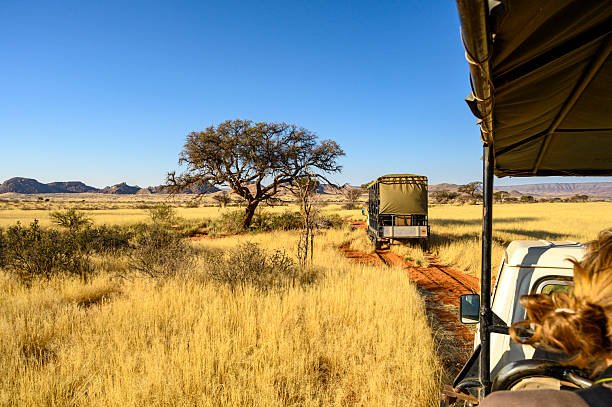

Is a Camping Safari Safe for Families with Children? An Overview
When considering a camping safari for your family, the question of safety for children is paramount. It’s natural to envision potential risks, from encountering large animals to dealing with unfamiliar environments and basic amenities. However, the reality for families embarking on a well-planned camping safari in destinations like Tanzania is often far more positive and secure than initial concerns might suggest. The vast majority of camping safaris are designed with visitor safety as a top priority, especially when children are involved. Reputable operators understand the unique needs of families and implement stringent protocols to ensure a safe and enjoyable experience.
Safety on a camping safari isn’t about eliminating all risk – nature inherently involves the unexpected – but about managing it effectively. This means choosing the right type of camping experience, selecting a responsible and experienced tour operator, and being prepared. For families with children, this often translates to opting for established tented camps or lodges that offer camping facilities, rather than roughing it in remote, unserviced public campsites. These camps typically have trained staff, secure perimeters, and amenities that cater to a comfortable and safe stay. The wildlife encounters, while thrilling, are managed through experienced guides who maintain safe distances and educate families on how to behave around animals. Proper hygiene, access to medical support, and safe transportation are also critical components that responsible operators address comprehensively.
For families planning their adventure for 2026 or 2027, the landscape of safari options is robust. The industry has evolved to offer a spectrum of experiences, from basic camping to luxurious glamping, ensuring that families can find an option that perfectly matches their comfort levels, budget, and desire for adventure. The key takeaway is that a camping safari is not inherently unsafe for children; rather, its safety is a direct function of the planning, the operator chosen, and the specific type of camping experience selected. With diligent research and preparation, a camping safari can be one of the most enriching and memorable trips your family will ever take.
Understanding Different Types of Camping Safaris
To truly assess the safety of a camping safari for families with children, it’s crucial to understand that “camping safari” is a broad term encompassing a range of experiences. The level of comfort, amenities, and inherent safety protocols can vary dramatically. Choosing the right type of camping safari is perhaps the most significant decision a family will make regarding their trip’s safety and overall enjoyment. For 2026-2027 travel, there are distinct categories to consider:
Public Campsites and Basic Camping
This is often what people first picture when they hear “camping safari.” It involves setting up tents in designated public campsites within national parks or reserves. These sites usually offer basic facilities like pit toilets, sometimes a communal wash area, and possibly a designated fireplace or cooking area. While offering a truly wild and in-depth experience, this type of camping carries the most potential for challenges when traveling with young children.
Safety Considerations:
- Wildlife Interaction: Public campsites are often unfenced, meaning animals can roam freely. While guides will ensure tents are properly secured and advise on keeping food stored away, the proximity of wildlife requires constant vigilance, which can be demanding with very young children.
- Sanitation: Pit toilets and shared washing facilities may not be ideal for all families, especially those with very young children or concerns about hygiene.
- Comfort: Basic camping means sleeping on mats or simple cots, with shared ablution facilities. This might be too rustic for families seeking comfort.
- Supervision: Children need to be closely supervised at all times to prevent them from wandering off or approaching wildlife.
Who it suits: This option is best suited for adventurous families with older children or teenagers who are already experienced campers and understand the importance of safety rules in wildlife areas. It offers the most authentic “back to nature” feel.
Luxury or Glamping Tented Camps
This category represents a significant step up in comfort and amenities. Glamping, or “glamorous camping,” typically involves spacious, pre-erected tents that are furnished with comfortable beds, linens, private en-suite bathrooms (often with flush toilets and hot showers), and sometimes even private verandas. These camps are often situated in prime wildlife viewing areas but provide a secure and comfortable base. Many lodges also offer “camping” as an option within their grounds, which provides the feel of camping but with the full backing of lodge facilities.
Safety Considerations:
- Security: Many glamping camps are fenced or have dedicated security staff, significantly reducing the risk of unwanted wildlife encounters within the camp itself.
- Amenities: Private bathrooms and hot showers greatly enhance hygiene and comfort, making it easier for families to maintain cleanliness.
- Staff Support: These camps are fully staffed, offering assistance with meals, setup, and ensuring camp rules are followed.
- Comfort: The comfortable beds and private facilities make for a much more relaxed stay, which is crucial for children after a day of safari activities.
Who it suits: This is generally the safest and most comfortable option for families with children of all ages, including toddlers and younger kids. It provides the excitement of being close to nature without compromising on essential comforts and security. Many families choose this option for their first camping safari experience.
Mobile Safaris and Fly Camping
Mobile safaris involve setting up a temporary camp in a more remote location, often following wildlife movements. Fly camping is an even more basic form, where a very lightweight camp is set up for a single night or two in a truly wild, often unservenced, location, usually accessed by vehicle or sometimes even a short flight. These are typically operated by specialized companies.
Safety Considerations:
- Remoteness: While offering unparalleled wilderness immersion, these locations are far from immediate medical facilities.
- Expert Guidance: Safety is heavily reliant on the expertise of the guides and camp crew who manage the camp and wildlife interactions.
- Logistics: The setup and breakdown of camp require efficient and safe procedures.
- Children’s Suitability: Generally, fly camping is not recommended for families with very young children due to the lack of amenities and the remoteness. Mobile safaris can be suitable for older children if the operator is experienced in managing family groups and prioritizes safety protocols in these wilder settings.
Who it suits: Adventurous families with older teenagers seeking a more rugged, exclusive wilderness experience. This is less common for families with younger children due to the logistical and comfort considerations.
For most families asking about a camping safari’s safety, they are likely considering the luxury tented camp or a lodge with camping options. These provide the best balance of adventure and security for children. When you reach out to operators like Climb 4 Africa for your 2026-2027 trip, be very clear about the type of camping experience you are envisioning.
Key Safety Considerations for Families on Safari
Ensuring the safety of children on a camping safari involves a multi-faceted approach, covering everything from wildlife behavior to personal hygiene and vehicle travel. Responsible tour operators will have comprehensive safety protocols in place, but parental awareness and participation are equally vital for a secure family adventure.
Wildlife Encounters and Proximity
This is often the biggest concern for families. Wild animals are unpredictable, and maintaining a safe distance is crucial.
- Guide Expertise: Your safari guide is your primary safety asset. They are trained to read animal behavior, understand their territorial habits, and know how to approach or retreat to ensure everyone’s safety. They will educate your family on how to behave when viewing animals, such as remaining quiet and still in the vehicle.
- Vehicle Safety: Safari vehicles are designed for game viewing. Ensure children are instructed to keep hands and heads inside the vehicle at all times, especially when the vehicle is moving or close to wildlife. Operators like Climb 4 Africa use well-maintained 4×4 vehicles with pop-up roofs or open sides, and guides are trained to position the vehicle strategically.
- Camp Safety: In tented camps, especially those that are not fully fenced, guides will brief you on camp safety. This includes not walking around the camp alone after dark, keeping food sealed away to avoid attracting animals, and being aware of your surroundings. Children should always be supervised by an adult when outside the tent. For families with younger children, choosing a camp with a secure perimeter is highly advisable.
- Respecting Boundaries: Teach children that animals are wild and should not be approached, fed, or provoked. The thrill comes from observing them in their natural habitat, not from interacting with them.
Hygiene and Sanitation
Maintaining good hygiene is essential, particularly in environments where water might be limited or different from what you’re accustomed to.
- Hand Washing: Frequent hand washing with soap and water, or using hand sanitizer, is crucial before eating, after using the toilet, and after touching anything potentially contaminated. Carry a good supply of hand sanitizer for times when soap and water aren’t immediately available.
- Water Safety: Only drink bottled or purified water provided by your tour operator. Avoid ice in drinks unless you are certain it’s made from purified water.
- Food Safety: Eat food prepared by your lodge or tour operator, as they adhere to strict food handling standards. Be cautious with street food or uncooked items if you are not on a fully catered safari.
- Toilet Facilities: In basic campsites, pit toilets are common. In tented camps, you’ll likely have flush toilets and showers. Ensure children are comfortable with the facilities and supervise them, especially at night.
Child-Specific Safety Protocols
Operators experienced with families will have specific protocols in mind.
- Buddy System: For older children, a simple buddy system when moving around the camp can be effective.
- Nighttime Procedures: Establish clear rules for what children should do if they need to leave the tent at night (e.g., wake an adult, use a flashlight).
- Behavioral Rules: Consistent reinforcement of rules about not leaving the tent or vehicle without an adult, not running around camp, and staying close to the guide is essential.
- Emergency Procedures: Ensure you know the operator’s emergency contact procedures and what to do in case of an incident.
Medical Preparedness
While not strictly a “safety” protocol of the safari itself, being medically prepared is vital for family safety.
- Consult Your Doctor: Before traveling, consult your pediatrician and a travel clinic about necessary vaccinations and malaria prophylaxis for children. Discuss any pre-existing conditions.
- First-Aid Kit: Carry a comprehensive family first-aid kit, including child-specific medications for pain, fever, allergies, and stomach issues, along with bandages, antiseptic wipes, and any personal prescriptions.
- Emergency Evacuation: Reputable operators will have arrangements for emergency evacuation to the nearest medical facility. Ensure your travel insurance covers this. For remote areas, this might involve an air ambulance.
- Operator’s Medical Capabilities: Inquire about the operator’s first-aid training and their access to medical support. Guides are often trained in basic first aid.
Transportation and Vehicle Safety
Getting to and from the parks and driving within them requires attention to vehicle safety.
- Vehicle Condition: Ensure the safari vehicle is well-maintained, with working seatbelts (if applicable, though many safari vehicles don’t have them in the traditional sense for open-air viewing), sturdy suspension, and clear visibility for the driver.
- Driver/Guide Competence: The driver is also the guide and should be experienced in driving on rough terrain and aware of potential hazards.
- Child Restraints: While car seats are rarely practical or available on standard safari vehicles, ensure children are seated appropriately and instructed on how to hold on during bumpy rides. For very young children, this might mean holding them securely on your lap.
By addressing these key safety considerations, families can significantly mitigate risks and focus on the incredible experience of a camping safari. Operators like Climb 4 Africa are experienced in handling these aspects for family groups, making the planning process smoother and the safari itself more secure.
Choosing the Right Safari Operator for Families
Selecting the correct safari operator is paramount when planning a family camping safari. It’s not just about finding the cheapest option; it’s about entrusting your family’s well-being and enjoyment to a company with proven experience, a strong safety record, and a genuine understanding of family dynamics. For your 2026 or 2027 adventure, prioritize these factors when making your choice:
Operator Experience with Children
An operator that regularly handles family groups will be far better equipped to cater to your needs than one that primarily caters to adults or solo travelers.
- Ask Specific Questions: Don’t hesitate to ask potential operators how many family trips they’ve organized, what age groups they typically cater to, and what child-specific activities or considerations they offer.
- Guide Training: Inquire if their guides receive any specific training in child safety, first aid for children, or child engagement techniques. Guides who are good with kids can make a huge difference to the experience.
- Family-Friendly Itineraries: Look for operators who can suggest or customize itineraries that balance exciting game drives with downtime, shorter driving days, and perhaps activities that appeal directly to children, like learning about tracking or local culture.
Safety Record and Certifications
This is non-negotiable. A strong safety record speaks volumes about an operator’s commitment to client welfare.
- Reviews and Testimonials: Look for reviews specifically mentioning family travel and safety. Platforms like TripAdvisor can be useful, but also ask the operator for references from families they have hosted.
- Certifications and Affiliations: While not always mandatory, affiliations with recognized tourism bodies or certifications in safety standards can be a good indicator.
- Emergency Protocols: Understand their emergency procedures. Do they have access to reliable communication (satellite phones)? What are their evacuation plans? Do they carry comprehensive first-aid kits?
- Vehicle Maintenance: Ask about their vehicle maintenance schedule. Well-maintained vehicles are crucial for preventing breakdowns in remote areas.
Customization and Flexibility
Families rarely fit a one-size-fits-all mold. The ability of an operator to tailor the safari to your specific needs is a significant advantage.
- Tailor-Made Options: Operators like Climb 4 Africa excel at creating tailor-made itineraries. This allows you to dictate the pace, choose accommodations that suit your comfort level (e.g., specific tented camps), and incorporate activities that your children will love.
- Dietary Needs: Confirm they can cater to any specific dietary requirements or allergies your children might have.
- Pacing: A good operator will understand that children have different energy levels and attention spans. They should be able to adjust game drive times, incorporate breaks, and build in opportunities for rest or play.
- Accommodation Choices: They should be able to recommend and book family-friendly tented camps or lodges, ensuring rooms or tents can accommodate families comfortably and safely.
When considering an operator for your 2026-2027 family camping safari, remember that their local knowledge and experience are invaluable. They know the best times to visit certain parks, the most reliable camps, and how to navigate the intricacies of African travel with children. Climbing 4 Africa, with its deep roots in Tanzania and a focus on personalized experiences, is well-equipped to help you craft a safe, engaging, and unforgettable family safari. Don’t hesitate to discuss all your concerns and preferences with them early in your planning.
Age Appropriateness and Child Engagement
One of the most crucial aspects of ensuring a safe and enjoyable camping safari for families is aligning the experience with the children’s ages and developmental stages. What works for a teenager might be overwhelming for a toddler, and vice versa. Understanding these differences allows for a more tailored and successful trip.
Safaris for Toddlers and Preschoolers (Ages 2-5)
This age group requires the highest level of supervision and the simplest of safari experiences. Safety is paramount, and comfort is key.
- Accommodation: Opt for lodges with family rooms or well-appointed, secure tented camps. Basic camping is generally not recommended. Look for places with pools or safe play areas.
- Activities: Keep game drives short (1-2 hours maximum) and focus on easily accessible areas with high chances of seeing animals. A slow pace is essential. Consider guided walks around the lodge/camp perimeter with a guide.
- Engagement: Use picture books about animals, simple animal sounds, and encourage them to point out animals. Focus on the wonder of seeing animals, rather than complex identification.
- Safety Focus: Constant supervision is non-negotiable. Ensure they understand not to touch anything, not to run off, and to stay close to adults. Hand hygiene is critical.
- Pacing: Build in plenty of downtime for naps and play. Long travel days should be avoided.
Safaris for School-Aged Children (Ages 6-12)
Children in this age group are often more resilient, curious, and can handle longer activities and more complex information.
- Accommodation: They can often enjoy more authentic camping experiences, including well-managed tented camps. However, lodges with family suites or adjoining rooms are still excellent options.
- Activities: Game drives can be longer (2-3 hours), and they can often participate in guided bush walks (with strict adult supervision and guide instructions). They might enjoy learning about animal tracks, plants, and basic survival skills from guides.
- Engagement: Provide them with binoculars, wildlife checklists, or a safari journal to record sightings. Encourage them to ask questions. Interactive experiences like visiting a Maasai village (if culturally appropriate and respectful) can be very engaging.
- Safety Focus: Continue to reinforce safety rules about wildlife and camp behavior. Teach them about the importance of respecting the environment and local cultures.
- Pacing: While they can handle more, it’s still important to balance activity with rest. Shorter, more frequent drives might be better than one very long one.
Safaris for Teenagers (Ages 13+)
Teenagers often seek a more adventurous and engaging experience, potentially with more independence.
- Accommodation: They may be comfortable with more basic camping setups or enjoy the independence of having their own tent within a family camp.
- Activities: Longer game drives, night drives (where permitted and safe), and more challenging bush walks are often appreciated. They might be interested in photography, conservation efforts, or learning advanced tracking skills.
- Engagement: Encourage them to take photos, research animals they see, or even participate in citizen science projects if available. Give them opportunities to make some decisions about activities or drive focus.
- Safety Focus: Discuss the risks and responsibilities involved in more adventurous activities. Emphasize that while they might feel more independent, safety rules remain critical.
- Pacing: They can handle longer days but still benefit from a mix of activities, downtime, and opportunities to connect with their peers or family.
When planning your 2026-2027 family camping safari, discuss the ages and interests of your children with your tour operator. A seasoned operator like Climb 4 Africa can help tailor the itinerary and accommodation choices to ensure that every member of your family, regardless of age, has a safe, engaging, and memorable safari experience. For instance, they can advise on specific camps known for their family-friendly facilities or suggest activities that cater to different age groups within the same safari.
Packing Essentials for Family Camping Safaris
Packing smart for a family camping safari is crucial for comfort, safety, and enjoyment. The key is to be prepared for varied weather conditions, the African sun, and the specific needs of children, all while adhering to luggage restrictions on small aircraft if you’re flying between locations.
Clothing and Footwear
Layering is essential, as temperatures can fluctuate significantly throughout the day and night.
- Lightweight, Breathable Layers: Pack neutral-colored clothing (khaki, beige, olive green) to avoid startling wildlife. Think long-sleeved shirts and trousers to protect against the sun and insects.
- Warm Layers: Evenings and early mornings can be surprisingly cold, especially in higher altitudes or during certain seasons. A fleece jacket or warm sweater is a must.
- Rain Gear: A lightweight, waterproof and windproof jacket is advisable, particularly during the rainy seasons.
- Comfortable Footwear: Sturdy, closed-toe walking shoes or hiking boots are essential for any walking safaris or exploring camps. Comfortable sandals or trainers are good for relaxing in the camp.
- Hats: Wide-brimmed hats are vital for sun protection for both adults and children.
- Swimsuits: Many lodges and some tented camps have pools, which can be a great way for children to cool down and have fun.
Health and First Aid
Being prepared for minor ailments or injuries can prevent them from spoiling the trip.
- Personal Medications: Bring any prescription medications, ensuring you have enough for the entire trip plus a buffer.
- Comprehensive First-Aid Kit: This should include:
- Antiseptic wipes and solution
- Bandages of various sizes
- Gauze pads and tape
- Pain relievers (paracetamol/ibuprofen – child and adult versions)
- Antihistamines (for allergic reactions)
- Motion sickness medication
- Diarrhea and constipation remedies
- Insect repellent with DEET (ensure it’s suitable for children)
- Sunscreen (high SPF)
- After-sun lotion
- Any specific items recommended by your doctor for malaria prevention or other health concerns.
- Hand Sanitizer: Essential for maintaining hygiene when soap and water aren’t readily available.
Comfort Items and Entertainment
These items can make a big difference to a child’s experience, especially during downtime or long drives.
- Binoculars: A must-have for wildlife viewing. Consider a smaller, lighter pair for children.
- Cameras: Encourage children to document their adventure. Disposable or durable kid-friendly cameras can be a good option.
- Books and Games: Pack age-appropriate books about African wildlife, travel games, or cards for downtime.
- Comfort Objects: For younger children, a favorite stuffed animal or blanket can provide reassurance.
- Snacks: While meals are provided, having a few familiar snacks can be a lifesaver for picky eaters or during long transfers.
- Headlamps or Flashlights: Essential for navigating tents and camps after dark.
Luggage Tip: For safaris involving light aircraft, soft-sided duffel bags are usually required, and weight limits are strictly enforced. Check with your tour operator, such as Climb 4 Africa, about specific luggage recommendations for your 2026-2027 itinerary.
Managing Expectations for a Family Camping Safari
A safari, especially a camping safari, is a unique travel experience that differs significantly from a typical holiday. Setting realistic expectations with children (and adults!) beforehand is crucial for ensuring everyone enjoys the adventure without disappointment. The magic of a safari lies in its authenticity, which sometimes means embracing unpredictability.
Wildlife Sightings and Patience
One of the most common misconceptions is that safaris guarantee seeing specific animals on demand. In reality, wildlife viewing is about luck, patience, and understanding animal behavior.
- No Guarantees: Explain to children that while you will try your best to see animals, they are wild and may not always be visible, especially during the hottest parts of the day when they tend to rest.
- The Thrill of the Search: Frame the safari as an exciting search or treasure hunt. The anticipation and the process of looking are part of the adventure.
- Appreciating All Wildlife: Encourage children to appreciate even the smaller creatures – the colorful birds, interesting insects, or dung beetles. Often, these smaller sightings can be just as fascinating.
- Guide’s Role: Your guide will use their expertise to maximize sighting opportunities, but even they cannot control wild animals.
Comfort Levels and Amenities
While “camping safari” can range from basic to luxurious, it’s important to manage expectations regarding amenities, especially if you’ve opted for a more rustic experience.
- Basic Facilities: If you’re choosing basic camping, be prepared for pit toilets, shared washing facilities, and potentially cooler temperatures in tents.
- Tented Camps vs. Hotels: Even in luxury tented camps, you are still in a wild environment. While comfortable, the sounds of the bush at night can be a new experience. Explain that the thin canvas of a tent offers less soundproofing than hotel walls.
- Power and Connectivity: Electricity might be limited, especially in more remote camps. Wi-Fi and mobile phone service can be spotty or non-existent. This can be a great opportunity for a digital detox but should be communicated beforehand.
- Food: Safari food is generally hearty and delicious, often prepared by professional chefs. However, it might be different from what children are used to.
Screen Time and Digital Detox
Safaris offer a fantastic opportunity to disconnect from screens and reconnect with nature and each other.
- Set Expectations Early: Talk to your children before the trip about limited screen time. Explain that the focus will be on the incredible real-world experiences happening around them.
- Embrace the Environment: Encourage them to engage with their surroundings – listening to animal sounds, watching the stars, and participating in activities.
- Provide Alternatives: Ensure you have plenty of books, games, and journals to keep them entertained during downtime or travel.
- Parental Role Modeling: If parents are constantly on their phones, children will follow suit. Make an effort to be present and engaged.
By discussing these points openly with your family before embarking on your 2026-2027 camping safari, you can foster a sense of adventure and preparedness, ensuring that everyone is ready to embrace the unique joys and challenges of this incredible journey. Operators like Climb 4 Africa are excellent partners in helping manage these expectations by providing detailed pre-trip information and answering all your questions.
Planning Your Family Camping Safari for 2026-2027
Successful family camping safaris, especially for 2026-2027 travel, are built on meticulous planning. This involves timing your visit, choosing the right destinations, and crafting an itinerary that balances adventure with the needs of younger travelers. Making these decisions early will help secure the best availability and tailor the experience perfectly.
Best Time to Travel with Children
Tanzania offers incredible safari experiences year-round, but some periods are more favorable for families.
- Dry Seasons (June to October, January to February): These periods are popular because wildlife congregates around water sources, making sightings more predictable. The weather is generally pleasant with less rain, which is ideal for camping and game drives. However, these can also be peak seasons, so booking well in advance for 2026-2027 is crucial.
- Shoulder Seasons (March to May, November to December): These months can offer a good balance of fewer crowds and potentially lower prices. However, they can also coincide with the rainy seasons (long rains March-May, short rains November). While rain can bring lush landscapes and newborn animals, heavy downpours can disrupt travel plans and make camping less comfortable. For families, the drier months are generally preferred.
- Consider School Holidays: Many families plan around school breaks. If this is your situation, booking for 2026-2027 needs to be done up to a year in advance, especially for popular dates.
Family-Friendly Destinations in Tanzania
Tanzania boasts a wealth of wildlife parks, but some are particularly well-suited for families.
- Serengeti National Park: Famous for the Great Migration, the Serengeti offers unparalleled wildlife viewing opportunities. Its vastness means you can find areas with good game viewing year-round. The sheer abundance of animals is interesting for all ages.
- Tarangire National Park: Known for its large elephant herds and baobab trees, Tarangire is often less crowded than the Serengeti and offers excellent game viewing, especially during the dry season when elephants gather at the Tarangire River. Its terrain is also generally easier for game drives.
- Lake Manyara National Park: This park is compact and offers diverse habitats, including its famous tree-climbing lions. It’s great for shorter game drives and offers opportunities to see flamingos and diverse birdlife. Its size makes it manageable for families with younger children.
- Ngorongoro Conservation Area: The Ngorongoro Crater is a UNESCO World Heritage Site teeming with wildlife in a unique caldera setting. The density of animals here is astonishing. While camping is not allowed inside the crater itself, there are campsites and lodges on the crater rim and nearby, offering impressive views and incredible game viewing within a relatively short period.
Itinerary Planning for Families
Creating a balanced itinerary is key to keeping children engaged and comfortable.
- Pace: Avoid trying to cram too much into each day. Build in downtime for rest, play, and relaxation. Shorter game drives (2-3 hours) are often more effective than long, arduous ones.
- Variety: Mix game drives with other activities. If your itinerary includes multiple parks, consider the travel time between them.
- Accommodation Choice: Select family-friendly tented camps or lodges that offer amenities suitable for children, such as swimming pools or dedicated family areas. For camping safaris, opt for established tented camps with good facilities over basic public campsites.
- Duration: A typical family safari might range from 5 to 10 days, depending on how many parks you wish to visit and the pace you prefer. For example, a classic Northern Circuit safari (Tarangire, Lake Manyara, Ngorongoro, Serengeti) often takes 7-10 days.
- Flexibility: While a plan is essential, be prepared to be flexible. Children can get tired or have unexpected needs, and a good guide and operator will accommodate this.
For families planning their 2026-2027 safari, working with an experienced operator like Climb 4 Africa is invaluable. They can help you select the best parks for your children’s ages, recommend suitable accommodations and camping options, and craft an itinerary that balances iconic wildlife encounters with comfort and safety. They can also advise on the best times to travel to specific regions based on wildlife movements and weather patterns, ensuring your family camping safari is everything you dreamed of.
Making the Booking Decision for Your Family Camping Safari
As you move from dreaming and planning to booking your family camping safari for 2026 or 2027, several practical steps will solidify your adventure. Making an informed decision now ensures a smooth process and peace of mind.
- Confirm Operator Choice: Based on your research into safety, experience with families, and itinerary customization, select your preferred tour operator. For families seeking a blend of authentic camping adventure with assured safety and comfort, contacting Climb 4 Africa is a strong step. They specialize in creating bespoke safari experiences in Tanzania.
- Request Detailed Quotes: Once you have a clear idea of your desired itinerary, duration, and accommodation style (e.g., specific tented camps), request detailed quotes. Ensure the quote clearly outlines what is included (accommodation, meals, park fees, game drives, guide services, camping equipment) and what is excluded (international flights, visas, tips, personal insurance, drinks).
- Discuss Specific Needs: This is the time to reiterate any special requirements. For families, this includes informing the operator about the ages of your children, any dietary needs, medical considerations, or specific interests they might have. This ensures the operator can make appropriate arrangements for tents, meals, and activities.
- Review the Itinerary and Inclusions: Carefully read through the proposed itinerary and the list of inclusions. Does it match what you discussed? Are the game drives appropriately timed for children? Are the camping facilities suitable?
- Understand Payment Terms: Safaris typically require a deposit to confirm bookings, with the balance due closer to the travel date. Clarify these payment schedules and methods.
- Travel Insurance: Ensure you have comprehensive travel insurance that covers medical emergencies, evacuation, trip cancellation, and lost luggage. This is particularly important for families traveling to remote areas.
- Visa and Health Requirements: Confirm the visa requirements for Tanzania and ensure all necessary vaccinations and malaria precautions are discussed with your doctor well in advance of your 2026-2027 travel dates.
By taking these steps, you are not just booking a trip; you are securing an unforgettable family experience. A well-planned camping safari offers unparalleled opportunities for bonding, learning, and adventure. For expert guidance tailored to families and a commitment to safety and quality
Check Availability for Is A Camping Safari Safe For Families With Children? 2026-2027
Ready to compare dates, prices, and the best option for your group? Send the package name and travel month so the team can reply with a clear quote, availability, and what is included.
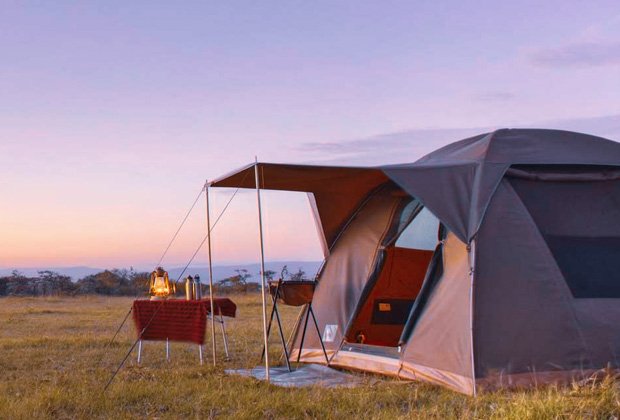
Nov 12, – 5 Day Tanzania Budget Camping Group Joining Safari 2026
A detailed guide to the November 12, 2026, 5-day budget camping group joining safari in Tanzania, covering route logistics, group dynamics, and planning essentials.
View package details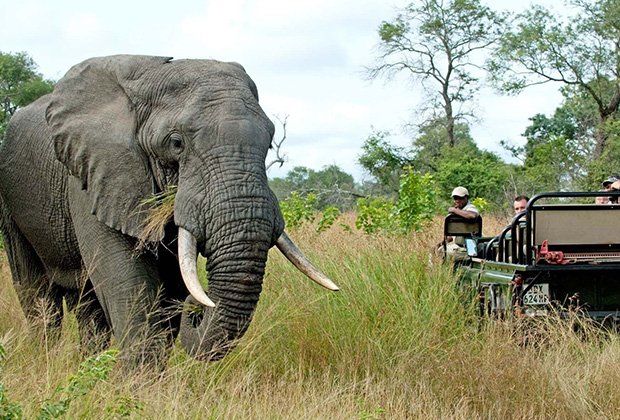
I Am On A Budget—What Is The Cheapest Serengeti Group Safari?
I Am on a Budget—What Is the Cheapest Serengeti Group Safari?
View package details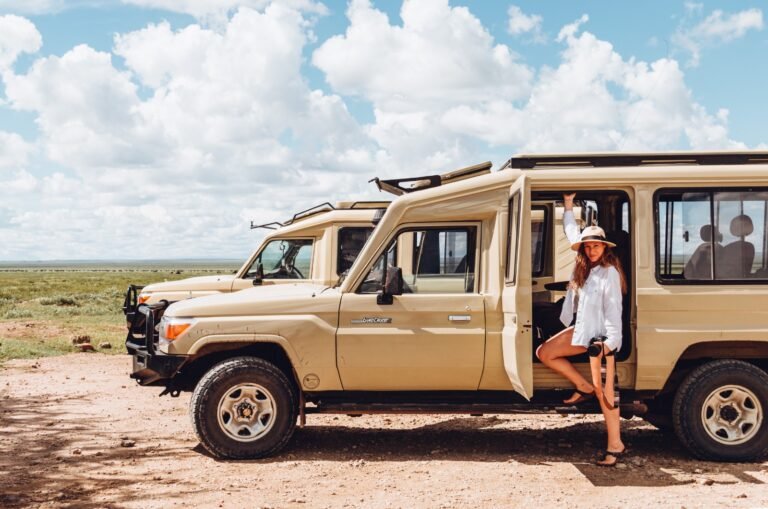
Nov 6, – 3 Day Serengeti And Ngorongoro Budget Group Safari 2026
A detailed look at our November 6, 2026 group departure for a 3-day Serengeti and Ngorongoro safari, including planning tips and route logistics.
View package details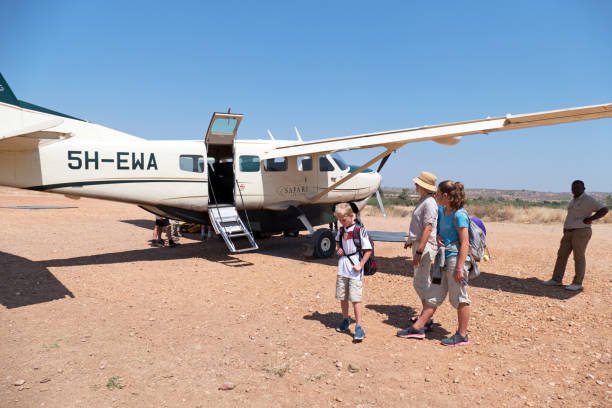
Budget Fly-In Safari From Zanzibar: Best Packages & Prices 2026-2027
Discover how to plan a budget-friendly fly-in safari from Zanzibar to Tanzania's top parks without sacrificing the quality of your wildlife experience.
View package detailsFly From Arusha To Serengeti For A 2-Day Safari: Understanding Flight Costs
Discover how to budget and plan a fast-paced 2-day safari to the Serengeti, starting from Arusha. We break down flight costs, transfer options, and what to expect from a short, focused trip.
View package details_1_John_from-rednote-web-768x1024.jpg)
Serengeti To Zanzibar Vs Arusha To Which Is Better After Safari? 2027
Choosing the right transfer to Zanzibar after a safari—Serengeti to Zanzibar or Arusha to Zanzibar—depends entirely on your safari route, time constraints, and budget. This guide breaks...
View package details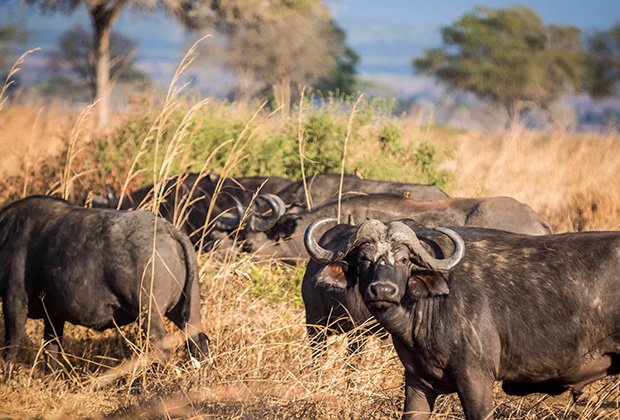
Dec 24, – 3 Day Christmas Serengeti And Ngorongoro Group Safari
Dec 24, 2026 – 3 Day Christmas Serengeti and Ngorongoro Group Safari.
View package details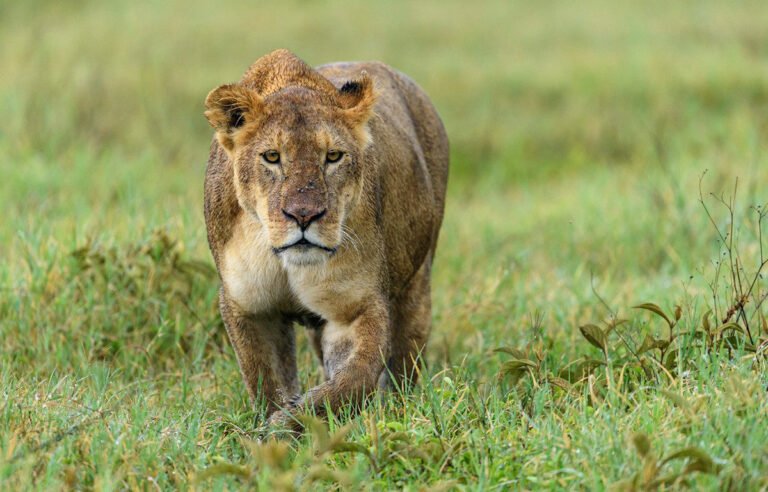
Dec 20, – 10 Day Complete Tanzania Group Joining Safari
Dec 20, 2026 – 10 Day Complete Tanzania Group Joining Safari.
View package details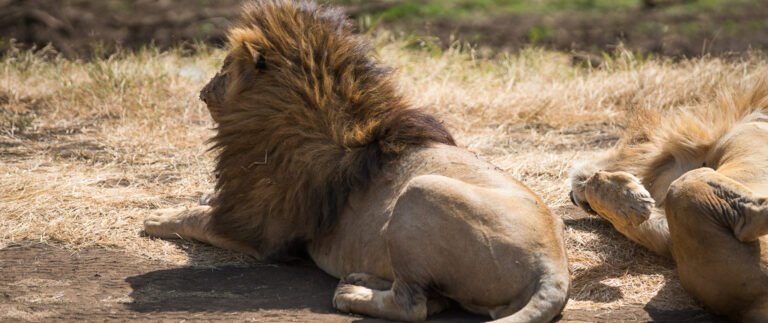
Which Dec Group Safari Ends Before New Year’s Eve?
Which Dec Group Safari Ends Before New Year’s Eve?
View package details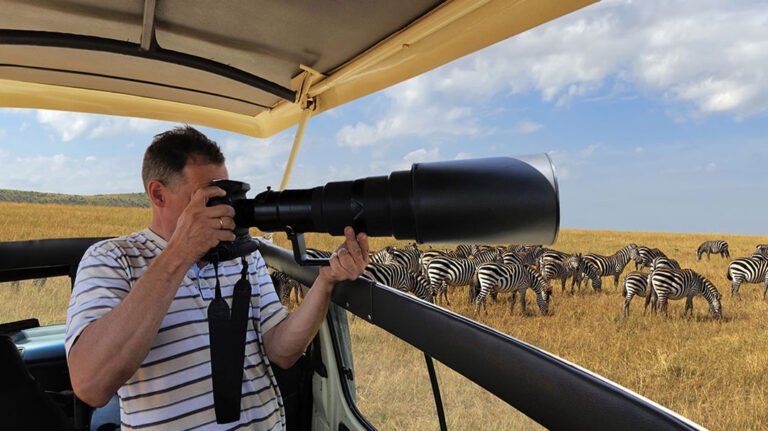
How Early Should I Book A Nov Or Dec Tanzania Group Safari?
How Early Should I Book a Nov or Dec Tanzania Group Safari?
View package details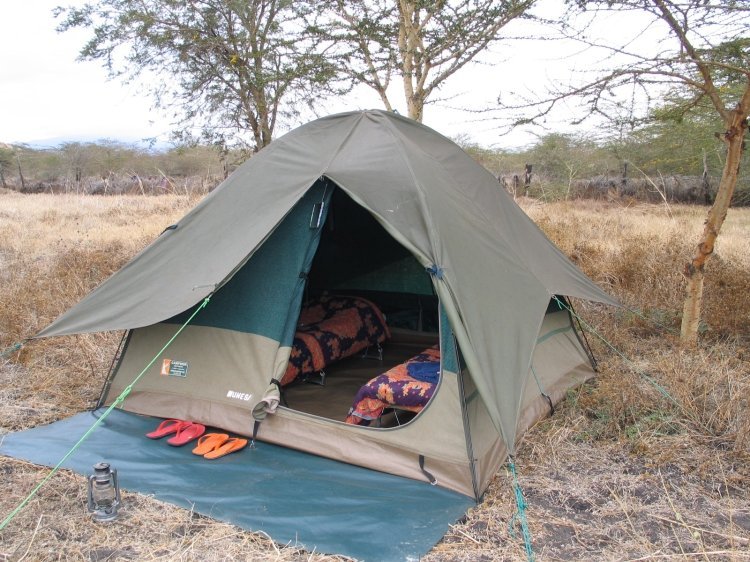
Can I Pay A Deposit To Reserve A Tanzania Group Safari?
Can I Pay a Deposit to Reserve a Tanzania Group Safari?
View package details
Nov 23, – 3 Day Serengeti And Ngorongoro Safari From Zanzibar
Nov 23, 2026 – 3 Day Serengeti and Ngorongoro Safari from Zanzibar.
View package detailsNo related package matches those filters. Clear one or more filters to see the other topic-matched options.