The best countries for an African safari in 2026-2027 depend heavily on your priorities, but Tanzania and Kenya consistently rank highest for classic East African wildlife viewing, particularly the Great Migration. For diverse landscapes and unique ecosystems, Botswana offers unparalleled luxury and exclusivity. South Africa provides accessibility and a wide range of experiences, including malaria-free options. Consider your budget, preferred wildlife, desired landscape, and travel style when making your choice.
When you envision an African safari, what sights come to mind? Is it the thundering herds of wildebeest crossing the Mara River, the majestic silhouette of an elephant against a fiery sunset, or perhaps the thrill of spotting a leopard draped over a tree branch? These iconic images are the stuff of dreams, and fortunately, they are within reach. However, the sheer vastness and diversity of the African continent mean that not all safari destinations are created equal, especially when planning for peak travel years like 2026 and 2027.
Choosing the right country is the foundational decision for any safari adventure. It dictates the landscapes you’ll explore, the wildlife you’re most likely to see, the types of accommodations available, and even the overall budget you’ll need to consider. This isn’t a one-size-fits-all decision; what makes one country the ‘best’ for a family might not be ideal for a solo traveler seeking extreme photographic opportunities, or for a couple looking for a romantic, secluded escape.
At Climb 4 Africa, we’ve guided countless travelers through this decision-making process, drawing on our deep local knowledge and experience. We understand the nuances that separate a good safari from an extraordinary one. This guide is designed to cut through the noise, offering a practical, comparison-led overview of the top safari countries, helping you identify which destination best aligns with your safari aspirations for 2026 or 2027.
We’ll break down the key strengths of each nation, exploring what makes them stand out, who they are best suited for, and what planning considerations are paramount. Whether you’re drawn to the iconic plains of the Serengeti, the Okavango Delta’s unique waterways, or the rugged beauty of Kruger National Park, this comprehensive guide will equip you with the insights needed to make an informed choice.
Understanding the Pillars of a Great Safari Destination
Before diving into specific countries, it’s essential to understand the core elements that contribute to an exceptional safari experience. These are the benchmarks against which any destination should be measured, and they form the basis of our comparisons for the best countries for an African safari.
1. Wildlife Abundance and Diversity
This is often the primary driver for safari-goers. A great country offers not just sightings of the ‘Big Five’ (lion, leopard, elephant, rhino, buffalo), but also a rich variety of other mammals, birds, and reptiles. The concentration and visibility of wildlife are key. Some destinations excel in sheer numbers, while others offer more elusive species or unique ecological spectacles.
2. Iconic Landscapes and Scenery
A safari is as much about the environment as it is about the animals. Dramatic vistas, unique geological formations, and varied habitats – from vast savannahs and dense forests to deserts and riverine systems – enhance the overall experience. The backdrop significantly impacts the photographic opportunities and the feeling of being truly immersed in the wild.
3. Safari Activities and Experiences
Beyond traditional game drives in a 4×4 vehicle, what other activities are on offer? Walking safaris, night drives, hot air balloon rides, canoeing, and cultural visits can add significant depth and variety to a safari. The best countries provide a range of options to suit different preferences and adventure levels.
4. Infrastructure and Accessibility
This encompasses the quality of roads, airstrips, lodges, and camps, as well as the ease of travel within the country. While remoteness can be a draw, a certain level of infrastructure is necessary for comfort and logistical efficiency. For 2026-2027 travel, understanding booking lead times for popular lodges and park entries is also part of this consideration.
5. Accommodation Options and Quality
From rustic tented camps to ultra-luxury lodges, the range and quality of accommodation play a vital role in the safari experience. Options should cater to various budgets and preferences, offering comfort, excellent service, and prime locations for wildlife viewing.
6. Conservation Efforts and Sustainability
Responsible tourism is increasingly important. Destinations with strong conservation policies, community involvement, and sustainable practices ensure that safaris contribute positively to the protection of wildlife and natural habitats for future generations, including those planning trips in 2026 and 2027.
East Africa’s Crown Jewels: Tanzania and Kenya
When people think of classic African safaris, the vast plains and abundant wildlife of East Africa often come to mind first. Tanzania and Kenya are the undisputed titans in this region, offering experiences that are both iconic and deeply moving. They are perennially among the best countries for an African safari, especially for those seeking the drama of the Great Migration.
Tanzania: The Land of Endless Plains and Majestic Peaks
Tanzania is a safari powerhouse, renowned for its sheer scale, incredible wildlife density, and iconic national parks. It’s a destination that caters to a wide range of safari styles, from classic game drives to more adventurous mobile camping.
Why Tanzania Excels for Safaris:
- The Great Migration: The Serengeti National Park is the stage for one of the planet’s most astonishing natural phenomena – the annual migration of over 1.5 million wildebeest, zebras, and gazelles. Witnessing this movement, particularly river crossings, is a bucket-list event for many. The timing of your 2026 or 2027 safari can be strategically planned around the migration’s path.
- Serengeti National Park: Beyond the migration, the Serengeti offers superb resident wildlife viewing year-round, with vast open plains supporting huge populations of predators like lions, cheetahs, and leopards.
- Ngorongoro Conservation Area: This UNESCO World Heritage Site boasts the Ngorongoro Crater, a natural amphitheater teeming with wildlife. Its dense concentration of animals, including the rare black rhino, makes it an exceptional place for game viewing, often with sightings of multiple species in a single day.
- Diverse Ecosystems: Tanzania offers more than just savannah. Tarangire National Park is famous for its large elephant herds and baobab trees, while Lake Manyara provides opportunities to see tree-climbing lions and abundant birdlife. The Selous Game Reserve (now Nyerere National Park) in the south offers a wilder, less crowded experience with boat safaris along the Rufiji River.
- Mount Kilimanjaro: For those looking to combine adventure with wildlife, Tanzania is home to Africa’s highest peak, offering a spectacular trekking experience that can be combined with a safari.
Who is Tanzania Best For?
- Travelers seeking the quintessential African safari experience, including the Great Migration.
- Those interested in seeing large predator populations.
- Visitors who appreciate vast, open landscapes.
- Adventurous travelers looking to combine safari with climbing Kilimanjaro.
- Clients who value a mix of well-established and wilder safari areas.
Planning Considerations for Tanzania (2026-2027):
- Best Time to Visit: For the Great Migration, timing is everything. June to October offers dry conditions and migration herds often in the western and northern Serengeti, with river crossings typically from July to September. The calving season in the southern Serengeti is usually from late January to March. For general game viewing, the dry seasons (June-October and December-February) are excellent.
- Getting Around: Safaris typically involve internal flights between parks or long drives in 4×4 safari vehicles. Park fees are a significant part of the budget.
- Accommodation: A wide range from luxury lodges and tented camps to more budget-friendly options. Mobile camps follow the migration, offering prime viewing but often require booking far in advance for 2026-2027.
- Logistics: Tanzania is a large country. Multi-park itineraries require careful planning to maximize time and minimize travel.
Why Choose Tanzania for Your 2026-2027 Safari?
Tanzania offers an unparalleled combination of iconic wildlife spectacles, diverse landscapes, and world-class parks. If the Great Migration is a must-see, or if you dream of the Ngorongoro Crater’s wildlife density, Tanzania should be at the top of your list. It’s a destination that consistently delivers awe-inspiring moments, and with careful planning for 2026 or 2027, you can ensure you experience its very best.
Kenya: The Birthplace of Safari and the Mara’s Magic
Kenya is often considered the cradle of safari tourism, and for good reason. It offers some of the most famous wildlife reserves in Africa, with the Maasai Mara being its undeniable star attraction.
Why Kenya Excels for Safaris:
- Maasai Mara National Reserve: This iconic reserve is an extension of the Serengeti ecosystem and is renowned for its vast open grasslands, abundant predators, and, crucially, as a prime location for the Great Migration (July to October). The Mara River crossings are particularly dramatic here.
- Diverse Wildlife: Kenya hosts a remarkable array of wildlife, including the ‘Big Five’, plus cheetahs, hyenas, giraffes, zebras, and a rich birdlife.
- Unique Landscapes: From the rolling savannahs of the Mara to the dramatic escarpments of Samburu and the unique soda lakes of Lake Nakuru, Kenya offers varied and stunning backdrops.
- Samburu National Reserve: Known for its ‘Samburu Special Five’ – the Grevy’s zebra, reticulated giraffe, Somali ostrich, gerenuk, and beisa oryx – this arid northern region offers a different, yet equally rewarding, safari experience.
- Amboseli National Park: Famous for its large elephant herds set against the impressive backdrop of Mount Kilimanjaro (across the border in Tanzania), Amboseli offers some of the most iconic safari photographs imaginable.
- Community Conservancies: Many areas bordering the national parks, particularly in the Maasai Mara, are community conservancies. These offer exclusive wildlife viewing, walking safaris, night drives, and a chance to engage with Maasai culture, often with lower visitor density than the main parks.
Who is Kenya Best For?
- Travelers who want to witness the Great Migration, especially river crossings.
- Photography enthusiasts seeking iconic wildlife and landscape shots.
- Those interested in experiencing Maasai culture and conservancy safaris.
- Visitors looking for a good mix of well-known and slightly less-visited reserves.
Planning Considerations for Kenya (2026-2027):
- Best Time to Visit: The dry season from June to October is excellent for wildlife viewing and migration, with river crossings peaking between July and September. January and February are also dry and good for general game viewing.
- Getting Around: Internal flights (bush planes) are a popular and efficient way to travel between reserves, minimizing long drives and maximizing safari time. This is often recommended for 2026-2027 bookings to ensure availability.
- Accommodation: A wide range of options, from luxury safari lodges and tented camps to more basic camps. Conservancies often offer exclusive, high-end camps.
- Costs: Kenya can range from mid-range to very high-end, especially in conservancies. Park fees are a significant factor.
Why Choose Kenya for Your 2026-2027 Safari?
Kenya offers a classic safari experience with the unparalleled drama of the Maasai Mara. Its well-developed tourism infrastructure, combined with the opportunity for exclusive conservancy experiences, makes it a top choice for many. If witnessing the Great Migration’s river crossings or enjoying diverse landscapes with excellent wildlife density are your priorities for 2026 or 2027, Kenya is an outstanding contender.
Southern Africa’s Gems: Botswana, South Africa, and Beyond
While East Africa offers the iconic savannah migration, Southern Africa presents a different, yet equally compelling, safari landscape. This region is known for its unique ecosystems, luxurious lodges, and diverse wildlife viewing opportunities, often with a focus on exclusivity and conservation.
Botswana: The Pinnacle of Luxury and Wilderness
Botswana is synonymous with exclusive, high-end safaris. It prioritizes low-volume, high-cost tourism, ensuring that its pristine wilderness and abundant wildlife are experienced with minimal crowds and maximum impact on conservation.
Why Botswana Excels for Safaris:
- Okavango Delta: This UNESCO World Heritage Site is a unique inland delta where the Okavango River fans out into a vast network of channels, lagoons, and islands. This creates a unique ecosystem supporting incredible biodiversity. Mokoro (dugout canoe) excursions offer a tranquil and intimate way to experience the delta’s wildlife and birdlife.
- Chobe National Park: Famous for having one of the largest concentrations of elephants in Africa, particularly along the Chobe Riverfront. Boat safaris here offer incredible close-up views of these gentle giants.
- Moremi Game Reserve: Considered one of the most beautiful wildlife reserves in Africa, the Moremi Game Reserve within the Okavango Delta offers a superb mix of habitats and excellent sightings of predators, including leopards and wild dogs.
- Central Kalahari Game Reserve: A vast, arid wilderness offering a starkly different safari experience, with unique desert-adapted wildlife and a sense of profound solitude.
- Exclusivity and Low Impact: Botswana’s tourism model focuses on limited numbers of visitors, meaning you’re unlikely to encounter large groups of vehicles. This enhances the feeling of being in untouched wilderness.
- Exceptional Lodges: Botswana is home to some of the most luxurious and exclusive safari lodges and tented camps in Africa, offering unparalleled service and stunning locations.
Who is Botswana Best For?
- Travelers seeking a high-end, luxury safari experience.
- Those who prioritize exclusivity and minimal crowds.
- Wildlife enthusiasts interested in unique ecosystems like the Okavango Delta.
- Photographers looking for intimate wildlife encounters and stunning landscapes.
- Travelers interested in activities like mokoro excursions and walking safaris.
Planning Considerations for Botswana (2026-2027):
- Best Time to Visit: The dry season (May to October) is generally best for wildlife viewing as animals congregate around water sources. The Okavango Delta is at its most spectacular with water levels high from June to September, ideal for mokoro trips. The shoulder seasons (April/May and November) can offer good value and fewer crowds.
- Getting Around: Botswana relies heavily on light aircraft transfers between camps. This is efficient but adds to the overall cost. Road travel is possible but often slow and requires specialized vehicles.
- Accommodation: Predominantly high-end lodges and tented camps, with prices reflecting this exclusivity. Booking well in advance for 2026-2027 is crucial for prime lodges.
- Costs: Botswana is generally the most expensive safari destination in Africa due to its exclusive model and reliance on air transfers.
Why Choose Botswana for Your 2026-2027 Safari?
If your dream safari involves pristine wilderness, incredible wildlife encounters without the crowds, and luxurious accommodation, Botswana is the definitive choice. Its unique Okavango Delta and commitment to conservation make it a truly special destination. For a discerning traveler planning a safari in 2026 or 2027 who values quality over quantity, Botswana stands out.
South Africa: Accessibility, Variety, and Value
South Africa offers a safari experience that is remarkably diverse, accessible, and often more budget-friendly than some of its East and Southern African counterparts. It’s a fantastic option for first-time safari-goers and those seeking a blend of wildlife, culture, and adventure.
Why South Africa Excels for Safaris:
- Kruger National Park: One of Africa’s largest and most famous national parks, Kruger offers incredible wildlife viewing opportunities, including the ‘Big Five’, with a high density of animals. Its well-developed road network allows for self-drive safaris, as well as guided tours.
- Private Game Reserves: Adjacent to Kruger, reserves like Sabi Sands, Timbavati, and Klaserie offer exclusive, unfenced concessions. These are renowned for exceptional leopard sightings and offer luxurious lodges with guided game drives, night drives, and walking safaris.
- Malaria-Free Safaris: Several regions, such as the Eastern Cape (e.g., Addo Elephant National Park) and parts of the Western Cape, offer malaria-free safari experiences, making them ideal for families with young children or those who prefer to avoid anti-malarial medication.
- Diverse Landscapes: Beyond the savannah, South Africa boasts the dramatic Drakensberg Mountains, the scenic Garden Route, and coastal areas, offering a variety of backdrops and activities.
- Excellent Infrastructure: South Africa has a highly developed tourism infrastructure, making it easy to travel between destinations. International flights often land in major hubs like Johannesburg or Cape Town.
- Value for Money: Compared to some other top safari destinations, South Africa can offer excellent value, particularly if you opt for self-drive in Kruger or choose lodges in the non-Sabi Sands reserves.
Who is South Africa Best For?
- First-time safari-goers due to accessibility and infrastructure.
- Families, especially those seeking malaria-free options.
- Travelers looking for a combination of safari, city exploration (Cape Town), and scenic drives.
- Photographers eager for guaranteed ‘Big Five’ sightings, especially leopards in Sabi Sands.
- Budget-conscious travelers who still want a high-quality safari.
Planning Considerations for South Africa (2026-2027):
- Best Time to Visit: The dry season (May to October) is generally best for wildlife viewing in Kruger and its surrounding reserves, as animals congregate around waterholes. However, wildlife is present year-round. For malaria-free areas, the climate is more temperate and suited to year-round travel.
- Getting Around: Self-drive is very popular and cost-effective for Kruger. For private reserves, fly-in packages or guided transfers are common. Internal flights connect major cities.
- Accommodation: A vast range from self-catering chalets in national parks to ultra-luxury lodges in private reserves.
- Booking: Popular lodges in Sabi Sands and prime Kruger accommodation can book up months, sometimes over a year, in advance, especially for peak seasons in 2026-2027.
Why Choose South Africa for Your 2026-2027 Safari?
South Africa offers an approachable, diverse, and often excellent value safari. Whether you’re looking for the thrill of a Big Five encounter in a private reserve, the ease of a self-drive adventure in Kruger, or a safe, malaria-free family holiday, it delivers. Its strong infrastructure and varied offerings make it a superb choice for many travelers planning for 2026 or 2027.
Other Notable Safari Countries
While Tanzania, Kenya, Botswana, and South Africa are the most prominent, several other African countries offer exceptional safari experiences, each with its unique appeal.
Namibia: Desert Landscapes and Unique Wildlife
Namibia is famed for its dramatic desert landscapes, particularly the towering red dunes of Sossusvlei and the wildlife-rich Etosha National Park. Etosha’s unique salt pan attracts a spectacular array of animals, especially during the dry season, congregating around waterholes for guaranteed sightings. It’s a photographer’s paradise and offers a sense of vast, open space.
- Best For: Landscape photographers, those seeking unique desert wildlife (oryx, desert-adapted elephants and lions), and a sense of solitude.
- Considerations: Travel distances can be long; accommodation is spread out. Best during the dry season (May-October).
Zambia: Walking Safaris and Untamed Wilderness
Zambia is the birthplace of the walking safari and offers some of Africa’s most wild and untouched national parks, such as South Luangwa and Lower Zambezi. These parks are renowned for their predator sightings, particularly wild dogs and leopards, and the intimate experience of exploring on foot.
- Best For: Experienced safari-goers, walking safari enthusiasts, those seeking true wilderness and exceptional predator viewing.
- Considerations: Infrastructure is less developed than in Kenya or Tanzania; many camps are seasonal and close during the rains. Best in the dry season (May-October).
Zimbabwe: Victoria Falls and Hwange National Park
Zimbabwe offers the spectacular Victoria Falls, one of the Seven Natural Wonders of the World, and Hwange National Park, known for its large elephant herds and diverse wildlife. It provides a combination of iconic natural beauty and classic safari experiences, often at a more competitive price point than some neighbours.
- Best For: Combining Victoria Falls with a safari, excellent elephant sightings, and a more affordable yet rewarding safari experience.
- Considerations: Political stability has historically been a concern, though tourism infrastructure remains robust in key areas. Best during the dry season (May-October).
Comparing Safari Destinations: Which Country is Right for You in 2026-2027?
The ‘best’ country for an African safari is subjective and depends entirely on what you’re looking for. Here’s a comparative breakdown to help you decide for your 2026 or 2027 trip.
For the Great Migration Enthusiast:
Top Choice: Tanzania or Kenya
- Tanzania: Offers the full migration experience across the Serengeti, with opportunities to see calving seasons (south) and river crossings (west/north).
- Kenya: The Maasai Mara provides dramatic river crossings and abundant resident wildlife alongside the migrating herds.
- Consideration: The migration is a moving spectacle, so timing is critical for both countries in 2026-2027.
For Luxury and Exclusivity Seekers:
Top Choice: Botswana
- Botswana: Unmatched for high-end lodges, private concessions, and a low-volume tourism model that guarantees exclusivity and minimal crowds. The Okavango Delta is a jewel.
- Considerations: This is typically the most expensive option. Booking 12-18 months in advance for 2026-2027 is often necessary for top lodges.
For First-Time Safari-Goers or Families:
Top Choice: South Africa
- South Africa: Excellent infrastructure, ease of travel, variety of accommodation, and the option for malaria-free safaris (Eastern Cape) make it ideal. Kruger National Park is accessible and rewarding.
- Considerations: Can be less ‘wild’ feeling than some remote East African parks, but offers a fantastic introduction.
For Photographers:
Top Choices: Tanzania, Kenya, or South Africa (Sabi Sands)
- Tanzania/Kenya: Iconic landscapes, dramatic migration scenes, and abundant predators offer endless photographic opportunities.
- South Africa (Sabi Sands): World-renowned for leopard sightings, offering unparalleled close-up opportunities with these elusive cats.
- Considerations: Botswana also offers incredible photographic potential, particularly for unique delta environments.
For Walking Safari Aficionados:
Top Choice: Zambia
- Zambia: The undisputed home of the walking safari, offering intimate encounters with the bush and expert guides. South Luangwa is legendary.
- Considerations: Requires a certain level of fitness and comfort in the wilderness.
For Unique Landscapes and Desert Wildlife:
Top Choice: Namibia
- Namibia: Starkly beautiful desert scenery combined with unique wildlife adaptations in Etosha National Park and Damaraland.
- Considerations: Vast distances require careful planning; self-drive is popular but requires robust vehicles.
Planning Your 2026-2027 African Safari: Key Decisions
Once you’ve narrowed down your country choice, several other factors will shape your safari experience. Making these decisions early, especially for popular travel years like 2026 and 2027, is crucial.
Timing Your Safari
The season dramatically affects wildlife viewing, landscapes, and prices. Generally:
- Dry Season (e.g., June-October): Animals concentrate around water sources, making them easier to spot. Vegetation is thinner. This is peak season, with higher prices and more crowds, but often the best for wildlife sightings.
- Green Season (e.g., November-May): Lush landscapes, fewer tourists, and lower prices. Excellent for birdwatching and newborn animals. However, some roads may be impassable, and wildlife can be more dispersed.
Accommodation Styles
Your choice of lodge or camp significantly impacts your experience and budget:
- Luxury Lodges: Offer high-end amenities, gourmet dining, private plunge pools, and exceptional service.
- Tented Camps: Can range from rustic and authentic to luxurious canvas suites, often providing a closer-to-nature feel.
- Mobile Camps: Follow the wildlife, especially the Great Migration. Offer prime locations but are often basic and require advance booking.
- Self-Catering/Chalets: Common in national parks (e.g., South Africa’s Kruger), offering a more budget-friendly option.
Safari Activities
Consider what experiences you want:
- Game Drives: The standard safari activity in 4×4 vehicles.
- Walking Safaris: Offer a unique perspective and intimate connection with the environment.
- Night Drives: Allow for spotting nocturnal animals.
- Hot Air Balloon Safaris: Provide a impressive aerial view, often over iconic landscapes like the Serengeti or Maasai Mara.
- Boat Safaris: Ideal for birdwatching and spotting animals along rivers and lakes (e.g., Chobe, Rufiji River).
Private vs. Group Safaris
Group Safaris: Typically more affordable, with fixed departure dates and itineraries. Good for solo travelers or those on a tighter budget. You’ll share a vehicle with other guests. Check Climb 4 Africa’s group safari departures for 2026-2027 for options.
Private Safaris: Offer flexibility in itinerary, pace, and activities. You have a dedicated vehicle and guide, ideal for families, groups of friends, or those with specific interests (e.g., photography). This is where tailor-made experiences shine.
Booking Your 2026-2027 Safari: Practical Advice
Planning a safari for 2026 or 2027 requires foresight. Here’s how to approach booking:
Book Well in Advance
For peak season travel in 2026 and especially 2027, popular lodges and prime migration viewing areas can be booked up 12-18 months ahead. This is particularly true for exclusive camps in Botswana or family suites in popular lodges.
Work with Experienced Operators
A reputable tour operator with local expertise is invaluable. They can advise on the best times to visit specific regions, recommend suitable lodges, manage complex logistics, and ensure you get the most value for your budget. For Tanzania and surrounding regions, contacting a specialist like Climb 4 Africa is highly recommended.
Understand Inclusions and Exclusions
Safari costs can vary widely. Always clarify what is included: park fees, accommodation, meals, drinks (alcoholic/non-alcoholic), activities, guide services, internal transfers. Exclusions often include international flights, visas, travel insurance, tips, and personal expenses.
Consider Travel Insurance
Comprehensive travel insurance is non-negotiable. It should cover medical emergencies (including evacuation), trip cancellation, and lost luggage.
Visa and Health Requirements
Research visa requirements for your nationality well in advance. Consult your doctor about necessary vaccinations and malaria precautions for the specific regions you plan to visit for your 2026-2027 trip.
Why Choose Climb 4 Africa for Your Safari?
As a Tanzanian-based company with extensive experience in organizing Kilimanjaro climbs and safaris, Climb 4 Africa offers unique advantages for travelers planning their African adventure, especially for 2026-2027.
- Local Expertise: We live and breathe East Africa. Our deep understanding of the parks, wildlife patterns, and local logistics ensures a smooth and authentic experience.
- Tailor-Made Itineraries: We specialize in crafting bespoke safari itineraries that match your interests, budget, and travel style. Whether you dream of witnessing the Great Migration, exploring the Ngorongoro Crater, or combining a safari with Kilimanjaro, we can design the perfect trip.
- Competitive Pricing: While offering high-quality experiences, we work to provide excellent value, leveraging our local partnerships to offer competitive pricing without compromising on service or safety.
- Practical Support: From initial planning to your return home, we provide dedicated support. Our team is available to answer your questions and ensure your safari runs smoothly.
- Commitment to Conservation: We believe in responsible tourism that benefits local communities and wildlife conservation efforts.
We understand that choosing the best country for an African safari is a significant decision. Let our expertise guide you. Whether you’re aiming for the wildebeest herds in 2026 or the serene beauty of the Okavango Delta in 2027, we are here to help you plan the safari of a lifetime.
To start planning your personalized safari for 2026 or 2027, or if you have any questions about the best countries for an African safari, please don’t hesitate to get in touch. You can reach us via WhatsApp at +255 747 477 898 or by emailing climb4africa@gmail.com.
Check Availability for Best Countries For An African Safari: Your Guide 2026-2027
Ready to compare dates, prices, and the best option for your group? Send the package name and travel month so the team can reply with a clear quote, availability, and what is included.
Dec 24, – 3 Day Christmas Serengeti And Ngorongoro Group Safari
Dec 24, 2026 – 3 Day Christmas Serengeti and Ngorongoro Group Safari.
View package details
Dec 20, – 10 Day Complete Tanzania Group Joining Safari
Dec 20, 2026 – 10 Day Complete Tanzania Group Joining Safari.
View package details
Which Dec Group Safari Ends Before New Year’s Eve?
Which Dec Group Safari Ends Before New Year’s Eve?
View package details
How Early Should I Book A Nov Or Dec Tanzania Group Safari?
How Early Should I Book a Nov or Dec Tanzania Group Safari?
View package details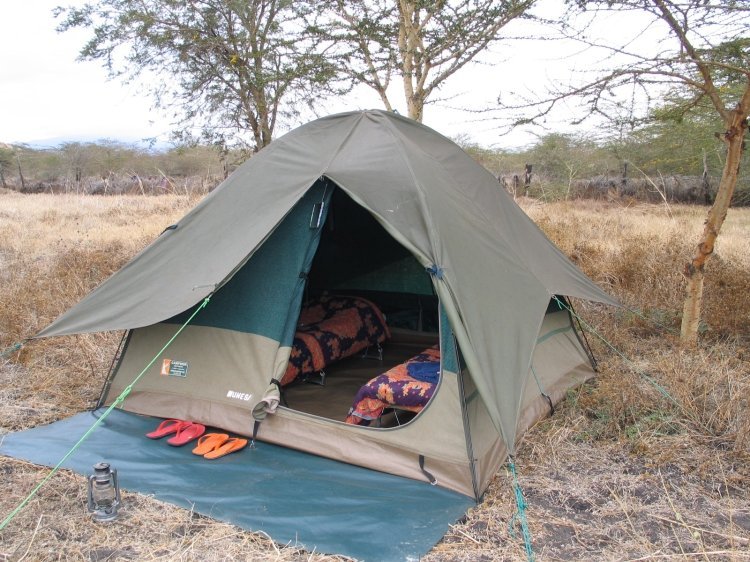
Can I Pay A Deposit To Reserve A Tanzania Group Safari?
Can I Pay a Deposit to Reserve a Tanzania Group Safari?
View package details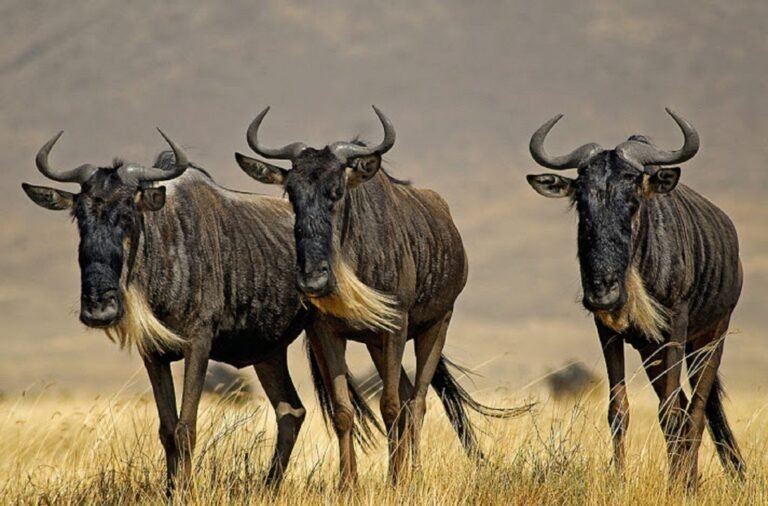
Nov 23, – 3 Day Serengeti And Ngorongoro Safari From Zanzibar
Nov 23, 2026 – 3 Day Serengeti and Ngorongoro Safari from Zanzibar.
View package details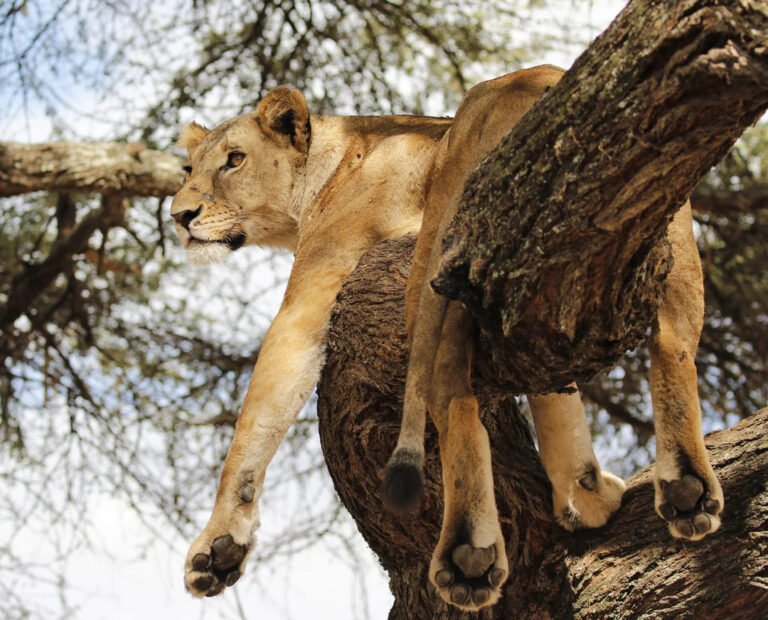
Dec 26, – 6 Day Christmas And New Year Northern Circuit Safari
Dec 26, 2026 – 6 Day Christmas and New Year Northern Circuit Safari.
View package details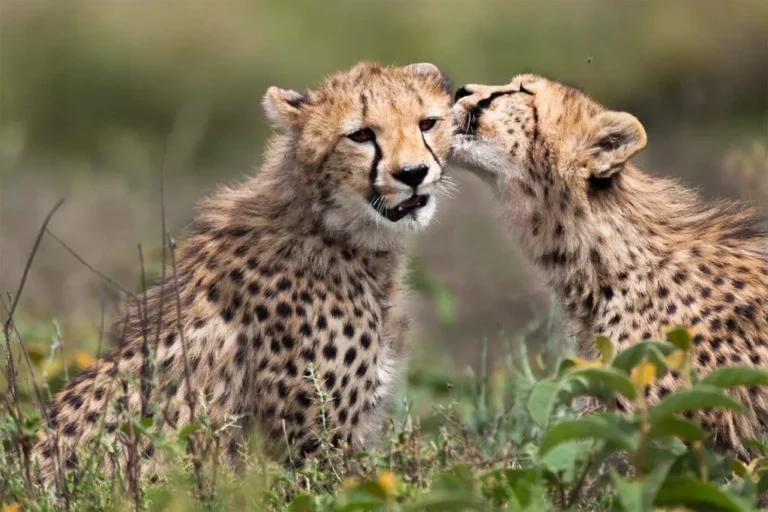
Dec 31, : New Year’s Eve Serengeti Group Safari Planning Guide
This guide provides essential planning details for a group safari trip to the Serengeti for New Year's Eve 2026, covering logistics, seasonal highlights, and what to expect.
View package details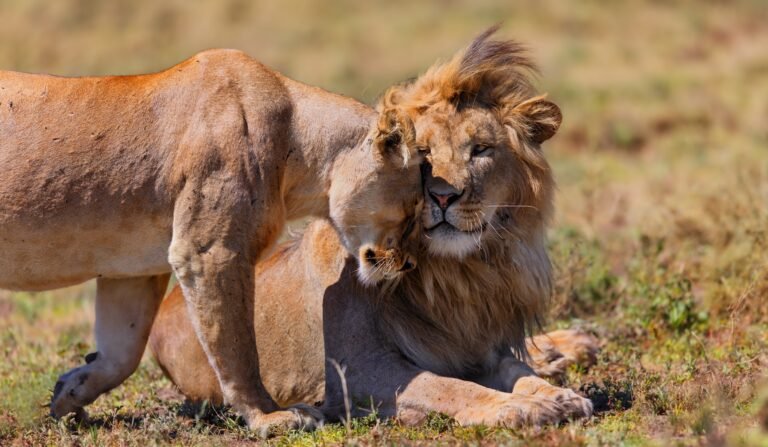
Dec 22, – 3 Day Nyerere Group Joining Safari
Dec 22, 2026 – 3 Day Nyerere Group Joining Safari.
View package details
Can I Join A Safari That Has Already Confirmed Travellers?
Can I Join a Safari That Has Already Confirmed Travellers?
View package details
I Am On A Budget—What Is The Cheapest Serengeti Group Safari?
I Am on a Budget—What Is the Cheapest Serengeti Group Safari?
View package details_1_John_from-rednote-web-768x1024.jpg)
Dec 13, – 2 Day Nyerere Fly-In Group Safari From Zanzibar 2026
A detailed guide to the December 13, 2026 group fly-in safari from Zanzibar to Nyerere National Park, covering the itinerary, logistics, and planning for your trip.
View package detailsNo related package matches those filters. Clear one or more filters to see the other topic-matched options.