The best places to see the Big Five in Tanzania are primarily within the Serengeti National Park, the Ngorongoro Conservation Area (especially the Crater), and Tarangire National Park. These locations offer the highest densities and most reliable sightings of lions, leopards, elephants, rhinos, and buffalo, with Serengeti often cited as the top choice for its vastness and diverse habitats, and Ngorongoro Crater providing exceptional close-up encounters due to its concentrated wildlife population. Planning your safari for the optimal viewing seasons, often during the dry months from June to October and then again from December to February, will significantly enhance your chances of seeing these magnificent animals in 2026 or 2027.
Understanding the Big Five and Their Habitat Needs
The term ‘Big Five’ – lion, leopard, elephant, rhinoceros, and buffalo – originated with big-game hunters who considered these animals the most challenging and dangerous to hunt on foot. Today, it’s a term cherished by wildlife enthusiasts and photographers, representing the pinnacle of a safari achievement. Each species has specific ecological requirements, and understanding these helps explain why certain locations are consistently better for spotting them.
Lions thrive in open grasslands and savannas where they can easily spot and hunt prey. They also inhabit woodlands and scrublands. Tanzania’s vast plains, particularly in the Serengeti, are ideal lion territory.
Leopards are more elusive and solitary, preferring dense cover like forests, rocky outcrops, and riverine bush. They are masters of camouflage and often hunt at night. Finding a leopard requires patience and often a keen-eyed guide, with areas featuring varied terrain being advantageous.
Elephants, the largest land mammals, require substantial amounts of food and water. They are found in grasslands, woodlands, and even semi-arid areas, often congregating near water sources, especially during dry seasons. Tarangire National Park is particularly famous for its large elephant herds.
Rhinos (specifically the black rhino in Tanzania) are critically endangered and shy. They inhabit dense bushland, forests, and savannas where they can graze on leaves, twigs, and shrubs. Their rarity makes spotting one a truly special event, often requiring dedicated searches in specific habitats like the Ngorongoro Crater.
Buffalo (African buffalo) are social animals found in large herds. They prefer grasslands, woodlands, and savanna regions with access to water and grazing. They are common across most of Tanzania’s major parks.
For a successful Big Five safari in 2026 or 2027, choosing parks that cater to the diverse needs of all five species is paramount. This means looking for areas with a mix of open plains, woodlands, rocky kopjes, and reliable water sources.
Serengeti National Park: The Crown Jewel for Big Five Sightings
When discussing the best places to see the Big Five, the Serengeti National Park invariably tops the list. Its sheer scale – over 14,750 square kilometers – and its role as the stage for the Great Migration mean it hosts an unparalleled concentration and diversity of wildlife year-round. The name ‘Serengeti’ itself comes from the Maasai word ‘Siringet,’ meaning ‘endless plains,’ a fitting description for this iconic landscape.
Why Serengeti Excels for the Big Five
The Serengeti’s varied ecosystems, from the vast central plains dotted with acacia trees and rocky outcrops (kopjes) to the acacia woodlands in the north and the Grumeti River in the west, provide ideal habitats for all members of the Big Five.
- Lions: The Serengeti is lion country. You’ll find them on the central plains, near kopjes where they bask in the sun and ambush prey, and even in woodlands. The density of lions here is among the highest in Africa, making sightings almost a guarantee.
- Leopards: While notoriously elusive, the Serengeti offers excellent leopard viewing opportunities, particularly in areas with denser vegetation and along riverbanks. The Seronera Valley in the central Serengeti is renowned for its leopard population, often seen draped over trees.
- Elephants: Large herds migrate across the Serengeti, especially towards the northern regions and woodlands. While not as concentrated as in Tarangire, they are a common sight, particularly during the wet season when vegetation is lush.
- Rhinos: Black rhinos are present but are rarer and more reclusive than other Big Five members. They tend to favor the western parts of the park and areas with denser bushes. Dedicated tracking by guides is often needed.
- Buffalo: Huge herds of Cape buffalo are a common sight throughout the Serengeti, often seen grazing in large numbers on the open plains or near water sources. They are a primary prey species for the resident lions.
Strategic Planning for Serengeti Safaris (2026-2027)
The Serengeti’s appeal is amplified by the Great Migration, a natural spectacle where over 1.5 million wildebeest and zebras traverse the plains in search of fresh grazing. The timing of your 2026 or 2027 safari can significantly impact your experience, not just for the migration but for Big Five viewing.
- Dry Season (June – October): This is peak safari season. Animals congregate around permanent water sources, making them easier to spot. The migration is typically in the western and northern Serengeti during this time, drawing predators. This period is excellent for Big Five sightings but can be busier.
- Wet Season (November – May): The southern Serengeti plains come alive with newborn wildebeest from January to March. This period attracts numerous predators, offering fantastic hunting drama and opportunities to see lion cubs and other young animals. While rain can occur, it often falls in short, intense bursts, leaving plenty of sunshine for game drives. This is also a less crowded and often more budget-friendly time for safaris in 2026-2027.
Choosing a lodge or camp strategically located within the Serengeti is crucial. For instance, staying near Seronera allows for excellent leopard viewing year-round, while camps in the north or west can be ideal for witnessing migration river crossings (though these are unpredictable and require specific timing).
Considerations for 2026-2027 Bookings: High season (June-October) in the Serengeti is popular. For prime locations and specific migration viewing, booking 6-12 months in advance is advisable for 2026 and 2027. For more flexibility and potentially lower costs, consider the shoulder seasons or the green season.
Ngorongoro Conservation Area: A Wildlife Haven within a Volcanic Caldera
The Ngorongoro Conservation Area (NCA) is a UNESCO World Heritage Site, renowned for its unique geological formation – the Ngorongoro Crater – a vast, intact volcanic caldera. This caldera is a self-contained ecosystem teeming with wildlife, offering arguably the most concentrated game viewing experience in Africa, and an exceptional chance to see the Big Five.
The Ngorongoro Crater: A Big Five Hotspot
The Crater floor, approximately 260 square kilometers, is a impressive landscape supporting an estimated 25,000 large animals. Its rich volcanic soil, permanent water sources, and diverse habitats make it a sanctuary for a remarkable density of wildlife, including all members of the Big Five.
- Lions: The Crater boasts a healthy population of lions, often seen hunting on the open plains or resting near kopjes. They are habituated to vehicles, leading to excellent viewing opportunities.
- Leopards: While more challenging to spot than lions due to their arboreal nature and preference for dense cover, leopards are present within the Crater, often found in the denser woodland areas around the crater rim and in riverine thickets on the floor.
- Elephants: Large bull elephants, in particular, frequent the Crater, drawn by the lush vegetation and water. Female herds are less common but do venture down.
- Rhinos: The Ngorongoro Crater is one of the most reliable places in Tanzania to see the endangered black rhino. The conservation efforts here have helped maintain a small but stable population, and dedicated game drives on the crater floor offer the best chance of spotting them.
- Buffalo: Massive herds of buffalo are a common and spectacular sight on the Crater floor, often seen grazing in large numbers or wallowing in mud baths.
Logistics and Best Times for Ngorongoro
Access to the Crater is strictly controlled. Typically, visitors descend from the rim for a half-day or full-day game drive, with specific time limits imposed. This controlled access helps minimize human impact and preserve the wildlife experience.
Best Viewing Seasons:
- The Ngorongoro Crater offers excellent Big Five viewing year-round due to its permanent water sources and resident wildlife.
- However, the dry season (June to October) often leads to higher concentrations of animals around waterholes, making sightings potentially easier.
- The wet season (November to May) brings lush green landscapes and newborn animals, which can lead to increased predator activity.
Accommodation is primarily located on the Crater rim, offering stunning views, or in nearby Karatu town. Staying on the rim provides convenient access for early morning crater descents, maximizing game viewing time.
Planning for 2026-2027: Due to its popularity, the Ngorongoro Crater can get busy, especially during peak season. Booking your safari and accommodation well in advance for 2026 and 2027 is highly recommended, particularly if you wish to stay on the rim. Park fees and crater access permits are subject to change, so confirming these details when booking is essential.
Tarangire National Park: Elephants, Baobabs, and Big Cat Potential
Tarangire National Park, located south of Lake Manyara, is a less-visited gem compared to the Serengeti and Ngorongoro but offers exceptional wildlife viewing, particularly for elephants and birdlife. Its distinctive landscape, dominated by giant baobab trees and the Tarangire River, creates a unique safari backdrop.
Tarangire’s Appeal for Big Five Spotting
Tarangire is particularly famous for its massive elephant herds, especially during the dry season when they congregate around the Tarangire River, the park’s only permanent water source. While elephants are the stars, the park also provides good opportunities for spotting other Big Five members.
- Elephants: Tarangire is often called the ‘Land of Giants’ due to its huge elephant populations. During the dry season (July to October), you can see hundreds of elephants at once.
- Lions: Lions are present and often seen lounging in trees, a behavior they adopt to escape the heat and biting insects. This arboreal habit makes them easier to spot than in many other parks.
- Leopards: Leopards are present but are more elusive. They favor the riverine forests and rocky areas, and finding one often requires luck and a skilled guide.
- Buffalo: Large herds of buffalo are common, especially near the Tarangire River.
- Rhinos: Black rhinos are present in Tarangire but are very rare and difficult to find. Sightings are exceptional.
Best Time to Visit Tarangire
The dry season, from July to October, is the prime time to visit Tarangire for Big Five viewing, especially for elephants, as they concentrate along the river. The landscape is also dramatic with the stark baobab trees against the dry earth.
The green season (November to June) offers lush landscapes and abundant birdlife, with fewer crowds. However, wildlife may be more dispersed due to the availability of water throughout the park.
Planning for 2026-2027: Tarangire is often included as part of a Northern Circuit safari, typically visited before or after Lake Manyara and Ngorongoro. Its unique charm and high elephant densities make it a worthwhile addition for any 2026 or 2027 safari itinerary focused on seeing the Big Five and experiencing diverse Tanzanian landscapes.
Other Notable Parks and Reserves for Big Five Encounters
While Serengeti, Ngorongoro, and Tarangire are the undisputed titans for Big Five safaris in Tanzania, other areas offer unique advantages and can contribute to a comprehensive wildlife experience, especially when combined.
Lake Manyara National Park
Located between Tarangire and the Ngorongoro Highlands, Lake Manyara is a compact park famous for its tree-climbing lions (though sightings are not guaranteed) and its large population of baboons. It also hosts elephants, buffalo, and hippos, and is a birdwatcher’s paradise. While not a primary Big Five destination in the same league as Serengeti or Ngorongoro, it’s an excellent stop on a Northern Circuit safari for diverse sightings and stunning scenery, especially around the alkaline lake.
Selous Game Reserve (Nyerere National Park)
In southern Tanzania, the vast Selous Game Reserve (now Nyerere National Park) offers a different safari experience. It’s one of the largest game reserves in Africa and is known for its wild dog populations and boat safaris along the Rufiji River. Selous boasts abundant elephants, buffalo, and lions. Leopards are present but elusive. Black rhinos are also found here, but sightings are rare.
Selous provides a more remote and less crowded safari experience compared to the Northern Circuit. Its diverse landscapes, including miombo woodlands and the Rufiji River floodplain, support a rich array of wildlife. It’s a fantastic option for those seeking a more adventurous and off-the-beaten-path safari in 2026 or 2027.
Ruaha National Park
Tanzania’s largest national park, Ruaha, is a true wilderness. It’s renowned for its large populations of predators, including lions, leopards, cheetahs, and African wild dogs. Elephants and buffalo are also abundant. While rhinos are present, they are extremely rare.
Ruaha’s rugged terrain and vastness make it a challenging but rewarding destination for experienced safari-goers. It’s a place where you can truly feel like you’re in the wild, far from the crowds. For those aiming for comprehensive Big Five sightings in a remote setting in 2026-2027, Ruaha is an excellent, albeit more logistically complex, choice.
Choosing Your Safari Itinerary: Balancing Big Five Goals with Experience
Designing a safari that maximizes your chances of seeing the Big Five while also offering a rich and varied wildlife experience requires careful planning. For most travelers focusing on the Big Five, a Northern Circuit safari is the most practical and rewarding choice.
The Classic Northern Circuit: Serengeti, Ngorongoro, Tarangire
A typical 7-10 day Northern Circuit safari will usually include:
- Tarangire National Park: Often the first stop, offering spectacular elephant viewing and a chance to see lions in trees.
- Lake Manyara National Park: A shorter visit, known for tree-climbing lions and diverse birdlife.
- Ngorongoro Conservation Area: A full day or two dedicated to the Crater floor for incredible wildlife density and rhino spotting.
- Serengeti National Park: Several days dedicated to exploring different regions of the park, maximizing Big Five sightings and experiencing the vastness of the plains. Depending on the season, you might focus on Seronera (central), the north for migration, or the west for river crossings.
This circuit offers a high probability of seeing all of the Big Five, with excellent chances for lions, elephants, and buffalo in all three main parks, and good odds for leopards in Serengeti and Ngorongoro. Rhinos are most reliably seen in Ngorongoro Crater.
Customizing Your 2026-2027 Safari
When planning for 2026 or 2027, consider these factors:
- Duration: A longer safari (10-14 days) allows for deeper exploration of the Serengeti and potentially adding a visit to a less-visited park like Ruaha or Selous for a more diverse experience.
- Travel Style: Are you looking for luxury lodges, comfortable mid-range tented camps, or budget-friendly options? Your choice will affect accommodation availability and pricing.
- Group Size: Opting for a private safari offers flexibility and a personalized experience, while joining a group departure can be more cost-effective.
- Time of Year: As discussed, the dry season generally offers easier game viewing, but the wet season can provide unique photographic opportunities and predator action.
For those prioritizing seeing the Big Five, a well-structured Northern Circuit itinerary in 2026 or 2027 is hard to beat. The combination of Serengeti’s scale, Ngorongoro’s density, and Tarangire’s unique charm provides an unparalleled Big Five safari experience.
Factors Influencing Big Five Sightings
While choosing the right park is crucial, several other factors influence your chances of spotting the Big Five on a safari.
Timing and Seasonality
The time of year you visit directly impacts animal behavior and distribution. As detailed earlier, dry seasons often concentrate wildlife around water, making them more visible. However, the green season can offer incredible predator-prey interactions.
Vehicle and Guide Expertise
Your safari vehicle and, most importantly, your guide are critical. An experienced guide knows the animals’ habits, preferred habitats, and tracks. They can interpret animal behavior, position the vehicle for optimal viewing and photography, and often have access to information from other guides about recent sightings. A good guide can significantly elevate your Big Five spotting success.
Time of Day
Wildlife is most active during the cooler parts of the day: early morning and late afternoon. Dawn and dusk are prime times for predator activity. Many parks have rules about driving after dark, so maximizing your time in the early morning and late afternoon is key.
Habitat and Landscape
Parks with diverse habitats—ranging from open grasslands and savannas to woodlands, riverine forests, and rocky kopjes—tend to support a wider variety of wildlife and offer better chances of spotting elusive animals like leopards and rhinos.
Conservation Efforts and Park Management
Well-managed parks with effective anti-poaching units and conservation programs contribute to healthy wildlife populations. Areas like the Ngorongoro Crater benefit from dedicated conservation efforts that help protect species like the black rhino.
Preparing for Your Big Five Safari in 2026-2027
A successful safari is also about being prepared. Here’s what to consider when planning your 2026 or 2027 trip.
Booking Your Safari
When booking your safari, especially for popular destinations like the Serengeti and Ngorongoro for 2026 or 2027, it’s wise to book well in advance. Consider working with a reputable tour operator who has local knowledge and can tailor an itinerary to your specific interests, including maximizing Big Five viewing opportunities. They can advise on the best parks, lodges, and timing for your chosen travel dates.
Key Questions to Ask Your Tour Operator:
- What is the typical success rate for seeing the Big Five on this itinerary?
- What is the guide-to-guest ratio, and what qualifications do your guides have?
- What is included in the safari package (park fees, meals, accommodation, game drives)?
- What are the best months for Big Five viewing in the specific parks included in my itinerary for 2026 or 2027?
- What are the accommodation options and their locations relative to prime wildlife areas?
What to Pack
Pack light, neutral-colored clothing. Avoid bright colors that can startle wildlife. Essentials include:
- Binoculars (crucial for spotting distant animals)
- Camera with a good zoom lens
- Sunscreen, hat, and sunglasses
- Insect repellent
- Comfortable walking shoes (for lodge areas or walking safaris if offered)
- Light jacket or fleece for cool mornings and evenings
Health and Safety
Consult your doctor about necessary vaccinations and malaria precautions for Tanzania. Always follow your guide’s instructions regarding safety on game drives and at lodges.
The Thrill of the Chase: Patience and Respect
Seeing the Big Five is a highlight for many, but it’s important to remember that these are wild animals in their natural habitat. While parks like Ngorongoro and Serengeti offer high probabilities, sightings are never guaranteed.
Patience is key. Sometimes, the most memorable sightings come after a long wait or a lucky detour. Enjoy the entire safari experience – the smaller creatures, the stunning landscapes, the sounds of the bush – not just the pursuit of the Big Five. Remember to maintain a respectful distance from all wildlife, listen to your guide, and contribute to conservation efforts by choosing responsible tour operators.
For a truly unforgettable Big Five safari in 2026 or 2027, focusing on Tanzania’s premier parks like the Serengeti, Ngorongoro Crater, and Tarangire, coupled with expert guidance and careful planning, will set you on the path to an incredible adventure. To begin planning your bespoke 2026-2027 Tanzanian safari with a focus on Big Five encounters, please feel free to reach out to us. You can contact Climb 4 Africa via WhatsApp at +255 747 477 898 or email us at climb4africa@gmail.com. We specialize in creating tailor-made itineraries that maximize your wildlife viewing opportunities and ensure a safe, memorable experience.
Check Availability for Best Places To See The Big Five In Tanzania: A Safari Guide 2026-2027
Ready to compare dates, prices, and the best option for your group? Send the package name and travel month so the team can reply with a clear quote, availability, and what is included.
I Want To See The Big Five—Which Tanzania Group Safari Is Best?
A deep look at selecting the right Tanzania group safari to maximize your chances of seeing the Big Five, including logistical planning, route selection, and group joining advice.
View package detailsI Have Five Days In Tanzania—What Is The Best Group Safari Route?
I Have Five Days in Tanzania—What Is the Best Group Safari Route?
View package details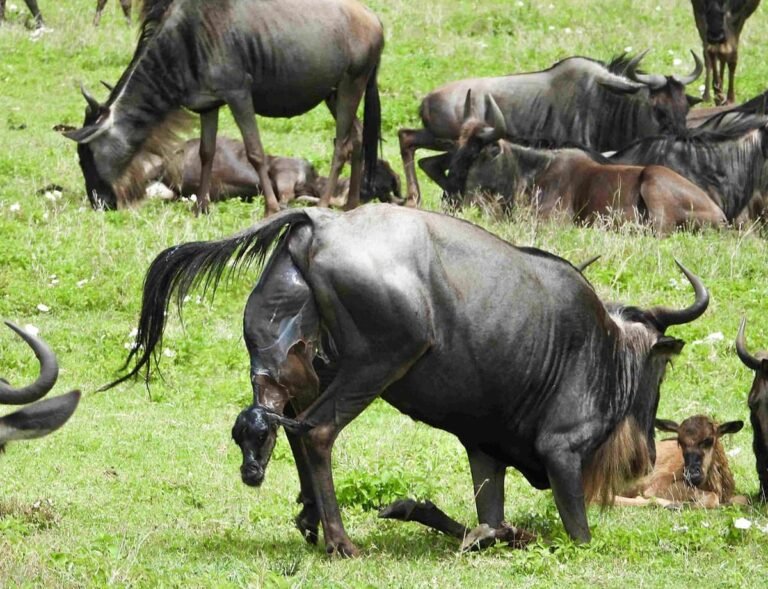
Five Day Tanzania Safari And Afcon Package
Five Day Tanzania Safari and AFCON Package.
View package detailsWhat Is The Cheapest Tanzania Group Safari In Nov ?
Finding the most affordable way to experience the Northern Circuit in November 2026 requires understanding seasonal pricing, group dynamics, and route efficiency. Here is how to plan your...
View package detailsAfcon Football Safari And Zanzibar Holiday: Expert Planning Guide
A guide to combining the AFCON 2027 football tournament with a Tanzanian safari and Zanzibar beach holiday, focusing on logistics, timing, and travel planning.
View package detailsDec 27, – 4 Day Serengeti Migration Group Safari: Plan Your Trip
A deep look at planning your 4-day Serengeti migration group safari departing December 27, 2026, including itinerary logistics, group benefits, and seasonal expectations.
View package detailsWhich Group Safari Is Available From Arusha In Nov ?
A detailed guide on navigating group safari availability in Arusha for November 2026, covering seasonality, itinerary choices, and the logistical realities of joining a shared tour.
View package detailsAfcon Honeymoon Safari And Zanzibar Package: Expert Planning Guide
A detailed guide for couples planning a Tanzania trip during the 2027 AFCON tournament, focusing on logistics, safari privacy, and Zanzibar beach selection.
View package detailsTen Day Afcon Tanzania Safari And Zanzibar Holiday: Planning Guide
Planning a ten-day trip for AFCON 2027? This guide covers the ideal itinerary, logistics for combining a Northern Circuit safari with a Zanzibar beach holiday, and how to manage your travel...
View package detailsSeven Day Afcon Safari And Zanzibar Package
Seven Day AFCON Safari and Zanzibar Package.
View package detailsAfcon Kilimanjaro Safari And Zanzibar Package: Expert Planning Guide
A comprehensive guide to coordinating your AFCON 2027 travel, including Kilimanjaro trekking, Northern Circuit safaris, and Zanzibar relaxation, with expert logistical advice.
View package detailsDec 23, – 4 Day Mikumi And Nyerere Christmas Group Safari: Your Essential
A deep look at the logistics, expectations, and planning for the 4 Day Mikumi and Nyerere Christmas group safari departing Dec 23, 2026.
View package detailsNo related package matches those filters. Clear one or more filters to see the other topic-matched options.