A two-week itinerary from Australia to Tanzania, focusing on a safari and Zanzibar, typically involves flying into Kilimanjaro International Airport (JRO) for a 4-6 day Northern Circuit safari, followed by a flight to Zanzibar for 4-5 days of relaxation and exploration, before flying out of Zanzibar (ZNZ) or back through JRO. This timeframe allows for experiencing key wildlife areas like the Serengeti and Ngorongoro Crater alongside Zanzibar’s beaches and culture, with travel days factored in for the long journey from Australia, making it feasible for 2026-2027 trips.


Planning Your Two-Week Tanzania Adventure from Australia
Embarking on a two-week journey from Australia to Tanzania for a safari and Zanzibar is an incredible prospect, blending the thrill of wildlife encounters with the serene beauty of a tropical island. The primary consideration for this specific itinerary is managing the significant travel time between continents. Given the vast distance, it’s crucial to acknowledge that at least 2-3 days will be dedicated to international flights and transit, especially when flying from Australia. This means your effective time on the ground in Tanzania will be closer to 11-12 days. Therefore, a 14-day trip requires a well-paced itinerary that maximizes your wildlife viewing and relaxation without feeling rushed.
For 2026 and 2027 travel, booking well in advance is highly recommended, particularly for peak safari seasons and popular Zanzibar accommodations. The demand for Tanzania’s unique offerings remains consistently high. This guide aims to provide a practical blueprint for crafting your perfect Australia to Tanzania safari and Zanzibar two-week itinerary, detailing route options, essential considerations, and what you can realistically achieve within this timeframe.
Your Two-Week Tanzania Safari & Zanzibar Itinerary: A Practical Overview
Crafting a fulfilling two-week itinerary from Australia to Tanzania requires careful sequencing to balance the long travel days with in-depth experiences. The most logical flow for a 14-day trip involves flying into Kilimanjaro International Airport (JRO), spending approximately 5-6 days on a classic Northern Circuit safari, flying to Zanzibar for 4-5 days, and then departing from either Zanzibar (ZNZ) or returning to JRO for your flight back to Australia.
A Sample 14-Day Itinerary Structure:
- Day 1: Depart Australia.
- Day 2: Arrive in Kilimanjaro (JRO), Tanzania. Transfer to Arusha.
- Day 3: Arusha to Tarangire National Park. Game drive. Overnight near Tarangire.
- Day 4: Tarangire to Serengeti National Park (Central). Game drive en route.
- Day 5: Full day game drives in the Serengeti.
- Day 6: Serengeti game drives. Optional hot air balloon.
- Day 7: Serengeti to Ngorongoro Conservation Area. Game drive en route. Descend into the Crater for afternoon game drive. Overnight on Crater rim or nearby.
- Day 8: Morning activities (e.g., Maasai village visit) or direct transfer to Arusha for flight to Zanzibar. Arrive Zanzibar, transfer to Stone Town hotel.
- Day 9: Stone Town exploration: walking tour, markets, history.
- Day 10: Transfer to a beach resort (e.g., Nungwi, Kendwa, Paje). Relax or water activities.
- Day 11: Beach relaxation, snorkeling, spice tour, or Jozani Forest visit.
- Day 12: Full day beach relaxation or optional excursions.
- Day 13: Morning at leisure. Transfer to Zanzibar Airport (ZNZ) for departure or flight back to JRO.
- Day 14: Arrive back in Australia.
This structure acknowledges the significant travel time from Australia. The safari portion focuses on the most iconic parks, while the Zanzibar segment allows for a good taste of its history and relaxation. For 2026-2027, booking internal flights (e.g., Arusha to Zanzibar) and popular safari lodges/camps should be done months in advance.
The choice between Tarangire or Lake Manyara on Day 3 can depend on your interests and the season. Tarangire is renowned for its elephant herds and baobab trees, especially in the dry season. Lake Manyara offers a different ecosystem, famous for tree-climbing lions and a large population of flamingos (seasonal). Given the limited time, choosing one allows for a more relaxed pace on your Australia to Tanzania safari and Zanzibar two week itinerary.
International Travel from Australia: Flights & Transit
The journey from Australia to Tanzania is the most demanding part of your Australia to Tanzania safari and Zanzibar two week itinerary. Flights typically involve at least two, often three, layovers. Common routes might include connections through the Middle East (e.g., Doha, Dubai) or Europe (e.g., Amsterdam, Istanbul), before reaching Kilimanjaro International Airport (JRO). Direct flights are non-existent, making the total travel time, including airport transfers and waiting periods, easily 24-36 hours one way.
Key Considerations for 2026-2027 Travel:
- Booking Window: For international flights from Australia, especially if you want to secure better pricing and preferred routes, aim to book 6-10 months in advance. This is particularly true for travel during holiday periods or the popular dry safari seasons.
- Flight Timing: Schedule your arrival in JRO for the afternoon or early evening. This allows for a smoother transition to your Arusha accommodation, usually a 45-60 minute drive from the airport. Arriving too late might mean an overnight stay at an airport hotel, adding complexity.
- Departure Options: You can choose to fly out of JRO or ZNZ. Flying out of ZNZ is often more convenient for a safari-then-beach itinerary as it saves you a domestic flight back to the mainland. However, check flight availability and pricing from your Australian city, as sometimes returning via JRO might be more cost-effective or offer better connections.
- Jet Lag Management: Factor in at least half a day to recover from jet lag upon arrival in Tanzania. It’s wise to book your first night in Arusha at a comfortable hotel rather than starting an immediate safari drive.
- Visa Requirements: Australian citizens will need a visa for Tanzania. This can often be obtained online in advance or upon arrival at JRO. Check the latest requirements from the Tanzanian High Commission or Consulate well before your 2026-2027 travel dates.
When planning your Australia to Tanzania safari and Zanzibar two week itinerary, remember to build in buffer time. Flight delays are not uncommon, and ensuring you have adequate connections is vital to avoid missing out on precious safari time or your onward flights.
Tanzania Safari: The Northern Circuit Highlights
The Northern Circuit of Tanzania is globally renowned for its exceptional wildlife density and diversity, making it the prime choice for a safari component of any trip, including your two-week adventure from Australia. This region is home to the Serengeti National Park, Ngorongoro Conservation Area, Tarangire National Park, and Lake Manyara National Park. For a two-week itinerary, focusing on the Serengeti and Ngorongoro is essential, with an optional third park if time and pace allow.
Why the Northern Circuit?
- Abundant Wildlife: It hosts the Big Five (lion, leopard, elephant, rhino, buffalo) and countless other species, offering incredible viewing opportunities year-round.
- Iconic Landscapes: From the vast plains of the Serengeti to the unique caldera of Ngorongoro, the scenery is as dramatic as the wildlife.
- Accessibility: The parks are relatively close to each other and to Kilimanjaro International Airport (JRO), making them feasible for shorter itineraries.
- Migration: The Great Migration, a spectacular natural phenomenon, moves through the Serengeti, offering unparalleled viewing opportunities depending on the time of year.
When planning your Australia to Tanzania safari and Zanzibar two week itinerary, allocating 5-7 days for the safari portion is a realistic target. This allows for travel between parks and sufficient time for game drives in each key location.
Choosing Your Safari Operator: For a smooth experience, partnering with a local operator like Climb 4 Africa is highly advantageous. They understand the nuances of these parks, can arrange optimal lodge/camp bookings, and manage all logistics, ensuring your safari is a highlight, not a headache. Their expertise is invaluable for crafting the perfect Australia to Tanzania safari and Zanzibar two week itinerary.
Serengeti National Park: The Crown Jewel
No trip to Tanzania is complete without experiencing the Serengeti. Its name, derived from the Maasai word ‘Siringet’ meaning ‘endless plains,’ perfectly describes its vast, sweeping grasslands that stretch to the horizon. This park is the heart of the Great Migration, where millions of wildebeest, zebras, and gazelles traverse the landscape in search of fresh grazing, a spectacle that draws visitors from around the globe.
Key Experiences in the Serengeti:
- Game Drives: The primary activity is conducted in custom-built 4×4 safari vehicles. Early morning and late afternoon drives are often the most productive for spotting predators as they are most active during these cooler hours.
- The Great Migration: Depending on the time of year, you might witness the calving season (January-March) in the southern Serengeti, river crossings (May-July) in the west, or the herds moving north (July-October). Understanding the migration’s path is crucial for maximizing your chances of seeing this event during your 2026-2027 trip.
- Predator Sightings: The Serengeti is renowned for its high predator-prey ratios. Lions are abundant, and leopards are frequently sighted in areas with trees, particularly in the central Seronera region. Cheetahs are often seen on the open plains.
- Diverse Habitats: The park features varied landscapes, from open savannas to kopjes (rocky outcrops) and acacia woodlands, each supporting different wildlife populations.
- Hot Air Balloon Safaris: For a truly memorable experience, a sunrise hot air balloon safari over the Serengeti plains offers a unique perspective of the vast landscape and wildlife. This is an optional extra, typically costing between $500-$600 per person.
Time Allocation: For your Australia to Tanzania safari and Zanzibar two week itinerary, dedicating at least two full days (three nights) to the Serengeti is highly recommended. This allows for exploration of different regions and increases your chances of encountering varied wildlife and migration patterns.
Accommodation: Options range from luxury tented camps that offer an authentic bush experience to more permanent lodges. The choice depends on your budget and desired comfort level. Camps are often strategically located to follow the migration or be in prime wildlife areas.
Ngorongoro Conservation Area: A Natural Wonder
The Ngorongoro Conservation Area (NCA) is a UNESCO World Heritage Site and one of Africa’s most unique natural wonders. It’s essentially a large volcanic caldera, approximately 19 kilometers (12 miles) in diameter, with walls up to 600 meters (2,000 feet) high. The crater floor boasts a rich ecosystem, supporting an astonishing density of wildlife, including a healthy population of the endangered black rhinoceros.
Why Visit Ngorongoro Crater?
- High Wildlife Concentration: The crater floor is teeming with wildlife. It’s possible to see the Big Five in a single day here, a feat that is challenging in other parks. The density of animals like wildebeest, zebras, gazelles, and buffalo is remarkable.
- Black Rhinos: The crater is one of the best places in Tanzania to spot black rhinos, a rare and elusive species.
- Unique Environment: The diverse habitats within the crater—grasslands, swamps, forests, and a soda lake—support a wide array of animals, including hippos, flamingos, and various bird species.
- Maasai Culture: The NCA is also home to the semi-nomadic Maasai people. You can often visit a Maasai village for a cultural exchange, learning about their traditions and way of life. This adds a rich cultural dimension to your Australia to Tanzania safari and Zanzibar two week itinerary.
- Crater Rim Views: The drive to the crater rim offers spectacular panoramic views of the caldera below and the surrounding plains.
Logistics: Access to the crater is strictly controlled. Only a limited number of vehicles are allowed on the crater floor per day, and time limits are imposed to protect the environment. You will typically descend into the crater for a half-day game drive, often combined with a visit to a Maasai village or a drive towards Lake Manyara or Tarangire on your way back to Arusha.
Accommodation: Lodges and tented camps are situated on the crater rim, offering stunning views, or in the surrounding NCA and Karatu area, providing a buffer before or after your crater descent. Staying on the rim offers a truly dramatic experience.
Tarangire or Lake Manyara: Adding Variety
For a two-week Australia to Tanzania safari and Zanzibar two week itinerary, fitting in a third safari park can enhance your experience, offering different landscapes and wildlife. Tarangire National Park and Lake Manyara National Park are excellent options, typically visited on the way to or from the Serengeti and Ngorongoro.
Tarangire National Park:
- Elephant Herds: Tarangire is famous for its massive elephant herds, particularly during the dry season (June to October) when they congregate around the Tarangire River.
- Baobab Trees: The park’s landscape is dominated by ancient baobab trees, which create a unique and picturesque setting.
- Diverse Wildlife: Besides elephants, Tarangire hosts a variety of predators, including lions and leopards, as well as giraffes, zebras, and numerous bird species.
- Less Crowded: Often, Tarangire sees fewer crowds compared to the Serengeti or Ngorongoro, offering a more intimate safari experience.
Lake Manyara National Park:
- Tree-Climbing Lions: This park is one of the few places where lions are known to climb trees, a behavior often observed during the hotter parts of the day.
- Flamingos: The shallow alkaline waters of Lake Manyara attract thousands of flamingos seasonally, creating a vibrant pink spectacle.
- Forest Ecosystem: Much of the park is dominated by groundwater forest, offering a different feel from the open plains of the Serengeti.
- Compact Size: Lake Manyara is relatively small, making it possible to see a good portion of its wildlife in a single day.
Decision for your Itinerary: Given the constraints of a two-week trip from Australia, you might choose to spend a full day in either Tarangire or Lake Manyara. For instance, you could drive from Arusha to Tarangire for an afternoon game drive and an overnight stay, then proceed to the Serengeti the next day. Alternatively, a visit to Lake Manyara can be a good stop on the way from Karatu (near Ngorongoro) back to Arusha.
For 2026-2027, consider the season. If you’re traveling during the dry season, Tarangire’s elephant concentrations are a major draw. If you’re keen on spotting tree-climbing lions or seeing flamingos, Lake Manyara is your best bet.
Zanzibar: Tropical Paradise Awaits
After the adventure and dust of the safari, Zanzibar offers a perfect counterpoint: a tropical island paradise in the Indian Ocean, rich in history, culture, and stunning natural beauty. Its turquoise waters, white sandy beaches, and spice-scented air provide a welcome change of pace. For your Australia to Tanzania safari and Zanzibar two week itinerary, allocating 4-5 days to Zanzibar is ideal to get a good feel for the island.
Getting to Zanzibar: The most common way to reach Zanzibar from the safari circuit is by a short domestic flight from Arusha (ARK) or Kilimanjaro (JRO) directly to Abeid Amani Karume International Airport (ZNZ) in Zanzibar City. These flights are frequent and typically take around 1 to 1.5 hours. Booking these internal flights in advance is recommended for 2026-2027 travel to secure preferred times and prices.
What to Expect:
- Culture and History: Zanzibar is a melting pot of African, Arab, Indian, and European influences, most evident in its historic Stone Town.
- Beaches: From lively Nungwi in the north to the tranquil shores of Paje in the southeast, Zanzibar offers a beach for every preference.
- Spices: The island is historically known as the ‘Spice Island’ due to its once-dominant clove and nutmeg trade. Spice tours are a popular activity.
- Marine Life: The surrounding waters are ideal for snorkeling, diving, and dolphin watching.
A smooth transition from your safari to Zanzibar is crucial. Your tour operator can arrange the flight and transfers, ensuring your journey is as smooth as possible, allowing you to fully enjoy the island’s charm.
Stone Town: A Journey Through History
Stone Town (Mji Mkongwe) is the historical heart of Zanzibar City and a UNESCO World Heritage site. Its narrow, winding alleyways, ancient coral stone buildings, intricately carved wooden doors, and bustling bazaars tell tales of centuries of trade, slavery, and cultural fusion. Spending at least one full day here is essential for understanding Zanzibar’s soul.
Key Attractions and Activities in Stone Town:
- Walking Tour: Hiring a local guide is highly recommended to navigate the labyrinthine streets and learn about the rich history, architecture, and significant landmarks.
- House of Wonders (Beit-al-Ajaib): Once the palace of the Sultan, it’s the largest and grandest building on the waterfront, though currently undergoing renovation.
- Old Fort (Ngome Kongwe): Built by the Omani Arabs in the 17th century, it now hosts a cultural center, shops, and an open-air amphitheater.
- Sultan’s Palace Museum: Provides insight into the lives of Zanzibar’s sultans.
- Forodhani Gardens: Transforms into a vibrant night market offering delicious street food, including fresh seafood, Zanzibari pizza, and local sweets. A must-visit for an authentic culinary experience.
- Slave Market Site: A poignant reminder of the island’s dark history, now home to an Anglican cathedral.
- Spice Markets: experience the aromatic world of spices, from cloves and cinnamon to vanilla and cardamom.
- Shopping: Discover local crafts, textiles, art, and jewelry in the numerous boutiques and shops.
Accommodation in Stone Town: There are many boutique hotels and guesthouses within the historic core, offering charming and atmospheric stays. Staying in Stone Town for one or two nights at the beginning or end of your Zanzibar segment provides a deep cultural immersion.
For your Australia to Tanzania safari and Zanzibar two week itinerary, a 1-2 night stay in Stone Town allows you to soak in its unique ambiance before heading to the beaches.
Zanzibar’s Beaches: Relaxation and Activities
Zanzibar is synonymous with its idyllic beaches, fringed with palm trees and lapped by warm, clear waters of the Indian Ocean. Each beach has its own character, offering different experiences for relaxation and adventure.
Popular Beach Destinations:
- Nungwi & Kendwa (North): Known for their stunning sunsets, powdery white sand, and minimal tidal fluctuations. Nungwi is livelier with a range of resorts, restaurants, and water sports. Kendwa offers a more relaxed vibe, often considered one of the most beautiful beaches. Ideal for swimming and sunbathing year-round.
- Paje & Jambiani (Southeast): Famous for their expansive white sand beaches and dramatic tidal changes. Paje is a hub for kite surfing, attracting enthusiasts from around the world. Jambiani offers a more laid-back, local feel with traditional fishing villages. The tides here reveal vast sandbanks, perfect for long walks.
- Matemwe (Northeast): Quieter and more secluded, offering a tranquil escape. It’s a great base for exploring the Mnemba Atoll, a renowned snorkeling and diving spot.
- Michamvi Kae & Pingwe (East): Home to iconic spots like The Rock restaurant, offering unique dining experiences against a backdrop of turquoise waters.
Activities:
- Snorkeling and Diving: The Mnemba Atoll is a prime location for vibrant coral reefs and abundant marine life.
- Dolphin Watching: Trips to Kizimkazi on the south coast offer opportunities to see dolphins, though ethical concerns about interaction should be considered.
- Spice Tours: Visit a local spice farm to learn about, taste, and smell exotic spices, fruits, and herbs.
- Jozani Forest: Home to the endemic Red Colobus Monkeys, this forest offers a chance to see unique flora and fauna.
- Water Sports: Kayaking, paddleboarding, and jet skiing are available at various resorts.
Choosing Your Beach Stay: For a two-week Australia to Tanzania safari and Zanzibar two week itinerary, 3-4 nights on the beach are perfect. If you seek lively atmosphere and water sports, Nungwi is a good choice. For tranquility and pristine beauty, Kendwa or Matemwe are excellent. If kite surfing or experiencing dramatic tides appeals, the southeast coast (Paje/Jambiani) is ideal.
Tailoring Your Two-Week Itinerary: Options & Choices
While the sample itinerary provides a solid framework, flexibility is key to creating an Australia to Tanzania safari and Zanzibar two week itinerary that perfectly matches your interests and pace. Here are some ways to tailor your trip for 2026-2027:
Safari Focus:
- More Safari Time: If wildlife is your absolute priority, you could allocate an extra day to the Serengeti or add a day trip to Lake Manyara, potentially shortening your Zanzibar stay to 3 nights. This might mean a slightly tighter schedule on your safari days.
- Less Driving: For those who prefer less time in vehicles, focus on fewer parks. For instance, combine Serengeti and Ngorongoro with an optional day trip, rather than trying to fit in Tarangire. This allows for more relaxed game drives.
- Cultural Immersion: Consider adding a day to visit local communities or learn about conservation efforts. This could be integrated into your safari days or as a specific excursion.
Zanzibar Focus:
- Extended Beach Time: If you want more relaxation, you could shorten the safari to 4 days and add an extra day or two on the beach, making your Zanzibar stay 5-6 nights.
- Island Exploration: Combine beach time with more in-depth exploration. A full day dedicated to a spice tour, Jozani Forest, or a boat trip to Prison Island (for giant tortoises) can be incorporated.
- Diving/Snorkeling Trip: If marine activities are a priority, dedicate a full day to the Mnemba Atoll or explore diving opportunities around the island.
Pacing:
- Faster Pace: Squeeze in more locations or activities. This is possible but can feel rushed, especially with the long travel from Australia.
- Slower Pace: Focus on fewer destinations but spend more time in each. For a two-week trip, this might mean prioritizing either an in-depth safari or a more extensive Zanzibar experience, rather than trying to do both extensively.
For 2026-2027: Consider the specific migration patterns if you’re keen on seeing the Great Migration. This might influence the order and duration of your Serengeti stay. Also, check for any new flight routes or accommodation options that might become available.
When discussing your plans with a specialist like Climb 4 Africa, providing details about your priorities (e.g., photography, bird watching, relaxation, cultural immersion) will help them craft the most suitable Australia to Tanzania safari and Zanzibar two week itinerary for you.
Accommodation Styles: From Tented Camps to Beach Resorts
Your choice of accommodation significantly impacts the overall experience and budget for your Australia to Tanzania safari and Zanzibar two week itinerary. Tanzania offers a wide spectrum, catering to various preferences and budgets.
Safari Accommodation:
- Luxury Tented Camps: These offer an authentic bush experience with canvas walls but are equipped with comfortable beds, en-suite bathrooms, and often fine dining. They provide an in-depth connection to nature. Examples include camps in the Serengeti or near the Ngorongoro Crater rim.
- Safari Lodges: More permanent structures, often built with stone and thatch, offering amenities like swimming pools, restaurants, and bars. They provide comfort and convenience, especially after long game drives.
- Mid-Range Lodges/Camps: A balance between comfort and cost, these accommodations provide good amenities and locations without the premium price tag of luxury options.
- Budget Camps/Tented Camps: For the more budget-conscious traveler, these might offer simpler facilities, shared bathrooms, or be located further from prime wildlife areas.
Zanzibar Accommodation:
- Luxury Beach Resorts: Offering private villas, infinity pools, gourmet dining, and extensive spa services. Ideal for honeymoons or those seeking ultimate pampering.
- Boutique Hotels: Often found in Stone Town or smaller beach locations, these offer unique charm, personalized service, and stylish design.
- Mid-Range Hotels & Guesthouses: Comfortable and well-located, these provide good value for money, with amenities catering to most travelers.
- Budget Guesthouses & Hostels: Basic but clean accommodations, popular with backpackers and solo travelers.
Considerations for 2026-2027:
- Location is Key: For safaris, proximity to wildlife viewing areas or specific migration routes can be more important than luxury. For Zanzibar, beach quality and accessibility to activities matter.
- Inclusions: Safari lodges often offer full board, and some may include drinks or game drives. Beach resorts might offer various meal plans (B&B, half board, full board, all-inclusive). Clarify what is included to manage your budget effectively.
- Booking Early: Popular lodges and resorts, especially those with prime locations (e.g., Ngorongoro Crater rim, exclusive Serengeti camps, beachfront in Nungwi), get booked up months, even a year, in advance, particularly for 2026-2027 peak seasons.
When planning your Australia to Tanzania safari and Zanzibar two week itinerary, discuss your accommodation preferences and budget with your tour operator. They can recommend options that best suit your travel style.
When to Go: Safari & Zanzibar in 2026-2027
Choosing the right time to visit Tanzania for your Australia to Tanzania safari and Zanzibar two week itinerary is crucial for maximizing wildlife viewing and enjoying pleasant weather on both the mainland and the island. Tanzania has distinct seasons, and the best time often depends on your priorities.
Tanzania Safari Seasons:
- Dry Season (June to October): This is widely considered the peak safari season. Wildlife is concentrated around water sources, making it easier to spot. The weather is generally sunny and dry, with cooler temperatures. The Great Migration is typically in the northern Serengeti during this period. Pros: Excellent game viewing, low humidity, pleasant temperatures. Cons: Higher prices, more crowds, requires booking well in advance for 2026-2027.
- Green Season / Wet Season (November to May): This period sees less rainfall, though it’s not constant. The landscape becomes lush and green, offering stunning photographic opportunities. Wildlife disperses, but calving season in the southern Serengeti (January-March) is a major draw. Pros: Lower prices, fewer crowds, beautiful scenery, calving season. Cons: Some roads can be challenging, humidity increases, game viewing can be more dispersed.
Zanzibar Seasons:
- Dry Seasons (June to October, January to February): These are generally the best times for Zanzibar, offering sunny days and low humidity, perfect for beach activities. This aligns well with the peak safari season.
- Wet Seasons (March to May, November to December): March to May is the long rainy season, with heavy downpours common. November and December experience shorter, less intense rains (‘caterpillar rains’). While prices are lower, weather can be unpredictable, and some activities might be affected.
Recommendations for 2026-2027:
- For the Great Migration: If seeing the wildebeest migration river crossings is a priority, aim for July to October. For the calving season, January to March is best.
- Best Overall Balance: June to October offers excellent game viewing and good beach weather, making it ideal for an Australia to Tanzania safari and Zanzibar two week itinerary, though it’s the most expensive.
- Budget-Conscious Travelers: Consider the shoulder months like November or March/April (avoiding the peak of the long rains). You’ll find lower prices and fewer tourists, though game viewing might be slightly less predictable.
It’s important to note that Tanzania is a year-round destination. Even in the wet season, game drives are still productive, and Zanzibar offers opportunities for relaxation, often with sunny spells interspersed with rain.
Budgeting Your Two-Week Tanzania Adventure
The cost of an Australia to Tanzania safari and Zanzibar two week itinerary can vary significantly based on accommodation choices, safari style (private vs. shared), and the season. As a general guideline for 2026-2027, expect the following:
Key Cost Components:
- International Flights (Australia-Tanzania-Australia): This is often the largest single expense. Expect prices to range from AUD $2,000 – $4,000+ per person, depending on your departure city, airline, booking time, and class of travel.
- Safari Package (Per Person Per Day): This typically includes park fees, vehicle hire, a guide, accommodation, and meals during the safari.
- Budget: AUD $300 – $450 per person per day (basic lodges/camps, shared vehicles).
- Mid-Range: AUD $450 – $700 per person per day (comfortable lodges/tented camps, private or small group vehicles).
- Luxury: AUD $700 – $1,200+ per person per day (high-end lodges/camps, exclusive services).
- Zanzibar Package (Per Person Per Day): This includes accommodation, meals, and transfers.
- Budget: AUD $100 – $180 per person per day (guesthouses, mid-range hotels).
- Mid-Range: AUD $180 – $300 per person per day (boutique hotels, comfortable resorts).
- Luxury: AUD $300 – $600+ per person per day (high-end resorts, private villas).
- Internal Flights: Arusha/JRO to Zanzibar typically costs AUD $200 – $350 per person.
- Visa Fees: Approximately USD $50 – $100 per person.
- Tips for Guides & Staff: Budget around USD $20-30 per day for safari guides and USD $10-15 per day for lodge/hotel staff.
- Personal Expenses: Souvenirs, extra drinks, optional activities (hot air balloon, diving).
Estimated Total for a 14-Day Trip (per person, excluding international flights):
- Budget: AUD $2,500 – $3,500
- Mid-Range: AUD $3,500 – $5,500
- Luxury: AUD $5,500 – $9,000+
Tips for Managing Costs for 2026-2027:
- Travel in the Green Season: You can save significantly on accommodation and sometimes park fees.
- Consider Group Safaris: Joining a small group departure is more economical than a private safari.
- Book in Advance: Early booking can sometimes secure better rates for both flights and accommodations.
- Package Deals: Work with a tour operator like Climb 4 Africa who can bundle safari and Zanzibar components, potentially offering better value.
It’s essential to get a detailed quote from your chosen operator, specifying all inclusions and exclusions, to understand the exact costs for your Australia to Tanzania safari and Zanzibar two week itinerary.
Health, Safety, and Essential Travel Tips
Prioritizing health and safety is paramount for any international trip, especially one as extensive as an Australia to Tanzania safari and Zanzibar two week itinerary. Here are key considerations for 2026-2027 travel:
Health Precautions:
- Consult Your Doctor: Visit your GP or a travel clinic 6-8 weeks before your trip. Discuss necessary vaccinations (e.g., Yellow Fever – may be required for entry/re-entry depending on your route, Hepatitis A, Typhoid) and malaria prevention.
- Malaria: Tanzania is a malaria-risk area. Your doctor will advise on the most suitable antimalarial medication. Use insect repellent (containing DEET), wear long sleeves and trousers during dawn and dusk, and sleep under mosquito nets.
- Food and Water Safety: Drink only bottled or purified water. Be cautious with uncooked food, salads, and unpeeled fruits. Ensure hot food is served piping hot.
- Sun Protection: The African sun can be intense. Use high SPF sunscreen, wear hats, and stay hydrated.
- First-Aid Kit: Carry a personal kit with essentials like pain relievers, antiseptic wipes, bandages, and any personal medications.
Safety Considerations:
- Safari Safety: Always follow your guide’s instructions. Stay inside the safari vehicle when instructed, do not provoke or approach wildlife, and never feed animals.
- General Safety: In towns and cities, be aware of your surroundings, avoid displaying valuables, and use reputable transport. In Stone Town, be mindful of local customs and dress modestly outside tourist areas.
- Travel Insurance: Comprehensive travel insurance is non-negotiable. Ensure it covers medical emergencies, evacuation, trip cancellation, and lost baggage.
- Emergency Contacts: Keep a list of important emergency numbers, including your embassy, insurance provider, and your tour operator.
Essential Travel Tips:
- Currency: The Tanzanian Shilling (TZS) is the local currency. US Dollars are widely accepted for park fees, visas, and larger purchases, but smaller denominations are useful for tips and local markets. It’s advisable to carry some USD in newer bills (post-2009).
- Connectivity: Wi-Fi is available in most hotels and lodges, though it can be slow or intermittent, especially in remote safari areas. Consider purchasing a local SIM card for data.
- Packing: Pack light, breathable clothing in neutral colors for safari. Include a warm layer for cool evenings/mornings, a wide-brimmed hat, sunglasses, and comfortable walking shoes. For Zanzibar, swimwear and light clothing are essential.
- Respect Local Culture: Tanzania is a conservative country. Dress modestly when visiting villages or religious sites. Ask permission before taking photos of people.
By being well-prepared, you can ensure a safe and enjoyable Australia to Tanzania safari and Zanzibar two week itinerary.
Booking Your Tanzania Safari and Zanzibar Holiday
Planning an Australia to Tanzania safari and Zanzibar two week itinerary involves many moving parts, from international flights and visas to safari logistics and Zanzibar accommodations. Partnering with an experienced local tour operator like Climb 4 Africa can simplify this process immensely, ensuring a well-coordinated and memorable trip for 2026-2027.
Why Choose Climb 4 Africa?
- Local Expertise: With extensive knowledge of Tanzania’s national parks, wildlife, and cultural nuances, we craft itineraries that maximize your experience.
- Tailor-Made Itineraries: We specialize in creating personalized trips that align with your interests, budget, and travel style, whether it’s a 14-day safari and beach combo or a more extensive adventure.
- Logistical Management: We handle all the complexities, including park fees, vehicle bookings, guide arrangements, internal flights, and accommodation, providing a smooth transition between safari and Zanzibar.
- Practical Support: From initial inquiry to your departure, our team offers dedicated support, ensuring any questions or issues are addressed promptly.
- Value for Money: We work with trusted local suppliers to offer competitive pricing without compromising on quality or experience.
How to Get Started:
To begin planning your Australia to Tanzania safari and Zanzibar two week itinerary, reach out to Climb 4 Africa. We recommend providing as much detail as possible about your preferences, including:
- Your preferred travel dates for 2026-2027.
- Your approximate budget range.
- Your interests (e.g., specific wildlife, photography, culture, relaxation).
- Your desired accommodation style (budget, mid-range, luxury).
- The number of travelers.
This information will allow us to propose a draft itinerary and a personalized quote. We are committed to helping you create the perfect African adventure.
Contact Climb 4 Africa today:
- WhatsApp: +255 747 477 898
- Email: climb4africa@gmail.com
- Website: Climb 4 Africa
Let us help you turn your dream Australia to Tanzania safari and Zanzibar two week itinerary into a reality for 2026 or 2027.
“,
“faq_schema”: [
{
“question”: “What is the best way to travel from Australia to Tanzania for a safari and Zanzibar trip?”,
“answer”: “The most common way is to fly into Kilimanjaro International Airport (JRO). Flights from Australia typically involve multiple layovers (e.g., via the Middle East or Europe) and take 24-36 hours. Upon arrival, you’ll transfer to Arusha to begin your safari. For the return, you can fly out of Zanzibar (ZNZ) or back through JRO.”
},
{
“question”: “Is two weeks enough time for a Tanzania safari and Zanzibar trip from Australia?”,
“answer”: “Yes, two weeks is a feasible timeframe for a 14-day trip from Australia, but it requires efficient planning. You’ll need to account for 2-3 days of international travel, leaving about 11-12 days on the ground. This typically allows for a 5-6 day safari focusing on key Northern Circuit parks (Serengeti, Ngorongoro) and 4-5 days in Zanzibar.”
},
{
“question”: “What are the must-visit safari parks for a two-week itinerary?”,
“answer”: “For a two-
Check Availability for Australia To Tanzania Safari And Zanzibar Two Week Itinerary 2026-2027
Ready to compare dates, prices, and the best option for your group? Send the package name and travel month so the team can reply with a clear quote, availability, and what is included.
Ten Day Afcon Tanzania Safari And Zanzibar Holiday: Planning Guide
Planning a ten-day trip for AFCON 2027? This guide covers the ideal itinerary, logistics for combining a Northern Circuit safari with a Zanzibar beach holiday, and how to manage your travel...
View package detailsAfcon Football Safari And Zanzibar Holiday: Expert Planning Guide
A guide to combining the AFCON 2027 football tournament with a Tanzanian safari and Zanzibar beach holiday, focusing on logistics, timing, and travel planning.
View package detailsAfcon Honeymoon Safari And Zanzibar Package: Expert Planning Guide
A detailed guide for couples planning a Tanzania trip during the 2027 AFCON tournament, focusing on logistics, safari privacy, and Zanzibar beach selection.
View package detailsSeven Day Afcon Safari And Zanzibar Package
Seven Day AFCON Safari and Zanzibar Package.
View package detailsAfcon Kilimanjaro Safari And Zanzibar Package: Expert Planning Guide
A comprehensive guide to coordinating your AFCON 2027 travel, including Kilimanjaro trekking, Northern Circuit safaris, and Zanzibar relaxation, with expert logistical advice.
View package detailsI Am Staying In Zanzibar—Can I Join A Mainland Safari Group?
A practical guide for travelers staying in Zanzibar who want to add a group safari to their itinerary, covering logistics, regional differences, and planning tips.
View package detailsCan I Book A One Day Safari From Zanzibar In Dec ?
Can I Book a One Day Safari from Zanzibar in Dec 2026?
View package details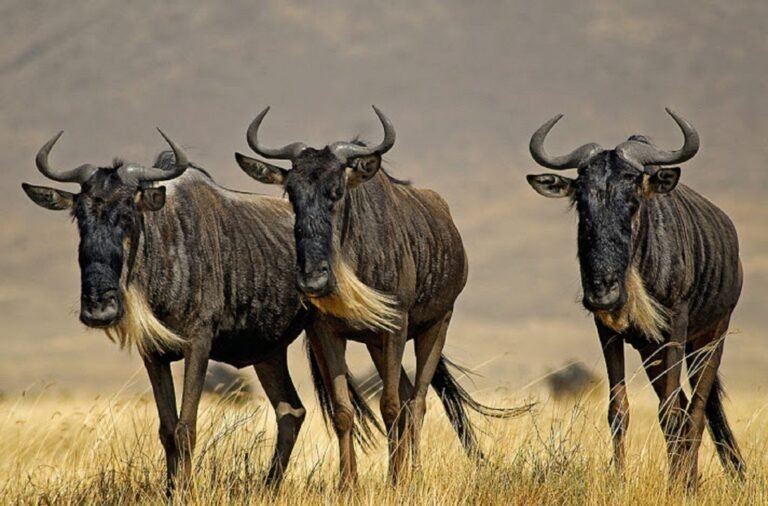
Nov 23, – 3 Day Serengeti And Ngorongoro Safari From Zanzibar
Nov 23, 2026 – 3 Day Serengeti and Ngorongoro Safari from Zanzibar.
View package details_1_John_from-rednote-web-768x1024.jpg)
Dec 13, – 2 Day Nyerere Fly-In Group Safari From Zanzibar 2026
A detailed guide to the December 13, 2026 group fly-in safari from Zanzibar to Nyerere National Park, covering the itinerary, logistics, and planning for your trip.
View package details
Dec 5, – 1 Day Mikumi Fly-In Group Safari From Zanzibar 2026
A practical guide to the December 5, 2026, group fly-in safari to Mikumi National Park. Learn about the itinerary, group logistics, and how to book your seat.
View package details
Nov 15, – 2 Day Mikumi Fly-In Group Safari From Zanzibar 2026
A practical guide and booking overview for the November 15, 2026, group fly-in safari to Mikumi National Park, departing from Zanzibar.
View package details
Oct 25, – 1 Day Nyerere Fly-In Group Safari From Zanzibar 2026
Secure your spot for the October 25, 2026, group fly-in safari to Nyerere National Park. A professional, time-efficient wildlife experience from Zanzibar.
View package detailsNo related package matches those filters. Clear one or more filters to see the other topic-matched options.