
The best Tanzania safari packages for Australian travellers seeking both wildlife and beach experiences in 2026-2027 typically involve a combination of Northern Circuit game drives (Serengeti, Ngorongoro Crater, Tarangire) followed by several days on Zanzibar island. Popular durations range from 7 to 14 days, with options for private or small group tours catering to different budgets and interests. Key decisions involve choosing safari duration, accommodation style (lodges vs. tented camps), and the specific Zanzibar activities you wish to enjoy.
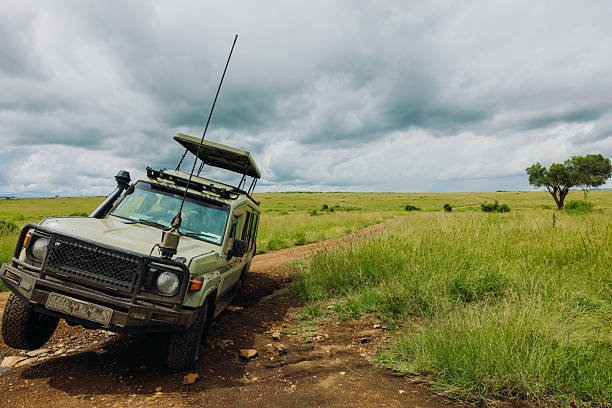
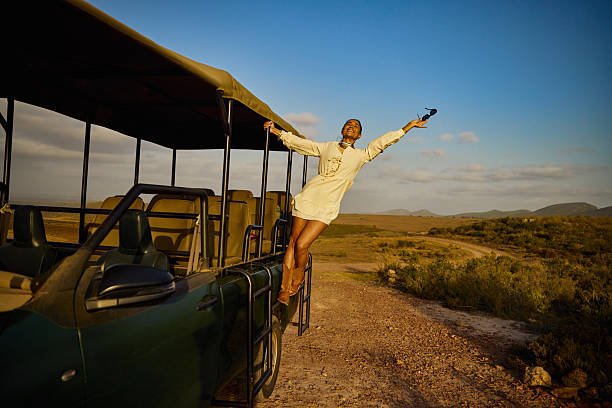
Planning Your Tanzania Safari and Zanzibar Trip from Australia: A Specialist’s Guide
For Australian travellers dreaming of an African adventure that combines the thrill of world-class wildlife viewing with the serene beauty of tropical beaches, Tanzania stands out as a premier destination. The iconic Serengeti, the Ngorongoro Crater, and the spice-scented island of Zanzibar offer a perfect duality. Crafting the ideal Tanzania safari package for Australians with Zanzibar requires careful consideration of timing, itinerary flow, accommodation, and logistical nuances. This guide aims to provide that essential local insight, helping you navigate the options for your 2026-2027 travels.
As a local operator deeply familiar with the intricacies of Tanzanian travel, we understand the specific questions and preferences Australian travellers often have. You’re looking for authentic experiences, reliable logistics, excellent value, and a journey that balances adventure with relaxation. This is precisely what we specialise in delivering. Let’s break down how to find and book the best Tanzania safari packages for Australian travellers with Zanzibar.
Understanding the Core Components: Safari & Zanzibar
A typical, highly recommended itinerary for Australian visitors combines two distinct, yet complementary, experiences:
The Tanzania Safari Experience
This is the heart of your adventure. The Northern Circuit is the most popular and for good reason. It offers exceptional wildlife density and variety within relatively accessible distances.
- Serengeti National Park: Famous for the Great Migration, vast plains, and incredible predator-prey interactions. This is where you’ll spend a significant portion of your safari time. The sheer scale and wildlife abundance are unparalleled.
- Ngorongoro Conservation Area & Crater: A UNESCO World Heritage Site, the crater floor is a caldera teeming with wildlife, including the Big Five. Its unique ecosystem provides a concentrated wildlife viewing experience that is often a highlight.
- Tarangire National Park: Known for its large elephant herds, baobab trees, and diverse birdlife, particularly impressive during the dry season.
- Lake Manyara National Park: Famous for its tree-climbing lions and diverse birdlife, offering a different landscape with its alkaline lake.
The Zanzibar Beach Experience
After the dust and excitement of the safari, Zanzibar offers a complete change of pace. It’s an archipelago off the coast, known for its stunning white-sand beaches, turquoise waters, rich history, and vibrant culture.
- Stone Town: A UNESCO World Heritage Site, offering a glimpse into Zanzibar’s complex past with its labyrinthine alleys, historic buildings, and bustling markets.
- Northern Beaches (Nungwi & Kendwa): Popular for their powdery white sand, clear waters, and spectacular sunsets. Ideal for swimming and relaxation.
- Eastern Beaches (Paje & Jambiani): Known for kite surfing, vibrant local life, and beautiful coral reefs.
- Southern Beaches (Kizimkazi): Famous for dolphin watching tours, though ethical considerations are important here.
Structuring Your Tanzania Safari Package for Australians
The flow of your trip is crucial for maximising enjoyment and minimising travel fatigue. Most Australian travellers opt for a logical progression:
Typical Itinerary Flow
- Arrival in Arusha: Usually via Kilimanjaro International Airport (JRO). This is the gateway city for Northern Circuit safaris. You’ll typically spend a night here to rest and prepare.
- Safari Phase (4-7 days is common): This involves moving between the key parks mentioned above. The exact order can vary, but a common sequence might be Tarangire, Ngorongoro Crater, and then Serengeti.
- Flight to Zanzibar: After your safari, you’ll typically fly from a local airstrip in the Serengeti or from Arusha Airport (ARK) directly to Zanzibar (ZNZ).
- Zanzibar Phase (3-5 days is common): Spend time exploring Stone Town and relaxing on the beaches.
- Departure: Fly out from Zanzibar (ZNZ) or back to Kilimanjaro (JRO) or Dar es Salaam (DAR) for your international flight home.
Duration Considerations
For Australian travellers, a good balance is key, especially given the long flight times to Tanzania.
- 7-9 Days: A condensed version, focusing on 2-3 key safari locations (e.g., Ngorongoro & Serengeti) and 2-3 days on Zanzibar. This is suitable for those with limited time but still offers a substantial experience.
- 10-12 Days: A more comprehensive safari (e.g., Tarangire, Ngorongoro, Serengeti) combined with 3-4 days on Zanzibar. This allows for a more relaxed pace and deeper exploration.
- 14+ Days: This allows for a more in-depth safari, perhaps including Lake Manyara or an extended stay in the Serengeti, alongside a generous 4-5 days or more on Zanzibar. It also provides buffer time for travel.
Given the significant travel involved from Australia, we generally recommend a minimum of 10 days to truly appreciate both the safari and Zanzibar elements without feeling rushed. For 2026-2027 bookings, planning for at least 12 days will offer a much richer experience.
Choosing Your Safari Style: Private vs. Group Departures
This is one of the most significant decisions impacting your experience and budget. Both have distinct advantages.
Private Safaris
What it is: Your own dedicated 4×4 safari vehicle with a private guide, and your own itinerary tailored to your pace and interests. You travel exclusively with your chosen companions.
Pros for Australians:
- Flexibility: You set the pace, decide how long to spend at sightings, and can request deviations (within reason).
- Personalised Guiding: Your guide focuses solely on your group, learning your interests and tailoring explanations.
- Comfort & Privacy: Your own space in the vehicle, especially valuable on long game drives.
- Ideal for Families/Groups: Ensures everyone is on the same schedule and has a comfortable experience.
Cons:
- Higher Cost: The primary drawback. You bear the full cost of the vehicle, guide, and associated park fees.
Who it suits: Travellers prioritising flexibility, privacy, and a personalised experience, and those with a higher budget. It’s excellent for families with children or groups of friends travelling together.
Small Group Safaris
What it is: You join a pre-set departure date with a small group of other travellers (typically 4-7 people) sharing a 4×4 vehicle and guide. The itinerary is fixed, but the group size is kept small for a more intimate feel.
Pros for Australians:
- Cost-Effective: Significantly more affordable as costs are shared among the group. This is a major draw for many.
- Social Aspect: Opportunity to meet like-minded travellers from around the world.
- Expert Guiding: You still benefit from experienced guides and well-planned routes.
- Convenient Dates: Many fixed departure dates are available, simplifying planning for those with specific travel windows in 2026 or 2027.
Cons:
- Less Flexibility: You must adhere to the group’s schedule and pace.
- Shared Vehicle: While small, you are sharing the vehicle.
Who it suits: Solo travellers, couples, or friends looking for a more budget-friendly way to experience Tanzania’s parks, and those who enjoy a social travel dynamic. For those planning for 2026-2027, our shared departure dates offer excellent value.
For specific shared departure dates for 2026 and 2027, you can explore options here: Tanzania Safari Group Departures.
Accommodation Styles: From Luxury Lodges to Authentic Tented Camps
Your choice of accommodation significantly shapes the safari experience. Tanzania offers a wide spectrum:
Luxury Lodges
Description: These are permanent structures, often with solid walls, en-suite bathrooms, comfortable furnishings, and amenities like swimming pools, restaurants, and bars. They offer the highest level of comfort and service.
Pros: High comfort, excellent facilities, often stunning locations, security, and privacy.
Cons: Can be the most expensive option, sometimes feel less “in the bush” than tented camps.
Best for: Travellers seeking ultimate comfort, honeymooners, or those celebrating special occasions.
Tented Camps (Mid-Range to Luxury)
Description: These range from canvas tents on permanent platforms with en-suite bathrooms and proper beds to more basic, fly-camping setups. They offer a closer-to-nature experience while still providing comfort.
Pros: More authentic bush experience, often in prime wildlife locations, good balance of comfort and immersion.
Cons: Can be less soundproof than lodges, may have fewer amenities than high-end lodges.
Best for: Those wanting a genuine “safari feel” without sacrificing comfort. A popular choice for many Australian travellers.
Budget/Explorer Camps
Description: More basic tented accommodation, sometimes with shared bathroom facilities. These are geared towards offering a more affordable safari experience.
Pros: Significantly cheaper, allows for longer safaris on a tighter budget.
Cons: Basic amenities, less comfort, potentially shared facilities.
Best for: Budget-conscious travellers, backpackers, or those who prioritise game viewing time over accommodation luxury.
When booking your best Tanzania safari packages for Australian travellers with Zanzibar, it’s essential to clarify exactly what is included in the accommodation category. Some packages might use a mix, for example, lodges in certain parks and tented camps in others.
The Great Migration: Timing Your Safari for Peak Wildlife Viewing
For many, witnessing the Great Migration is a primary reason for visiting the Serengeti. The timing of this natural phenomenon dictates where the wildebeest and zebras are located throughout the year.
Migration Calendar (General Guide)
- January-March: Calving season in the southern Serengeti plains. Thousands of new calves are born. Excellent for predator sightings as lions, cheetahs, and hyenas are active.
- April-May: The migration begins to move north, often crossing the central Serengeti. This is the ‘green season’ with fewer tourists and lush landscapes, but roads can be challenging.
- June-July: The Grumeti River crossings in the western Serengeti. Witnessing the dramatic river crossings where crocodiles await is a highlight for many.
- August-October: The migration moves north towards the Mara River and into Kenya’s Maasai Mara. Mara River crossings are frequent and spectacular. This is peak season for safari.
- November-December: The migration moves back south into the central and eastern Serengeti, often following the rains.
Advice for Australians:
- If seeing the river crossings is paramount, aim for June-July (Grumeti) or August-October (Mara River). Be aware these are also peak tourist seasons, meaning higher prices and more vehicles.
- For calving season and predator action, January-March is ideal. It’s a quieter time.
- For a good balance of wildlife, fewer crowds, and reasonable weather, consider the shoulder seasons like late May to early June or November.
When planning for 2026 or 2027, book your migration-focused safari well in advance, especially for the peak crossing months. Availability for prime lodges and camps, particularly those in migration hot spots, can be limited up to 12-18 months ahead.
Zanzibar: Beyond the Beaches
While the beaches are undeniably a major draw, Zanzibar offers much more. Integrating these elements enhances the overall experience.
Stone Town Exploration
Highlights:
- Wander through the narrow, winding streets.
- Visit the House of Wonders, the Old Fort, and the former Slave Market.
- Explore the vibrant Darajani Market.
- Experience the sunset from a rooftop cafe.
- Take a guided history and culture tour.
Duration: 1-2 nights is usually sufficient to get a good feel for Stone Town.
Spice Tours
What they are: Tours to local spice farms where you can see, smell, and taste exotic spices like cloves, nutmeg, cinnamon, vanilla, and pepper. Often includes a local lunch.
Why do it: Zanzibar is historically known as the ‘Spice Island’. It’s an educational and sensory experience.
Water Activities
- Snorkelling & Diving: Mnemba Atoll is a renowned spot for its coral reefs and marine life.
- Kite Surfing: Paje and Jambiani are world-class destinations, especially from June to October and December to March.
- Dhow Sunset Cruises: A relaxing way to enjoy the coast.
- Kayaking & Paddleboarding: Available in many beach areas.
Prison Island (Changuu Island)
A short boat trip from Stone Town, famous for its giant Aldabra tortoises and historical prison ruins.
Integrating Zanzibar: Most packages will include transfers from the airport, accommodation, and perhaps a Stone Town tour and a spice tour. Other activities are usually optional extras. For Australians, booking a package that includes smooth transfers between the safari and the island is highly advantageous.
Crafting Your 2026-2027 Tanzania Safari Package: Key Inclusions and Exclusions
When comparing packages, understanding what’s included is paramount to avoid unexpected costs and ensure a smooth trip.
Common Inclusions in Safari Packages:
- Accommodation: As per your chosen level (lodges, tented camps).
- Meals: Usually full board on safari (breakfast, lunch, dinner).
- Park Entrance Fees: These are substantial and a major part of the cost.
- Game Drives: In a 4×4 vehicle with a professional guide.
- Vehicle and Fuel: For the duration of the safari.
- Crater Fees: For entry into the Ngorongoro Crater.
- Bottled Water: During game drives.
- Airport Transfers: In Arusha.
- Internal Flights: Sometimes included (e.g., flight from safari airstrip to Zanzibar).
Common Exclusions:
- International Flights: From Australia to Tanzania and back.
- Visa Fees: For Tanzania.
- Travel Insurance: Essential and usually mandatory.
- Tips: For guides, drivers, lodge staff.
- Drinks: Alcoholic beverages and sometimes soft drinks with meals.
- Optional Activities: Hot air balloon safaris, walking safaris, cultural visits not part of the core itinerary.
- Personal Expenses: Souvenirs, laundry, etc.
- Accommodation in Arusha: Sometimes the first/last night is not included.
Zanzibar Package Inclusions:
- Accommodation: Beach resort or hotel.
- Meals: Often on a Bed & Breakfast or Half Board basis (breakfast and dinner). Full board or All-Inclusive options are available.
- Airport Transfers: In Zanzibar.
- Guided Stone Town Tour / Spice Tour: If selected.
Zanzibar Package Exclusions:
- Activities: Snorkelling trips, diving, water sports, etc.
- Lunch: If not on a Full Board or All-Inclusive plan.
- Drinks: Especially alcoholic beverages.
- Tips.
- International Flights: Or flights from mainland Tanzania.
Crucial Point for Australians: Always get a detailed itinerary and inclusions/exclusions list. For 2026-2027 bookings, confirm these details meticulously. We ensure transparency about what your package covers.
Logistics for Australian Travellers: Flights, Visas, and Health
Navigating the practicalities from Australia is a key part of the planning process.
International Flights
To Tanzania: Flights to Kilimanjaro International Airport (JRO) are the most common entry point for Northern Circuit safaris. Major airlines fly via hubs like Doha, Dubai, or Istanbul. Flights from Australia are long, typically 20-30 hours, often with one or two layovers.
From Zanzibar: You can fly out of Zanzibar (ZNZ) internationally, or take a short flight back to JRO or to Dar es Salaam (DAR) for your onward journey. Coordinating your return flight to Australia from the most convenient point is part of booking.
Booking Tip: Book international flights at least 6-9 months in advance, especially for 2026-2027 travel during peak seasons, to secure better fares.
Visas
Australian citizens require a visa for Tanzania. You can apply online in advance or obtain one on arrival at JRO. Applying online is recommended to save time. Check the official Tanzanian immigration website for the latest requirements and fees.
Health & Vaccinations
Consult your doctor or a travel clinic 4-6 weeks before your trip. Recommended vaccinations often include Hepatitis A, Typhoid, and Tetanus. Malaria prophylaxis is typically recommended for Tanzania, including Zanzibar. Yellow Fever vaccination may be required if arriving from a country with a risk of Yellow Fever transmission; check current regulations.
Travel Insurance
Mandatory. Comprehensive travel insurance is essential. Ensure it covers:
- Medical emergencies and evacuation (including remote areas).
- Trip cancellation and interruption.
- Lost or stolen baggage.
- Activities like game drives and snorkelling.
Recommendation: Look for policies that specifically cover safari activities.
Currency
The Tanzanian Shilling (TZS) is the local currency. US Dollars are widely accepted and often preferred for park fees and tour package payments. Carry a mix of USD (newer bills, issued after 2009) and local currency for smaller purchases. ATMs are available in major towns like Arusha and Stone Town.
Best Time to Travel: Weather Patterns for Safari and Zanzibar
Tanzania has distinct seasons, and understanding them helps in choosing the best time for your best Tanzania safari packages for Australian travellers with Zanzibar.
Safari Seasons
- Dry Season (June to October): This is peak safari season. The weather is generally sunny and pleasant. Wildlife congregates around water sources, making them easier to spot. Vegetation is less dense. This is also the busiest and most expensive time.
- Short Rains (November to mid-December): A transitional period. Green landscapes return, birdlife is abundant, and there are fewer tourists. Wildlife viewing is still good.
- Long Rains (mid-March to May): The ‘green season’. Landscapes are lush and beautiful. Calving season for wildebeest occurs (Jan-Mar). This is the low season, offering lower prices and fewer crowds, but some park roads can be challenging.
Zanzibar Seasons
- Dry Seasons (June to October, December to February): Ideal for beach holidays. Sunny skies, low humidity, and pleasant temperatures. December-February is peak season for Zanzibar, aligning with European holidays.
- Rainy Seasons (March to May, November): March-May sees the ‘long rains’ which can be heavy and prolonged. November brings the ‘short rains’, usually less intense but can include brief showers. These periods offer lower prices and fewer crowds but with a higher chance of rain impacting beach time.
Recommendation for Australians:
- For a combination of good safari and beach weather, June to October is excellent.
- December to February is also very good, offering warm weather for both, though it’s a busier and pricier time.
- For budget-conscious travellers seeking fewer crowds, consider the shoulder months like November or late May/early June, accepting a slightly higher chance of mixed weather.
When planning for 2026-2027, consider these seasons carefully. Booking during shoulder seasons can offer a great balance of experience and value.
Customising Your Package: Tailor-Made Options
While standard packages are excellent, many Australian travellers prefer to customise their trips. This is where working with a local operator like Climb 4 Africa becomes invaluable.
What Can Be Customised?
- Itinerary Length: Add or remove days in parks or on Zanzibar.
- Park Combinations: Focus on specific parks based on your interests (e.g., more time in Serengeti for migration).
- Accommodation: Mix and match lodges and tented camps.
- Activities: Include hot air balloon safaris, walking safaris, cultural visits, or specific water sports.
- Pace: Ensure the itinerary allows for relaxed mornings or more time at specific sightings.
- Dietary Requirements: We cater to specific needs, but advance notice is essential.
How to Customise:
The best way is to contact us directly. Share your:
- Desired travel dates (including flexibility).
- Budget range.
- Interests (e.g., photography, birdwatching, specific animals, relaxation).
- Preferred accommodation style.
- Number of travellers.
We can then propose a tailor-made itinerary that perfectly matches your vision for the best Tanzania safari packages for Australian travellers with Zanzibar for 2026 or 2027.
For personalised assistance, reach out via WhatsApp: +255 747 477 898 or email: climb4africa@gmail.com.
Cost Considerations for Your Tanzania Safari and Zanzibar Trip
The cost of a Tanzania safari and Zanzibar package can vary significantly. Generally, expect:
Budget Safari Packages
- Price Range (per person, per day): USD $250 – $400
- Accommodation: Basic tented camps, sometimes shared facilities.
- Vehicle: Often shared 4x4s, sometimes older models.
- Meals: Full board, but potentially simpler options.
- Best for: Budget travellers, backpackers.
Mid-Range Safari Packages
- Price Range (per person, per day): USD $400 – $700
- Accommodation: Comfortable tented camps and mid-range lodges.
- Vehicle: Well-maintained 4x4s, often private options available.
- Meals: High-quality full board.
- Best for: Most travellers seeking a good balance of comfort, experience, and value.
Luxury Safari Packages
- Price Range (per person, per day): USD $700 – $1500+
- Accommodation: High-end lodges and luxury tented camps, often with premium amenities.
- Vehicle: Private, premium 4x4s, often with added services.
- Meals: Gourmet dining, extensive drink selections.
- Best for: Travellers seeking top-tier comfort, exclusivity, and service.
Zanzibar Add-on Costs
Adding Zanzibar typically adds USD $100 – $300+ per person per day, depending on accommodation and meal plan (B&B, Half Board, Full Board, All-Inclusive).
Factors Influencing Price:
- Duration: Longer trips cost more overall.
- Accommodation Level: Luxury lodges are significantly more expensive than basic camps.
- Vehicle Type: Private vehicles are more costly than shared ones.
- Time of Year: Peak season (June-Oct, Dec-Feb) is more expensive.
- Inclusions: What park fees, internal flights, and activities are included.
For 2026-2027: Prices are generally expected to remain stable but might see slight increases due to inflation and demand. Booking early, especially for peak seasons, is advisable to lock in rates and availability. A 10-12 day safari and Zanzibar package for Australians could range from USD $4,000 to $8,000+ per person, excluding international flights.
Why Choose Climb 4 Africa for Your Tanzania Safari and Zanzibar Trip?
As a local Tanzanian operator, we offer distinct advantages for Australian travellers:
- Local Expertise: Deep knowledge of the parks, wildlife, and culture. We know the best guides and optimal times to visit.
- Value for Money: We cut out intermediary agents, passing savings onto you while maintaining high service standards.
- Personalised Service: We build relationships with our clients, tailoring trips to individual needs.
- Practical Support: From initial enquiry to your return flight, we provide smooth logistics and on-the-ground support.
- Commitment to Quality: We partner with reputable lodges and camps, and our guides are highly trained and experienced.
We are passionate about showcasing the magic of Tanzania and ensuring our Australian guests have an unforgettable experience. Whether you’re planning for 2026 or 2027, we are ready to help you craft the perfect journey.
Ready to plan your dream Tanzania safari and Zanzibar holiday? Get in touch with our expert team:
WhatsApp: +255 747 477 898
Email: climb4africa@gmail.com
Let us help you create the best Tanzania safari packages for Australian travellers with Zanzibar, ensuring every detail is handled for a truly remarkable adventure.
“,
“faq_schema”: [
{
“question”: “What is the best time of year for Australians to visit Tanzania for a safari and Zanzibar trip in 2026-2027?”,
“answer”: “The best time for Australians to combine a Tanzania safari with Zanzibar is typically from June to October, offering dry weather for game viewing and pleasant conditions for the beach. December to February is also good but busier and pricier. For fewer crowds and potentially better value, consider the shoulder seasons like November or late May/early June, accepting a slightly higher chance of mixed weather.”
},
{
“question”: “How long should an ideal Tanzania safari and Zanzibar package be for Australian travellers?”,
“answer”: “Given the long travel times from Australia, a minimum of 10 days is recommended for a safari and Zanzibar trip. A 12-14 day itinerary allows for a more relaxed pace, deeper exploration of safari parks like the Serengeti and Ngorongoro, and ample time to enjoy Zanzibar’s beaches and culture.”
},
{
“question”: “What are the main differences between private and group safari packages for Australians?”,
“answer”: “Private safari packages offer exclusive use of a 4×4 vehicle and guide, providing maximum flexibility and a personalised experience, but at a higher cost. Group safari packages are more budget-friendly as costs are shared among travellers, with fixed departure dates and itineraries. Both offer excellent wildlife viewing.”
},
{
“question”: “Are park fees included in typical Tanzania safari packages?”,
“answer”: “Yes, reputable safari packages, especially those for international travellers like Australians, should always include national park entrance fees and crater service fees (for Ngorongoro). These are significant costs, and their inclusion is a key indicator of a comprehensive package.”
},
{
“question”: “What is the typical cost range for a 10-12 day Tanzania safari and Zanzibar package for Australians in 2026-2027?”,
“answer”: “Excluding international flights, a 10-12 day mid-range Tanzania safari and Zanzibar package for Australians typically ranges from USD $4,000 to $8,000 per person. This price varies based on accommodation style (mid-range lodges/tented camps), whether it’s a private or shared safari, and the specific inclusions.”
},
{
“question”: “Do I need a visa for Tanzania as an Australian citizen?”,
“answer”: “Yes, Australian citizens require a visa for Tanzania. You can apply for this online in advance through the official Tanzanian immigration website, or obtain one upon arrival at Kilimanjaro International Airport (JRO). Applying online is generally recommended for efficiency.”
}
]
}
“`
Check Availability for Best Tanzania Safari Packages For Australian Travellers With Zanzibar
Ready to compare dates, prices, and the best option for your group? Send the package name and travel month so the team can reply with a clear quote, availability, and what is included.

Serengeti Safari And Zanzibar Beach Holiday: The Ultimate Tanzania
Combine the thrill of a Serengeti safari with the relaxation of a Zanzibar beach holiday. This guide covers everything you need to know for an unforgettable Tanzania adventure in 2026-2027...
View package details
Tanzania Safari And Zanzibar All-Inclusive Packages Guide
Combine the thrill of a Tanzanian wildlife safari with the serene beauty of Zanzibar on an all-inclusive package. This comprehensive guide covers everything you need to know for planning...
View package details
Tanzania Safari And Zanzibar Packages /: Your Complete Guide 2026-2027
Explore the best Tanzania safari and Zanzibar packages for 2026-2027. This comprehensive guide covers itinerary options, wildlife highlights, beach relaxation, and booking considerations to...
View package details
10-Day Tanzania Safari And Zanzibar Beach Holiday: Your Ultimate Itinerary
Combine the thrill of a Tanzania safari with the relaxation of Zanzibar for an unforgettable 10-day adventure. This itinerary balances iconic wildlife viewing with stunning tropical...
View package details
Safari From Zanzibar: Best Packages, Prices & Parks For 2026-2027
Combining a Zanzibar beach holiday with a Tanzania safari is a dream for many travelers. This guide details the best safari packages from Zanzibar, covering essential planning, park...
View package details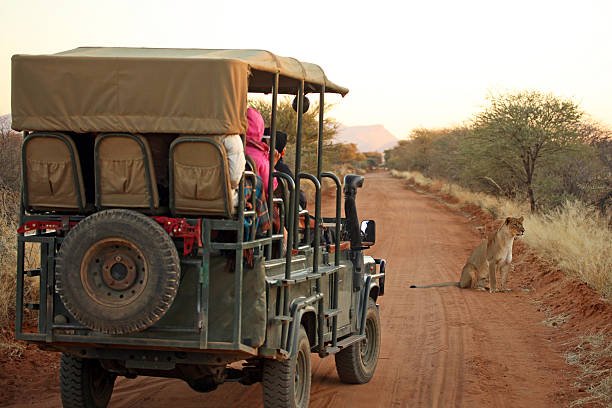
Zanzibar To Mikumi Safari: Flights, Prices And Itinerary Guide
Transition from the spice-scented beaches of Zanzibar to the wildlife-rich plains of Mikumi National Park. This guide details flight logistics, cost considerations, and sample itineraries...
View package details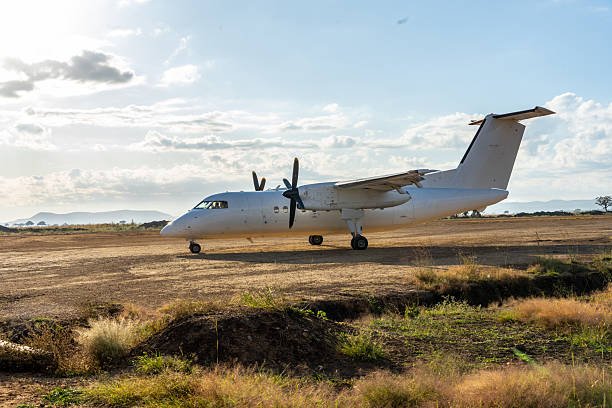
Zanzibar To Nyerere Safari Packages 2026-2027
Zanzibar to Nyerere Safari Packages is explained with current 2026-2027 planning, price, itinerary and booking information.
View package detailsZanzibar To Serengeti Safari Packages 2026-2027
Zanzibar to Serengeti Safari Packages is explained with current 2026-2027 planning, price, itinerary and booking information.
View package details3-Day Safari From Zanzibar 2026-2027
3-Day Safari From Zanzibar is explained with current 2026-2027 planning, price, itinerary and booking information.
View package details
2-Day Safari From Zanzibar: Your Quick Wildlife Escape In 2026-2027
Looking for a short, impactful wildlife adventure without a long trip? A 2-day safari from Zanzibar is your perfect solution. This guide covers the best options, what to expect, and how to...
View package detailsBest Family-Friendly Resorts In Tanzania For Unforgettable Adventures
Planning a family adventure in Tanzania? This guide highlights the best family-friendly resorts offering incredible wildlife viewing, cultural experiences, and comfortable stays for all...
View package detailsWildlife And Nature Titles: Your Ultimate Guide To Tanzanias Best Experiences
This comprehensive guide explores the most sought-after wildlife and nature titles in Tanzania, from iconic safari destinations and Kilimanjaro treks to the tropical allure of Zanzibar...
View package detailsNo related package matches those filters. Clear one or more filters to see the other topic-matched options.



