
If you want to Climb Mount Kilimanjaro on Christmas Day 2026 on an 8-day Lemosho itinerary, plan on an itinerary that starts six to eight days before the target summit day so the climb’s summit push coincides with 25 December; confirm exact departure slots and group availability with Climb 4 Africa — dates and spaces for holiday climbs must be verified before booking.
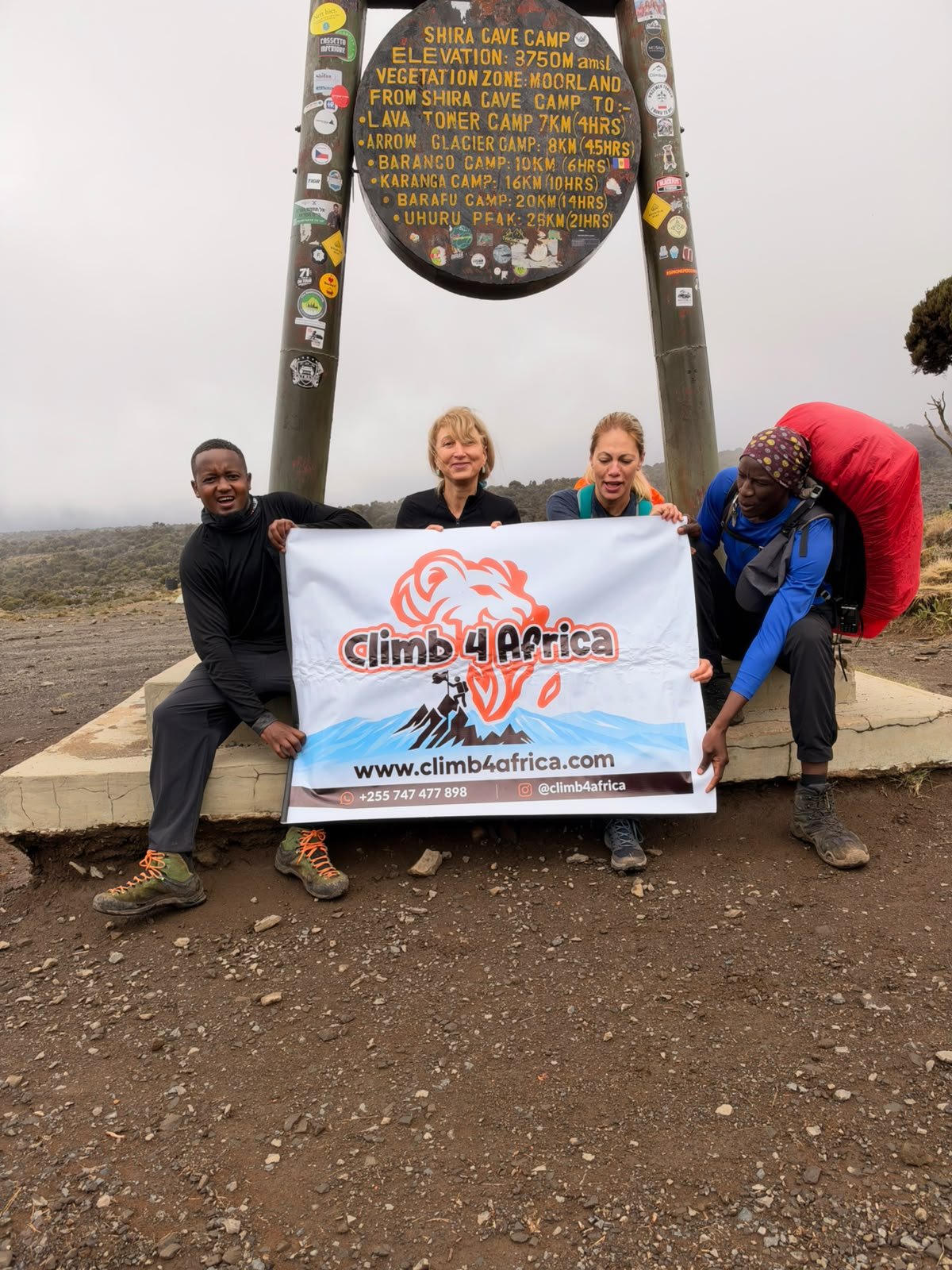
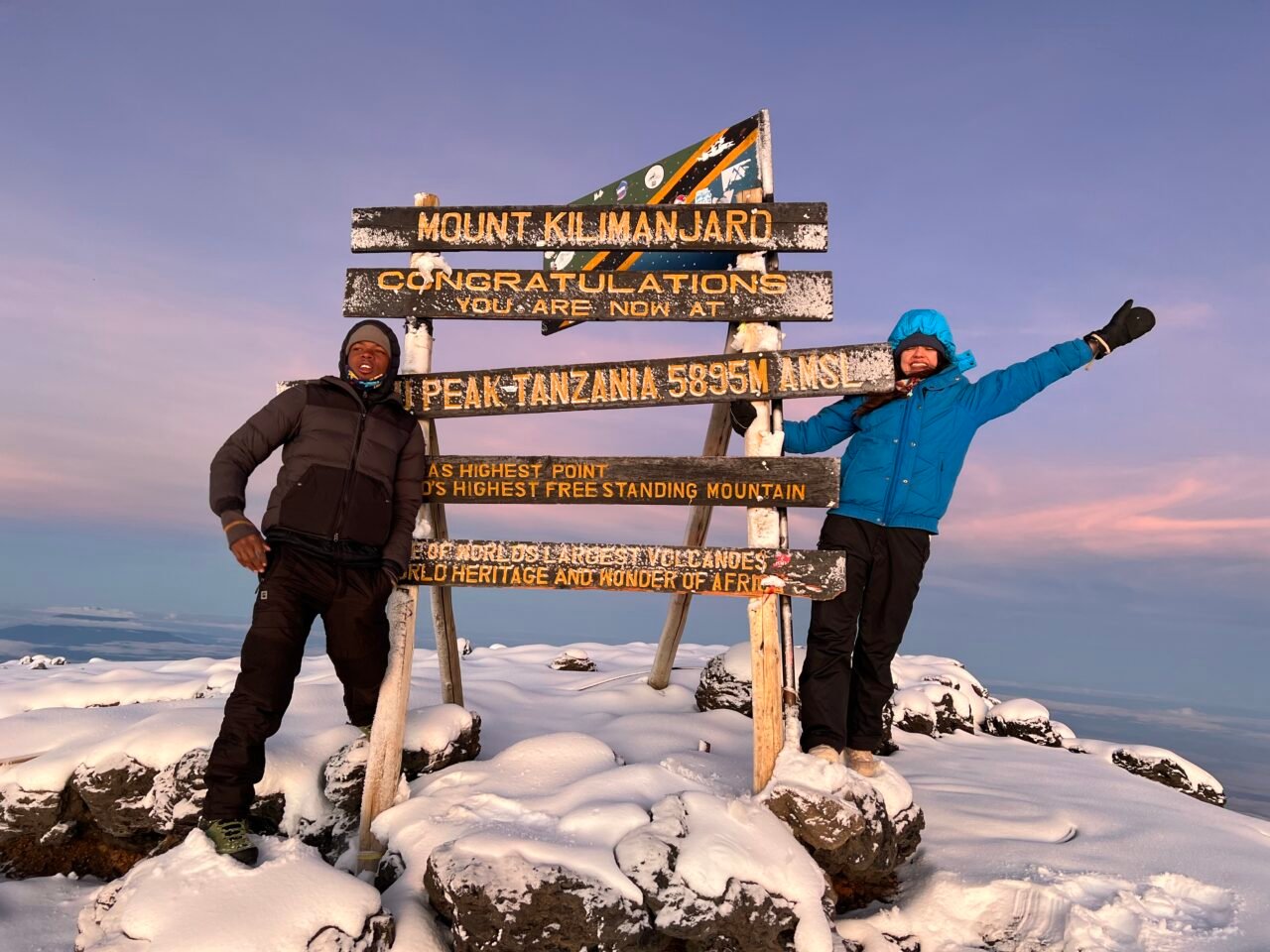
Why choose the 8 Days Lemosho if you aim to summit on Christmas Day 2026?
The 8 Days Lemosho route is designed to prioritise acclimatisation while offering scenic variety: wide forested approaches, the Shira Plateau, a high-acclimatisation day on the southern circuit, and the classic Western Breach/Barafu approach depending on the variant used by your operator. If your objective is to Climb Mount Kilimanjaro on Christmas Day 2026, the Lemosho itinerary gives the flexibility to arrange the summit night for 24–25 December while keeping acclimatisation days that improve summit success rates compared with shorter routes.
How the calendar fits: planning reverse from Christmas Day
Start by deciding whether you want the summit on the night of 24–25 December (a common practice so you reach the crater rim or Uhuru Peak on 25 December morning). For an 8-day Lemosho climb this typically means a departure from Moshi or Arusha six to seven days prior. Because operator schedules and confirmed group departures change, treat the itinerary below as a sample plan that you must align with Climb 4 Africa’s confirmed departure dates and availability for December 2026.
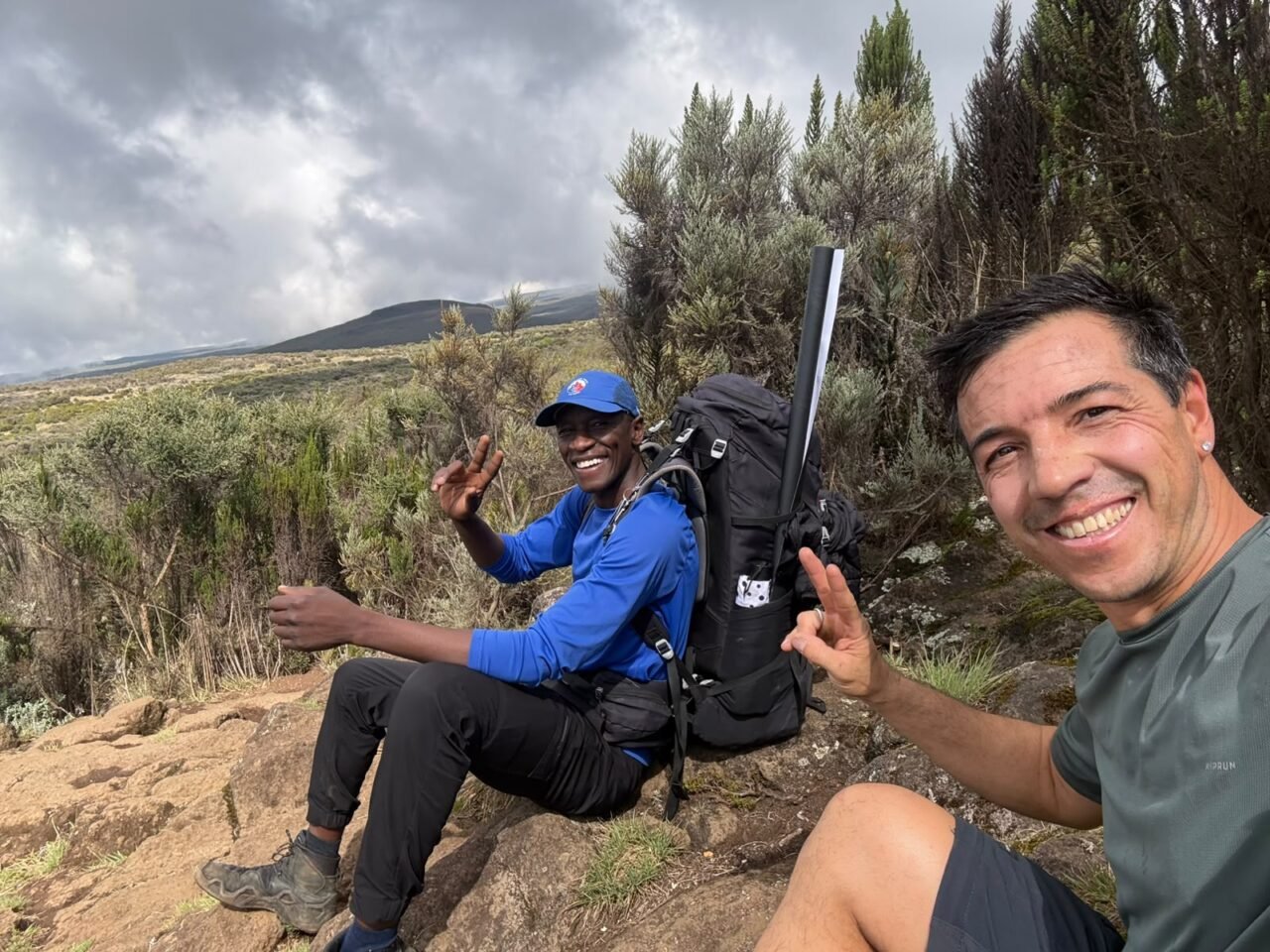
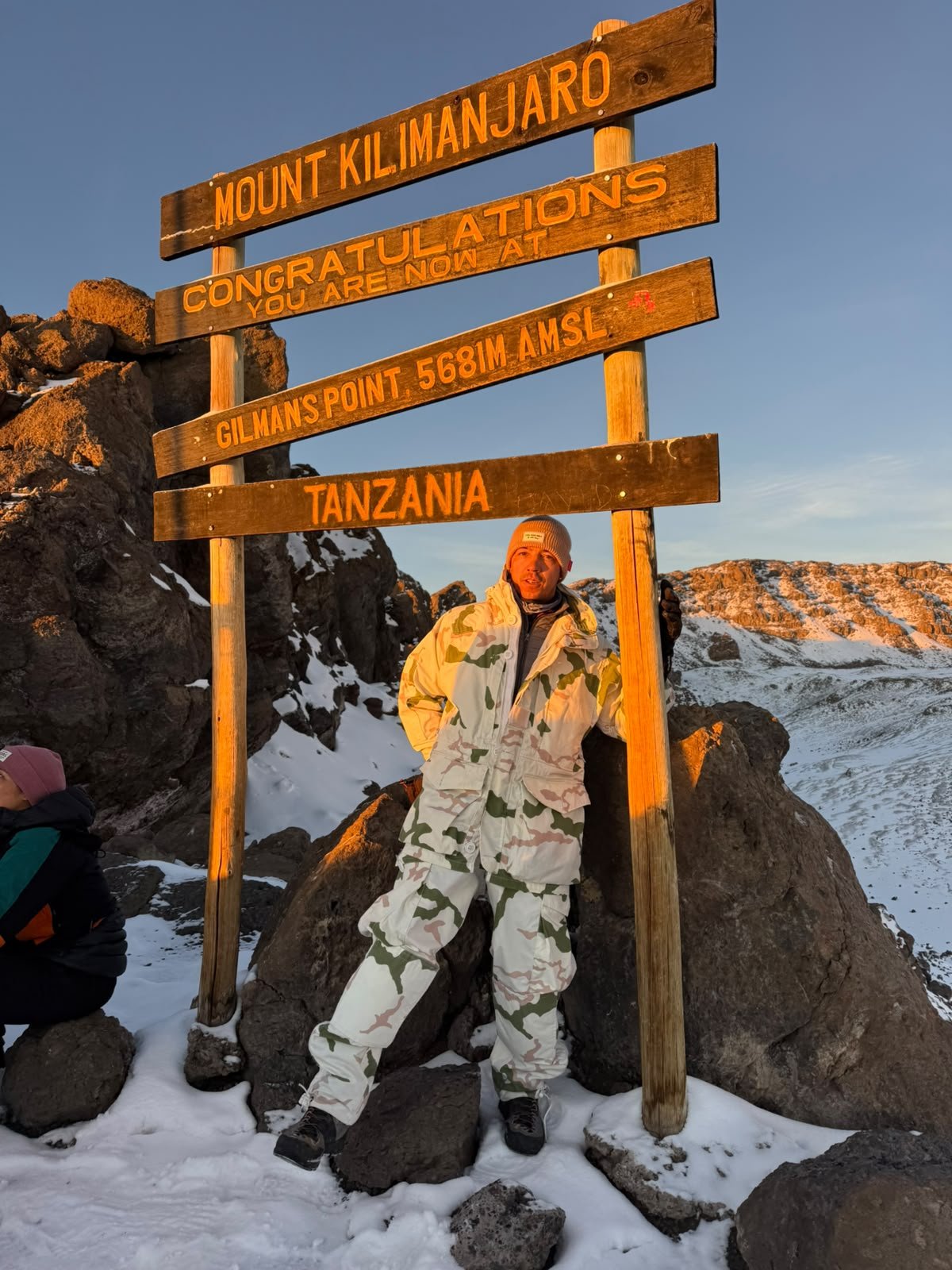
Itinerary — day-by-day sequence for an 8-day Lemosho climb timed for Christmas summit
Day 1 — Arrival and transfer to Kilimanjaro national park gate (Mosi-oa-Tunya to Londorossi or similar)
Day one is the logistical start: meet your Climb 4 Africa representative in Moshi/Arusha, check kit, complete park formalities and transfer to the Lemosho trailhead. Expect a short drive to the gate and then an initial hike into montane forest for your first camp. The emphasis is low exertion: eat well, hydrate, and attend a briefing that covers weather, safety, evacuation points and radio communications.
Day 2 — Forest walking to Shira 1 (gradual gain)
From the forest you move up to the Shira plateau. Terrain becomes more open, views widen, and the walking day is longer but with a steady gradient. This day begins the physiological ascent: you should keep a measured pace, take scheduled tea breaks and drink at least 3–4 litres. Your sleeping altitude increases modestly to begin acclimatisation.
Day 3 — Shira Plateau to Shira 2 or Barranco approach (route variant dependent)
On day three the route crosses the plateau; some itineraries move toward the Lemosho ridge while others head to moorland areas near Shira 2. This day is often easier on the knees but mentally demanding because of exposure and wind. Climb 4 Africa will confirm the exact camp site; carry essential clothing and water treatment as briefed at the start.
Day 4 — Shira to Lava Tower and descent to Barranco Camp (acclimatisation profile)
This is a classic acclimatisation sequence: a long walk to Lava Tower (approximately 4600m) followed by a descent to Barranco Camp. The ascent to Lava Tower exposes you to higher altitude for several hours, then descending allows better sleep at a lower elevation — a schedule deliberately structured to enhance acclimatisation before the high push. Expect mixed terrain with volcanic scree and rocky sections.
Day 5 — Barranco Wall and Karanga Valley (technical steps and energy management)
Day five includes the Barranco Wall: not technical climbing but steep, exposed scrambling where careful footwork and paced breathing matter. After the wall the trail traverses alpine desert towards the Karanga Valley; this day sets you up for the final approach and conserves strength for the long summit night. Evening briefings will cover your summit start time, typically late evening on day seven if you are targeting a 25 December summit.
Day 6 — Karanga to Barafu Camp (final pre-summit staging)
From Karanga you gain the last major camp at Barafu (or equivalent high camp used by the operator). This is the final daytime climb; keep energy intake high and rest in the afternoon. The sleeping period is short and cold ahead of the summit night. Your guides will check your health signs and may adjust the summit start time based on weather and group status.
Day 7 — Summit night: Barafu to Stella Point and descent to Mweka (the summit push)
The summit night is the longest and most demanding shift. Depart Barafu late (often around midnight) for the slow, step-by-step ascent to Stella Point on the crater rim, then across the rim to Uhuru Peak. Summit timings depend on group pace; reaching the top in the early morning of 25 December places you at the peak on Christmas morning. After the summit most itineraries descend to Mweka via a long, tiring day or split the descent to an intermediate camp. Expect 10–16 hours from start to final lower-camp rest.
Day 8 — Mweka
Day 8 — Mweka to Park Exit and Transfer back to Moshi/Arusha
The final day on an 8 Days Lemosho itinerary timed to summit on Christmas Day 2026 is deceptively important: after the long summit push and a heavy descent, your body needs careful handling and the logistics of park exit, paperwork and onward travel must be executed efficiently. On arrival at Mweka Camp (or the lower Mweka Gate, depending on your operator’s plan), the routine is straightforward but methodical.
After breakfast and a final camp pack-up, your guides will complete the Kilimanjaro National Park exit formalities at Mweka Gate. This involves signing out with the park rangers and verifying each climber against the daily register. Expect a short walk from the camp to the gate if you slept higher and descended later in the day; if you descended directly to the gate the previous evening, early morning activities will be minimal.
Most operators organise a short celebratory photo and issue a summit certificate on-site or at their office in Moshi. The physical certificate is handled by the operator — some present a printed certificate at the gate, while others provide a scanned/emailed copy later. Confirm with Climb 4 Africa (or your chosen provider) how they deliver certificates so you know whether to expect a paper copy at the gate or a digital file after you return to town.
Transport from Mweka Gate back to Moshi or Arusha is typically by 4×4 vehicle on dirt roads; transfer times vary but generally take 1–2 hours to reach Moshi. The vehicle will collect climbers at the gate and bring you to the agreed drop-off point. Bring a small daypack for this transfer with clean layers, your summit photograph-ready clothing and any basic medical needs: blister plasters, simple analgesics and electrolyte drinks. Your main duffel will usually have been transported separately by the crew, but confirm luggage handover times to avoid delays.
Plan to arrive back in Moshi by mid- to late afternoon. On day eight you will want low-key recovery arrangements: a hot shower, a comfortable bed and a simple, carb- and protein-rich meal. If you expect onward international travel within 24–36 hours, schedule an extra night in Moshi or Arusha to allow for rest and to reduce risk from delayed flights. Many climbers book a return night at a local hotel or lodge specifically for post-climb recovery.
Post-climb logistics, recovery and contingency planning
After the ceremonial end of the climb, there are a handful of operational and health-related follow-ups that matter for a Christmas-summit plan.
- Medical check and altitude monitoring: Even if you reached Uhuru Peak, residual symptoms of altitude exposure (headache, fatigue, nausea) can persist for 24–48 hours. Your guides should have performed basic checks during descent; if you have any concerning signs — persistent severe headache, dizziness, chest pain or breathing difficulties — seek immediate medical attention in Moshi. Local clinics can handle routine post-altitude assessments; emergency evacuation services exist but require coordination through your operator.
- Luggage, tips and crew formalities: Confirm where/when to collect your main bag and any personal items left at base. Most operators schedule a tip-giving ceremony before leaving the mountain or at the hotel in Moshi; plan a cash gratuity in Tanzanian shillings and discuss recommended amounts with your agent before departure.
- Travel onward and flight connections: If you have flights within 48 hours, leave buffer time for airport transfers and unexpected delays. Kilimanjaro Airport (JRO) transfers from Moshi typically require 45–90 minutes depending on traffic and your hotel location. Consider a same-day domestic connection only if you feel fully recovered and your travel insurance covers post-altitude flight-related contingencies.
- Recovery protocol: Hydration, sleep and gentle nutrition are the pillars. Prioritise fluids (electrolyte drinks), foods rich in complex carbohydrates and protein, and a full night’s sleep. Avoid heavy alcohol and strenuous activity for at least 48 hours after summiting. If you have ongoing soreness or blisters, basic clinic services in Moshi can provide dressing changes and minor wound care.
- Contingency if summit delayed: In December high-season, weather or group fitness can force schedule changes. If an operator postpones the summit from the planned 24–25 December slot, ask about alternate summit night options, potential extra-day costs, and how that affects your holiday travel. Do not assume automatic refunds; clarify terms with Climb 4 Africa before booking.
For climbers who want to celebrate Christmas in style after summiting on 25 December, coordinate in advance with your operator or hotel for a post-climb meal or a late check-in package. Many lodges in Moshi offer a relaxed festive atmosphere — but availability is constrained during the holiday peak, so arrange this before leaving for the mountain.
Finally, ensure your travel insurance policy explicitly covers high-altitude trekking to 5895m and includes medical evacuation and repatriation. Keep emergency contact numbers for your operator, your country’s embassy, and local medical facilities saved in your phone and printed inside your passport case.
Completing an 8 Days Lemosho climb to aim for a Christmas Day summit is logistically rewarding but demands disciplined post-climb care. Treat Day 8 as part of the expedition: thorough exit formalities, deliberate recovery steps and clear plans for onward travel will let you enjoy the achievement safely.
What to do if the Christmas Day summit is delayed: a practical contingency plan
Even with the best planning, the single most important unanswered question for anyone aiming to Climb Mount Kilimanjaro on Christmas Day 2026 — 8 Days Lemosho is: what precisely should you do if weather, health or group fitness forces the summit to be postponed? This section gives a practical, operator-agnostic decision flow and a step-by-step checklist you can follow on the mountain and immediately after descent so you can protect your safety, your onward travel plans and your finances without relying on assumed promises.
Immediate steps on the mountain (within 0–24 hours of a postponed summit)
1. Confirm the decision and rationale. Ask your head guide to explain whether the postponement is due to group health/fitness, route conditions, or weather forecasts. A clear explanation helps you judge whether the delay will be short (one night) or likely longer.
2. Record the new proposed schedule. Request a revised itinerary in writing (photo of whiteboard, email via satellite device or paper copy) showing the next available summit night, the revised exit date, and any additional nights in camp or at base.
3. Check equipment and padding. If you are staying an extra night or more, conserve battery power for headlamps and devices, ration high-calorie snacks, and review clothing layering for potential cold nights. Confirm that extra fuel, food and sleeping bags are available through your operator.
4. Communicate travel needs. Immediately inform your hotel in Moshi/Arusha and any onward transport providers (airport transfers, domestic flights) that your exit date may change. Even a brief message can improve rebooking options later.
Practical steps during descent and post-descent (within 24–72 hours)
1. Reconfirm transport and accommodation reservations. If the summit delay forces you to miss a pre-booked flight or an onward tour, contact the providers through your agent and keep written records of all correspondence. Ask your Climb 4 Africa representative to provide formal documentation of altered exit dates—this helps with rebooking and insurance claims.
2. Use travel insurance proactively. Call your insurer’s emergency line as soon as you suspect a schedule change. Explain the situation, obtain the insurer’s reference number, and ask whether they will cover extra nights, rebooked flights or medical costs. Keep receipts and operator notes—the insurer will require proof.
3. Manage financial expectations locally. If extra guide/porter time is needed, confirm whether your operator will absorb those costs or bill you. Get a written estimate for any additional charges and a clear statement about included vs excluded items (meals, accommodation, tips). Do not assume automatic free extensions.
4. Health check and aftercare. If the postponement was due to altitude-related symptoms, ask for a guided medical assessment before attempting another summit night. Do not push for a summit if guides advise additional acclimatisation or descent—the marginal gain is not worth the risk.
Planning your next steps if the summit night cannot be rescheduled
1. Decide quickly whether to accept an alternate summit date or to abandon the summit attempt. Factors to weigh: remaining vacation time, flight change penalties, health status, and personal tolerance for risk. Use your operator’s experience—guides regularly calculate realistic windows for a second attempt.
2. If you must abandon the summit, obtain written confirmation outlining: the point reached on the mountain, the reason for cessation, and the exact exit date. This documentation is essential for both travel insurance and any refund claims with your operator.
3. Rebook flights and accommodation with documented proof. When changing flights, present airline agents with the operator’s written statement and your insurer’s reference (if using insurance). Airlines sometimes waive change fees in documented medical or force-majeure circumstances; documentation improves your chances.
4. Arrange recovery and medical follow-up. After a delayed summit attempt or forced descent, schedule a medical check in Moshi (clinic or hospital) before flying home if you experienced any concerning altitude symptoms—this protects your health and supports any insurance claims.
Communication checklist to keep on hand
- Operator contact card: head guide, office, booking agent (phone, email).
- Insurance emergency number and policy reference.
- Hotel and transfer booking references (Moshi/Arusha), with contact details.
- Photograph or screenshot of the revised itinerary and guide notes.
- Record of expenses: receipts for any extra nights, transfers, clinic visits.
How to reduce the chance of a delay affecting your holiday plans
Before departure, use these preventive steps: book flexible flights where possible; schedule at least 24–48 hours buffer in Moshi before international flights after your planned descent; verify that your travel insurance explicitly covers high-altitude trekking and trip disruption; and ask Climb 4 Africa about their protocol for holiday-season delays (typical staffing plans, extra-night availability). While operators cannot promise outcomes, these measures give you options if the summit night shifts away from Christmas Day.
Handling a postponed Christmas Day summit is primarily about clear communication, documentation and timely use of insurance and operator resources. Keep this contingency sequence printed and saved on your phone so you can act decisively if plans change on Kilimanjaro.
Post-climb recovery: physical and mental considerations
Even if you reached Uhuru Peak on Christmas Day 2026, the body remains in a state of physiological adjustment. Altitude sickness symptoms—such as headache, fatigue, nausea, or shortness of breath—can persist for up to 72 hours after descent. It is essential to avoid alcohol, caffeine, and strenuous activity for at least 24–48 hours. Drink plenty of water (3–4 liters per day) and consume light, easily digestible meals rich in carbohydrates and electrolytes. Avoid heavy, greasy foods, which can worsen nausea.
Medical monitoring is recommended. If you experienced any symptoms during the climb—especially at altitude—schedule a follow-up with a local clinic or hospital in Moshi. Climb 4 Africa may provide a list of recommended medical facilities. Bring your insurance card and any documentation from the climb (e.g., guide’s notes on summit attempts or delays). This ensures continuity in case you need to file a claim or seek treatment.
Logistical follow-up and documentation
After the climb, several administrative tasks must be completed to finalize your trip. First, confirm that all pre-booked flights, transfers, and accommodations are still valid. If your summit was delayed, you may have used an extra night in Moshi. If so, you must verify that your hotel has a confirmed reservation for the additional stay and that the cost is covered under your package. If not, you may need to pay a supplemental fee.
Next, review your travel insurance policy. Ensure that the claim for trip disruption or medical support is initiated promptly. Most policies require documentation such as a medical certificate, a written statement from your guide, and proof of flight changes or cancellations. Keep all receipts and correspondence related to these changes. Your operator can provide a formal letter of cancellation or delay if needed.
Final checklist: what to do after the climb
- Confirm hotel check-out time and transfer schedule to airport.
- Review flight details: ensure your departure is at least 24–48 hours after the climb to allow for full recovery.
- Verify that all gear has been returned and that no personal items were left behind.
- Collect and store all documentation: park exit form, guide’s notes, insurance claim forms, flight change receipts.
- Update your travel itinerary and share it with family or emergency contacts.
While the climb ends on Christmas Day, your journey back to normal life begins in earnest on this final day. The transition from high-altitude endurance to everyday recovery is delicate. By staying organized, prioritizing health, and maintaining clear communication with your operator, you ensure that your holiday concludes on a positive and secure note.
How to lock in a Christmas Day 2026 summit on the 8 Days Lemosho: booking, guarantees and operator coordination
The single most important practical question remaining for anyone planning to climb Mount Kilimanjaro on Christmas Day 2026 on an 8 Days Lemosho itinerary is not the route itself but how to convert your intent into a confirmed, resilient booking that makes the summit-night alignment—and reasonable contingency plans—real and enforceable. Below are the exact steps, negotiation points and documents to secure with your operator so the Christmas Day summit objective is actively managed rather than assumed.
Step 1 — Confirm departure windows and available group slots (do this early)
Because you must commence the 8 Days Lemosho so the summit-night falls on 24–25 December, start by asking your chosen operator (for example, Climb 4 Africa) for a list of confirmed departure windows in December 2026 and any private-group availability. Don’t accept verbal assurances: request written confirmation of the specific start date they will reserve for you and whether it is a private departure or part of a shared group. If the operator lists a provisional start date, ask what would trigger a change (minimum group size, guide availability, regulatory limits) and when they will convert provisionals to confirmed departures.
Step 2 — Get the booking terms you need (deposit, cancellation, changes)
When reserving a climb timed for a high-demand date like Christmas Day, pay particular attention to the booking contract. Ask for these clauses in writing:
- Exact start date and expected summit date tied to that start date (e.g., “8-day Lemosho starting 18 December 2026 with a planned summit night 24–25 December”).
- Deposit amount and final payment deadline.
- Cancellation and amendment policy specific to date changes—what penalties apply if you need to move off the confirmed start date, and what happens if the operator cancels for insufficient numbers or guide shortages.
- Operator obligations in event of weather or safety postponement: an explicit statement of rebooking options, refunds for missed arrangements, and the process for finding alternative summit windows where possible.
Having these provisions avoids ambiguity and reduces the risk that a postponed summit becomes your financial loss instead of an operational change.
Step 3 — Clarify the operator’s contingency and reserve options
Ask the operator to explain their contingency options in concrete terms: how many reserve guides and porters are assigned to the Christmas-week rotations; whether they hold one or more reserve slots on adjacent departures that could be used if a group must shift; and how they prioritise guests when multiple parties want the same summit slot. Insist that any offered contingency plan be documented—either as a contractual annex or a follow-up email—so you can rely on it when coordinating flights and post-climb plans.
Step 4 — Align travel logistics to the confirmed start date
Only buy international flights once your chosen 8 Days Lemosho start date and the operator’s cancellation/amendment terms are accepted. If you must buy flights early, choose options with flexible change terms or refundable tickets for the dates around Christmas. When your operator confirms the start date, immediately forward your flight and arrival information so they can schedule the transfer and confirm the trailhead pick-up.
Step 5 — Insurance and medical documentation
Your travel insurance must explicitly cover high-altitude trekking up to and beyond 5895m and include trip disruption, evacuation and medical repatriation. When you book, request written confirmation from the operator of the maximum altitude you’ll reach on the 8 Days Lemosho and the medical kit/procedures their guides carry. Keep a copy of that confirmation with your policy documents; some insurers require operator details when adjudicating claims after a delayed or missed summit night.
Step 6 — Pre-departure confirmation checklist (7–14 days before start)
- Obtain a written, dated itinerary from the operator showing start date, intended summit night (24–25 Dec), and the exact Lemosho variant to be used.
- Confirm guide and lead-guide names where possible; operators often update staffing but should provide lead contact for the climb.
- Ask for an emergency contact protocol and a named local office phone for the climb week.
- Verify that your accommodation in Moshi/Arusha on the evening before start and post-descent is reserved; get written confirmation if you paid extra nights.
- Check flight-inbound timing against the transfer pickup window and request acceptance of late arrival terms if your flight is delayed.
What to do if the operator cannot commit to a Christmas Day summit
If an operator cannot commit to your requested summit night in writing, you have three realistic choices: (1) seek a different operator who will provide a confirmed start date and contingency guarantees; (2) accept a provisional booking but buy flexible flights and insurance; or (3) book a private departure (if affordable) which most operators can guarantee provided they have the crew and permits. Any decision should weigh cost, flexibility of your holiday dates, and personal tolerance for last-minute changes.
Securing a Christmas Day summit on the 8 Days Lemosho requires the same care as booking a peak-season flight or high-value event: documented confirmations, contractual clarity on cancellation/amendment, and aligned travel insurance. Treat operator communications, not assumptions, as the binding plan, and keep a simple paper trail so that if weather or health forces a postponement, you can enact the contingency options you arranged in advance.
Related Guides and Packages
Check Availability for Climb Mount Kilimanjaro On Christmas Day – 8 Days Lemosho 2026
Ready to compare dates, prices, and the best option for your group? Send the package name and travel month so the team can reply with a clear quote, availability, and what is included.
2–8 January , 7 Days Lemosho Route Kilimanjaro Group Climb 2027
2–8 January 2027, 7 Days Lemosho Route Kilimanjaro Group Climb.
View package details
6 Days Marangu Kilimanjaro Christmas Holiday Climb – 21–26 December 2026
6 Days Marangu Kilimanjaro Christmas Holiday Climb – 21–26 December 2026.
View package details
8 Days Shira Kilimanjaro New Year Trek – 26 December – 2 January 2026
8 Days Shira Kilimanjaro New Year Trek – 26 December 2026 – 2 January 2027.
View package details
7 Days Kilimanjaro Trek And 3 Tanzania Safari 2026-2027
7 Days Kilimanjaro Trek and 3 Days Tanzania Safari.
View package details
1 Day Kilimanjaro Christmas Hiking Tour – 25 December 2026
1 Day Kilimanjaro Christmas Hiking Tour – 25 December 2026.
View package details
Christmas And New Year Kilimanjaro Group Hiking 2026
Christmas and New Year Kilimanjaro Group Hiking 2026–2027.
View package detailsKilimanjaro Full Moon Climb 24 December – Group Trekking 2026
Kilimanjaro Full Moon Climb 24 December 2026 – Group Trekking.
View package detailsKilimanjaro New Year Eve Climb – 31 December Summit 2026
Kilimanjaro New Year Eve Climb – 31 December 2026 Summit.
View package detailsKilimanjaro Christmas Holiday Trekking Packages December 2026
Kilimanjaro Christmas Holiday Trekking Packages December 2026.
View package details
10 Days Northern Circuit Kilimanjaro Christmas Holiday Trek – 21–30 December
10 Days Northern Circuit Kilimanjaro Christmas Holiday Trek – 21–30 December 2026.
View package details5 Days Marangu Kilimanjaro Christmas Trek – 22–26 December 2026
5 Days Marangu Kilimanjaro Christmas Trek – 22–26 December 2026.
View package details6 Days Marangu Kilimanjaro New Year Climb – 28 December – 2 January 2026
6 Days Marangu Kilimanjaro New Year Climb – 28 December 2026 – 2 January 2027.
View package detailsNo related package matches those filters. Clear one or more filters to see the other topic-matched options.



