
For December 2026 climbs the best Kilimanjaro trekking routes are those that prioritise extra acclimatisation days and approach from the drier northern side: Lemosho (8–9 days) and the Northern Circuit (9 days) are the strongest choices; Rongai is a practical north-side alternative if you want a quieter, shorter option. Confirm space and permits with your operator before booking.
December sits inside Tanzania’s short rains window, and that changes what “best” means. Rather than the fastest line to the summit, the most reliable December options are routes that reduce altitude shock, give flexible weather days and avoid the busiest approaches. Below I explain the particular strengths and trade-offs of each established route so you can match a practical choice to your fitness, time and tolerance for wet-weather trail conditions.
How December affects route choice: four practical points
- More unstable weather: showers, lower cloud base and more mud on the forest/ heath sections. This increases energy expenditure and slows ascents.
- Acclimatisation is decisive: add an extra day on the mountain when possible—the summit push after a proper rest day lifts success probability without inventing numbers.
- Trail crowding shifts: routes that converge (Marangu, Machame) become busier on fixed holiday dates; northern approaches (Rongai, Lemosho, Northern Circuit) usually feel quieter in December.
- Logistics matter: road access to the northern gates can be preferable during heavy rains; some tracks on the southern slopes turn greasy and slick.
Route-by-route practical comparison for December 2026
Below are route descriptions focused on the specific trade-offs relevant to climbs in December: acclimatisation profile, typical daily pacing, and how each route handles wet-season conditions.
Lemosho (recommended for versatility and acclimatisation)
Lemosho can be configured as an 8- or 9-day itinerary. For December I recommend the longer variant because it spaces ascent days and provides an extra summit-fallback day if weather delays progress. The route begins on the forested western slopes, giving a gradual elevation gain and good wilderness exposure on the first days. By approach and altitude profile it’s excellent for slow, steady gains—exactly what wet, muddy December trails make wise.
- Why choose it in December: extensive acclimatisation, quieter than Machame, and options to reroute onto Northern Circuit sections if client pacing requires it.
- Practical considerations: forest camps can be soggier; ensure tents and sleeping systems rated for wet-season use.
Northern Circuit (best for maximum acclimatisation and solitude)
The Northern Circuit is the longest standard route and is particularly appropriate in December because it deliberately extends the number of ascent days and keeps traversing rather than retracing the same trail. The extra days buffer poor weather and give more time to adapt to altitude stress before the final push.
- Why choose it in December: longest acclimatisation window and typically less crowded; valuable if you cannot tolerate a compressed schedule.
- Practical considerations: the longer duration requires more logistical coordination—confirm whether your chosen operator includes the extra park fees and camp logistics for the extended route.
Rongai (north-side, drier approach for a compact climb)
Rongai approaches Kilimanjaro from the Kenyan border on the mountain’s northern flank and often encounters less rain than the southern routes. For December this makes Rongai an attractive compromise: you retain a relatively quiet line and a route that tends to be less muddy early on. However, the standard Rongai itinerary is commonly 6–7 days; for December, push for an extra acclimatisation day where possible.
- Why choose it in December: usually drier, quieter, and direct; useful if you have limited time but want a north-side advantage.
- Practical considerations: summit nights are still cold and exposed; a single extra acclimatisation day significantly improves comfort and summit odds.
Machame and Marangu (southern approach trade-offs)
These southern approaches remain popular year-round. In December expect more mud and heavier foot traffic on shared sections. Marangu’s hut-based 6-day schedule is efficient but offers limited acclimatisation—less ideal in December unless you have prior high-altitude experience. Machame offers better acclimatisation than Marangu when run as a 7–8 day itinerary; still, both southern routes can feel congested on peak holiday dates.
- Why choose them in December: logistical simplicity (Marangu huts) and strong operator familiarity (
Deciding between Lemosho, Northern Circuit and Rongai in December: a practical decision checklist
If you’re narrowing options for the Best Kilimanjaro Trekking Routes in December 2026, the single most useful missing element is a concrete, route-specific decision framework you can use when contacting operators or planning your trip. The paragraphs below translate the route trade-offs already described into the specific, verifiable questions and contingency choices that materially affect your experience in December: permit and gate logistics, itinerary flexibility, summit-night timing, equipment and wet-season contingencies. Use these points to compare operators and to make an informed booking.
1) Confirm itinerary length and flexible days
Ask your operator to confirm the exact number of trekking days on the mountain and whether an extra acclimatisation/rest day can be added without penalty. For December, prefer an 8–9 day Lemosho or a 9-day Northern Circuit. If an operator only lists a 6- or 7-day Rongai/Machame option, explicitly request a 7th or 8th day (often available as an add-on) so you have a planned buffer for weather. Written confirmation is essential—holiday-season bookings are often treated as fixed departures and adding a day last-minute can be difficult.
2) Summit-night timing and fallback plans
Because December weather can delay summit bids, clarify how the operator handles a postponed summit night: will they hold a backup campsite (for example, an extra night at Kibo or at a high-acclimatisation site on Northern Circuit) and what are the rescue/evacuation plans if a client must descend early? Ask for specific contingency sites the guide would use on each route in case of poor weather or illness. For Lemosho and Northern Circuit, a clear fallback is an extra acclim day on the flatter high camp approach; for Rongai, the feasible fallback is usually an extra lower-elevation rest day before the summit push.
3) Crew and group size, and trail congestion strategy
In December, trail crowding shifts toward the southern approaches. Confirm the guide-to-client ratio, the number of porters per climber, and whether the operator staggers group start times on busier routes (Machame, Marangu). For the Best Kilimanjaro Trekking Routes in December 2026, a smaller group with dedicated support increases the odds of a quiet campsite and a calm summit group even when conditions are poor. If solitude is a priority, explicitly ask whether your itinerary includes junctions that avoid the most-travelled track sections.
4) Gate access and road logistics in wet conditions
December short rains can affect access roads to the trailheads. Confirm which gate the route uses (e.g., Lemosho/Western/Boriz Gate for Rongai) and ask whether the operator monitors road conditions and offers an alternate pick-up if roads are impassable. For Rongai and northern approaches, verify whether transfers cross the border area and whether the operator maintains contingency plans for late arrivals caused by heavy rain.
5) Equipment and wet-season kit specific to each route
Insist on operator-supplied tent quality and confirm the sleeping system recommendations. For December, request waterproof, high-sleeve trekking poles, gaiters, and a waterproof daypack cover. Route-specific notes: Lemosho and Northern Circuit spend more nights on exposed high plateau—ensure your sleeping bag is rated for -10°C or lower; Rongai’s generally drier first days still lead to cold summit nights and benefit from insulated boots for the descent. Ask whether the operator provides waterproof storage for your duffel and whether porters carry clients’ summit clothing onto Kibo camp to avoid wet gear on summit night.
6) Medical and altitude contingency questions
December’s increased energy expenditure on wet trails raises the odds of AMS-related issues. Verify the guide’s medical qualifications (Wilderness First Aid, ACLS is uncommon but valuable), whether they carry a pulse oximeter and a dedicated medical kit, and what the evacuation protocol is. Confirm mobile/satellite communication options the operator uses on each route—Northern Circuit’s longer, remote profile makes reliable comms more important than on quicker Rongai ascents.
7) Weather window and microclimate expectations per route
Ask guides for their recent December observations for each route (they should provide a candid summary, not a sales pitch). Useful answers will include: typical afternoon shower timing on southern versus northern slopes, whether camps tend to be waterlogged beneath tents, and recent trends in summit-night cloud base. Use these operator-provided observations to decide whether you accept a wetter southern route for familiarity (Machame/Marangu) or prefer the drier northern exposures of Rongai/Lemosho/Northern Circuit.
8) Exit and descent logistics if summit fails or time is short
Request a written description of descent options and whether the operator can arrange a shorter exit (e.g., exiting via Marangu from an intersecting point) if weather or fatigue requires an earlier descent. Some operators will not re-route without prior agreement; secure that flexibility in writing for December departures.
Use this checklist in direct communication with prospective operators. For the Best Kilimanjaro Trekking Routes in December 2026, the correct route is often the one supported by an operator who can: confirm an 8–9 day high-acclimatisation itinerary; provide wet-season-rated tents and waterproof luggage handling; show explicit contingency plans for summit delays and road access; and maintain small group sizes with strong medical and communication protocols. Those assurances, more than abstract success-rate claims, materially improve your chances of a safe and successful December summit bid.
How to verify an operator’s December commitments (exact questions to ask and what to require in writing)
The single most important remaining question for readers planning the best Kilimanjaro trekking routes in December 2026 is: how do I confirm, before I pay, that an operator will actually deliver the specific December-ready services I need? Many of the route and acclimatisation choices already discussed depend on operational details—extra acclimatisation nights, wet-season gear, contingency campsites, reliable communications and small group sizes. These elements are negotiable with reputable operators, but you must extract precise, written commitments. Below are the exact topics to cover, why each matters on a December climb, and suggested wording you can copy into emails or use on calls.
Core operational commitments to request in writing
- Confirmed itinerary length on the mountain: Why it matters: an 8–9 day Lemosho or 9-day Northern Circuit materially increases summit odds in December. What to request: “Please confirm the exact number of trekking nights on-mountain and whether my booking includes a guaranteed alternative night for acclimatisation (no-cost or clearly priced).”
- Backup summit-night plan: Why it matters: December showers and low cloud can force a postponed summit. What to request: “Describe the operator’s contingency if adverse weather prevents a planned summit-night departure. Specify the campsite(s) you will reserve as backups and whether the group will remain at Kibo (or alternative) for an extra night without additional fees.”
- Tent, sleeping and wet-season equipment standards: Why it matters: waterlogged camps and cold descents are typical in December. What to request: “Please confirm tent model/type and waterproof rating used for client accommodation; state client sleeping bag temperature rating recommendations and whether you provide waterproof duffel liners and/or porter-carried summit layers.”
- Guide qualifications and guide-to-client ratio: Why it matters: faster recognition and treatment of AMS and improved pacing on muddy trails. What to request: “List guide qualifications (WFA, WFR, mountain guide certifications), names of guides assigned, and the maximum guide-to-client and porter-to-client ratios for this booking.”
- Communications and evacuation protocol: Why it matters: Northern Circuit remoteness increases reliance on satellite/phone links. What to request: “Confirm the communication devices carried (VHF, satellite phone, mobile SIM) and their tested coverage on the booked route. Attach your written evacuation procedure including nearest medical evacuation points and estimated evacuation times from high camps in December conditions.”
- Road access and gate contingency: Why it matters: short rains can make approach roads impassable. What to request: “State the primary trailhead gate and your contingency plan if roads are impassable on the scheduled pick-up day; indicate whether an alternate vehicle or extra transfer days are included in the price.”
- Cancellation, rescheduling and refund policy specific to weather/road closures: Why it matters: avoid losing deposits if December storms alter plans. What to request: “Provide your cancellation and rescheduling policy when closure or weather make the climb impossible or unsafe, and clarify refund eligibility or move-to-new-date options.”
- Porter welfare and load limits: Why it matters: wet-season pack loads and trail conditions increase porter strain; ethical treatment correlates with reliable service. What to request: “Confirm average porter loads per client, porter rest/days-off policy, and whether you comply with the Tanzanian Porters’ Code of Conduct or equivalent.”
Interpreting operator responses
Not all operators will produce the same level of detail. Good answers are concise, specific and verifiable. Red flags include vague promises (“we usually reserve a backup camp”) or refusals to commit to an extra acclimatisation night until the mountain leader decides on route. Ask follow-up questions when a policy is stated but not documented—request the named campsite reserved for backups, or a sample evacuation contact detail. If an operator resists putting policies in writing, consider that a material risk for December departures.
Sample short checklist to attach to booking confirmation
| Item | Required confirmation |
|---|---|
| Itinerary length | Exact on-mountain nights, plus clause for 1 optional acclimatisation night |
| Summit contingency | Named backup campsite(s) reserved and included if needed |
| Guide ratio & qualifications | Max clients per guide and listed qualifications |
| Communications | Device types and test confirmation for route |
| Equipment | Tent specs, waterproofing, porter handling of summit clothing |
| Evacuation | Evacuation plan and local medical facility contact |
Securing these written confirmations turns an abstract “best Kilimanjaro trekking routes in December 2026” decision into a reliable, operator-backed plan. With the right commitments in place you can prioritise the superior acclimatisation profiles (Lemosho, Northern Circuit) or the drier northern approach (Rongai) while minimizing the operational risks that short rains introduce.
Summit-night strategy and altitude profile comparisons for December climbs
One remaining, highly practical question for climbers choosing the best Kilimanjaro trekking routes in December 2026 is: how do the altitude profiles and summit-night timing of the main northern options (Lemosho, Northern Circuit, Rongai) influence summit-day success under short-rains conditions? Operators often quote identical summit schedules, but small differences in sleeping altitude before the push, intermediate acclimatisation gains and nightly rest locations materially affect both sleep quality and the physiological readiness to tolerate a cold, wet summit night. Below I compare the three routes in terms that matter in December: sleeping altitude immediately before summit night, the character of the last 24–36 hours, and simple tactical adjustments you can request from your operator.
What to prioritise for December summit planning
- Lower-but-rested last-night camp: In wet months a slightly lower final camp (compared with a high camp that offers marginal extra acclimatisation) can give a more sheltered night and fewer hours exposed to summit wind/rain while still allowing a summit-early start. Ask whether the operator will prioritise a sheltered high-camp site over maximum elevation for the night before the summit.
- ‘Climb high, sleep low’ consistency: Routes that include a daytime push to an intermediate altitude (for example, a high pass or ridge) followed by descent to a lower night camp typically offer better acclimatisation. In December this buffer helps if afternoon storms force a delayed summit start.
- Flexible summit-window: Confirm whether guides will delay or advance the summit attempt based on real-time weather—if they can legally and logistically hold a backup night at the same high-camp or an alternative nearby site, that substantially reduces the risk of a forced retreat during short rains.
Lemosho: typical pre-summit pattern and December adjustments
Lemosho’s standard configurations commonly place climbers through a sequence that allows an intermediate acclimatisation day (often via Lava Tower area on some variants) before approaching Kibo. For December, request that the itinerary preserve the middle-acclimatisation night and that your confirmed final night is the more sheltered Kibo-side campsite rather than a higher, more exposed ridge location. This keeps summit-night exposure shorter and improves sleep comfort on wet, windy nights. If the operator normally runs an 8-day Lemosho, insist in writing on the optional extra acclimatisation night so you don’t lose the ‘climb high, sleep low’ benefit that December conditions make valuable.
Northern Circuit: where maximum acclimatisation meets summit tactics
The Northern Circuit’s strength is extended acclimatisation spread over many days and varied terrain. Climbers arrive at the final Kibo area often better adapted than on shorter lines. In December this resilience is a real advantage: the route can absorb a delayed summit bid without forcing an immediate descent because the team has already built multiple acclimatisation gains. Operationally, ask the operator to document which campsite they will hold as a named backup if summit-night weather closes in—Northern Circuit itineraries that include a pre-arranged reserve night near the summit significantly raise the practical summit-window.
Rongai: compact approach and summit-night implications
Rongai’s typical profile is more compact; climbers often have fewer intermediate altitude rests than on Lemosho or Northern Circuit. That makes the final pre-summit night and the hour-count between waking and the crater rim especially important in December. Two practical requests to an operator booking Rongai for December: 1) confirm an itinerary variant that includes an extra acclimatisation day or a longer day that attains a higher midday altitude (followed by a lower night camp), and 2) confirm the exact summit-night start time and whether they will delay or re-attempt the summit if early weather is poor. Without such assurances, the shorter acclimatisation profile of Rongai can translate into a higher chance of turning back when weather degrades.
Specific tactical requests to include in December booking confirmations
- Named final and backup campsite(s) with sleeping altitudes stated (e.g., Kibo Camp at approximately X m; if the operator won’t provide the altitude, ask them to confirm the campsite name and coordinates).
- Guarantee of a reserve high-night (or an additional acclimatisation night) included in the booking price in case summit-night must be postponed for weather.
- Clear statement on whether the summit start time can be moved by the lead guide and how such a decision will be communicated to clients (e.g., minimum 2 hours’ notice at camp).
- Provision of weather-device checks and scheduled decision points: insist the guide supplies a daily recorded assessment (brief written note or text) about summit viability on the evening before the summit night.
In short, for the best Kilimanjaro trekking routes in December 2026, the difference between a successful summit and a forced descent often comes down to summit-night micro-decisions: where you sleep the night before, whether your itinerary includes deliberate intermediate altitude gains, and whether your operator has a documented, paid-for contingency to hold a backup night. Lemosho and the Northern Circuit naturally provide more margin for weather-driven flexibility; Rongai can be viable if you secure explicit acclimatisation and contingency commitments in writing.
Ask these specific summit-night and altitude-profile questions when finalising your booking, and attach the guide’s written responses to your confirmation to create the operational margin December climbs require.
On-mountain emergency and evacuation planning for December climbs
The single most important operational detail still missing from many December bookings is an explicit, route-specific evacuation plan tied to the wet-season realities: muddy forest trails slow parties, slips and hypothermia risks rise, and road access to gates can be compromised. For the best Kilimanjaro trekking routes in December 2026, insist on an evacuation protocol in writing that covers the likely failure modes (severe AMS, injury from slips, hypothermia, and weather-forced descent) and maps them to concrete extraction options for your chosen route.
Why this matters specifically for December
Short rains increase the probability that a casualty cannot be carried as fast as during dry months. Heavier ground saturation can turn established footpaths into deep mud, slowing porters and stretchers and sometimes requiring longer carries to reach a vehicle-accessible gate. Similarly, poor visibility and high winds make helicopter extraction less reliable; operators who treat helicopters as a guaranteed option without local confirmation are over-promising. A written plan reduces guesswork and speeds decision-making when a client’s condition deteriorates.
Route-by-route evacuation considerations (what to confirm)
- Lemosho/Western approaches: Track exits are generally west/south-west toward the Mweka or Londorossi gates depending on your line. Confirm which gate the operator will use in an evacuation and whether the gate road is a 4×4 track liable to become impassable in heavy rain. Ask whether the operator routinely stations a support vehicle near the gate on wet-season departures.
- Northern Circuit: The Northern Circuit runs far from main roads; some sections are a long porter-carry from the nearest vehicle track. Request a written corridor map showing the planned diversion points to approach roads and the expected carry distance from the closest vehicle. Insist the operator lists alternative rendezvous gates and the condition threshold (e.g., “if road ruts exceed X, we will move to Gate Y”).
- Rongai (north-side): Rongai’s northern trail often has better road access on its lower reaches and can be logistically simpler to evacuate to a vehicle at the Kenyan-side approach. Confirm cross-border extraction is included in the contingency plan if the group is near the boundary and whether any extra permits or fees apply for such a movement—get this in writing.
Specific items to request and verify in writing
- Named evacuation gates and backup gates with distances: “Primary evacuation: Gate X (approx. Y km from current campsite); Backup: Gate Z (approx. W km).”
- Means of transport from gate to clinic/hospital and expected transfer times under normal and wet-season road conditions (do not accept vague assurances; request “4×4 vehicle available within Z hours” or “ambulance arranged on call”).
- Medical equipment carried by the team: pulse oximeter (required), portable oxygen cylinder(s) with liter capacity stated, functional portable stretcher and blanket system, and a written list of contents of the medical kit.
- Communication plan: primary (VHF/radio), secondary (satellite phone), and how the guide will contact the operator’s base and emergency medical services. Ask for the satellite-phone number to be provided to you in advance and tested at briefing.
- Decision thresholds: a short, written escalation list of clinical signs that will trigger descent/evacuation (e.g., SaO2 < 85% at rest, progressive AMS with neurological signs, uncontrolled bleeding, core temperature under X) and who has the authority to implement the evacuation (lead guide and company medical officer if applicable).
- Helicopter policy: whether the operator will charter air evacuation, under what local weather constraints, and who pays for it. If the operator claims helicopter capability, request the named helicopter provider and a statement of typical on-site availability in December (many providers require specific regional confirmation).
Operational behaviours to expect from a competent operator
On departure day the operator should hold a brief written safety briefing that includes the evacuation plan, show the medical kit and equipment, demonstrate the satellite phone, and name the village/gate contact responsible for a wet-season vehicle extraction. During the trek, guides should record a daily brief medical note for any client showing altitude symptoms and should re-check pulse oximetry and symptoms at a written decision point the evening before summit nights or after heavy rainfall days. These written records matter if you need rapid escalation.
When a plan is missing or vague
If an operator refuses to provide the items above in writing, treat that as a material red flag for December climbs. Ask for an alternative operator who will confirm those contingencies—if none exists, consider postponing or rescheduling for a drier month. The goal is not to create alarm but to ensure realistic expectations and that practical rescue steps are already carved into your booking.
Practical checklist to attach to your December booking: evacuation addendum (copyable)
When you confirm a route (Lemosho, Northern Circuit or Rongai) ask the operator to append a short “Evacuation Addendum” to your booking containing: named primary and backup extraction gates; transport means from gate to nearest clinic; medical equipment list carried on-trek; satellite phone number and test confirmation; decision thresholds for evacuation; and helicopter policy including provider name or a statement that helicopter extraction is not relied upon in December. Insist this addendum be signed or initialed by the lead guide.
Related Guides and Packages
Check Availability for Best Kilimanjaro Trekking Routes In December 2026
Ready to compare dates, prices, and the best option for your group? Send the package name and travel month so the team can reply with a clear quote, availability, and what is included.
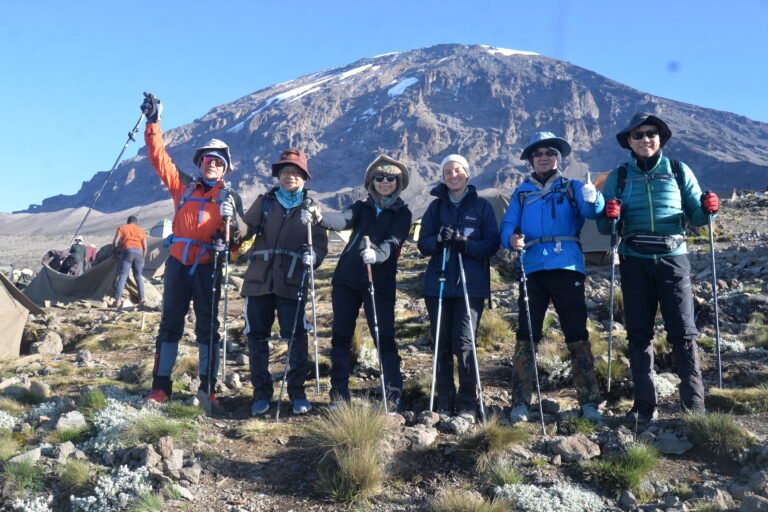
Kilimanjaro Full Moon Climb 24 December – Group Trekking 2026
Kilimanjaro Full Moon Climb 24 December 2026 – Group Trekking.
View package details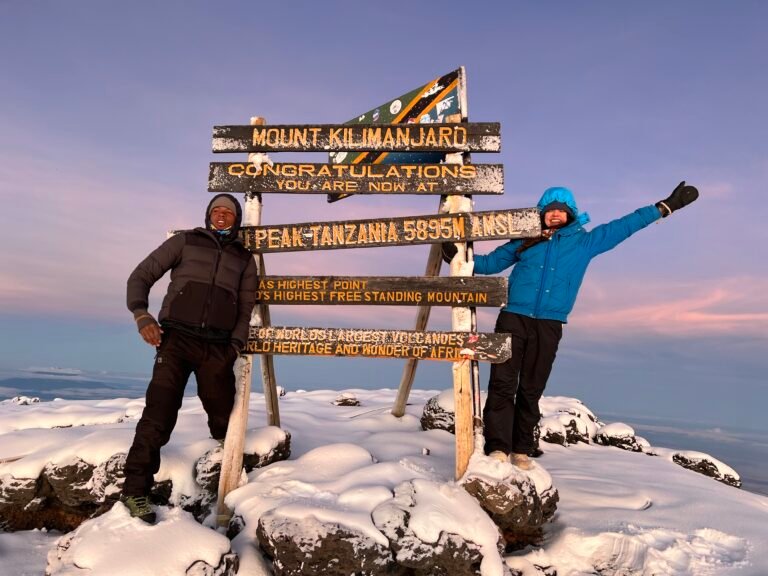
Kilimanjaro Christmas Holiday Trekking Packages December 2026
Kilimanjaro Christmas Holiday Trekking Packages December 2026.
View package details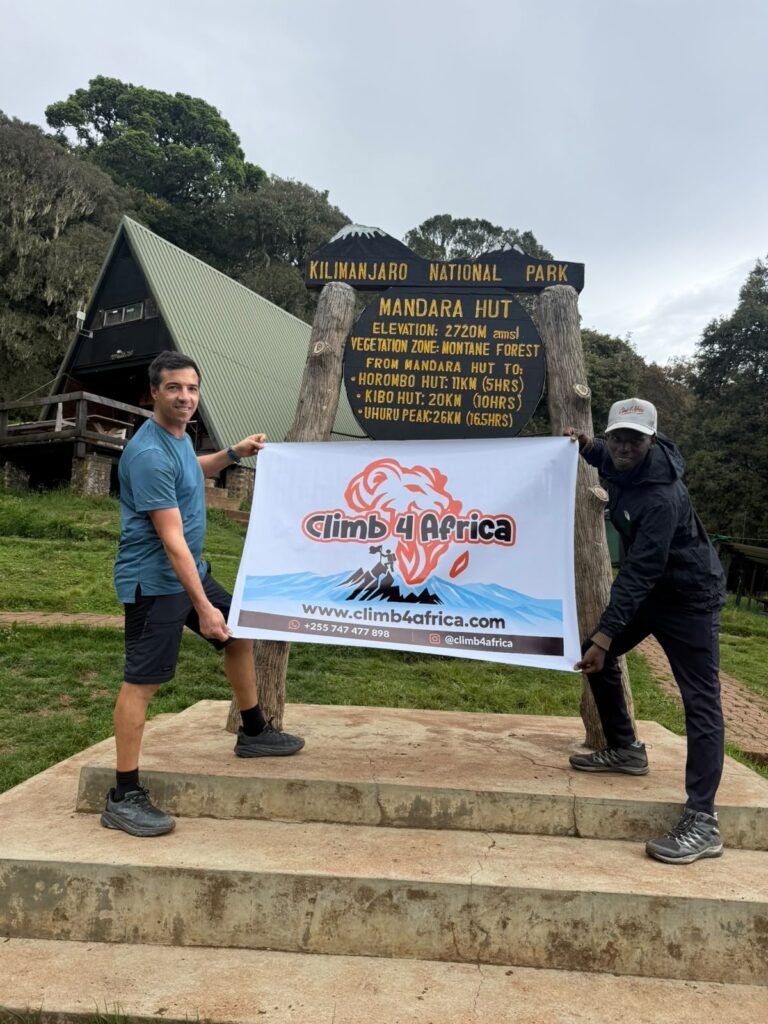
6 Days Marangu Kilimanjaro Hut Trekking – 6–11 December 2026
6 Days Marangu Kilimanjaro Hut Trekking – 6–11 December 2026.
View package details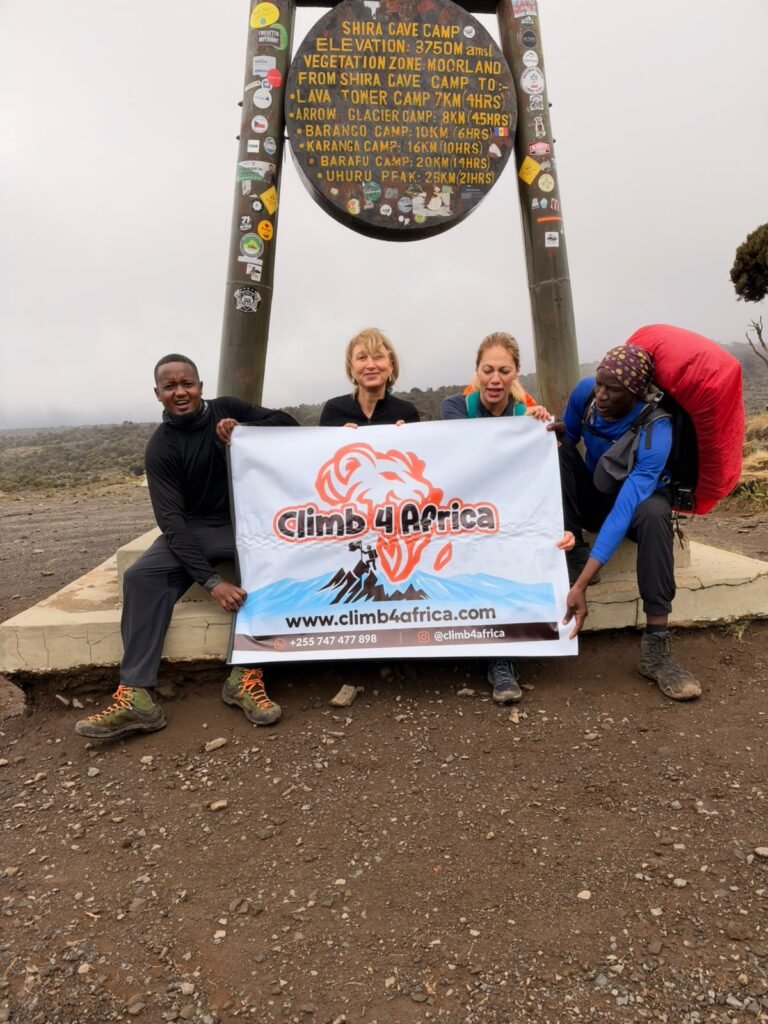
December 4, Kilimanjaro Trekking Packing List
December 4, 2026 Kilimanjaro December Trekking Packing List.
View package detailsDecember 4, Kilimanjaro Budget Trekking With Shared Group
December 4, 2026 Kilimanjaro Budget Trekking with Shared Group.
View package details
Climb Kilimanjaro In 21-December-2026, All Routes 2027
climb kilimanjaro in 21-december-2026, All Routes.
View package details
1 Day Kilimanjaro Mandara Hut Hike – 12 December 2026
1 Day Kilimanjaro Mandara Hut Hike – 12 December 2026.
View package detailsKilimanjaro New Year Eve Climb – 31 December Summit 2026
Kilimanjaro New Year Eve Climb – 31 December 2026 Summit.
View package details
10 Days Northern Circuit Kilimanjaro Christmas Holiday Trek – 21–30 December
10 Days Northern Circuit Kilimanjaro Christmas Holiday Trek – 21–30 December 2026.
View package details6 Days Rongai Route Kilimanjaro Hiking – 6–11 December 2026
6 Days Rongai Route Kilimanjaro Hiking – 6–11 December 2026.
View package details5 Days Marangu Kilimanjaro Christmas Trek – 22–26 December 2026
5 Days Marangu Kilimanjaro Christmas Trek – 22–26 December 2026.
View package details5 Days Marangu Kilimanjaro New Year Trek – 29 December – 2 January 2026
5 Days Marangu Kilimanjaro New Year Trek – 29 December 2026 – 2 January 2027.
View package detailsNo related package matches those filters. Clear one or more filters to see the other topic-matched options.



