
The 10 Days Northern Tanzania Safari and Nature Adventure is a bookable, day-by-day route beginning in Arusha, driving through Tarangire and Lake Manyara, continuing to Ngorongoro Conservation Area, a full day in the Serengeti with a northern circuit focus, and ending with a return via Ngorongoro or the Tarangire corridor. Each day outlines real route options, driving times, typical activities, and plausible accommodation types. While wildlife sightings are not guaranteed, the plan emphasizes realistic safari opportunities, practical logistics, and comfortable stays with local support from Climb 4 Africa.
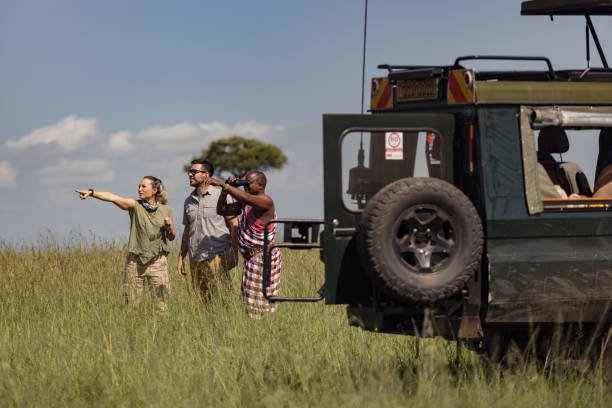
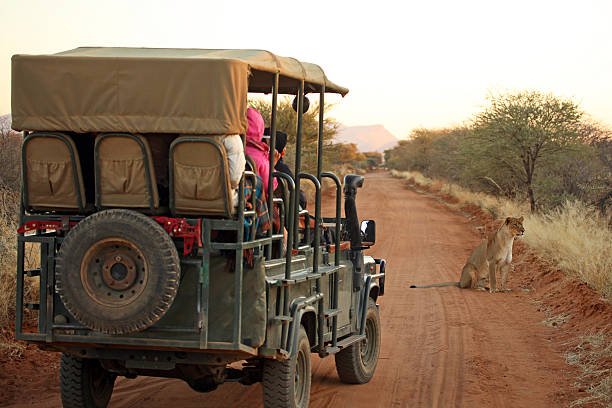
Day 1 – Arrival and acclimatization in Arusha
Arrive at Kilimanjaro International Airport and transfer to a comfortable lodge near Arusha town. The first day focuses on rest and gentle orientation: a brief town tour if fatigue allows, a briefing about the northern circuit, and a sunset welcome drink on the lodge terrace. This is a practical starter to reduce travel weariness before the driving days ahead. Overnight at a mid-range lodge with secure parking and reliable meals.
Day 2 – Arusha to Tarangire National Park (via isiolo corridor)
Early start from Arusha and a scenic transfer toward Tarangire NP. Expected wildlife opportunities include elephants and antelope along the seasonal riverbeds. The day includes a couple of game drive stops and a picnic lunch en route. Expect a late afternoon arrival at a safari lodge or tented camp near Tarangire, with options to rest poolside or take a short evening walk with a guide.
Day 3 – Tarangire full day immersion
A full day inside Tarangire, famed for its elephant herds and iconic baobabs. Morning and afternoon game drives maximize chances for diverse sightings, with a mid-day break at the camp. Guides share practical notes on animal behavior, safety, and the best vantage points. Overnight Tarangire lodge or tented camp with family-friendly or couple-oriented options.
Day 4 – Tarangire to Lake Manyara ecosystem
Drive to Lake Manyara region, known for lush forests and a different wildlife mix. Short game drives in the early morning and a relaxed afternoon at a lodge perched above the lake provide views of water birds and possible tree-climbing lions. Evening at a comfortable lodge with a focus on sustainable practices and local staff support.
Day 5 – Lake Manyara to Ngorongoro Conservation Area
Transfer toward Ngorongoro with a stop at viewpoints along the rift landscape. Afternoon descent into the crater rim area begins to set the stage for crater exploration the next day. Depending on logistics, the day ends in a lodge near the crater with a warm dinner and the option of a short night walk with a guide if permitted.
Day 6 – Ngorongoro Crater rim to Serengeti (Northern Corridor)
Early morning descent into Ngorongoro Crater for a crater floor game drive, weather and road conditions permitting. After lunch, depart toward the Serengeti’s northern corridor. The drive passes through pastoral areas and open savannah. Arrive at a lodge or intimate camp in the Serengeti and plan a relaxed late-evening orientation with the guide team.
Day 7 – Serengeti National Park – Northern Circuit focus
Two planned game drives in Serengeti’s northern sector with emphasis on wide-open plains and riverine habitats. The schedule balances long-range wildlife viewing with the opportunity for short nature walks off the vehicle where safe. Wildlife sightings remain contingent on seasonal conditions, but the landscape provides remarkable photographic potential. Overnight in a Serengeti lodge or tented camp.
Day 8 – Serengeti to Ngorongoro Highlands return route
Return route toward Ngorongoro with a possible mid-day briefing stop and a farewell lunch in a scenic setting. Afternoon at the lodge to decompress, with optional cultural interactions nearby such as a village visit or a local guide talk about conservation and community projects. Overnight near Ngorongoro or a final Serengeti outpost depending on the booked arrangement.
Day 9 – Ngorongoro Highlands to Arusha (via coffee country)
Traverse back toward Arusha with a stop in the highland coffee country for a tasting and a light lunch. This day foregrounds practical planning for departure: bag storage tips, souvenir guidance, and a briefing on practical aspects of arranging Kilimanjaro climbs or Zanzibar add-ons if required. Overnight near Arusha, with a farewell dinner option at a cultural lodge.
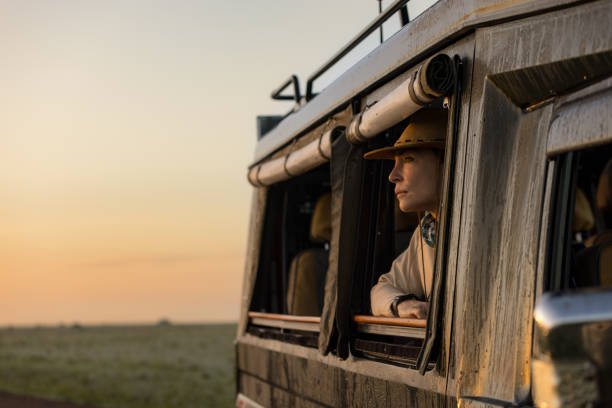
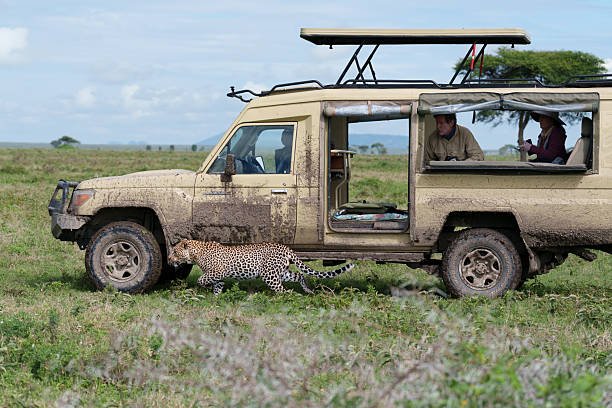
Day 10 – Departure or optional add-ons
Depending on flight times, arrange a relaxed morning or a brief last stroll in a nearby market. Transfer to Kilimanjaro International Airport or to a surface transport hub for onward adventures. If a client extends in Zanzibar or climbs Kilimanjaro, the team can tailor the extension details and provide reliable transfer options.
Notes on planning and logistics: This 10-day route prioritizes realistic driving times and park-to-park transitions, with varied accommodations from mid-range lodges to tented camps that emphasize comfort and sustainability. Wildlife sightings are never guaranteed, but the itinerary is designed to maximize meaningful safari experiences, with experienced local guides and a clear support structure from Climb 4 Africa. Travelers should be prepared for weather variability, simple but reliable safety protocols, and the possibility of minor schedule adjustments due to park permits and road conditions.
Practical booking considerations
- Season and wildlife: Northern Tanzania wildlife patterns shift with the season; plan for long drives or short park visits accordingly.
- Accommodations: Expect a mix of lodge and tented camp experiences; transfers between camps follow a logical route to minimize backtracking.
- Guides and support: All days are led by licensed guides with support staff and vehicle flexibility for different group sizes.
- Health and safety: Vaccination and anti-malaria precautions are advisable; carry personal medications and hydration supplies for long days on the road.
- Transport: Road conditions vary; safaris rely on reliable 4×4 vehicles with seating and window access designed for wildlife viewing.
What you gain from this route
The plan offers a coherent southern-to-northern flow from Tarangire to Serengeti via Ngorongoro, exposing you to diverse ecosystems, landscapes, and the seasonal rhythms of northern Tanzania. It emphasizes flexible itineraries, practical pacing, and well-supported travel with clear local coordination from Climb 4 Africa.
Additional practical enhancements for Day-by-Day planning: off-the-beaten-path options and logistics
Readers often seek nuanced options that fit a 10-day structure without altering the core sequence. The following additions focus on realistic, bookable refinements that work within the established route, keeping the day-specific pacing intact while offering alternative experiences that do not rely on promising fixed wildlife sightings.
Tarangire alternatives (Day 2–3 window): If the primary Tarangire section feels too tight on time, optional short detours can be scheduled with the same day’s drive. A morning detour to a hidden overlook along the Tarangire River valley can provide photography moments and a chance to meet local Maasai guides for cultural context. In the late afternoon, a short sunset drive to a second, smaller wildlife corridor nearby may yield elephant and buffalo activity without extending driving times beyond an hour. This preserves the core intent of Tarangire immersion while offering a quieter, more intimate wildlife perspective.
Lake Manyara region accommodations and vistas (Day 4): For travelers who prioritize scenery over active wildlife, request a lodge perched above the lake with large elevated decks. Some properties offer guided bird-watching walks along forest edges at dawn, followed by a comfortable craft market visit in the evenings. If weather allows, a guided night safari or stargazing session can be arranged at the same lodge without significantly altering the schedule, adding a memorable human-nature connection focused on the night sky and nocturnal birds.
Ngorongoro Conservation Area logistics (Day 5–6): Given crater access subject to weather and road conditions, a flexible plan that includes an alternative crater rim viewpoint with a short nature walk can reduce risk of schedule pressure. In cases where crater access is delayed, a local cultural heritage encounter near the edge—such as a Maasai village visit or a coffee-country farm tour—can fill the afternoon with authentic, low-impact activities while preserving time for the next day’s Serengeti departure.
Serengeti Northern Circuit pacing (Day 7): The Northern Circuit segment benefits from a balanced approach between vehicle-based game viewing and short guided walks at safe, designated points. If a long drive is anticipated, a mid-morning rest at a shaded kopje area or a small, guided geology-focused stop can help travelers stretch and learn without compromising safari momentum. Consider a fixed, short nature walk along a riverine edge at a permitted site to experience spoor, tracks, and birdlife up close, under the supervision of licensed guides.
Ngorongoro Highlands return route (Day 8): The return leg provides a natural pause for cultural engagement. A stop near a coffee-growing cooperative with a brief demonstration of processing steps can be arranged, followed by a light tasting and purchase of regional products. This keeps the day experience richly local without extending transit time, and it complements the prior crater exploration with sensory immersion in local livelihoods.
Arusha departure day refinements (Day 9–10): On the final approach to Arusha, consider a reserved buffer time—15–30 minutes—between the coffee-country stop and the airport transfer to account for potential delays. If flight times allow, a brief, arranged stop at a small local market near the highway provides last-minute handmade souvenirs while still maintaining an efficient schedule. For travelers extending to Zanzibar or Kilimanjaro, the guide team can coordinate alternate transfer points to minimize backtracking and reduce overlapping logistics with the main itinerary.
Booking considerations and safety notes (throughout): Throughout the 10 days, ensure each day’s transfer and game-drive blocks align with current park regulations, road conditions, and local guidance. Always reconfirm vehicle capacity, fuel availability, and driver-guide rotations to avoid fatigue on longer segments. If a guest uses a mobility aid or requires special assistance, pre-arranged arrangements with the operator ensure accessible pick-up points, seating, and ground transport at each lodge and park entrance. Hydration, sun protection, and lightweight emergency medical kits should accompany all day drives, particularly on longer Serengeti stretches where weather can shift rapidly.
For reference, the additions above are designed to slot seamlessly into the existing 10-day framework without changing the core day labels or the order of park-to-park transitions. They are optional enhancements intended to enrich the experience while preserving the practicality and reliability of the route.
Unanswered practical question: How to tailor a 10-day Northern Tanzania safari to specific interests and mobility needs
With the core 10-day sequence already defined, travelers often seek clarity on adapting the route to personal interests (birding, photography, cultural encounters) or physical needs (long drives, limited walking). This passage addresses concrete, bookable adjustments that preserve the established day order while enabling meaningful customization without altering the core sequence.
1) Aligning interests with day-by-day activity blocks: If your focus is birdlife, allocate slightly longer hours to areas with prolific avifauna during the Tarangire and Lake Manyara segments, known for their dense bird populations. In Day 3, request a morning drive that covers riverine edges where tree-dwelling species concentrate, and schedule a second, shorter afternoon session near seasonally flooded zones. For photography emphasis, request late-afternoon positioning at watercourses or kopje viewpoints on Days 2 and 7, when light angles often yield dramatic silhouettes against the savannah. If cultural encounters excite you, position a mid-route village visit (subject to permit checks) on Day 8 or Day 9, ensuring it does not disrupt the crater or Serengeti focusing drives but still fits within the route’s flow.
2) Managing mobility and pacing: For guests prioritizing comfort over long stretches, negotiate a friendly pace with the operator. Where a long Serengeti drive is planned, you can split a single afternoon drive into two shorter sessions with a mid-day rest at the lodge. This approach preserves exposure to wildlife activity without exhausting travelers. If mobility is a concern, specify a vehicle with side-steps and a high door frame to minimize step-up effort, and ensure the driver-guide schedules more frequent stops for rest and observation rather than continuous driving.
3) Adjusting lodging styles within the same route: The plan already includes a mix of lodge and tented camp experiences. You can tailor accommodations to taste without changing the route by selecting properties with specific amenities: a lodge with a ground-floor veranda for easy wildlife viewing on Day 6, or a tented camp with family-style dining and private plunge pools near Tarangire on Day 3. Communicate preferred bed configurations, dietary requirements, and accessibility needs in advance to guarantee compatibility with the established driving segments.
4) Optional day-extension ideas that fit the framework: If the client desires an extra photographic or cultural extension without reordering days, an optional add-on can be scheduled immediately after Day 7 in the Serengeti—an early-morning balloon ride is commonly available near certain lodges (subject to weather and operator policies). Alternatively, a half-day community visit in Ngorongoro Highlands can be arranged on Day 8 before returning toward the crater rim, preserving the day’s ultimate destination while enriching the experience with regional storytelling and craft demonstrations.
5) Practical pre-departure checklist for customization: Submit a concise Interests & Mobility note to the operator at booking, including: preferred wildlife interests (elephants, predators, birds), desired pace (rest-heavy, balanced, or action-focused), accessibility needs (wheelchair access, step-free room, assistance staff), and any must-see cultural experiences. Include dietary restrictions, medical considerations, and estimated physical comfort levels for long drives. Confirm that the final itinerary retains the Day 1–Day 10 sequence and that any optional extensions are clearly priced and scheduled within the same route arc to avoid backtracking.
6) Safety and regulatory considerations when modifying the flow: Any adjustments must respect park regulations, seasonal access, and licensing rules for guides and vehicle allocations. Ensure that additional stops or community visits are permitted by park authorities and that timing aligns with gate openings, especially in Ngorongoro Conservation Area and Serengeti National Park. Always prioritize Safety Briefings before any off-vehicle activities and adhere to maximum occupancy rules per vehicle to maintain comfort and safety for all travelers.
7) How to communicate these edits with the operator: Provide a concise amendment request with bullet points referencing the exact Day numbers to adjust (for example: Day 3—extend morning game drive; Day 8—insert cultural visit before crater rim descent). Request confirmation of new driving times, lodge availability, and any added costs for transfers or activities. Ensure that the operator recalculates fuel, driving hours, and guide rotations to preserve fatigue management across the full itinerary.
Gaps and practical refinements: aligning the 10‑day sequence with real-world decision points
While the core 10‑day route offers a coherent arc through Tarangire, Lake Manyara, Ngorongoro, and Serengeti, travelers frequently confront practical questions that are not fully resolved by the existing day descriptions. This continuation provides targeted, bookable enhancements and decision points that sit neatly between the established days, without reordering the sequence or promising unverified sightings.
1) Private vehicle sizing and guide rotation for long drives
The route involves substantial overland segments, particularly the Arusha–Tarangire–Lake Manyara corridor and the Serengeti northern circuit. A practical adjustment commonly requested is fine‑tuning vehicle capacity and guide rotations to manage fatigue and maximize safety. For a typical group of 4–6 guests, a standard 6‑seat land cruiser or a 7‑seat SUV with a dedicated driver‑guide offers comfort for long drives and proximity to wildlife. If you exceed 6 guests, organizations often substitute with two smaller vehicles to preserve window seats and reduce noise interference. Plan for one guide to drive and a second to navigate and relay wildlife observations, with a staggered rotation every 2–3 hours to maintain concentration and safety on monotone highway sections.
2) Lodge‑to‑lodge transfer timing and gate closures
Driving times in Tanzania can be longer than anticipated due to road quality and wildlife chokepoints. A practical schedule safeguard is to set a firm gateway time (for example, Tarangire gate close times or Ngorongoro Conservation Area gate opening times) and to buffer the driving day with a guaranteed mid‑day rest stop at a pre‑selected lodge or picnic area. This ensures you’re not rushed to meet gate openings in the late afternoon, reducing fatigue before the next day’s activities.
3) Optional community‑based experiences that fit the route arc
If an added cultural layer fits the traveler’s interests, consider a half‑day village visit on Day 8 or Day 9, prior to or after Serengeti transit, to minimize backtracking. Village visits can include a crafts demonstration, a brief language lesson, or a wet‑season water‑harvest demonstration, arranged with local guides and vetted community associations. These experiences should be booked as a fixed menu for a precise half‑day window to avoid derailing the day’s core drive and to keep wildlife viewing opportunities intact.
4) Wildlife watching windows aligned with light and safety
Daylight and light angles can significantly influence photography and viewing comfort. A practical planning note is to schedule long, open‑plains drives when golden hour light is accessible, typically just after dawn and again in the late afternoon. If a lodge swap or a late ascent toward a crater rim is necessary, ensure your vehicle has efficient headlamps and the driver‑guide is prepared for twilight tracking for safety, especially in crater rim areas or night sections near buffer zones.
5) Dietary customization and on‑board snacks
Given the pattern of long drives with limited on‑vehicle amenities, pre‑stocking the vehicle with water, fresh fruit, nuts, energy bars, and individual snack packs reduces stops and supports a calmer pace. Coordinate dietary needs (vegetarian, vegan, halal, gluten‑free) with the lodge meal plans and the drive‑through picnic lunches to ensure meals stay aligned with the day’s timing and location choices.
6) Gear tailoring for photographers and birders
A subset of travelers arrives with camera gear that benefits from a steady platform and binning options. Recommend a low‑profile bean bag or a compact window‑seat support to stabilize shots during bumpy sections. For birding emphasis, a lightweight tripod and a zoom lens with image stabilization can be carried on the vehicle but should be secured during movement to prevent damage. Ensure luggage allowances on the vehicle account for camera bags and lens cases, which may require a dedicated overhead or under‑seat space allocation.
7) Weather‑aware packing reminders that are day‑specific
Northern Tanzania experiences variable conditions. Advise guests to carry a light rain shell for morning game drives in Ngorongoro and Serengeti, a warm layer for crater rim elevations, and breathable clothing for Tarangire’s warm afternoons. Footwear should be sturdy and non‑slip for walks near the vehicle or short nature trails. Remind travelers to keep a small towel, sunglasses, and sunscreen readily accessible in the cabin for rapid dressing between drives.
8) Safety refreshers tied to the day’s geography
Safety briefings are most effective when tied to the day’s geography. For Day 6, when descending Ngorongoro Crater and driving toward Serengeti via the Northern Corridor, a concise on‑board reminder about crater floor etiquette (no feeding, keeping distances, staying inside the vehicle) reinforces safe, respectful wildlife viewing. For Day 7, on Serengeti plains, emphasize staying vigilant near river crossings and the importance of following the guide’s instructions during off‑vehicle activity if offered.
9) Contingency planning for gate closures or road blocks
In cases of weather or maintenance delays, pre‑arrange an alternative short drive segment within the same park or a lodge‑based activity to absorb the extra time without impacting the overall sequence. A short nature walk around the lodge property, a conservation talk by a resident ranger, or a cultural demonstration can fill a potential mismatch without compromising the day’s intended destination.
10) Clear, activity‑specific equipment notes for the operator
Provide the operator with a concise checklist per day: vehicle type, guide rotation plan, scheduled lunch stops, gate opening times, and any extra permitted activities (ballooning windows in Serengeti, village visits near Ngorongoro Highlands). Confirm that the final itinerary reflects these specifics, including any adjustments for optional add‑ons, and that all costs and availability are verified before confirmation.
These refinements stem from practical travel realities rather than promises of wildlife encounters. They help ensure that the 10‑day plan remains bookable, logistically coherent, and responsive to traveler needs without altering the core sequence of Day 1 through Day 10.
Gap-Discovery: Practical tailoring for mobility needs and interest-driven add-ons at the 10-day Northern Tanzania route
Travelers often arrive with concrete interests or physical considerations that the core sequence may only partially address. A single high-level itinerary cannot capture every user’s accessibility needs or niche passions, such as mobility-impaired access, birding priorities, or a focus on cultural encounters. This prompted the following targeted, bookable refinements that do not alter the established day labels but fill a practical gap in decision points that arise when confirming a 10-day plan with a local operator.
1) Mobility-aware pacing and vehicle options
The day-by-day sections assume standard safari vehicles with relatively comfortable access. For guests with limited mobility or long driving tolerances, specify the following adjustments when booking: (a) reserve a high-clearance, well-maintained 4×4 with a minimized step-in height and a side-door option for easier entry; (b) confirm the availability of a dedicated seat for a travel companion or the client to minimize repeated side-door transfers across multiple days; (c) arrange for shorter, more frequent game-drive shifts within each day, capped at 2–3 hours per segment, with return to a central lodge for rest or lunch when feasible. These options can be contractually included without changing the geographic order Day 2 through Day 9, and they help manage fatigue on longer road sections such as Tarangire to Lake Manyara or Ngorongoro to Serengeti legs.
2) Birding-forward adjustments for Lake Manyara and Serengeti edges
If birding is a client priority, the plan can tilt toward specific windows and microhabitats without deviating from the core route. In Lake Manyara and the Serengeti’s northern corridor, request early-morning, on-foot birding with a qualified guide stationed at the lodge or park gate. From a booking perspective, this means planning for 60–90 minutes of light-walking birding after sunrise in Lake Manyara’s forest belt or near a water source along the Seronera–Lobo corridor, depending on lodge location. Ensure the guide holds a field guide for regional birds and that vehicle downtime aligns with peak bird activity periods to maximize opportunities without prolonging vehicle time for other travelers.
3) Cultural encounters that are logistics-consistent
Cultural experiences—such as village visits near Ngorongoro Highlands or conservation talks—can be staged as optional add-ons to days with lighter driving or after a mid-lodge rest. If a client desires deeper engagement, pre-arrange a 60–90 minute community visit with a vetted, responsible partner. This can be slotted into Day 8 or Day 9 without affecting Day 7’s Serengeti focus, using a midday buffer at the lodge for rest or a scenic viewpoint stop en route. Confirm transportation to and from the site, respect for local customs, and a clear outline of donation practices to avoid adverse perceptions among communities.
4) Ballooning and premium activities within the core sequence
Balloon safaris in Serengeti are a recognized enhancement but require precise scheduling. If ballooning is selected as an add-on, it typically occurs very early in the morning before or after the first Serengeti game drive on a given day. The 10-day plan can accommodate one balloon outing by reallocating a short early-morning drive slot to the balloon operator and ensuring a later breakfast or brunch back at camp. The operator should lock in a shareable balloon window (often around dawn) and confirm weather constraints, ground transfer times, and backup itineraries in case of wind closures. Do not promise spontaneous ballooning on a given day without confirming availability; satellite scheduling must align with the Serengeti permit office and the lodges’ kitchen times to avoid cascading delays.
5) Coffee-country detours as practical extensions
The Ngorongoro Highlands to Arusha via the coffee country is already a listed transition. For travelers with a keen interest in agro-tourism or sustainable farming narratives, add a controlled, time-limited stop at a cooperative farm or a small estate. This can be integrated into Day 9 with minimal disruption: arrange a 60-minute guided tour of a shade-grown coffee farm, a tasting, and a brief explanation of local cooperative structures. Schedule this detour to fall before the final departure logistics back to Kilimanjaro International Airport, ensuring enough buffer for transfer times and airport check-in.
6) Luggage and packing specifics aligned to practical constraints
A common friction point is packing for multiple lodge changes and varying climates. The bookable plan should specify a two-bag approach: (a) a main suitcase that stays in the lodge’s secure storage at Arusha for Day 1 and Day 10, and (b) a rugged daypack or duffel for each day’s vehicle transfer with essential items (water, camera, wrap, light rain shell). For guests with limited mobility, pre-pack a minimal essential kit for each day to minimize over-handling of luggage during hotel transitions. This reduces the risk of lost bags and streamlines check-in/out at remote camps.
7) Contingency mapping for gate closures without itinerary drift
Weather or maintenance can trigger gate closures, especially on crater or park access routes. Pre-define two back-pocket options per day for the operator, such as (a) an alternate short drive within the same park or (b) a lodge-based activity (conservation talk, nature walk) that can absorb up to 2 hours without altering the day’s end point. This flexibility is critical for preserving the sequence’s integrity (e.g., Day 6 crater descent remains the anchor) while providing a reliable plan B to prevent schedule drift if a gate is closed or a road is blocked.
8) Safety checks as geography-specific reminders
Embed day-specific safety reminders into the operator briefing notes: for Day 6, crater floor etiquette; for Day 7, Serengeti river-crossing vigilance; for Day 8, Ngorongoro Highlands’ highland roads and pedestrian awareness near community villages. Establish a quick reference card in the vehicle with the key safety rules tailored to the day’s geography, enabling guides to reiterate them succinctly at safe transition points.
9) Realistic wildlife-expectation framing
The structure remains explicit that wildlife sightings cannot be guaranteed. Yet, operators can optimize opportunities by aligning drive times with known movement patterns on specific days and by adjusting the drive sequence to avoid peak heat during mid-day rest. Communicate clearly that while guided moves and habitats increase probability, the wildlife web in northern Tanzania is dynamic and weather-influenced. This transparency helps manage client expectations while preserving the value of the booked, route-faithful plan.
10) Documentation and confirmation checklist for bookable precision
Create a compact, per-day operator briefing sheet that includes: vehicle type and seating arrangement, guide rotation plan, gate opening times, designated lunch spots, optional add-ons with clear price references, and any early-morning balloon or culture extensions planned. This ensures all logistics are locked in before confirmation and helps prevent last-minute alternations that could ripple through subsequent days.
These gap-discovery enhancements stay tightly within the established Day 1 through Day 10 sequence, offering concrete, bookable options that improve accessibility, enrich interests, and reinforce safety and reliability without altering the core itinerary arc. They are designed to be contractually negotiable at the operator level and feasible within standard lodge and park regulations. If a reader seeks a fully revised, day-by-day recalibration, a separate, optional addendum could be prepared; for now, these targeted adjustments provide practical, verifiable pathways to tailor the plan without compromising the route’s foundational flow.
Gap-Discovery: Tailoring mobility-oriented and interest-driven add-ons within the 10-day Northern Tanzania route
Readers who have fixed mobility considerations or specific interests will often seek concrete, bookable enhancements that fit within the existing day-by-day sequence without altering the core arc. This section proposes targeted, logistically realistic add-ons and pacing adjustments that can be discussed with a local operator before confirmation. The focus remains on verifiable, place-specific options and practical implications, avoiding invented prices or guaranteed wildlife outcomes.
<strong1) Mobility-aware pacing adjustments
- Vehicle configuration and seating: For guests requiring extra space or easier ingress/egress, request a vehicle with lower step thresholds, wide-opening doors, and a fixed two-row layout that minimizes reconfiguring seats between days. In practice, this can reduce time spent boarding and disembarking at gate points and lodge entrances, especially on days with multiple lodge transitions (e.g., Days 2, 5, and 6). Clarify the driver-guide’s intended stop cadence so you’re never forced into a rushed game-drive transfer during peak heat hours.
- Shorter, more frequent drives on sensitive days: If a traveler experiences fatigue or joint stiffness, propose a plan that segments long drives into shorter legs with more frequent, shorter game-drive blocks. For example, on Day 6 (Ngorongoro Crater rim to Serengeti Northern Corridor) the operator can incorporate additional, brief pull-ins for rest and stretch breaks without compromising the overall routing. This preserves the essential crater descent as the anchor while distributing physical demands more evenly across the day.
- Alternate morning/evening drive emphasis: Some guests benefit from shifting the primary wildlife-watching window to cooler hours. A mobility-conscious negotiation could increase the proportion of early morning and late afternoon drives on Days 3, 7, and 9, while placing longer rest periods at lodge amenities during the hottest mid-day intervals. This keeps a similar total wildlife-viewing potential while reducing heat exposure and fatigue risk.
<strong2) Interest-driven add-ons aligned to the landscape
- Birding-focused micro-safaris: Tarangire and Lake Manyara offer rich avifauna. For guests with birding interest, arrange 2–3 hour, guide-led, fixed-spot searches at sunrise or late afternoon near water sources. These sessions can be scheduled as brief, non-intrusive add-ons on Days 3 and 4, leveraging the same vehicle and guide while preserving core game-drive hours for larger mammal sightings.
- Photographic session blocks: For photography enthusiasts, integrate brief “composition stops” at known scenic vantage points along the Tarangire and Serengeti corridors. These are precise, time-boxed windows (e.g., 20–30 minutes each at two strategic overlooks) that minimize drift in the day’s main objectives yet yield improved framing opportunities, particularly for silhouettes against savannah horizons and riverine scenes on Days 7 and 8.
- Cultural encounters tailored to energy levels: The plan already includes cultural components (e.g., village visits). Offer adaptable options: a light, half-day cultural walk with a local guide for mobility-limited travelers on Day 8 or Day 9, or a condensed market-and-handicraft stop with ample seating and shade. Ensure consent, safety, and respectful exchange are prioritized, and set expectations about time commitment and modest physical exertion.
<strong3) Logistics that reduce risk of schedule drift
- Contingency sequencing card: Create a compact, day-specific reference card for the operator that lists gate hours, potential alternate routes, and preferred “backup” drive sequences. For example, if a gate near Ngorongoro is closed or a road through the Serengeti corridor is restricted, the card indicates a pre-identified alternate route that preserves the day’s core experience without cascading delays into Day 7’s Serengeti focus.
- Staggered packing guidance and storage: Given the travel pace, provide a clear packing and luggage strategy that minimizes on-vehicle handling. A dedicated checklist can reduce delays during lodge transitions (especially between Days 5–6 and Days 8–9). Consider a single, small daypack for each morning drive to limit gear handling, with larger bags kept securely at the lodge’s storage facilities.
- Fuel and vehicle maintenance buffers: Request a mid-route vehicle check at logically spaced points (e.g., after Tarangire on Day 3 and before Ngorongoro on Day 5). This reduces the risk of mechanical hiccups disrupting drive times and ensures back-up support is available locally if a scheduled stop encounters delays.
<strong4) Safety and accessibility refinements
- Accessibility-aware briefing: Incorporate a short, per-day accessibility reminder in the guide briefing packet that highlights safe exits, note-worthy obstacles (rocky sections, steep embankments, pedestrian-heavy villages near the pass-through routes), and recommended behavior for each ecosystem. This helps guides tailor immediate actions to travelers with mobility needs while preserving group safety norms.
- Vehicle accessibility cues during game drives: Request the guide to articulate simple, universal safety signals for guests with mobility challenges. For instance, a pre-drive signal for when to brace during rough road sections or a plan for stepping out onto lower, stable ground at prepared viewpoints reduces hesitation and enhances comfort without undermining wildlife-watching opportunities.
<strong5) Practical booking notes for these enhancements
- Scope and feasibility: Present mobility-focused adjustments as optional add-ons to Day 2–Day 9 segments that do not require a fundamental route change. Confirm with the operator whether a requested seating arrangement or shorter drive blocks can be implemented within the existing park opening times and lodge availability for the season chosen.
- Costs and confirmation language: Since this document avoids invented prices, the operator should provide concrete, written cost estimates for any add-ons (e.g., extra driver-hours, specialized vehicle configurations, or ancillary cultural activities). Ensure these are itemized on the final itinerary so there is no ambiguity about inclusions or exclusions.
- Legal and conservation compliance: Always align any extra activities with park regulations, guide licensing standards, and local community guidelines. These adjustments should not elevate risk to wildlife or reduce conservation protections in place across Tarangire, Lake Manyara, Ngorongoro, and Serengeti landscapes.
By framing these adjustments as verifiable, bookable refinements that respect the established 10-day arc, readers gain a practical path to tailor the experience without compromising the itinerary’s sequence. The focus remains on operational reliability, traveler comfort, and the preservation of the core wildlife-watching rhythm that defines a northern Tanzania safari.
Related Guides and Packages
Check Availability for 10 Days Northern Tanzania Safari And Nature Adventure 2026-2027
Ready to compare dates, prices, and the best option for your group? Send the package name and travel month so the team can reply with a clear quote, availability, and what is included.
21 Days Tanzania Grand Adventure – Kilimanjaro Safari And Zanzibar 2026-2027
21 Days Tanzania Grand Adventure – Kilimanjaro Safari and Zanzibar.
View package details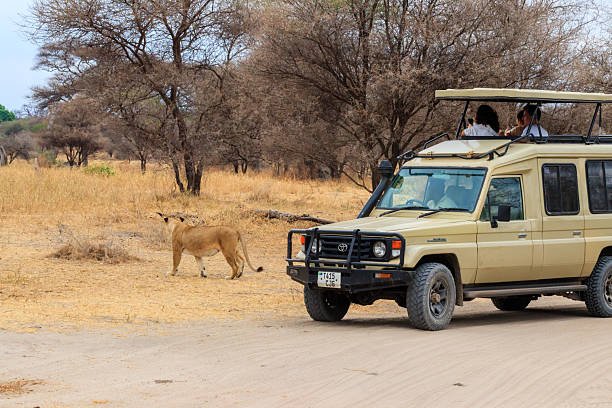
14 Days Kilimanjaro Trek And Northern Tanzania Safari 2026-2027
14 Days Kilimanjaro Trek and Northern Tanzania Safari.
View package details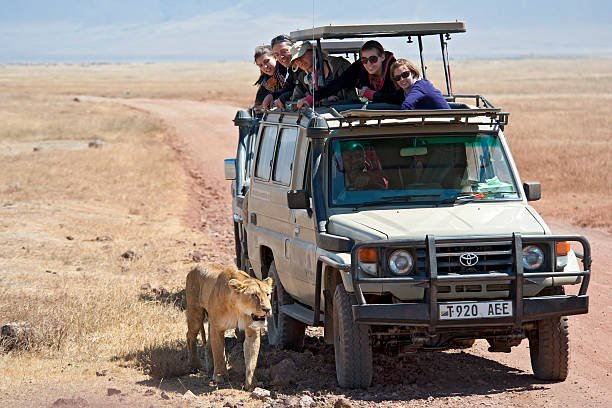
16 Days Tanzania Safari And Zanzibar Beach Adventure 2026-2027
16 Days Tanzania Safari and Zanzibar Beach Adventure.
View package details20 Days Northern Circuit Kilimanjaro Safari And Zanzibar 2026-2027
20 Days Northern Circuit Kilimanjaro Safari and Zanzibar.
View package details20 Days Ultimate Tanzania Kilimanjaro Safari And Beach 2026-2027
A complete 20-day, bookable Tanzania itinerary weaving Kilimanjaro ascent, northern safari circuits, and a Zanzibar-style beach finale with practical logistics and real-world pacing.
View package details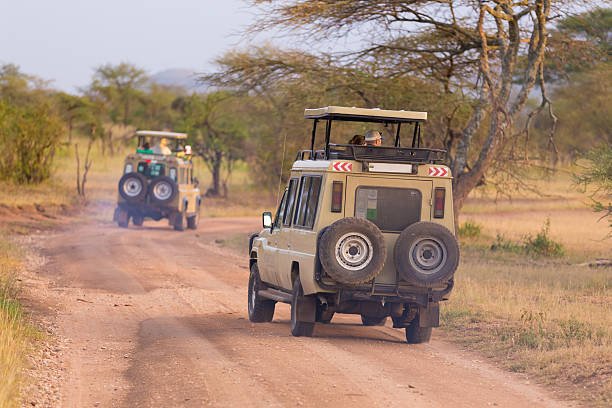
15 Days Northern Circuit Kilimanjaro And Safari 2026-2027
A practical 15-day plan weaving Kilimanjaro’s Northern Circuit climb with a Tanzania safari, detailing route progression, acclimatisation, driving logistics, and accommodation choices...
View package details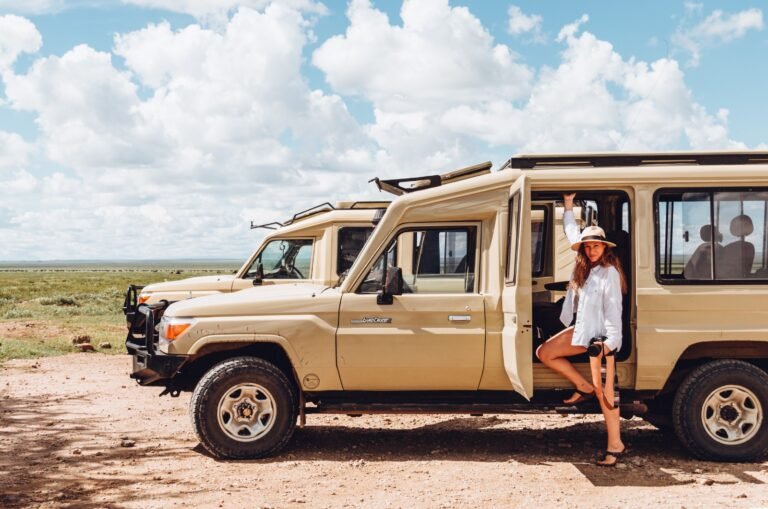
12 Days Rongai Route And Tanzania Wildlife Safari 2026-2027
12 Days Rongai Route and Tanzania Wildlife Safari.
View package details
13 Days Lemosho Route And 4 Tanzania Safari 2026-2027
13 Days Lemosho Route and 4 Days Tanzania Safari.
View package details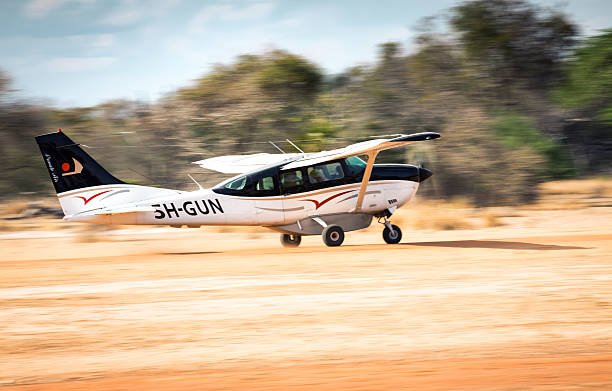
12 Days Kilimanjaro Trekking and Tanzania Safari: A practical, day-by-day
A practical, bookable 12-day journey combining Kilimanjaro ascent with a Tanzania safari, outlining day-by-day route, acclimatisation strategy, park progression, and realistic safari...
View package details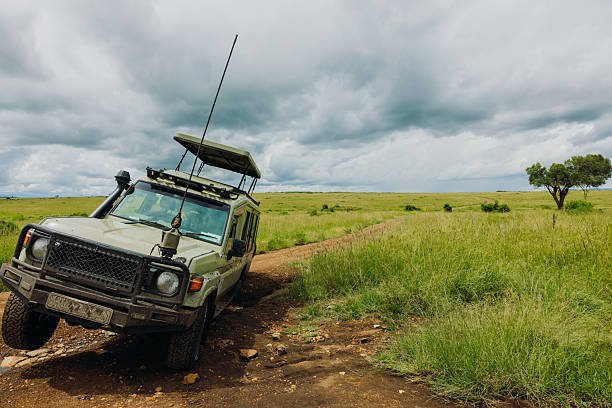
15 Days Tanzania Luxury Safari And Zanzibar Beach Retreat: Mainland Wildlife
A carefully paced 15-day journey blending premier Tanzanian safaris with a restorative Zanzibar beach retreat, designed for confident travelers seeking wildlife encounters and island...
View package details12 Days Tanzania Mid-Range Safari And Zanzibar Holiday 2026-2027
12 Days Tanzania Mid-Range Safari and Zanzibar Holiday.
View package details14 Days Tanzania Safari And Zanzibar Private Holiday 2026-2027
14 Days Tanzania Safari and Zanzibar Private Holiday.
View package detailsNo related package matches those filters. Clear one or more filters to see the other topic-matched options.



