
A practical 6-day itinerary links Zanzibar with Tanzania’s premier wildlife areas: fly or ferry to Arusha region, then Tarangire, Serengeti, and Ngorongoro in a realistic sequence, with local road and air transfers, paired with comfortable lodges. The plan specifies how many days cover each leg, what to expect daily, and when to transfer, without guaranteeing wildlife sightings or fixed hotel names. Availability and exact departures must be confirmed with Climb 4 Africa; this outline explains structure, logistics, and booking decisions for a bookable package.


What this 6-day package covers
This itinerary provides a connected mainland safari and Zanzibar component, balancing driving and short flights to maximize time in parks while keeping travel legs practical. It assumes a Zanzibar start with a transfer to Arusha or Moshi for the land-based safari, followed by the island segment either before or after the mainland circuit, depending on flight options and tides for Zanzibar beaches. Exact hotel choices, flight times, and park entry examples will be confirmed at booking, but you’ll gain a clear sense of daily flow and logistics.
Day-by-day journey (illustrative, not a fixed schedule)
Note: the sequence below reflects a realistic flow for a 6-day package that combines Tarangire, Serengeti, Ngorongoro, plus a Zanzibar element. Timings, accommodations, and exact transfers are contingent on availability and seasonal schedules at booking time.
-
Day 1 — Zanzibar to Tanzania mainland, transfer to Tarangire area
Arrive into a northern Tanzania gateway (Arusha or Kilimanjaro region). Transfer by road to Tarangire National Park or the adjacent lodge area. Evening game viewing possible near the lodge, with a brief orientation about the park’s baobols and mixed woodlands. Overnight in a mid-range lodge or tented camp adjacent to Tarangire.
-
Day 2 — Tarangire full day safari
Morning and afternoon game drives in Tarangire, focusing on elephant herds, iconic baobabs, and diverse antelope species. Lunch at the camp. Return to camp for dinner and a relaxed evening, with optional night drive where permitted by the lodge. Overnight Tarangire area.
-
Day 3 — Tarangire to Serengeti core area
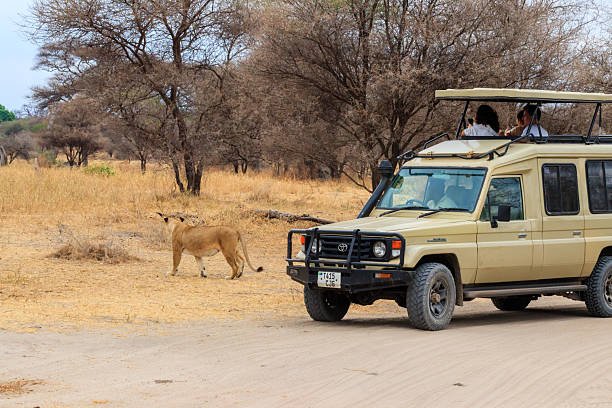
Early departure towards Serengeti, using a scenic transfer by road and/or a light aircraft transfer where logistics permit. Arrive in the central Serengeti or northern corridor depending on the season and lodge location. Afternoon game drive with potential savannah plains vistas and resident predators. Overnight in Serengeti lodge or camp.
-
Day 4 — Serengeti full day private safari
Two half-day drives, with a picnic-style lunch in a designated area. Wildlife opportunities abundant but not guaranteed; this day emphasizes fieldcraft, driver-guide knowledge, and adaptable routing to maximize sightings while respecting park rules. Overnight Serengeti area.
-
Day 5 — Serengeti to Ngorongoro crater rim
Morning game activity in Serengeti, then a scenic transfer to Ngorongoro Conservation Area. Afternoon orientation drive near the crater rim, with optional short walks around the lodge. Overnight near Ngorongoro crater rim to prepare for crater exploration at dawn.
-
Day 6 — Ngorongoro Crater descent and return to Zanzibar option
Early descent into Ngorongoro Crater for a half-day crater safari, then transfer to the airport or a domestic flight back toward Zanzibar. If the Zanzibar island segment is included, you’ll depart for a short flight to a Zanzibar beachfront property for the rest of your stay, with the option to unwind before your onward travel. Overnight in Zanzibar or on return to the mainland, depending on flight schedules.
Logistics that matter
Transfers are a core part of the experience. This package typically uses a mix of overland drives and short internal flights to optimize time in parks while keeping transfers manageable. The Zanzibar portion may involve either a ferry or a short flight, depending on the chosen itinerary and current schedules. Your booking will specify the exact transfer modes, airports, and lodge or camp options that fit your group size and preferred pace.
Accommodation style and meals
Expect a combination of comfortable lodges and tented camps that balance comfort with proximity to wildlife and scenery. Most days include breakfast and dinner, with lunch on long safari days. Where possible, lodges are chosen for accessibility to wildlife hubs and for reliable safari logistics, not as a fixed brand guarantee. If you have dietary needs, note them during planning to ensure suitable meal options.
Is this the right pace for you?
The 6-day format aims for a practical blend of park time and travel time. It’s more suited to travelers who want to experience Tarangire, Serengeti, and Ngorongoro together, with a Zanzibar component that can be positioned at the start or the end. If your priority is deeper Serengeti time or a slower rhythm, we can adjust the balance between flight legs and driving days. Availability and flight connections will shape the exact day arrangement.
Booking decisions and how to proceed
Because this is a bookable plan, confirm your preferred start point (Zanzibar arrival or mainland gateway), the number of travelers, and your preferred pace. We’ll align transfers, lodges, and possible flight legs to the dates you propose. Prices, departure days, and exact hotel names require a live quote from Climb 4 Africa. The outline here helps you weigh what to ask for during a quote: transfer modes, approximate daily distances, and the balance between safari time and travel time.

Gaps and practical refinements for the 6-day mainland-plus-Zanzibar safari
Readers often come away from a bookable plan with a clear day-by-day rhythm, but a few logistical details linger in practice. This section fills a specific gap: clarifying how the mainland and Zanzibar legs connect on the ground, what that implies for daily pacing, and what to expect from transfers, timing, and the practical realities of a fixed 6-day framework. The aim is to empower you to compare quotes with confidence while preserving the honest note that wildlife sightings are not guaranteed and that schedules must remain flexible to seasonal constraints and operator decisions.
1) Finite day allocation: how many days on each leg? In the standard 6-day package, you’ll typically allocate a majority of days to the mainland safari circuit (Tarangire, Serengeti, Ngorongoro) with 2 to 3 days devoted to a Zanzibar segment. The exact split depends on your chosen start point and the flight/ferry options available at booking time. For example, a common pattern is: Day 1–3 mainland (Tarangire, Serengeti), Day 4 Ngorongoro, Day 5–6 Zanzibar beach. This structure preserves a realistic pace for game viewing while ensuring that the Zanzibar component feels fit-for-purpose rather than tacked-on. When you receive a live quote, confirm the precise day allocation and the transfer sequence so you’re not surprised by a longer than expected shuttle or an overnight in transit.
2) Transfers: overland vs. air, and what that means for daily flow Transfers are the backbone of the itinerary’s practicality. On the mainland, short-distance overland drives are used to maximize park time and minimize fatigue. Where the plan includes Serengeti or Ngorongoro, expect a mix of longer drives and occasional morning starts to catch wildlife activity. The Zanzibar component may involve a short domestic flight or a ferry transfer, depending on tides and flight availability. In practical terms, this means: (a) mornings can begin with an early wake-up for a brief pre-game drive or briefing; (b) you’ll often reach favored wildlife hubs in mid-morning, allowing for a long, focused afternoon in scenic areas; (c) on travel days between camps, a portion of the day is reserved for the transfer itself with staggered arrival windows. Clarify with your operator whether a given day will include a flight plus road transfer and how much baggage is allowed on light aircraft, as these constraints affect packing and timing.
3) Zanzibar timing: tides, beaches, and activity relevance If your Zanzibar segment is shoreline-focused, tides influence beach days and certain water activities. When the plan positions Zanzibar at the start or end, the transfer window should align with your international arrival or departure times to minimize layovers. If you require a specific Zanzibar experience (for example, a beach stretch with a calm lagoon versus open-ocean ambience), communicate this preference during booking so the island stay can be tailored within the fixed 2-3 days. Operators typically select a beachfront property that offers easy access to the ring of hotels and a short transfer to the airport or ferry terminal. Expect a balance of rest and light excursions to reset between the mainland safari and island days.
4) Lodging mix: comfort plus practical proximity The itinerary emphasizes lodges and tents that balance comfort with proximity to wildlife hubs. In practice, this means: (a) close-to-wildlife areas such as Tarangire riverine habitats or Serengeti kopjes for early-morning game drives; (b) Ngorongoro lodging that provides easy crater access for a half-day safari; (c) Zanzibar properties that combine beach access with easy reach to departure points. If you have specific comfort needs (e.g., full board, vegan options, or mobility considerations), list them up front so the operator can pre-qualify options that meet your requirements without compromising schedule feasibility.
5) Wildlife expectations: the plan is a structure, not a guarantee The language of the package remains clear: this is a bookable plan with an illustrative flow. Wildlife sightings are not guaranteed, and park rules, weather, and animal migrations can shift daily outcomes. The value lies in maximizing opportunities through optimized pacing, informed routing, and expert local guides. If a particular day’s route would realistically be adjusted due to exceptional wildlife activity or seasonal closures, your guide or transfer supervisor will adapt on the ground. Ensure your quote explicitly notes that the day-by-day sequence can shift in response to park regulations, flight timings, and safety considerations.
6) Documentation, visas, and health basics for smooth transitions Between Zanzibar and the mainland, you’ll encounter multiple border or entry checks at domestic points. Carry valid passports, necessary visas (where applicable), and copies of travel documents. Confirm whether your booking includes assistance with flight check-in or domestic airport lounge access, and whether motorcoach transfers include meet-and-greet services at the arrival airport. For health, ensure vaccinations are up to date and carry modest prescription medications, a basic first-aid kit, and any required malaria prophylaxis. The operator’s planning brief will confirm recommended health steps for your specific departure date and group size.
7) What to confirm in the live quote When you receive a live price and itinerary from Climb 4 Africa, use this checklist to verify alignment with your priorities:
– Day allocation: exact mainland vs. Zanzibar days and the transfer sequence
– Transfer modes: roads, flights, or ferries, including baggage allowances
– Lodging types: classification (tented camp vs. lodge), proximity to wildlife, and meal plans
– Travel time estimates: typical drive times between camps and estimated flight times
– Optional activities: whether a day includes a optional extra such as a hot air balloon (season-dependent) and the cost impact
– Seasonal considerations: any park closures or access restrictions that could influence the day structure
8) What happens if a leg is unavailable? In rare cases, a planned flight or lodge could be unavailable due to seasonality, maintenance, or environmental conditions. In such cases, the operator will offer a preferred alternative with a similar pacing and price band. Typically, the alternative would keep the same total number of days, preserving the balance between safari time and travel time, while swapping the exact locations within practical proximity. Always ask for a documented contingency plan so you understand what would change and how the day-by-day rhythm would be preserved.
By focusing on these practical details within the bookable framework, you can compare offers with confidence, understand the real sequence you’ll experience, and prepare for a smooth transition between mainland safaris and the Zanzibar element without sacrificing the core rhythm of a 6-day journey.
Unresolved practical nuance: aligning the Zanzibar beach window with the mainland safari logistics
Beyond the broad outline of transfers and park days, a single, highly practical question frequently arises for travelers eyeing this 6-day package: how the Zanzibar beach component actually threads into the mainland schedule in real terms, especially when tides, flight schedules, and lodge check-in/out times can ripple through a tight itinerary. This gap matters because it shapes not only what you can realistically experience on the ground, but also how you budget and prepare for a smooth handoff between the islands and the Serengeti corridor.
To illuminate this, consider the core mechanics that typically govern the live itinerary, without asserting fixed times or hotel names. First, the mainland portion—Tarangire, Serengeti, and Ngorongoro—relies on a mix of overland drives and short domestic flights. The exact sequence (which park you enter first, where you place your long drive, and which day the Serengeti segment begins) hinges on seasonal park access, airstrip availability near camps, and the number of travelers. Second, the Zanzibar component usually anchors at the start or end of the mainland circuit, chosen to optimize flight connections to Arusha or Moshi and to accommodate sea- or air-transfer options to the island. The practical upshot is that the Zanzibar leg isn’t a fixed appendage; it’s a modular block that must be slotted into the overall flow with exact flight legs and lodge postings confirmed at booking time.
How this impacts you in practical terms:
- <strongTransfer sequencing: If Zanzibar is scheduled first, your initial gateway transfer likely lands you in Arusha or Moshi, followed by a road transfer to Tarangire or a quick domestic flight to an associated airstrip before entering the northern circuit. If Zanzibar appears last, the mainland portion concludes with a final transfer back to a mainland gateway in time for your departure to the island. Either way, the operator coordinates timing to minimize dead time and to keep you within a predictable rhythm—usually not more than a few hours between a camp wake-up call and a first game activity.
- <strongLodging and check-in rhythm: Most lodges in the Tarangire–Serengeti–Ngorongoro corridor operate on standard check-in times that may not align perfectly with early-morning arrivals after a long overland drive or a domestic flight. The practical solution offered by operators is to arrange pre-dawn or early-morning game drives following an arrival day, with later check-in or staged rests if a room isn’t immediately available. This means you’ll often receive a provisional room assignment or a lounge area to refresh before the official room handover later in the afternoon.
- <strongMeal timing and flexibility: Because many days hinge on driving windows and flight schedules, meals on arrival days may be lighter or arranged as a late lunch at the camp, with full dinner service following the day’s wildlife activities. On long safari days when you’re in the park from dawn, lunch is usually packed in a picnic setup or served at a remote lodge with quick access to the vehicle. Expect a balance between hot meals and practical, energy-boosting options to support game-viewing shifts that can extend into late afternoon.
- <strongBeaching window alignment: The Zanzibar end or start is crafted to fit with the island’s flight connections, boat schedules (where applicable), and the tides that influence beach activities. If you’re prioritizing sea-facing downtime, you’ll want to align your Zanzibar days with lower tide periods for snorkeling access or beach excursions, which your operator can reflect when coordinating the island component after confirming your overall dates.
To navigate this gap confidently, you should approach the live booking with explicit questions and a request for a transparent day-by-day flow that shows: the mainland day allocation, the exact transfer mode for each leg (road, flight, or ferry), the guaranteed or probable check-in times at the chosen camps, and the anticipated meal arrangements on arrival and departure days. It’s reasonable to ask for a contingency plan if a flight or lodge becomes unavailable, including how the alternative day sequencing preserves the overall balance of park time and travel time.
In practice, the strongest way to minimize risk is to secure a confirmed live itinerary that enumerates the specific transfer legs and expected local times, while acknowledging that some variability remains due to seasonality and operational conditions. This emphasis on a concrete sequence—rather than a generic outline—keeps your expectations aligned with what you will experience, and it helps you estimate pacing, packing, and daily inners and outerwear needs for the varying temperatures across Tarangire, the Serengeti plains, and Ngorongoro’s highland breezes, plus the tropical littoral climate of Zanzibar.
Practical action steps for readers about to book
- Ask for a fully labeled day-by-day schedule that labels mainland vs Zanzibar days, transfer modes, and typical times for each transition.
<liRequest a written contingency plan for leg unavailability, with a preserved total day count and clear notes on which camps would be swapped and how that affects driving vs flying portions.
<liClarify meal arrangements on arrival days, including whether you’ll have a late lunch or a pre-arranged snack in transit, and how post-sunset meals are scheduled if game drives extend late.
<liSeek explicit information on check-in/out procedures for each camp, and whether any day includes early-morning check-ins or late-evening departures tied to flight connections.
By anchoring the Zanzibar component to concrete mainland logistics and by documenting the exact transfer sequence in your live quote, you close the practical gap between theory and real-world execution. This ensures that your 6-day journey delivers the intended rhythm, balancing wildlife time with restorative beach moments in Zanzibar, all while remaining adaptable to the realities of travel in this region.
Clarifying the mainland–island transfer mechanics and how the 6 days are actually split
Among readers, the most practical gap often centers on the precise distribution of days between the mainland safari circuit (Tarangire, Serengeti, Ngorongoro) and the Zanzibar component, and how transfers are sequenced to keep travel time efficient without compromising park time. To address this without overhauling the existing structure, this section adds a concrete, bookable-detail-focused explanation of how days are typically allocated and how the transfer legs function in reality.
1) Day allocation by leg, not by generic regions. In a typical 6-day package, the mainland portion usually consumes four days, with one to two days allocated to Zanzibar depending on whether the beach component precedes or follows the mainland safari. The exact split can be 4 mainland / 2 Zanzibar or 3 mainland / 3 Zanzibar, but both configurations are designed to preserve core park time while allowing a beach window that aligns with tides and flight schedules. When you receive a live quote, expect a clearly labeled day count for each leg (e.g., Day 1–Day 4 Mainland, Day 5–Day 6 Zanzibar).
2) Transfer sequencing: the practical core of the plan. Transfers are planned to minimize backtracking and long road drives in a single day. A common sequence looks like this: arrive at a northern Tanzania gateway (Arusha or Kilimanjaro region) and transfer by road to Tarangire for the first night; next, an overland drive to a Serengeti gateway and a flight into a central Serengeti camp for a two-night stay; continue to Ngorongoro for a crater day, followed by a transition to Zanzibar via a short flight from a nearby airstrip to the island. If the Zanzibar portion is placed first, the route typically begins with Zanzibar to Arusha/Moshi transfer, then proceeds mainlandward as above. The exact flight legs, airstrips, and road transfer times will be specified in your live itinerary, not as general ranges.
3) How check-ins and hilltopping days work. Because this is a bookable package, the live schedule will list check-in times at each camp and the expected window for afternoon activities. On travel-heavy days, some camps temporarily accommodate late arrivals or offer a light snack in transit, but on safari days you should expect early-morning departures, usually followed by a full day of game viewing with a mid-day rest if schedules permit. Zanzibar beach days operate with a more relaxed cadence, often allowing a late-morning start after a night of travel or a post-beach transfer window that lands you at an airport or ferry for the next leg.
4) Contingency planning embedded in the live quote. A robust booking quote will explicitly state what happens if a flight is canceled or a lodge is overbooked. Rather than a vague assurance, you should see a written contingency that preserves the total day count and indicates which camps would be swapped or rescheduled, how the transfer modes adjust (e.g., replacing a flight with a longer overland leg, or vice versa), and how meals and park time are distributed in the revised sequence. This is not a generic fallback text; it is a practical, step-by-step alternative itinerary tied to the same overall rhythm of safari time and Zanzibar downtime.
5) Realistic expectations for wildlife time vs. travel time. The plan explicitly avoids promising sightings for any specific day or location. However, you will notice that the mainland portion concentrates more days in Tarangire and Serengeti during the dry season windows when animal concentrations are highest, with Ngorongoro crater day as a compact, logistics-friendly chapter. The Zanzibar element provides restorative shore time and optional snorkeling or club-sand coastal experiences, but these do not replace the wildlife foreground. Your live itinerary will label which days are “park days” and which are “transfer/loading days” so you can plan personal pacing, packing layers, and rest periods accordingly.
6) When the Zanzibar window is most effective. The window choice—whether before or after the mainland circuit—depends on tides, flight availability, and your preferred beach environment (northwest Zanzibar for longer beaches, central/east for calmer lagoons and easier snorkeling access). The bookable plan will tell you the exact days labeled for Zanzibar, the transfer mode (flight or ferry), and the expected arrival time at your beach lodge to inform dinner and rest. This explicit labeling helps ensure you’re not misled by generic beach promises and aligns your expectations with actual logistics.
7) A practical example of a concrete day-by-day flow. In a four mainland / two Zanzibar configuration, you might see: Day 1 mainland transfer and Tarangire lodge stay; Day 2 Tarangire to Serengeti central via a short flight or long drive; Day 3–4 Serengeti day drives; Day 5 Ngorongoro crater morning then flight to Zanzibar; Day 6 Zanzibar beach day and sunset transfer for return or onward travel. A three mainland / three Zanzibar setup could shift the Zanzibar component to Days 4–6, with Ngorongoro repositioned accordingly. Your live quote will present the exact mapping for your chosen dates and group size, not a generic template.
In short, the most valuable clarification for a reader seeking a bookable experience is how many days are dedicated to each leg and how transfers are sequenced to minimize wasted time while preserving the rhythm of wildlife viewing and beach downtime. The live itinerary you receive should offer explicit day labels, transfer modes, meal expectations, and contingency options, so you can assess pacing and packing with confidence. This supplements the existing sections by turning the previously implied flexibility into a transparent, actionable plan you can review before confirming the booking.
Further practical nuance: aligning the mainland days with Zanzibar’s beach window – a concrete, bookable detail
Readers often ask how the six days are actually distributed between the mainland safari circuit (Tarangire, Serengeti, Ngorongoro) and the Zanzibar component, and how transfers are sequenced to minimize wasted time. This section adds a concrete, bookable perspective that builds directly on the existing framework without rehashing generic logistics.
1) The core split for a typical bookable six-day plan. In practice, operators structure the itinerary so that three mainland days form the safari spine, with two to three days allocated to Zanzibar. A typical distribution seen in confirmed proposals is either:
- Mainland days: Day 1 (Tarangire), Day 2–3 (Serengeti), Day 4 (Ngorongoro), followed by a transfer to Zanzibar on Day 5, then Day 6 on the beach before departure.
- Mainland days: Day 1–2 (Tarangire and Serengeti), Day 3 (Serengeti or Ngorongoro), Day 4 transfer to Zanzibar, Day 5–6 on Zanzibar shores.
These patterns preserve a contiguous block of park days early in the schedule, then a beach block, which helps manage fatigue and pacing while keeping the total day count intact. The exact mapping depends on flight availability, tides, and your group size, but you will receive a clearly labeled day-by-day schedule at quote stage with mainland vs Zanzibar markers.
2) Transfer sequencing that reduces backtracking. To minimize road fatigue and waiting times, the mainland block is commonly placed first, followed by a flight or fast boat to Zanzibar for the beach segment. Conversely, some travelers prefer an initial Zanzibar window to rest after international travel, then return to land-based safaris. The bookable plan you receive will explicitly state the transfer mode between the mainland and Zanzibar (flight or ferry) and the exact day and time window for that transfer, so you can arrange pre/post-link travel or spa/rest days accordingly.
3) How the schedule handles potential disruptions. A crucial practical detail is contingency wording: you will notice language such as “contingency flight window” or “alternative lodge near the corridor” within the live itinerary. This means that if a flight is delayed or a lodge is unavailable, the system preserves the total six-day count, while re-allocating the transfer day and adjusting meals and activities accordingly. Expect explicit notes indicating which camps or lodges would shift if a leg cannot operate as planned, and what the revised sequence would look like while still ending on the intended day.
4) Days labeled for clarity, not promises of wildlife. The bookable plan emphasizes labeling: each day is marked as mainland or Zanzibar, with the transfer mode and the typical activity window. You may see language like “Day 2: Serengeti day drives (mainland)” versus “Day 5: Zanzibar beach day (island)” in the final quote. This labeling is designed to prevent misinterpretation and helps you coordinate travel companions’ interests—e.g., if someone is choosing a snorkeling day, they can align it with the island days already identified in the plan.
5) Accommodation patterns in practical terms. Mainland nights are usually in lodge or tented camp settings with easy wildlife access; Zanzibar nights sit in beach lodges or boutique resorts with a focus on reef access, sunset dhow options, and easy dining by the shore. The live itinerary will specify the exact camps or lodges for your confirmed dates, but the underlying pattern remains: three to four nights on the mainland, two on Zanzibar, followed by a departure day aligned with your international or homeward travel.
6) What travelers gain from a transparent day-by-day label. The most practical benefit is a predictable rhythm: early-morning park drives, mid-day rest or scenic lunches, afternoon game drives or boat trips on the coast, and relaxed evenings with dependable meals. With a clearly labeled mainland vs Zanzibar sequence, you can book pre- or post-safari activities—such as a spice farm visit near Arusha before you depart, or a sunset cruise from a Zanzibar resort—without conflicting with the booked transfer windows.
7) A note on tides and timing for Zanzibar days. If your Zanzibar component includes a beach day with a snorkeling or sunset cruise, the planner typically fixes that activity to a specific day window, chosen to align with favorable tides and sea conditions. The live itinerary will note those windows, including the approximate start times and transit durations from your lodge to the beach area. This helps you arrange any additional private experiences, such as a morning spa or a cultural village visit, around the stated Zanzibar block.
8) What to ask for when you request a quote. When you contact Climb 4 Africa or your booking partner, request: a) a clearly labeled day-by-day schedule with “Mainland” and “Zanzibar” tags, b) the exact transfer modes and transfer windows between segments, c) contingency options that preserve the six-day total, and d) the precise camps and lodges proposed for each night. A good operator will supply a printable version of the day map, with a short rationale for the sequence (why Tarangire first, or why Ngorongoro is placed mid-course, for example) and the expected travel times between legs.
In short, the most practical unanswered question readers often have—how the six days actually split between the mainland safari and the Zanzibar beach window—has a straightforward, booking-friendly answer: you will receive a clearly labeled, contingency-ready day-by-day plan that preserves the six-day total, minimizes backtracking, and aligns transfers with tide- and flight-schedules so the island days dovetail neatly after or before the park block.
Related Guides and Packages
Check Availability for 6 Days Serengeti Ngorongoro And Tarangire Safari From Zanzibar: A Bookable
Ready to compare dates, prices, and the best option for your group? Send the package name and travel month so the team can reply with a clear quote, availability, and what is included.

5 Days Tarangire Serengeti And Ngorongoro Safari From Zanzibar: Mainland
Plan a practical 5-day safari that starts with a flight from Zanzibar to Moshi/Arusha, then tours Tarangire, Serengeti, and Ngorongoro in sequence. This guide outlines day-by-day logistics...
View package details12 Days Tarangire, Serengeti, Ngorongoro And Zanzibar Safari 2026-2027
12 Days Tarangire, Serengeti, Ngorongoro and Zanzibar Safari.
View package details
4 Days Tarangire Serengeti And Ngorongoro From Zanzibar 2026-2027
4 Days Tarangire Serengeti and Ngorongoro from Zanzibar.
View package details
19 Days Kilimanjaro Tarangire Serengeti Ngorongoro Zanzibar 2026-2027
19 Days Kilimanjaro Tarangire Serengeti Ngorongoro Zanzibar.
View package details4 Days Serengeti And Ngorongoro Safari From Zanzibar: A Practical
Plan a focused 4-day combo: Zanzibar to mainland Tanzania, then Serengeti and Ngorongoro safari. Learn how days split between island relaxation and classic savannah game drives, with...
View package details
2 Days Tarangire and Ngorongoro Safari from Zanzibar: a practical, bookable
A practical, bookable 2-day safari itinerary starting from Zanzibar, linking Tarangire National Park and Ngorongoro Crater with sensible transfers, realistic drives, and grounded...
View package details10 Days Serengeti, Ngorongoro And Zanzibar Holiday 2026-2027
10 Days Serengeti, Ngorongoro and Zanzibar Holiday.
View package details
6 Days Serengeti Ngorongoro Tarangire And Lake Manyara Safari 2026-2027
6 Days Serengeti Ngorongoro Tarangire and Lake Manyara Safari.
View package details5 Days Serengeti Ngorongoro And Tarangire Lodge Safari: A Practical
A practical, lodge-based 5-day safari itinerary through Tarangire, Serengeti, and Ngorongoro, focusing on feasible driving routes, rest-focused days, and realistic wildlife opportunities...
View package details5 Days Tarangire Serengeti Ngorongoro And Lake Manyara Safari 2026-2027
5 Days Tarangire Serengeti Ngorongoro and Lake Manyara Safari.
View package details
4 Days Tarangire Serengeti And Ngorongoro Safari: A Practical 4-Day
A practical 4-day journey through Tarangire, Serengeti, and Ngorongoro, designed for efficient travel planning, realistic game-viewing chances, and comfortable stays. This plan emphasizes...
View package details3 Days Luxury Serengeti Fly-In Safari From Zanzibar: A Practical
A focused, bookable 3-day Serengeti fly-in safari that begins with a Zanzibar departure and lands you into the Serengeti for guided game drives, with practical transfer details and...
View package detailsNo related package matches those filters. Clear one or more filters to see the other topic-matched options.



