
Plan a 5-day private Northern Tanzania safari that begins with a Zanzibar to Arusha/Moshi transfer, followed by two to three days of wildlife drives in iconic parks (including Tarangire and Ngorongoro or Serengeti depending on logistics), then return to Zanzibar or onward beach time. You’ll receive a structured, realistic route with transport legs, typical driving distances, and lodging types, while avoiding guaranteed sightings claims. Costs and exact departures depend on dates and availability and should be confirmed with Climb 4 Africa; this outline shows a bookable flow and practical decisions for planning.


Introduction and flow: This 5-day private safari blends a mainland wildlife sequence with a smooth Zanzibar connection. It’s designed for travelers who want a compact, comfortably paced itinerary that respects early start times and practical transfer times. The exact parks and order can shift based on flight schedules, park permits, and seasonal accessibility, but the core structure—Zanzibar to the mainland, three days in parks, and a sensible return or beach extension—remains the anchor.
Day 1 — Zanzibar to Arusha/Moshi and join a private convoy
Morning flight from Zanzibar to Kilimanjaro / Arusha region. A private driver-guide meets you on arrival, transferring you to a chosen lodge or boutique camp near Tarangire or Ngorongoro depending on the day’s logistics. This first day focuses on the transition: you’ll brief the guide on your interests, finalize the route in line with your flight times, and settle into a comfortable camp with dinner and a briefing about the next day’s starts. Expect a relaxed introduction to Tanzania’s northern wildlife scene, with scenery along the rift valley and highland approach routes.
Day 2 — Tarangire National Park or Ngorongoro Conservation Area
Choose between Tarangire for tree-dotted riverine landscapes and elephant concentrations or Ngorongoro for crater scenery and a dense, varied fauna experience. In either case, you’ll start with a pre-dawn briefing, head into the park as light returns, and enjoy a tailored private safari that emphasizes local knowledge: where to look, how to read the land, and the realistic expectations for wildlife activity. Lunch is often a picnic in a scenic spot, followed by a short siesta or a shaded break at the lodge. Afternoon game drives continue with a focus on flexibility, not a fixed timetable—your guide adapts to animal behavior and light conditions for best chances without making guarantees about specific sightings.
Day 3 — Serengeti foothills or Ngorongoro rim: moving toward the heart of the plains
This day continues the private circuit with a deliberate move toward broader plains or crater-adjacent routes. If you’re in Serengeti’s northern corridor, expect rolling savannahs, scattered kopjes, and possible big cat activity. If Ngorongoro is preferred, you’ll explore crater-edge habitats and open plains with opportunities to spot rhino and zebra herds, while respecting the crater’s rules and height restrictions. The drive between lodges is part of the safari experience, offering a window into rural Tanzania and local wildlife corridors. Lodging remains comfortable and tailored to a relaxed tempo, with meals designed to accommodate your schedule and pace.
Day 4 — Transfer toward Zanzibar flight connection or beach extension option
Today centers the practical transfer back toward Zanzibar or an optional pre-booked beach extension near Stone Town or Nungwi/Mangapwani. If you’re returning to Zanzibar, you’ll depart from a northern airstrip or a nearby airfield with a scheduled or private flight, depending on availability, then receive arrival assistance on the Zanzibar side. If you extend to a beach program, you’ll be whisked to the coast for sun, sea, and a restorative wind-down after four days in the bush. The day prioritizes smooth logistics and a predictable connection where possible, rather than asserting specific timings that depend on flight slots and park entry requirements.
Day 5 — Zanzibar or departure day
Concluding options depend on your plans: a short extension in Stone Town for culture and spice history, a few more days of beach time, or your international departure. If your itinerary ends in Zanzibar that morning, a private transfer to the airport completes the package. Alternatively, you can weave in a second, lighter spice tour or a snorkeling session before heading home. This final day emphasizes the balance between safari memories and a relaxed departure rhythm, with your local guide ensuring a smooth wrap-up and handover to airport procedures.
Practicalities and planning notes
- Transfers: Zanzibar to the mainland and back are organized by air or road transfer in private transport, to minimize wait times and maximize wildlife viewing opportunities.
- Seasonality and wildlife: While the plan prioritizes realistic game-viewing potential, sightings are never guaranteed. The private guide aims to maximize quality experiences within seasonal patterns.
- Accommodations: Lodges and camps are chosen to suit a comfortable, private safari experience; options range from mid-range to premium, with en-suite facilities and reliable services.
- Food and meals: Expect a mix of safari-style picnics, boxed lunches, and on-site meals at lodges, adjusted to your daily pace and park rules.
- Flight timing and permits: Park entry and airstrip access depend on current schedules. The operator coordinates permits, transfers, and the sequence of parks to fit your dates.
Booking considerations
To confirm a 5-day private Northern Tanzania safari from Zanzibar, you’ll need to align flight times, park access, and lodging availability. Your best approach is to provide preferred dates, flight arrival details in Tanzania, and your preferred pace (more time in parks vs. more time on the coast). Climb 4 Africa can tailor the route around these inputs, offering specific park selections, lodge categories, and transfer options that reflect real-time availability. Expect a balanced plan that respects realistic drive times and the need for comfortable rest between days.
Next steps: share your dates, preferred pace, and whether you want a longer beach extension. We’ll propose a concrete day-by-day sequence with current transfer options, park choices, and lodging suggestions that align with your exact travel window.
What to expect on the mainland transfer days: practical gaps and decisions
For travelers who want to understand the connective glue between Zanzibar and the mainland safaris, the most valuable practical detail is how transfer times translate into real daily rhythms. This section adds precision about flight windows, road transfer durations, and the way your guide coordinates with park entry procedures to keep mornings efficient without sacrificing comfort.
Flight and arrival windows: The Zanzibar-to-Arusha segment typically lands in the morning at Kilimanjaro International or a nearby airstrip used for safaris. The exact times depend on the carrier and the connection from Zanzibar. On arrival, a private driver-guide—already briefed on your itinerary—will greet you and confirm the day’s plan. Expect a quick drive to your lodge for a light refreshment or an early lunch if you’re due to depart for a park straight away. If the schedule allows, some guests opt for a briefing at the lodge before departing for the first game drive, but this is adjusted only when airport procedures run long or weather affects the transfer window.
Driving legs and park entries: The day’s first drive usually begins after a short rest and briefing. Distances from lodge to Tarangire or Ngorongoro access points vary by season and logistics; Tarangire’s common reach is within 1.5 to 2.5 hours from the typical northern corridor lodges, while Ngorongoro access can stretch toward 2.5 to 3.5 hours, depending on road conditions and the chosen entry gate. The vehicle fleet is private and dedicated, with a minimum of two specialists on board—often a driver-guide and a co-guide or tracker—whose role is to maximize early-light wildlife viewing while adhering to park rules and safety protocols.
Refreshment and rest stops: To sustain energy for longer drives, camps and lodges coordinate light breakfasts or snacks at pre-dawn briefings. In some cases, a quick coffee or tea stop is offered en route to the park gate. If your flight arrives late, the plan may adjust to a shorter first drive and a more relaxed dinner to reset for the next day’s early start.
Timing flexibility and contingencies: The plan deliberately preserves a flexible backbone to accommodate flight delays, weather, or park permit windows. The guide team carries radio contact with the operator’s logistics team to re-sequence days when necessary. In practice, this means you won’t be locked into a fixed hour-by-hour map; rather, you’ll have a clearly defined objective (field time in a given park, wildlife targets, or a specific scenery focus) with a safe buffer to accommodate the realities of a private safari in this region.
Overnight transitions and lodge experiences: Lodges in the Tarangire/Ngorongoro corridor are typically selected for quiet settings, with en-suite facilities and a focus on early-bed readiness. The night is as important as the dawn drive: comfortable rest supports sharp animal observations at first light and helps sustain energy across the following day’s pacing. If you’re returning to Zanzibar after the safari segment, understand that your final day on the mainland is designed to optimize both a smooth flight connection and a last opportunity for a short game-drive or a cultural stop if time allows.
Clarifying the park sequence and what “three days in parks” can look like
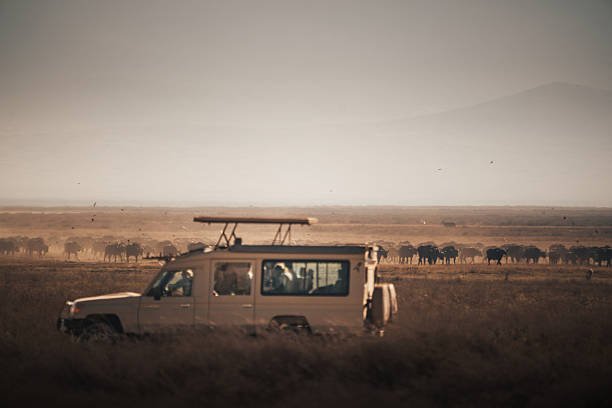
The route’s backbone is the practical alternation between Tarangire, Ngorongoro, and Serengeti (or Ngorongoro as a connecting corridor) with a focus on deliverable wildlife experiences rather than guaranteed sightings. The exact order can shift due to flight timings and park-entry authorities, but the following logic guides most bookable itineraries: an initial mainland sector to establish momentum and acclimate to driving rhythms; a second day concentrated on a cradle of biodiversity in a primary park; and a third day that moves toward broader plains or crater-adjacent routes to maximize diversity of landscapes and potential sightings without overextending drive times. The private vehicle allows you to tailor stops around your interests—photography, birding, or relaxed milestone experiences—within the park permit constraints and daily drive limits.
Tarangire’s characteristic landscapes—baobels, riverine corridors, and large elephant concentrations—offer a distinct contrast to the crater-fed Ngorongoro Conservation Area with its dense wildlife clusters and dramatic crater rim views. If Serengeti is part of your plan, the northern corridor offers rolling plains with kopjes and potential signs of predators in open savannah. If driving distances run long on any given day, the itinerary can pivot to Ngorongoro for an easier day’s drive and a crater descent slot later, balancing rest with field time.

Beach extension options and how they fit the overall rhythm
For travelers who want to end the journey with a coastal unwind, the Zanzibar beach extension is typically sequenced after the mainland game activities or, for some guests, as a return-to-coast option before departure. The extension timing is chosen to minimize backtracking and to align with flight connections from Kilimanjaro region back to Zanzibar’s coast. If you opt for a pre-booked extension, expect a day of transfer logistics that reduces redundancy: a private transfer from the last lodge to the mainland airstrip, a short flight back to Zanzibar, and then a smooth check-in at a beach resort along the northeast coast near Nungwi or Madhubani, or a southern coast option near-kindred sites. Beach days focus on spa time, snorkeling, or island-hopping experiences, with tides and sea conditions noted if you’re planning a snorkeling or boat excursion. Your guide or lodge team will synchronize the onward travel so that you don’t lose valuable beach time to transit delays.
Cost considerations and booking reality: what you can expect to confirm
Because this is a bookable plan with multiple moving parts, the most reliable point of reference remains the operator’s current availability and the specific dates you choose. Costs are contingent on chartered flights, lodge categories, park entry fees (which can vary by park and season), and the size of your private vehicle and guide team. The information you provide—dates, flight arrival times, preferred pace, and whether you want a beach extension—will shape the day-by-day sequencing, lodging options, and transfer arrangements that the operator can confirm in writing. It’s prudent to discuss add-ons such as a private vehicle upgrade, a professional photographer guide, or a private sundowner experience as part of the plan, but do so in the context of confirmed permutations rather than speculative inclusions.
Single most valuable unanswered question: how the private convoy adapts to seasonal park access and flight schedules
Travelers often worry that a five-day private Northern Tanzania safari stitched to Zanzibar hinges on rigid park access and fixed flight slots. The practical gap many readers feel is: what happens when a morning flight or park entry window shifts by a few hours, or when a park gate or airstrip experiences delays? The answer lies in how the itinerary is designed to be responsive while preserving the core bookable flow. In this section we outline the concrete, verifiable decisions operators typically embed into the plan to keep the safari on track without overpromising guaranteed wildlife sightings or exact timings.
First, flight-to-land transfer windows are harmonized with the likelihood of early park openings. The planning team prioritizes lodges and camps that are within a predictable driving time to a chosen gate or airstrip for the next step, reducing the risk of cascading delays. For Tarangire, Ngorongoro, and Serengeti movements, the schedule typically centers on a pre-dawn briefing, but the actual departure time may shift by up to 60 minutes to accommodate the incoming flight’s arrival time and the time needed for immigration and customs, if applicable. Your guide remains flexible, but the convoy’s core rhythm—early activity in the park followed by a mid-morning break at a scenic overlook or picnic site—stays consistent to maximize wildlife viewing opportunities within available light.
Second, the private convoy is equipped with contingency buffering: a spare vehicle, a satellite phone, and a landline data connection via a local SIM. If flight delays compress drive times, the team can compress or expand the game-drive window in the same park, or switch to a nearby alternative route that still yields meaningful safari time. For example, if Tarangire becomes more accessible due to airstrip clearance, a small detour to an adjacent riverine habitat can replace a later park segment without shrinking the overall three-park experience. If Ngorongoro is temporarily inaccessible due to gate restrictions, the plan can pivot to an extended Ngorongoro rim viewpoint loop or a longer scenic drive through alternates around the crater edge, ensuring you still gain meaningful wildlife and landscape exposure within the same day’s frame.
Third, the accommodation strategy supports timing shifts without sacrificing comfort. The chosen lodges and camps are selected for their proximity to multiple entry points and for their ability to accommodate late arrivals or early checkouts. Some properties offer flexible meal plans and late-afternoon activity options, which can absorb a shortened morning game drive or an extended afternoon drive when a delay arises. This flexibility helps maintain the sense of a coherent, well-paced itinerary rather than a fixed timetabled routine that could create a scramble if a window shifts.
Fourth, the beach extension or Zanzibar return leg is scheduled with a built-in buffer. If the mainland safari finishes with a tighter window due to any earlier delays, the post-safari flight back to Zanzibar can still be maintained by prioritizing air connections with minimal layover risk, while giving you the option to depart a day later if needed. The extension itself is designed to be a downstream move—either a direct return flight to Zanzibar with a short land transfer to a northeastern coast resort, or a brief, low-stress overland transfer to a southern Zanzibar option—so that the overall rhythm remains smooth, not hurried.
Finally, the booking notes you receive will reflect these practicalities: explicit flexibility allowances, likely shift margins, and the operator’s policy on rearrangements. Rather than promising a fixed sequence in every minute, the plan communicates probable windows and how the team will adapt if a shift occurs. This approach protects your travel investment while preserving the core promise of a cohesive, bookable five-day private Northern Tanzania safari that begins with Zanzibar connectivity and ends with a comfortable return or beach wind-down.
Frequently asked practical gap: adapting to unpredictable seasonal access and flight windows (a concrete look at the single most valuable unanswered question)
Readers often finish the existing day-by-day scaffold with a sense that any deviation from the planned sequence will derail the whole experience. The most valuable unanswered question in this context is: how precisely does the private convoy reconfigure without losing the core structure when seasonal park access or flight schedules shift by a few hours or a single day?
This section provides a concrete, booking-relevant explanation that stays within the documented framework of a five-day flow starting from Zanzibar, and remains faithful to the idea that exact park order and lodging may flex based on logistics. It focuses on decision points, real-time options, and the practical implications for travelers who value a coherent rhythm over a fixed minute-by-minute timetable.
Key seasonal variables that influence convoy decisions
- Park access gates and road conditions: Some seasons bring gate closures for maintenance, heavy rains, or wildlife congestion near major routes. The plan anticipates shifts to adjacent entry points or crisscrossing loops that preserve similar drive times and wildlife exposure without forcing a rushed schedule.
- Airstrip reliability and flight slots: Domestic flights into Kilimanjaro International Airport (KIA) or Arusha region airstrips can have occasional delays or rescheduling windows. The convoy strategy preserves a buffer by aligning the next day’s start with expected flight margins and offering optional late-afternoon or early-morning drives when needed.
- Accommodations with flexible linings: Lodges and camps chosen for this itinerary are described as having flexible check-in/check-out policies, late-afternoon activities, or partial-day room usage. In practice, this means if an early morning start is delayed, guests can shift to a late-morning or early-afternoon drive without losing substantial safaris or comfort.
- Distance and time cushions: The route planning intentionally includes short, efficient transfers between camps within a park or across adjacent reserves. When a shift occurs, the convoy can compress or extend the same day’s drive windows by rebalancing the morning vs. afternoon hours rather than adding travel days.
- Weather and cloud cover patterns: While not a forecast, operators monitor regional patterns and have alternative scenic or fauna-highlight options that fit the same daily rhythm—e.g., substituting a riverine elephant-watching loop for a crater rim drive when conditions favor better visibility or safety in one zone over another.
Concrete, traveler-centered decision points during a shift
- Option A: Substitution within the same park and near-entry points: If Tarangire becomes less accessible due to gate timing, the convoy may pivot to a late-afternoon or dawn-spotting drive along a nearby river system that offers similar elephant concentrations and scenery, preserving the three-parks-per-trip intent.
- Option B: Minor re-sequencing with no lost days: If Ngorongoro access is delayed, the plan can advance a Serengeti foothills or rim segment earlier in the schedule and shift a later Serengeti day to a collapsed afternoon, keeping total drive hours and wildlife exposure within acceptable bounds.
- Option C: Shortening a morning drive in favor of a relaxed lunch and a strategic siesta: In cases of fatigue, logistic buffers allow a slower pace without compromising access to key wildlife windows, maintaining safety and comfort for guests who prefer measured pacing.
- Option D: Postponed or advanced flight connection tweaks: If a flight window moves, the team can swap a pre-booked air connection to a later or earlier slot, incorporating a buffer day at the nearest lodge or camp and ensuring the next day’s drive begins within practical daylight hours.
What guests should expect during a logistics shift
- Transparent communication: The operator communicates the nature of the shift early, with a clear rationale, revised timing, and the impact on daily activities. You’ll receive an updated sequence in your itinerary packet and a direct contact for on-the-ground adjustments.
- Maintained safety and comfort: All changes respect safety protocols, driver hours, and rest requirements. The convoy system prioritizes rested guides, appropriate driving breaks, and predictable meal arrangements to minimize disruption.
- Preserved core experience: Even with shifts, the aim remains three wildlife-enriched drive blocks per day (where feasible) and a balanced mix of landscapes—savannah, crater rims, and riverine habitats—so guests still encounter a representative set of ecosystems within five days.
Booking considerations to future-proof the plan
- Flexibility clauses: When finalizing a booking, request explicit flexibility buffers in both park-day allocation and flight-handling windows. This should include a general range for start times each day and a contingency for overnighting near a key airstrip if needed.
- Alternative routing options: Ask for a pre-vetted list of substitute drives and loops for Tarangire, Ngorongoro, and Serengeti corridors that your guide can deploy quickly based on current conditions. This reduces decision time on the ground.
- Propensity for late arrivals: Confirm which properties offer late check-ins and meal accommodations, ensuring you won’t lose value if a drive ends later than anticipated.
- Clear indications of non-negotiables: Identify elements you want to preserve no matter what (e.g., a sunrise drive, a crater rim viewpoint, or a particular park segment), so the guide can prioritize these if re-sequencing is required.
In short, the single most valuable practical gap—how the private convoy adapts to seasonal park access and flight schedules—has a concrete answer: through a structured, pre-vetted set of substitution options, buffered schedules, flexible lodging decisions, and transparent communication, the five-day plan remains coherent and high-quality even when logistics shift. This approach keeps the itinerary bookable, realistic, and respectful of both wildlife windows and traveler comfort, without pretending a fixed minute-by-minute timetable is achievable in all conditions.
A practical deep dive: how the flight and road legs tighten the 5-day rhythm
Readers who plan a five-day private Northern Tanzania safari from Zanzibar often ask for clarity on how the sequence between islands, air transfers, and mainland driving is choreographed to maximize wildlife viewing while keeping a comfortable pace. This new passage tightens the operational reality without promising guaranteed sightings or fixed times. It stays anchored to the bookable flow and explains, in concrete terms, how a typical day migrates from Zanzibar to Arusha or Moshi, then locks into three park-based drive blocks before returning to the coast or concluding with beach time.
First, the flight-to-drive handoff is not a single moment but a window. The Zanzibar-to-Tanzania mainland leg is scheduled to land within a defined arrival block that aligns with a pre-selected private convoy. Instead of a rigid exact arrival time at the lodge, you’ll commonly see a 60–90 minute buffer that accommodates possible early or late arrivals due to weather, air traffic, or flight timing adjustments. That buffer is crucial because it preserves your first mainland game window, typically a late morning to early afternoon drive block rather than a rushed pre-dawn departure from the hotel.
For guests coming from international or domestic connections, the plan anticipates possible flight swaps or the need to link with a different airstrip (for example, Kilimanjaro International vs. Arusha’s domestic strip). In practice, the guide team maintains two or three ready options on a map: a Tarangire-first sequence, a Ngorongoro-first sequence, or a Serengeti-first sequence depending on gate access, lodge availability, and park permit logistics. These options are pre-vetted, with alternative routes that preserve similar driving times and wildlife opportunities. The objective is to keep three substantive drive blocks in parks over the course of the day, even if the order shifts modestly.
Accommodation choices on day two and day three are selected to minimize backtracking and to optimize prime wildlife hours. If Tarangire is the focus, lodging tends to cluster near riverine areas where elephant and baobol pasture concentrations are more predictable, reducing the need for long, early-morning transfers. If Ngorongoro is prioritized, the stay may sit closer to the crater rim so a dawn ascent into the caldera is feasible without a congested, late start. In Serengeti options, proximity to the northern corridor or central plains changes the drive geometry but not the daily structure: depart after a light breakfast, cover a couple of hours of road time with a mid-morning game block, pause for a lunch break in a designated camp or picnic area, then resume a late afternoon drive that seeks the best light for photography and a potential sunset viewpoint that doesn’t sacrifice safety or fatigue thresholds for the guides.
How the convoy adapts on the ground is anchored in three operational levers: span of drive blocks, rest and meal scheduling, and door-to-door transfer timing. The span of drive blocks means days are rarely a single uninterrupted stretch; rather, two to three distinct drive windows punctuate the day, separated by a lunch stop and a rest moment. Rest and meals are not afterthoughts but integrated into the daily plan so guides and guests stay alert and safe. The third lever—door-to-door transfer timing—reflects that road conditions, gate hours, and wildlife traffic can alter the day’s geometry. If a gate opens later than expected or a road segment is temporarily closed for maintenance, the convoy shifts to a nearby loop with similar habitat and vehicle accessibility. This preserves the three-block structure while accommodating practical realities on the ground.
Practically, this means that a guest may finish a late morning drive near a crater rim and, after a brief lunch, head into a Serengeti northbound corridor or Tarangire’s riverine belt for a second block, rather than forcing a long return to camp and risking fatigue. The aim is to keep light, heat, and vehicle hours within comfortable ranges for a private group, while ensuring the day still delivers meaningful wildlife exposure and scenic variation across savannah, crater, and riverine ecosystems. The net effect for travelers is a coherent, bookable sequence where the day’s core value—three wildlife-rich drive blocks in varied habitats—remains intact, even when specific park order shifts due to seasonal access or flight windows.
When you review the practicalities with your operator, expect explicit references to a few standard contingencies. For example, if Ngorongoro access is temporarily constrained by heavy crater traffic or a gate closure early in the day, you may see a substitution into Tarangire or a different pass along the Ngorongoro rim to preserve the dawn or early-morning wildlife window. If Serengeti access is limited by airstrip scheduling, the convoy can pivot to a Serengeti-adjacent corridor with comparable plains scenery and predator activity opportunities. The conversations with your guide before departure should confirm these substitution rules, the approximate driving distances for each proposed shift, and the expected driving hours for each block so you can pace your energy and photography accordingly.
Finally, the booking reality remains fluid by design. Prices, alternative lodging, and exact park access depend on dates and availability, and nothing in this discussion should be read as a guarantee of a specific park order or a fixed timetable. The document-to-practice alignment hinges on transparent communication about flight times, gate openings, and vehicle readiness. Your traveler load (number of guests, level of comfort desired in camps, and appetite for early starts) will influence how strictly the day splits are observed. The new material here aims to illuminate how the five-day plan maintains its core promise—three wildlife-rich drive blocks across Tarangire, Ngorongoro, and Serengeti where feasible—while remaining adaptable to the seasonal rhythms and flight windows that inevitably shape a Zanzibar-linked safari.
Unanswered practical gap: seasonal access nuances and how the five-day flow adapts in real time
While the core five-day plan sets a logical rhythm for travel between Zanzibar and the northern Tanzania parks, seasoned operators acknowledge that the most valuable clarification readers seek concerns the granular, on-the-ground adjustments that occur when seasons alter park access and flight slots. This section identifies the single most valuable unanswered question for readers of a bookable plan like this and then translates it into concrete, traveler-centered guidance grounded in known operational realities.
The central question readers want answered: How does the private convoy concretely adapt to shifting seasonal park access and variable flight schedules without compromising the overall five-day rhythm and wildlife exposure? In other words, if gate openings, airstrip slots, or road conditions change on Day 2 or Day 3, what exactly happens to the sequence, driving distances, and lodging, and how is this communicated to guests in advance?
Context matters: in low or shoulder seasons, road conditions can tighten travel times, and gate operations at Ngorongoro, Tarangire, or Serengeti can differ by hour. Similarly, scheduled light-aircraft transfers from the Zanzibar side or to airstrips near lodges on the mainland may shift due to weather, maintenance, or air-traffic constraints. The five-day plan intentionally builds in flexibility to preserve the core wildlife-rich blocks while avoiding an over-tight timetable that risks fatigue or long waiting periods. The practical gap readers often fear is not the potential for a single missed wildlife moment, but the cumulative effect of multiple small shifts across consecutive days that could erode pacing, energy, or photosockets during golden hours.
Concrete, verifiable pattern of adaptation you can expect:
- Reserve-state communication: Before departure, you receive a clearly defined decision tree for substitutions. Your guide discusses, in plain terms, which blocks may shift if a preferred park is temporarily less accessible. For example, if Ngorongoro crater access tightens in the morning window due to heavy traffic, the plan may substitute an early Tarangire river-drive block with comparable elephant densities and a similar dawn chorus. These substitutions are described using approximate driving hours (e.g., 60–90 minutes between lodge and park gate) and the expected light conditions for that block.
- Contingent lodging and proximity: Lodges or camps are chosen with built-in proximity to multiple entry points. If a shift is needed, the convoy pivots to a nearby lodge with easy access to alternative park gates or rim viewpoints, minimizing additional transfers and keeping the day’s core wildlife window intact.
- Incremental timing adjustments: Adjustments are usually incremental rather than wholesale. You might start a drive 30–60 minutes later, extend a block by a similar amount, or compress a second drive into a single extended session. The aim is to protect the best light for photography and the safety margins for vehicle hours in a private convoy.
- Transport rhythm transparency: The updated itinerary would be delivered as an addendum with revised start times, new transfer distances, and a revised estimated total driving time for the day. Guests receive this update via a direct line to the on-site manager or a shared itinerary app used by the operator.
- Flight-window diplomacy: If a domestic flight leg from the mainland is delayed, the plan may temporarily move a late morning park drive to an earlier block or re-sequence a Serengeti-adjacent corridor, ensuring the guest still reaches the airstrip in time for the next leg. In some cases, a short overnight near a convenient airstrip becomes a pragmatic, low-stress option rather than rushing a long late-evening transfer.
Readers should expect that the five-day framework is not a rigid agenda but a flexible scaffold, with explicit guardrails. Those guardrails cover the maximum acceptable driving hours per day, the minimum wildlife-encounter potential (drives scheduled around dawn and late afternoon), and the etiquette of movement—no unnecessary long back-and-forth shuttling just to “check a box.” The practical outcome is a plan that preserves the experience’s essence—three meaningful drive blocks in varied habitats—while acknowledging that exact park order and timing can shift in response to real-world constraints.
What does this mean for booking and preparation? When you confirm a five-day private safari from Zanzibar, ask your operator to provide: (1) a substitution matrix showing which day blocks can be swapped and the rough driving hours associated with each swap; (2) a list of alternative lodges or camps within a short transfer distance that support quick rerouting; (3) a communication protocol for updates, including who you contact and how you receive updated itineraries on travel days. With these details, you gain a transparent, controllable sense of how the convoy adapts—without losing the rhythm that makes the trip both feasible and richly rewarding.
Related Guides and Packages
Check Availability for 5 Days Private Northern Tanzania Safari From Zanzibar: Mainland Circuit Plus
Ready to compare dates, prices, and the best option for your group? Send the package name and travel month so the team can reply with a clear quote, availability, and what is included.
14 Days Tanzania Safari And Zanzibar Private Holiday 2026-2027
14 Days Tanzania Safari and Zanzibar Private Holiday.
View package details
5 Days Tanzania Group Joining Safari From Zanzibar 2026-2027
5 Days Tanzania Group Joining Safari from Zanzibar.
View package details
4 Days Budget Camping Safari From Zanzibar 2026-2027
4 Days Budget Camping Safari from Zanzibar.
View package details
6 Days Serengeti Ngorongoro And Tarangire Safari From Zanzibar: A Bookable
Plan a 6-day wildlife circuit that links Zanzibar with Tanzania’s top parks—Tarangire, Serengeti, and Ngorongoro. Discover practical routing, transfers, and realistic safari opportunities...
View package details
5 Days Tarangire Serengeti And Ngorongoro Safari From Zanzibar: Mainland
Plan a practical 5-day safari that starts with a flight from Zanzibar to Moshi/Arusha, then tours Tarangire, Serengeti, and Ngorongoro in sequence. This guide outlines day-by-day logistics...
View package details
4 Days Nyerere And Mikumi Safari From Zanzibar 2026-2027
4 Days Nyerere and Mikumi Safari from Zanzibar.
View package details
4 Days Serengeti And Ngorongoro Safari From Zanzibar: A Practical
Plan a focused 4-day combo: Zanzibar to mainland Tanzania, then Serengeti and Ngorongoro safari. Learn how days split between island relaxation and classic savannah game drives, with...
View package details9 Days Tanzania Budget Safari And Zanzibar Beach 2026-2027
9 Days Tanzania Budget Safari and Zanzibar Beach.
View package details11 Days Tanzania Migration Safari And Zanzibar Honeymoon 2026-2027
11 Days Tanzania Migration Safari and Zanzibar Honeymoon.
View package details
21 Days Tanzania Grand Adventure – Kilimanjaro Safari And Zanzibar 2026-2027
21 Days Tanzania Grand Adventure – Kilimanjaro Safari and Zanzibar.
View package details20 Days Northern Circuit Kilimanjaro Safari And Zanzibar 2026-2027
20 Days Northern Circuit Kilimanjaro Safari and Zanzibar.
View package details15 Days Tanzania Luxury Safari And Zanzibar Beach Retreat: Mainland Wildlife
A carefully paced 15-day journey blending premier Tanzanian safaris with a restorative Zanzibar beach retreat, designed for confident travelers seeking wildlife encounters and island...
View package detailsNo related package matches those filters. Clear one or more filters to see the other topic-matched options.



