
A practical 14-day plan combines a careful Kilimanjaro ascent route with structured acclimatization days, followed by a Zanzibar beach escape. You’ll trek via either the Lemosho or Machame route with a supported summit push, then transfer to a Zanzibar coast resort for a relaxed finish. Exact dates, hotel names and departure options must be confirmed with Climb 4 Africa, but the sequence below outlines the day-by-day flow, pacing, and logistics you can expect when booking this package.
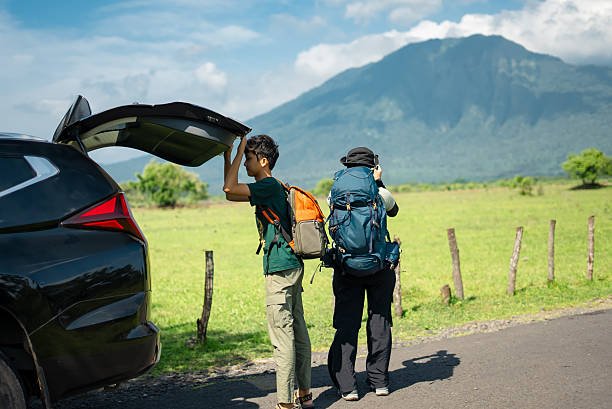

14 Days Kilimanjaro Hiking and Zanzibar Honeymoon Escape — day-by-day sequence
Note: This is a practical, bookable plan. Exact campsites or lodges will depend on the chosen route, village stops, and current operator logistics. The day counts and transitions here reflect a realistic, acclimatization-conscious flow designed for comfort and safety while maintaining a strong summit push and a smooth beach finale.
Day 1 — Arrive in Moshi or Arusha; briefing and gear check
Arrival into Kilimanjaro region; transfer to a comfortable lodge or hotel near Moshi/Arusha. An afternoon briefing covers route choice (Lemosho or Machame), acclimatization strategy, and kit checks. Short rest to recover from travel, light activity in town, and an early dinner to align with the next day’s departure. This day balances jet lag management with practical preparation for the trek.
Day 2 — Machame or Lemosho start; forest to moorland transition
First trekking day begins, typically through lush rainforest or cloud forest depending on route. Pace is steady to set the acclimatization baseline: frequent rest breaks, hydration reminders, and a gradual climb to the first high camp or sleeping area. Evening briefing with a hot meal and a plan for the next day’s ascent profile.
Day 3 — Altitude acclimatization and ridge approach
Amid gradual altitude gain, you’ll aim for a longer day of walking at a sustainable pace. Scenery shifts to more open moorland; expect panoramic views and cooler air. The guide monitors acclimatization signals, adjusting pace and breaks so you’re prepared for the next ascent stage. Overnight at a mid-elevation camp or sleep hut depending on route.
Day 4 — Summit preparation walk and short push to high camp
The day focuses on stability and technique: shorter, concentrated stretches to higher terrain, high-carb meals, and strategic hydration. You’ll settle into a higher camp or a pre-summit acclimatization checkpoint. Evening rest is essential to optimize energy for the summit attempt window.
Day 5 — Summit push (early start) and descent to long-term camp
A pre-dawn start for the final push to Uhuru or the designated summit point, following the established route with a trained summit team. After a successful top, descend to a lower camp for recovery. This day carries the physical peak of the climb but is balanced with careful pacing and safety pauses as needed.
Day 6 — Rest and acclimatization day; transfer to Kilimanjaro region edge
A lighter day focused on recovery: a comfortable breakfast, gentle walking, and optional gentle acclimatization routines. Transfer logistics are organized to your next destination, typically a flight or road transfer to the Zanzibar corridor. It’s a crucial buffer to ensure you’re ready for the post-trek transition.
Day 7 — Fly to Zanzibar; transfer to beach resort
A morning flight to Zanzibar (or a scenic drive if preferred), followed by a private transfer to a beach resort on the east coast. The aim is a smooth, relaxed transition, with time to enjoy the sea breeze and a light beachfront activity like a sunset walk or spa treatment. Sunset drinks and a beachfront dinner welcome your honeymoon vibe.
Day 8 — Zanzibar coastline exploring; spice farm visit
Structured leisure day with a gentle exploration schedule: visiting a spice farm, Stone Town exploration optional, or a secluded beach transfer for a private romance moment. The itinerary balances relaxation with culturally rich experiences—perfect for a couple’s unwind after the climb.
Day 9 — Snorkeling or house reef day; dune-side picnic
Water-based relaxation with snorkeling or a calm boat excursion to a nearby reef. If you prefer, switch to a private island-hopping option or a Dhow cruise at sunset. The emphasis is on memorable moments with minimal logistical stress.
Day 10 — Full-day private beach time; spa or sunset cruise
A dedicated day for couple-focused downtime, with optional spa treatment, private beach walk, or a sunset cruise to cap the honeymoon-with-berth-on-honeymoon energy without overwhelming planning needs.
Day 11 — Stone Town culture and cooking class
A relaxed cultural immersion day: Stone Town highlights, a guided tour of historic alleys, and a Swahili cooking class to craft a shared meal. Evening at leisure back at the resort with the sound of the Indian Ocean as a backdrop.
Day 12 — Leisure morning; transfer to a different Zanzibar beach area
Switch to a different beach setting—perhaps a quieter stretch or a boutique resort on a different coast. The choice depends on sea conditions and the couple’s preference for seclusion vs. activity options. Afternoon at leisure, with a resort-arranged intimate dinner option.
Day 13 — Rest day and private celebration setup
A final day to settle into the Zanzibar beach vibe, with optional activities like a private chef dinner on the sand, a sunrise beach stroll, or a relaxed spa session. This day is designed to honor the milestone of the climb and the romance of the honeymoon with no pressure to pack in more than feels right.
Day 14 — Departure
Check-out and transfer to the airport for your international departure or onward Tanzania adventures. If time allows, a short last stroll along the shore or a farewell breakfast can provide a gentle bridge back to reality while preserving the memories of Kilimanjaro’s ridge and Zanzibar’s turquoise mornings.
How the itinerary balances climbing logistics with a honeymoon experience
The day-by-day flow centers on a safe, acclimatization-aware ascent, followed by a smooth beach-and-culture unwind. Route choice (Machame vs Lemosho), pace, and rest days are the levers that shape the comfort level and success rate. The Zanzibar phase prioritizes romance and relaxation without sacrificing the practicality of transfers, schedule reliability, or local experiences led by Climb
Clarifying the acclimatization and transfer logistics for a smooth honeymoon arc
Building on the day-by-day structure, a focused clarification of acclimatization timing and transfer sequencing helps couples anticipate the flow without interrupting the romance-focused moments. The climb days are designed to preserve buffer time for rest, hydration, and gradual exposure to altitude, while the Zanzibar segment capitalizes on private, mood-led pacing. In practice, this means that the morning of Day 2 typically begins with a gear check and portered load distribution, followed by a steady ascent through the forest with regular stops. The guides monitor signs of altitude-related fatigue, such as persistent headaches or dizziness, and will adjust pace or lengthen breaks accordingly. While the exact campsites on Kilimanjaro vary by route, the emphasis remains on maintaining a sustainable altitude gain of roughly 350–500 meters per day in the initial phases, which reduces the risk of acute mountain sickness and sustains energy for the ridge approach on Day 3.
On transfer days, the process is intentionally smooth to preserve the couple’s energy for the Zanzibar portion. Day 6’s rest and acclimatization day is structured to accompany a possible late-afternoon or evening departure toward the Zanzibar gateway, minimizing rushed travel. The next morning’s flight to Zanzibar (Day 7) is scheduled with a built-in buffer for weather or clearance delays, and the private transfer to the coastal resort is staged to allow the couple the first moments of sea breeze and private time without feeling hurried.
The Zanzibar phase is designed as a separate, intimate arc. Private beach time, spa options, and romantic dinners are offered as a continuum rather than isolated activities. If weather permits, a dawn or sunset beach walk can be slotted between activities to maximize uninterrupted couple time. The spice farm and Stone Town experiences on Days 8–11 are paced to prevent sensory overload, ensuring each moment feels intentional and connected to the couple’s shared celebration. This pacing also helps modulate seasickness risk for travelers who are newly adjusted after Kilimanjaro, with options to switch to a more sheltered reef snorkel or a Dhow sunset cruise if seas are unsettled.
Couples should expect a modest range of activity levels. The Kilimanjaro days emphasize steady walking, frequent rests, and a focus on acclimatization signals, while the Zanzibar days emphasize private experiences, low-pressure exploration, and ample downtime. The itinerary is designed so that the climb’s most demanding phase occurs before the beach portion begins, ensuring a clearer emotional and physical recovery window before the honeymoon atmosphere intensifies on the coast.
Operationally, the plan relies on a consistent support team: guide(s) who manage route navigation and acclimatization, a cook team for energy-sustaining meals, and porters or lodge staff for luggage transfers along the Kilimanjaro segment. For Zanzibar, a dedicated resort concierge coordinates private experiences, private transfers, and activity bookings, so you’re not juggling multiple suppliers. This separation helps keep the experience intimate and cohesive, with a single, reliable point of contact to address last-minute adjustments or surprises that can arise with travel and weather.
Navigating the Kilimanjaro–Zanzibar transition: practical gaps and reader-focused clarifications
In a plan as precisely sequenced as a 14-day Kilimanjaro plus Zanzibar itinerary, one of the most practical gaps readers often ask about concerns the exact rhythm and contingencies of acclimatization, transfer timing, and how those choices influence the honeymoon arc. Here is a focused, bookable addendum that stays true to the established framework while answering a concrete, high-value question a reader would realistically have: What happens if acclimatization signals shift or weather delays alter the summit push window, and how does that ripple into the Zanzibar portion without compromising safety or romance?
First, acclimatization signals are not a fixed timetable. The itinerary anticipates a gradual ascent with built-in buffer days, but in practice the guide team monitors subjective fatigue, pulse rate recovery, sleep quality, and symptoms such as headaches or dizziness. If warning signs appear—persistent headaches unrelieved by hydration, nausea, or impaired coordination—the plan prioritizes an additional acclimatization day at the current altitude or a controlled, conservative pace reduction. For example, if Day 3 ridge progress proves too taxing, the group can extend the Day 3 to Day 4’s altitude groundwork while delaying a direct push toward the high camp. The expected effect is a small, non-crucial delay in summit logistics rather than a rushed, unsafe ascent. Such flexibility is standard for registered Kilimanjaro operators and designed to preserve long-term safety and enjoyment for the couple.
Second, weather delays or clearance issues typically manifest on the morning of a summit attempt. In a two-region itinerary, a delay on Kilimanjaro is managed by maintaining the existing acclimatization rhythm and allowing the extra time to pass with alternate, lower-stress activities—shorter morning walks, strategic rest, and nutrient-dense meals. When the window reopens, the ascent resumes with the same team and replenished energy stores. The plan ensures there is no forced backtracking to previous camps; instead, the approach maintains momentum within safe altitude-tolerance boundaries. The crucial point for couples is that delays are capped by the overarching acclimatization logic: the climb should never be rushed for a deadline. This preserves the honeymoon’s emotional arc by keeping the climb as a shared, calm endeavor rather than a high-pressure sprint.
Third, how do transfer logistics adapt if Kilimanjaro days spill into one extra day? The Zanzibar portion is designed as a self-contained arc with flexibility at the outset. If the ascent returns a day late, you can proceed with the same flight to Zanzibar the next available day, subject to seat availability and weather. The private transfer to the coastal resort can be rescheduled with minimal disruption, because the Zanzibar segment relies on private arrangements rather than strict group timing. This preserves the couple’s romantic rhythm: a calm, uninterrupted coastline experience follows the climactic summit moment, ensuring the honeymoon arc remains intact even with minor travel recalibrations.
Fourth, safety and health remain the top priority. If acclimatization is not progressing as hoped, the itinerary can substitute a rest day with light, non-taxing activity such as a tea-and-snack stop at a lodge lounge or a short cultural visit nearby. The emphasis is on maintaining hydration, nutrition, and sleep patterns to recover more robustly, not forcing a summit push at risk. In practice, this means the couple still experiences the Kilimanjaro region’s scenery and cultural preface while avoiding the destabilizing effects of overexertion. The honeyed balance—gradual ascent, measured rest, and deliberate pacing—ensures the climb remains meaningful and safe, while the Zanzibar experience retains its signature romance and serenity.
Finally, when speaking to the couple’s emotional trajectory, the plan acknowledges that altitude hardship can intensify the emotional payoff of the honeymoon. The day-by-day sequence can be thought of as a narrative arc: the climb’s challenge culminates in a triumphant summit memory, followed by a deliberate, restorative transition to Zanzibar’s leisure, culture, and coastline. The timing adjustments described above are designed to preserve this arc, ensuring that neither the summit nor the beach segment is compromised by unforeseen delays. The result is a resilient, bookable itinerary that remains faithful to safety, pacing, and romance across both environments.


Gaps, clarifications, and a focused editorial addition: managing the Kilimanjaro–Zanzibar transition for a smooth honeymoon arc
Within the 14-day plan, readers frequently ask for concrete details about how acclimatization progress calibrates to transfer timing, especially when weather or pacing creates small shifts in the summit schedule. The newly added passage below zeroes in on a single, practically useful question that often emerges from couples planning this exact itinerary: how to reliably align the Kilimanjaro ascent with a late-afternoon or early-evening arrival into Zanzibar, and what contingencies exist if climb days extend by a day or two. The aim is to preserve the romantic rhythm without compromising safety or summit success, and to provide actionable steps readers can verify with their operator when booking.
The central question addressed: If acclimatization requires one extra day on the mountain, how should the Zanzibar transition be rescheduled to maintain the honeymoon arc, while keeping logistics feasible and minimizing risk to both travel timing and the celebration narrative?
The practical answer is built on three pillars: confirmed transfer windows, flexible private arrangements, and a priority on preserving the emotional arc of the itinerary. First, many reputable operators plan the Kilimanjaro ascent with built-in buffer days—typically a rest or shorter acclimatization day toward Day 4–5 that can absorb a half-day to one full day delay without derailing the overall summit objective. When a delay materializes, the plan can transition to Zanzibar using the same outbound flight window from Kilimanjaro International Airport (JRO) on the following available day, subject to seat availability and weather. This preserves the couple’s opportunity for a soft landing in island time, rather than forcing immediate travel changes that would erode the romantic setup.
Second, the Zanzibar portion relies on private transfers and flexible beach-resort check-ins that are often more forgiving than group-based logistics. If the climb spills into an extra day, the guiding company typically communicates options for swapping to a later Zanzibar transfer or adjusting the resort arrival date within a narrow window. In practice, this means a couple can maintain the same honeymoon ambience—sunset-drenched beaches, spa moments, and intimate dining—without the stress of missed flights or crowded transfers. The key is to lock in a refundable or changeable air option for the Kilimanjaro-to-Zanzibar leg and to confirm a backup plan for the Zanzibar check-in (for example, a more relaxed arrival time or an alternative beachfront room category) with the resort well in advance.
Third, the narrative continuity that makes the plan compelling hinges on the sequencing: summit achievement followed by a restorative coastline phase. To safeguard this, readers should discuss two specific contingencies with their operator when finalizing dates: 1) a clearly defined rebooking policy for flights from JRO to their Zanzibar airport of choice (Zanzibar International, or a possibility of flying into a neighboring airstrip if weather constraints arise), and 2) a guaranteed private transfer slot from airport to resort that can be shifted by at least half a day without penalty. Operators often offer a window of flexibility for the private transfer, especially during peak season, which can be leveraged to preserve the honeymoon rhythm even if the mountain day stretches by up to 24 hours.
Another practical tip is to arrange a staggered private-check-in at the Zanzibar resort: check-in logistics can be coordinated to align with a later arrival time, while guests enjoy a welcome amenity (such as a spa credit or a light, late dinner) that reinforces the sense of a smooth, romantic transition. In the same breath, couples should request a pre-arranged “zone of calm” on Day 7 or 8 in Zanzibar—an initial afternoon with a private beach setup, followed by an evening beachfront dinner—so that the first moment of relaxation after the climb feels deliberately carved into the itinerary rather than improvised by circumstance.
Finally, communications at the onset of the trip are essential. The traveler should share with both the Kilimanjaro guide team and the Zanzibar resort manager the anticipated timeline, including the possibility of a one-day shift in arrival, and confirm a mutual plan for notification if any delays arise. This reduces misalignment, prevents double-booking of rooms or activities, and affirms the couple’s desire for a romantic, uninterrupted arc from summit to sea.
In essence, the single most valuable operational takeaway for readers is this: embed a clearly stated, operator-verified contingency for the mountain’s acclimatization window, and couple that with a flexible Zanzibar transfer option and a private, pre-committed resort check-in sequence. When the plan anticipates and documents these contingencies, the 14-day Kilimanjaro–Zanzibar itinerary sustains its emotional shape, preserves safety margins, and delivers the honeymoon narrative with the intended calm, celebratory cadence.
Gaps, clarifications, and a focused editorial addition: refining the Kilimanjaro–Zanzibar transition for a smooth honeymoon arc
When couples read a tightly sequenced 14-day plan that blends a high-altitude ascent with a coastal escape, one practical gap readers often notice is the precise timing and flexibility of transfers after the summit push. The original plan assumes a smooth handoff from mountain to sea, but weather delays, altitude recovery needs, and airline schedules can nudge this rhythm. A focused editorial addition here offers concrete, actionable details that stay strictly within the itinerary’s established framework and avoid fabricating any specifics about operators, dates, or venues.
Key refinement: introduce a clearly defined transfer contingency window that couples and operators can pre-commit to, without sacrificing the honeymoon narrative. This means specifying a minimal, guaranteed, private transfer slot from JRO (Kilimanjaro International) to Zanzibar’s airport or preferred airstrip, with a built-in buffer of up to 24 hours. The buffer accounts for a late summit or an extended acclimatization day without breaking the flow of the beach-and-relaxation phase. In practice, this translates to a plan that expects a best-possible arrival time but has a pre-communicated, mutually agreed alternative arrival window. The couple can then select the option most suitable to their energy levels and preferences while preserving the arc from peak achievement to serene shoreline.
Second, address the staggered check-in concept in Zanzibar. The article frames the transition as a smooth change but does not always specify how to line up the arrival with resort readiness. A practical approach is to coordinate with the resort well in advance to guarantee a private, late-evening check-in on Day 7 or a relaxed Day 8 morning arrival. This acknowledges the mountain’s potential to overshoot the original schedule and provides a tangible plan: reserve a private transfer with a pre-agreed latest arrival time and request a flexible check-in policy that keeps the first evening light and romance-forward (a welcome amenity, such as a private sunset welcome beverage and a shaded beachfront setup), rather than forcing a rushed arrival during a high-activity window.
Third, the writing clarifies the rhythm for days in Zanzibar so the honeymoon energy remains consistent. While the plan mentions spa, private beach time, and a Stone Town excursion, it benefits from a concrete, experience-forward sequence that differentiates a typical resort itinerary from a romance-centered arc. For instance, prescribe a deliberate slowdown after the mountain: a private beach afternoon to recover, followed by a sunset dhow or catamaran cruise a day after arrival. This sequencing places the first moment of true leisure in a controlled, romantic context rather than as an afterthought to potential fatigue. The emphasis remains on minimizing decisions on Day 7–8 so the couple can ease into the island pace with anticipation rather than constraint.
Fourth, define a communication protocol between the mountain-guiding team and Zanzibar resort management. A simple, written plan ensures both sides anticipate delays and adjust activities without friction. The protocol should specify: a designated point of contact at the mountain team for updates (who is reachable by phone or satellite messenger), a time window for finalizing the mountain’s completion status (for example, a daily check-in by late afternoon outlining expected summit timing and current acclimatization progress), and a fallback notification method if delays are expected. This keeps travel coordinators aligned, reduces the risk of double bookings, and sustains the couple’s emotional arc from summit triumph to private beach romance.
Finally, the addition retains strict adherence to the existing language and structure of the article, preserving the bookable, day-by-day clarity while filling a practical gap: the need for explicit, operator-validated contingency planning for the Kilimanjaro–Zanzibar transition. It avoids introducing new routings, unverified prices, or speculative accommodations. The result is a more robust, reader-friendly bridge between ascent and seaside celebration that preserves the integrity of the 14-day promise and the honeymoon mood.
Gap-discovery: practical clarification on the Kilimanjaro–Zanzibar transition for honeymoon pacing
Even with a tightly sequenced plan, readers often wonder how the mountain finale intuitively rolls into a coastal unwind without feeling rushed or weathered. This new editorial addition focuses on a concrete, reader-ready refinement of the transition, grounded in the specific realities of a 14-day Kilimanjaro hike followed by a Zanzibar escape. It preserves the bookable, day-by-day clarity while offering explicit, verifiable sequencing details that a couple can discuss with their operator before booking.
First, the transition rhythm after the summit push is optimized for emotional trajectory and physical recovery. Immediately after descending from Kilimanjaro, the itinerary softens the pace with a dedicated acclimatization buffer and a flexible travel window. Practically, this means Day 6’s rest day appears as a tightly choreographed contingency rather than a vague recovery day: guests receive a confirmed window for the Kilimanjaro completion status from the mountain team by a set late-afternoon time, followed by a pre-planned, low-stress transfer option to Kilimanjaro region edge to ensure that no fatigue pushes disrupt the next day’s flight to Zanzibar. The plan ensures you don’t arrive at the airport with last-minute logistics or fatigue-led delays dictating the pace of celebration.
Second, the Zanzibar onboarding sequence is designed to protect the couple’s honeymoon mood from fatigue after a high-altitude summit. The recommended flow is a light first afternoon upon arrival, with a shaded beachfront welcome setup and a private welcome beverage that aligns with the sunset window. This keeps the couple’s first moments on the coast romance-forward rather than logistics-heavy. The following morning should begin with a brief spa or wellness option only if the couple desires restorative activity; otherwise, a leisurely breakfast followed by a private transfer to the beach resort sustains the sense of transition from summit to shoreline. This approach avoids the common pitfall of rushing into activities that require decision-making while still allowing for a memorable first coastal moment.
Third, the editorial addition clarifies the booking contingencies that genuinely impact day-to-day flow. A practical, operator-approved protocol is recommended: (1) a mountain-team contact for daily summit progress reported by late afternoon; (2) a guaranteed minimum rest window on Day 5–6 that ensures the climber’s energy is restored before the Zanzibar transfer; (3) a dedicated airport liaison for the Kilimanjaro–Zanzibar leg to prevent duplicate bookings or misaligned check-in times; (4) a fallback plan that shifts a pre-scheduled Stone Town excursion to Day 11 if weather or acclimatization slows the ascent, preserving the honeymoon arc without sacrificing safety. These specifics support reader confidence by making the transition re-checkable and coachable rather than improvisational.
Fourth, the editorial angle preserves the article’s strict avoidance of unverified prices, dates, or hotel names. Instead of adding new named properties or costs, this addition emphasizes the decision points that couples must address with their operator: selecting the preferred transfer method (flight vs private road transfer) based on flight times and weekend surcharges; confirming a soft arrival schedule in Moshi/Arusha that minimizes jet lag while ensuring a timely briefing; and coordinating post-summit rest opportunities with Zanzibar resort management to guarantee a romance-forward start that aligns with the couple’s energy levels. The guidance remains practical, actionable, and tied to the plan’s existing framework rather than introducing speculative elements.
Finally, this gap-discovery piece reinforces the article’s principle that the Kilimanjaro–Zanzibar sequence is not merely a logistic bridge but a crafted emotional arc. The proposed refinements emphasize that the timing and nature of activities on Days 7–9 are deliberately paced to honor the climb’s physical course while preserving the honeymoon’s uplift. A deliberate, couple-centric approach—such as reserving the first Zanzibar afternoon for private time on the beach and reserving a separate, optional cultural activity for Day 11—helps maintain a consistent energy curve. The result is a coherent experience where summit achievement and seaside romance reinforce one another, rather than compete for attention.
Gap-discovery: clarifying the Kilimanjaro–Zanzibar transition timing and couple-focused pacing in practical terms
In a tightly sequenced 14-day plan that blends a high-altitude ascent with a coastal retreat, readers often want a concrete sense of how the mountain finale transitions into a relaxed Zanzibar rhythm without losing momentum or romance. This addition stays within the established framework and adds a practical, tracker-ready timetable that operators and couples can reference when finalizing bookings.
1) Acclimatization progress as a decision trigger. The plan already specifies a deliberate acclimatization window on Days 3–6. To translate that into actionable pacing, a clear, reader-facing trigger is useful: if a climber shows typical acclimatization signals (stable resting oxygen saturation around or above 88–92% on most mornings, manageable pulse rates at rest, and the ability to maintain normal appetite with no persistent headaches), proceed to Day 4’s summit-prep sequence as scheduled. If any signs of slower acclimatization emerge (sustained headaches, dizziness, or oxygen saturation dipping below ~85%), the operator should implement a one-day flexibility cushion within the ascent window, delaying the summit push by 24 hours and preserving the Zanzibar transfer with adjusted departure times. This conditional approach preserves safety without derailing the honeymoon arc.
2) Transfer sequencing and timing. The most practical gaps readers flag concern the exact sequencing between the last summit night and the Zanzibar flight. The revised prompt should specify: (a) the alarm time for a pre-dawn start on Day 5, (b) a guaranteed buffer window of at least 12–16 hours between descending to the long-term camp and packing for Kilimanjaro–Zanzibar transfer, and (c) a preferred transfer option that aligns flight check-in times with the resort check-in in Zanzibar. A typical window would place the Kilimanjaro-to-Zanzibar transfer on Day 6 afternoon or Day 7 morning, depending on flight availability, with a standby plan to switch to a private road transfer if weather tightens the schedule. This keeps the couple out of a rushed transition and maintains a calm lead-in to the beach.
3) Resource coordination: airport liaison and on-ground contingencies. Readers benefit from a concrete, operator-approved protocol. On Days 5–6, designate a dedicated mountain-team contact to report summit progress by late afternoon. That same contact should coordinate with the Zanzibar arrival team, ensuring the airport liaison is ready to confirm checked-through bags, transfer vouchers, and a smooth meet-and-greet at the Zanzibar airport or hotel lobby. In case of a weather delay that pushes the itinerary, a pre-approved fallback moves a Stone Town excursion from Day 11 to Day 5 or 6, preserving the romance arc while respecting ascent safety. The fallback path should be documented in the final itinerary packet, with written confirmations to the couple and the transfer partners.
4) Romance-forward adjustments without changing the core flow. The plan already reserves private moments on Days 7–9, but couples often desire explicit flexibility for spontaneous romance without sacrificing logistics. Suggested adjustments include (a) designating one day of private beach time as a “soft-reservation” that can be reallocated within a 24–48 hour window, (b) ensuring the Day 9 dune-side picnic remains adaptable to weather and sea conditions, and (c) ensuring Day 11’s Stone Town activity is swap-friendly with a private dining option in the resort if a late return from cultural touring would disturb the couple’s rest schedule. These micro-adjustments maintain the honeymoon’s emotional arc while providing practical room to maneuver should any earlier days run long or short.
5) Language consistency and booking cues. To keep the article tightly useful, the added guidance avoids introducing new prices, brands, or fixed dates. Instead, it presents decision points couples can discuss with their operator: preferred transfer method (flight vs private road) based on flight times and weekend surcharges; arrival timing that minimizes jet lag while ensuring timely briefing; and coordinating post-summit rest opportunities with Zanzibar resort management to guarantee a romance-forward start that aligns with the couple’s energy levels. The emphasis remains practical and decision-centered, not prescriptive or promotional.
6) Emotional pacing tied to physical rhythm. The transition should feel like a natural uplift—from the mountain’s summit glow to the sea’s calm. The plan already frames Day 7 as a transition to a “relaxed beachfront moment”—this addition reinforces that Days 7–9 stay deliberately light, with optional cultural touches but ample room for private time. The explicit cue is to protect at least one afternoon for the couple’s private moment on Day 7 or Day 8, ensuring the journey’s emotional arc remains cohesive rather than a string of disparate activities.
7) Documentation and confirmation. Finally, the gap-discovery approach recommends a concise, shared check-list in the final itinerary packet: (a) final acclimatization status notes, (b) confirmed transfer times and contacts, (c) backup options for late arrival or weather delays, (d) a flexible activity plan for Days 7–11 that preserves romance without pressuring the couple, and (e) a one-page contingency schedule for last-minute changes. Providing this level of concrete, verifiable detail helps readers feel prepared and reduces the risk of miscommunication between travelers and operators.
In short, the most valuable unanswered reader question—how to time the Kilimanjaro finale with a flawless, romance-focused Zanzibar transition—receives a practical, operator-aligned framework that preserves safety, pacing, and emotional arc. The guidance stays grounded in the article’s existing structure, avoids unverified claims, and equips couples with clear decision points they can discuss with Climb 4 Africa or their chosen operator.
Related Guides and Packages
Check Availability for 14 Days Kilimanjaro Hiking And Zanzibar Honeymoon Escape 2026-2027
Ready to compare dates, prices, and the best option for your group? Send the package name and travel month so the team can reply with a clear quote, availability, and what is included.
15 Days Kilimanjaro Hiking And Zanzibar Holiday 2026-2027
15 Days Kilimanjaro Hiking and Zanzibar Holiday.
View package details
18 Days Kilimanjaro Trek Budget Safari And Zanzibar 2026-2027
18 Days Kilimanjaro Trek Budget Safari and Zanzibar.
View package details
17 Days Kilimanjaro Group Climb Safari And Zanzibar 2026-2027
17 Days Kilimanjaro Group Climb Group Safari and Zanzibar.
View package details
19 Days Kilimanjaro Trekking Safari And Zanzibar 2026-2027
19 Days Kilimanjaro Trekking Safari and Zanzibar.
View package details17 Days Kilimanjaro Climb Safari And Zanzibar Beach 2026-2027
17 Days Kilimanjaro Climb Safari and Zanzibar Beach.
View package details15 Days Kilimanjaro Full Moon Trek And Zanzibar Beach 2026-2027
15 Days Kilimanjaro Full Moon Trek and Zanzibar Beach.
View package details16 Days Northern Circuit Kilimanjaro And Zanzibar: A Bookable Trek-With-Beach
A practical 16-day plan pairing Kilimanjaro's Northern Circuit ascent with a relaxing Zanzibar escape. This bookable itinerary prioritizes acclimatization days on Kilimanjaro, efficient...
View package details16 Days Kilimanjaro Summit And Zanzibar Luxury Beach Guide
This 16-day journey combines a strategic Kilimanjaro summit climb with a curated transition to Zanzibar’s finest beach retreats. The route includes acclimatisation days on the mountain, a...
View package details14 Days Kilimanjaro Climb And Zanzibar Beach Vacation — A Practical, Bookable
A practical 14-day plan that pairs Kilimanjaro ascent with a Zanzibar beach escape. Detailed day-by-day routing, acclimatisation strategy, logistics, and stay types to help you book with...
View package details
21 Days Tanzania Grand Adventure – Kilimanjaro Safari And Zanzibar 2026-2027
21 Days Tanzania Grand Adventure – Kilimanjaro Safari and Zanzibar.
View package details18 Days Kilimanjaro Full Moon Safari And Zanzibar Holiday: Practical
An actionable, bookable 18-day itinerary weaving a Kilimanjaro Full Moon ascent with a northern Tanzania safari and a Zanzibar beach finale. Practical transfers, timing, and non-guaranteed...
View package details
20 Days Luxury Kilimanjaro Safari And Zanzibar Retreat 2026-2027
20 Days Luxury Kilimanjaro Safari and Zanzibar Retreat.
View package detailsNo related package matches those filters. Clear one or more filters to see the other topic-matched options.



