
When you start researching Serengeti flight prices during the Great Migration season, you quickly realize that you are not just buying a seat on a plane; you are paying for access to one of the most dynamic wildlife corridors on the planet. Unlike standard commercial routes between major cities, bush flights within Tanzania are highly sensitive to the location of the migratory herds. Because the Great Migration is a moving target, the logistical demand for specific airstrips—such as Kogatende in the north or Ndutu in the south—creates natural price tiers that fluctuate significantly throughout the year.
There is no single “fixed price” for Serengeti bush flights. Costs are determined by three primary factors: the specific airstrip you fly into (which changes based on the season), the proximity to the migration herds, and how far in advance you secure your seats. During peak migration months (typically July through September for river crossings), demand for Northern Serengeti airstrips like Kogatende surges, leading to higher load factors and less availability for discounted fares. Expect to pay a premium for direct access to the action, but remember that the most cost-effective way to manage these expenses is often by booking your flights as part of a consolidated Serengeti Great Migration Fly-In Safari, where your operator can leverage pre-negotiated rates.
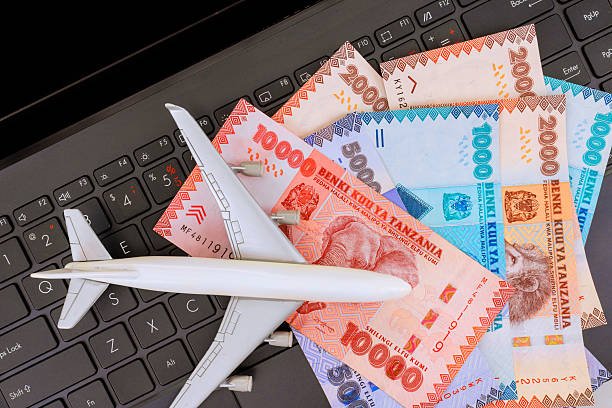

The Relationship Between Migration Patterns and Flight Costs
The Great Migration is not a static event; it is a year-long cycle. To understand why flight prices shift, you must understand the movement of the herds. From January to March, the migration is typically in the Southern Serengeti and Ndutu plains. From June to October, the herds move north, culminating in the dramatic Mara River crossings in the Northern Serengeti.
Airlines serving these remote airstrips—such as Coastal Aviation, Auric Air, and Regional Air—adjust their flight schedules and pricing structures to match these movements. When the herds are concentrated in the north, the sheer volume of travelers heading to Kogatende and Lamai airstrips drives up demand. While commercial airline pricing uses algorithms to raise prices as seats fill, bush operators are more constrained by the limited number of seats on small Cessna Caravans. When the flight is full, it is full. There is no “last-minute deal” to be found if the aircraft is already booked to capacity.
Understanding the Cost Drivers for Bush Flights
It is helpful to break down what you are actually paying for when you book a flight into the Serengeti. It is not comparable to an economy seat on a mainline jet. Several factors influence the final quote you receive from an operator like Climb 4 Africa:
- Airstrip Location and Landing Fees: Flying into a remote, gravel-strip airstrip deep in the Serengeti requires higher operational costs than flying into a paved, well-serviced airport. Landing fees in protected areas are strictly regulated and contribute significantly to the total ticket price.
- Aircraft Operating Costs: Bush planes are small (typically 12-14 seats). The cost of fuel, pilot salaries, and maintenance is spread across a very small number of passengers. During the migration, airlines must reposition these aircraft constantly to keep up with the herds, which adds to the operational overhead.
- Luggage Constraints: Almost all bush flights enforce a strict 15kg limit in soft-sided bags. If you are traveling with heavy camera equipment or specialized gear for your safari, you may need to purchase an extra seat to accommodate your luggage. This effectively doubles your flight cost, which is a common “hidden” expense travelers fail to account for.
- Seasonality and “High Season” Surcharges: Just as hotels have high and low seasons, so do the airlines. The period between July and September, and the Christmas/New Year window, are periods of intense demand. Prices during these windows are rarely discounted.
Comparison: Peak Migration vs. Shoulder Season
The following table illustrates how the seasonality of the Great Migration influences your travel planning and cost considerations. These are general indicators to help you prioritize your budget.
| Seasonality | Migration Location | Flight Price Trend | Logistical Priority |
|---|---|---|---|
| July – September | Northern Serengeti (Mara River) | Highest | Book 6-9 months in advance |
| January – March | Southern Serengeti/Ndutu | Moderate | Focus on calving season access |
| April – May | Central/Western Corridor | Lower | Consider road conditions & rain |
| November – December | Central/Southern Serengeti | Moderate | Holiday demand drives pricing |
Why Booking Through a Local Operator Makes a Difference
When you attempt to book these flights independently, you are often dealing with the “retail” price offered on airline websites. As a local operator, Climb 4 Africa interacts with these airlines daily. We often have access to package pricing that bundles your flight with your ground transfers and lodge stays.
Beyond the price, there is the issue of reliability. Bush flights are subject to weather delays, and the flight schedules are not as rigid as international carriers. If a flight is canceled or delayed, having a local support team that can immediately re-book you, arrange for a driver to meet you at a different airstrip, or coordinate with your lodge to adjust your check-in time is invaluable. This is the practical support you pay for when you book a comprehensive package. If you are planning your trip for 2027, reach out to us at WhatsApp +255 747 477 898 or email climb4africa@gmail.com to discuss how we can structure your itinerary to minimize flight costs while maximizing your time in the bush.
Logistical Realities of Serengeti Bush Flights
Travelers often underestimate the “hub-and-spoke” nature of bush flying in Tanzania. Most flights originate from Arusha (ARK) or Kilimanjaro International Airport (JRO). From there, you are routed through a series of “hops.” Your flight might stop at three or four different airstrips before reaching your final destination.
This is a standard procedure, not an error. It allows the airlines to maximize the use of the aircraft. However, it does mean that your flight time can be longer than the direct air distance might suggest. When you receive a flight quote, check if it is a “direct” charter or a “scheduled” flight. A scheduled flight will be cheaper but will have multiple stops. A private charter is significantly more expensive but offers complete control over your schedule and route. For most safari-goers, the scheduled bush flight is the standard and perfectly adequate choice.
The “Hidden” Costs of Last-Minute Changes
The most common way travelers see their Serengeti flight prices skyrocket is through last-minute changes. Because the migration is fluid, you might be tempted to change your destination airstrip at the last minute based on reports of where the herds are. Be aware that bush airlines have strict change fees, and during the peak migration months, there is almost zero flexibility to change routes because the flights are already sold out.
If you are committed to seeing the river crossings, book the Northern Serengeti airstrips (Kogatende/Kogatende/Lamai) early. Do not wait to see where the herds are, as the flights to those specific strips will be long gone. If your budget is tighter, prioritize the Central Serengeti (Seronera) and plan for longer game drives to reach the migration areas. This is a trade-off between time and money—a classic safari decision.
How to Get an Accurate Quote for Your Trip
To get a clear understanding of what your specific trip will cost, you need to move beyond general price estimates. Because your final price depends on the number of people in your party, the specific dates, and the other segments of your trip (like a potential Zanzibar extension or a Kilimanjaro climb), generic online calculators will often lead you astray.
When you contact Climb 4 Africa, provide the following details so we can give you a transparent, accurate breakdown:
- Exact travel dates: Even a two-day difference can move you into a different pricing tier.
- Number of travelers: Group sizes can sometimes qualify for specialized rates.
- Total itinerary: Are you flying only to the Serengeti, or are you connecting from Zanzibar or Arusha?
- Luggage expectations: Will you need extra seat capacity?
We are here to help you navigate these logistics. Whether you are looking for a 4-Day Tanzania Fly-In Safari or a more extensive tailor-made journey, our goal is to ensure you spend your budget on the experience, not on unnecessary logistical premiums. Reach out to our team at info@climb-4-africa.com or our backup address climb4africa@gmail.com, and let’s start planning your 2027 safari with clarity and professional support.
Frequently Asked Questions About Safari Flight Costs
- Is it cheaper to drive to the Serengeti instead of flying? Yes, driving is significantly cheaper than flying. However, it involves long hours on bumpy roads. Driving from Arusha to the Serengeti can take 8+ hours. If your time is limited, the flight is an investment in your safari experience.
- Do flight prices include park fees? No. Flight prices generally cover the air transport only. Serengeti park entry fees, concession fees, and camping/lodge fees are separate costs that must be factored into your total budget.
- Can I book my own bush flights online? You can, but it is rarely recommended. Booking through an operator ensures that your ground logistics (driver, vehicle, lodge pickup) are synchronized with your flight arrival. If your flight is delayed, we handle the coordination; if you book independently, you are responsible for communicating with your driver and lodge.
- Are there group discounts for bush flights? Occasionally, if you are a large group, we may be able to charter a private plane, which can be cost-effective. For smaller groups, scheduled flights are generally the most economical option.
Navigating Baggage Restrictions and Weight Limits on Bush Aircraft
One of the most significant, yet frequently overlooked, factors influencing the total cost of your Serengeti flight experience is baggage management. Because bush aircraft—typically Cessna Caravans or similar light utility planes—are designed for short-field takeoffs and landings on unpaved airstrips, they operate under extremely strict payload limits. Unlike international commercial airlines where weight allowances are generous, bush flights in Tanzania generally enforce a strict limit of 15 kilograms (approximately 33 pounds) per person, inclusive of both checked luggage and hand baggage.
The financial implication here is direct: if you exceed this weight, or if you bring hard-shell suitcases that physically cannot be compressed into the aircraft’s belly cargo hold, you may be forced to purchase an additional seat, known in the industry as a ‘freighter seat.’ This is not a penalty fee but a logistical necessity to ensure the aircraft remains within its safe operating weight and balance parameters. When budgeting for your flight, always account for the cost of a specialized soft-sided safari bag. Hard-shell cases are often rejected at the airstrip, and if you arrive with one, you may have to leave your luggage behind or pay for an extra seat on the spot, which can be significantly more expensive than purchasing the correct gear in advance.
The Distinction Between Scheduled Bush Flights and Private Charters
Travelers often assume that all bush flights are private charters, but there is a crucial distinction between ‘seat-in-plane’ scheduled flights and private aircraft charters. Understanding this difference is essential for managing your travel budget effectively.
Scheduled bush flights operate much like a bus service. You are purchasing a single seat on a flight that has a fixed route, typically servicing multiple airstrips (e.g., Arusha to Seronera to Kogatende). Because the airline is filling the plane with other passengers, the cost is spread out, making it the most economical option for solo travelers, couples, or small families. However, you are beholden to their schedule, and the flight may make several stops before reaching your destination, which can turn a short distance into a longer journey.
Private charters, conversely, offer full control over your departure time and routing. You are paying for the entire aircraft, regardless of whether you have two passengers or ten. While this is significantly more expensive, it becomes a viable financial strategy for groups of six or more. When you calculate the cost of six individual seats on a scheduled flight versus the cost of one private charter, the price gap often narrows considerably. For larger families or groups traveling together, a private charter not only provides logistical convenience and time savings but can sometimes be surprisingly competitive in terms of ‘per-head’ pricing.
Operational Realities and Weather-Related Disruptions
It is important to manage expectations regarding the reliability of bush flying. These aircraft operate under Visual Flight Rules (VFR), meaning pilots must have clear visibility of the ground to navigate and land safely. Unlike international jets that can land in heavy fog or rain using sophisticated instrument landing systems, bush planes cannot operate if visibility is compromised by heavy rain, low cloud cover, or thick smoke from controlled burns.
During the migration season, particularly if you are traveling during the ‘short rains’ or the transitional months, weather-related delays are a reality. If a flight is grounded, you may incur ‘hidden’ costs, such as an extra night at your lodge or the need for ground transport to be re-arranged on short notice. While these events are rare, they are a fundamental part of the bush flying experience. When booking your flights, ensure your travel insurance covers ‘trip interruption’ or ‘missed connection’ scenarios specifically for domestic light aircraft. Attempting to save money by booking the absolute tightest connection between your international arrival in Kilimanjaro and your bush flight often leaves zero margin for error; if your international flight is delayed by even an hour, you may miss your bush connection, leading to costly rebooking fees and the potential loss of a full day of safari.
Strategic Timing: Why Your International Arrival Time Dictates Your Bush Flight Costs
One of the most overlooked variables in budgeting for a Serengeti fly-in safari is the synchronization between your international arrival at Kilimanjaro International Airport (JRO) and the fixed departure schedules of bush aircraft. Travelers often fixate on the airfare price itself, but the hidden financial risk lies in the necessity of an overnight stay in Arusha versus the possibility of a same-day connection. Understanding how these schedules align—or fail to align—can save or cost you hundreds of dollars in unexpected accommodation and transfer fees.
Most bush flight operators in Tanzania adhere to strict morning departure windows. Because these aircraft are designed for short-haul, daytime operations, the vast majority of departures from Arusha Airport (ARK) occur between 08:00 and 11:00 AM. This is a deliberate operational choice: by launching flights early, pilots ensure they reach remote Serengeti airstrips before the midday heat creates thermals that make landing on unpaved bush strips more challenging, and it allows them to complete multiple ‘hops’ across the Serengeti ecosystem before sunset.
If your international flight lands at JRO after 10:00 AM, you are statistically unlikely to clear immigration, collect baggage, transit the 60-minute drive to Arusha Airport (ARK), and pass security in time for the last bush departures of the day. This creates a mandatory “buffer night” in Arusha. While many travelers view this as a frustrating delay, it is actually a critical component of your total trip cost. Failing to account for this night—and the associated airport transfers and meals—can lead to budget overruns. Conversely, if you can book an international flight that arrives at JRO before 08:00 AM, you may be able to secure a same-day connection to the Serengeti. However, this is a high-stakes gamble; if your international flight is delayed by even two hours, you will miss your bush flight, likely forcing a last-minute rebooking fee or the loss of the ticket entirely, as many bush fares are non-refundable once the departure window has passed.
The Economic Impact of “Multi-Leg” Routing on Your Safari Budget
When you receive a quote for a bush flight, it is rarely for a direct, point-to-point service. The cost efficiency of bush airlines relies on “circuit routing.” A single Cessna Caravan might depart Arusha, stop at Seronera (Central Serengeti), then proceed to Kogatende (Northern Serengeti), and finally drop passengers at an airstrip in the Grumeti Reserve. You are paying for a seat on that circuit, not a private taxi.
This logistical reality creates a tiered pricing structure that often confuses first-time visitors. If you are flying into a “hub” airstrip—like Seronera, which serves as the central artery for the Serengeti—your flight costs are generally lower because the airline can easily fill the plane with passengers heading to various lodges in that high-density area. However, if your chosen lodge is located near a remote, “boutique” airstrip, the airline must factor in the fuel and time required to divert from the main circuit. This is why flight prices to northern or western corridors often command a premium compared to central Serengeti flights. When evaluating quotes, look closely at the routing: a lower-priced ticket that requires three stops before reaching your destination will naturally take longer, potentially eating into your first afternoon of game viewing. You are effectively paying for the trade-off between ticket price and time spent in the air.
Maximizing Value: The Hidden Costs of “Open-Jaw” Flight Bookings
A common mistake that inflates safari costs is booking an “open-jaw” flight itinerary without consulting your ground operator first. Many travelers assume it is efficient to fly into the Northern Serengeti (to catch the river crossings) and fly out of the Southern Serengeti (to see the calving season) to minimize driving time. While this sounds logical on a map, it is often a logistical nightmare for bush operators. Because the migration is fluid, bush airlines often position their fleets based on demand. If you book an arrival and departure at two different ends of the park, you may find that the “per-leg” cost of these flights is significantly higher than a “round-trip” ticket to a single hub.
Operators often offer “circuit discounts” for travelers who book their arrival and departure flights through the same carrier. By keeping your bush flight itinerary within the same network, you gain better protection against schedule changes and often qualify for bundled pricing. Always ask your safari outfitter: “Is it cheaper to fly in and out of the same airstrip, or should I split my flights?” The answer will depend entirely on the specific flight network operating during your travel dates, but more often than not, keeping your logistics centralized is the most effective way to keep your flight budget under control.
Related Guides and Packages
Check Availability for Serengeti Flight Prices During The Great Migration Season: A Practical Guide
Ready to compare dates, prices, and the best option for your group? Send the package name and travel month so the team can reply with a clear quote, availability, and what is included.

Serengeti Great Migration Fly-In Safari: Flight And Lodge Prices ()
A deep look at the logistical and financial considerations of planning a Serengeti Great Migration fly-in safari, focusing on how flight routes and seasonal lodge locations dictate your...
View package details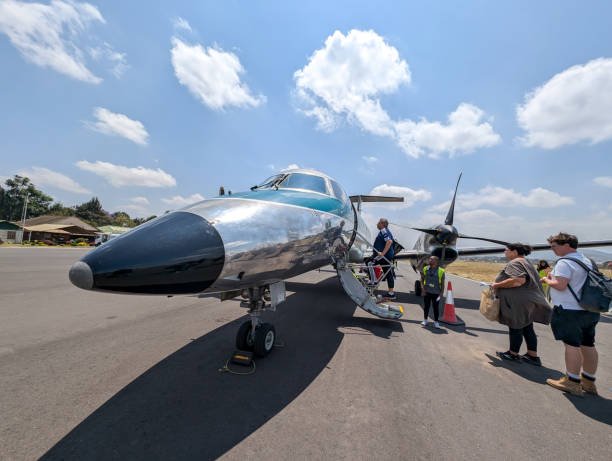
Tanzania Flight Prices September : Serengeti And Zanzibar Planning
Expert advice on navigating domestic flight logistics, seasonal pricing, and the crucial 'bush-to-beach' connection for your September 2027 Tanzania itinerary.
View package detailsSerengeti To Entebbe Flights: Prices & Travel Options
Serengeti to Entebbe Flights: Prices & Travel Options.
View package detailsDec 27, – 4 Day Serengeti Migration Group Safari: Plan Your Trip
A deep look at planning your 4-day Serengeti migration group safari departing December 27, 2026, including itinerary logistics, group benefits, and seasonal expectations.
View package detailsEntebbe To Serengeti Safari: Flight Connections & Cost Planning
A practical guide to connecting your Entebbe-based travel with a Serengeti safari, covering flight routes, airport choices, baggage constraints, and cost factors for 2026-2027.
View package details
Kilimanjaro Climb And Serengeti Safari: Flight & Transfer Planning
Kilimanjaro Climb and Serengeti Safari: Flight & Transfer Planning.
View package detailsLuxury Serengeti Fly-In Safari: Private Packages & Prices ( Guide)
A detailed guide to luxury fly-in safaris in the Serengeti, focusing on private logistics, pricing structures for 2026-2027, and maximizing your time in the bush.
View package details
2-Day Serengeti Fly-In Safari From Arusha: Understanding Package Prices
A practical guide to the costs, logistics, and planning realities of a 2-day fly-in safari to the Serengeti from Arusha.
View package detailsHow Early Should I Arrive For A Serengeti Bush Flight? ( Planning Guide)
A practical guide on timing your arrival for Serengeti bush flights, covering airstrip logistics, transfer planning, and why bush flight operations differ from standard commercial travel.
View package details
How Long Is The Flight From Serengeti To Zanzibar? ( Planning Guide)
Planning your bush-to-beach connection? Discover the actual flight durations, stopover logistics, and booking realities for traveling from the Serengeti to Zanzibar.
View package detailsHow Long Is The Flight From Arusha To Serengeti? A Planning Guide
A detailed look at flight durations between Arusha and the Serengeti, including airstrip differences, luggage constraints, and the strategic choice between flying and driving.
View package detailsHow Much Is A Flight From Zanzibar To Serengeti?
How Much Is a Flight From Zanzibar to Serengeti?
View package detailsNo related package matches those filters. Clear one or more filters to see the other topic-matched options.



