
If your goal is to stand on the summit of Mount Kilimanjaro on New Year’s Day 2027, you must carefully plan your arrival and trek start date. For a standard 7- or 8-day climb, your expedition needs to commence on the mountain by December 26th or 27th, 2026. This timing ensures you complete the necessary acclimatization phases while positioning yourself for a final summit push that aligns with the first light of January 1st.
Securing your place for a New Year’s summit is not just about booking a flight; it is about coordinating your mountain crew, park permits, and logistics well in advance. At Climb 4 Africa, we handle the technical side of your ascent, but the planning starts with understanding the specific rhythm of the mountain during the holiday season.
Why Plan Your Kilimanjaro New Year 2027 Summit Now?
December is a popular time for trekking, and for good reason. It is the end of the short dry season in Tanzania. While no one can guarantee weather on a high-altitude mountain, late December typically offers the best visibility and the most consistent conditions for summit attempts. Because this is a high-demand period, the best guides, most reliable gear, and preferred luxury mount Kilimanjaro trekking packages are reserved months in advance.
Planning your Kilimanjaro New Year 2027 summit group departures as early as possible allows you to choose your preferred route rather than settling for what is available. It also gives you ample time to manage your physical training and gear acquisition, which are the two biggest factors in your personal success rate.
Choosing the Right Route for Your Holiday Climb
The route you choose dictates your acclimatization speed, your daily terrain, and your overall likelihood of reaching the summit. When planning for a New Year’s attempt, we generally advise against the shortest routes, as they often do not provide enough time for your body to adjust to the altitude.
Recommended Routes for Success
- Lemosho Route (8 Days): Widely considered the best route for those prioritizing acclimatization. It approaches from the west and offers stunning, uncrowded trails during the first few days. It is a fantastic choice for a Christmas climbing package that transitions into a New Year’s summit.
- Machame Route (7 Days): Often called the ‘Whiskey Route,’ this is a classic choice for hikers who want a challenging but rewarding trek. It is physically demanding but offers diverse scenery and excellent acclimatization profiles when taken over 7 days. Check our Machame route group departures for current availability.
- Northern Circuit (9 Days): If you have the time, this is the premier route. It circles the northern slopes, providing the longest acclimatization period of any route on the mountain. It offers a quieter, more isolated experience, which can be a profound way to welcome the new year.
Note on Itinerary Length: While 5 or 6-day options exist, such as the Marangu route, these provide significantly less time for your body to adapt to the thin air. For a high-stakes trip like a New Year’s summit, we prioritize 7-day or longer itineraries to maximize your comfort and safety.
Logistics: From Arrival to Summit
Your journey begins long before you set foot on the trail. Here is how the typical planning flow looks for a late 2026 start:
1. Arrival and Preparation (December 24th – 25th, 2026)
Most climbers arrive at Kilimanjaro International Airport (JRO) at least two days before their climb. This allows for a buffer in case of flight delays and provides time for a gear check and briefing with your lead guide. If you are looking for a full moon climbing experience, check if your dates align, as the lighting can make the New Year’s summit push even more spectacular.
2. The Trekking Phase (December 26th – 31st, 2026)
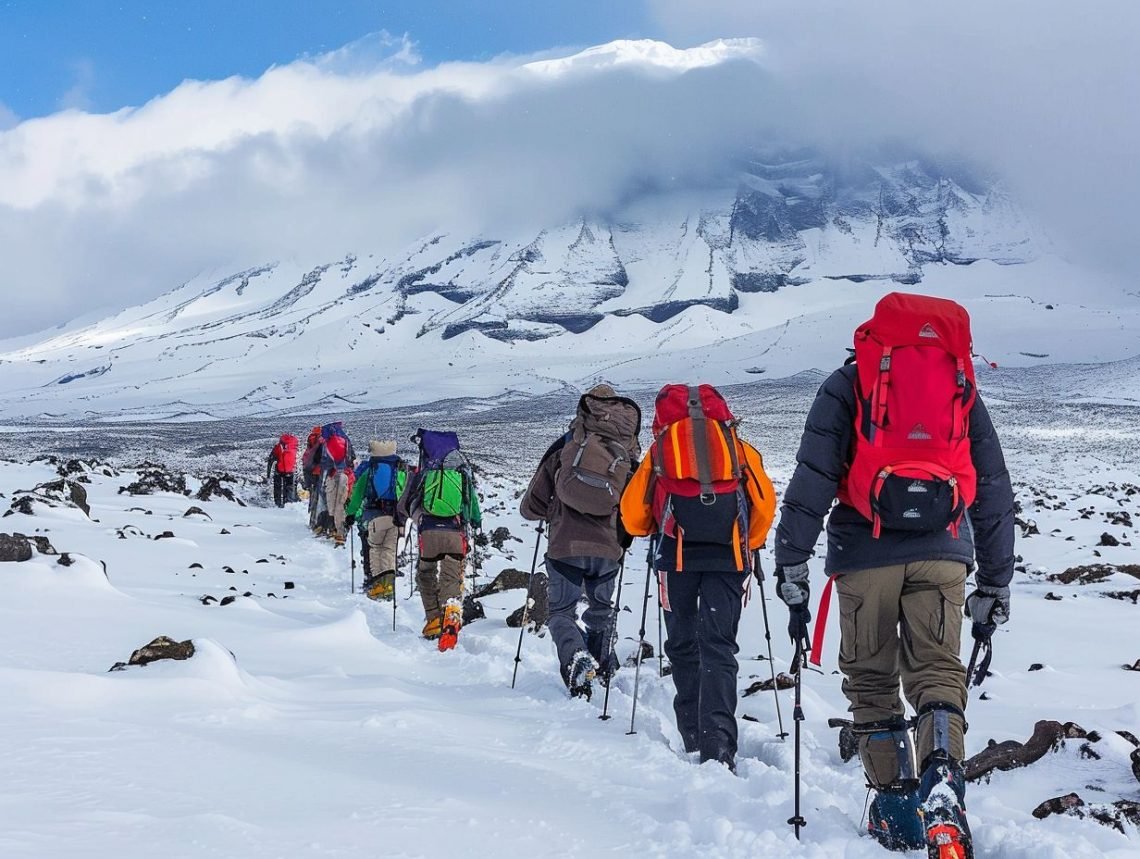
Your days will be structured around ‘pole pole’ (slowly, slowly) movement. You will be moving through distinct climatic zones—from lush rainforest to alpine desert, and finally, the arctic summit zone. Your guides will monitor your oxygen saturation and heart rate daily. This is not just a hike; it is a full-scale expedition managed by a professional crew.
3. The New Year Summit Push
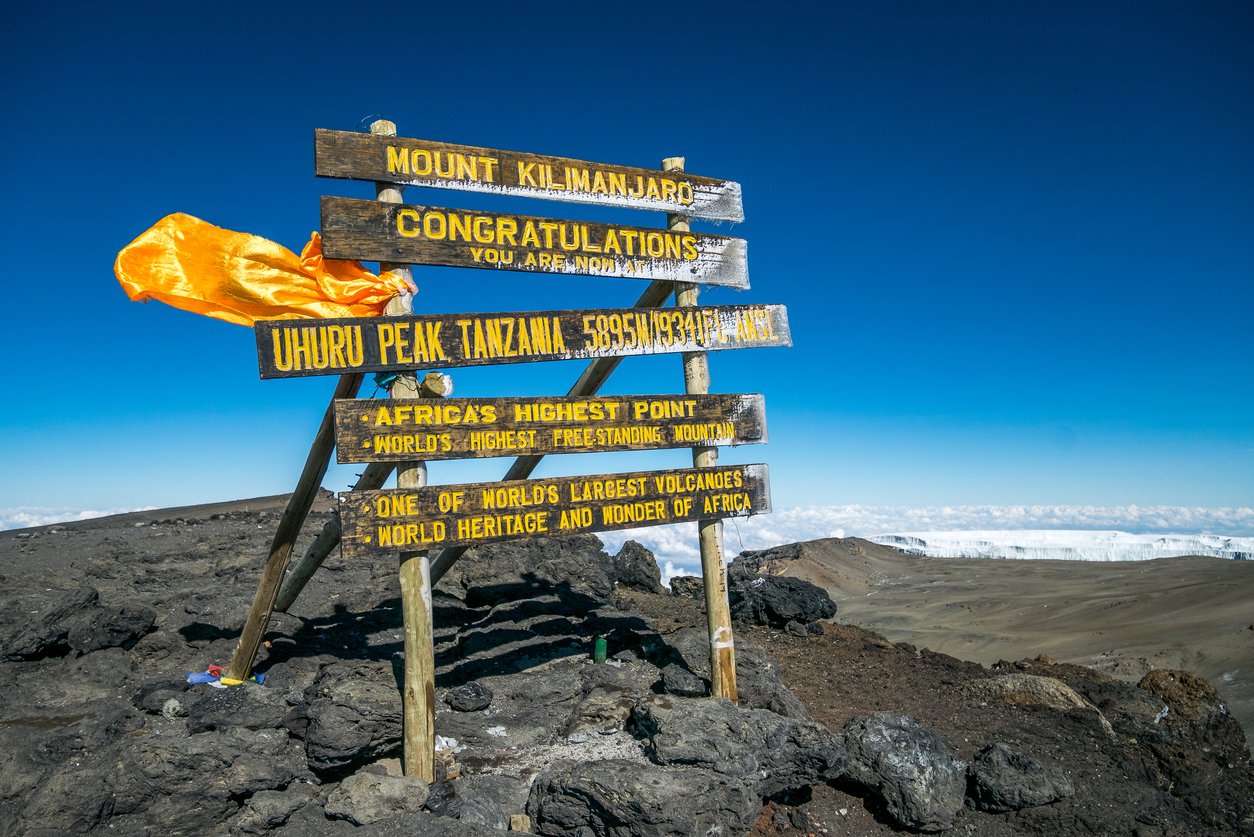
The final push usually begins around midnight on the night of December 31st. You will hike through the dark, aiming to reach Stella Point or Uhuru Peak as the sun rises on January 1st. It is a quiet, powerful moment that stands in stark contrast to the typical New Year’s Eve celebrations back home.
Extending Your Adventure: Beyond the Mountain
Many of our clients choose to combine their mountain expedition with a broader Tanzanian experience. Since you are already traveling to East Africa, it is common to add a 3- to 5-day safari or a relaxing beach stay.
- Wildlife Safaris: Visit the Serengeti or Ngorongoro Crater. December is an excellent time for wildlife, as the landscape is vibrant. See our safari departures for options that fit after your climb.
- Zanzibar Holidays: If you prefer to recover on white sandy beaches, a flight to Zanzibar is the perfect post-climb reward. We specialize in honeymoon and relaxing Zanzibar packages that can be seamlessly tacked onto your itinerary.
Booking Your 2027 Expedition with Climb 4 Africa
When you are ready to move from planning to booking, our team at Climb 4 Africa is here to assist. We don’t just provide a generic package; we work with you to understand your fitness level, your experience, and your goals for the trip. Whether you are looking for a VIP private expedition or a group-joining climb, we have the local expertise to make it happen.
How to get started:
- Contact us: Reach out via WhatsApp at +255 747 477 898 or email climb4africa@gmail.com.
- Share your details: Let us know your preferred route, your expected group size, and any post-climb plans (like safaris or beach time).
- Receive a custom quote: We will provide a transparent breakdown of what is included—from park fees and rescue services to your mountain crew and transport.
- Confirm your dates: Once you are ready, we will secure your permits and guide team for your late 2026 departure.
If you have specific needs, such as senior-friendly tours or student holiday packages, please mention this when you get in touch. We are happy to tailor the logistics to ensure your New Year’s summit is safe, successful, and entirely memorable. Do not wait until the last minute; the best mountain crews are in high demand for the December/January window. Reach out today to start your planning.
Navigating Health and Altitude Safety for Your New Year Ascent
While the allure of a New Year’s Day summit is powerful, the reality of high-altitude trekking requires a pragmatic approach to physiology. Many climbers focus heavily on their physical fitness—cardiovascular endurance and leg strength—but often underestimate the biological process of acclimatization. On Kilimanjaro, altitude sickness (Acute Mountain Sickness, or AMS) does not discriminate based on fitness; it is a physiological reaction to the rapid change in barometric pressure and oxygen availability as you ascend.
For a New Year’s 2027 expedition, your safety strategy should prioritize the “climb high, sleep low” principle. This is why selecting an 8-day route like Lemosho or the Northern Circuit is not merely a suggestion for comfort, but a critical safety intervention. These routes provide the necessary intermediate altitudes that allow your body to produce more red blood cells and adjust your respiratory rate before you reach the final ascent zone.
Understanding the Acclimatization Curve
Your body needs time to adapt to the lower oxygen levels above 3,000 meters. Throughout your trek, your guides will monitor you using pulse oximeters to track your oxygen saturation levels. However, you should also be self-aware of the common symptoms of altitude adjustment, which include mild headaches, loss of appetite, and disrupted sleep patterns. These are often normal, but they must be communicated to your lead guide immediately. The “pole pole” (slowly, slowly) pace is not just a cultural mantra; it is a physiological requirement to prevent your heart rate from spiking unnecessarily, which consumes the oxygen your body desperately needs for recovery.
To prepare for your December 2026 departure, incorporate high-altitude simulation training if possible, though nothing truly replicates the mountain environment. More importantly, focus on hydration. Dehydration mimics and exacerbates the symptoms of altitude sickness. You should aim to drink 3 to 4 liters of water daily, even if you do not feel thirsty. Your mountain crew will provide boiled, treated water, but bringing your own electrolyte powder or hydration tablets can significantly improve your water intake and overall recovery speed.
The Role of Medication and Professional Medical Support
Many climbers discuss the use of Diamox (acetazolamide) as a prophylactic measure. While this medication can aid in faster acclimatization by helping the body adjust to the respiratory alkalosis caused by high altitude, it is not a substitute for proper pacing. If you choose to use medication, consult with your doctor well before your December departure to test for side effects. Never start a medication on the mountain that you have not tested at home.
Safety on Kilimanjaro is also about the support system. A professional operator will have strict protocols for medical emergencies, including the availability of supplemental oxygen, portable stretchers, and established evacuation routes to lower altitudes. When reviewing your package for 2027, ensure that your operator includes comprehensive medical evacuation insurance or clearly defines their rescue protocols. Knowing exactly what happens if you need to descend—and that your guides are trained in wilderness first aid—will provide the peace of mind necessary to focus on the climb itself.
Gear Essentials for the Arctic Summit Zone
The final push to the summit occurs in the arctic zone, where temperatures can drop significantly below freezing, often compounded by wind chill. Your gear is your primary defense against cold-related illnesses. For a New Year’s summit, your layering system must be impeccable. You will need a high-quality, down-filled parka for the summit night, as you will be moving slowly in the dark when temperatures are at their lowest.
Don’t overlook the importance of your extremities. High-quality, thermal-lined gloves and a reliable headlamp with extra lithium batteries are non-negotiable. Lithium batteries perform better in sub-zero temperatures than standard alkaline batteries. Furthermore, ensure your boots are broken in well before December 2026. Blisters on the first few days of the trek can turn a manageable climb into a painful ordeal, potentially forcing an early descent. Your gear check upon arrival in Moshi or Arusha is the final opportunity to rent or replace any equipment that does not meet the necessary standards for the extreme conditions of the summit zone.
Social Dynamics and Cultural Etiquette During the Holiday Season
Trekking Kilimanjaro during the transition from December to January offers a unique social experience that differs significantly from the rest of the year. While you are there to achieve a personal summit goal, you are also part of a seasonal community on the mountain. Campsites during the final week of December often feel more communal; there is a shared sense of purpose among climbers from diverse backgrounds who have all chosen to spend their holidays in the alpine zone. Understanding the social nuances of this environment can greatly enhance your experience.
It is important to remember that for your local guides, cooks, and porters, this is a working period. While they are professional and dedicated to your success, they are also away from their own families during a time of celebration. Acknowledging this—through simple gestures like learning a few words of Swahili or engaging with your crew during meal times—fosters a positive atmosphere that can lift spirits during the tougher, colder days of the trek. The “pole pole” (slowly, slowly) pace is not just a physical necessity; it is a mental state that encourages interaction and patience among the group.
The Reality of New Year’s Eve in Camp
Many first-time climbers expect a festive atmosphere in camp on the night of December 31st, perhaps anticipating fireworks or late-night celebrations. The reality is quite different and arguably more profound. Because the summit push often begins in the early hours of January 1st, New Year’s Eve is typically a quiet, disciplined affair. You will likely be in your sleeping bags by 8:00 PM or 9:00 PM to maximize rest before the midnight ascent.
Instead of a raucous party, the “celebration” is a quiet, collective recognition of the challenge ahead. It is common for groups to share a reflective moment over dinner, acknowledging the journey taken so far. Respecting the need for sleep and the quietude of the mountain at night is the most considerate way to celebrate. The true celebration occurs hours later, when you stand on the crater rim or Uhuru Peak, watching the first sunrise of the new year—a moment that far exceeds the traditional festivities you might have left behind at home.
Navigating Tipping Protocols for Your Support Crew
One of the most frequent questions climbers have—and one that often causes anxiety—is how to manage tipping for the mountain crew. Tipping is a standard and vital part of the Kilimanjaro trekking economy. It is not merely a gratuity; it is a significant portion of the income for the hard-working porters, cooks, and guides who make your summit possible. Approaching this with clarity and preparation will remove stress from the final days of your trip.
Most reputable operators will provide a clear guideline on recommended tipping ranges. These are typically calculated per group or per climber, rather than per individual staff member, to ensure fairness. It is standard practice to tip in US Dollars, though ensure your bills are clean, crisp, and printed after 2009, as older notes are often rejected by local banks. Avoid bringing torn or marked bills, as these will be difficult for your crew to exchange.
The “Tipping Ceremony” usually takes place on your final morning on the mountain, often at the last campsite before you descend to the gate. This is a moment of gratitude and closure. It is best to prepare your tips in separate, labeled envelopes for the lead guide, assistant guides, cook, and the porters’ collective pool. This allows you to distribute the funds efficiently and prevents confusion. If you are part of a group, coordinate with your fellow climbers beforehand to ensure everyone is on the same page regarding the amounts, preventing any awkwardness or discrepancies in the final distribution.
Managing Post-Summit Recovery and Physical Re-entry
The journey to the summit of Kilimanjaro on New Year’s Day is often framed as the climax of your expedition, but for the physiology of the climber, the true challenge often begins during the descent. Reaching Uhuru Peak is only the halfway point of your mountain experience. The transition from the arctic summit zone back down to the lush rainforest and eventually to the comforts of a hotel requires as much intentionality as the ascent itself. Understanding how to manage your physical and mental recovery in the 48 hours following your summit push is essential to ensuring that your New Year’s adventure concludes with health and vitality rather than depletion.
The Physiological Descent: Understanding the “Altitude Hangover”
Even after you have descended below the critical altitude thresholds, your body remains in a state of physiological stress. Many climbers experience what is colloquially known as an “altitude hangover.” This is not merely fatigue; it is a complex reaction to the rapid change in partial pressure of oxygen and the significant metabolic demands of the summit push. Symptoms can include persistent headaches, lethargy, mild nausea, and a feeling of being “spaced out.”
During the descent, your body is attempting to normalize its blood chemistry. The respiratory alkalosis that allowed you to function at high altitudes is now reversing. This process can be taxing. It is vital to continue your hydration regimen even after you have left the high-altitude zone. Your kidneys have been working overtime to manage fluid balance and blood pH; they need consistent, clean water—not just caffeine or alcohol—to flush out the metabolic byproducts accumulated during the trek. Do not mistake the end of the climb for the end of your health monitoring; continue to track your symptoms until you are safely back at sea level or your hotel elevation.
Strategies for Physical Recovery
The descent from the summit to the lower camps, and eventually to the park gate, puts significant eccentric load on your quadriceps and knees. Unlike the ascent, where you are moving slowly and deliberately, the descent can be jarring. To mitigate the risk of injury and severe delayed onset muscle soreness (DOMS), consider the following recovery strategies:
- Active Recovery Pacing: Maintain a “pole pole” (slowly, slowly) rhythm even on the way down. Gravity is working with you, which tempts many climbers to rush. Rushing increases the impact force on your joints, which can lead to inflammation that may hamper your ability to enjoy your post-climb safari or beach vacation.
- Trekking Pole Usage: If you used trekking poles for the ascent, keep them adjusted for the descent. They are arguably more important on the way down to stabilize your center of gravity and transfer impact from your knees to your upper body.
- Post-Summit Nutrition: Your body has likely burned a significant caloric surplus. While you may feel a loss of appetite due to altitude suppression, prioritize nutrient-dense, easily digestible foods. Avoid heavy, greasy meals immediately upon returning to the hotel, as your digestive system may still be sensitive. Focus on complex carbohydrates and moderate protein to repair muscle tissue.
- Hydration and Electrolytes: Continue using electrolyte supplements for at least 24 hours after the summit. Your body has lost significant salts through exertion and the dry mountain air; pure water alone may not be sufficient for rapid rehydration.
The Psychological Re-entry
There is a distinct psychological phenomenon that occurs after a major goal like a Kilimanjaro summit is achieved. The “summit high”—the adrenaline and endorphin rush of standing at the Roof of Africa—is followed by a natural, inevitable dip in mood and energy. This is often exacerbated by sleep deprivation from the midnight summit push and the physical toll of the climb.
Recognize that this “post-expedition blues” is a normal reaction. You have spent days, perhaps weeks, hyper-focused on a single objective, living in a simplified environment with a close-knit group. Returning to the noise, connectivity, and complexity of modern life can be jarring. Plan your first 24 hours back in civilization to be low-stress. Avoid scheduling demanding activities or long travel legs immediately upon exiting the park. Allow yourself time to decompress, process the experience, and rest properly before transitioning to the next phase of your trip or your flight home.
The Importance of Post-Climb Hygiene and Rest
While it is tempting to jump straight into a celebratory dinner or a flight home, the most beneficial thing you can do for your body is a full night of recovery sleep in a comfortable bed. Your immune system has been suppressed by high-altitude stress, making you more susceptible to minor illnesses. Prioritize a quiet environment, a hot shower to improve circulation, and a clean, comfortable bed. Many climbers report that their recovery is significantly faster when they dedicate the first full day post-climb to nothing more than gentle movement, hydration, and rest. This is not wasted time; it is the final, necessary phase of your expedition training.
Navigating Peak Season Logistics and Holiday-Specific Package Inclusions
While much of the preparation for a Kilimanjaro expedition focuses on physical fitness and route selection, the logistical reality of planning a New Year’s summit for 2027 requires a nuanced understanding of East Africa’s peak tourism season. Traveling during the final week of December is significantly different from trekking in the shoulder seasons. The surge in international arrivals at Kilimanjaro International Airport (JRO) creates a unique set of challenges—and opportunities—that you must account for in your booking strategy.
Managing Travel and Visa Realities During the Festive Period
The week between Christmas and New Year is the busiest period for tourism in Tanzania. This congestion begins the moment your flight enters Tanzanian airspace. JRO is a relatively small airport; during late December, flight arrivals often cluster, leading to longer processing times at immigration and baggage claim. To mitigate this, ensure your airport transfer is pre-booked and confirmed with your operator, as taxi availability can be non-existent or prohibitively expensive for walk-ins during this time.
Regarding entry requirements, the Tanzanian e-visa system is efficient, but it is not immune to holiday delays. Government offices and administrative processing centers often operate on reduced schedules or observe public holidays on December 25th, 26th, and January 1st. Do not leave your visa application to the last minute. Submit your e-visa application at least 30 to 45 days prior to your departure. If you are traveling through multiple countries in East Africa, ensure your visa reflects the correct entry dates to avoid complications at the border. Relying on visa-on-arrival services during the peak holiday rush is a high-risk strategy that can lead to significant delays in your pre-climb rest schedule.
Dissecting the “New Year” Premium Package
When reviewing operator offerings for a New Year’s summit, you will often encounter “holiday-specific” packages. It is critical to distinguish between marketing fluff and tangible value. A high-quality New Year’s package should account for the specific operational challenges of the season rather than simply charging a premium for the date. When evaluating these packages, look for the following three non-negotiable inclusions:
- Guaranteed Hotel Buffer: Hotels in Moshi and Arusha reach capacity months in advance during the festive season. A reputable package must include guaranteed, pre-booked accommodation for your arrival and departure dates. If an operator is “checking availability” for a New Year’s date, it is a red flag.
- Enhanced Crew Support: The best holiday packages often include a higher guide-to-climber ratio. Because the mountain is crowded during this window, having an extra assistant guide allows your group to navigate bottlenecks on the trail more efficiently, ensuring you maintain your pace without being forced into the stop-start rhythm of larger, slower trekking groups.
- Festive Nutrition and Logistics: Ask specifically about the menu plan for December 31st and January 1st. A professional operator will have a logistics plan to provide a celebratory, fresh meal that does not compromise the strict dietary requirements needed for high-altitude performance. Furthermore, confirm that your package includes a “recovery kit”—often consisting of additional electrolyte supplies, high-calorie snacks for the summit push, and logistical support for your post-climb hotel transition, which can be chaotic during the holiday period.
Finally, be wary of packages that claim to offer “exclusive” access to campsites or private routes. Kilimanjaro National Park regulations do not permit private ownership of campsites; all routes and camps are public. If an operator promises an exclusive experience, they are likely referring to the quality of the camp setup (such as private toilets or larger mess tents) rather than physical exclusivity. Focus your budget on operators who prioritize the safety of the crew and the consistency of the equipment, as these are the factors that will genuinely define the success of your 2027 New Year’s expedition.
Check Availability for Kilimanjaro New Year Summit Packages: Planning Your December Departure 2026
Ready to compare dates, prices, and the best option for your group? Send the package name and travel month so the team can reply with a clear quote, availability, and what is included.
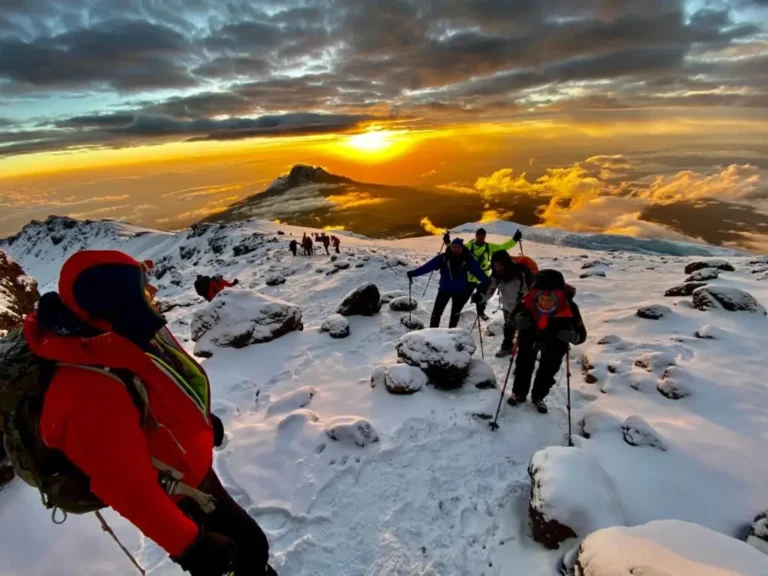
Kilimanjaro New Year Summit Group Departures December : Planning Your Ascent
Planning a New Year summit on Kilimanjaro requires specific logistics. Learn how to join a group departure for December 2026, choose the right route, and prepare for your climb.
View package details
Kilimanjaro Full Moon Climbing Experience December 24 : Planning Your Summit
A comprehensive guide to planning a Kilimanjaro full moon summit for December 2026, covering route selection, holiday season logistics, and expert preparation strategies.
View package details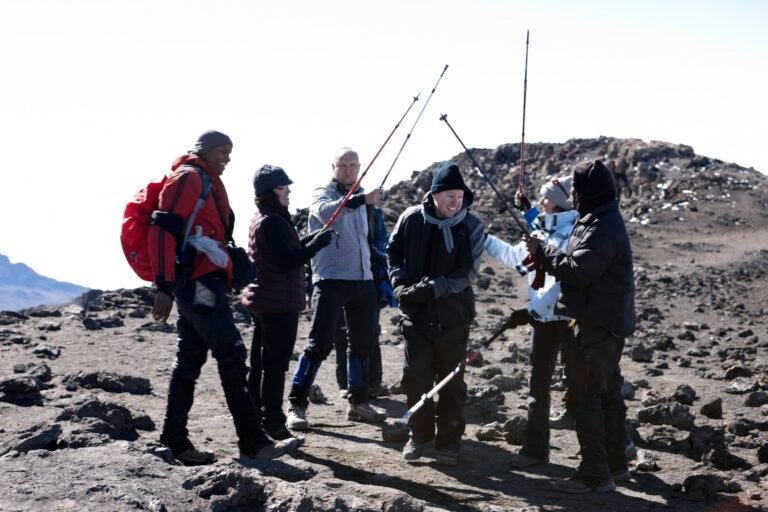
Romantic Kilimanjaro Summit Adventure For Couples December : Planning Your
A detailed guide for couples planning a Kilimanjaro summit in December 2026, focusing on route selection, acclimatization, and the benefits of private trekking arrangements.
View package details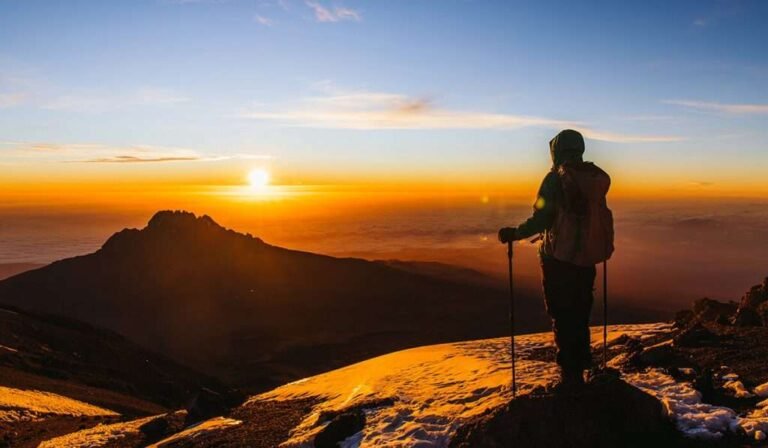
How Early Should I Book A December Kilimanjaro Group Trek? A Planning Guide
Planning a December Kilimanjaro climb? Learn the ideal booking window, why holiday dates fill up fast, and how to secure your spot for 2026-2027.
View package details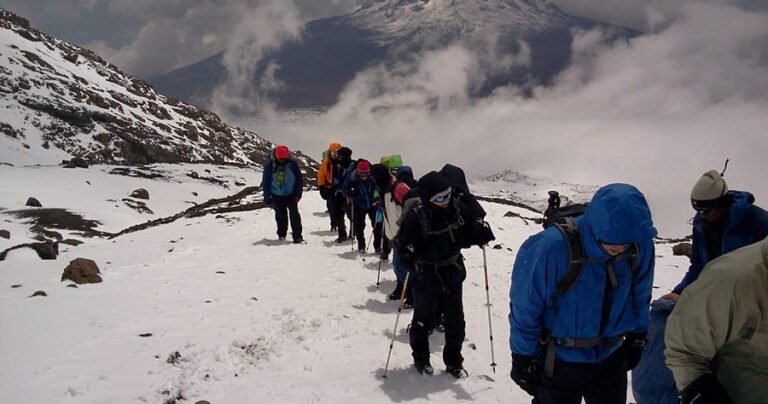
Which Kilimanjaro Route Is Best For A New Year Summit? Expert Guide 2026
Selecting the right route for a New Year's summit on Kilimanjaro is less about speed and more about strategic acclimatization. Here is how to choose the best path for your 2026-2027...
View package details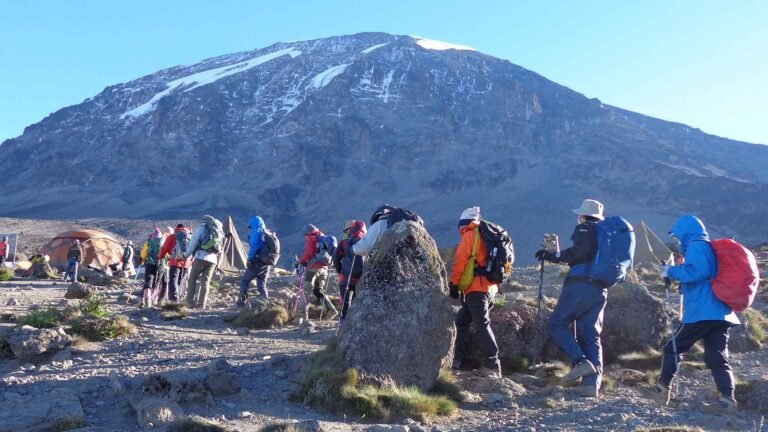
Can I Join A Kilimanjaro Group Alone In December ? Expert Guide 2026
Planning a solo trip? Find out how you can join a Kilimanjaro group in December 2026, the benefits of group departures, and the steps to secure your spot.
View package details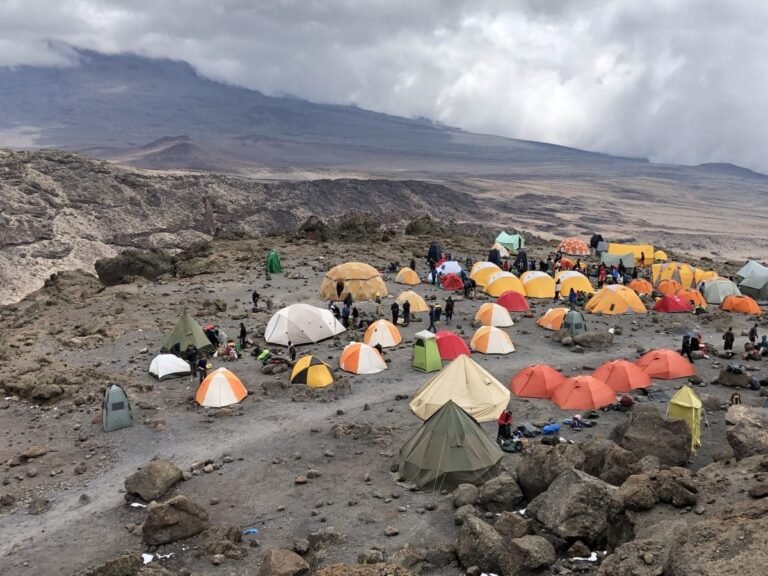
Is December A Good Time To Climb Kilimanjaro? A Local Expert Guide 2026
Planning for December 2026? Discover why this month is a popular choice for Kilimanjaro climbs, how the 'short rains' affect your trek, and why early booking is essential for the holiday...
View package detailsKilimanjaro December Climbing Cost Including Park Fees: A Transparent
A detailed look at the financial structure of a Kilimanjaro climb in December 2026, focusing on mandatory park fees, ethical operator standards, and route-specific cost variables.
View package details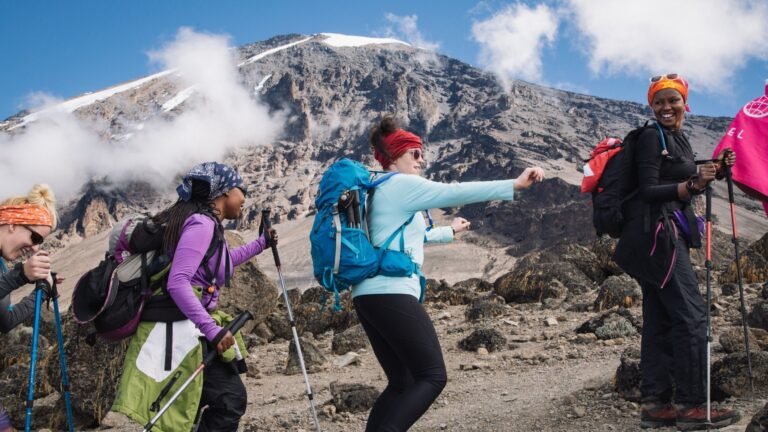
Mount Kilimanjaro Weather In December : A Climbers Guide 2026
A practical guide to the conditions you can expect on Mount Kilimanjaro in December 2026, covering the seasonal 'short rains', trail conditions, and holiday planning.
View package details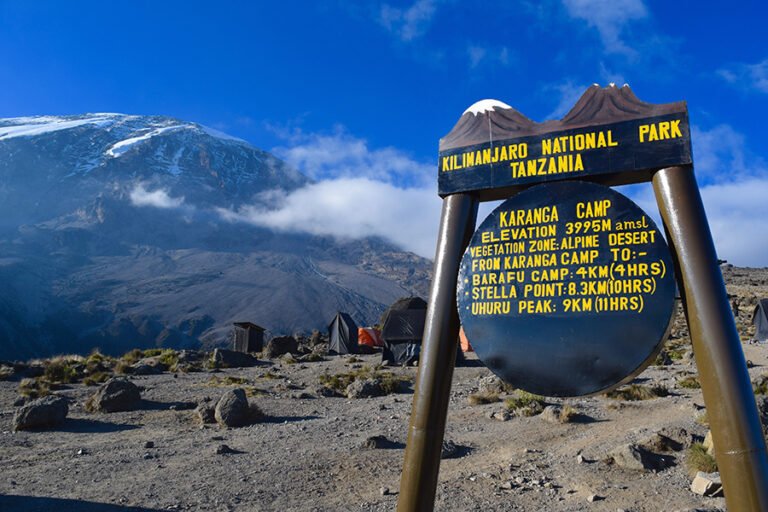
Senior Friendly Kilimanjaro Mountain Tours December : Expert Planning Guide
A detailed guide to choosing the right route, pace, and support for seniors planning a Kilimanjaro expedition in December 2026.
View package details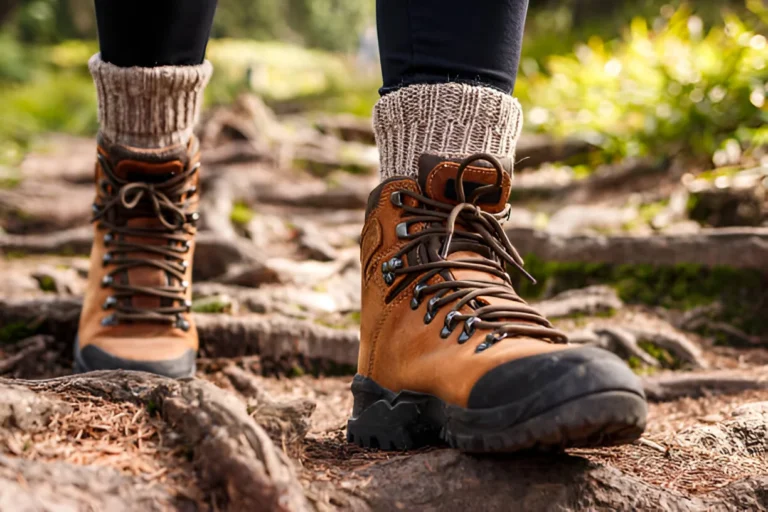
Kilimanjaro Climbing Packages For Students On December Holidays 2026
Kilimanjaro Climbing Packages for Students on December Holidays.
View package detailsCheapest Kilimanjaro Climbing Options For December 2026 Guide
When searching for the most affordable way to climb Kilimanjaro in December 2026, the key is understanding that 'cheap' should never mean 'unsafe.' We break down how to manage costs through...
View package detailsNo related package matches those filters. Clear one or more filters to see the other topic-matched options.



