
When planning an ascent of Mount Kilimanjaro, the term “budget” often triggers concerns about safety, equipment, and hidden costs. However, a Budget Kilimanjaro Trek with Airport Pickup and Hotel Accommodation does not have to mean sacrificing your safety or the quality of your experience. In fact, for many climbers, selecting a package that bundles these logistics—transfers, pre-climb hotels, and the mountain expedition itself—is the most effective way to keep costs predictable while ensuring a smooth transition from the airport to the trailhead.
At Climb 4 Africa, we define a budget-friendly trek as one that optimizes resources. It focuses on the essentials: professional guides, high-quality safety gear, nutritious food, and reliable logistics, without the unnecessary overhead of luxury-tier extras. By bundling your arrival logistics, you eliminate the stress of navigating transport in a new country, allowing you to focus entirely on your acclimatization and summit goal.
The Value of Bundled Logistics: Airport Pickup and Hotel Stays
The most common mistake travelers make when trying to lower the cost of their Kilimanjaro expedition is booking components separately. While it might seem like you are saving money by arranging your own taxi from Kilimanjaro International Airport (JRO) or booking a random hotel in Moshi or Arusha, this approach often leads to “hidden” expenses and logistical headaches.
When you book a package that includes airport pickup and hotel accommodation, you are paying for peace of mind. Here is why this matters for your 2026 or 2027 climb:
- Arrival Reliability: After a long-haul flight, the last thing you want is to haggle with local taxi drivers. A pre-arranged pickup ensures your driver is waiting, knows exactly where your hotel is, and is familiar with local road conditions.
- Acclimatization and Rest: Your hotel stay is not just for sleeping; it is part of your preparation. A good operator will place you in a hotel that is quiet, clean, and accustomed to trekking schedules, ensuring you get the rest you need before the climb.
- The Pre-Climb Briefing: By staying in an operator-affiliated hotel, you ensure that your lead guide can easily find you for the essential pre-climb briefing. This is where you check your gear, discuss the route, and finalize your hydration and nutrition plan.
If you are looking to secure your spot for an upcoming season, feel free to reach out to our team via WhatsApp at +255 747 477 898 or email us at climb4africa@gmail.com to discuss your specific arrival requirements.
What to Verify in Your Budget Package
Before confirming your booking, always ask for a clear breakdown of the “budget” inclusions. A responsible operator will never cut costs on the following:
- Guide-to-Client Ratio: Even on a budget trip, you should have at least one guide for every two to three climbers.
- Safety Equipment: Portable oxygen, pulse oximeters, and a first-aid kit must be standard.
- Porter Welfare: A lower price should never come from underpaying the mountain crew. Check that the operator is committed to fair wages and proper porter treatment.
- Food and Water: High-quality, calorie-dense food is essential for your energy levels.
Comparison: Budget-Friendly vs. Premium Packages
To help you decide which level of service fits your travel style, consider the following table. This comparison highlights the typical differences between a streamlined budget package and a more comprehensive premium offering.
| Feature | Budget-Friendly Package | Premium / Luxury Package |
|---|---|---|
| Airport Transfer | Included (Shared or Private) | Private VIP Transfer |
| Accommodation | Standard 3-star Hotel | Luxury Lodge / Boutique Hotel |
| Mountain Tents | Standard Mountain Tents | High-end, Spacious Tents |
| Food Quality | Nutritious, Local Ingredients | Gourmet Menu & Variety |
| Group Size | Open Group (Shared) | Private Group / Solo |
| Equipment | Essential Gear Provided | Premium/Customized Gear |
As you can see, the core safety and logistics—the airport pickup, the guides, and the mountain permits—remain consistent across both options. The primary differences lie in the comfort level of your pre-climb hotel and the exclusivity of your group.
Choosing the Right Route for Your Budget
Your route choice is the single biggest factor in the cost of your Kilimanjaro expedition. For those focused on a budget-conscious trip, the route duration is the main driver. Longer routes require more days of park fees, more food, and more crew support. However, shorter routes also require careful consideration regarding acclimatization.
The 6-Day Machame Route
Often considered the classic choice for a value-driven trek, the 6-day Machame route offers a balance of stunning scenery and rapid ascent. It is efficient, cost-effective, and provides a high success rate for fit climbers. Because the itinerary is tighter, you must be mentally prepared for the physical demand of gaining altitude quickly. If you are fit and have some hiking experience, this is often the most economical way to reach the summit.
The 7-Day Alternative
If your budget allows for an extra day, the 7-day variation of the Machame or Lemosho routes significantly improves your acclimatization profile. While it does increase your park fees and crew costs, it can be a smarter investment in the long run by reducing the risk of altitude sickness, which is the primary reason for failing to summit. Many climbers find that the extra day of rest is worth the marginal increase in the overall package price.
Practical Planning for 2026-2027
When planning your trip for 2026 or 2027, timing is everything. Kilimanjaro is a year-round destination, but weather patterns can influence your trekking experience. The “short rains” in November and the “long rains” in April/May can make trails muddy and slippery. If you are looking for the best value, consider trekking during the shoulder seasons—January/February or June/July—where you balance decent weather with the availability of group joining options.
Joining a group is perhaps the most effective way to lower your costs. By sharing the fixed expenses of the mountain crew and transport with other travelers, you can enjoy a high-quality experience without the premium price of a private climb. You can explore our group departure options to see if your travel dates align with others.
What to Pack (And What to Rent)
Another area where budget travelers often save money is gear. You do not need to buy brand-new, top-of-the-line mountaineering equipment for a single trip. Most reputable operators offer high-quality gear rental services in Moshi or Arusha. When booking your budget trek, ask your operator for their rental list. You will typically need to rent items like:
- Sleeping Bags: Rated for at least -10°C to -15°C (14°F to 5°F).
- Trekking Poles: Essential for saving your knees on the descent.
- Duffel Bags: Often provided or available for rent to keep your gear dry.
- Technical Clothing: While you should bring your own layers, specialized heavy-duty parkas can often be rented if you don’t want to purchase them.
Always test your rental gear during your pre-climb briefing at the hotel. If a zipper is stuck or a buckle is broken, you want to know before you are at 4,000 meters.
The Climb 4 Africa Commitment
At Climb 4 Africa, we believe that every climber deserves a safe, supported, and successful experience, regardless of their budget. We don’t hide costs, and we don’t compromise on the essentials that keep you safe. Our packages are designed to provide exactly what you need to get from your home country to the roof of Africa and back again, with no surprises.
Whether you are a solo traveler looking to join a group or a small group of friends planning a private adventure, we are here to help you structure your logistics. If you need a customized itinerary or want to combine your climb with a wildlife safari or a beach holiday in Zanzibar, we can help you build a package that fits your specific needs. Please feel free to reach out to us at our backup email, info@climb-4-africa.com, if you have any questions or require a detailed quote for your 2026 or 2027 trip.
Remember, the best Kilimanjaro trek is one that you have prepared for physically and logistically. By focusing on the fundamentals—reliable airport transfers, a comfortable pre-climb stay, and a professional, well-treated mountain crew—you are setting yourself up for the best possible chance of standing on Uhuru Peak.
Navigating Tipping and Crew Welfare in Budget Packages
A frequent source of confusion for climbers focused on a budget-friendly expedition is the distinction between the package price and the total cost of the trip. While your upfront payment covers essential logistics like park permits, transport, and food, it rarely includes gratuities for your mountain crew. Understanding this aspect of the Kilimanjaro experience is essential for both your financial planning and the ethical treatment of the Tanzanian team that makes your summit attempt possible.
Tipping on Kilimanjaro is a standardized, expected practice. Your crew, which often consists of multiple porters, a cook, and several assistant guides, relies on these gratuities as a significant component of their total compensation. When reviewing a budget package, remember that a lower price tag does not reduce the expectation of these tips. Budgeting for these costs in advance prevents last-minute financial stress and ensures you are prepared to reward the team fairly for their hard work.
When calculating your budget, consider the following factors regarding crew welfare:
- Fair Wage Policies: A truly reputable budget operator will provide evidence that they pay their crew a fair living wage, regardless of the package price. Transparency in this area is a strong indicator of a company that values its staff.
- The Tipping Calculation: Most operators provide a suggested tipping guide per day for each role (guide, cook, porter). Since your crew size depends on your group size, you should ask your operator for an estimate of the total crew size assigned to your specific trek before you depart.
- Cash Requirements: Tipping is almost exclusively handled in cash, typically in USD or Tanzanian Shillings. Ensure you have the correct denominations available before heading to the mountain, as you will not have access to ATMs once you leave Moshi or Arusha.
By treating the tipping budget as a fixed expense rather than an optional afterthought, you protect yourself from the awkwardness of being underprepared and ensure your support team is motivated and properly compensated.
Post-Trek Logistics: The Importance of a Smooth Exit
The success of your Kilimanjaro expedition is not determined solely by reaching the summit; it is defined by a safe and organized return to civilization. Budget travelers often focus heavily on the ascent, neglecting the logistical reality of the descent. After spending several days at high altitude, you will be physically exhausted and mentally drained. The last thing you need is uncertainty regarding your exit from the national park and your transfer back to the hotel.
A well-structured budget package must include a smooth transition from the park gate to your accommodation. This is a non-negotiable inclusion for several reasons:
- Energy Conservation: After a grueling descent, your body needs immediate access to rest and nutrition. Waiting for a public bus or negotiating a taxi at the park gate is physically taxing and unnecessary.
- Hotel Access: Your pre-booked hotel is a staging ground for your recovery. It provides a hot shower, a secure place to store your gear, and a comfortable environment to begin your post-trek decompression.
- Airport Transfer Coordination: Your final transfer back to Kilimanjaro International Airport (JRO) should be synchronized with your flight schedule. Reliable operators will monitor your flight times and ensure your departure transport is ready, eliminating the anxiety of potentially missing your international connection.
When assessing the value of your budget package, view these post-trek transfers as a safety and comfort essential. If an operator asks you to arrange your own transport from the mountain gate to the hotel, you are likely underestimating the complexity of local transit in a post-climb state. Opting for a package that keeps these logistics bundled ensures that your mountain experience ends with the same level of organization and care with which it began.
Navigating Group Dynamics: Joining a Team vs. Private Expeditions
For many travelers, the most significant decision impacting the final price of a budget Kilimanjaro trek is whether to book a private expedition or join an open group. Because a large portion of your mountain costs—such as vehicle fuel for transfers, park entry fees for the crew, and the salaries of the support staff—are fixed, the way these costs are distributed determines your total expenditure. Understanding the trade-offs between these two models is essential for anyone trying to maintain a strict budget without compromising their ability to summit.
The Economics of Shared Logistics
In the context of a budget-friendly trek, the “shared group” model is the most effective way to lower costs. When you join an open group, you are essentially splitting the fixed operational expenses with other climbers. The costs of a dedicated mountain crew—including the lead guide, assistant guides, cook, and porters—are divided among the participants. This model allows operators to offer a lower per-person rate because the overhead of the expedition is distributed.
Conversely, a private trek requires you to bear the full cost of the support team and logistics yourself. While this is undeniably more expensive, it provides complete control over the itinerary. If you are traveling as a couple or a small group of friends, you might find that the cost difference between a private trip and joining an open group is negligible once you factor in the privacy and autonomy you gain. However, for solo travelers, joining a group is almost always the only viable way to keep the budget within a reasonable range.
Balancing Pacing and Social Compatibility
While the financial savings of joining a group are clear, there is a secondary, non-monetary cost: the loss of control over your pacing. Kilimanjaro requires a specific, slow pace—often referred to by guides as pole pole (slowly, slowly)—to ensure adequate acclimatization. In a private group, your guide can adjust the daily schedule, departure times, and rest intervals specifically to your fitness level and physical needs. You are not beholden to the slowest or fastest member of a larger group.
When you join an open group, you must adhere to the pace set by the lead guide for the collective. If the group is large, this can sometimes lead to longer periods of standing around in the cold while waiting for others, or conversely, being pushed to walk faster than your body is comfortable with to keep up with the group’s momentum. Before committing to a budget group package, inquire about the maximum group size. A group of four to six people is generally considered the “sweet spot” for a balance between cost-efficiency and flexibility. Groups that exceed ten or twelve participants often face logistical delays at campsites and during the summit night, which can impact your overall energy levels and experience.
Evaluating Compatibility Before You Book
If you choose to join a group to save on your budget, try to gather information about the group profile before confirming your spot. Ask the operator if the group consists of people with similar fitness levels or trekking experience. While operators cannot disclose personal information about other clients, they can often provide a general sense of the group’s composition. Being part of a group with similar goals—whether that is a focus on photography, speed, or a relaxed pace—can significantly enhance your morale. A cohesive group dynamic often leads to a more enjoyable experience, whereas a group with mismatched expectations can create friction during the difficult, high-altitude days when mental resilience is already being tested.
Ultimately, the choice comes down to your personal priority. If your primary goal is to minimize costs, joining an open group is the industry-standard method for achieving this. If your priority is to maximize your summit chances by ensuring you can move at your own pace, a private trek—even if it requires a higher upfront investment—may prove to be the more economical choice in the long run, as it reduces the risk of having to turn back due to a group-wide issue or exhaustion caused by an inflexible schedule.
Navigating Dietary Standards and Nutritional Needs on a Budget
A common apprehension among those booking a budget-friendly Kilimanjaro trek is the quality and quantity of food provided. There is a persistent myth that a lower price tag implies limited rations or poor nutritional value. In reality, the dietary standards on the mountain are largely dictated by the logistical constraints of high-altitude trekking rather than the tier of your package. Regardless of your budget, your mountain crew must carry all food supplies on their backs, meaning the menu is intentionally designed for high caloric density, ease of digestion, and rapid preparation.
On a standard budget expedition, you can expect a menu centered on carbohydrates—pasta, rice, potatoes, and locally sourced vegetables—which are essential for maintaining energy levels during strenuous daily hikes. Budget operators typically employ the same mountain chefs as luxury operators, and these professionals are trained to prepare meals that prioritize sustained energy over culinary variety. If you are accustomed to specific international cuisines or require constant access to luxury snacks, you may find the mountain fare repetitive. However, the nutritional integrity remains high because the goal is to provide the fuel necessary for summit success, not to offer a gourmet dining experience.
Managing Dietary Restrictions and Personal Preferences
Even on a budget-conscious itinerary, reputable operators are fully capable of accommodating common dietary requirements such as vegetarian, vegan, or gluten-free diets, provided they are notified well in advance. Because the supply chain for a mountain trek is organized days before departure, late requests are difficult to manage. When finalizing your booking, submit your dietary restrictions clearly and confirm that the operator has received them. Do not assume that the mountain kitchen can accommodate last-minute changes or complex allergies once you have reached the trailhead.
For those who are particularly picky eaters or who know that their appetite will fluctuate significantly at high altitudes, the most effective strategy is to supplement the provided meals with your own high-energy snacks. Budget packages generally include three hot meals a day, but they may not include an unlimited supply of protein bars, electrolyte powders, or specialized trail mixes. Bringing a personal stash of your favorite comfort foods—items that you know you will eat even when you feel nauseated by altitude—is a cost-effective way to ensure you maintain your caloric intake without paying for a more expensive, all-inclusive luxury package.
The Reality of Hydration Logistics
Hydration is the single most important factor in preventing altitude sickness, and it is a non-negotiable component of your budget package. While some premium operators might offer bottled water or advanced filtration systems, most budget-friendly expeditions rely on boiling water sourced from mountain streams. This is a standard, safe, and environmentally conscious practice. Your crew will provide boiled, safe drinking water at camp every morning and evening. You are responsible for ensuring you have enough water containers—typically a combination of hydration bladders and hard-sided bottles—to carry your daily allotment. Do not expect to be handed plastic water bottles throughout the hike; not only is this logistically heavy, but it is also environmentally unsustainable. By managing your own hydration gear and relying on the team’s boiling schedule, you maintain the safety standards required for the climb while keeping your costs aligned with a budget-friendly model.
The Mechanics of Gear Rental and Maintenance on a Budget
One of the most significant variables in keeping a Kilimanjaro expedition affordable is the strategic management of high-altitude gear. Many travelers mistakenly believe they must purchase specialized mountaineering equipment—often costing thousands of dollars—before arriving in Tanzania. In reality, the most cost-effective and practical approach for a budget-conscious trekker is to rely on professional rental services provided by your operator in Moshi. Understanding how to navigate these rental logistics is essential for both your budget and your safety on the mountain.
When you opt for a budget package, your operator should provide a clear, itemized list of what gear is included versus what you are expected to bring. Typically, the “rental” model operates on a per-trip fee rather than a daily rate, which simplifies your budget. However, the quality of this rental gear varies significantly between operators. Before you confirm your booking, ask specific questions about the age and maintenance of their rental inventory. You are looking for proof that the operator performs regular inspections, especially on critical items like sleeping bags, which must be rated for sub-zero temperatures. A sleeping bag that has lost its loft or a zipper that fails in the middle of the night at high altitude is not just an inconvenience—it is a safety risk that could end your summit attempt prematurely.
Focus your rental budget on the “big three” items that are difficult to transport: the sleeping bag, the sleeping pad, and trekking poles. These items are bulky, heavy, and often prohibitively expensive to ship or check on an airplane. Most reputable budget operators provide high-quality, four-season sleeping bags that are professionally cleaned between uses. Do not be afraid to ask for a test run of this gear at your hotel in Moshi before you depart for the trailhead. If a sleeping bag looks worn or a trekking pole lock is slipping, insist on a replacement immediately. It is far easier to swap gear at the hotel than it is to realize you have faulty equipment while you are shivering at Barranco Camp.
Beyond the rental inventory, recognize which items you absolutely must bring yourself for hygiene and comfort reasons. While a budget trek offers rental options for almost everything, personal items like high-quality moisture-wicking base layers, broken-in hiking boots, and reliable headlamps should always be your own. Renting boots is generally discouraged; even the best-maintained rental boots may not fit your feet perfectly, and the risk of developing blisters on day two or three can derail your entire trek. Invest your “gear budget” into your footwear and your personal clothing system, and save your “logistics budget” by renting the heavy, specialized mountaineering equipment from your operator.
Managing the Pre-Climb Hotel Transition
Your hotel stay in Moshi or Arusha is the final piece of the logistical puzzle before you head to the mountain, and it serves a dual purpose: physical rest and final preparation. In a budget package, this accommodation is usually a clean, comfortable, and functional hotel that caters specifically to climbers. Do not expect luxury amenities; you are paying for proximity to the operator’s office, security for your extra luggage, and a quiet environment to finalize your packing.
Use your time at the hotel to conduct a final gear check with your lead guide. This is a standard procedure in any well-organized budget expedition. Your guide will walk through your duffel bag to ensure you have the necessary layers, rain gear, and personal medications. This “pre-climb briefing” is your safety net. If you have forgotten a critical item, the hotel staff or your guides can often direct you to local shops in Moshi where you can purchase or rent the missing piece at a fair price, avoiding the inflated costs you might find if you wait until you are already at the park gate.
Furthermore, the hotel is the place where you will store the clothes and luggage you do not need on the mountain. Ensure your operator provides a secure storage room or locker. Because you are traveling on a budget, you may be tempted to leave valuables in your hotel room, but it is always safer to use the hotel’s luggage storage facility, which is typically locked and monitored. Before leaving for the trailhead, confirm that you have separated your “mountain duffel” (which the porters will carry) from your “day pack” (which you will carry) and your “travel bag” (which stays at the hotel). Organizing these three distinct bags before you leave the hotel prevents the chaotic scramble that often happens at the trailhead, where you might otherwise end up with your passport in a bag that is heading up the mountain while you are heading to the gate.
Related Guides and Packages
Check Availability for Budget Kilimanjaro Trek With Airport Pickup And Hotel Accommodation: A…
Ready to compare dates, prices, and the best option for your group? Send the package name and travel month so the team can reply with a clear quote, availability, and what is included.

Kilimanjaroo Airport to AFCON Host City Transfer
Katika ukurasa huu wa kina, tunakuletea mwongozo wa kina juu ya jinsi ya kuhamisha kutoka Uwanja wa Kilimanjaro kwenda mjini litakalohudhuria AFCON 2027, pamoja na mapendekezo ya usafiri...
View package details
Affordable Kilimanjaro Group Joining Safari And Trekking Packages December
A practical guide to booking affordable, reliable group joining treks on Kilimanjaro and wildlife safaris in Tanzania for December 2026, focusing on logistics, shared costs, and travel...
View package details
How Early Should I Book A December Kilimanjaro Group Trek? A Planning Guide
Planning a December Kilimanjaro climb? Learn the ideal booking window, why holiday dates fill up fast, and how to secure your spot for 2026-2027.
View package detailsKilimanjaro Family Christmas Holiday Trekking Packages 2026
Expert guide to organizing a Kilimanjaro family holiday trek, focusing on the best routes, acclimatization strategies, and logistical planning for the December season.
View package details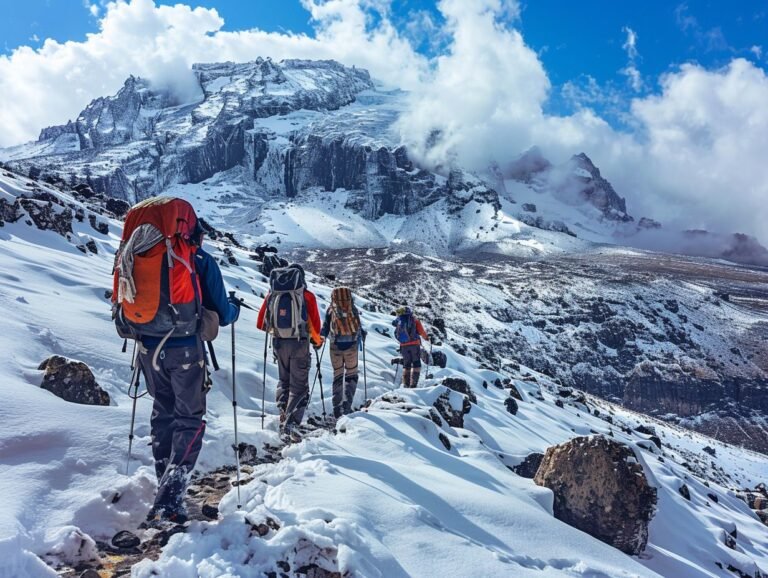
Exclusive Kilimanjaro Christmas Trek With Premium Support Team 2026
An in-depth guide to securing a private, high-support Kilimanjaro expedition for the holiday season. We cover route selection, team ratios, and planning for 2026-2027.
View package detailsLuxury Mount Kilimanjaro Trekking Packages December : Planning Your Premium
A detailed guide to booking luxury Kilimanjaro trekking packages for December 2026, covering route selection, premium service standards, and planning essentials.
View package details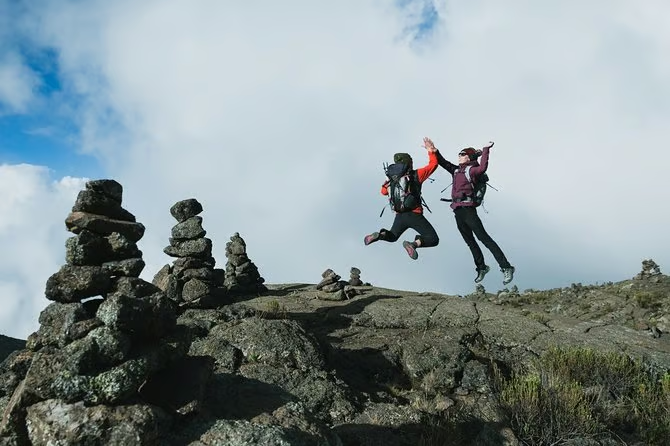
9 Days Northern Circuit Kilimanjaro Trek December : The Ultimate
A comprehensive guide to the 9-day Northern Circuit route for December 2026, focusing on acclimatization, route advantages, and logistical planning.
View package details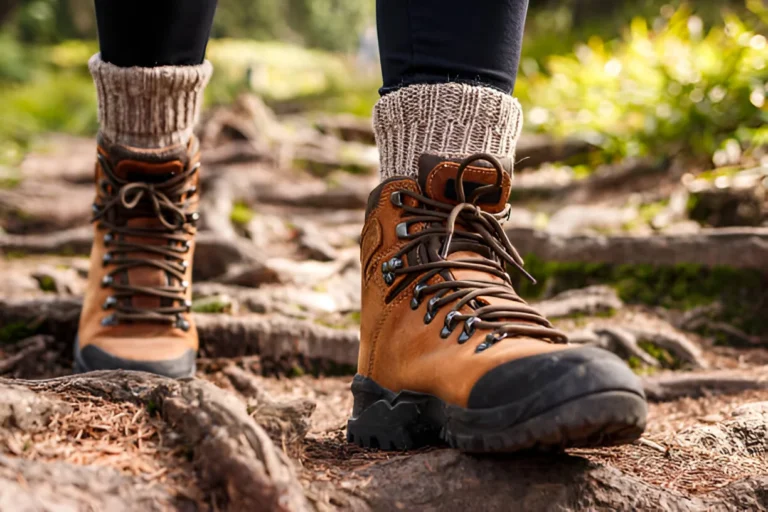
Cheapest Kilimanjaro Climbing Options For December 2026 Guide
When searching for the most affordable way to climb Kilimanjaro in December 2026, the key is understanding that 'cheap' should never mean 'unsafe.' We break down how to manage costs through...
View package details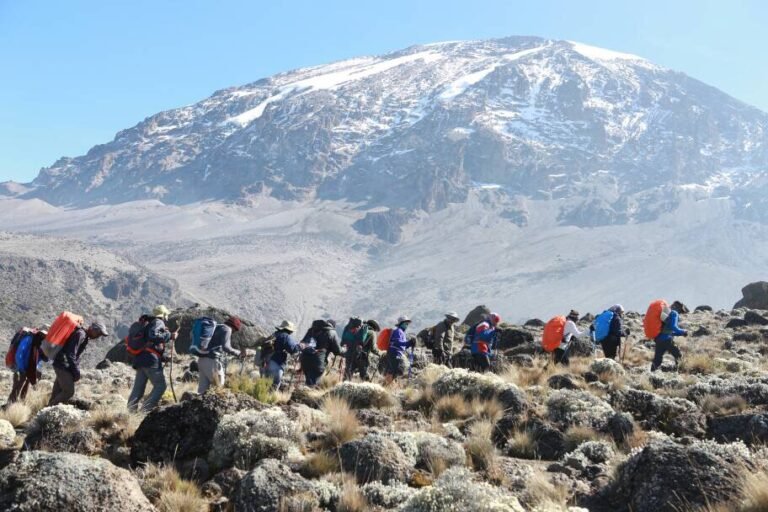
How Much Does A Christmas Kilimanjaro Climb Cost In And ? 2026
A detailed guide on the factors influencing the price of a Christmas Kilimanjaro climb, including park fees, route selection, and operator standards for 2026 and 2027.
View package details
Is December A Good Time To Climb Kilimanjaro? A Local Expert Guide 2026
Planning for December 2026? Discover why this month is a popular choice for Kilimanjaro climbs, how the 'short rains' affect your trek, and why early booking is essential for the holiday...
View package details
Kilimanjaro December Climbing Cost Including Park Fees: A Transparent
A detailed look at the financial structure of a Kilimanjaro climb in December 2026, focusing on mandatory park fees, ethical operator standards, and route-specific cost variables.
View package details
Christmas Kilimanjaro Climb And Serengeti Wildlife Safari Package: Planning
A comprehensive guide to planning a combined Christmas Kilimanjaro climb and Serengeti wildlife safari, covering route selection, seasonal logistics, and expert booking advice for 2026-2027.
View package detailsNo related package matches those filters. Clear one or more filters to see the other topic-matched options.



