
For travelers planning an 8 Days Lemosho Route Christmas Climbing Package in December 2026, the priority is securing a team that understands the specific logistics of the holiday season. The 8-day Lemosho itinerary is widely considered the gold standard for success, offering a superior acclimatization profile compared to shorter routes like the 6-day Machame. By choosing this route, you gain an extra day on the lower slopes, which significantly reduces the risk of altitude sickness and increases your chances of standing on Uhuru Peak during your Christmas or New Year celebration. Because December is a popular travel month, we recommend initiating your planning process at least 12 months in advance to secure your permits and staffing.
Choosing to spend your Christmas on Mount Kilimanjaro is a commitment to a unique, challenging, and deeply rewarding experience. When you select the 8-day Lemosho Route, you are opting for the most scenic and gradual ascent available on the mountain. Unlike the steeper, faster routes, Lemosho approaches from the west, allowing for a slower, more deliberate climb that respects the physiology of altitude.
Why the 8-Day Lemosho Route is the Preferred Choice for December
December on Kilimanjaro is a transition period. While it follows the “short rains” of November, the weather often stabilizes into clear, crisp days with chilly nights—perfect conditions for a summit attempt. However, the mountain remains unpredictable, which is why an 8-day itinerary is so valuable.
The primary advantage of the 8-day Lemosho schedule is the acclimatization buffer. On shorter 6-day or 7-day climbs, the body is pushed through altitude zones very quickly. On an 8-day schedule, you spend more time walking through the lush rainforest and the high-altitude heath zones. This extra time allows your body to produce more red blood cells, which is the most effective way to combat the symptoms of Acute Mountain Sickness (AMS).
For those traveling during the Christmas window, this extra day also provides a mental break. The trek is physically demanding, and having an extra night at a lower elevation before the final push can make the difference between a successful summit and a failed attempt due to exhaustion.
Comparison: 8-Day Lemosho vs. Standard Routes
| Feature | 8-Day Lemosho | 6-Day Machame |
|---|---|---|
| Acclimatization | Excellent (Gradual) | Moderate (Aggressive) |
| Scenic Variety | High (Western approach) | High (Southern approach) |
| Summit Success | Higher | Lower |
| Best For | First-time trekkers | Experienced hikers |
The 8-Day Lemosho Itinerary Breakdown
This itinerary is designed to maximize your success. While we can customize your private climb, the standard 8-day structure follows a logical progression that prioritizes your health and safety.
Day 1: Londorossi Gate to Mti Mkubwa
Your journey begins with a drive to the Londorossi Gate. After completing the park formalities, you enter the montane forest. The hike is relatively gentle, taking you through lush vegetation. Your first night is spent at Mti Mkubwa (Big Tree) camp, where the sounds of the forest provide a tranquil start to your Christmas adventure.
Day 2: Mti Mkubwa to Shira 1 Camp
Leaving the forest behind, the trail steepens as you enter the moorland zone. You will emerge onto the Shira Plateau, one of the highest plateaus on earth. The views here are expansive, often offering your first glimpse of the Kibo peak. This is a day for steady, slow walking to keep your heart rate consistent.
Day 3: Shira 1 to Shira 2 Camp
You continue across the Shira Plateau. This is a relatively easy walking day, which is intentional. By moving slowly across the plateau, you are allowing your body to adapt to the thin air. You will arrive at Shira 2 Camp by the afternoon, giving you time to rest and enjoy the unique alpine scenery.
Day 4: Shira 2 to Barranco Camp
This is a critical day for acclimatization. You will climb towards the Lava Tower (4,600m). While it is a challenging ascent, it is essential for the “climb high, sleep low” principle. After lunch, you descend into the Great Barranco Valley. This descent is crucial because it allows your body to recover at a lower altitude before the next phase of the climb.
Day 5: Barranco to Karanga Camp
The morning starts with the famous Barranco Wall. It is not technical climbing, but it requires focus and balance. Once you crest the wall, you traverse a series of ridges and valleys until you reach the Karanga Camp. This is a shorter day, allowing for afternoon recovery and preparation for the final approach.
Day 6: Karanga to Barafu Camp
You make your way to the Barafu Camp, the base camp for the summit. The terrain is stark, rocky, and alpine. You will arrive at camp by early afternoon, which is vital. You need to eat, hydrate, and try to sleep early, as your summit day will begin shortly after midnight.
Day 7: Summit Day and Descent to Mweka Camp
The big day. You will start your ascent to Uhuru Peak (5,895m) under the cover of darkness. The goal is to reach Stella Point by sunrise, and then continue to the summit. The descent is long and taxing, taking you all the way down to Mweka Camp. It is a long day, but the feeling of reaching the roof of Africa is unparalleled.
Day 8: Mweka Camp to Mweka Gate
The final stretch. You descend through the rainforest to the Mweka Gate, where you will receive your summit certificates. From here, you are transferred back to your hotel for a well-deserved shower and celebration.
Logistics for December 2026
Planning for December 2026 requires understanding the local conditions. Tanzania is a vibrant place to be during the holidays. However, because it is peak travel season, flights and hotel rooms in Moshi or Arusha fill up quickly.
If you are traveling solo and want to share costs, we often organize group joining tours. You can read more about group departures for solo travelers to see if there is a match for your dates. If you are traveling as a couple or a private group, we can arrange a dedicated, tailor-made itinerary that focuses purely on your group’s pace.
Essential Packing Considerations
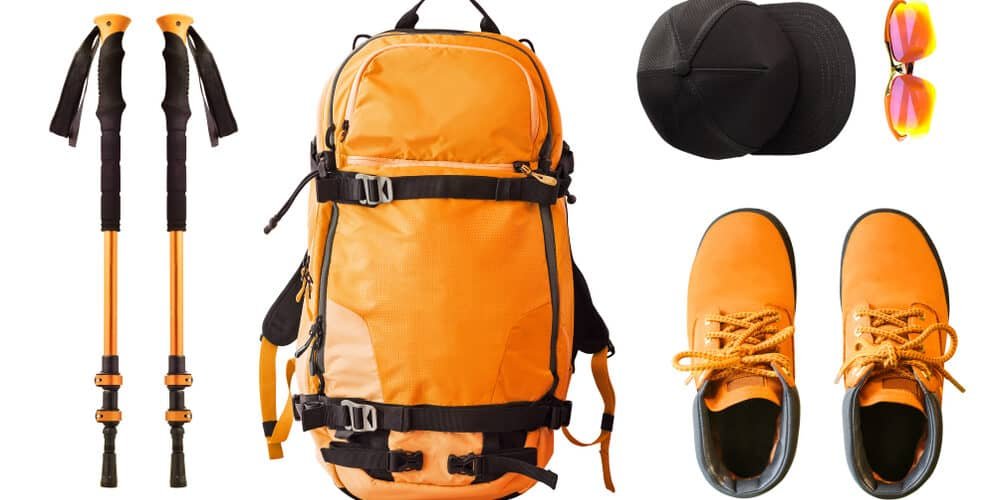
December weather on the mountain is generally favorable, but you must be prepared for everything. At the base, it can be warm and humid, while at the summit, temperatures can drop well below freezing. Your packing list should include:
- Layering: A base layer (moisture-wicking), a mid-layer (fleece or wool), and a heavy-duty down jacket for summit night.
- Footwear: Broken-in hiking boots are non-negotiable. Do not bring brand-new boots to the mountain.
- Hydration: A hydration bladder is essential, but you must also carry a wide-mouth water bottle, as the tubes can freeze on summit night.
- Sun Protection: The sun is incredibly intense at high altitudes. Bring high-SPF sunscreen and polarized sunglasses.
Booking Your Climb with Climb 4 Africa
When you are ready to move from planning to booking, the first step is to contact us with your specific dates and group size. We act as your local partners, handling everything from park permits and mountain crew to airport transfers and pre-climb briefings.
We strongly advise against booking through third-party aggregators that lack local presence. When you book directly with a local Tanzanian operator like Climb 4 Africa, you ensure that your money supports the local economy and that your crew is treated fairly. We provide professional, experienced guides who have spent years navigating the Lemosho Route.
How to secure your 2026 slot:
To get a firm quote and check availability for December 2026, please reach out to us directly. We need to know: the number of people in your party, your preferred start date, and whether you are interested in a private climb or joining an existing group. You can contact us via:
- WhatsApp: +255 747 477 898
- Email: climb4africa@gmail.com
- Backup Email: info@climb-4-africa.com
If you are also looking to combine your climb with a safari or a beach holiday in Zanzibar, let us know. We specialize in multi-country and multi-experience itineraries, and we can help you create a smooth transition from the mountain to the plains of the Serengeti or the white sands of Zanzibar.
Frequently Asked Questions
Is the Lemosho route safe for beginners?
Yes, the Lemosho route is excellent for beginners. Because of its gradual ascent and the extra day for acclimatization, it is statistically one of the safest and most successful routes on the mountain.
What if the weather is bad in December?
While December is generally a good month, the mountain creates its own weather. Our guides are trained to monitor conditions constantly. If weather becomes unsafe, the itinerary can be adjusted to ensure your safety, which is always our primary concern.
Can I join a group for my 8-day climb?
Absolutely. We manage various group joining tours in December. This is a great way to meet fellow travelers and share the costs of the expedition.
What is included in the package?
Our standard packages include all park fees, camping fees, rescue fees, professional mountain guides, porters, cooks, high-quality tents, mattresses, and all meals while on the mountain. We also provide airport transfers and pre-climb briefings at your hotel.
The Christmas Atmosphere on the Trail
Choosing an 8-day Lemosho route for a December departure transforms a standard mountaineering expedition into a unique holiday experience. When you book a Christmas-specific package, you are not merely purchasing a climb; you are joining a community of trekkers and crew members who prioritize the celebratory spirit of the season, even at high altitudes. The atmosphere on the mountain during the week of December 25th is distinct from any other time of year. While the physical demands of the Lemosho route remain unchanged, the social dynamic shifts significantly.
Our mountain crews are well-versed in the holiday schedule. For many of the porters, guides, and cooks, this is a time of immense pride. You will often find that the camp atmosphere is more festive than usual. It is common for the kitchen staff to prepare special celebratory meals, often including a traditional cake or local delicacies, even when camped in the high-altitude moorlands or alpine desert. This effort is a hallmark of a high-quality Christmas package—the ability of the support team to maintain morale and celebrate the season despite the harsh environment. For trekkers, this camaraderie acts as a powerful motivator. Sharing a Christmas dinner in a mess tent, surrounded by new friends from around the world, creates a bond that is rarely replicated in standard climbing itineraries.
Strategic Post-Climb Recovery
One of the most overlooked aspects of a Kilimanjaro expedition is the transition from the summit to civilization. After descending from the freezing temperatures of Uhuru Peak through the lush rainforest to Mweka Gate, your body will be in a state of extreme fatigue. A comprehensive Christmas package should account for the immediate 48 hours following your descent. Because you will likely be finishing your climb during the peak of the holiday season, hotel availability in Moshi and Arusha is severely limited. A well-structured package ensures that your transfer from Mweka Gate to your hotel is smooth and that your accommodation is ready for immediate check-in, regardless of your arrival time.
Your post-climb recovery requires more than just a bed. We recommend that your post-summit stay includes access to laundry services, as your mountain gear will be covered in dust and volcanic scree. Furthermore, the physical toll of an 8-day ascent necessitates a recovery period focused on rehydration and high-calorie intake. When selecting your package, confirm that your operator includes a post-climb debriefing and a celebratory dinner. This is the time to finalize your summit certificate, tip your crew appropriately, and begin the process of physical rehabilitation before you head to the airport or continue to your next destination, such as a safari or a beach holiday in Zanzibar.
Navigating the Holiday Peak Season on Lemosho
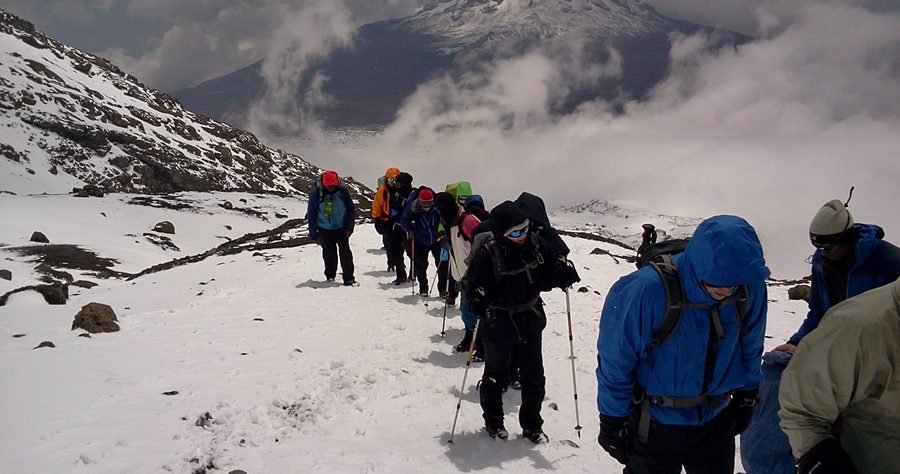
December is one of the busiest months for Kilimanjaro, and the Lemosho route, while quieter than the Marangu or Machame routes, will still see increased foot traffic during the Christmas period. Navigating this requires a tactical approach to your daily schedule. Because our 8-day itinerary prioritizes gradual acclimatization, you are naturally positioned to avoid the “bottlenecks” that can occur on faster, more crowded routes. However, being on the mountain during peak season means that camp sites—particularly Barranco and Barafu—will be bustling with activity.
To make the most of this, your guides will often adjust departure times by 30 to 60 minutes to ensure you arrive at the next camp before the major influx of other trekking groups. This is a critical logistical advantage of the Lemosho route; because the trail is longer and more varied, there are more opportunities for your guide to manage your pace and avoid congestion. When you are in the planning stages for December 2026, ensure that your operator has a clear policy on camp selection and peak-season logistics. A professional operator will have the experience to navigate the high-traffic zones of the mountain, ensuring that your Christmas experience remains intimate and focused on your group’s success, rather than the logistics of the crowd.
Managing Gear and Personal Comfort in December’s Variable Climate
The challenge of the 8-day Lemosho route in December lies in the extreme contrast of the microclimates you will traverse. You begin in the humid, tropical rainforest where moisture is your primary concern, and you finish in an arid, sub-zero alpine desert where battery life and hydration are your greatest obstacles. Managing your gear effectively over these eight days is essential to maintaining comfort during the holiday period.
During the Christmas season, most trekkers want to capture the summit sunrise or the festive spirit at camp. However, lithium-ion batteries—the power source for almost every camera, phone, and headlamp—suffer significantly in the sub-zero temperatures of the upper camps, particularly at Barafu and during the final summit push. To ensure your devices function on summit night, keep batteries tucked inside your inner jacket layers, close to your body heat, rather than in your daypack. For the 8-day duration, ensure you have sufficient power bank capacity, as charging options are non-existent once you leave the hotel; a 20,000mAh bank is generally sufficient for a week of moderate use.
The first two days of the Lemosho route often involve trekking through mud and damp vegetation. Waterproof boots are vital, but their effectiveness is often compromised by internal sweat buildup. Bring extra socks and utilize thin synthetic liners to wick moisture away from your skin. When you reach the higher camps, the humidity drops sharply. This is the time to switch to your heavier, insulated boots. Ensure your gaiters are properly fitted from day one; they are your primary defense against both the mud of the lower forest and the loose volcanic dust of the upper scree slopes.
Because you are on the mountain for eight days, the interior of your tent becomes your primary living space. In the lower, more humid camps, condensation can build up on the tent walls. Use a small, lightweight microfiber towel to wipe down the interior in the morning before packing your sleeping bag. This prevents the moisture from transferring to your sleeping gear, which would otherwise lead to a damp, cold night at higher altitudes. During the Christmas period, many trekkers bring small, lightweight luxuries—such as a battery-powered string of LED lights or a favorite book—to enhance the festive feel of your tent. Ensure these items are low-wattage and do not add unnecessary weight to your porter-carried duffel, as maintaining your gear weight limit remains a priority.
The Human Element: Crew Dynamics and Holiday Nutrition on the Mountain
Embarking on an 8-day Lemosho route during the December holiday season means you are not merely hiring a service; you are entering into a symbiotic relationship with a dedicated team of professionals. For an 8-day expedition, your crew—comprising lead guides, assistant guides, a cook, and a substantial team of porters—will become your primary community. Unlike shorter, 5-day routes where the interaction is transactional and brief, the 8-day Lemosho itinerary allows for a genuine, albeit temporary, bond to form. Understanding how to navigate this human element is as critical to your success as your physical conditioning.
Understanding the Crew-Client Relationship
On the mountain, your crew is working in a high-stakes, high-altitude environment while away from their own families during the festive season. Acknowledging this sacrifice and treating your team with respect and patience is the foundation of a positive experience. The 8-day pace is specifically designed to allow for better communication between you and your guides. Use this time to learn from them; they possess a wealth of knowledge about the flora, fauna, and the history of the mountain. Engaging in conversation, learning a few words of Swahili, and showing genuine interest in their lives fosters a morale-boosting atmosphere that can be infectious during the tougher, colder days of the ascent.
Tipping and Appreciation During the Festive Period
Tipping on Kilimanjaro is a customary practice, yet it remains a frequent source of anxiety for first-time trekkers. Because your crew is working through the Christmas holiday, many trekkers feel a desire to express additional gratitude. While tipping is always discretionary, it is standard practice to tip as a group rather than individually to ensure fairness across the entire support team, including the porters who carry the bulk of the weight. When planning for your December 2026 climb, prepare your tips in USD cash, preferably in small, crisp denominations, and place them in separate, labeled envelopes for the lead guide, assistant guides, cook, and the general porter pool. Many operators will hold a brief “tipping ceremony” on your final morning at the hotel or at the gate, which is the appropriate time to distribute these envelopes. If you wish to provide a holiday-specific gesture, consider bringing small, non-essential items like high-quality wool socks, headlamps, or sunglasses to donate to the crew after the climb, as these are highly valued in the local community.
Managing Expectations: The Mountain Menu
One of the greatest challenges of an 8-day expedition is maintaining a high standard of nutrition as you move further from the trailhead. Your cook is tasked with the monumental job of preparing three hot, nutritious meals a day using only portable gas stoves and fresh ingredients that must be carried up the mountain. In the first few days, you can expect fresh fruits, vegetables, and bread. As you ascend higher, these fresh items will be replaced by dehydrated or canned alternatives to reduce weight. This is a normal and necessary progression. Do not expect the same variety on day six as you would on day one.
Because you are on the mountain during the holiday season, many crews make an extra effort to provide a “Christmas dinner” or a festive meal, often involving a specially prepared soup, a hearty main course, and perhaps a celebratory cake or dessert. This is a significant logistical feat. To support your cook, be open to the menu provided. High-calorie, carbohydrate-rich meals are essential for your body to generate heat and sustain effort at altitude. Even if your appetite wanes due to the thin air, try to consume at least a portion of every meal. If you have specific dietary restrictions, ensure these are communicated to your operator well in advance—at least three months before your December departure—as securing specialized ingredients in Moshi can be difficult during the peak holiday season when demand is high.
Physical and Mental Conditioning for the 8-Day Lemosho Ascent
While the 8-day Lemosho route is statistically the most successful path to the summit, its length presents a specific challenge: sustained endurance. Unlike shorter, more aggressive routes that demand high-intensity exertion over a compressed timeframe, the Lemosho route requires you to maintain a consistent level of physical output for over a week. Your training should reflect this. Instead of focusing solely on high-intensity interval training, prioritize “time on feet.” The most effective preparation involves long, slow hikes—ideally 4 to 6 hours at a time—carrying a weighted pack that mimics the weight of your daypack (approximately 5 to 7 kilograms). This builds the necessary muscular endurance in your calves, quads, and core, while also conditioning your feet to handle consecutive days of trekking on uneven, rocky terrain.
Mental conditioning is equally vital for an 8-day expedition. The isolation of the mountain, combined with the lack of modern comforts, can be taxing. During the long, steady walks across the Shira Plateau or the traverse toward the Karanga Valley, it is easy to succumb to boredom or frustration. Prepare for this by practicing mindfulness or simply embracing the “pole pole” (slowly, slowly) philosophy before you even arrive in Tanzania. This mantra is not just a suggestion for walking speed; it is a mental framework. By accepting that your pace must be slow and deliberate, you reduce the psychological pressure to “push” or “race” the mountain, which is the most common cause of premature burnout on longer routes.
The Psychological Landscape of the Summit Night
The summit night on the Lemosho route is a singular experience that defies standard physical training. You will be roused from your tent shortly after midnight, often in temperatures well below freezing, to begin the ascent from Barafu Camp. The psychological shift required here is profound. You are moving from a state of rest into a high-altitude environment where your body’s natural response is to conserve energy, yet your task is to exert significant effort. This is where the 8-day acclimatization profile you have followed truly pays off; your body is better prepared, but your mind must still navigate the “headlamp tunnel vision.”
In the hours of darkness, your world shrinks to the small circle of light cast by your headlamp and the boots of the person walking in front of you. This sensory deprivation can be disorienting. Many climbers find that the most effective way to manage this is to break the climb into micro-goals. Do not think about the 1,000 meters of elevation gain remaining; think only about reaching the next break point, the next sip of warm tea, or the next landmark your guide identifies. Rely heavily on your lead guide’s rhythm. They are experts at setting a pace that feels almost painfully slow but is mathematically calculated to get you to Stella Point by sunrise. If you feel a wave of fatigue or doubt, communicate this to your guide immediately. They are trained to assess whether you are experiencing normal altitude-related lethargy or something more serious, and they can often provide the necessary encouragement or adjustments to help you manage your internal state. Trusting the process and your support crew is the single most important psychological tool you possess on the final ascent.
Related Reading
Check Availability for 8 Days Lemosho Route Christmas Climbing Package December : Plan Your Summit
Ready to compare dates, prices, and the best option for your group? Send the package name and travel month so the team can reply with a clear quote, availability, and what is included.
7 Days Umbwe Route Kilimanjaro Challenge: Planning Your December Ascent 2026
A deep-dive guide into the 7-day Umbwe Route, the most challenging and direct path up Kilimanjaro, perfect for those seeking a quiet, steep, and rewarding December 2026 expedition.
View package details7 Days Rongai Route Kilimanjaro Holiday Climb December : Expert Guide 2026
A deep look at the 7-day Rongai Route for December 2026 climbers, focusing on route logic, acclimatization benefits, and practical planning for your holiday expedition.
View package details
Shira Route Kilimanjaro Climbing Itinerary For December : Expert Guide 2026
A deep look at the Shira Route for December 2026, covering the unique high-start logistics, acclimatization advantages, and step-by-step itinerary planning.
View package details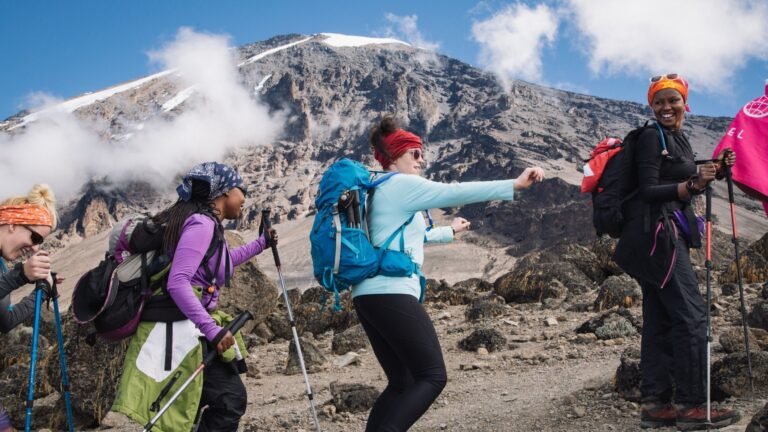
Join A Kilimanjaro Christmas Climbing Group In December 2026
A guide to securing your spot on a Kilimanjaro Christmas group climb for 2026, including route advice, group logistics, and essential planning steps.
View package details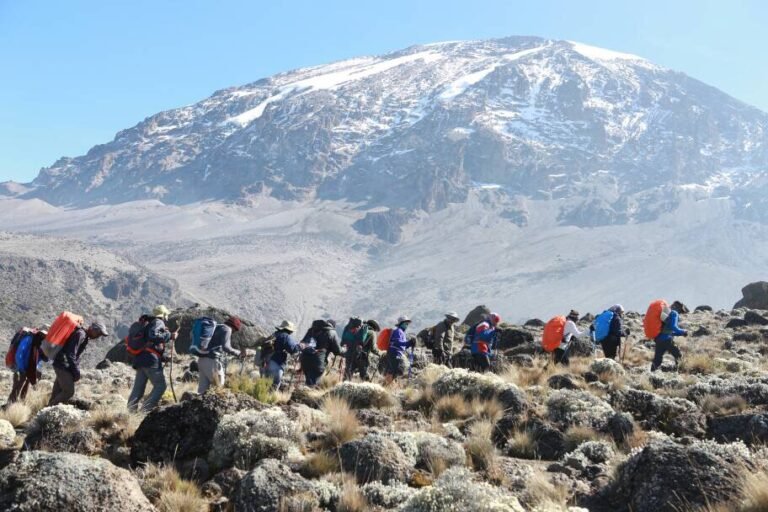
Private 8 Days Lemosho Route With Personalized Mountain Guide For 2026
A deep look at why the 8-day Lemosho route is the premier choice for Kilimanjaro success, how our personalized guide system works, and how to plan your 2027 climb.
View package details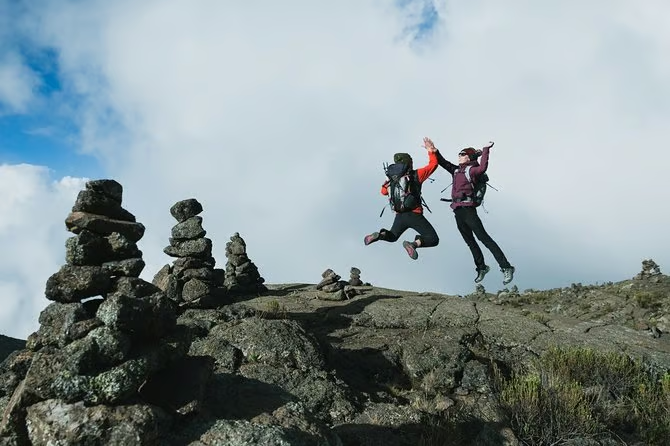
9 Days Northern Circuit Kilimanjaro Trek December : The Ultimate
A comprehensive guide to the 9-day Northern Circuit route for December 2026, focusing on acclimatization, route advantages, and logistical planning.
View package detailsKilimanjaro Honeymoon Climbing And Zanzibar Beach Holiday: December Planning
A practical guide for couples planning a Kilimanjaro climb and Zanzibar beach holiday in December 2026, focusing on route selection, recovery logistics, and planning timelines.
View package details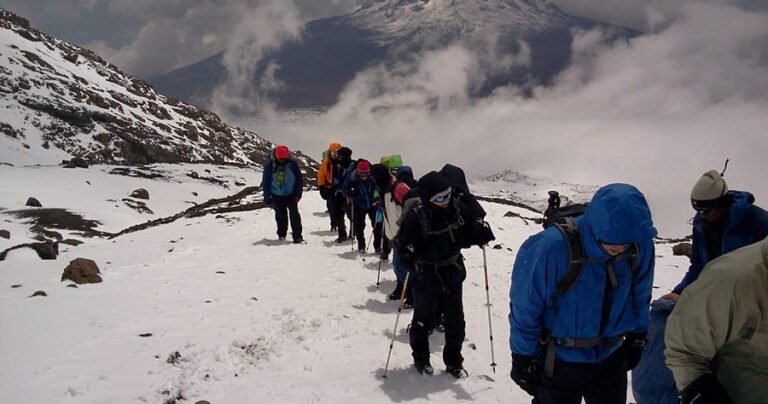
5 And 6 Days Marangu Route Kilimanjaro Hut Tours December : Planning Your
Deciding between the 5-day and 6-day Marangu Route for your December 2026 Kilimanjaro climb is a decision that impacts both your summit success and your comfort on the mountain.
View package detailsBook December , 6 Days Machame Route Kilimanjaro Climb: Expert Guide 2026
A deep look at the logistics, physical demands, and planning steps for a 6-day Machame Route Kilimanjaro climb in December 2026.
View package details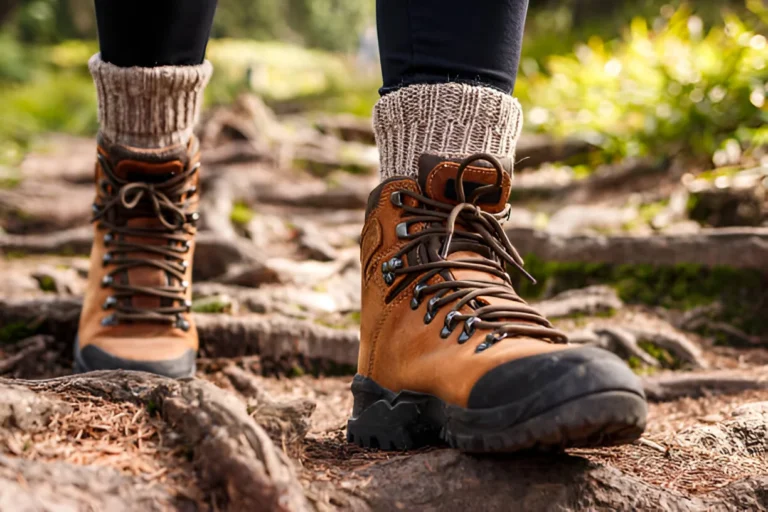
Kilimanjaro Small Group Climbing Tours Before Christmas 2026
Planning a Kilimanjaro summit before the holidays? Explore the logistics, route choices, and small group benefits for December 2026 climbs.
View package details
Best Kilimanjaro Group Climbing Packages For December : A Practical Guide 2026
A practical guide to selecting Kilimanjaro group climbing packages for December 2026, focusing on route logistics, weather considerations, and cost-sharing benefits.
View package details
Kilimanjaro Group Joining Tours December : Planning, Routes, And Availability
A detailed guide on planning your Kilimanjaro group joining climb for December 2026, including route comparisons, logistics, and how to secure your spot with Climb 4 Africa.
View package detailsNo related package matches those filters. Clear one or more filters to see the other topic-matched options.



