
Standing on Uhuru Peak as the first light of January 1st hits the glaciers is an experience that draws trekkers from around the globe to Tanzania every year. For those planning a Kilimanjaro New Year Summit Group Departure in December 2026, the logistical reality is that success is built on early preparation, proper acclimatization, and choosing the right group dynamic. Unlike standard treks, a New Year climb requires balancing the festive season travel demand with the strict physical requirements of high-altitude trekking.
If you are aiming to reach the summit of Kilimanjaro for the New Year, you are likely looking for a departure that starts between December 23rd and 26th, depending on your chosen route duration. Climb 4 Africa organizes group climbs that align with these dates, focusing on routes with higher success rates like the 7-day Lemosho or 7-day Machame. Because these spots fill months in advance, we recommend contacting us directly at WhatsApp +255 747 477 898 or climb4africa@gmail.com to verify current availability for your specific travel window.
The mountain does not change its rules just because it is the holiday season. The weather can be unpredictable, and the altitude affects everyone the same way regardless of the date. Below, we break down the practicalities of joining a group for this specific time of year.
Why Group Departures Make Sense for December 2026
For solo travelers or small groups, joining a scheduled departure is often the most efficient way to climb. It significantly reduces the per-person cost of the trek because fixed expenses—such as park fees, guide wages, and transport—are split among more participants. Beyond the financial benefits, there is a social component. Sharing the challenge of the final ascent on New Year’s Eve creates a unique camaraderie that you simply do not get on a private climb.
When you join our Kilimanjaro small group climbing tours, you aren’t just booking a trek; you are joining a team that has already been vetted for logistics, safety, and equipment. For December 2026, we prioritize routes that allow for a gradual ascent, as the holiday period is a popular time for climbers, and trail traffic can be higher than usual.
Selecting Your Route for a New Year Summit
The duration of your climb dictates when you need to start. For a summit on the morning of January 1st, 2027, you must count backward from your start date. A 7-day route is generally recommended for those prioritizing safety and acclimatization, especially for those flying in from different time zones.
The 7-Day Lemosho Route
The Lemosho route is our primary recommendation for group departures during the festive season. It is scenic, less crowded in the lower stages, and offers superior acclimatization. Because it approaches the mountain from the west, you spend more time in the pristine rainforest and moorland zones before joining the busier southern circuits.
- Start date target: December 26th for a January 1st summit.
- Best for: Trekkers who want the highest success probability and want to avoid the initial congestion of the Machame route.
- Logistics: You can request a quote for this specific 8-day Lemosho trek if you prefer an even more relaxed pace.
The 7-Day Machame Route
Known as the ‘Whiskey Route,’ Machame is a classic. It is steep, challenging, and rewarding. During the last week of December, this route will be active with many groups. If you enjoy a social atmosphere and don’t mind the company of other climbers on the trail, this is a strong choice. You can find more details on Machame route Kilimanjaro group departures here.
The Mechanics of Joining a Group
Joining a group with Climb 4 Africa is a straightforward process, but it requires coordination. When you inquire about our Kilimanjaro New Year Summit Group Departures December 2026, we look at several factors:
- Skill Level and Fitness: We ensure the group dynamic is balanced. We don’t force beginners into high-intensity groups.
- Equipment Needs: Whether you are renting gear or bringing your own, we provide a comprehensive packing list tailored for the December-January season.
- Safety Protocols: Every group, regardless of size, is supported by a lead guide and a full support crew. We maintain the same safety standards for our group departures as we do for private expeditions.
If you are traveling solo, you might be asking: I will be traveling alone in December. Can I join your Machame Route group and share the total cost? The answer is yes. We specialize in matching solo travelers into compatible groups to keep the experience affordable and safe.
Practical Planning for December 2026
Planning for December 2026 means securing your spot well in advance. Tanzania is a busy destination during the holidays—not just on the mountain, but in the lodges and on safari circuits. If you plan to extend your trip with a wildlife safari, you need to book those logistics simultaneously.
Essential Pre-Trip Checklist
- Flight Bookings: Aim to arrive at Kilimanjaro International Airport (JRO) at least 24 hours before your climb start date. This allows for buffer time in case of lost luggage or flight delays.
- Visa Requirements: Check your visa status for Tanzania early in 2026. Most travelers can obtain a visa on arrival, but e-visa options are becoming more standard.
- Travel Insurance: Ensure your policy specifically covers high-altitude trekking up to 6,000 meters. This is a non-negotiable requirement for our climbs.
- Health & Vaccines: Consult your local travel clinic regarding recommended vaccinations for East Africa.
Combining Your Climb with a Safari
Many climbers who aim for a New Year summit choose to combine their trip with a safari. Since you are already in the region, it is the perfect time to visit the Serengeti or Ngorongoro Crater. We offer all Tanzania safaris group departures that can be scheduled to begin immediately after you descend from the mountain.
For instance, a 4-day Serengeti Migration group safari fits perfectly for those who want to see the wildlife before heading home in early January. You can also explore affordable Kilimanjaro group joining safari and trekking packages to streamline your entire Tanzanian experience.
How to Secure Your Spot
We do not publish fixed, guaranteed-to-run departure tables because availability fluctuates based on real-time bookings. Instead, we provide verified, up-to-date information upon request. To get the most accurate details for your Kilimanjaro New Year Summit Group Departure in December 2026:
- Email: Send your inquiry to climb4africa@gmail.com or our backup at info@climb-4-africa.com.
- WhatsApp: For a faster response, message us at +255 747 477 898.
- Information to provide: Please include your preferred route (Lemosho or Machame), the number of people in your party, and whether you are interested in a post-climb safari.
By communicating directly, we can ensure that your group assignment is based on your fitness level and your specific goals for the trip. We pride ourselves on transparent communication, ensuring you know exactly what is included in your package—from airport transfers to the quality of the tents and the expertise of our mountain guides.
The mountain is waiting, and the New Year is the most popular time to answer the call. Start your planning today by reaching out to the Climb 4 Africa team. We are here to help you navigate the logistics, answer your questions about altitude, and ensure your 2026/2027 adventure is safe, successful, and memorable.
The Psychological and Physical Dynamics of a New Year Summit
Summiting Kilimanjaro on the first morning of the year is fundamentally different from a standard ascent. While the altitude, temperature, and physical exertion remain identical to any other day, the psychological atmosphere among climbers and the support staff changes significantly. When you join a Kilimanjaro New Year Summit Group Departure for December 2026, you are entering a collective experience where the goal is not just reaching the crater rim, but marking a personal milestone at the start of a new calendar year. Understanding these nuances helps in preparing for the specific energy of the mountain during this peak window.
The Summit Night Experience: New Year’s Eve vs. Standard Ascent
On a typical Kilimanjaro trek, the summit night is characterized by quiet determination, headlamps in the dark, and a focused push toward Stella Point or Uhuru Peak. On New Year’s Eve, the mountain trail often feels more alive. You may notice more chatter among the groups, a heightened sense of anticipation, and, depending on the weather conditions, a collective awareness that hundreds of other climbers are pushing toward the same goal simultaneously. While the hike remains a solitary physical test, the mood at the high-altitude camps—specifically Barafu or Kosovo for the Machame route, and Moir or Karanga for the Lemosho route—is undeniably celebratory.
However, it is vital to remember that the mountain demands respect regardless of the date. Your guides will maintain the same strict “pole pole” (slowly, slowly) pace. The temptation to rush the final ascent because of the excitement of the date is a major risk factor for altitude sickness. Professional groups will manage this by ensuring that the New Year’s Eve dinner is substantial but easily digestible, focusing on hydration and rest rather than any traditional “party” atmosphere. You will likely be in your sleeping bag by 7:00 PM or 8:00 PM to prepare for a midnight or 1:00 AM wake-up call for the final push.
The Role of the Support Team During the Holidays
Your mountain crew—guides, porters, and cooks—are working during a time when they would typically be with their own families. This creates a unique dynamic. In many successful group departures, there is a strong sense of mutual appreciation. Climbers often bring small, thoughtful gifts or tokens of gratitude for the crew, which is a wonderful gesture that strengthens the team bond. This connection can be a powerful motivator when the fatigue sets in during the final steep scree slopes toward the summit.
Because it is the festive season, the logistics of food and water supply are managed with extra care by experienced operators. Expect the kitchen crew to make an effort to include festive elements in the meals—perhaps a special celebratory cake or a unique dish on the final night before the summit—but do not expect a feast. The priority remains high-calorie, high-carbohydrate fuel that is easy on the stomach at 4,000+ meters. By recognizing that your guides and porters are making personal sacrifices to support your summit goal, you can foster a more cohesive, supportive group environment that often leads to higher success rates.
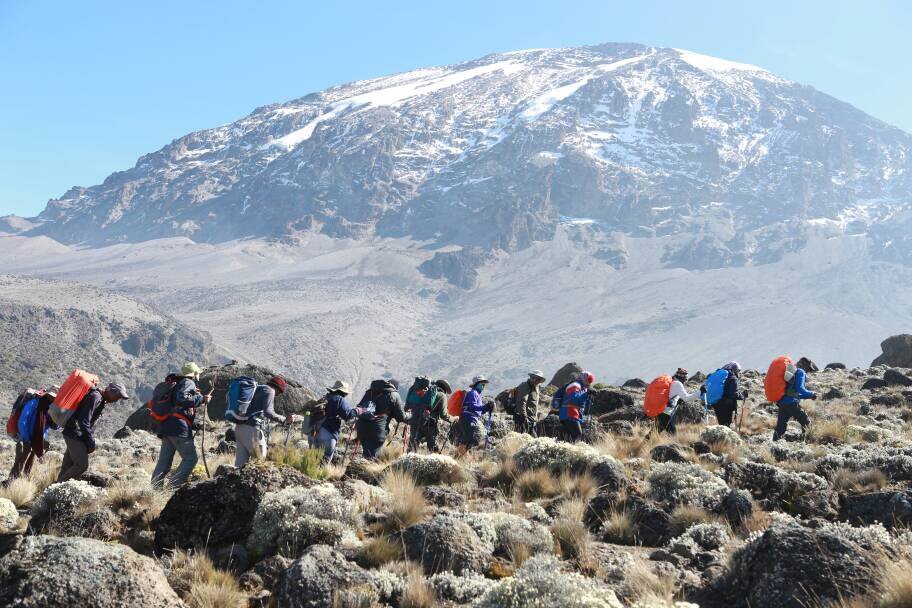
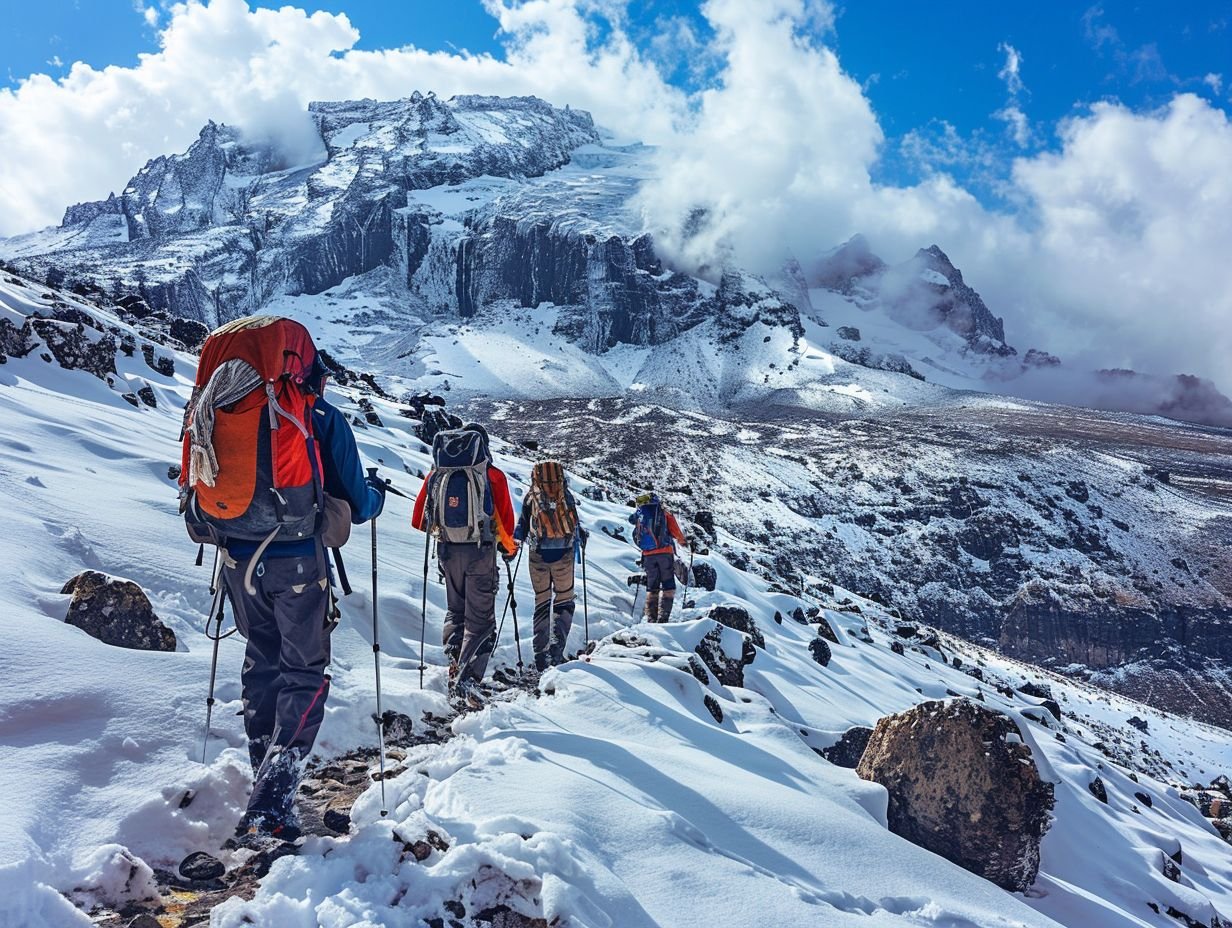
The Reality of the Descent: January 1st and Beyond
While the focus of your Kilimanjaro New Year expedition is almost exclusively on the summit push, the descent is where the true physical toll of the climb is often realized. For a group reaching Uhuru Peak on the morning of January 1st, 2027, the celebration is brief. The reality of high-altitude mountaineering dictates that you must lose altitude as quickly as safely possible. For most climbers, January 1st will not be a day of leisure at the summit; it will be a long, grueling trek down to Mweka Camp or Millennium Camp. This transition from the euphoric high of the summit to the physical exhaustion of a multi-hour descent requires mental preparation.
Expect your joints—particularly your knees—to bear the brunt of this descent. The transition from the arctic zone of the summit back into the moorland and forest zones happens rapidly, and the cumulative fatigue of the previous days will be amplified. As a member of a group departure, you will likely find that the collective mood shifts from adrenaline-fueled excitement to a quieter, shared focus on completing the final leg of the journey. Professional guides will manage this transition by ensuring that hydration protocols remain strict, even after the summit has been reached. Do not underestimate the descent; it is statistically the time when climbers are most prone to minor injuries like twisted ankles or severe fatigue-related falls. Pace yourself, use your trekking poles consistently, and recognize that the “celebration” phase of your New Year’s trip truly begins once you reach the park gate, not the summit.
Tipping and Gratitude: Navigating Holiday Expectations
Tipping is an integral part of the Kilimanjaro experience, and it takes on a specific nuance during the December holiday season. Because your support team—guides, cooks, and porters—are away from their own families during Christmas and New Year’s, there is often a heightened sense of appreciation from climbers. While standard tipping guidelines apply, many climbers choose to acknowledge the extra sacrifice the crew makes by being on the mountain during this time.
It is advisable to discuss tipping expectations with your group leader or the operating company well before the trek begins. While you are not obligated to pay more than the standard recommended rates, many groups choose to pool their tips to ensure fairness across the entire support staff, including the porters who carry the heavy loads. If you intend to bring gifts, prioritize items that are genuinely useful in the local context, such as high-quality warm clothing, headlamps, or practical gear that the porters can use in their daily work. Avoid bringing large quantities of sweets or trinkets, as these create logistical burdens. A thoughtful, collective letter of appreciation signed by the group, presented during the final tipping ceremony at the park gate, often holds more value to the crew than material items. This gesture of unity reinforces the bond you have built over the week and provides a dignified, respectful conclusion to your shared New Year’s adventure.
Peer Accountability: Managing Health in a Group Setting
One of the hidden risks of a New Year’s Eve summit push is the phenomenon of “summit fever.” In a group setting, the desire to reach the peak on January 1st can create an unspoken pressure to ignore minor symptoms of altitude sickness. You may feel that if you admit to a headache or nausea, you are letting the group down or missing out on the milestone of a New Year summit. It is critical to combat this mindset. The best groups are those where members look out for one another, not just in terms of social interaction, but in terms of health.
If you notice a fellow climber struggling with balance, slurred speech, or persistent vomiting, do not hesitate to alert the guide. Professional mountain crews are trained to handle these situations, but they cannot monitor every breath of every climber simultaneously. By fostering an environment of open communication where it is acceptable to admit you are feeling unwell, you actually increase the group’s overall safety. Remember, the mountain will be there in 2028 and beyond; your health is the priority. A successful group departure is not defined by everyone standing on the summit at the exact same moment, but by everyone returning to the trailhead safely. When selecting your group, look for operators who emphasize that individual health assessments take precedence over the group’s schedule. If a guide decides a member must descend early, support that decision immediately; it is a sign of a professional, safety-conscious operation that values your life over the itinerary.
The Post-Summit Transition: Navigating Recovery in the Holiday Rush
Reaching the trailhead on January 2nd or 3rd marks the end of your trek, but for many, it initiates a secondary logistical challenge. The period immediately following a New Year’s summit is unique because it coincides with the tail end of the global holiday travel rush. While your primary focus has been the ascent, the descent and the subsequent return to civilization require a shift in strategy. You are returning to a region where local infrastructure, hotels, and transport services are operating at peak capacity, and your own physical state—characterized by significant fatigue and potential post-altitude lethargy—will be at its lowest point.
Logistics of the Return Journey
When you emerge from the park gate, the immediate priority is transitioning from the mountain environment to your post-climb accommodation. In early January, the towns of Moshi and Arusha are bustling. Many travelers are transitioning between safari circuits, and local holiday festivities may still be ongoing. It is a common mistake to assume that you can easily arrange transport or find last-minute lodging upon arrival. Because you are likely exhausted and perhaps still experiencing the mild, lingering effects of altitude, you should have your transfer logistics confirmed before you even begin the descent. Ensure your operator has a designated vehicle waiting at the gate. Do not rely on finding taxis or public transport at the trailhead, as availability is unpredictable during the first week of January.
Managing Gear and Equipment
One of the most overlooked aspects of the post-summit experience is the return of rented gear. After a grueling summit night and a long descent, your cognitive function may be slightly impaired due to exhaustion and the lingering effects of the altitude. This is exactly when mistakes happen—leaving a jacket behind, misplacing a headlamp, or failing to return rented items to the correct crew member. To mitigate this, designate a specific ‘gear bag’ for all rented equipment during your final night on the mountain. Before you leave the camp for the final descent, conduct a quick inventory. When you reach the park gate, the chaos of tipping and saying goodbye to the crew can be overwhelming. Having your rented gear separated and ready for inspection not only saves time but also ensures that you do not incur unnecessary replacement fees for lost items.
Post-Descent Health Monitoring
While the risk of severe Acute Mountain Sickness (AMS) dissipates rapidly as you descend, the 48 hours following your return to lower elevations are a critical recovery window. Your body has just undergone extreme physiological stress, and your immune system may be temporarily compromised. It is not uncommon for climbers to experience ‘re-entry’ symptoms, such as extreme lethargy, headaches, or even mild respiratory congestion as your body adjusts to higher oxygen levels and dustier air. Avoid the temptation to schedule an immediate flight or a long, arduous safari drive on the afternoon of your return. If possible, plan for at least one full day of rest in a comfortable hotel in Moshi or Arusha. This buffer allows you to rehydrate, eat proper meals, and monitor your health before subjecting yourself to the rigors of international travel or further physical activity.
The ‘Holiday Surge’ and Accommodation
Booking your post-climb accommodation for the first week of January is just as important as booking your trek itself. Because this period is a peak travel time, the most reliable, climber-friendly lodges in the region often sell out months in advance. Do not assume that you can simply walk into a hotel or find a room on a booking app upon your return. If your climb concludes on January 2nd, ensure your reservation is secured for that specific night. Furthermore, choose accommodation that is familiar with the needs of Kilimanjaro trekkers—specifically, places that offer reliable laundry services, comfortable beds, and a quiet environment. Recovering from a New Year’s summit in a noisy, central city hotel can be detrimental to your recovery; prioritize a location that offers a restful atmosphere.
The Festive Transition: From Urban Celebration to Mountain Solitude
One of the most jarring, yet often overlooked, aspects of a Kilimanjaro New Year expedition is the psychological transition between the bustling, festive atmosphere of Moshi or Arusha and the stark, silent environment of the mountain. In late December, these gateway towns are vibrant; hotels are decorated, local holiday festivities are in full swing, and the energy is infectious. You may find yourself enjoying a celebratory dinner or witnessing local Christmas traditions just 24 hours before stepping onto the trailhead.
This contrast is significant. When you enter the Kilimanjaro National Park gates, the noise of the world—and the holiday season—vanishes. For many, this sudden shift from social celebration to intense, singular focus can trigger a brief period of ‘holiday anxiety’ or a sense of isolation. To navigate this effectively, treat your final 24 hours in town as a period of active decompression. Avoid the temptation to engage in late-night holiday parties or heavy, celebratory meals that might disrupt your sleep cycle or digestion right before the trek. Instead, use this time to finalize your gear, confirm your logistics, and mentally shift your focus from the festive calendar to the rhythm of the mountain.
Curating Your Personal Comfort Kit
While your technical gear list is non-negotiable, your ‘comfort kit’ for a New Year summit requires thoughtful curation. You are spending a significant holiday away from your usual support systems, and small, lightweight comforts can make a profound difference in your morale. Consider packing a few non-essential items that bridge the gap between the festive season and the trail. This might include a small, battery-operated string of lightweight LED lights for your tent, which can provide a festive glow during those long, dark evenings in the moorland or alpine desert zones. Alternatively, bring a small, non-perishable treat that you associate with the holidays—perhaps a specific type of chocolate or a festive snack—to share with your tent-mate or group members on the evening of December 31st.
Battery management is equally critical during this period. The cold temperatures at altitude drain electronics much faster than at sea level. If you are planning to use your phone to capture photos or listen to music on New Year’s Eve, ensure you have a robust, cold-weather-rated power bank. Keep your devices and batteries inside your sleeping bag at night; the warmth of your body is the most effective way to prevent them from dying prematurely. Do not rely on solar chargers during the last week of December, as cloud cover can be unpredictable, and daylight hours are limited.
Maintaining Group Cohesion During the ‘Holiday Gap’
The ‘holiday gap’—that period between December 25th and the summit push—can be a testing time for group dynamics. You are in a high-pressure environment, physically fatigued, and potentially missing family traditions. Successful groups often preemptively establish a ‘group culture’ early in the trek. This doesn’t mean forced activities; rather, it involves open communication about the shared goal of reaching the summit together. If a group member is struggling with the emotional weight of being away during the holidays, a brief, supportive conversation over dinner in the mess tent can act as a pressure valve.
Encourage your group to discuss their motivations for a New Year summit early on. Whether it is a personal challenge, a celebration of a milestone, or simply a desire for a unique experience, aligning these motivations helps build empathy. When the physical difficulty of the climb increases, these shared conversations provide a foundation of trust. Remember that your guides are experts in managing these dynamics; if you feel the group morale dipping, do not hesitate to speak with your lead guide. They are accustomed to facilitating group harmony and can often introduce lighthearted distractions or group activities that help maintain the positive energy necessary for a successful ascent.
Check Availability for Kilimanjaro New Year Summit Group Departures December : Planning Your Ascent
Ready to compare dates, prices, and the best option for your group? Send the package name and travel month so the team can reply with a clear quote, availability, and what is included.
December Kilimanjaro Group Departures For Solo Travelers: Planning Your Climb
A practical guide for solo travelers planning to climb Kilimanjaro in December 2026, covering group joining benefits, route selection, and booking logistics.
View package details
Last Minute Kilimanjaro Group Joining Deals December : Planning Your Climb
Looking for last-minute Kilimanjaro group joining deals in December 2026? Discover how to secure your spot, understand the route trade-offs, and plan your mountain ascent with expert local...
View package details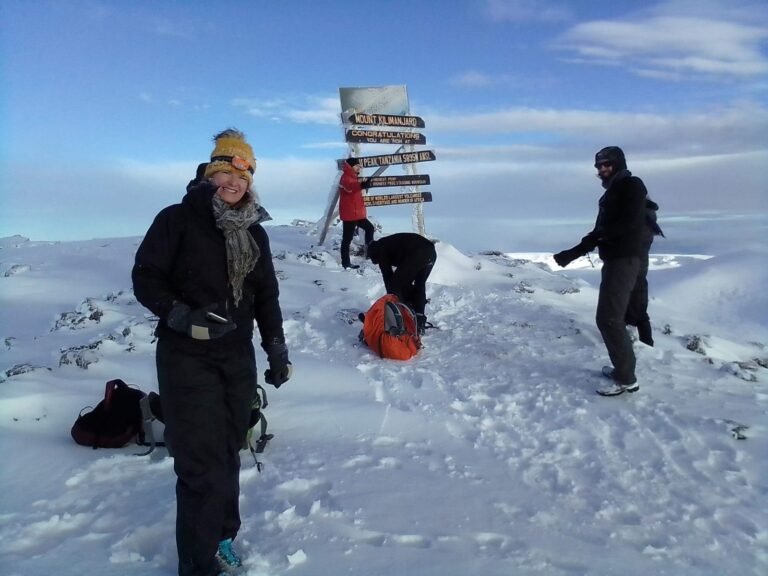
Affordable Kilimanjaro Group Joining Safari And Trekking Packages December
A practical guide to booking affordable, reliable group joining treks on Kilimanjaro and wildlife safaris in Tanzania for December 2026, focusing on logistics, shared costs, and travel...
View package details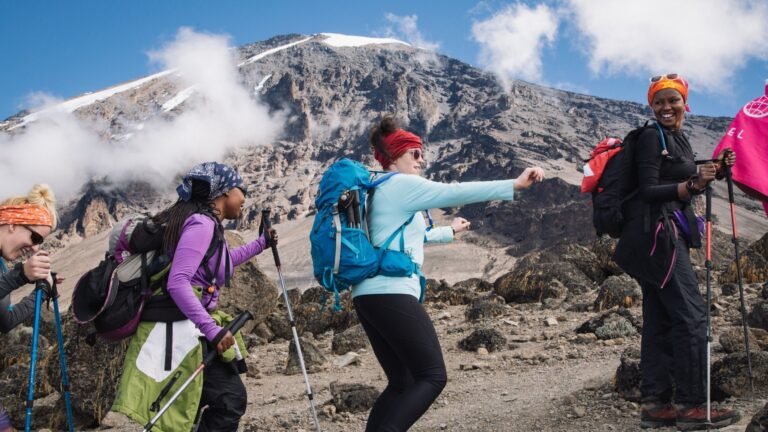
Join A Kilimanjaro Christmas Climbing Group In December 2026
A guide to securing your spot on a Kilimanjaro Christmas group climb for 2026, including route advice, group logistics, and essential planning steps.
View package details
Best Kilimanjaro Group Climbing Packages For December : A Practical Guide 2026
A practical guide to selecting Kilimanjaro group climbing packages for December 2026, focusing on route logistics, weather considerations, and cost-sharing benefits.
View package detailsKilimanjaro Group Joining Tours December : Planning, Routes, And Availability
A detailed guide on planning your Kilimanjaro group joining climb for December 2026, including route comparisons, logistics, and how to secure your spot with Climb 4 Africa.
View package detailsTraveling Alone To Kilimanjaro In December: Can You Join A Machame Route 2026
A practical guide for solo travelers planning a December Kilimanjaro climb. Discover how group joining works on the Machame Route, the realities of cost-sharing, and how to prepare for your...
View package detailsKilimanjaro Group Joining Climbs: December Planning Guide 2026
Planning your Kilimanjaro adventure for December 2026? Find out how group joining climbs work, why December is a prime time to summit, and how to secure your spot with our expert team.
View package details
Kilimanjaro Small Group Climbing Tours Before Christmas 2026
Planning a Kilimanjaro summit before the holidays? Explore the logistics, route choices, and small group benefits for December 2026 climbs.
View package details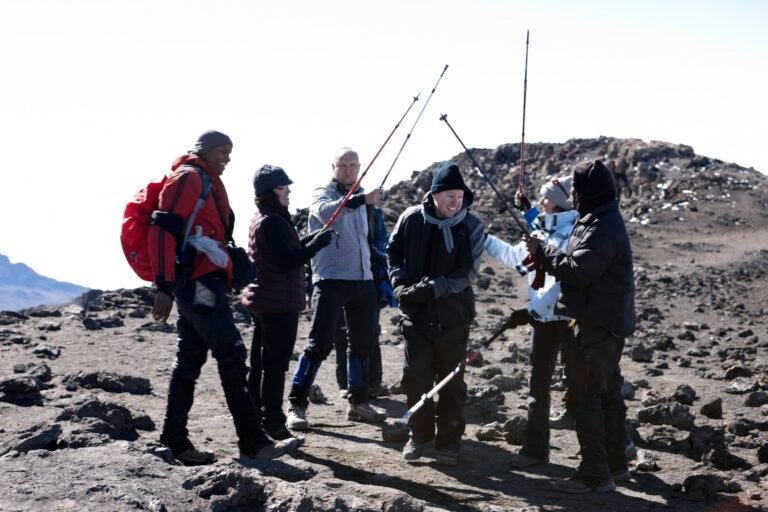
Romantic Kilimanjaro Summit Adventure For Couples December : Planning Your
A detailed guide for couples planning a Kilimanjaro summit in December 2026, focusing on route selection, acclimatization, and the benefits of private trekking arrangements.
View package detailsCan I Join A Safari Group Directly From Kilimanjaro Airport? Logistical Guide
A practical guide to coordinating your arrival at Kilimanjaro International Airport (JRO) with a scheduled group safari, including logistical requirements and booking tips.
View package details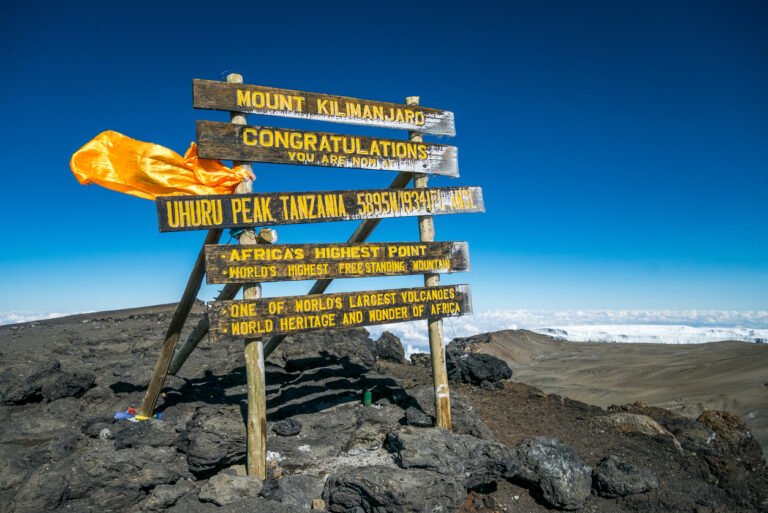
Vip Kilimanjaro Expedition With Private Mountain Crew December 2026
A detailed guide to planning a bespoke, high-support Kilimanjaro expedition for December 2026, focusing on private crew logistics, route selection, and safety.
View package detailsNo related package matches those filters. Clear one or more filters to see the other topic-matched options.



