
Planning for Kilimanjaro group joining tours in December 2026 requires early coordination, as the end-of-year period is one of the most sought-after windows for trekking in Tanzania. Group joining tours are specifically designed for solo travelers, couples, or small parties who want to share the fixed costs of a Kilimanjaro expedition—such as mountain crew, park permits, and transport—with other trekkers. If you are asking, are there any Kilimanjaro group joining climbs available in December 2026?, the answer is that while we do not operate fixed-date “open” departures that run regardless of bookings, we actively organize groups based on current inquiries. To secure a spot, we recommend reaching out with your preferred dates and route preference early, allowing us to align your climb with other travelers who have similar schedules.
Understanding the Group Joining Model
The concept of a “group joining” tour is straightforward: it is a cost-effective way to experience the mountain by splitting the substantial fixed expenses of a Kilimanjaro climb among a larger group. In a private climb, you cover the entire cost of the guide team, the porters, the transport, and the private logistics for your group alone. By joining an established group, you share these costs with others, which is often the most budget-friendly way to reach the summit.
Many travelers choose this option because it also creates a unique social environment. Trekking for 6 to 8 days with a group of people from around the world adds a significant layer of camaraderie to the experience. If you are worried about the social dynamics, note that most groups are composed of like-minded individuals with the same goal: reaching Uhuru Peak. If you are traveling solo, you might be asking, I will be traveling alone in December. Can I join your Machame Route group and share the total cost? The answer is almost always yes, provided we have others seeking that same timeframe.
Selecting Your Route for December 2026
December sits during the “short rains” season in Tanzania. While the weather can be unpredictable, it is generally characterized by shorter, afternoon showers rather than continuous downpours. Because of this, route selection is critical. Acclimatization is your best defense against both altitude sickness and the mountain’s changing weather patterns.
| Route | Duration | Best For | Acclimatization Profile |
|---|---|---|---|
| Machame Route | 6 or 7 Days | Scenic variety & physical challenge | Strong, especially on the 7-day option |
| Lemosho Route | 7 or 8 Days | Gradual ascent & solitude | Excellent |
| Marangu Route | 5 or 6 Days | Traditional hut accommodation | Moderate |
| Rongai Route | 6 or 7 Days | Drier conditions (Northern side) | Moderate to High |
For December, the 7-day Machame or 8-day Lemosho routes are often recommended. These itineraries allow for a slower, more deliberate ascent. When you climb with a group, we prioritize itineraries that offer the highest success rates, as group members often have varying levels of fitness and hiking experience. The extra day on the mountain is not just about comfort; it is about safety and ensuring your body has the time it needs to adjust to the thinning air.
December Logistics and Planning Realities
Planning for December 2026 means accounting for high demand. December, particularly the weeks surrounding Christmas and New Year, is a peak travel period for Tanzania. Flights into Kilimanjaro International Airport (JRO) often fill up quickly, and accommodation in Arusha or Moshi can reach capacity months in advance.
We advise travelers to approach their Kilimanjaro planning in the following order:
- Define your window: Identify the earliest and latest dates you can be on the mountain.
- Select a preferred route: Are you looking for the scenic challenge of Machame or the gradual ascent of Lemosho?
- Confirm availability: Contact us via WhatsApp at +255 747 477 898 or email climb4africa@gmail.com to see if we have existing groups forming for those dates.
- Secure the booking: Once a group is confirmed, we manage all the park permit filings, mountain crew logistics, and airport transfers.
If you are planning to extend your trip, many travelers combine their climb with a wildlife safari. You might find it useful to check if there are Christmas group safaris in Tanzania in Dec 2026, which can be easily tacked onto your post-climb recovery period.
What Is Included in Your Group Tour?
A common question is what exactly your payment covers. In a group joining tour, we aim for total transparency to avoid surprises on the mountain. While exact inclusions can vary based on the specific operator package, a standard group joining package with Climb 4 Africa typically covers:
- Professional Mountain Crew: This includes your lead guide, assistant guides, cook, and the necessary team of porters.
- Mountain Logistics: All tents (for non-hut routes), sleeping mats, and mess tents for dining.
- Park Fees & Permits: Kilimanjaro National Park entrance, camping, and rescue fees—these are mandatory and represent a significant portion of the total cost.
- Meals: All meals on the mountain, prepared by our specialized mountain chefs.
- Transport: Transfers from your hotel to the park gate and back.
Exclusions usually include your personal hiking gear, tips for the crew (which are standard in the industry), and your entry visa. If you have questions about whether you can join a safari group directly from the airport after your climb, read our guide on can I join a safari group directly from Kilimanjaro Airport? to understand the transfer logistics.
Managing Expectations and Group Dynamics
The beauty of a group joining tour is the diversity of the participants, but it also requires a certain level of flexibility. When you join a group, you are agreeing to stick to the group’s pace. This is why we screen participants based on their fitness levels and goals before finalizing groups.
If you are a very fast hiker, you may need to adjust to a slower, more sustainable pace, which is actually beneficial for acclimatization. If you are concerned about whether a group setting is right for you, remember that we also offer private options. However, for most, the shared experience of the summit push—where everyone supports each other through the final, most difficult night—is the highlight of the entire trip.
How to Initiate Your 2026 Booking
Since we do not publish static, “off-the-shelf” departure dates that are prone to changing, we prefer a direct, consultative approach. This ensures that when you book a spot, it is for a group that is actually forming and has a high probability of proceeding.
To get started, please send us the following details via email at info@climb-4-africa.com or our dedicated WhatsApp line +255 747 477 898:
- Your preferred start date in December 2026.
- Your preferred route (e.g., Machame, Lemosho, or Rongai).
- Number of people in your party.
- Any specific post-climb plans (like a safari or Zanzibar beach extension).
Once we have this, we can check our internal planning calendar, see if we have other solo travelers or small groups matching your requirements, and provide you with a transparent quote that includes all mandatory park fees and operational costs.
Frequently Asked Questions
Is it cheaper to join a group than to book a private tour?
Generally, yes. By sharing the costs of the mountain crew (guides, porters, cooks) and the logistical support (transport, equipment transport), the per-person cost is significantly lower than a private climb for one or two people.
Can I request a private room or tent?
On the mountain, you will typically share a tent with one other group member. If you require a single tent, this can usually be arranged for an additional fee, depending on the availability of porters to carry the extra weight.
What happens if no one else joins my group?
This is a rare scenario, as we generally do not “confirm” a group until it reaches a minimum size. However, if your group remains small, we will discuss options with you—either proceeding as a private group for a adjusted fee or helping you move your dates to a more popular departure.
How do I prepare for December weather?
Preparation is key. You should pack layers that can handle both the humid, lower forest zones and the freezing temperatures at the summit. Our team will provide you with a comprehensive gear list once your booking is confirmed.
Whether you are looking for the challenge of the Machame route or the steady ascent of Lemosho, climbing Kilimanjaro is a monumental goal. By planning your Kilimanjaro group joining tour for December 2026 now, you ensure you have the best possible chance of securing your preferred dates and joining a group of like-minded adventurers. Contact Climb 4 Africa today, and let’s start mapping out your journey to the Roof of Africa.
Strategic Route Selection for Group Joining Success
When you opt for a group joining tour in December, the route you select dictates not just your success rate, but the social composition of your team. Because December is a transition month with potential for short, localized rains, your choice of route is the most important tactical decision you will make. For group travelers, we generally distinguish between the high-traffic, social atmosphere of the Machame Route and the more expansive, acclimatization-focused Lemosho Route.
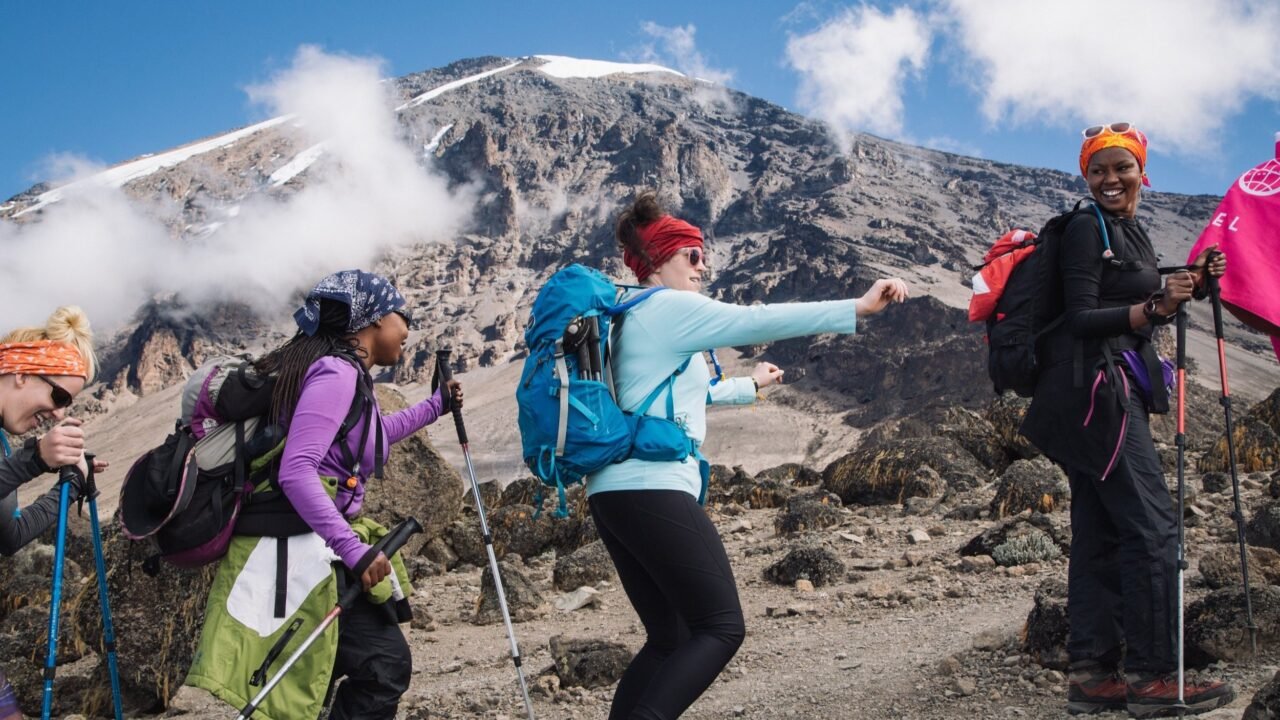
The Machame Route, often called the “Whiskey Route,” remains the most popular choice for group tours. Its primary advantage is the sheer number of departures, which makes it easier to find a group that matches your specific December 2026 dates. Because it is a high-volume route, you are more likely to find a diverse mix of international trekkers. The terrain is varied—moving through rainforest, moorland, and alpine desert—providing a constant visual reward. For a group, this route offers a steady, reliable rhythm. However, because it is popular, you should expect to share campsites with other trekking groups, which adds to the communal atmosphere of the mountain.
Conversely, the Lemosho Route is increasingly preferred by groups prioritizing a higher success rate. By extending the trek to seven or eight days, Lemosho allows for a more gradual ascent. If you are joining a group, you may find that Lemosho attracts a demographic that is slightly more focused on the physical challenge and less on the social “party” atmosphere sometimes found on the faster Machame ascents. The lower, more remote start on the western side of the mountain offers solitude in the first few days, which can be an excellent way for group members to bond before the trail merges with the busier paths. For December travel, where weather patterns can shift, the extra day provided by the Lemosho route is a significant safety buffer, offering more time for your body to adjust to the altitude.
The Daily Rhythm: What to Expect on a Group Trek
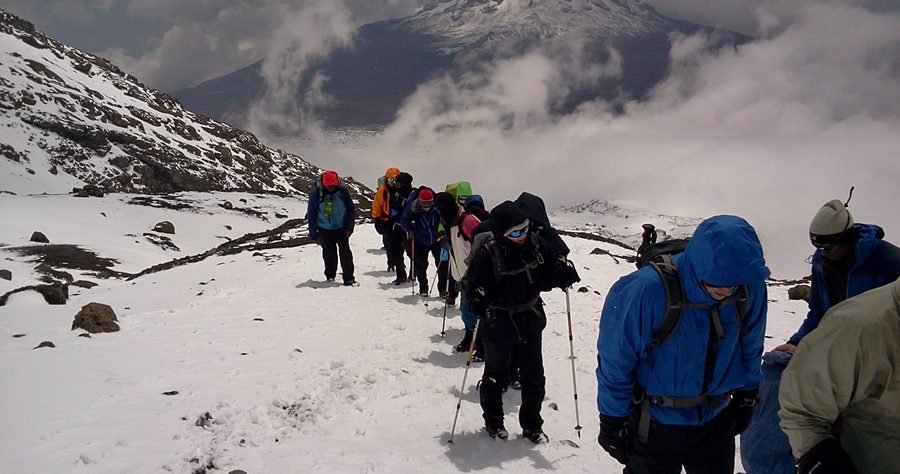
Understanding the daily cadence of a group trek is vital for managing your own expectations. Unlike a private climb where you might dictate the start time, a group joining tour operates on a synchronized schedule to ensure the entire team reaches the next camp before the afternoon weather sets in. Your day will typically begin at dawn with a wake-up call from the camp crew, followed by hot water for washing and a hearty breakfast in the mess tent. This is a crucial social time where the head guide will brief the group on the day’s terrain, expected temperature drops, and the “pole pole” (slowly, slowly) pace required for the day.
Once on the trail, the group will move as a cohesive unit. While there is no requirement to walk in a single file line, your lead guide will set a pace that accommodates the slowest member of the group. This is the core principle of group safety: nobody is left behind. After lunch, which is often a picnic-style meal provided by the porters, the afternoon is dedicated to the “climb high, sleep low” strategy. This means that even after reaching camp, the guides will often lead a short, optional acclimatization walk to a higher elevation point before returning to camp for dinner. This is the best time to engage with your group members, as the evening downtime in the mess tent is where most camaraderie is built. By the time you reach the summit night, you will find that the group dynamic has shifted from a collection of strangers to a supportive team.
December 2026 Planning Matrix
To help you structure your inquiry for December 2026, use the following matrix to identify which route aligns with your goals. When you contact us, referencing these specific factors will allow us to place you in a group that shares your priorities.
| Route | Best For | Group Atmosphere | Acclimatization Profile |
|---|---|---|---|
| Machame (6-7 Days) | Social trekkers, budget-conscious, classic scenery | High energy, social, communal | Standard; requires high fitness |
| Lemosho (7-8 Days) | Success-focused, preference for solitude | Focused, supportive, quieter | Superior; best for altitude adjustment |
| Rongai (6-7 Days) | Avoiding crowds, northern slope weather | Reserved, observational | Moderate; drier climate |
Regardless of the route you choose, the transition from the mountain back to the town of Moshi or Arusha is a significant part of the experience. After the final descent, group members often celebrate their achievement with a shared dinner. This is the moment when the logistics of the trip fade away, and the accomplishment takes center stage. By aligning your route choice with your personal fitness and social preferences now, you are setting the foundation for a successful and memorable expedition.
The Pre-Trip Onboarding Process: From Booking to Base Camp
Once you have secured your spot for a December 2026 expedition, the nature of your interaction with the operator shifts from inquiry-based to operational. A professional group joining operator does not simply take your deposit and wait for your arrival; they facilitate a structured onboarding process designed to ensure that when you land in Tanzania, you are physically, mentally, and logistically prepared. This transition phase is critical for the success of any group-based summit attempt.
The first milestone is the receipt of your expedition dossier. This document serves as your roadmap for the months leading up to December. It will detail the specific gear requirements, which may differ slightly based on your chosen route—for instance, the Rongai route requires different considerations than the Machame route due to the northern slope’s exposure. This is the phase where you should finalize your flight arrangements and submit them to the operator. Reliable operators use this information to coordinate airport transfers, ensuring you are picked up and brought to the staging hotel in Moshi or Arusha without logistical friction.
A critical, often overlooked aspect of the pre-trip phase is the gear audit. If you are renting equipment—such as sleeping bags rated for -15°C or trekking poles—you must confirm these reservations well in advance. Do not assume that rental gear is available on the day of your arrival. By providing your height, weight, and specific equipment needs at least 60 days before your December departure, you allow the ground team to stage your gear, ensuring it is clean, tested, and ready for you at the pre-climb briefing.
Finally, the most vital component of your onboarding is the pre-climb briefing, which takes place on the day of your arrival in Tanzania. This is not a casual meeting; it is a mandatory safety session. You will meet your lead guide, who will inspect your boots, clothing layers, and personal medical kit. If you have been training, this is the time to voice any concerns about your physical condition or acclimatization history. For group joining participants, this briefing also serves as the first icebreaker. It is the moment you transition from being a name on a booking list to a member of a team. Your guides will introduce you to your fellow trekkers, review the route one last time, and answer any lingering questions about the days ahead. This session is designed to lower anxiety and build the necessary trust in your leadership team before you ever set foot on the mountain trail.
Navigating the Post-Summit Descent and Final Logistics
While most marketing materials and pre-trip discussions focus heavily on the ascent and the exhilaration of reaching Uhuru Peak, the reality of a group joining expedition includes a significant, often overlooked phase: the post-summit descent and the subsequent departure logistics. For participants in a December 2026 group, understanding this phase is critical, as it is where the group dynamic is tested most severely and where logistical errors can turn a successful climb into a stressful travel experience.
The Psychological Shift and the Summit Hangover
Once you descend from the summit, you will experience a phenomenon often referred to as the “summit hangover.” The adrenaline that carried you through the final night of the ascent dissipates, leaving you with profound physical fatigue and, occasionally, a sense of emotional letdown. In a group setting, this is the moment where morale can fluctuate. Some members of your group may be energized by the success, while others may be struggling with altitude-related headaches or extreme exhaustion. A professional guide team will manage this by enforcing a slower, more deliberate pace on the descent, but you should prepare yourself for the fact that the group’s collective energy will be lower than it was on the way up.
Tipping Protocols and the Final Mountain Night
One of the most frequently asked questions regarding group joining tours involves tipping. Unlike a private climb where you handle the tipping directly, a group joining tour requires coordination. On the final night at the last camp—typically Mweka or Millennium Camp—your lead guide will facilitate a tipping ceremony. This is a formal, albeit celebratory, event where the group pools their tips to distribute among the mountain crew, which includes porters, assistant guides, and cooks. It is standard practice for the group to discuss the tipping pool beforehand to ensure everyone is comfortable with the contribution levels. This ceremony is not just about money; it is a vital social ritual that allows the group to express gratitude to the team that made the summit possible. Be prepared to have your cash in US Dollars, as this is the standard currency for tips, and ensure your bills are clean and dated after 2009 to be accepted by local banks.
Descent Logistics: From Mweka Gate to Your Final Hotel
The final day of your trek involves a long, steep descent through the rainforest zone to the Mweka Gate. This trail is notoriously hard on the knees and can be muddy, especially in the humid conditions of December. Once you reach the gate, you will sign out of the park, receive your summit certificates, and board the transport vehicle back to your hotel in Moshi or Arusha. This transition from the wilderness to civilization can be jarring. You will likely be tired, dusty, and eager for a shower. The logistical reality here is that the drive can take several hours depending on traffic and road conditions. Do not expect to be back at your hotel before mid-afternoon. Your hotel booking should ideally include this night, as you will need a full recovery period before attempting any further travel.
Scheduling Your Departure: Why Same-Day Flights Are Risky
A common mistake made by trekkers on group joining tours is scheduling an international flight for the evening of the descent day. We strongly advise against this. Even if your group reaches the gate on schedule, unforeseen factors—such as a slower-than-expected descent, vehicle issues, or heavy traffic entering the city—can delay your arrival at the hotel. Furthermore, after 6 to 8 days of high-altitude exertion, your body requires a proper “buffer day” for hydration, rest, and a final debrief with your guides. Booking a flight for the following day allows you to depart Tanzania refreshed rather than exhausted, and it provides a safety margin for any logistical hiccups that occur on the final day of the climb. If you are part of a group, coordinate with your fellow trekkers; often, the group will arrange a final celebratory dinner at the hotel, which is a fantastic way to conclude the experience before everyone heads to the airport.
The Pre-Climb Briefing: Operational Integration
In the 24 to 48 hours preceding your scheduled departure, you will participate in a mandatory pre-climb briefing at your hotel in Moshi or Arusha. While often perceived as a simple administrative formality, this meeting is the operational cornerstone of your expedition. It is here that you will meet your lead guide and, for the first time, your fellow group members. The briefing is designed to synchronize the group, ensuring that everyone understands the safety protocols, the daily schedule, and the specific demands of the route you have chosen for December.
During this session, your lead guide will review your medical information and fitness status. It is critical that you are entirely transparent about any underlying health conditions or medications. Furthermore, this is your opportunity to ask final questions about the mountain environment. The guides will also explain the “check-in” system, where they will monitor your oxygen saturation levels and heart rate daily. Understanding that this monitoring is a safety feature, not a judgment of your fitness, is essential for group cohesion. By the end of this meeting, the group dynamic begins to form; you are no longer just a collection of individual bookings, but a team with a shared objective.
Gear Management and the “Hotel Storage” Strategy
A frequent logistical oversight for group joining participants is the management of luggage. You will arrive in Tanzania with your international travel gear, but you cannot take everything with you onto the mountain. Most reputable operators provide secure storage at the base hotel, which is included in your package. During the pre-climb briefing, you will separate your gear into two distinct categories: what goes on the mountain and what stays behind.
Your mountain gear must fit into a single duffel bag, typically limited to 15 kilograms (33 pounds) by park regulations and porter safety guidelines. This weight includes your sleeping bag and personal clothing. Because December weather can shift from humid, warm conditions in the rainforest to sub-zero temperatures at the summit, your packing must be strategic. Use this briefing to verify that your gear meets the operator’s requirements. If you have rented equipment—such as sleeping bags, trekking poles, or high-altitude jackets—it will be distributed and inspected during this time. Ensure that every item you intend to carry is accounted for; once you leave the hotel, retrieving forgotten items is logistically impossible.
Navigating Pacing and Health Dynamics as a Group
One of the most common anxieties for group joiners is the “pace” of the climb. You may worry that you will either be too slow and hold the group back or too fast and feel restricted. It is vital to understand that on a group joining tour, the pace is strictly set by the lead guide, not the fastest member of the group. The guiding team employs a “pole pole” (slowly, slowly) philosophy, which is scientifically designed to facilitate acclimatization. Even if you feel energetic, you must maintain the group’s slow cadence to prevent altitude sickness.
If you begin to feel symptoms of altitude sickness—such as a persistent headache, nausea, or dizziness—you have a responsibility to communicate this to the guide immediately. In a private climb, you might push through discomfort, but in a group, your health impacts the safety and success of everyone. Guides are trained to manage these situations; they may suggest a rest day, a change in hydration strategy, or, in severe cases, an assisted descent. By being honest about your physical state, you allow the guides to manage your health before a minor issue becomes a trip-ending emergency. Remember, the group’s success is defined by the team reaching the summit together, not by individual speed.
Related Guides and Packages
Check Availability for Kilimanjaro Group Joining Tours December : Planning, Routes, And…
Ready to compare dates, prices, and the best option for your group? Send the package name and travel month so the team can reply with a clear quote, availability, and what is included.
Last Minute Kilimanjaro Group Joining Deals December : Planning Your Climb
Looking for last-minute Kilimanjaro group joining deals in December 2026? Discover how to secure your spot, understand the route trade-offs, and plan your mountain ascent with expert local...
View package details
Affordable Kilimanjaro Group Joining Safari And Trekking Packages December
A practical guide to booking affordable, reliable group joining treks on Kilimanjaro and wildlife safaris in Tanzania for December 2026, focusing on logistics, shared costs, and travel...
View package details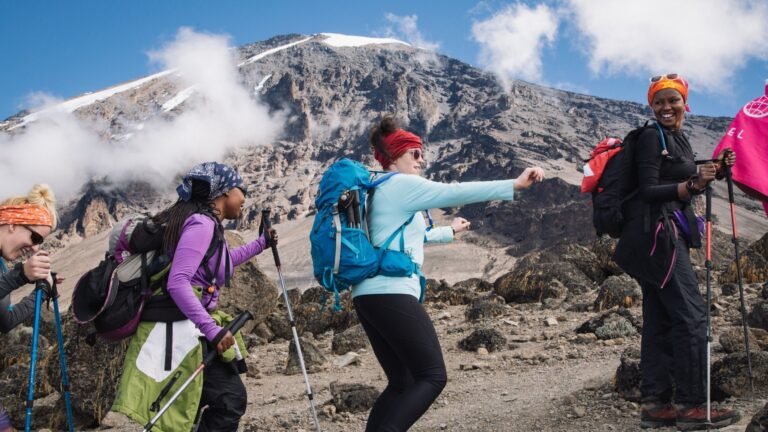
Kilimanjaro Group Joining Climbs: December Planning Guide 2026
Planning your Kilimanjaro adventure for December 2026? Find out how group joining climbs work, why December is a prime time to summit, and how to secure your spot with our expert team.
View package details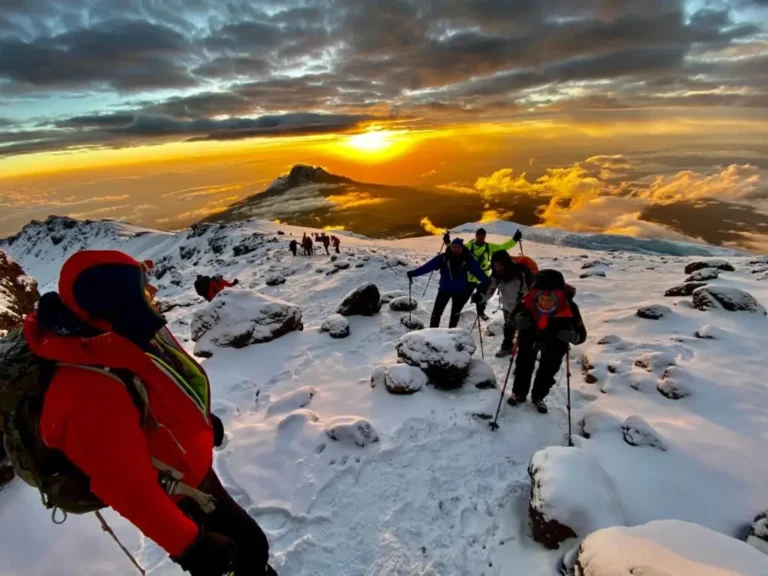
Kilimanjaro New Year Summit Group Departures December : Planning Your Ascent
Planning a New Year summit on Kilimanjaro requires specific logistics. Learn how to join a group departure for December 2026, choose the right route, and prepare for your climb.
View package details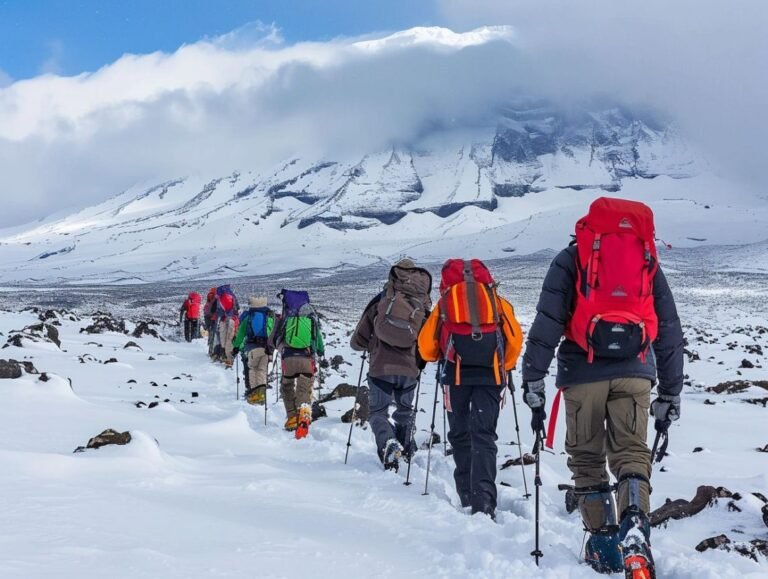
December Kilimanjaro Group Departures For Solo Travelers: Planning Your Climb
A practical guide for solo travelers planning to climb Kilimanjaro in December 2026, covering group joining benefits, route selection, and booking logistics.
View package detailsJoin A Kilimanjaro Christmas Climbing Group In December 2026
A guide to securing your spot on a Kilimanjaro Christmas group climb for 2026, including route advice, group logistics, and essential planning steps.
View package details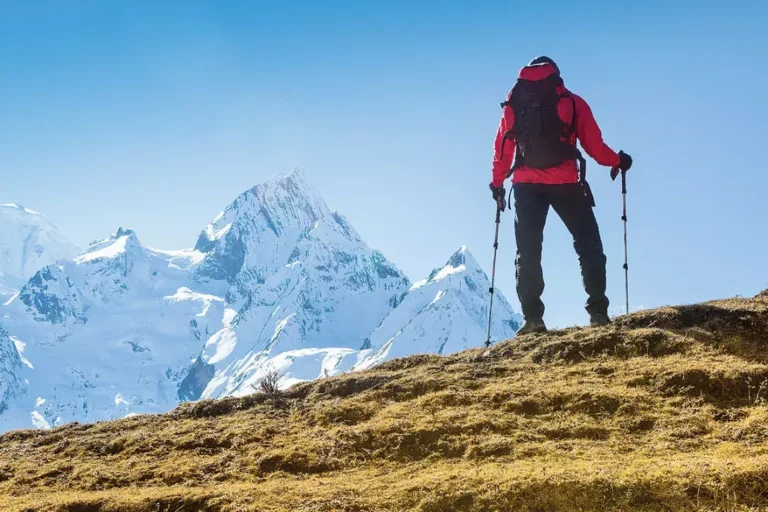
Best Kilimanjaro Group Climbing Packages For December : A Practical Guide 2026
A practical guide to selecting Kilimanjaro group climbing packages for December 2026, focusing on route logistics, weather considerations, and cost-sharing benefits.
View package detailsTraveling Alone To Kilimanjaro In December: Can You Join A Machame Route 2026
A practical guide for solo travelers planning a December Kilimanjaro climb. Discover how group joining works on the Machame Route, the realities of cost-sharing, and how to prepare for your...
View package details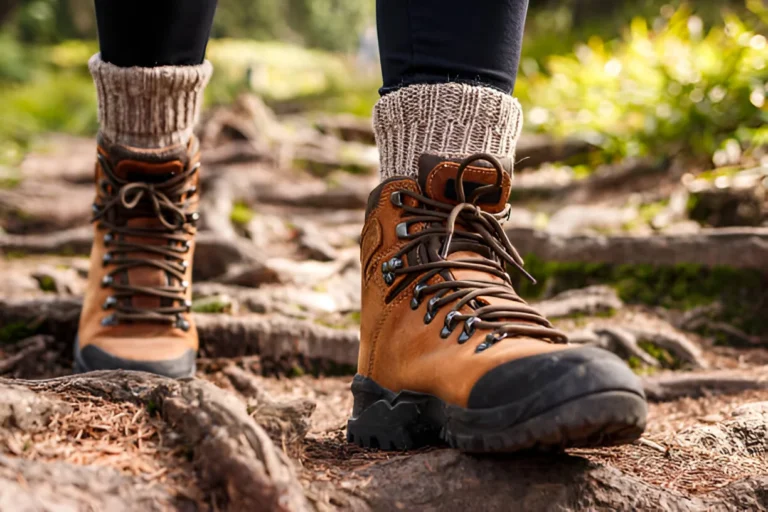
Kilimanjaro Small Group Climbing Tours Before Christmas 2026
Planning a Kilimanjaro summit before the holidays? Explore the logistics, route choices, and small group benefits for December 2026 climbs.
View package detailsCan I Join A Safari Group Directly From Kilimanjaro Airport? Logistical Guide
A practical guide to coordinating your arrival at Kilimanjaro International Airport (JRO) with a scheduled group safari, including logistical requirements and booking tips.
View package details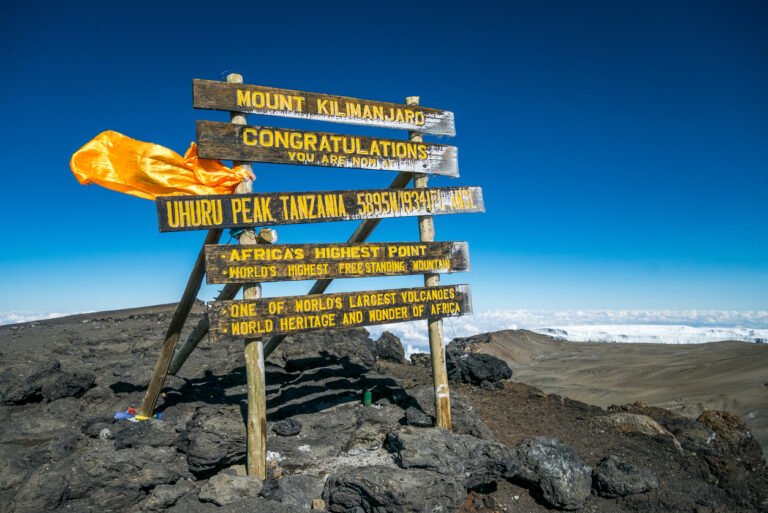
Vip Kilimanjaro Expedition With Private Mountain Crew December 2026
A detailed guide to planning a bespoke, high-support Kilimanjaro expedition for December 2026, focusing on private crew logistics, route selection, and safety.
View package details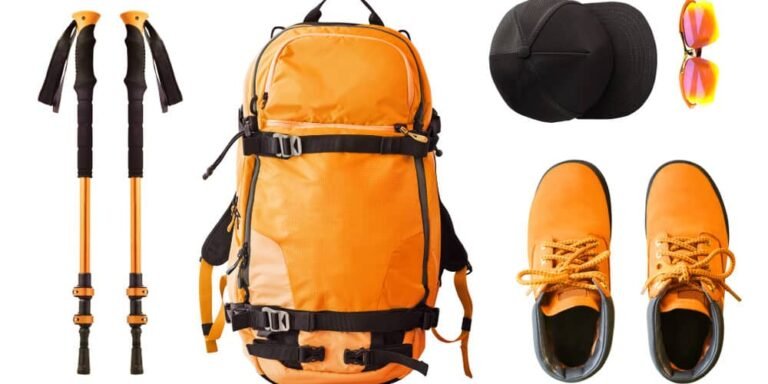
Kilimanjaro Honeymoon Climbing And Zanzibar Beach Holiday: December Planning
A practical guide for couples planning a Kilimanjaro climb and Zanzibar beach holiday in December 2026, focusing on route selection, recovery logistics, and planning timelines.
View package detailsNo related package matches those filters. Clear one or more filters to see the other topic-matched options.



