
The 4 Day Nyerere and Mikumi Group Joining Safari departing on November 26, 2026, is a curated, cost-shared expedition designed to cover two of Tanzania’s most accessible Southern Circuit wildlife destinations. This itinerary typically originates from Dar es Salaam, allowing travelers to experience the raw, vast wilderness of Nyerere National Park (formerly Selous) and the high-density game viewing of Mikumi National Park within a concentrated four-day window. It is an ideal choice for solo travelers or small groups seeking the affordability of shared costs without compromising on the quality of the safari experience.
Choosing a group joining safari for your Southern Tanzania adventure is a practical decision, particularly for those looking to balance the high costs of private vehicle hire with the desire for a professional, guided experience. The Southern Circuit—comprising Nyerere and Mikumi—offers a distinct alternative to the Northern Circuit (Serengeti/Ngorongoro). It is less crowded, often feels more “wild,” and provides a unique perspective on Tanzania’s ecosystems, all while remaining accessible from the coastal hub of Dar es Salaam.
Why Combine Nyerere and Mikumi?
The decision to pair Nyerere National Park with Mikumi is rooted in geographic and logistical efficiency. While Nyerere is massive—one of the largest protected wildlife areas on the continent—Mikumi serves as a vital transition zone. By combining these two, you get the best of both worlds: the riverine, untamed landscape of the Rufiji River basin in Nyerere and the open savannah plains of Mikumi.
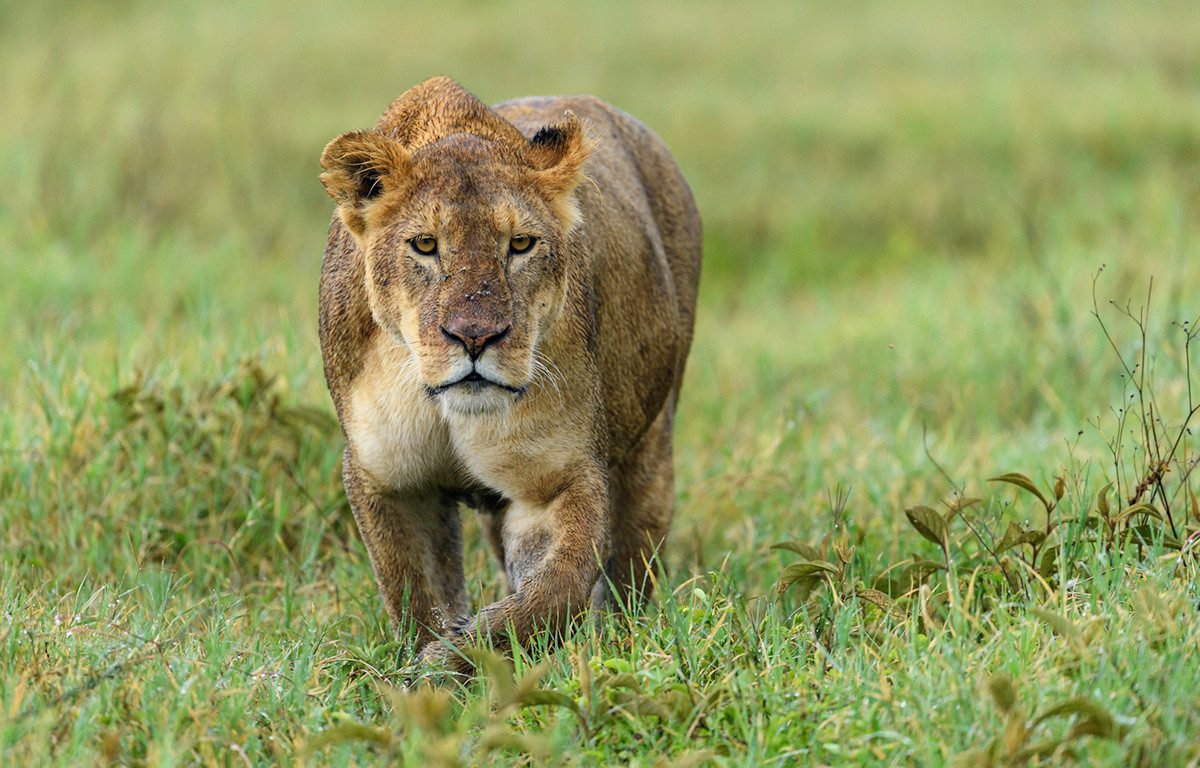
For a four-day itinerary, this pairing works exceptionally well because it minimizes time spent in transit while maximizing time spent on game drives. Travelers on this departure can expect to see a wide variety of wildlife, including elephant herds, hippos, crocodiles, and if lucky, predators such as lions and leopards, all within a relatively compact travel loop.
The November 26, 2026 Departure: Planning Considerations
Traveling in late November places you in the “short rains” season in Tanzania. While the name suggests heavy downpours, the reality is often more nuanced. This time of year is characterized by occasional, refreshing showers that bring the landscape to life, turning the dry, golden plains into vibrant green pastures. For the wildlife enthusiast, this is an excellent time to visit: the air is clear, the dust is settled, and the birth season for many antelope species begins, which in turn attracts predators.
However, because this is a shoulder season, your packing strategy should account for both warm days and the possibility of sudden, short-lived rain. Lightweight, quick-dry clothing is essential. You should also be prepared for the humidity, which can be higher in the South than on the high-altitude Northern Circuit.
Group Joining Logistics: How It Works
The “group joining” model is built on shared resources. By joining a pre-scheduled departure like the November 26, 2026, trip, you share the costs of the safari vehicle, the fuel, the professional driver-guide, and the park entry fees with other travelers. This significantly reduces the individual financial burden compared to a private safari.
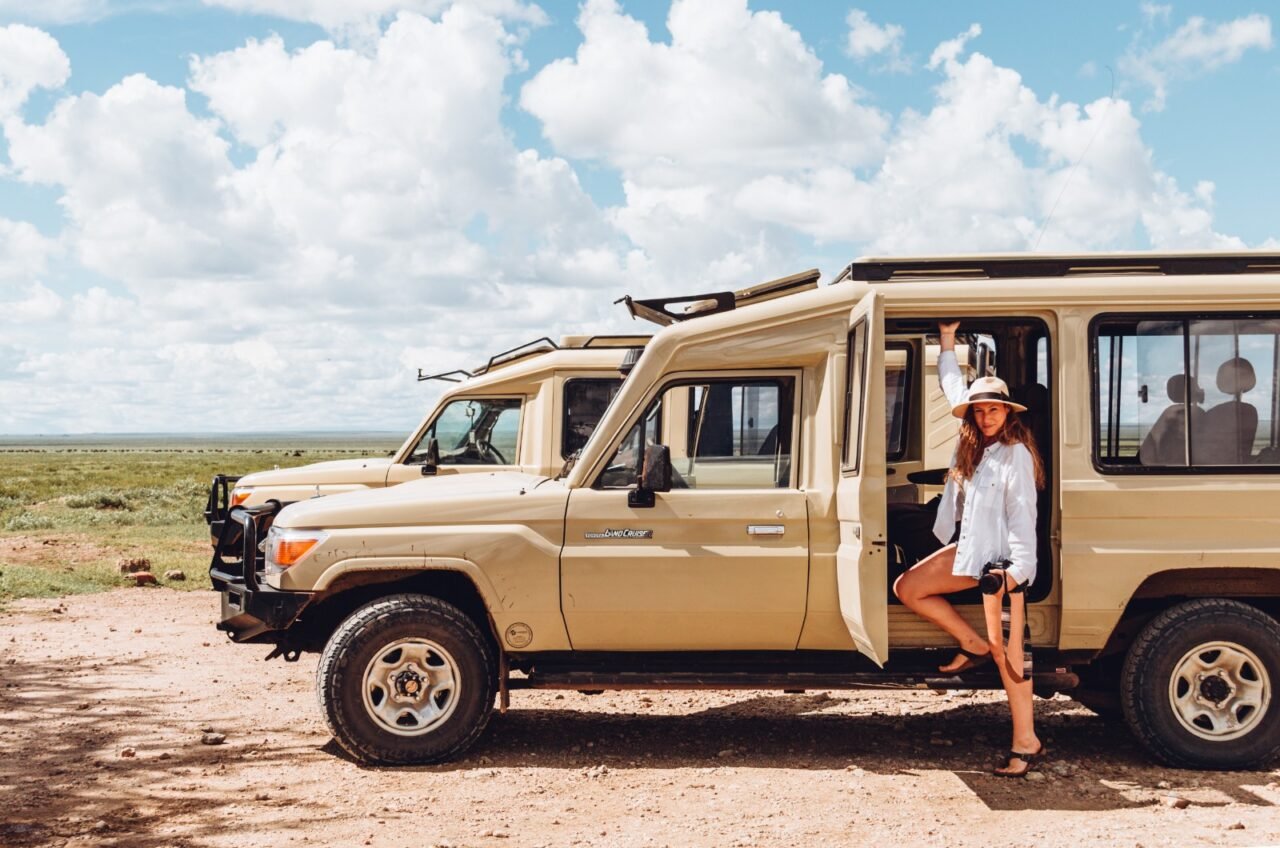
At Climb 4 Africa, we manage the logistics to ensure the group dynamic remains comfortable. We typically limit vehicle occupancy to ensure everyone has a window seat, which is crucial for photography and game viewing. Communication is key; when you inquire, we will provide you with the latest details on group size, the type of vehicle (typically a 4×4 land cruiser with a pop-up roof), and the accommodation style for this specific date.
If you are interested in exploring other options, you can view our full list of Tanzania group departures to see if there are alternative dates or routes that better suit your schedule.
Typical 4-Day Itinerary Flow
While exact timing can shift based on park conditions and group pace, a 4-day itinerary for this route generally follows this structure:
- Day 1: Departure from Dar es Salaam to Nyerere. The journey involves an early start to maximize daylight hours. Upon arrival, we typically conduct an afternoon boat safari on the Rufiji River, which is a highlight of the Nyerere experience, offering a unique vantage point for spotting hippos and crocodiles.
- Day 2: Full Day in Nyerere. A dedicated day for extensive game drives. We focus on the varied terrain, from lakes to woodlands, searching for lions, wild dogs, and elephant herds.
- Day 3: Transit to Mikumi. We travel from Nyerere toward Mikumi. This is a scenic drive through rural Tanzania. Upon arrival in Mikumi, we often conduct an afternoon game drive to settle into the new environment.
- Day 4: Morning Game Drive and Return. A final morning game drive in Mikumi to catch the early activity of predators before beginning the drive back to Dar es Salaam, typically arriving by late afternoon.
For those interested in shorter or different configurations, we also offer a 2-day Mikumi group joining safari if your timeframe is more limited.
Preparing for Your Trip
Preparation for a Southern Circuit safari requires attention to detail. Since this is a group trip, arriving on time for the departure is essential. We recommend arriving in Dar es Salaam at least one day before the November 26 departure to account for potential flight delays or fatigue.
Essential Preparation Checklist
- Health: Consult your doctor regarding malaria prophylaxis, as the Southern Circuit is a malaria-endemic area. Ensure your routine vaccinations are up to date.
- Documentation: Verify your Tanzania visa requirements well in advance. Many nationalities can obtain an e-visa online.
- Currency: While some lodges accept cards, having a modest amount of Tanzanian Shillings or US Dollars (post-2009 series) for tips and small purchases is highly recommended.
- Gear: Bring binoculars and a good camera with a zoom lens. The wildlife in Nyerere and Mikumi can be elusive, and having your own optics makes the experience much more rewarding.
Booking and Inquiries
Booking a group safari requires coordination. To secure your spot on the November 26, 2026, departure, we recommend contacting us early. Because group joining safaris rely on minimum numbers to operate effectively, early booking helps us confirm the departure and finalize the logistics for all participants.
When you reach out, please include your expected arrival date in Tanzania and any specific dietary requirements or accommodation preferences. You can reach our team directly via WhatsApp at +255 747 477 898 or email us at climb4africa@gmail.com. If you encounter any issues, our backup email is info@climb-4-africa.com. We are here to answer your questions about the route, the vehicle, or the group composition.
Frequently Asked Questions
What is the main difference between Nyerere and Mikumi?
Nyerere is significantly larger and more rugged, offering a true wilderness experience with boat safaris and diverse ecosystems. Mikumi is smaller, more accessible, and features open plains that make spotting large game like elephants and giraffes easier, often with less driving time between sightings.
Is this group safari suitable for solo travelers?
Yes, group joining safaris are excellent for solo travelers. They provide a safe, structured way to see the parks while offering the opportunity to meet other travelers, all at a lower cost than a private tour.
What happens if it rains in November?
The “short rains” in November are usually characterized by short, heavy bursts followed by sunshine. Game drives continue as normal, and the rain often makes the wildlife more active and the scenery more photogenic. Your guide will adjust the route if roads become impassable, which is rare on the main park tracks.
Are park fees included in the price?
Standard group joining safari packages typically include park entry fees, vehicle costs, and guide services. However, always confirm the specific inclusions for your booking with us when you receive your quote, as some optional activities or personal items may be excluded.
Whether you are a seasoned safari-goer or planning your first trip to Tanzania, the Southern Circuit offers an authenticity that is hard to match. By choosing this 4-day group joining safari, you are opting for a balanced, expertly managed, and budget-conscious way to witness the majesty of Nyerere and Mikumi. We look forward to helping you coordinate your 2026 adventure.
Navigating the 4-Day Schedule: A Closer Look
While the general flow of a Southern Circuit safari is consistent, understanding the specific mechanics of each day helps manage expectations for the November 26 departure. This itinerary is designed to balance significant transit times with high-quality game viewing.
Day 1: The Journey into the Rufiji Basin
The first day is primarily focused on transit from Dar es Salaam to Nyerere National Park. Because Nyerere is vast, the drive from the city to the park gate can take several hours depending on traffic and road conditions. Upon arrival, the remainder of the afternoon is typically dedicated to an introductory game drive. This is your first chance to see the unique topography of Nyerere, characterized by Miombo woodlands and riverine forests. The focus here is on acclimatization to the bush environment and spotting resident wildlife near the park’s entry points.
Day 2: Nyerere Immersion and Boat Safaris
This full day is dedicated to exploring the deeper reaches of Nyerere. A defining feature of this park, and one that sets it apart from Mikumi or the Northern Circuit, is the option for boat safaris on the Rufiji River. Depending on the specific group arrangement and water levels, a boat safari allows you to view hippos, crocodiles, and water-dependent birds from a completely different perspective than a 4×4 vehicle. The land-based game drives on this day will focus on tracking larger mammals, such as elephant herds and, occasionally, African wild dogs, for which the Selous ecosystem is world-renowned.
Day 3: The Transition to Mikumi
Day three involves traveling from Nyerere to Mikumi. This is a transit day that bridges two distinct ecosystems. As you move from the rugged, river-dominated landscape of Nyerere to the open, grass-plains environment of Mikumi, you will notice a shift in the wildlife profile. Mikumi is often described as a “mini-Serengeti” due to its open savanna, which makes spotting large game like giraffes, zebras, and impalas significantly easier. Depending on the departure time from Nyerere, you may arrive in Mikumi in time for a late afternoon game drive to settle into the new environment.
Day 4: Mikumi Plains and the Return to Dar es Salaam
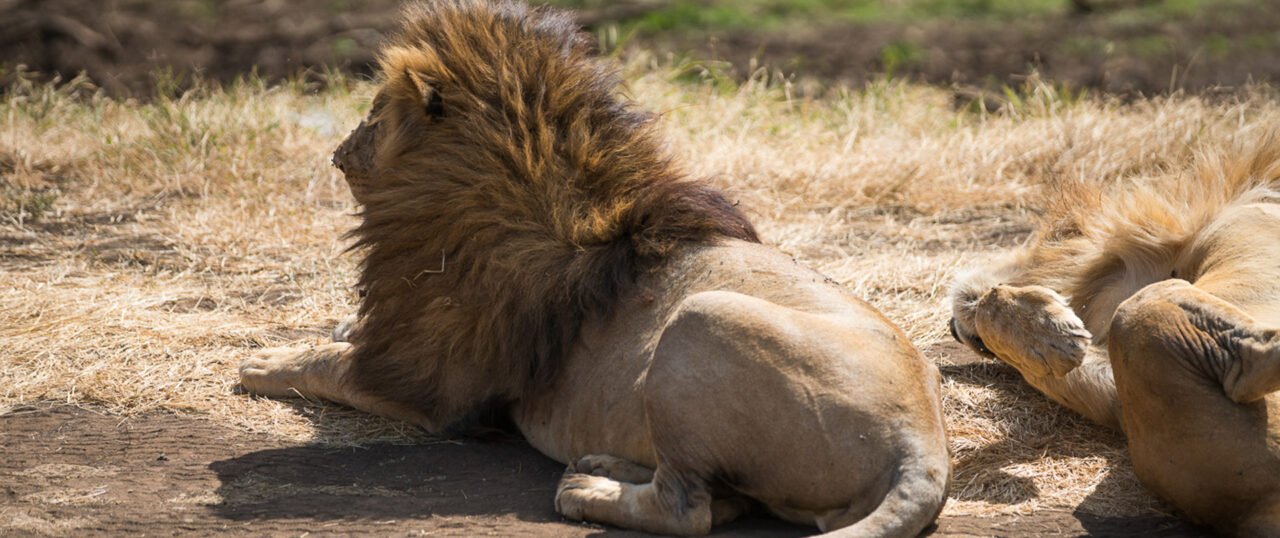
The final morning is reserved for a sunrise game drive in Mikumi. Early mornings are peak times for predator activity, particularly lions, which are frequently spotted in the open plains of the park. After the morning drive and a mid-day meal, the group will begin the drive back to Dar es Salaam. This return leg is timed to get you back to the city by evening, though it is always advised not to book an international flight for late that same night, as road traffic entering Dar es Salaam can be unpredictable.
Managing Expectations in a Shared Safari Vehicle
Participating in a group joining safari requires a specific mindset to ensure the experience is enjoyable for everyone involved. Unlike a private safari where you dictate the schedule, a group trip operates on a collective rhythm.
- Vehicle Pacing: Your driver-guide is responsible for the entire group. This means that if one person wishes to stop for photography, the entire vehicle stops. Patience and communication within the group are vital for a smooth experience.
- Luggage Constraints: Space in a safari vehicle is finite. Because you are sharing the cabin with others, it is imperative to pack light. Use soft-sided duffel bags rather than rigid suitcases, as they are easier to stack and stow in the limited cargo space.
- Punctuality: The schedule for game drives is often dictated by animal behavior and park opening times. Being ready at the designated meeting point at the agreed-upon time ensures that the group maximizes daylight hours, which is especially important during the shorter days of the late-November season.
- Shared Infrastructure: Remember that you are sharing the vehicle’s resources, including charging ports and viewing space. While most vehicles are equipped with pop-up roofs that allow everyone to stand and view wildlife simultaneously, being mindful of your fellow travelers’ need for space is part of the group safari etiquette.
Wildlife Behavior and Photographic Dynamics in the Southern Circuit
Traveling during the late-November “short rains” offers a unique perspective on wildlife behavior that differs significantly from the peak dry season. While many travelers focus on the ease of spotting animals against dry, barren backgrounds, the November landscape is defined by a rapid transition into lush, vibrant greenery. For the wildlife, this is a time of renewal and abundance. The Rufiji River basin in Nyerere and the Mkata Floodplain in Mikumi both experience a surge in insect and plant life, which in turn drives animal activity. You are likely to witness herbivores like impala, wildebeest, and zebra with their young, as the flush of new grass provides the necessary nutrition for nursing mothers. For the predator-focused traveler, this abundance of vulnerable young prey often means that lions and leopards are active, though they may be harder to spot in the thickening bush compared to the stark months of September or October.
Birdwatching enthusiasts will find November particularly rewarding. This is the prime time for migratory birds arriving from Europe and Northern Africa. In Nyerere, the wetlands and riverine forests become a sanctuary for bee-eaters, kingfishers, and various raptors. The vibrant plumage of these migratory species, set against the backdrop of an awakening, green landscape, provides excellent photographic opportunities. However, the density of the foliage does present a challenge. Unlike the dry season, where animals are often found congregating around predictable waterholes, the rains disperse the wildlife. Your driver-guide will rely on tracking skills rather than just sitting at a water source, which makes for a more dynamic and rewarding game drive experience.
For those interested in photography, the shared-vehicle environment of a group safari requires a specific approach to gear and etiquette. Because you are in a vehicle with other travelers, you cannot always dictate the angle or duration of a stop. To maximize your success, bring a versatile lens—typically a 100-400mm or equivalent zoom—that allows you to switch quickly from landscape shots to wildlife portraits without needing to change lenses in the dusty environment. Use the “pop-up” roof advantageously, but be mindful of the vehicle’s stability; when others are moving, the vehicle rocks. Using a beanbag (often provided by operators) to stabilize your camera on the roof frame is far more effective than a tripod in this setting. Always communicate your interest in photography to your guide early on; they can often position the vehicle to give you the best light, but remember that the group’s collective experience takes precedence.
Understanding Safari Accommodation in the Southern Circuit
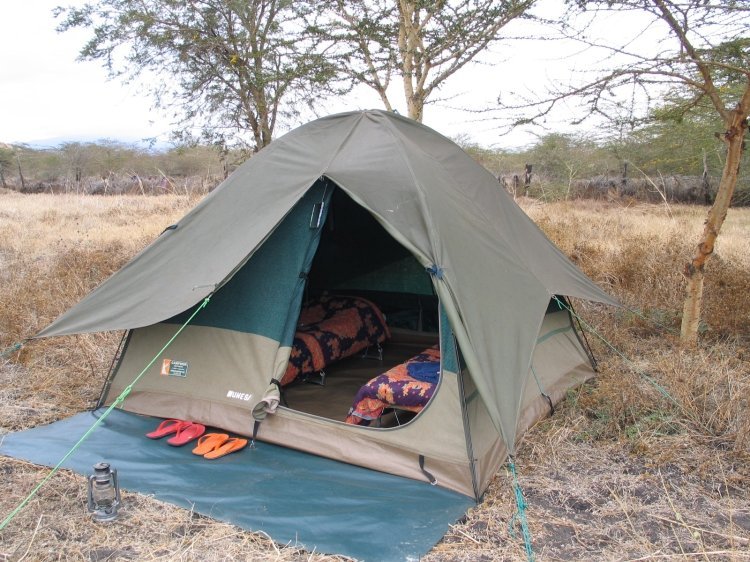
A common point of confusion for first-time visitors to the Southern Circuit is the nomenclature surrounding safari accommodation. You will likely encounter terms like “tented camp” and “lodge,” and understanding the distinction is vital for setting your expectations. In the context of Nyerere and Mikumi, a “tented camp” does not imply a DIY camping experience where you pitch your own tent. Instead, these are semi-permanent or permanent structures that offer a high level of comfort, often including en-suite bathrooms with hot showers, flush toilets, and proper beds with linens.
The primary appeal of a tented camp is its proximity to nature. Because these camps are often unfenced, the experience is profoundly in-depth. You may hear the whoop of a hyena or the distant roar of a lion while lying in bed, a sensory experience that is impossible to replicate in a hotel or a concrete lodge. The canvas walls provide a thin barrier between you and the wilderness, making the environment feel more like an extension of the park rather than a separate zone. For a 4-day trip, this immersion helps you disconnect from the urban pace of Dar es Salaam and fully engage with the rhythm of the safari.
Lodges, by contrast, are usually built with more solid materials—stone, wood, and thatch—and often feature larger communal areas like swimming pools and expansive dining decks. While they offer the same level of comfort as the tented camps, they can sometimes feel more detached from the immediate bush environment. When booking your group joining safari, the itinerary will specify the style of accommodation. Regardless of which you choose, expect basic amenities such as mosquito netting, solar-powered lighting, and charging stations for your devices. Note that power in remote camps can be limited and is sometimes switched off during late-night hours to save energy, so bringing a portable power bank is a prudent logistical step.
Finally, consider the social aspect of your accommodation. In group joining safaris, the lodge or camp serves as the evening hub. It is here that the group dynamic often solidifies. Sharing meals in a communal dining area allows you to swap stories with other travelers, discuss the day’s sightings, and debrief on the challenges of the transit days. This social component is a significant part of the value proposition of a group safari, transforming a simple wildlife tour into a shared adventure.
Navigating the Physical Realities of the Southern Circuit Transit
While the itinerary for the November 26 departure focuses heavily on the excitement of game drives and the immersion of boat safaris, a critical, often overlooked aspect of the 4-day Nyerere and Mikumi group safari is the reality of the transit days. Travelers must reconcile the excitement of wildlife viewing with the physical endurance required for road travel in rural Tanzania. Unlike the Northern Circuit, where regional airports allow for “fly-in” safaris that bypass long drives, the Southern Circuit is defined by its overland connectivity. Understanding the road conditions is not just about logistics; it is about managing your physical comfort and expectations for the journey.
The transit from Dar es Salaam to Nyerere National Park is the most significant hurdle. The road network connecting the coastal hub to the Rufiji Basin involves a mix of paved highways and, as you approach the park boundaries, more rugged, dusty access roads. During the “short rains” season in late November, these roads can be unpredictable. While the main arteries remain reliable, the secondary tracks within and leading to the parks can become slick or uneven after a heavy afternoon shower. Travelers should be prepared for “African massage”—a colloquial term used by safari guides to describe the inevitable bumping and shaking that occurs on unpaved bush tracks. It is not an extreme off-road experience, but it is certainly more vigorous than driving on a suburban highway.
To mitigate the fatigue associated with these transit days, the group joining schedule is paced to include strategic stops. These are not merely bathroom breaks; they are essential for stretching, hydrating, and adjusting to the climate. In the Southern Circuit, facilities along the transit routes are sparse compared to the heavily touristed Northern Circuit. You will not find modern rest stops with high-end cafes every hour. Instead, stops are often at local villages or basic roadside kiosks. This is an authentic slice of Tanzanian life, providing a glimpse into the rural economy and communities that border these massive protected areas. Embracing these stops as part of the cultural experience rather than an inconvenience is the key to maintaining a positive group dynamic.
The transition from Nyerere to Mikumi on Day 3 presents a different set of logistical considerations. This leg of the journey takes you through the Uluguru Mountains’ foothills and past rural agricultural landscapes. The road here is generally better than the access tracks into Nyerere, but the traffic can be unpredictable, consisting of large trucks, local buses, and motorbike taxis known as boda-bodas. Your driver-guide is trained to navigate these routes with safety as the priority, but the transit time can fluctuate. It is vital to communicate with your group and guide regarding personal needs—such as water intake or motion sickness—early in the drive. Because this is a shared vehicle, the group must operate as a unit. If you are prone to motion sickness, ensure you have your remedies packed in your day bag, not in the luggage stored in the back of the vehicle, so you can access them without delaying the group.
Furthermore, the physical environment inside the vehicle is a critical factor for your comfort. Most safari vehicles used for these group joinings are 4×4 Land Cruisers or similar vehicles modified with pop-up roofs. While these are designed for durability, they are not luxury coaches. Dust is a constant companion in the dry season and even during the short rains, as the soil dries quickly. Bringing a scarf or a buff to cover your nose and mouth during particularly dusty stretches of road can significantly improve your comfort levels. Additionally, keep your camera gear protected. While the vehicles are dust-resistant, they are not hermetically sealed. A dedicated dust-proof bag for your lenses and camera bodies is a non-negotiable item for any photographer on this route.
Finally, consider the energy expenditure of these transit days. You will be sitting for several hours, but the constant visual stimulation—watching the landscape shift from coastal scrub to dense miombo woodland and finally to the open plains of Mikumi—can be mentally exhausting. By the time you reach your accommodation each evening, you may feel more tired than you expect. This is perfectly normal. The best approach is to prioritize hydration and rest during the evenings. Because the November 26 departure is a group-joining trip, the social atmosphere is often lively, but do not feel pressured to stay up late if you need to recharge for the next day’s early morning game drive. The transit days are the “price of admission” for accessing the raw, less-trodden wilderness of the South, and with the right preparation, they become a memorable part of the adventure.
Practical Tips for Long Drives in the Southern Circuit
- Hydration Management: While staying hydrated is crucial, balance your water intake with the reality of limited roadside facilities. Drink consistently but moderately during transit.
- Footwear Choices: Wear comfortable, slip-on shoes for the long drives. You will be taking them on and off frequently at stops, and keeping your feet comfortable helps reduce overall travel fatigue.
- The “Day Bag” Strategy: Keep your essential items (camera, medication, snacks, sunscreen, and a light jacket) in a soft-sided bag at your feet. Do not rely on accessing the main luggage compartment, which is usually strapped to the roof or packed in the back.
- Communication: If you feel uncomfortable, too hot, or need a stop, speak up early. Your driver-guide is there to manage the group’s needs, but they cannot read minds. A polite, timely request is always better than suffering in silence.
Navigating Post-Safari Logistics and Cultural Etiquette
As your 4-day Nyerere and Mikumi safari concludes, shifting from the intensity of the bush back to the urban environment of Dar es Salaam requires a bit of foresight. Many travelers focus entirely on the game viewing experience, often overlooking the logistical and social nuances that define the final hours of the trip. Understanding these elements ensures a smooth transition and fosters positive relationships with the staff and guides who have facilitated your journey.
Tipping Standards and Procedures
Tipping is an established part of the tourism culture in Tanzania, serving as a significant supplement to the income of those working in the hospitality and safari sectors. On a group joining safari, the etiquette is slightly different than on a private tour. Because you are sharing a vehicle and guide with others, the tipping process is typically handled collectively or individually at the very end of the trip. The driver-guide is the primary point of contact for the duration of the four days; their expertise, safety management, and navigation skills are the core of your experience. While there is no fixed mandatory rate, it is standard practice to offer a tip that reflects your appreciation for their service. It is advisable to have crisp, clean banknotes—either Tanzanian Shillings (TZS) or US Dollars (USD)—prepared before you leave Dar es Salaam. If you choose to tip the camp staff, many lodges provide a communal tip box at the reception, which is the most equitable way to ensure that back-of-house staff, such as kitchen and housekeeping teams, receive a share of the gratuity.
The “Re-entry” Phase: Returning to Dar es Salaam
The return drive from Mikumi to Dar es Salaam on the fourth day is not merely a transit; it is a re-entry into a high-traffic, bustling coastal city. Traffic congestion on the outskirts of Dar es Salaam can be significant, especially during late afternoon or evening hours. Travelers often underestimate how long this final leg can take. If you have an international flight scheduled for the evening of Day 4, it is crucial to communicate this to your operator well in advance. Ideally, it is safer to book your departure flight for the following day. This buffer allows for unexpected delays on the highway and ensures you are not rushing to the airport, which can be a stressful end to an otherwise serene wilderness experience. If you must depart on the same day, ensure your flight is late in the evening and discuss the timing with your guide at the start of the trip so they can plan the return route accordingly.
Photographic and Cultural Etiquette
The Southern Circuit passes through various rural settlements and transit towns. It is natural to want to capture the vibrant daily life of these communities as you drive through. However, photographic etiquette is vital. Always ask for permission before taking photographs of local people, particularly children or individuals engaged in their daily work. A simple smile and a nod are often enough to seek consent, and it is a gesture of respect that is highly valued. If someone declines, accept it graciously and move on. Within the safari camps and lodges, observe the quiet hours, which are typically enforced to respect both the wildlife and other guests. Maintaining a low volume in communal areas—especially in the early mornings and late evenings—is a hallmark of a considerate safari traveler. By adhering to these social norms, you contribute to a sustainable and respectful tourism environment that benefits both the visitors and the local communities hosting them.
The Mechanics of the Safari Vehicle: Living in a Shared Space
For the duration of your 4-day Nyerere and Mikumi group joining safari, the safari vehicle effectively becomes your mobile living room. Understanding the physical mechanics and the etiquette of this space is essential for a smooth experience. Unlike private transfers, the vehicles utilized for group joining safaris—typically modified 4×4 Toyota Land Cruisers—are engineered for specific, repetitive functions that prioritize both safety and wildlife viewing efficiency.
The Pop-Top Roof and Transit Protocol
You will notice that the vehicle is equipped with a pop-top roof. This feature is the hallmark of East African safari culture, designed specifically for game viewing. However, it is vital to understand that this roof remains securely latched and closed during transit between Dar es Salaam, Nyerere, and Mikumi. While it may be tempting to keep it open to enjoy the breeze, the roof must remain down while the vehicle is in motion on public roads or connecting park tracks. This is not merely for aerodynamic efficiency; it is a safety mandate. The Southern Circuit transit roads can be uneven, and sudden stops or maneuvers can cause the roof structure to destabilize if left unsecured. Furthermore, keeping the roof closed during transit prevents the interior of the vehicle from becoming coated in the fine, pervasive dust characteristic of the dry season, ensuring your seating area remains as clean as possible for when you eventually reach the game viewing zones.
Navigating Seating Rotations
In a group joining scenario, the seating arrangement is a frequent, if unspoken, point of friction. Because the vehicle is shared, not every passenger can have a permanent window seat. To maintain fairness, most professional operators implement a daily rotation system. On Day 1, you might be in the middle row, and on Day 2, you might rotate to the window seat. It is strongly recommended to clarify the rotation policy with your driver-guide on the morning of departure. By accepting this rotation early, you eliminate the stress of competing for views. Remember that while window seats offer the best photographic angles, the middle seats often provide a better vantage point for scanning the horizon, and the vehicle design ensures that all passengers have a clear view when the pop-top is raised during game drives.
Dust Management and Gear Protection
The Southern Circuit is famous for its “red dust,” a fine particulate matter that permeates everything during the dry season and even during the transition months like November. This dust is the enemy of camera sensors and electronic equipment. If you are bringing a DSLR or mirrorless camera, do not rely solely on your camera bag. Carry a dedicated, sealable dry bag or even high-quality zip-lock bags to store your camera body and lenses when the vehicle is moving between game viewing spots. Even if the windows are closed, dust finds its way through the vehicle seals. Before you begin your game drive, wipe down your gear, but avoid using abrasive cloths that might scratch your lenses. A soft, clean microfiber cloth kept in a sealed pouch is your best tool for keeping optics clear throughout the four days.
Power and Connectivity Constraints
Modern travelers are often accustomed to ubiquitous power, but the safari vehicle is a remote environment. While many newer safari vehicles are retrofitted with cigarette-lighter style 12V sockets or USB ports, these are often unreliable or slow, and they may be shared among multiple passengers. Do not depend on the vehicle to charge your primary camera batteries or your phone overnight. Your best strategy is to bring a high-capacity power bank that is fully charged before you leave Dar es Salaam. Additionally, ensure your camera batteries are fully charged the night before at your lodge. If you have multiple devices, prioritize your camera equipment; the intense game viewing schedule will drain batteries faster than you expect, and there is often limited opportunity to plug into AC power while out on the plains.
Dietary Logistics and Social Dining in Group Safaris
Participating in a group joining safari involves a communal approach to dining that is fundamentally different from a private excursion. Because your safari operator is coordinating logistics for multiple individuals with varying preferences, the meals provided at lodges and tented camps are typically served on a set-menu basis. Understanding this structure is essential for a smooth experience. In remote areas like the Nyerere and Mikumi ecosystems, supply chains are significantly more complex than in urban centers; kitchens often rely on planned deliveries, meaning last-minute requests for specific ingredients or alternative dishes are rarely feasible once the safari is underway.
If you have specific dietary requirements—such as vegetarian, vegan, gluten-free, or halal—it is imperative to communicate these clearly to your tour operator during the initial booking phase, well before your November 26 departure. Do not assume that the lodge staff will be able to accommodate a request made upon arrival. When you arrive at your accommodation, take a moment to introduce yourself to the camp manager or head waiter and reiterate your dietary needs. This proactive communication ensures that the kitchen team has sufficient time to prepare appropriate alternatives. Furthermore, group dining often occurs at set times to facilitate the tight, early-morning schedule required for game drives. Punctuality is a sign of respect for your fellow travelers and ensures the group can depart for the plains without delay, maximizing your time in the field.
Managing Tsetse Flies and Insect Protection in the Southern Circuit
One of the most distinct environmental realities of the Southern Circuit, particularly within the woodlands of Nyerere National Park, is the presence of tsetse flies. Unlike mosquitoes, which are most active at dawn and dusk, tsetse flies are active during the day and are particularly attracted to dark colors, specifically navy blue and black. This is a critical factor for your packing strategy. While the general advice for safaris is to wear neutral colors like khaki, beige, or light green, this becomes a functional safety requirement in the Southern Circuit rather than just a stylistic choice. Avoid wearing dark blue or black clothing, as these colors are scientifically proven to attract these biting flies.
The bite of a tsetse fly is sharp and painful, and while the risk of sleeping sickness is extremely low in the context of standard tourist areas, the discomfort can be a significant distraction during game drives. If you are prone to insect bites, consider treating your safari clothing with permethrin prior to your trip. Additionally, standard DEET-based insect repellents, while effective against mosquitoes, are often less effective against tsetse flies. Physical barriers remain your best defense. Wear long-sleeved shirts and long trousers, even when the heat of the day is intense. If you find yourself in an area with high tsetse activity, keep the vehicle windows closed when driving through dense bush, and rely on the pop-top roof for viewing rather than opening the side windows.
Hydration and Heat Management Strategies
The Southern Circuit, particularly the Rufiji River basin, experiences a different climate profile than the Northern Circuit. The region is often more humid, which can lead to faster dehydration than travelers might expect in the drier highlands of the Serengeti. Managing your hydration is not merely about drinking water; it is about maintaining electrolyte balance. While your safari vehicle will be stocked with bottled water, these bottles can become quite warm when left in the vehicle during game drives. To mitigate this, many experienced travelers bring an insulated water bottle that can keep liquids cool for longer durations.
Beyond water intake, be mindful of the “hidden” heat stress that comes with long hours in a safari vehicle. Even with the roof popped, the sun in Tanzania is intense, and the reflection of heat off the dust and plains can be dehydrating. Wear a wide-brimmed hat that provides shade for your neck and ears, and apply high-SPF sunscreen every morning before departure. If you feel the onset of a headache or fatigue, do not wait until the end of the game drive to mention it to your guide. Your driver-guide is trained to monitor the group’s physical well-being and can adjust the pace or find a shaded spot for a quick rest. Prioritize electrolyte replacement powders or tablets in your packing list; adding these to your water bottle during the mid-day heat can significantly improve your energy levels and help you recover faster from the physical exertion of long, bumpy transit days.
Understanding the Role of the Safari Guide in Group Dynamics
On a 4-day group joining safari, your driver-guide is the single most critical factor in the success of your trip. Unlike a private safari where the guide acts primarily as a tracker and driver for a single party, the group joining guide performs a complex role that blends logistics management, conflict resolution, and wildlife interpretation. Recognizing this role helps you interact more effectively with them, ensuring the trip remains smooth for everyone.
First, it is important to understand that your guide is balancing competing interests. In a shared vehicle, you may have one passenger who wants to spend two hours photographing a single bird, while another prefers to drive quickly to find larger predators. The guide is trained to manage these requests by setting boundaries early. They are responsible for the vehicle’s schedule—ensuring you reach park gates before they close and arriving at your accommodation before dark. If your guide denies a request to stop for an extended period or to deviate from the established path, it is rarely personal; it is almost always a calculation based on the group’s collective itinerary and time constraints.
Second, the guide serves as the primary arbiter of “safari etiquette” within the vehicle. If the group dynamics become strained—perhaps due to noise levels, seating disputes, or differing levels of interest in the wildlife—the guide is the professional who intervenes to restore harmony. They are accustomed to diverse personalities and cultural backgrounds, and they often use humor and gentle reminders to keep the group cohesive. If you feel that a specific issue is affecting your enjoyment, it is far better to speak to your guide privately during a break rather than addressing the other passengers directly. The guide can often frame the solution as a “standard procedure” or “park rule,” which helps avoid awkward confrontations between travelers.
Finally, your guide is a fount of local knowledge that goes beyond identifying animal species. They are often the best source of information regarding the specific challenges of the Southern Circuit, such as the current state of road infrastructure or the latest reports on wildlife movements in the area. Engaging with them respectfully and showing interest in their expertise—not just in the animals, but in the landscape and the local communities you pass through—tends to foster a more collaborative atmosphere. A guide who feels respected and appreciated is often more willing to go the extra mile, perhaps by finding a slightly better vantage point for a sunset or sharing deeper insights about the region’s conservation efforts.
Managing Expectations for Vehicle Maintenance and Reliability
One of the most pragmatic aspects of the Southern Circuit, and one that is frequently misunderstood by first-time safari-goers, is the reality of vehicle maintenance. The roads connecting Dar es Salaam to Nyerere and Mikumi can be punishing. Even on the main transit routes, the terrain is often corrugated, dusty, and prone to sudden changes in condition, especially during the transition months around November. Consequently, the safari vehicles used for group joining tours endure significant mechanical stress.
When you book a group joining safari, you are relying on a shared asset that operates on a high-frequency schedule. A vehicle might return from a 4-day trip on one day and be prepped for another departure the following morning. While reputable operators have rigorous maintenance schedules, the nature of these rough roads means that minor mechanical issues—such as a flat tire, a temperamental air conditioning unit, or a squeaky suspension component—can occur. It is helpful to adopt a patient mindset regarding these realities. A “breakdown” in the context of a safari is rarely a catastrophic event; it is often a matter of changing a tire or tightening a loose bolt, tasks that your driver-guide is highly skilled at performing efficiently.
If a mechanical delay occurs, trust your guide’s process. They are in constant communication with their base in Dar es Salaam and with other drivers on the road. If a vehicle requires more significant attention, the operator’s network is designed to facilitate a “rescue” or a swap, though this is a last resort. Your role as a passenger during these moments is to stay calm and follow instructions. Avoid the temptation to “help” by taking apart vehicle components or wandering away from the vehicle to explore on foot, which is strictly prohibited in national parks. Staying with the vehicle, keeping hydrated, and maintaining a positive outlook not only makes the situation easier for the guide but also keeps the group’s morale high, turning a minor inconvenience into just another part of the “adventure” of the African bush.
The Architecture of Safari Downtime: Understanding Camp Life and Evening Protocols
While the focus of your 4-day Nyerere and Mikumi expedition is naturally on the game drives and transit, a significant portion of your experience occurs during the “downtime” at your lodge or tented camp. In the Southern Circuit, the transition from the high-intensity environment of the safari vehicle to the quiet of the bush requires a shift in mindset. Understanding the rhythm and protocols of camp life is essential for a smooth experience, particularly when you are part of a group joining tour where you share common spaces with fellow travelers.
Navigating Safety Protocols in Unfenced Environments
Unlike urban hotels, many safari lodges and camps in Nyerere National Park are unfenced. This is an intentional design choice to allow for the natural movement of wildlife through the ecosystem. Consequently, the safety protocols you must follow after sunset are not suggestions; they are critical requirements. Once the sun dips below the horizon, the bush becomes the domain of nocturnal wildlife. In most camps, you will be strictly required to have a staff escort accompany you when moving between your tent or room and the main dining area. Never attempt to walk around the camp grounds alone at night. Even if you believe the path is short or the area is “safe,” the presence of hippos, hyenas, or other wildlife near camp facilities is a reality of the Southern Circuit. If you hear rustling or movement outside your tent, do not exit to investigate. Stay inside and follow the specific safety instructions provided by your lodge manager upon check-in.
Social Dynamics and Communal Spaces
Group joining safaris naturally foster a communal atmosphere. In the evenings, the lodge’s lounge or campfire area often becomes the focal point of the group’s social life. While you are certainly entitled to your privacy, embracing the communal nature of the trip can significantly enhance your experience. These evening hours are when you will likely connect with your fellow travelers, share stories from the day’s sightings, and discuss the upcoming schedule. However, be mindful of “camp noise.” While lively conversation is encouraged, remember that sound travels exceptionally well in the bush, and many of your fellow guests—or even your guide—may be trying to rest for an early start the following morning. Maintaining a respectful volume, especially after 9:00 PM, is a standard courtesy in the safari community.
Environmental and Resource Awareness
The lodges and camps used on Southern Circuit routes are often remote, operating on solar power or generators and relying on water supplied by boreholes or collected rainwater. Your consumption habits during these four days have a direct impact on the camp’s operational stability. Use water sparingly; while you should stay hydrated, avoid long, unnecessary showers. Regarding electricity, most camps have specific windows where generators are running or solar batteries are at peak capacity. If you notice the lights dimming or power outlets cutting out, it is likely a deliberate conservation measure rather than a malfunction. Charge your devices during the designated hours provided by the camp staff, and always carry a portable power bank as a backup, as you cannot rely on 24/7 electricity in the more remote reaches of Nyerere.
The Unspoken Rule of “Bush Time”
Finally, adopt the concept of “bush time.” Everything in the Southern Circuit—from the movement of the wildlife to the preparation of meals—tends to move at a slightly slower, more deliberate pace than in urban environments. If dinner is slightly delayed or if the camp staff is taking extra time to set up the campfire, practice patience. This is not a failure of service but a reflection of the logistical complexity of operating a facility in a remote wilderness. By letting go of the rigid, fast-paced expectations of city life, you will find that the downtime between game drives becomes a rewarding part of the adventure, allowing you to fully absorb the sounds and atmosphere of the Tanzanian bush.
Navigating Arrival and Pre-Safari Logistics in Dar es Salaam
For many travelers joining a group safari departing on November 26, the logistical hurdle is not the safari itself, but the ‘pre-safari’ window in Dar es Salaam. Understanding the specific operational landscape of this coastal hub is essential for ensuring you are ready when the safari vehicle arrives. Because group joining departures operate on a fixed, synchronized schedule, the responsibility for punctuality and readiness rests entirely on the traveler.
JNIA Airport Dynamics and Visa Procedures
Julius Nyerere International Airport (JNIA) serves as the primary gateway for the Southern Circuit. While the airport has undergone significant modernization, the immigration process remains a variable that can impact your arrival timeline. If you have not secured an E-Visa prior to departure, you will be required to queue for ‘Visa on Arrival.’ During peak travel seasons, or when multiple international flights land simultaneously, this queue can extend your exit time from the airport by 60 to 90 minutes. To minimize stress, it is strongly advised to complete the Tanzania E-Visa application process at least two weeks before your November 26 departure. Having a printed copy of your approved visa, alongside your yellow fever vaccination certificate—which is mandatory if you are traveling from or transiting through a country with a risk of yellow fever transmission—will significantly expedite your passage through the arrivals terminal.
Pre-Safari Accommodation: Why Location Matters
When selecting your accommodation for the night before your safari, geography is your most important metric. Dar es Salaam is infamous for its unpredictable traffic congestion, particularly during the morning rush hour. If your safari operator has specified a pickup point in the city center or along the main arterial roads leading toward the Pugu or Morogoro roads, staying in a hotel that is geographically distant from these points can create a logistical nightmare. Aim to stay in a hotel that is within a 15-20 minute drive of your designated pickup location. Many travelers mistakenly choose beach resorts on the northern outskirts of the city for the night before; while these are beautiful, the morning commute from these locations to the city center can easily add an hour of travel time, potentially causing you to miss the group departure window or forcing the vehicle to delay its schedule, which negatively impacts the rest of the group.
The Night Before: Final Briefings and Gear Checks
The evening before your departure is the critical ‘staging’ phase. By this point, you should have already received a final confirmation from your operator regarding the pickup time. Do not assume the pickup time is flexible. If the operator states a 6:00 AM pickup, they mean the vehicle will be at your hotel lobby at 6:00 AM. Use this evening to finalize your ‘safari day pack.’ You should have your passport, camera gear, and any daily medications organized in a single, accessible bag. Do not leave the packing of your main luggage for the morning of departure; the vehicle has limited storage space, and the process of loading and unloading luggage for multiple passengers is significantly faster if everyone has their gear ready to go the moment the driver arrives.
Managing the Early Morning Departure Window
The morning of November 26 will be early. The goal of an early departure is to clear the Dar es Salaam urban sprawl before the heavy commuter traffic begins. If you are not in the lobby at the agreed-upon time, you risk holding up the entire group. This is the first test of ‘group etiquette.’ If you require breakfast, check with your hotel reception the night before to see if they can prepare a ‘breakfast box’ for you, as the standard hotel breakfast service often does not begin early enough to accommodate a pre-dawn departure. Finally, ensure your mobile phone is charged and that you have the direct contact number for your driver-guide saved. While the operator’s office coordinates the logistics, the driver-guide is your primary point of contact once the wheels are in motion.
Planning Your Onward Travel Post-Safari
The conclusion of your 4-day Nyerere and Mikumi group joining safari on the fourth day is not the final step of your Tanzanian journey, but rather a pivot point. Because this itinerary ends in Dar es Salaam—a massive, high-traffic coastal city—the logistics of your onward travel are just as critical as the safari itself. Travelers often underestimate the time required to transition from the “bush mode” of the Southern Circuit back into the urban transit networks of Dar es Salaam, particularly when attempting to connect to flights or ferries.
The “Buffer Night” Philosophy
It is strongly advised to avoid booking an international flight on the same evening you return from your safari. While the scheduled arrival time back in Dar es Salaam is typically in the late afternoon, traffic congestion, vehicle maintenance delays, or unexpected road incidents can easily push your arrival into the evening hours. Attempting to navigate the logistical requirements of international departure—check-in, security, and immigration—immediately after a 4-day, dust-filled excursion is a recipe for extreme stress. Booking an additional night in a Dar es Salaam hotel provides a necessary buffer, allowing you to clean your gear, repack, and ensure you are refreshed before your international departure the following day.
Connecting to Zanzibar or Mafia Island
Many participants on this group safari intend to head directly to Zanzibar or Mafia Island for a beach extension. If you are planning this, understand the two primary modes of transit: the ferry and the domestic flight. If you opt for the ferry, be aware that the port area in Dar es Salaam is extremely congested. You will need to factor in a minimum of 90 minutes to two hours between your safari vehicle drop-off and your ferry departure time to account for luggage handling and ticket processing. If you choose a domestic flight, remember that domestic terminals (Terminal 1 at JNIA) often have different check-in requirements than international ones. Always communicate your onward travel plans to your safari operator at least 48 hours before the trip ends; they can often advise on the most realistic flight or ferry times based on current road conditions and traffic patterns.
Luggage Management and Storage
If you are continuing your travels after the safari but do not want to carry your heavy safari gear to the beach, investigate luggage storage options. Many hotels in Dar es Salaam that cater to safari-goers offer secure storage for a nominal fee if you are staying with them before or after your trip. Alternatively, some reputable safari operators may be willing to store your non-essential bags at their office in Dar es Salaam for the duration of your beach extension, provided you are using their services for the return transfer. Never assume this is an automatic service; confirm these arrangements well in advance. If you are traveling with expensive camera equipment, prioritize secure, climate-controlled storage over basic luggage lockers, as the humidity in Dar es Salaam can be damaging to optics and electronics if left in non-ventilated storage for extended periods.
Navigating the “Short Rains” Ecosystem Shift in Late November
For a departure on November 26, you are arriving at the onset of the vuli, or the “short rains.” Understanding this climatic transition is essential for managing your expectations regarding wildlife visibility and landscape dynamics. Unlike the heavy, prolonged downpours of the long rainy season (March to May), the vuli typically manifests as localized, short-lived convective thunderstorms, often occurring in the late afternoon or overnight. This meteorological shift fundamentally alters the ecosystem you will be traversing.
The most immediate impact of the vuli is the rapid transformation of the landscape. The pervasive, fine red dust that characterizes the Southern Circuit during the peak dry season begins to settle, and the parched, straw-colored grasses of the Mikumi plains and the Nyerere woodlands begin to show fresh, vibrant green growth. While this provides a stunning, lush backdrop for photography, it also changes wildlife behavior. During the preceding months of extreme drought, animals are forced to congregate around the few remaining permanent water sources, such as the Rufiji River or specific boreholes, making them highly predictable and easy to spot. With the arrival of the short rains, temporary water pools form throughout the bush. Consequently, wildlife disperses as they no longer need to travel long distances to hydrate. You may notice fewer large congregations at the traditional viewpoints, requiring your guide to shift from a “stationary” game viewing strategy to a more active, tracking-focused approach.
From a photographic standpoint, the transition period offers distinct advantages. The air is often clearer, having been washed clean of the suspended dust particles that can create a hazy quality in mid-day images. However, the dispersion of animals means you must be more patient. Your guide will need to scan thicker bush areas rather than relying on the open banks of water bodies. Furthermore, the vuli can influence road conditions. While the primary transit routes connecting Dar es Salaam to Nyerere and Mikumi are generally resilient, the secondary game-drive tracks within the parks can become slick and muddy. In some instances, your guide may decide to bypass certain low-lying tracks to avoid the risk of becoming stuck, prioritizing vehicle safety and schedule reliability over accessing remote areas. Accepting this flexibility is a hallmark of an experienced safari participant; it is a trade-off for the renewed, verdant beauty of the Southern Circuit.
The Logistics of the Nyerere National Park Boat Safari
While your 4-day group joining safari emphasizes game drives as the primary mode of exploration, the Nyerere National Park boat safari represents a fundamental shift in both logistics and observational technique. Unlike the safari vehicle, which functions as a mobile observation deck, the boat safari places you directly within the riverine ecosystem of the Rufiji River. This activity is not merely an alternative to a drive; it is an entirely different tactical environment that requires specific preparation and a shift in mindset.
First, it is crucial to understand the group dynamic of the boat safari. While your safari vehicle remains a private unit for your group of travelers, the boat safari is often a consolidated activity managed by the lodge or camp. This means you may be joined by guests from other lodges or independent travelers. In this setting, the ‘group joining’ etiquette expands. The vessel is a shared space, and the same principles of patience and quiet observation apply. Because the engine noise is a factor, the guide will often cut the motor to drift, relying on the current to navigate. This is the moment when silence is paramount; even a whispered conversation can carry across the water and startle a basking crocodile or a drinking elephant.
Safety protocols on the water are non-negotiable and differ significantly from those in the vehicle. You will be required to wear a life jacket, which, while sometimes cumbersome in the heat, is a mandatory safety requirement for all river operations. Furthermore, the Rufiji River is a dynamic, changing environment. Sandbanks shift, and water levels fluctuate. Your boat captain is an expert in reading these changes, and their instructions regarding where you can sit or move are final. Do not attempt to stand up to get a better photo without explicitly asking the captain first; sudden shifts in weight can destabilize a flat-bottomed safari boat.
From a gear and photographic perspective, the boat safari presents unique challenges. The proximity to water means humidity is higher, and the reflection of the sun off the river surface creates intense glare. This is one of the few times during your safari where a circular polarizer for your camera lens is not just helpful, but essential—it will allow you to cut through the water’s reflection to see hippos and crocodiles resting just below the surface. Additionally, because you are on a moving vessel, the stability of your gear is compromised. If you are using a long telephoto lens, rely on a beanbag or a specialized clamp rather than a monopod, which can be difficult to manage on the boat floor. Always ensure your gear is in a dry bag or a water-resistant case; even if it isn’t raining, the spray from the boat’s wake or the occasional splash from a hippopotamus can be hazardous to sensitive electronics.
Finally, manage your expectations regarding wildlife behavior. A boat safari is a slow-paced, observational experience. You are not chasing wildlife; you are waiting for it to emerge from the riverine vegetation. You will likely see high concentrations of hippos, crocodiles, and water-associated birdlife like African fish eagles and kingfishers. However, the ‘big game’ sightings—such as lions or leopards—are rarer from the water unless they happen to come down to the banks to drink. Treat the boat safari as a sensory experience that complements the terrestrial game drives. It is an opportunity to see the park from the perspective of the wildlife itself, offering a quiet, in-depth contrast to the dust and activity of the interior tracks.
Understanding Predator Dynamics: Nyerere vs. Mikumi
One of the most compelling reasons to choose a combined 4-day Nyerere and Mikumi itinerary is the distinct difference in how predator-prey interactions unfold in these two ecosystems. While the Northern Circuit (Serengeti/Ngorongoro) is defined by the high-drama, mass-movement spectacles of the Great Migration, the Southern Circuit offers a more intimate, localized, and often more challenging predator experience. Understanding this shift in dynamic is crucial for managing your expectations as you move between the two parks.
The Painted Wolf (Wild Dog) Advantage in Nyerere
Nyerere National Park is widely recognized as one of the most important strongholds for the African wild dog (also known as the painted wolf). Unlike lions, which are territorial and often found lounging in predictable locations, wild dogs are nomadic, covering vast distances in search of prey. Because they are highly mobile, tracking them requires a different level of vigilance from your guide. They do not rely on the same ‘sit and wait’ tactics used for big cats. Instead, your guide will be listening for the alarm calls of impala, kudu, and baboons, which are the first indicators that a pack is hunting in the vicinity.
When you are in Nyerere, the thrill of the hunt is the primary focus. Wild dogs are endurance hunters, and witnessing them in action is a high-energy, fast-paced event that contrasts sharply with the sedentary behavior of lions. Because the vegetation in Nyerere is often denser—characterized by miombo woodlands and riverine forests—sightings can be fleeting. You might see a pack moving through the brush one moment and vanishing the next. This requires you to remain constantly alert, with your camera ready at all times. Do not expect the ‘posed’ lion sightings common in more open savannahs; in Nyerere, you are observing a dynamic, fluid predator that demands your full attention.
The Open Plains Advantage in Mikumi
In contrast, your transition to Mikumi National Park on Day 3 introduces you to the Mkata Floodplain, often described as a ‘mini-Serengeti.’ This environment is fundamentally different from the woodlands of Nyerere. The terrain is flat, open, and covered in short grass, which drastically increases visibility. If you are specifically hoping to observe lion pride behavior, Mikumi often provides a more reliable experience than Nyerere.
Because the Mkata Floodplain is a focal point for herbivores like buffalo, zebra, and wildebeest, predators are naturally drawn to the area. The open landscape allows you to spot lions from a significant distance, often resting on termite mounds or patrolling the edges of the plain. The photographic dynamics here are more traditional: you have a clearer line of sight, less visual clutter, and more time to compose your shots. While Nyerere tests your reflexes and your ability to spot movement in the brush, Mikumi rewards your patience with classic, expansive wildlife viewing. By combining these two parks, your 4-day safari provides a comprehensive education in predator behavior, moving from the ‘hide-and-seek’ intensity of the Nyerere woodlands to the open-stage theater of the Mikumi plains.
The Psychology of the Shared Safari: Embracing the Collective Experience
Beyond the logistical coordination of seating rotations, gear storage, and vehicle maintenance, the most successful participants on a 4-day group joining safari are those who mentally prepare for the inherent collective nature of the experience. A group joining safari is, by definition, a shared social environment. You will be spending four intense days in a confined space with fellow travelers who likely possess different travel styles, photographic priorities, and levels of endurance. The most effective way to navigate this is to adopt a ‘flexible-first’ mindset before you even depart Dar es Salaam.
If one group member prefers a longer stop for a specific bird sighting while you are keen to move on to track predators, remember that the guide is balancing the interests of the entire vehicle. Embracing these compromises rather than resisting them is the key to maintaining a harmonious atmosphere. This group dynamic can often enhance the trip; you may find yourself spotting wildlife you would have missed on your own, or participating in the shared excitement of a rare sighting. Treat your fellow travelers as temporary teammates rather than obstacles to your schedule, and you will find the 4-day experience significantly more rewarding.
Managing Pace Expectations
It is important to acknowledge that in a group joining model, the itinerary is fixed to ensure all participants arrive at their scheduled accommodation on time. If your primary goal is professional-grade photography that requires hours of stationary waiting, or if you prefer an extremely slow-paced game viewing style, a group joining safari may feel restrictive. If your priority is absolute control over the vehicle’s stops and pace, a private safari is the only way to guarantee that level of customization. However, for most travelers, the trade-off of a group safari—affordability and shared experience—far outweighs the loss of total autonomy.
Related Guides and Packages
Check Availability for Nov 26, – 4 Day Nyerere And Mikumi Group Joining Safari 2026
Ready to compare dates, prices, and the best option for your group? Send the package name and travel month so the team can reply with a clear quote, availability, and what is included.
Is Mikumi Or Nyerere Better For A Safari From Zanzibar? 2027
Is Mikumi or Nyerere Better for a Safari from Zanzibar? is explained with current 2027 planning, price, itinerary and booking information.
View package details
Nov 22, – 2 Day Mikumi Group Joining Safari From Dar Es Salaam 2026
A practical guide to our November 22, 2026, group joining safari to Mikumi National Park, covering logistics, expectations, and booking details for travelers starting from Dar es Salaam.
View package detailsNov 30, – 1 Day Nyerere Fly-In Group Safari From Zanzibar 2026
Join our Nov 30, 2026, 1-Day Nyerere Fly-In Group Safari from Zanzibar. Experience the best of Nyerere National Park with efficient logistics. Book your spot today.
View package detailsNov 24, – 3 Day Mikumi And Udzungwa Group Safari: Trip Planning Guide 2026
Join our scheduled group departure on November 24, 2026, for a 3-day safari through Mikumi National Park and the Udzungwa Mountains. This guide covers logistics, park highlights, and what...
View package details
2-Day Nyerere Safari From Zanzibar: Flight-Inclusive Package Prices 2026-2027
An expert guide to planning a 2-day Nyerere safari from Zanzibar, covering flight-inclusive package structures, cost drivers, and the practical rhythm of a short-stay wildlife adventure.
View package details1-Day Nyerere National Park Safari From Zanzibar By Flight: 2026-2027
Planning a one-day fly-in safari to Nyerere from Zanzibar? Understand the logistics, travel times, and wildlife expectations for a 2026 or 2027 trip.
View package detailsZanzibar To Mikumi Safari By Flight: Prices & Travel Options 2026-2027
A practical guide to the logistics, costs, and planning steps for flying from Zanzibar to Mikumi National Park.
View package detailsNov 14, – 5 Day Tanzania Lodge Group Joining Safari 2026
Join our November 14, 2026, 5-day Tanzania lodge safari. This group-joining itinerary offers a balanced, cost-effective way to explore the Northern Circuit.
View package details
Nov 12, – 5 Day Tanzania Budget Camping Group Joining Safari 2026
A detailed guide to the November 12, 2026, 5-day budget camping group joining safari in Tanzania, covering route logistics, group dynamics, and planning essentials.
View package detailsOct 30, – 5 Day Tanzania Northern Circuit Group Joining Safari 2026
Oct 30, 2026 – 5 Day Tanzania Northern Circuit Group Joining Safari.
View package detailsNov 18, – 7 Day Serengeti And Ngorongoro Group Joining Safari 2026
A detailed guide to the 7-day group joining safari departing November 18, 2026, covering Serengeti, Ngorongoro, and the logistical advantages of shared travel.
View package detailsOct 26, – 2 Day Tarangire And Ngorongoro Group Joining Safari 2026
Oct 26, 2026 – 2 Day Tarangire and Ngorongoro Group Joining Safari.
View package detailsNo related package matches those filters. Clear one or more filters to see the other topic-matched options.



