
A budget fly-in safari from Zanzibar is a specialized travel package that replaces long, multi-day overland drives with short, direct light-aircraft flights to national parks like Nyerere (Selous), Mikumi, or even the Serengeti. By focusing on shorter, high-impact itineraries—typically 1 to 3 days—and choosing mid-range airstrip-accessible lodges, you can minimize transit time and maximize wildlife viewing without the premium cost of luxury fly-in circuits. For the best value, prioritize direct routes to Nyerere or Mikumi, as these offer the lowest flight costs and shortest travel times from Zanzibar.

Many travelers visiting Zanzibar assume that adding a safari requires a full week of travel or expensive, complex logistics. In reality, the “fly-in” model has transformed how visitors explore the Tanzanian mainland. By leveraging direct flight connections between Zanzibar (ZNZ) and regional bush airstrips, you can trade a tedious 6-to-8-hour road and ferry transfer for a 45-to-90-minute flight. This efficiency is the cornerstone of keeping costs manageable while still experiencing a world-class safari.
When planning your trip for 2026 or 2027, the primary financial factor is not just the flight ticket itself, but how that flight integrates into your total itinerary. A budget-conscious safari is rarely about choosing the cheapest possible flight; it is about selecting the right park and the right duration to avoid “hidden” costs like park fees for unnecessary extra days, overnight transfers, or overpriced luxury lodges that inflate the total price.
Understanding the Cost Drivers of Fly-In Safaris
Before you request a quote, it is essential to understand why prices fluctuate. Unlike a group bus tour, a fly-in safari package price is heavily influenced by three specific variables: flight connectivity, park entry fees, and accommodation proximity.
Key Factors Affecting Your Safari Budget
- Park Selection: Nyerere National Park (formerly Selous) and Mikumi are generally the most affordable for short fly-in trips from Zanzibar because they are geographically closer, resulting in lower flight costs and shorter travel times. Serengeti fly-in safaris are significantly more expensive due to longer flight distances and higher park entry fees.
- Seasonality: High season (July to October) sees flight prices peak. If your budget is the priority, consider the “shoulder” months—late May, June, or November. You will often find more flexible pricing on both light aircraft and lodge accommodation during these windows.
- Itinerary Duration: A 1-day or 2-day safari is the most budget-friendly way to see the mainland. While it feels fast-paced, it eliminates the need for expensive overnight stays in premium lodges inside the park boundaries.
- Shared vs. Private Transfers: Whenever possible, inquire about shared vehicle transfers within the park. While private jeeps offer more flexibility, they come with a higher daily rate. A shared game drive in a group of 4-6 people is a standard way to keep costs down on a budget safari.
Recommended Budget-Friendly Destinations
For travelers flying from Zanzibar, not all parks are created equal regarding budget logistics. We categorize the best destinations for a fly-in safari based on the balance between “time in the air” versus “time on the game drive.”
Nyerere National Park (Selous): The Best All-Rounder
Nyerere is arguably the most popular choice for a short, budget-friendly fly-in trip from Zanzibar. The flight is short, the park is massive, and the wildlife concentration is high. Because Nyerere is closer to the coast than the northern circuit parks, the flight component of your package is less expensive. You can explore 1-day Nyerere safaris that get you back to the beach by evening, saving you the cost of an extra night’s hotel.
Mikumi National Park: The Most Accessible
If your goal is to see elephants, giraffes, and lions with the absolute minimum travel time, Mikumi is the answer. It is a smaller park but offers excellent game viewing. The flight from Zanzibar is very short, and the airstrip is located conveniently near the main gate. This is often the most budget-conscious choice for families or those who want a quick 24-hour safari experience without the fatigue of long travel days.
Serengeti & The North: The Premium Choice
While the Serengeti is iconic, it is important to be realistic about costs. A fly-in safari to the Serengeti from Zanzibar requires longer flight segments, which naturally increases the price of the airfare. If you are set on the Serengeti, focus on 3-day packages rather than 1-day trips, as the time spent flying makes a 1-day trip feel rushed and expensive relative to the time spent on the ground. You can compare options for 4-day Serengeti itineraries to see how the cost-per-day drops as the trip duration increases.
Comparison of Safari Durations
Choosing the right length of stay is the single biggest decision for your budget. The following table provides a breakdown of how duration impacts your safari strategy.
| Duration | Best For | Budget Strategy | Logistical Trade-off |
|---|---|---|---|
| 1 Day | Tight budgets, first-time safari goers | Focus on Nyerere or Mikumi to keep flight costs minimal. | Early morning start and late evening return; high energy required. |
| 2 Days | Seeing more wildlife with less rush | Book mid-range lodges outside the park gate to save on accommodation fees. | Requires an overnight stay, adding to the total trip cost. |
| 3+ Days | Deep immersion, remote areas | Use shared transfers to reduce daily vehicle costs. | Significantly higher total price, but lower cost-per-day. |
Essential Pre-Booking Checklist
To get an accurate and transparent quote from Climb 4 Africa or any operator, have these details ready. Vague requests lead to vague quotes.
- Travel Dates: Be specific about your month of travel. Prices change drastically between June and August compared to November.
- Number of Travelers: Safari vehicles and small aircraft have fixed costs; knowing your group size (e.g., 2 adults vs. a family of 4) allows us to calculate shared costs correctly.
- Must-See Animals: Are you looking for the Big Five specifically, or are you happy with general game viewing? This helps us choose the right park for your budget.
- Accommodation Style: Are you okay with standard safari camps, or do you require specific amenities? Defining this prevents unexpected “luxury” markups.
Planning Your 2026-2027 Safari
As we look toward 2026 and 2027, the demand for fly-in safaris from Zanzibar continues to grow. Booking early is not just about availability; it is about securing the best flight rates on regional carriers. These airlines often have dynamic pricing, meaning tickets can become significantly more expensive as the departure date nears. By confirming your dates at least 3-4 months in advance, you can often secure a more favorable rate.
We strongly advise against “chasing” the lowest possible price by compromising on safety or vehicle quality. Ensure your package includes comprehensive insurance, professional driver-guides, and reliable light aircraft operators. A “budget” trip should still be a safe, well-organized trip.
How to Get an Accurate Quote
We do not use automated, one-size-fits-all pricing because every traveler’s requirements are different. To receive a transparent, itemized quote for your fly-in safari, please contact our team directly. Tell us which park interests you most, how many days you have available, and your approximate travel window.
You can reach out to us via WhatsApp at +255 747 477 898 or email us at climb4africa@gmail.com. Alternatively, you can use our backup contact at info@climb-4-africa.com. When you reach out, mention your interest in a fly-in safari from Zanzibar so we can prioritize the most relevant route information for you.
For those who are still deciding between destinations, feel free to ask for a comparison quote between Nyerere and Mikumi. Often, seeing the price difference for the same dates helps travelers make a final decision. We are here to help you navigate the logistics, flight schedules, and park requirements so you can enjoy your time on the mainland without the stress of planning every connection yourself.
Navigating the Light Aircraft Experience
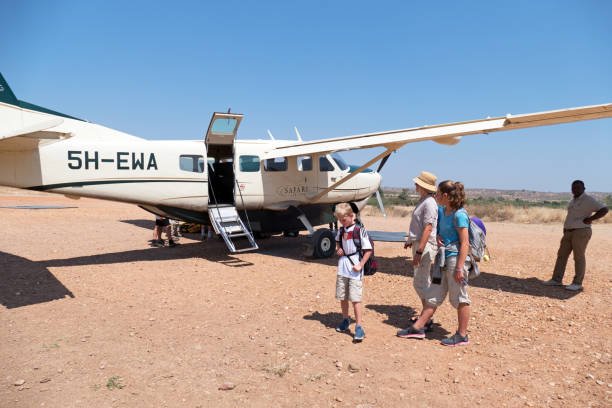
For many travelers, the most daunting aspect of a fly-in safari from Zanzibar is not the cost, but the transition from the relaxed, beach-centric atmosphere of the island to the rugged, operational reality of bush aviation. Light aircraft—typically Cessna Caravans or similar bush-capable planes—operate under strict physical constraints that differ significantly from commercial jet travel. Understanding these nuances before you pack your bags will save you stress at the airstrip and ensure your trip begins smoothly.
The Soft-Bag Mandate
The most critical rule for any fly-in safari is the requirement for soft-sided luggage. Because light aircraft have limited, irregularly shaped cargo holds, hard-shell suitcases often cannot fit. Even if your suitcase is small, its rigid frame prevents it from being molded into the available space. We strongly recommend using a duffel bag with no rigid frame or wheels. If you are traveling with a hard suitcase, you will likely be asked to leave it at your Zanzibar hotel or at the airport storage facility, which is an unnecessary logistical headache. Packing light also helps you stay within the strict weight limits—usually 15 kilograms (33 pounds) per person—which are enforced for safety reasons, not just airline policy.
The Airstrip Transition
Unlike major international airports, bush airstrips are rarely more than a cleared stretch of dirt or grass. There are no jet bridges, no conveyor belts, and often, no indoor waiting lounges. When your flight lands, the experience is immediate. You will step directly from the plane onto the ground, where your driver-guide will be waiting with the safari vehicle. This transition is usually smooth, but it requires you to be “safari-ready” upon landing. Keep your camera, sunscreen, hat, and a light jacket in your carry-on bag or on your person. Once you land, there is rarely time to dig through your main luggage to change clothes or find gear.
Flight Logistics and Weather
Flights from Zanzibar to Nyerere or Mikumi are essentially low-altitude sightseeing tours. Because you are flying lower than commercial jets, you will have incredible views of the coastline, the delta, and the Tanzanian interior. However, because these aircraft are smaller, they are more sensitive to weather conditions. While pilots are highly experienced and will always prioritize safety, minor delays due to visibility or wind are part of the bush-flying experience. Maintain a flexible mindset; a 30-minute delay is a common occurrence in bush aviation and is rarely a cause for concern.
Safari Etiquette and Practical Realities for Short-Stay Travelers
When you are on a 1-to-3-day safari, every hour counts. Understanding the unwritten rules of the bush will help you maximize your time and ensure you are a respectful guest in these protected ecosystems.
The Importance of Layering
The climate in the Tanzanian bush differs significantly from the Zanzibar coast. While the beach might be a humid 30°C (86°F), early morning game drives often start before sunrise when temperatures can drop to 15°C (59°F) or lower. Conversely, by midday, the sun can be intense. The most effective strategy is dressing in layers. A lightweight, neutral-colored long-sleeved shirt is ideal for protection against both the sun and biting insects, worn over a t-shirt. A fleece or windbreaker is essential for the early morning drive and can be easily removed as the day warms up.
Wildlife Viewing Ethics
You may be eager to see the “Big Five” in a short timeframe, but it is vital to remember that you are visiting a natural habitat, not a zoo. Professional guides are trained to read animal behavior. If a guide chooses not to drive closer to a lion or an elephant, it is usually because the animal is showing signs of stress, or because moving closer would disrupt their hunting or social patterns. Respecting these boundaries ensures the animals remain wild and safe. Additionally, noise discipline is crucial; while it is exciting to see wildlife, keep your voice low and avoid sudden movements, which can startle animals and ruin the experience for everyone in your vehicle.
Tipping and Local Customs
Even on a short, budget-conscious safari, tipping is an expected part of the service culture in Tanzania. It is a gesture of appreciation for the driver-guide who has navigated the terrain, shared their knowledge, and ensured your safety. While there is no “fixed” percentage, it is customary to tip your guide at the end of your trip. If you are unsure of the appropriate amount, feel free to ask your operator for a guideline before you leave Zanzibar. Carrying small denominations of Tanzanian Shillings or US Dollars (post-2009 series) is the most practical way to handle these tips, as well as any small purchases at park gates or rest stops.
Managing the Beach-to-Bush Transition: Operational Logistics
For many travelers, the most significant logistical hurdle of a fly-in safari from Zanzibar is not the flight itself, but the operational transition between your beach resort and the airport. Because Zanzibar is a relatively large island with limited road infrastructure and variable traffic, the “day of” logistics require precise planning to ensure you do not miss your bush flight or, conversely, spend your entire budget on expensive private taxi transfers.
The Luggage Storage Strategy
Since the soft-bag mandate is a non-negotiable reality of light aircraft operations, you are faced with a logistical puzzle: what happens to your main, hard-sided luggage while you are in the bush? Most reputable Zanzibar hotels and safari operators have developed standard protocols to manage this. The most common and cost-effective solution is to coordinate with your hotel reception to store your hard-sided suitcases in their secure luggage room for the duration of your safari. Because you will likely be returning to the same hotel, this is a standard service, though you should confirm this in writing during your booking process.
If you are switching hotels after your safari, the logistics become more complex. In this scenario, you must arrange for your luggage to be transferred to your new accommodation or, if your operator allows, have the safari driver meet you at the airport upon your return to transfer your bags directly to your next destination. Never assume that your luggage can be stored at the Zanzibar airport (ZNZ); there are no long-term lockers or secure storage facilities designed for tourist luggage. Always finalize your luggage strategy at least 48 hours before your departure to avoid last-minute stress.
Navigating Zanzibar Island Transfer Times
Zanzibar’s geography dictates your wake-up time. The airport is located near Stone Town, while many of the most popular resorts are located in Nungwi or Kendwa (the north) or Paje/Michamvi (the east). A transfer from the north to the airport can take anywhere from 90 minutes to two hours, depending on road conditions and time of day. If your bush flight is scheduled for an early morning departure—which is standard to maximize your time in the park—you may be looking at a 4:30 AM or 5:00 AM departure from your hotel.
To keep your budget intact, avoid booking private, high-end airport transfers through third-party luxury concierge services. Instead, ask your hotel or your safari operator for a recommended, reliable local taxi provider. These drivers are accustomed to the early morning “safari run” and understand the necessity of punctuality. If you are staying in a remote area, consider the cost-benefit of moving to a hotel closer to the airport for the night before your safari. While it adds the cost of an extra hotel night, it reduces the risk of traffic delays and allows for a more relaxed morning, ensuring you arrive at the airport with the recommended 60-minute lead time for domestic check-in.
Coordinating Hotel Check-outs and Returns
A frequent point of friction for budget travelers is the “lost night” at their beach resort. If your safari is a 2-day, 1-night excursion, you will technically be checked out of your hotel while you are in the bush. To optimize costs, discuss a “baggage storage and return” agreement with your resort manager. Many hotels will allow you to store your luggage for free if you are returning to their property after the safari. Some resorts may even offer a discounted rate for the night you are away, but this is entirely discretionary.
When returning to Zanzibar, be aware that bush flights are susceptible to minor delays due to weather or operational requirements. Do not book a flight out of Zanzibar (to your home country or next destination) for the same evening you return from your safari. Always build in a buffer day. Arriving back at ZNZ in the late afternoon gives you enough time to collect your luggage, transfer to your hotel, and decompress before your onward journey. This buffer is not just for comfort; it is a critical safety net that prevents a minor flight delay in the bush from turning into a missed international connection.
Optimizing Your On-Ground Safari Vehicle Strategy
Once you have landed at the bush airstrip, the next major component of your budget fly-in safari is the game drive vehicle. This is often where budget-conscious travelers can make the most significant savings—or, conversely, where they can accidentally overspend. Understanding the difference between shared and private game drives is essential for keeping your package price within your target budget.
Shared Game Drives: The Budget Standard
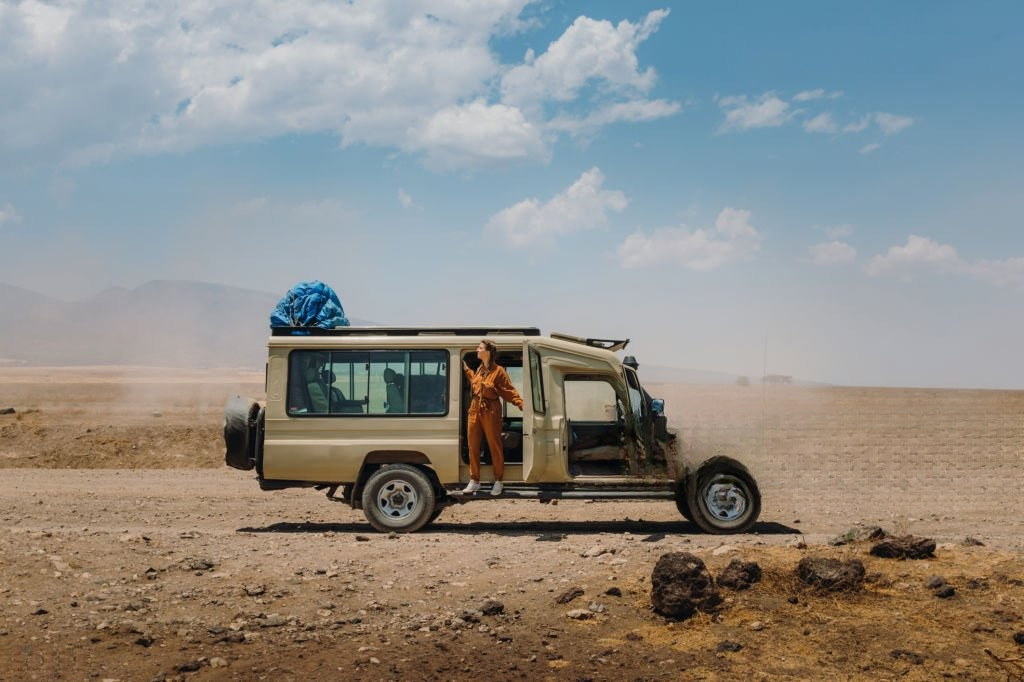
Most budget-friendly fly-in packages are built on the assumption that you will be joining a shared game drive vehicle. In this model, you share the 4×4 Land Cruiser or Land Rover with other guests staying at the same lodge or camp. This is not only the most cost-effective way to explore the park, but it is also the industry standard for short-stay itineraries. By splitting the fuel, vehicle maintenance, and guide fees among 4 to 6 people, the per-person cost drops significantly.
The primary advantage, beyond price, is that these vehicles are often grouped by lodge. This means your fellow passengers are likely on a similar schedule, reducing the chance of waiting for others to finish their breakfast or pack their bags. If you are a solo traveler or a couple, shared drives are almost always the recommended choice for a budget trip.
The Hidden Costs of Private Game Drives
If you request a private vehicle, you are essentially paying for the entire capacity of that car. For a 1-day or 2-day safari, this can increase the total cost of your package by 30% to 50%. While privacy is appealing, it is important to weigh this against the actual benefit. In parks like Nyerere or Mikumi, the wildlife viewing areas are well-mapped, and professional guides communicate via radio. A private vehicle does not necessarily guarantee “better” wildlife sightings; it simply guarantees that you dictate the pace.
If you are traveling as a family of four or more, a private vehicle often becomes the default and cost-effective option, as you are filling the vehicle anyway. However, for parties of one or two, requesting a private vehicle on a budget-focused trip often defeats the purpose of the “fly-in” cost-saving strategy.
Vehicle Quality and Open-Sided Configurations
When reviewing your quote, ask specifically about the vehicle configuration. Budget-friendly packages in the Tanzanian bush often utilize open-sided 4×4 vehicles with pop-up roofs. These are specifically designed for photography and visibility. Do not be misled into thinking that a “budget” vehicle is an inferior one; in the context of Nyerere or Mikumi, the vehicles used for budget travelers are usually the same rugged, reliable 4x4s used by luxury operators. The difference in price usually stems from the *exclusivity* of the vehicle (private vs. shared) rather than the age or model of the truck itself.
Communicating Your Vehicle Preference
When you contact an operator for a quote, be explicit about your vehicle preference to avoid surprises. If you simply ask for a “budget safari,” the operator will default to a shared vehicle. If you prefer to avoid crowds, you can ask for a “guaranteed window seat” or inquire about the maximum number of people allowed in the vehicle during your dates. Knowing these details upfront allows you to compare quotes accurately, ensuring you are not comparing a private-vehicle quote from one operator against a shared-vehicle quote from another.
Navigating Dietary Requirements and Bush Catering
One of the most frequently overlooked aspects of planning a budget-conscious fly-in safari from Zanzibar is the logistical challenge of catering. When you are operating on a tight budget and a short timeline, you may assume that meal service in the bush is standardized. However, because fly-in lodges in remote areas like Nyerere or Mikumi rely on supply chains that arrive by light aircraft or long-distance road transport, managing dietary restrictions requires proactive communication.
If you have specific dietary needs—such as vegan, gluten-free, halal, or severe food allergies—you must communicate these to your tour operator at the time of booking, not upon arrival at the lodge. Most bush camps are small and do not carry a wide inventory of specialty food items. If you arrive at a remote camp expecting a wide variety of gluten-free alternatives without having requested them weeks in advance, you may find your meal options limited to basic fruits and vegetables. Because these lodges operate in isolated environments, they cannot simply run to a grocery store to accommodate a last-minute request.
Furthermore, understand the structure of “bush dining.” Most budget fly-in packages include full-board accommodation, which typically means breakfast, lunch, and dinner are provided. On a 1-day or 2-day trip, your lunch is often served as a “packed lunch” or a picnic while out on a game drive. This is done to maximize your time in the field, as driving back to the lodge for a midday meal would waste hours of precious safari time. When you request a special meal, ensure you specify whether this applies to the lodge dinners or the picnic lunches, as these are often prepared by different teams or in different kitchen facilities.
The Reality of Connectivity and Power in the Bush
Budget travelers often expect the same level of digital connectivity in the bush as they enjoy at their Zanzibar beach resort. However, it is important to recalibrate your expectations regarding Wi-Fi and electricity. Many budget-friendly lodges in Nyerere and Mikumi utilize solar power or generator-backed systems to minimize their environmental footprint and operational costs. This often means that electricity may be switched off during certain hours of the day, or that power outlets are limited to central communal areas rather than inside your individual tent or room.
If you rely on your devices for photography, uploading daily updates, or keeping in touch with family, plan accordingly. Bring a high-capacity power bank that can charge your phone and camera batteries multiple times. Do not count on being able to plug in your devices overnight in your room. Additionally, while some lodges offer Wi-Fi in the main lounge, it is rarely high-speed or reliable enough for video calls or large file uploads. Treat your safari as a digital detox; the lack of connectivity is a feature of the remote bush experience, not a failure of the service.
Understanding the “Park Fees” vs. “Package Price” Distinction
A common point of confusion for travelers is the distinction between the “package price” and the “park entry fees.” When you receive a quote, always clarify if the price is “all-inclusive” or if park fees are extra. In Tanzania, park fees are set by the government and are subject to change. They are typically charged on a per-person, per-day basis and can be quite high compared to the cost of the accommodation itself.
Some budget operators quote a low base price to make their offer look more attractive, only to add the park fees as a “surcharge” later. A transparent quote should clearly list the park entry fees as a separate, fixed line item. If the operator refuses to break down the costs, be cautious. You should know exactly how much of your payment is going to the Tanzanian government for conservation and how much is paying for your flight, vehicle, and lodge. This distinction is vital because if your flight is canceled due to weather and you cannot enter the park, you are entitled to a refund of the park fees, even if the lodge or flight costs are subject to different cancellation policies.
Health and Safety Protocols for the Bush
While a fly-in safari from Zanzibar is a managed, professional experience, moving from a coastal environment to the rugged interior of Tanzania involves specific health considerations that budget-conscious travelers often overlook until it is too late. Because these trips are short—often just 24 to 72 hours—the sudden change in environment can affect your physical comfort if you are not prepared. The most significant health factor is malaria prophylaxis. While Zanzibar is largely managed, the mainland national parks like Nyerere and Mikumi are high-risk areas. If you have opted to skip malaria medication for your beach stay, you must consult a travel clinic or your doctor about restarting or maintaining a regimen specifically for the bush portion of your trip. Do not assume your beach-based health precautions are sufficient for the inland interior.
Beyond medication, hydration management is critical. The heat in the bush is often drier and more intense than the humid breeze of the Zanzibar coast. On a short-stay safari, you will likely spend 6 to 8 hours a day in a game drive vehicle. Dehydration can set in rapidly, leading to headaches and fatigue that ruin your limited time. Most safari vehicles provide bottled water, but these are often single-use plastic bottles. To be both budget-conscious and environmentally responsible, bring a reusable, insulated water bottle. You can refill this from larger containers at the lodge or camp, ensuring you always have cold water during your game drives without relying on the lodge to provide constant, individually wrapped plastic bottles.
Furthermore, understand the physical limitations of your environment. You are in a remote wilderness; medical facilities are not around the corner. If you have specific medical conditions, such as asthma or severe allergies, carry your medication in your carry-on luggage, not your checked soft-bag. Because you are flying in a light aircraft, your bags may be separated from you during transit. In the event of a medical emergency, evacuation insurance is not just a recommendation; it is an essential safety net. Many budget travelers assume their standard travel insurance covers “safari activities.” Check your policy carefully to ensure it explicitly covers medical evacuation by air from remote airstrips. If it does not, most reputable Tanzanian safari operators can facilitate a temporary, short-term evacuation cover for the duration of your bush stay. This is a small, one-time cost that provides immense peace of mind.
Understanding the ‘Single Supplement’ Trap
For solo travelers, the budget fly-in safari presents a unique financial hurdle: the single supplement. Because lodges and camps in Nyerere and Mikumi are built on a “per person sharing” model, the fixed costs of the room—cleaning, maintenance, and staffing—are spread across two guests. When you travel alone, the lodge still incurs these costs, which they pass on to you as a single supplement. This can increase the price of your accommodation by 30% to 50%, effectively negating the “budget” aspect of your trip.
To mitigate this, you must be strategic during the booking phase. First, ask your operator if they have any “solo-friendly” camps. Some smaller, owner-run bush camps are more flexible and may waive the supplement during the low season (typically November through March). Second, inquire if the operator can pair you with another solo traveler on the same flight or vehicle. While this is not always possible, it is worth asking. Third, consider the “room type” you are booking. Some lodges offer smaller, non-view, or “standard” tents that do not carry the same high single supplement as their premium, river-view suites. If you are only in the room to sleep, prioritizing the basic tent category is a direct way to avoid paying for luxury amenities you will not use.
Navigating Photography and Gear Constraints
For many travelers, a safari is the ultimate photographic opportunity. However, the constraints of a fly-in safari—specifically the 15kg (33lb) weight limit on light aircraft and the open-sided nature of safari vehicles—create a unique challenge for those carrying professional or enthusiast-level camera gear. Balancing the desire for high-quality wildlife imagery with the strict logistical realities of bush aviation requires careful planning.
The Weight-Versus-Capability Trade-off
The most common mistake is assuming that your camera bag is separate from your luggage allowance. On light aircraft, the 15kg limit is absolute and includes your hand luggage, camera bag, and personal items. If you are traveling with a DSLR or mirrorless system, your camera bag likely accounts for 30% to 50% of your total allowance. To stay within limits, prioritize versatility over range. Instead of packing multiple heavy prime lenses, consider a high-quality, weather-sealed zoom lens (such as a 100-400mm or similar) that covers a broad focal range. This reduces the number of items you need to carry and simplifies your workflow in the field, where changing lenses in a dusty environment is highly inadvisable.
Dust Mitigation in Open-Sided Vehicles
The Tanzanian bush is incredibly dusty, especially during the dry season (June to October). Because your safari vehicle will likely be an open-sided 4×4, your gear will be exposed to fine, abrasive particles that can infiltrate sensors and focus rings. Do not rely on your camera’s weather sealing alone. Carry a dedicated, lightweight dust cover or, at the very least, a clean, lint-free pillowcase or microfiber cloth to drape over your camera when you are moving between sightings. Never leave your camera lying on the seat; keep it in a soft-sided, padded camera insert that can be easily tucked into your lap or a secure footwell. If you are using a beanbag support for stability, ensure it is filled with beans or rice upon arrival at the lodge, as carrying pre-filled beanbags adds unnecessary weight to your flight allowance.
Power Management for Long Game Drives
While lodges and camps are increasingly equipped with solar power, you cannot rely on the vehicle to charge your equipment. Game drives can last 4 to 6 hours, and the constant use of viewfinders, autofocus, and image stabilization will drain batteries faster than you expect. Ensure you have at least two fully charged spare batteries for every day of your safari. Furthermore, while some modern safari vehicles are retrofitted with charging ports, these are often unreliable or slow. Carry a high-capacity power bank specifically designed for your camera’s charging system or a USB-C PD (Power Delivery) charger that can handle the input. Charge your batteries every night at the lodge, and treat your power bank as an emergency backup rather than your primary charging method.
The “Fly-In, Drive-Out” Hybrid Strategy
For budget-conscious travelers looking to shave significant costs off their safari package, the “fly-in, drive-out” hybrid model is a frequently overlooked alternative to the standard round-trip flight. In this scenario, you utilize the light aircraft to reach the park quickly—ensuring you don’t lose half your first day to travel—but you opt for a road transfer and ferry connection for the return journey to Dar es Salaam and subsequent transit to Zanzibar. This strategy can reduce the total package price by 20% to 35%, as the cost of the return flight is often the most expensive single line item in a short-stay itinerary.
Calculating the Financial Trade-off
The primary appeal of the hybrid model is purely financial, but it requires a realistic assessment of your personal tolerance for travel fatigue. When you fly into Nyerere or Mikumi, you are covering distance that takes four to six hours by road in under an hour by air. By choosing to drive back, you are effectively trading your time for these savings. Before opting for this, calculate the “cost per hour” of your vacation. If your safari is only a 2-day, 1-night trip, spending six hours on a bumpy road on your final day can leave you physically exhausted, potentially impacting your enjoyment of your remaining days on the beach. However, for a 3-day or longer itinerary, the return journey is often seen as a manageable, albeit rugged, “final tour” of the Tanzanian countryside.
The Reality of the Return Road Journey
It is vital to understand that the return drive from the bush to Dar es Salaam is not a smooth highway experience. From Nyerere National Park, the roads can be unpaved and highly variable depending on the season. During the rainy season, these routes can become difficult, increasing travel time significantly. From Mikumi, the drive is generally smoother as it connects to the main Morogoro-Dar es Salaam highway, but this route is notorious for heavy truck traffic and congestion as you approach the city. You must ensure your operator provides a reliable, well-maintained 4×4 vehicle for this transfer, as vehicle breakdowns on these routes are common and can cause you to miss your ferry connection to Zanzibar.
When to Avoid the Hybrid Option
There are specific circumstances where the hybrid strategy is ill-advised. If your return flight to your home country is scheduled for the same evening as your return from the bush, do not choose the drive-out option. The unpredictability of road traffic in Dar es Salaam and potential delays at the ferry terminal create a high risk of missing your international connection. Additionally, if you are traveling with young children or have mobility concerns, the physical strain of a multi-hour drive over uneven terrain—often in a vehicle lacking the climate control of a standard bus or train—may outweigh the financial benefits. Always confirm with your operator that the drive-out option includes the necessary ferry tickets and that the arrival time at the ferry terminal provides a buffer of at least three hours before your onward connection.
The Reality of Last-Minute Booking from Zanzibar
Many travelers arrive in Zanzibar with a loose itinerary, deciding only upon arrival that they wish to add a safari. While this flexibility is part of the charm of island travel, it introduces a specific set of challenges for the budget-conscious fly-in safari seeker. Unlike land-based tours that can often accommodate an extra person on a bus with minimal friction, a fly-in safari relies on limited-capacity light aircraft and specific airstrip slots, making last-minute planning a distinct logistical hurdle.
The Availability Paradox
The primary constraint of booking a fly-in safari from Zanzibar with less than 48 hours’ notice is seat inventory. Light aircraft serving routes like Zanzibar to Nyerere or Mikumi often carry between 12 and 19 passengers. During peak seasons (July to September and December to February), these flights are frequently booked to capacity weeks in advance. If you attempt to book a last-minute trip, you are not just competing for a hotel room; you are competing for a seat on a specific flight path. When flight availability is low, operators may be forced to book you on a more expensive, non-scheduled charter or a flight with a less favorable routing, which inevitably drives up the total package cost and undermines your budget goals.
Leveraging Seat Consolidation
If you are already on the island and determined to find a budget-friendly safari, your best strategy is to inquire about “seat consolidation.” This occurs when an operator has an existing booking for a flight that is not yet full. By joining an existing group, you share the fixed cost of the aircraft charter, which is significantly cheaper than booking a private flight or a last-minute seat on a commercial-style bush flight. When approaching local operators in Stone Town or via your hotel concierge, do not simply ask for a price; ask: “Do you have any confirmed departures with empty seats that I can join?” This approach shifts the conversation from a custom booking to a slot-filling exercise, which is the most effective way to secure a competitive rate on short notice.
The Seasonal Impact on Last-Minute Pricing
It is a common misconception that last-minute bookings in the bush offer “clearance” prices. In reality, the opposite is often true. Because park entry fees are fixed by the government and are non-negotiable, the only variable costs an operator can manipulate are their profit margins and the vehicle/guide overhead. During the low season (April, May, and November), you have more leverage because lodges are operating at lower occupancy and are often eager to fill rooms. In these months, you may find that last-minute booking is not only possible but can occasionally yield a discount if the lodge is trying to meet minimum operational thresholds. Conversely, during high season, last-minute requests often result in paying a premium for the convenience of securing a space where none was planned, as operators must scramble to coordinate logistics, transfers, and vehicle availability in a high-demand environment.
Decoding the “All-Inclusive” Safari Package: Hidden Exclusions
In the context of fly-in safaris from Zanzibar, the term “all-inclusive” is perhaps the most misunderstood phrase in the industry. For the budget-conscious traveler, it is a marketing term rather than a legal guarantee. Because profit margins on budget packages are razor-thin, operators often strip away components that a traveler might naturally assume are covered, only to reveal them as “extras” once the booking is confirmed or, worse, once the guest has arrived at the lodge. To protect your budget, you must audit every quote specifically for these common, often-omitted line items.
The “Excursion vs. Safari” Distinction
A frequent trap involves the difference between a “safari package” and a “park excursion.” Some low-cost operators advertise a “Nyerere Safari” that technically only covers the flight and the park entry fee, but excludes the actual game drive vehicle. In this scenario, you land at the airstrip and are expected to pay an additional daily rate for the vehicle and guide, which can easily double the cost of your trip. When reviewing your itinerary, explicitly confirm that the “4×4 game drive vehicle” and the “professional guide/driver” are included in the total package price. Never assume that the vehicle is a standard part of the lodge’s operating cost; in many remote bush camps, the vehicle and the accommodation are billed as separate entities.
The Ground Transfer Ambiguity
The transition from your Zanzibar resort to the airport is often the first point of failure. Many budget safari packages are “airstrip-to-airstrip,” meaning the operator takes no responsibility for getting you from your hotel in Nungwi or Paje to the Zanzibar airport (ZNZ). While this seems like a minor logistical detail, a private taxi transfer across the island can cost a significant amount, especially if you have a 6:00 AM flight departure. Always ask the operator: “Does this package include door-to-door transfers from my specific hotel, or does it start at the airport?” If it does not include the hotel transfer, factor in the cost of a private taxi, as hotel-arranged shuttles are often the most expensive option.
The “Per 24-Hour” vs. “Per Entry” Park Fee Trap
Tanzania National Parks Authority (TANAPA) fees are the most significant unavoidable cost of your trip, and they are notoriously complex. Some budget operators quote a “per day” fee, while the park actually charges on a “per 24-hour” cycle. If your flight arrives at 11:00 AM on Day 1 and departs at 9:00 AM on Day 2, you are technically within the 24-hour window for a single-day fee. However, if your return flight is delayed until the afternoon, you may be liable for a second full day of park fees. Always clarify if your package includes a “buffer” for park fees or if you will be required to pay the difference in cash at the gate if your itinerary pushes past the 24-hour mark. This is a common point of contention where budget travelers are surprised by a $50–$100 surcharge at the park exit.
Beverage Policies and “Bush” Pricing
While “full board” (breakfast, lunch, and dinner) is standard for most safari lodges, the definition of “all-inclusive” rarely extends to beverages. In the arid, high-heat environment of Nyerere or Mikumi, your consumption of bottled water, sodas, and juices will be significantly higher than at your beach resort. Budget lodges often have a “meals-only” policy, where even drinking water is charged per bottle. Given the markups in remote areas, a few bottles of water and a couple of sodas per day can add a substantial, unexpected cost to your final bill. Before booking, ask if “table water” is included with meals and if there is a “soft drink package” available, or if you should budget for these items as an additional expense.
The Conservation and Community Fee Ambiguity
Beyond the standard park entry fees, many private concessions and some national parks now levy additional “conservation fees,” “community development levies,” or “airstrip landing fees.” These are often omitted from the initial headline price to make the package appear more competitive. When you receive a quote, look for a line item that specifies “all taxes and fees included.” If you see a disclaimer stating “subject to change” or “fees to be paid locally,” you are essentially writing a blank check for your final day. Insist that the operator provides a total, inclusive price in writing, as this forces them to account for these variable costs at the time of booking rather than passing the uncertainty on to you.
The Post-Safari Re-Entry Logistics: Navigating the Return
One of the most frequently underestimated aspects of a budget fly-in safari is the “re-entry” process. While much attention is paid to the departure from Zanzibar, the logistical friction of returning to the island is where many itineraries unravel. When you return from a 1-day or 2-day safari, your flight will typically touch down at Zanzibar International Airport (ZNZ) between 4:00 PM and 6:00 PM. By the time you clear the small, often congested terminal and secure transport to your resort—particularly if you are staying in the remote northern regions like Nungwi or Kendwa—it can easily be 8:00 PM or later. This transition from the dust and heat of the bush to the cool, humid air of the coast is physically draining, and failing to plan for this arrival can leave you stranded without access to your hotel room or luggage.
The “Day-Use” Strategy for Late Returns
If you have checked out of your resort on the morning of your safari departure, you are essentially homeless upon your return. Many travelers assume they can simply leave their luggage at the hotel reception and access their room, but hotel policies vary wildly. To avoid being stuck in a hotel lobby with your safari gear for several hours, negotiate a “day-use” rate or a guaranteed late check-out before you leave for the bush. A day-use room allows you to keep your accommodation until your evening flight or until you are ready to shower and change after your safari. If a full day-use rate is outside your budget, inquire specifically about “shower access”—some resorts offer a small fee for access to a gym or spa facility where you can clean up before dinner. Do not assume this is a standard service; it must be confirmed in writing with your resort manager before your safari departure, as front-desk staff during the evening shift may not have the authority to grant these requests.
The Domestic Flight Security Reality
Despite Zanzibar being part of the United Republic of Tanzania, flights to the mainland are classified as domestic, which often leads travelers to become complacent regarding documentation. However, the security protocols at Zanzibar Airport are rigorous and strictly enforced. You must carry your original passport or a government-issued photo ID that matches the name on your flight ticket. Photocopies or digital scans on your phone are frequently rejected by airport security, and there is no recourse if you are turned away at the gate. Furthermore, if you are moving between hotels—for example, if you checked out of a hotel in Paje and intend to check into a hotel in Nungwi upon your return—ensure your transfer is pre-booked. Taxis at the ZNZ arrivals terminal are plentiful, but they are significantly more expensive than pre-arranged transfers, and the “safari fatigue” you will feel makes negotiating with airport taxi drivers an unnecessarily stressful end to your trip.
The “Big Five” Expectation Gap in Budget Fly-In Safaris
One of the most significant sources of dissatisfaction for budget-conscious travelers is the disparity between marketing promises and the reality of short-stay wildlife viewing. Many budget packages for Nyerere (Selous) or Mikumi are marketed with the implicit—and sometimes explicit—promise of seeing the “Big Five” (lion, leopard, elephant, buffalo, and rhino). While these animals inhabit these parks, the reality of a 24-to-48-hour fly-in safari is that wildlife viewing is a game of probability, not a guaranteed checklist. Unlike the Serengeti, which features vast, open plains that make spotting predators relatively straightforward, Nyerere is characterized by dense Miombo woodland and thick riverine vegetation. In this environment, animals are naturally more elusive.
When you book a short, budget-focused trip, you are essentially purchasing a “snapshot” of the ecosystem. If your primary goal is to tick off a list of five specific species, you are setting yourself up for potential frustration. A more sustainable approach for the short-stay traveler is to shift the goalpost from “species acquisition” to “habitat immersion.” In Nyerere, for example, the Rufiji River boat safaris offer a completely different perspective than land-based drives, allowing you to see hippos, crocodiles, and water birds in a way that is impossible in the Northern parks. By prioritizing the *experience* of the bush—the sounds, the scale, and the unique landscapes—rather than the pressure of finding a leopard, you insulate your trip against the disappointment that comes when the wildlife decides to remain hidden.
The Pitfalls of “Multi-Park” Blitz Itineraries
In an attempt to offer “more value” for a similar price point, some budget operators promote “Combo Safaris” that attempt to squeeze two different national parks (e.g., Mikumi and Nyerere) into a two-day itinerary. For the uninitiated, this sounds like a superior deal. In operational practice, this is frequently the least efficient way to experience the Tanzanian bush. These itineraries often suffer from what industry veterans call “Airstrip Fatigue.”
Every time you transition between parks, you are not just moving between wildlife zones; you are subjecting yourself to a rigid, time-consuming logistical chain. This involves checking out of your lodge, driving to the airstrip, waiting for the flight, landing at the new park, meeting a new driver, completing the park entry formalities, and driving to your new lodge. When you are on a two-day trip, this transition can consume four to five hours of your limited time. By the time you reach your second destination, you are often exhausted, and you have missed the prime early-morning game viewing window. Furthermore, you lose the continuity of the safari experience. A good safari relies on building a rapport with your driver-guide, who learns your preferences and photographic interests over the course of the trip. When you switch parks, you switch drivers, and you must restart that relationship-building process from scratch. For the budget traveler, the “one park, two days” model is almost universally superior to the “two parks, two days” model. It allows you to maximize your time on the ground, minimize your exposure to transit-related delays, and actually settle into the rhythm of the bush.
The “Habitat Familiarization” Factor
Beyond the logistics, there is a biological reality to consider: each park has a distinct “personality” that takes time to learn. Mikumi is often favored for its accessibility and open savanna-like plains, which are reminiscent of the classic East African safari landscape. It is excellent for spotting large herds of ungulates and elephants in a relatively compact area. Nyerere, by contrast, is a massive, wilder wilderness where the terrain shifts from open plains to dense forests and intricate river systems. If you spend your first day in Mikumi trying to understand the terrain and your second day in Nyerere doing the same, you are perpetually in a state of “learning the landscape” rather than “finding the wildlife.” By committing to a single destination for your 48-hour window, you allow your driver to leverage their knowledge of local animal movements—such as where a specific pride of lions has been active over the last 48 hours—which significantly increases your chances of a high-quality sighting compared to a rushed, multi-park blitz.
Decoding the Accommodation Tiering Strategy
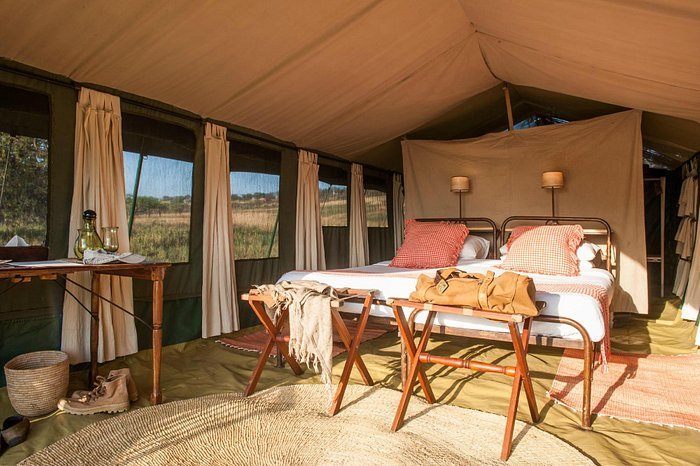
For the budget-conscious traveler, the accommodation included in a fly-in safari package is the single largest variable cost. It is crucial to distinguish between the three primary categories of housing found near Nyerere and Mikumi, as these distinctions directly dictate your package price. The most common category in budget packages is the ‘Permanent Tented Camp.’ These are not campsites in the traditional sense; they are semi-permanent structures featuring canvas walls on concrete or wooden platforms, often with en-suite bathrooms. They are significantly cheaper for operators to maintain than brick-and-mortar lodges, and these savings are typically passed on to you. If your goal is to minimize costs, prioritize these tented camps over ‘Safari Lodges,’ which are permanent, solid-structure buildings. While lodges offer better climate control and perceived security, they often carry a premium price tag for the infrastructure they provide.
A secondary, often overlooked factor is the ‘Location-to-Gate’ distance. Budget packages frequently utilize lodges situated just outside the national park boundaries. These ‘border lodges’ or ‘gate-adjacent camps’ are substantially more affordable because they avoid the high concession fees that lodges inside the park must pay to the Tanzania National Parks Authority (TANAPA). While staying outside the park means a 20-to-30-minute drive to reach the park gate each morning, this choice can reduce your total package price by 15% to 25%. For a short, two-day trip, this trade-off is often negligible, as the quality of wildlife viewing inside the park remains identical regardless of where you sleep.
The Game Drive Timing Trade-off: Full-Day vs. Split-Day
The operational structure of your game drives is a frequently misunderstood aspect of budget safari planning. Most operators offer two distinct styles of game viewing: the ‘Split-Day’ (morning and afternoon) and the ‘Full-Day’ (continuous) drive. Understanding the financial implications of each can help you negotiate a more favorable package. The ‘Split-Day’ model involves a morning drive, a return to the lodge for a hot lunch, a rest period, and an afternoon drive. While this allows for relaxation, it is operationally expensive. You are effectively paying for the driver to return you to the lodge, which consumes fuel and time, and you are utilizing the lodge’s facilities and staff for a full midday service.
Conversely, the ‘Full-Day’ drive—where you depart the lodge after breakfast with a packed lunch and remain in the bush until late afternoon—is the ‘budget-optimized’ choice. By remaining in the park, you eliminate the unproductive transit time spent driving back and forth to the lodge during the hottest part of the day, when wildlife activity is naturally lower. Furthermore, from an operator’s perspective, this reduces the logistics of the midday meal service. When requesting a quote, explicitly ask if the package includes a full-day drive. If an operator insists on the split-day model, ask if they can switch to a full-day format; it often results in a more streamlined itinerary that maximizes your time with the wildlife while potentially lowering the administrative burden on the lodge.
Evaluating the ‘Border Lodge’ vs. ‘Concession’ Value Proposition
When selecting your base of operations, be wary of the term ‘concession.’ In safari parlance, a concession is a private area of land leased from the government, usually situated inside or adjacent to the national park. Lodges located within these concessions often charge a premium—not necessarily because the wildlife is better, but because they have exclusive access to the land and fewer vehicles in the area. For a luxury traveler, this exclusivity is worth the cost. For the budget traveler, however, this premium is often unnecessary. The wildlife in Nyerere and Mikumi is migratory and does not respect the boundaries of a private concession. You will often find that a budget-friendly camp located just outside the gate offers the same proximity to the park’s central, wildlife-rich plains as a high-end concession lodge. Before booking, ask for the specific name of the lodge and verify its location on a map relative to the park entrance. If the lodge is significantly further out, inquire about the ‘transfer time to the gate.’ If the transfer time is under 45 minutes, the savings are usually worth the extra travel time.
The ‘Bush-to-Beach’ Health Protocol: Managing Malaria Prophylaxis and Emergency Evacuation
While most fly-in safari planning focuses on logistics and costs, a critical oversight for travelers moving directly from the pristine environment of Zanzibar to the rugged bush of Nyerere or Mikumi is the shift in health risk profiles. The Tanzanian bush, particularly in lower-altitude parks like Nyerere, is a high-risk malaria zone. Because your fly-in safari is likely short—often 24 to 48 hours—it is easy to succumb to the ‘vacation mindset’ and deprioritize health precautions that are essential for longer, more conventional trips.
The primary concern is the timing of your prophylaxis. Malaria medication, such as Malarone (atovaquone/proguanil), requires initiation before arrival in the endemic zone and continuation after departure. If you are flying from Zanzibar, where malaria risk is significantly lower (though not zero), you may be tempted to skip the pre-trip medication cycle. This is a significant error. Ensure your medical kit is packed before you leave your Zanzibar resort. Do not assume that your safari lodge will have a fully stocked pharmacy; while they will have basic first aid, they rarely carry specific prescription-strength antimalarials or specialized treatments.
Furthermore, consider the reality of emergency medical evacuation. In a fly-in safari scenario, you are essentially operating in a remote area with limited ground-based medical infrastructure. Most reputable safari operators include a basic ‘Flying Doctors’ membership or emergency evacuation insurance in their package price. However, you must explicitly verify this. Ask your operator: ‘Does the package include AMREF Flying Doctors coverage?’ If the answer is vague, clarify whether the coverage applies to the specific park you are visiting. In the event of a medical emergency, the light aircraft that brought you into the bush is often the only way out. Ensure you have a digital copy of your insurance policy and emergency contact numbers stored offline on your phone, as cellular signal is notoriously unreliable in the bush.
The ‘Last-Mile’ Documentation Reality: Why Your Passport and Permits Must Be Accessible
The transition from a relaxed Zanzibar beach environment to the regulated environment of a National Park requires a sudden shift in administrative diligence. A common point of friction for budget travelers is the management of physical documentation. You are not merely boarding a flight; you are entering a protected area that requires specific entry permits, which are often strictly tied to your passport details.
Keep your passport, yellow fever vaccination certificate (if applicable), and your printed safari vouchers in a dedicated, waterproof, and dustproof document pouch. Do not pack these in your main luggage, which will be stored in the cargo hold of the light aircraft or left at the Zanzibar hotel. At the airstrip, you will be required to present your passport to security officials and park rangers. Inconsistencies between your booking name and your passport name can lead to delays that, in a tight 24-hour itinerary, can result in missing your scheduled game drive. If you are traveling as a couple or a group, ensure each person is responsible for their own documents. The ‘group leader’ approach often fails at the airstrip when security personnel demand individual verification.
Additionally, if you are visiting Nyerere, be aware that park entrance fees are frequently processed via a digital payment system (TANAPA card or similar). While your operator handles the payment, the park rangers may ask to see the confirmation. Having a digital screenshot of your payment confirmation or the booking voucher on your phone is a fail-safe against system outages at the park gate. Never assume the park gate officials have access to your operator’s internal booking system; in the bush, paper or offline digital copies are the only currency that matters.
Navigating the ‘Bush-to-Beach’ Currency and Payment Friction
While digital payments have revolutionized travel in East Africa, the transition from the highly digitized tourism infrastructure of Zanzibar to the remote bush environment of Nyerere or Mikumi creates a unique financial vulnerability for the budget-conscious traveler. Many visitors assume that because they have paid for their safari package in full via credit card or international wire transfer before leaving home, they will not require cash while on safari. This assumption is a common logistical failure point that can lead to significant stress during your short trip.
The reality is that while your “all-inclusive” package covers the major costs, the bush environment operates on a localized cash economy for extras. Small, incidental expenses—such as purchasing an extra bottle of water, tipping a camp staff member, or buying a local craft item at a remote airstrip shop—often cannot be processed via card machines. Even when lodges claim to accept credit cards, the satellite-based internet connectivity required to process these transactions is notoriously unstable. If the connection drops during your transaction, you may find yourself unable to pay for your final bill, leading to awkward delays just as your departure flight is being called.
To mitigate this, carry a dedicated “safari cash fund” in Tanzanian Shillings (TZS). While US Dollars are widely accepted in Zanzibar, they are less practical in the bush. Using dollars for small purchases often results in unfavorable exchange rates provided by lodge staff, or worse, the inability to provide change. Having a supply of smaller denomination TZS notes ensures you can tip your guide, settle a bar tab, or purchase a souvenir without relying on shaky electronic payment systems. Aim to have the equivalent of $50 to $100 USD in TZS, specifically in smaller notes, to cover these minor expenses.
The ‘Last-Minute’ Medical and Dietary Declaration Protocol
In a budget fly-in safari, the turnaround time between your arrival at the airstrip and your departure for a game drive is often less than thirty minutes. This efficiency is a benefit, but it leaves zero margin for error regarding your personal health and dietary needs. A common mistake is assuming that the lodge or your safari operator will “figure it out” once you arrive. However, in remote bush camps, supply chains are tightly managed; food is often flown in or trucked from distant towns on a strict schedule.
If you have specific dietary requirements—such as severe allergies, strict vegetarianism, or religious dietary restrictions—these must be communicated to your operator at the time of booking, not upon arrival at the lodge. When you arrive at the airstrip, do not assume the guide meeting you has received the full briefing from the head office. Politely confirm your dietary needs with your guide immediately upon meeting them at the airstrip. If you have a severe allergy, carry your own emergency medication (such as an EpiPen) in your daypack, as the nearest medical facility may be hours away by light aircraft.
Similarly, ensure your medical profile is shared with your operator in writing. This includes any chronic conditions that might affect your ability to participate in long game drives, such as severe back pain or mobility issues. Because bush vehicles are often open-sided and traverse uneven, bumpy terrain, you must be honest about your physical limitations. If you have a back condition, inform the operator so they can attempt to seat you in a vehicle with better suspension or a more cushioned seat, though be aware that options are limited in budget-tier vehicles. This proactive communication prevents the “expectation gap” where you find yourself in a vehicle that is physically unsuitable for your needs, effectively ruining the safari experience you have already paid for.
Related Guides and Packages
Check Availability for Budget Fly-In Safari From Zanzibar: Best Packages & Prices 2026-2027
Ready to compare dates, prices, and the best option for your group? Send the package name and travel month so the team can reply with a clear quote, availability, and what is included.
Zanzibar To Ruaha National Park Fly-In Safari: Prices & Booking Guide
A practical guide to planning a fly-in safari from Zanzibar to Ruaha National Park, covering flight logistics, itinerary choices, and how to book with Climb 4 Africa.
View package details2-Day Nyerere Safari From Zanzibar: Flight-Inclusive Package Prices 2026-2027
An expert guide to planning a 2-day Nyerere safari from Zanzibar, covering flight-inclusive package structures, cost drivers, and the practical rhythm of a short-stay wildlife adventure.
View package detailsZanzibar To Mikumi Safari By Flight: Prices & Travel Options 2026-2027
A practical guide to the logistics, costs, and planning steps for flying from Zanzibar to Mikumi National Park.
View package detailsZanzibar To Serengeti Safari By Flight: Prices & Packages 2026-2027
A practical guide to booking a Zanzibar to Serengeti safari by flight in 2027, covering route options, baggage logistics, and how to choose the right itinerary length.
View package details
Zanzibar To Tarangire Safari By Flight: Prices & Travel Options 2026-2027
A detailed breakdown of the logistics, flight connections, and road transfers required to travel from Zanzibar to Tarangire National Park for a safari.
View package details
3-Day Serengeti Fly-In Safari From Zanzibar: All-Inclusive Package Prices 2027
Plan your ultimate Tanzanian adventure, combining Zanzibar's beaches with the Serengeti's wildlife. This guide details all-inclusive package pricing and logistics for a 3-day fly-in safari...
View package detailsZanzibar To Lake Manyara Flights: Prices & Safari Transfers 2026-2027
Zanzibar to Lake Manyara Flights: Prices & Safari Transfers is explained with current 2026-2027 planning, price, itinerary and booking information.
View package detailsSerengeti To Zanzibar Vs Arusha To Which Is Better After Safari? 2027
Choosing the right transfer to Zanzibar after a safari—Serengeti to Zanzibar or Arusha to Zanzibar—depends entirely on your safari route, time constraints, and budget. This guide breaks...
View package details2-Day Serengeti Safari From Zanzibar By Flight: Price & Booking Guide
A practical guide to booking a 2-day Serengeti safari from Zanzibar by flight, covering itinerary logistics, cost considerations, and how to maximize your short time in the bush.
View package details
Luxury Fly-In Safari From Zanzibar: Private Packages For 2026-2027
Experience the ultimate Tanzanian getaway with a luxury fly-in safari from Zanzibar. Discover private, all-inclusive packages tailored for smooth wildlife encounters.
View package details1-Day Nyerere National Park Safari From Zanzibar By Flight: 2026-2027
Planning a one-day fly-in safari to Nyerere from Zanzibar? Understand the logistics, travel times, and wildlife expectations for a 2026 or 2027 trip.
View package details2-Day Tarangire & Ngorongoro Safari From Zanzibar: Flight Package Cost 2026
A detailed guide on the logistics, cost factors, and itinerary realities for a 2-day fly-in safari from Zanzibar to Tarangire National Park and the Ngorongoro Crater.
View package detailsNo related package matches those filters. Clear one or more filters to see the other topic-matched options.



