
A Zanzibar to Ruaha National Park fly-in safari is a specialized, multi-day expedition that connects the island’s coastline directly to Tanzania’s largest and most remote wildlife sanctuary. Because Ruaha is geographically distant from Zanzibar, these trips are exclusively booked as full-service packages that bundle light aircraft transfers, park permits, internal logistics, and safari lodge accommodation. You should plan for a minimum of three days to make the flight time worthwhile, as the logistics of connecting bush flights often require a full day of travel on both ends. Prices for these packages vary significantly based on the season, the number of travelers, and the level of luxury, so you should request a custom quote rather than relying on standard rates.
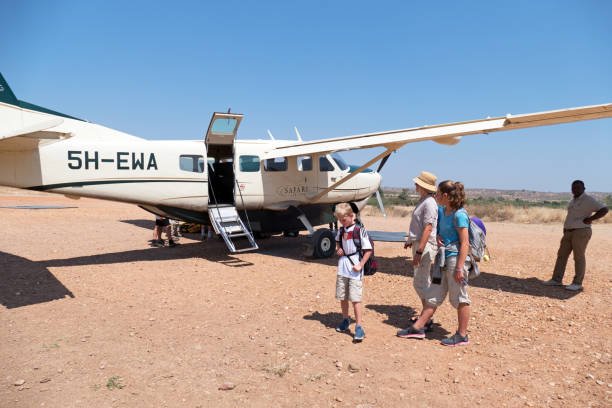

Traveling from the white sands of Zanzibar to the rugged, baobab-studded wilderness of Ruaha National Park is one of the most rewarding transitions you can make in Tanzania. Unlike the Northern Circuit, which is relatively accessible by road from Arusha, Ruaha is vast and wild, situated in the southern part of the country. A fly-in safari is not just a convenience; it is the only practical way to experience this park on a short itinerary without spending days traveling by land.
When you choose a fly-in safari, you are essentially buying time. You bypass the long, arduous road transfers that would otherwise consume your entire trip. Instead, you trade a few hours of travel for an aerial view of the Tanzanian landscape, landing directly at the Msembe Airstrip inside the park, ready for your first game drive within minutes.
Logistics of the Zanzibar to Ruaha Air Route
The flight path from Zanzibar (ZNZ) to Ruaha is a route that requires precise coordination. There are no direct commercial jets flying this path. Instead, the journey typically involves smaller, light-aircraft bush planes. These flights are often scheduled to align with safari demand, meaning they may not depart every single day.
Most travelers flying from Zanzibar will connect through Dar es Salaam or fly directly to the Msembe Airstrip if a charter schedule allows. The flight itself is part of the adventure, offering a low-altitude perspective of the diverse Tanzanian geography. However, because these are light aircraft, there are strict luggage restrictions—typically 15kg (33 lbs) in soft-sided bags. This is a critical logistical detail to manage before you leave your hotel in Zanzibar.
We strongly recommend coordinating your flight timings with your safari operator. If you book your flights independently, you risk missing the connection or finding that your arrival time in Ruaha doesn’t align with your game drive schedule. A cohesive booking through an operator like Climb 4 Africa ensures that your flight, ground transfer, and park entry are synced.
Planning Your Itinerary: 2 Days vs. 3 Days
The duration of your safari is the single biggest factor in the quality of your experience. While it is technically possible to book a 2-day trip, the travel logistics often mean you spend more time in transit than in the bush. We generally advise a 3-day minimum to ensure you have enough time to actually explore.
| Feature | 2-Day Safari (The Rush) | 3-Day Safari (The Experience) |
|---|---|---|
| Travel Time | High ratio of travel to safari time | Better balance; allows for relaxation |
| Game Drives | Usually 2 (one afternoon, one morning) | Usually 4-5 (full days of exploration) |
| Wildlife Exposure | Limited to a small radius near the airstrip | Deeper access to diverse sectors of the park |
| Fatigue Level | High; early starts after flight stress | Moderate; allows for a slower, observation-focused pace |
| Suitability | Best for travelers with very limited time | Recommended for photography and deep wildlife viewing |
In a 2-day package, your first day is effectively lost to the flight and the afternoon game drive, and your second day is cut short by the return flight. By extending to a 3rd day, you gain a full day in the heart of the park, which is essential in Ruaha. The park is famous for its massive elephant herds and high predator density—lions, leopards, and cheetahs. These animals do not always appear on cue; you need time to track them and observe their behavior without feeling the pressure of a flight schedule.
Cost Factors for 2026-2027
Pricing for a fly-in safari is not static. Because it involves chartering or booking seats on specialized bush flights, the price fluctuates based on several variables. Do not be misled by “all-inclusive” price tags that seem too low, as these often exclude the very costs that make a remote safari functional.
- Seasonality: The peak season (July to October) sees higher demand for flights and accommodation, driving up prices. Conversely, the shoulder seasons can offer better value, though you must weigh this against the probability of rain or lower wildlife visibility.
- Group Size: Private group bookings allow for better control over the itinerary, but shared flight seats—when available—can reduce the per-person cost.
- Accommodation Tier: Ruaha has a range of lodges, from rustic bush camps to high-end tented lodges. The lodge you choose dictates a significant portion of your total quote.
- Park Fees and Taxes: Tanzania frequently updates park entry fees and aviation taxes. Ensure your quote for 2026 or 2027 includes the most recent government-mandated rates.
When you request a quote, be specific about your dates. If your travel dates are flexible, mention this. Operators can often suggest specific windows where flight availability is better or where the park is less crowded, which can impact your overall experience and budget.
What Makes Ruaha Distinct from Northern Parks
If you have visited the Serengeti or Tarangire, you will notice an immediate difference in Ruaha. The landscape is dominated by the Great Ruaha River, which acts as a lifeline for the park’s wildlife. During the dry season, the river shrinks, concentrating animals in specific areas and making predator sightings more predictable.
The vegetation is different, too. The park is famous for its dense concentrations of baobab trees, which create a dramatic, almost prehistoric backdrop for photography. Because the park receives fewer visitors than the Northern Circuit, the game viewing experience is more solitary. You are less likely to encounter the long lines of safari vehicles that sometimes characterize popular parks in the north. This is a massive advantage for those who want a quiet, authentic connection with nature.
For those interested in other southern Tanzania destinations, you can compare this experience with our Nyerere National Park safari options, which offer a different kind of river-based wildlife viewing. If you are debating between regions, feel free to reach out to our team to discuss which park aligns better with your specific wildlife interests.
Booking Your Safari: The Practical Steps
Booking a fly-in safari requires more lead time than a standard hotel stay. Because flight capacity to remote airstrips like Msembe is limited, you should aim to finalize your plans at least 3 to 6 months in advance, especially if you are traveling during the peak months.
When you contact Climb 4 Africa, provide the following details to get an accurate, usable quote:
- Number of travelers: Including any children, as this impacts flight and room arrangements.
- Preferred travel dates: Be as specific as possible, or provide a range.
- Budget expectation: Are you looking for mid-range comfort or high-end luxury?
- Previous safari experience: This helps us understand if you are looking for specific wildlife, such as big cats or birdlife, which might influence our choice of camp.
You can reach out to us via email at info@climb-4-africa.com or our backup address climb4africa@gmail.com. For faster, more direct coordination, especially if you are already in Tanzania, you can send a message via WhatsApp at +255 747 477 898. We can provide current availability for flights and assist with the necessary permits for your travel dates.
Frequently Asked Questions
Is a fly-in safari safe?
Yes. The light aircraft used for these transfers are maintained to high safety standards, and pilots are experienced in bush operations. The airstrips in Ruaha are well-managed and monitored.
What should I pack for a fly-in?
Weight is the primary constraint. Pack light, using soft-sided bags instead of hard suitcases, as these fit better in the small cargo holds of bush planes. Stick to neutral colors—khaki, tan, or olive—and bring layers, as early morning game drives can be quite cold.
Do I need a visa for these internal flights?
You need a visa to enter Tanzania, but your internal flight from Zanzibar to Ruaha is a domestic journey. Ensure your passport and visa are in order for your initial arrival in the country.
Can I combine Ruaha with other parks?
Absolutely. Many travelers combine Ruaha with a visit to Nyerere National Park or even return to the north. However, this requires careful flight routing. We can help you map out a multi-park itinerary that minimizes travel time.
Planning a trip of this nature is an exercise in logistics. By choosing to fly, you are opting for efficiency and comfort, allowing you to maximize your time in one of the most beautiful, untamed parts of Africa. Whether you are a solo traveler, a couple, or a family, the key to a successful Ruaha safari lies in the preparation and the quality of the operator you choose to manage the moving parts. We are here to help you navigate those details, from the initial flight inquiry to the final game drive.
Understanding the Safari Activity Mix in Ruaha
While the Northern Circuit of Tanzania is often defined by high-volume, vehicle-based game drives, a fly-in safari to Ruaha National Park offers a significantly more diverse range of in-depth experiences. Because Ruaha is less crowded and more strictly managed in terms of vehicle density, lodges and operators are often able to offer specialized activities that are either restricted or unavailable in the more popular northern parks. When finalizing your booking, it is worth discussing which of these activities are included in your package or can be added as supplements.
Walking safaris are perhaps the most significant differentiator in Ruaha. Unlike the Serengeti, where you are largely confined to your vehicle, Ruaha has vast, rugged areas that are ideal for guided bush walks. These are not merely strolls; they are educational expeditions led by an armed ranger and a professional guide. You will learn to track wildlife by reading spoor, identify specific bird calls, and understand the smaller ecosystem details—such as insect behavior and botanical medicinal uses—that are impossible to see from a moving 4×4. If walking is a priority for you, ensure your chosen lodge is located in a designated walking area and that you book this activity well in advance, as group sizes for walks are strictly limited for safety and conservation reasons.
Night drives are another activity that distinguishes the Ruaha experience. The park’s nocturnal ecosystem is incredibly active, featuring predators like leopards, lions, and hyenas, as well as unique species such as the aardvark or civet, which are rarely seen during daylight hours. These drives typically depart after sunset and utilize high-powered spotlights to track animal movement. Because these drives require specialized vehicles and additional park permits, they are not always included in standard “all-inclusive” packages. If you are a photography enthusiast or a wildlife enthusiast eager to see the park’s night shift, clarify with your operator if night drives are available at your specific camp and if there is an additional cost for the specialized guide and vehicle.
For the most adventurous travelers, some operators in Ruaha offer “fly-camping” experiences. This is a stripped-back, high-end wilderness experience where you spend a night in a temporary, mobile camp set up in a remote part of the park. You sleep under the stars or in lightweight, mosquito-netted tents, surrounded by the sounds of the bush rather than the comforts of a permanent lodge. This is an intense, authentic way to experience the isolation of southern Tanzania. These experiences are highly weather-dependent and require advanced logistical planning, so they must be requested during the initial booking phase of your fly-in safari rather than upon arrival.
Navigating Airstrip Transfers and Lodge Accessibility
While the flight from Zanzibar to Ruaha is the primary logistical hurdle, the experience of transitioning from the bush airstrip to your final lodge is a crucial, often overlooked, element of your safari itinerary. Unlike international airports where you simply grab a taxi, arriving at a remote airstrip like Msembe—or the more localized strips serving specific concessions—requires a smooth, pre-arranged handover. Understanding how this transfer functions is essential for managing your arrival time, your first game drive, and your overall comfort.
The Airstrip Meet-and-Greet Protocol
Upon landing on the compacted earth or gravel runways of Ruaha, you will not find a terminal building or a fleet of taxis. Instead, you will find your designated lodge vehicle waiting near the apron. It is imperative to understand that your lodge is entirely responsible for this transfer. Because these airstrips serve multiple lodges, it is common to see several safari vehicles idling as planes arrive. Your driver will typically have your name on a manifest, but you should always ensure your tour operator has provided the lodge with your exact flight number and arrival time at least 48 hours prior. If your flight is part of a shared circuit (where the plane stops at multiple parks before reaching Ruaha), your arrival time may shift by 30 to 60 minutes. Reliable lodges track these flights in real-time, but clear communication between your booking agent and the camp management is the only way to ensure your driver is waiting when the engines cut out.
The “Game Drive Transfer” Concept
One of the most distinct aspects of a Ruaha fly-in safari is that the transfer from the airstrip to your lodge is rarely just a drive; it is often your first game drive. Depending on the location of your lodge relative to the airstrip, this journey can take anywhere from 15 minutes to over two hours. This is not wasted travel time. As you traverse the park, you are moving through diverse habitats—from open plains to dense miombo woodland—where wildlife sightings are entirely possible. When booking, ask your operator specifically about the distance of your lodge from the primary airstrip. If you are exhausted from your Zanzibar departure and prefer a quick check-in, a lodge closer to the main Msembe airstrip is preferable. However, if you are seeking deeper immersion and solitude, lodges located in the more remote corners of the park offer a longer, more adventurous “transfer-safari” that can yield significant sightings before you even reach your room.
Managing Flight Disruptions and Operational Realities
Because Ruaha is remote, the air logistics are subject to the realities of weather and aircraft maintenance. While safety standards are high, delays can occur. In the event of a flight delay, the “meet-and-greet” protocol shifts into a contingency mode. Most high-end lodges have radio communication with the airstrips and the flight operators. If your flight is delayed, the lodge will typically adjust their schedule to ensure a vehicle is present whenever you land. However, this may mean your planned afternoon activity is shortened or canceled. It is standard practice to treat your arrival day as a flexible day. Avoid scheduling rigid dinner reservations or specific evening activities for your first night. Instead, arrive with the mindset that the journey is part of the experience, and the lodge staff will prioritize your safety and comfort over strict adherence to a pre-set itinerary.
Luggage Handling and Vehicle Constraints
The transition from the small bush plane to the safari vehicle is where many travelers encounter their first logistical challenge. Safari vehicles in Ruaha are modified 4x4s designed for wildlife viewing, not for transporting large amounts of luggage. If you have arrived with oversized hardshell suitcases, they may not fit into the vehicle’s storage compartments, forcing the driver to secure them on the roof or in the backseat, which can be cramped. This is why the advice to use soft-sided, flexible duffel bags is not merely a suggestion for the flight—it is a functional requirement for the vehicle transfer. Furthermore, if you are traveling as a group, the lodge may need to dispatch a larger vehicle or a secondary support vehicle for your luggage. Always confirm with your operator if your group size and luggage volume require specialized transfer arrangements to avoid delays at the airstrip.
Seasonal Dynamics: How Timing Impacts Your Fly-In Experience
The timing of your Zanzibar to Ruaha fly-in safari is perhaps the most significant variable influencing both the logistical reliability of your trip and the overall quality of your wildlife sightings. While the fly-in model is designed to minimize travel time, the operational environment in Ruaha changes drastically between the dry and wet seasons, and understanding these shifts is essential for managing your booking expectations.
The Dry Season Advantage (June to October)
During the peak dry season, the Great Ruaha River becomes the central artery for the park’s ecosystem. Logistically, this is the most stable time to fly. The weather is consistently clear, meaning flight disruptions due to storms or low visibility are rare. Because wildlife congregates near the diminishing water sources, your “game drive transfer” from the airstrip to your lodge is statistically more likely to yield high-quality sightings immediately upon landing. From a booking perspective, this is the period of highest demand. Flight operators increase their frequency to Msembe Airstrip to accommodate the influx of visitors, which provides you with more flexibility in choosing arrival and departure times. However, this demand also means that the cost of your flight seat is at its premium, and lodges are often booked to capacity months in advance.
Navigating the Green Season (November to May)
The “green season” or rainy season introduces a different set of operational realities. While the landscape transforms into lush, vibrant greenery and birdlife activity peaks, the logistical chain becomes more complex. Heavy rainfall can occasionally impact the condition of unpaved bush airstrips. While modern aircraft are capable of handling varied conditions, flight operators may implement stricter weather minimums for take-off and landing. This can lead to last-minute scheduling adjustments, where your flight might be moved earlier or later in the day to avoid mid-afternoon convective storms. When booking for these months, it is critical to ensure your itinerary includes a buffer day, particularly if you have an international flight connection departing from Zanzibar shortly after your return.
The Shoulder Season Trade-Off
The shoulder months—typically November and late May—offer a unique middle ground for the fly-in traveler. During these times, the park is less crowded, and the logistical pressure on flight operators eases, often allowing for more personalized service and sometimes more competitive pricing on flight packages. However, the trade-off is predictability. You are essentially choosing between the high-density wildlife viewing of the dry season and the solitude and lower costs of the transitional months. When discussing your booking with an operator, ask specifically about their historical data regarding flight reliability for your chosen dates. A seasoned operator will be able to advise whether a specific month is prone to the types of weather patterns that typically cause flight delays in the Ruaha region.
Health and Safety Protocols for Remote Fly-In Expeditions
While the logistical aspects of flight timing and luggage constraints are vital for a successful trip, the health and safety considerations for a remote fly-in safari to Ruaha National Park warrant specific attention. Unlike a resort vacation in Zanzibar, where medical facilities are relatively accessible, Ruaha is a true wilderness environment. Your preparation for a fly-in safari must account for the reality that you are entering a location where emergency medical assistance is not minutes away, but potentially hours from the nearest specialized clinic.
The Medical Reality of Remote Wilderness
Ruaha National Park is vast and largely undeveloped. While the lodges are professional and well-equipped for minor ailments, serious medical incidents require aerial evacuation. When booking your fly-in safari, it is standard practice—and often a requirement—for operators to ensure you have comprehensive travel insurance that explicitly covers medical evacuation by air. Do not assume your standard credit card travel insurance or basic holiday coverage is sufficient; you must verify that the policy includes “medevac” or “emergency repatriation” from remote areas in Tanzania. The logistics of such an evacuation involve coordinating with AMREF Flying Doctors or similar specialized services, which operate in tandem with the light aircraft companies servicing the park. Before departure, ensure your booking agent has your emergency contact information and your insurance provider’s details on file.
Managing Health Risks in a Bush Environment
The transition from the coastal climate of Zanzibar to the arid, inland environment of Ruaha brings distinct health considerations. Ruaha is a malaria-endemic zone. While this is standard for most safari destinations in East Africa, the remoteness of the park makes it imperative that you consult with a travel clinic or your primary care physician well before your departure. Prophylaxis regimens must be started in advance, and you should be prepared to continue them during your return to Zanzibar and for the recommended duration afterward. Because you are flying directly into the bush, you will not have the opportunity to pick up forgotten medication at a local pharmacy. Pack a complete, personal medical kit that includes your prescription medications in their original packaging, along with a copy of the prescription, rehydration salts, high-SPF sunscreen, insect repellent with DEET, and basic first-aid supplies like antiseptic wipes and adhesive bandages.
Hydration and Heat Management
The Ruaha ecosystem is notably drier and often hotter than the coastal regions of Zanzibar. The heat is dry, which can be deceptive; you may not feel as sweaty as you do in the humid Zanzibar air, leading to a false sense of hydration. Dehydration is a common, yet easily preventable, issue for visitors flying into the park. Your lodge will provide ample bottled water, but you should take the initiative to drink consistently throughout the day, especially during game drives. The “game drive transfer” or extended morning drives can expose you to intense sun for several hours. Wearing a wide-brimmed hat, polarized sunglasses, and breathable, long-sleeved clothing is not just a stylistic choice for the safari look; it is a critical defense against heat exhaustion and UV exposure in an environment with very little shade.
Wildlife Safety and Lodge Briefings
Safety in Ruaha also extends to your interaction with the environment. Upon arrival at your lodge, you will receive a safety briefing that should never be ignored. This is not a formality; it is a vital instruction on how to behave in an unfenced wilderness area. In many Ruaha lodges, wildlife—including elephants, monkeys, and occasionally predators—may pass near or through the camp. You will likely be assigned a staff member to escort you to and from your tent or room after dark. It is essential to follow these protocols strictly. Never walk alone at night, and always keep your accommodation zipped or locked as directed. Understanding that you are a guest in a protected habitat where animals have the right of way is the cornerstone of a safe and enjoyable fly-in safari experience. By aligning your expectations with these realities, you allow yourself to focus on the privilege of being in one of Africa’s most pristine wilderness areas rather than worrying about preventable hazards.
Navigating the Departure: From Bush Airstrip to Zanzibar Connection
The return journey from Ruaha is not merely a reverse of your arrival; it is a distinct operational phase that requires as much attention to detail as the planning of your safari itself. While the arrival is filled with the anticipation of the bush, the departure is often characterized by a transition back into the rhythm of international travel. Understanding the unique protocols of bush airstrip departures will prevent unnecessary stress and ensure a smooth hand-off to your onward travel plans.
The Departure Sequence at Remote Airstrips
Unlike major airports where you navigate through security checkpoints, check-in desks, and digital boarding boards, the departure process at a remote airstrip like Msembe is manual, personal, and highly dependent on real-time communication. Your lodge manager serves as your de facto airline representative. On the morning of your departure, they will confirm the flight status—which can shift based on pilot reports from other airstrips—and manage the logistics of getting you and your luggage to the runway.
When you arrive at the airstrip, you will not find a terminal building. Instead, you will wait near the apron, often under the shade of a nearby tree or the wing of the aircraft if it has already landed. The pilot is the ultimate authority. They will conduct a walk-around inspection of the aircraft and, crucially, perform a manual weight check. Because light aircraft have strict payload capacities, the pilot must balance the weight of passengers and luggage to ensure the aircraft can safely clear the runway and navigate the flight path. Do not be surprised if the pilot asks you to move to a different seat or if luggage is rearranged; this is standard procedure to maintain the center of gravity. This is also the moment where you must declare any last-minute weight changes, as adding even a small, heavy item at the last second can technically violate the flight plan.
Buffer Planning for International Connections
The most common logistical error travelers make is booking an international flight from Zanzibar (ZNZ) that departs too soon after their bush flight is scheduled to land. Because Ruaha is a remote, weather-dependent environment, flights are subject to delays that simply do not occur in major commercial hubs. A localized thunderstorm, high winds, or even a technical issue at a remote airstrip can shift your departure time by several hours.
We strongly recommend a minimum “buffer window” of at least four to five hours between your scheduled arrival in Zanzibar and your international flight departure. If your international flight is the same day as your bush flight, you are operating with very little margin for error. If possible, consider staying one night in Zanzibar before your international departure. This not only mitigates the risk of missing your flight but also allows you to decompress from the intensity of the safari, wash the dust of the Ruaha plains from your gear, and enjoy a final coastal meal before traveling home.
The Reality of “Hopping” Flights
It is important to understand that your flight from Ruaha to Zanzibar is rarely a direct, dedicated charter unless you have booked a private plane. Most bush flights operate on a “hopping” basis, meaning the aircraft may stop at other airstrips in the Ruaha ecosystem or neighboring parks to pick up or drop off other guests. This is an efficient use of aviation fuel and resources, but it means your flight time can vary.
When you board, the pilot will typically announce the flight path. You may land briefly at another lodge’s airstrip, taxi to the side, and wait for passengers to disembark or board. These stops are usually quick, but they are part of the journey. Embrace this as an extension of your safari experience; it provides a unique aerial perspective of different parts of the park that you would not otherwise see. However, if you have a tight connection in Zanzibar, ensure you have communicated this to your booking agent well in advance. While the pilot cannot compromise safety to speed up the flight, they can sometimes prioritize your disembarkation in Zanzibar if they are aware of a looming international connection.
Managing Luggage Constraints on the Return Leg
By the end of your safari, your luggage situation may have changed. You may have acquired souvenirs, carvings, or extra gear, and your laundry might be damp or packed differently. It is vital to remember that the weight restrictions you faced on the way in still apply on the way out. Some lodges offer laundry services that return clothes in a damp state; ensure these are completely dry before packing, as moisture adds significant, unnecessary weight. If you have purchased heavy items, check with your lodge manager about shipping them separately or ensuring they fit within your baggage allowance. The pilot will not overload the plane for the sake of your souvenirs, and being forced to leave items behind at the airstrip is a disappointing end to an otherwise perfect trip.
Navigating the Tipping and Gratuity Culture in Remote Bush Camps
While your fly-in safari package covers the primary costs of flights, park fees, and accommodation, understanding the tipping culture in a remote environment like Ruaha is a nuanced aspect of your budget that often surprises first-time visitors. Unlike hotels in Zanzibar where service charges might be included or tipping is sporadic, the safari industry in Ruaha operates on a more personal, direct service model. Because your interactions are concentrated within a small team—often the same guide, tracker, and lodge staff for the duration of your stay—the gratuity you provide is a direct acknowledgment of their specialized labor.
In the context of a fly-in safari, tipping is typically handled in two distinct layers: the lodge staff and the safari team. The lodge staff—which includes housekeeping, kitchen staff, and management—are often supported by a communal tip box. It is standard practice to contribute to this box at the end of your stay. This ensures that the “invisible” staff, such as the laundry team handling your gear or the kitchen crew working behind the scenes, are recognized. Because you are in a remote wilderness, these staff members often work long rotations away from their families, and your contribution is a significant part of their compensation structure.
The safari team—specifically your guide and tracker—should be tipped separately and directly. In Ruaha, where the quality of your experience is almost entirely dependent on the guide’s ability to track wildlife and navigate the complex terrain, this tip is a reflection of the expertise provided. There is no hard-and-fast rule for the exact amount, as it should be based on your satisfaction, but it is customary to consider a daily rate per guest. Ensure you carry enough small-denomination US Dollars or Tanzanian Shillings for this purpose, as there are no ATMs or banking facilities within the park boundaries. Do not rely on being able to put tips on a credit card, as the remote connectivity often makes processing such transactions impossible.
The Digital Disconnect: Managing Connectivity and Communication
A critical, often overlooked aspect of the Ruaha fly-in experience is the reality of digital connectivity. Travelers accustomed to the high-speed Wi-Fi availability in Zanzibar resorts are often caught off guard by the intermittent or non-existent connectivity in the Ruaha bush. Understanding this “digital disconnect” is essential for setting expectations before you board your flight.
Most lodges in Ruaha are designed to offer an in-depth wilderness experience, and this inherently means limited bandwidth. While many high-end camps now offer Wi-Fi in the main guest areas, it is rarely fast enough for streaming, large file uploads, or high-definition video calls. The infrastructure relies on satellite connections which can be affected by cloud cover or heavy rain. You should view this as an opportunity to unplug rather than a failure of service. If you have critical business or family matters that require constant connectivity, you must clarify the lodge’s specific internet capabilities with your booking agent well in advance. Do not assume that “Wi-Fi available” means “high-speed, reliable internet for work.”
Furthermore, mobile phone reception is notoriously unreliable inside the park. You will find that your cell phone often displays “no service” once you move away from the main camp areas. This is a deliberate part of the safari experience, intended to minimize noise pollution and ensure that guests remain present. If you need to remain reachable for emergencies, check if your lodge provides a satellite phone for guest use or if they can relay messages through their internal radio network. Planning for this lack of connectivity is part of your safety protocol; ensure that family members or colleagues know that you will be unreachable for the duration of your safari and provide them with the lodge’s emergency contact details rather than your personal mobile number.
Navigating the Dietary and Culinary Realities of Remote Bush Camps
While the focus of your fly-in safari planning is often dominated by flight logistics and wildlife expectations, one of the most practical, yet frequently overlooked, aspects of the Ruaha experience is the management of dietary requirements in a remote wilderness setting. Unlike the diverse, multi-kitchen environment of a Zanzibar resort where a chef can quickly source fresh ingredients from local markets, the culinary operation of a bush camp in Ruaha is a complex feat of supply chain management.
Because these lodges are located deep within the park, often hours away from the nearest town or reliable supplier, they operate on a strict, pre-planned provisioning cycle. Most food, especially perishables, is flown in or brought by long-haul supply vehicles on a schedule that aligns with lodge occupancy. This means that if you have specific dietary needs—such as vegan, gluten-free, halal, or severe allergy restrictions—you cannot rely on “ordering off the menu” upon arrival. These requirements must be communicated to your booking agent at the time of reservation, ideally several weeks before your departure date.
When you provide these details, be as specific as possible. Do not simply state “vegetarian”; clarify if you eat eggs, dairy, or honey. If you have a life-threatening allergy, such as a severe nut or shellfish allergy, you should treat this with the same seriousness as a medical condition. While high-end lodges in Ruaha are accustomed to catering to international travelers with diverse needs, the remoteness means that the kitchen staff may not have immediate access to alternative ingredients if you disclose an allergy upon arrival. By providing this information well in advance, you allow the lodge manager to adjust their supply orders and ensure that your meals are safe and enjoyable without compromising the logistical flow of the camp.
Understanding the “Bush Kitchen” Infrastructure
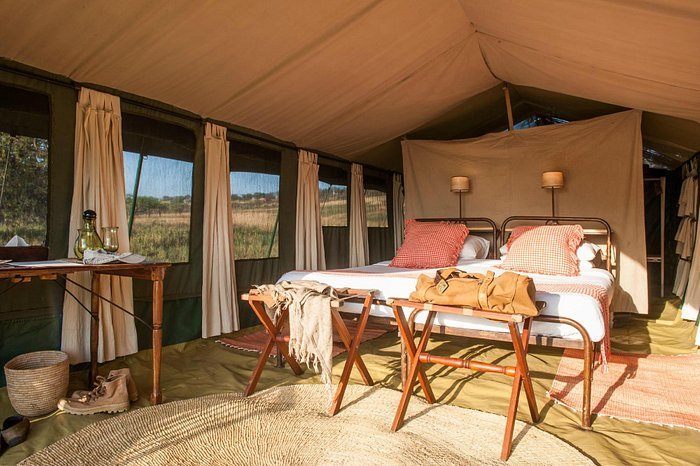
It is helpful to understand the limitations of a bush kitchen to manage your expectations. A typical Ruaha lodge kitchen is not a commercial facility with unlimited cold storage. Refrigeration is powered by solar arrays and backup generators, and while it is efficient, it is not infinite. You will find that menus are often set or limited to a choice of two or three options. This is not due to a lack of hospitality, but rather a necessity of sustainable operation in a fragile ecosystem.
Fresh produce is highly prized in the bush. You might notice that salads or specific fruits are more common at the beginning of a supply cycle and become scarcer as the week progresses. Embracing this seasonality and the creative use of local, shelf-stable ingredients is part of the authentic safari experience. If you are a “picky eater” or have very rigid preferences, it is worth discussing this with your travel designer during the booking phase. They can often recommend specific lodges that have a reputation for more flexible or extensive culinary programs, though even the most luxurious camp will still be subject to the realities of the Tanzanian interior.

Hydration and Beverage Logistics
Just as food supply is constrained, so too is the beverage stock. While all lodges provide ample bottled water—which is essential for preventing dehydration in the hot, dry Ruaha climate—specialized drinks such as specific brands of spirits, imported wines, or niche mixers are often in limited supply. If you have a particular preference for a specific type of gin, scotch, or wine, do not assume it will be stocked at the bush bar. Most lodges carry a standard selection of international and local beverages, but they are not liquor stores.
If you have a favorite beverage, check with your operator if you can bring a bottle with you on your flight. However, remember the weight constraints mentioned earlier. If you choose to bring your own, it must be packed securely to survive the flight and the bumpy transfer to the lodge. Furthermore, be prepared for the possibility that your beverage might not be served with ice. While many lodges have ice makers, they consume significant power. In the heat of the day, you may find that the “bush standard” for drinks is cool rather than chilled, and this is a perfectly normal part of the off-grid experience.
Navigating Photography and Equipment Logistics in the Bush
While most travelers focus on the logistics of getting their luggage to Ruaha, the specific requirements of carrying camera equipment on a bush flight are often overlooked until the moment of departure. Because you are flying in light aircraft—typically Cessna Caravans or similar bush planes—your camera gear is subject to the same strict weight and dimension limitations as your main luggage. However, unlike your suitcase, which can be tossed into a cargo hold, your camera gear is fragile, high-value, and sensitive to the dust and heat characteristic of the Ruaha ecosystem.
It is vital to recognize that the standard “soft-sided bag only” rule for bush flights is non-negotiable. Hard-shell, wheeled Pelican-style cases are notoriously difficult to accommodate in the confined cargo pods of light aircraft. If you are a professional photographer or a serious enthusiast carrying multiple lenses, a tripod, and a drone, you must account for this during the booking process. You may need to purchase an additional seat—often called an “extra seat” or “freight seat”—to safely store your equipment inside the cabin. Do not assume you can simply carry heavy, bulky gear onto the plane without prior clearance from the flight operator. Attempting to bring oversized gear to the airstrip without having booked space for it can lead to your equipment being left behind on the tarmac in Zanzibar.
Once you are on the ground in Ruaha, the environment presents its own challenges for your gear. The dust in the park, particularly during the dry season, is extremely fine and pervasive. It acts like sandpaper on camera sensors and can easily jam zoom lenses or clog mechanical parts. You should arrive prepared with a comprehensive cleaning kit, including air blowers, lens pens, and specialized sensor cleaning tools. Furthermore, the heat inside a safari vehicle can cause lenses to fog when you move from the air-conditioned, controlled environment of a lodge room (if applicable) to the outdoor air. Always keep your equipment in a dust-proof, padded bag when not in use, and consider using a “bean bag”—which most lodges provide—rather than a tripod. A tripod is often cumbersome to set up in a moving vehicle and is rarely practical for game drives, whereas a bean bag draped over the side of the vehicle provides the necessary stability without the logistical headache.
Finally, consider your power requirements. While most modern lodges in Ruaha are solar-powered and offer charging stations, they are not always capable of supporting high-wattage charging for multiple professional-grade batteries simultaneously. Ensure you have universal adapters and, if possible, solar chargers or power banks that can hold a significant charge. Avoid relying on the vehicle’s cigarette lighter to charge your gear; while some vehicles are equipped with inverters, they are prone to failure and are not a reliable primary power source for expensive electronics. Always treat your camera gear as a distinct logistical category, separate from your clothing and toiletries, to avoid the frustration of arriving at a remote airstrip with equipment that is either damaged or left behind due to weight constraints.
Navigating the Specifics of Bush Aircraft Safety and Operational Standards
While the broader safety protocols for remote fly-in expeditions are essential, travelers often have specific, unaddressed concerns regarding the aircraft themselves—the small bush planes that facilitate the transit from Zanzibar to Ruaha. Understanding the operational reality of these flights helps demystify the experience and allows for more informed decision-making during the booking process. Unlike commercial aviation, where you are a passenger in a standardized, high-capacity jet, bush aviation operates on a different set of safety and maintenance paradigms that are specifically tailored to the rugged Tanzanian interior.
The aircraft typically utilized for the Zanzibar to Ruaha route are generally single or twin-engine turboprops, such as the Cessna Caravan. These planes are the workhorses of the East African safari industry because they are specifically engineered for short, unpaved runways. Their high-wing design is not an aesthetic choice; it provides the pilot with superior visibility during landing and allows for easier loading and unloading of passengers and cargo in remote locations. When booking your safari, you may notice that operators emphasize the age and maintenance history of their fleet. This is a critical indicator of quality. Reputable operators in Tanzania strictly adhere to the Tanzania Civil Aviation Authority (TCAA) regulations, which mandate rigorous, scheduled maintenance intervals based on flight hours, regardless of the aircraft’s appearance.
It is important to understand that in the context of bush aviation, ‘luxury’ is defined by reliability rather than cabin amenities. You will not find flight attendants, in-flight entertainment, or pressurized cabins. Instead, you will find a utilitarian, open-cockpit environment where you are often seated quite close to the pilot. This proximity is actually a significant safety feature. It allows for clear, direct communication between the pilot and passengers. Before takeoff, your pilot will conduct a mandatory safety briefing that covers the use of seatbelts, the location of emergency exits, and specific procedures for the unlikely event of an emergency landing. Never view this briefing as a formality; it contains site-specific information relevant to the unique terrain of the Ruaha ecosystem.
Understanding Weight and Balance in Bush Aviation
One of the most common sources of friction during a fly-in safari is the enforcement of weight limits. This is not merely a policy to save on fuel costs; it is a fundamental pillar of aviation safety in remote environments. Bush planes have precise payload capacities that must be managed to ensure the aircraft can safely take off from shorter, often soft-surfaced, bush airstrips. When an operator enforces a strict luggage weight limit—typically 15 kilograms (33 pounds) in a soft-sided bag—they are calculating the weight of the fuel, the passengers, and the cargo to ensure the plane remains within its safe operating envelope.
If you arrive at the Zanzibar departure point with hard-shell suitcases or overweight bags, you may be asked to leave items behind or pay for an extra seat to accommodate the weight. This is a non-negotiable safety constraint. Hard-sided luggage is particularly problematic because it cannot be reshaped to fit into the cramped, irregular cargo holds of bush planes. Always prioritize soft-sided duffel bags that can be squeezed into tight spaces. By adhering to these constraints, you are not just following rules; you are actively participating in the safety protocols that make these remote flights possible.
The Role of Weather and Visibility in Flight Scheduling
Fly-in safaris are inherently weather-dependent. Unlike international airports that utilize advanced Instrument Landing Systems (ILS) to land in near-zero visibility, many bush airstrips in Ruaha rely on Visual Flight Rules (VFR). This means pilots must be able to see the ground and the runway clearly to land safely. During the rainy season or periods of low cloud cover, flights may be delayed or rerouted. This is not a failure of the operator but a strict adherence to safety protocols.
If your flight is delayed due to weather, the primary concern of the operator is your safety, not your itinerary. They will coordinate with the lodge in Ruaha to ensure your arrival is managed, even if it happens after dark or requires a different landing schedule. This is why booking through an established, reputable operator is critical. They have the communication infrastructure to handle these real-time adjustments. When you book a package, you are paying for the contingency planning that happens behind the scenes, ensuring that even when weather disrupts the schedule, you are not left stranded without support.
The Strategic Choice: Private vs. Shared Safari Vehicles
When reviewing your quote for a Zanzibar to Ruaha fly-in safari, the default inclusion is almost always a “shared” game drive experience. This means that you will be in a safari vehicle with other guests staying at the same lodge. For most travelers, this is a perfectly adequate and social way to experience the park. However, understanding the operational implications of this choice is essential for managing your expectations regarding the pace and focus of your safari.
A shared vehicle requires compromise. Your guide must balance the interests of up to six or eight passengers. If one guest wants to spend forty minutes observing a pride of lions, while another is eager to find a leopard, the guide must navigate these conflicting priorities. In a shared vehicle, you are also bound by the collective schedule of the group, which usually entails a set departure time for morning and afternoon drives. While lodges are generally flexible, you are inherently part of a larger logistical unit.
The “private vehicle” upgrade is a distinct, albeit more expensive, option that fundamentally changes the dynamics of your safari. By booking a private vehicle, you secure exclusive use of the 4×4 and the undivided attention of your guide. This is not merely about exclusivity; it is about control. With a private vehicle, you dictate the pace. If you are a serious wildlife photographer, this is often the single most impactful investment you can make. It allows you to position the vehicle for the perfect light, stay at a sighting for as long as you desire without worrying about other guests, and focus exclusively on the subjects that interest you most, whether that is birdlife, tracking predators, or simply enjoying the vast, quiet landscapes of Ruaha.
Understanding Vehicle Capabilities in Ruaha’s Terrain
The rugged topography of Ruaha National Park places unique demands on safari vehicles, and the “standard” 4×4 you might encounter in the Serengeti or Ngorongoro Crater is often modified differently for the Ruaha bush. Ruaha is characterized by a mix of dense miombo woodland, dramatic granite kopjes, and sandy riverbeds. Consequently, the vehicles used here are typically heavy-duty, long-wheelbase Land Cruisers or Land Rovers, specifically outfitted with high-clearance suspension systems to handle the rocky, uneven terrain.
When you are evaluating your booking, it is worth inquiring about the vehicle fleet. A high-quality lodge will maintain its vehicles to a standard where they are not just functional, but optimized for the environment. This includes features like open-sided configurations for better visibility, charging points for cameras and devices, and onboard refrigeration for cold drinks—a necessity in the arid Ruaha heat. In the context of a fly-in safari, where you are relying entirely on the lodge’s infrastructure, the condition of their vehicle fleet is a direct proxy for the quality of your experience. A vehicle that breaks down in the middle of a remote section of the park is not just a nuisance; it represents a significant loss of precious safari time, as the logistics of sending a backup vehicle from the lodge can take hours.
The Guide-Guest Dynamic in Remote Wilderness
The role of your guide in Ruaha is significantly more critical than in more accessible, high-traffic parks. Because Ruaha is vast and less “mapped” by constant radio chatter between hundreds of vehicles, your guide must rely on their own tracking skills, intuition, and knowledge of the terrain. This is where the fly-in safari experience truly distinguishes itself. The guides in remote, fly-in lodges are often highly specialized, having spent years developing an intimate knowledge of the specific territories surrounding their lodge.
In a shared vehicle scenario, you are usually paired with a guide who is adept at catering to a broad range of interests. However, if you have specific wildlife goals—such as tracking the park’s famous wild dog packs or focusing on the unique antelope species like the greater kudu—communicating this to your lodge manager *before* you arrive is vital. While they cannot always guarantee a specific guide, they can often align your vehicle assignment with a guide who has a particular passion or expertise in those areas. This pre-arrival communication is a standard part of the high-end fly-in service model and is one of the most effective ways to ensure your time in the bush is maximized.
The Logistics of Integrating Walking Safaris into Your Fly-In Experience
While the majority of your time in Ruaha will likely be spent in a 4×4 vehicle—the most efficient way to cover the park’s vast, rugged terrain—the park is arguably one of the best locations in Tanzania for walking safaris. Integrating a walking safari into your fly-in itinerary is not as simple as deciding on a whim; it requires specific logistical coordination that must be addressed during the booking phase. Unlike a standard game drive, a walking safari is a high-liability, high-regulation activity that fundamentally alters your interaction with the bush.
Understanding the Physical and Safety Prerequisites
In the context of a fly-in safari, where your time is compressed, it is easy to assume that all activities are interchangeable. However, a walking safari in Ruaha is governed by strict Tanzanian National Park (TANAPA) regulations. You cannot simply step out of the lodge and start walking. Every walking safari must be accompanied by an armed ranger, in addition to your professional walking guide. This is not merely a suggestion; it is a legal requirement for your safety. Because Ruaha is an unfenced wilderness populated by lions, leopards, and elephants, the ranger’s presence is the primary safety mechanism that makes the activity possible.
From a physical standpoint, you do not need to be an elite athlete, but you must be capable of walking on uneven, sandy, and potentially thorny terrain for two to three hours. The heat in Ruaha can be intense, even in the early morning, and the lack of a vehicle means you lose the “mobile shade” and immediate hydration access you have on a game drive. If you have any mobility issues or respiratory concerns, you must disclose these to your booking agent well in advance. Lodges will often tailor the walk to your fitness level, but they need to know your baseline before you arrive.
Booking the Walking Experience: Why Lead Time Matters
The most common error travelers make is assuming that walking safaris are an “on-demand” service. In reality, the availability of armed rangers is finite. Most lodges in Ruaha share a limited pool of park-authorized rangers. If you arrive at your lodge and decide you want to walk the next morning, you may find that all available rangers are already booked by other guests. To guarantee this experience, you must request it at the time of booking your fly-in package. This allows the lodge manager to secure the necessary permits and assign the appropriate staff to your group.
Furthermore, booking in advance allows the lodge to plan your “walking day” around the park’s logistics. Walking is best done in the early morning when temperatures are lower and wildlife is more active. If your flight into Ruaha is scheduled for mid-morning, you might miss the optimal walking window for that day. A well-planned itinerary will account for this, perhaps scheduling your walk for the following morning, ensuring you are rested and ready to depart the lodge at sunrise.
Essential Gear for the Walking Safari Transition
When you are packing for your fly-in safari, remember that the clothing requirements for a walking safari are stricter than for a game drive. In a vehicle, you are somewhat shielded from the environment; on foot, you are part of it. You should pack neutral-colored clothing—khaki, olive, or light brown—to avoid drawing attention to yourself. Bright colors or stark white can be seen by wildlife from a significant distance, potentially changing their behavior and ruining the “stealth” aspect of your walk.
Footwear is the most critical gear consideration. You need sturdy, closed-toe walking shoes or lightweight hiking boots. The terrain in Ruaha is often covered in dry, sharp acacia thorns and loose, rocky soil. Sandals, flip-flops, or thin-soled sneakers are entirely inappropriate and unsafe. Additionally, consider the “scent profile” of your gear. Avoid wearing strong perfumes, colognes, or heavily scented deodorants, as your scent will carry on the wind. Your guide will likely instruct you to maintain a strict “single file” formation behind the ranger; this is not just to keep the group together, but to ensure that the group occupies the smallest possible visual and auditory footprint in the bush.
Navigating the ZNZ Airport Interface for Bush Connections
One of the most frequent points of confusion for travelers booking a fly-in safari to Ruaha is the logistical reality of Zanzibar International Airport (ZNZ). Many travelers assume that because they have arrived in Zanzibar on a major international carrier, their departure to the bush will be from the same terminal. This is rarely the case. ZNZ has undergone significant infrastructure development, resulting in a distinct separation between the modern international terminal and the domestic/charter apron where bush flights operate. Understanding this distinction is vital to avoiding a high-stress morning of travel.
When you book a fly-in package, your itinerary will specify a check-in time, but it often lacks the specific ‘where’ of that check-in. In most cases, bush flights depart from a dedicated domestic or general aviation area. This area is not always accessible via the main terminal’s public drop-off zone. You may need to clear security at a separate entrance, or in some instances, your pilot or a ground handler will meet you at a specific gate or office outside the main flow of international traffic. If you are staying at a hotel in Zanzibar the night before, confirm with your transfer driver exactly which terminal they are taking you to. Do not simply say ‘the airport’; specify the ‘domestic terminal’ or ‘bush flight area’ to ensure you are dropped off where your actual aircraft is parked. Arriving at the main international terminal when your plane is parked two kilometers away at the charter apron can lead to missed flights, especially given the strict, weather-dependent takeoff windows in the bush.
The Transition Mindset: Moving from Coastal Leisure to Safari Intensity
The transition from a Zanzibar beach holiday to a Ruaha safari is not merely a change in geography; it is a profound shift in daily rhythm. Zanzibar is designed for leisure, where the ‘pole pole’ (slowly, slowly) culture dictates that mornings are for sleeping in, breakfasts are leisurely, and schedules are suggestions. Ruaha, conversely, is a performance-based environment. The wildlife is most active in the cool of the early morning, meaning your safari days will likely begin with a 5:30 AM wake-up call, followed by a departure into the bush shortly after sunrise. This is not a preference; it is a necessity for maximizing your game-viewing opportunities.
This ‘schedule clash’ is the primary cause of traveler fatigue in the first 24 hours of a bush safari. If you have spent five days on the beach adjusting to a late-night, late-morning cycle, the sudden shock of a 5:00 AM alarm can leave you physically drained and unable to fully appreciate the safari experience. To mitigate this, many experienced travelers adopt a ‘buffer transition’ strategy. Even while on the beach, try to shift your internal clock two hours earlier for the final two days of your stay. By adjusting your meal times and sleep patterns before you even board the bush plane, you ensure that you arrive in Ruaha refreshed and alert, rather than playing catch-up with your sleep debt while trying to spot lions.
Strategic Planning for the ‘Pre-Safari’ Zanzibar Night
Because the flight from Zanzibar to Ruaha is a significant journey, the night you spend in Zanzibar immediately preceding your bush flight is the most critical night of your entire trip. This is not the time to stay at a remote, difficult-to-access beach resort on the far side of the island. If your flight is scheduled for an 8:00 AM departure, you should ideally be staying at a hotel within a 30-minute drive of the airport. Staying at a resort in Nungwi or Kendwa, which can be an hour and a half or more from the airport, requires a pre-dawn departure that is both expensive and exhausting.
When selecting your final night’s accommodation in Zanzibar, prioritize proximity and airport transfer reliability over beachfront luxury. A hotel that offers a dedicated, reliable airport shuttle service—and one that is accustomed to handling early morning safari departures—is far more valuable than a luxury suite that leaves you stranded if your taxi fails to show up at 5:00 AM. Furthermore, use this final night to finalize your ‘safari kit.’ Lay out your camera gear, confirm that your weight-compliant luggage is packed, and ensure that your passport and park permits are easily accessible. By removing all logistical friction from this final night, you ensure that your transition to the bush is smooth, allowing the excitement of the upcoming wilderness experience to take precedence over the stress of travel logistics.
The Post-Safari Return: Re-integrating into the Zanzibar Coast
The return journey from the bush to the beach is often underestimated. While the departure from the bush airstrip is the final act of your safari, the landing at Zanzibar International Airport (ZNZ) initiates a secondary, equally important phase: the decompression period. Transitioning from the intense, focused, and dusty environment of Ruaha back to the humid, vibrant, and social atmosphere of a Zanzibar resort can be jarring, and failing to plan for this shift often leads to unnecessary stress.
The most immediate reality upon landing is physical. Ruaha is a dry, semi-arid ecosystem characterized by fine, red dust that permeates everything—your clothing, your camera bags, and your luggage. When you arrive back at ZNZ, you will likely be tired, dehydrated, and carrying gear that is significantly dirtier than when you left. Do not expect to arrive at your beach resort and immediately transition into a relaxed state. Your first priority should be a “reset” period. This involves unpacking, shaking out the dust from your gear, and assessing your laundry needs. Many high-end Zanzibar resorts are accustomed to safari travelers and offer expedited laundry services; inquire about this upon check-in to avoid spending your final days dealing with dusty, safari-worn clothing.
Logistically, the “buffer” principle applies to your return just as it did to your departure. Avoid the temptation to schedule an international flight home on the same day you fly out of the bush. Even if the flight schedules technically align, the risk of weather-related delays in the bush or air traffic congestion at ZNZ is too high to justify the stress. A buffer night in Zanzibar allows you to process the intensity of the safari, enjoy a quiet meal, and ensure that your international check-in process is smooth and unhurried.
Mentally, the transition can be equally abrupt. In Ruaha, your rhythm was dictated by wildlife, light, and the guidance of your tracker. In Zanzibar, you are returning to a world of high-speed connectivity, crowds, and the ‘pole pole’ (slowly, slowly) pace of island life. The silence of the bush is replaced by the sounds of the ocean and the bustle of the island. Allow yourself a transition evening where you do not feel pressured to engage in island activities immediately. Use this time to review your photos, disconnect from the ‘safari alert’ mindset, and ease back into the leisure rhythm of the coast. This deliberate period of decompression ensures that you finish your trip feeling refreshed rather than exhausted, preserving the memories of the wilderness without the friction of a rushed return.
Related Guides and Packages
Check Availability for Zanzibar To Ruaha National Park Fly-In Safari: Prices & Booking Guide
Ready to compare dates, prices, and the best option for your group? Send the package name and travel month so the team can reply with a clear quote, availability, and what is included.
1-Day Nyerere National Park Safari From Zanzibar By Flight: 2026-2027
Planning a one-day fly-in safari to Nyerere from Zanzibar? Understand the logistics, travel times, and wildlife expectations for a 2026 or 2027 trip.
View package details2-Day Serengeti Safari From Zanzibar By Flight: Price & Booking Guide
A practical guide to booking a 2-day Serengeti safari from Zanzibar by flight, covering itinerary logistics, cost considerations, and how to maximize your short time in the bush.
View package detailsBudget Fly-In Safari From Zanzibar: Best Packages & Prices 2026-2027
Discover how to plan a budget-friendly fly-in safari from Zanzibar to Tanzania's top parks without sacrificing the quality of your wildlife experience.
View package details2-Day Nyerere Safari From Zanzibar: Flight-Inclusive Package Prices 2026-2027
An expert guide to planning a 2-day Nyerere safari from Zanzibar, covering flight-inclusive package structures, cost drivers, and the practical rhythm of a short-stay wildlife adventure.
View package detailsZanzibar To Mikumi Safari By Flight: Prices & Travel Options 2026-2027
A practical guide to the logistics, costs, and planning steps for flying from Zanzibar to Mikumi National Park.
View package detailsZanzibar To Serengeti Safari By Flight: Prices & Packages 2026-2027
A practical guide to booking a Zanzibar to Serengeti safari by flight in 2027, covering route options, baggage logistics, and how to choose the right itinerary length.
View package details
Zanzibar To Tarangire Safari By Flight: Prices & Travel Options 2026-2027
A detailed breakdown of the logistics, flight connections, and road transfers required to travel from Zanzibar to Tarangire National Park for a safari.
View package details
3-Day Serengeti Fly-In Safari From Zanzibar: All-Inclusive Package Prices 2027
Plan your ultimate Tanzanian adventure, combining Zanzibar's beaches with the Serengeti's wildlife. This guide details all-inclusive package pricing and logistics for a 3-day fly-in safari...
View package detailsZanzibar To Lake Manyara Flights: Prices & Safari Transfers 2026-2027
Zanzibar to Lake Manyara Flights: Prices & Safari Transfers is explained with current 2026-2027 planning, price, itinerary and booking information.
View package details
Luxury Fly-In Safari From Zanzibar: Private Packages For 2026-2027
Experience the ultimate Tanzanian getaway with a luxury fly-in safari from Zanzibar. Discover private, all-inclusive packages tailored for smooth wildlife encounters.
View package details2-Day Tarangire & Ngorongoro Safari From Zanzibar: Flight Package Cost 2026
A detailed guide on the logistics, cost factors, and itinerary realities for a 2-day fly-in safari from Zanzibar to Tarangire National Park and the Ngorongoro Crater.
View package details4-Day Serengeti Safari From Zanzibar With Return Flights: A Planning Guide
A deep look at planning a 4-day fly-in safari from Zanzibar to the Serengeti, covering flight logistics, itinerary structures, and the critical decisions needed for a successful 2026 or...
View package detailsNo related package matches those filters. Clear one or more filters to see the other topic-matched options.



