
A 1-day Serengeti safari from Zanzibar is an intensive, high-speed fly-in excursion designed for travelers with very limited time who want to experience the Serengeti ecosystem without spending days on the road. The itinerary involves a very early morning departure (usually around 6:00 AM) and a late return to Zanzibar, with approximately 5 to 6 hours of actual game drive time inside the park. The cost is driven primarily by the round-trip regional flight prices and the mandatory daily park entry fees, which remain significant regardless of the short duration.
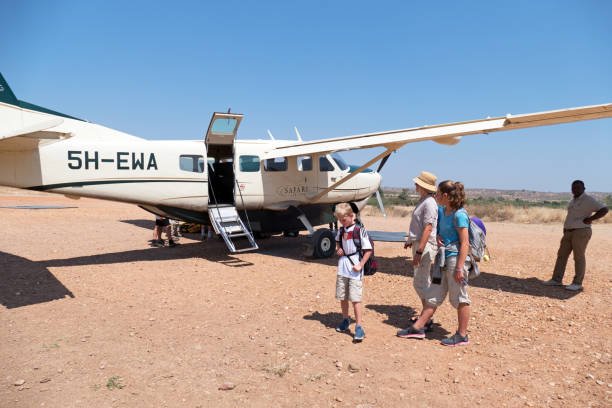

Many travelers visiting the spice islands of Zanzibar find themselves drawn to the pull of the Serengeti, yet they are often constrained by tight holiday schedules. It is physically possible to fly from Zanzibar to the Serengeti, conduct a game drive, and return on the same day. However, it is important to approach this trip with clear eyes: this is not a leisurely safari. It is a logistical marathon that requires precise timing and an acceptance that you will spend a significant portion of your day in the air and in transit.
As specialists at Climb 4 Africa, we often discuss this option with clients who are debating whether to commit to a Zanzibar to Serengeti safari by flight. While the 1-day option provides a taste of the wilderness, it is essential to understand the trade-offs involved before booking.
Understanding the Cost Factors
When you request a quote for a 1-day Serengeti safari, you will notice that the price is higher than one might expect for a single day. This is not due to operator markups, but rather the fixed costs of aviation and conservation fees in Tanzania. When planning for 2026 or 2027, keep these primary cost drivers in mind:
- Regional Flight Prices: Flights from Zanzibar (ZNZ) to Seronera Airstrip (SEU) are the largest expense. These are small, regional aircraft, and prices fluctuate based on season and demand. Booking early is essential to avoid premium last-minute fares.
- Park Entry Fees: Serengeti National Park charges a per-person, per-day entry fee. Even if you are only in the park for six hours, you are liable for the full daily rate. These fees are set by the Tanzania National Parks Authority (TANAPA) and are non-negotiable.
- Private Logistics: A 1-day trip almost always requires a private safari vehicle and a dedicated guide waiting for you at the airstrip. This creates a high cost-per-person compared to multi-day group safaris, where these costs are spread over several days.
- Vehicle & Guide Positioning: Your guide must be based near the airstrip to meet your flight. The fuel and maintenance costs for a vehicle that spends most of its day waiting for your flight arrival are factored into your package.
If you are looking for a more balanced approach, we often suggest comparing this against a 3-day Serengeti fly-in safari. While the initial investment is higher, the cost-per-day drops significantly, and you gain the immense benefit of early morning and late afternoon game drives—the times when predators are most active.
The Typical 1-Day Itinerary: A Snapshot
The pace of a 1-day safari is non-stop. There is no room for flight delays or slow starts. Below is a realistic look at how the day unfolds. Please note that exact timings depend on flight schedules, which change seasonally.
Morning: The Transit
- 05:30 AM: Early morning transfer from your Zanzibar hotel to the airport.
- 07:00 AM: Departure from Zanzibar. The flight typically involves a stopover in Arusha or directly to the Serengeti, depending on the airline and flight routing.
- 09:30 AM: Arrival at Seronera Airstrip, located in the heart of the central Serengeti. Your guide will be waiting for you at the airstrip in a 4×4 Land Cruiser.
Midday: The Safari
- 10:00 AM – 1:00 PM: Initial game drive. The Seronera Valley is famous for its high concentration of big cats—lions, leopards, and cheetahs. Your guide will prioritize areas where sightings have been reported recently.
- 1:00 PM – 2:00 PM: Lunch. This is usually a picnic lunch served at a designated site or a quick stop at a lodge within the park, depending on your package.
- 2:00 PM – 3:30 PM: A final, shorter game drive as you slowly head back toward the airstrip.
Afternoon: The Return
- 4:00 PM: Arrive back at the airstrip for your return flight.
- 6:30 PM – 7:00 PM: Arrival back in Zanzibar and transfer to your hotel.
This itinerary is rigid. If you have specific wildlife sightings on your bucket list, such as a river crossing or a specific migration herd, a 1-day trip may not provide enough time to reach those areas. The central Serengeti (Seronera) is the only practical location for a 1-day visit.
Why Seronera Airstrip is the Default Choice
You may wonder why most operators, including us, steer 1-day itineraries toward the Seronera Airstrip. The answer is proximity. Seronera is centrally located. If you were to fly to a northern or western airstrip, the time spent driving from the airstrip to the prime wildlife areas would consume the little time you actually have on the ground. For more information on why location matters, see our guide on which Serengeti airstrip is best for your safari.
Trade-offs and Considerations
Before you finalize your decision, consider these three factors that often surprise travelers:
- The “Traveler Fatigue” Factor: You will be spending approximately 4 to 5 hours in the air and roughly 6 hours in a vehicle. For some, this is exhausting. If you have children or elderly travelers in your group, this pace can be challenging.
- Wildlife Predictability: Wildlife is wild. While the Serengeti has the highest concentration of animals in Africa, there is no guarantee you will see the ‘Big Five’ in a single 6-hour window. A longer safari increases your odds exponentially.
- Weather and Visibility: During the green season, roads can be muddy, and flight paths can be affected by rain. We always monitor conditions, but 1-day trips are more susceptible to weather-related disruptions than multi-day trips.
If you find that this 1-day plan feels too rushed, you might consider alternatives like a 1-day Mikumi safari from Zanzibar. Mikumi is closer, meaning less time in the air and more time on the ground, which often results in a more relaxed wildlife experience for day-trippers.
Booking and Preparation
When you are ready to move forward, the booking process for a fly-in safari requires more coordination than a road trip. We handle the flight bookings, vehicle permits, and park entries, but we need your help with the basics.
What we need from you:
- Travel Dates: Flight availability varies wildly by season.
- Number of Travelers: This dictates the type of vehicle we secure.
- Preferences: Are you looking for a luxury experience, or are you focused purely on the wildlife?
To start planning your trip, you can reach out to our team directly. We provide transparent, no-pressure advice on whether a 1-day itinerary fits your specific goals or if you would be better served by one of our longer Tanzania safari packages from Zanzibar. You can contact us via WhatsApp at +255 747 477 898, or send your inquiry to climb4africa@gmail.com. For backup correspondence, please feel free to email info@climb-4-africa.com.
We specialize in crafting experiences that align with your available time and budget. If the 1-day Serengeti safari is your goal, we will ensure the logistics are as smooth as possible, but we will always be honest about the reality of the schedule so you can enjoy your time in Tanzania without unnecessary stress.
Essential Packing and Logistical Constraints for Bush Planes
One of the most common oversights for travelers booking a 1-day Serengeti fly-in safari is the assumption that standard airline luggage rules apply. Because you are traveling on small, regional bush planes—typically Cessna Caravans or similar aircraft—the logistical requirements for your luggage are significantly stricter than those for international flights to Zanzibar. Understanding these constraints before you arrive at the airport is essential to avoid being denied boarding or having to leave your belongings behind.
The Mandatory Soft-Bag Policy
Bush planes have very limited, oddly shaped cargo holds. Hard-shell suitcases, even those that fit within standard airline carry-on dimensions, are frequently rejected because they cannot be compressed to fit into the cramped storage compartments of these small aircraft. You must use a soft-sided duffel bag. If you are traveling with a standard hard-shell roller suitcase, you will likely be asked to leave it at your hotel in Zanzibar and transfer your essentials into a soft bag or a backpack. Most reputable operators will advise you of this, but it remains a primary point of failure for unprepared travelers.
Weight Restrictions
While international airlines might allow 23kg or 30kg of checked luggage, bush planes strictly enforce a weight limit, usually capped at 15kg (33 lbs) per person, including your carry-on items. This limit is not arbitrary; it is a safety calculation based on the aircraft’s maximum takeoff weight and the balance of the plane. On a 1-day trip, this should be more than enough, but it requires discipline. Do not pack for a week if you are only staying for a day. Prioritize light, essential gear and leave heavy, non-essential electronics or extra clothing at your hotel on the coast.
Strategic Clothing and Equipment Choices
The Serengeti environment is vastly different from the coastal climate of Zanzibar. Your packing strategy should focus on versatility and protection against the specific elements of the savannah, rather than aesthetic choices.
The Tsetse Fly and Color Theory
When selecting your wardrobe for the game drive, avoid dark blue and black clothing. These colors are scientifically proven to attract tsetse flies, which are prevalent in parts of the Serengeti, particularly near wooded areas. A bite from a tsetse fly is painful and can cause localized swelling. Instead, opt for neutral tones such as khaki, beige, light olive, or tan. These colors also serve the practical purpose of blending in with the environment, which is less likely to startle wildlife during close encounters.
Layering for the Temperature Shift
The Serengeti is a high-altitude plateau. Even if the day reaches a scorching 30°C (86°F), the early morning hours—when you arrive at the airstrip—can be surprisingly chilly, often dipping below 15°C (59°F). The wind chill factor in an open-sided safari vehicle can be significant. Wear layers: a light t-shirt covered by a long-sleeved, breathable shirt, and bring a lightweight, wind-resistant jacket or fleece. You will likely peel these off by 10:00 AM, so ensure your clothing is easy to manage in the back of a vehicle.
Essential Gear for the 1-Day Window
Since your time in the park is limited to a few hours, you cannot afford to waste time managing equipment. Bring the following items in a small, accessible daypack:
- Binoculars: While your guide will have a pair, relying on a shared set slows down your viewing experience. Bring your own 8×42 binoculars to ensure you can spot distant wildlife immediately.
- Dust Protection: The roads in the Serengeti are unpaved and incredibly dusty. A lightweight buff, scarf, or bandana is invaluable for covering your nose and mouth when the vehicle is moving between sightings.
- Sun Protection: The equatorial sun is intense, and the reflection off the savannah can cause severe sunburns even on cloudy days. Bring high-SPF sunscreen, polarized sunglasses, and a wide-brimmed hat with a chin strap—the wind in an open vehicle will blow a standard baseball cap off instantly.
- Camera Batteries and Memory: There are no charging points in the middle of the savannah. Ensure your camera is fully charged the night before and bring extra memory cards. You do not want to be the traveler who runs out of storage just as a pride of lions appears.
By preparing your gear with these specific environmental factors in mind, you minimize logistical friction and maximize the limited time you have to observe the Serengeti’s wildlife. Remember, the goal of a 1-day trip is efficiency; every minute spent fumbling with a suitcase or swatting at insects is a minute you aren’t watching the migration.
Navigating Ground Operations: Vehicles and Picnic Logistics
While the flight logistics often dominate the planning phase, the ground operations within the Serengeti are where the actual experience happens. Because you are on a condensed 1-day timeline, there is no time to troubleshoot vehicle issues or hunt for food. Understanding the specific constraints of ground transport and catering is essential for a smooth day.
The Reality of Safari Vehicles in the Serengeti
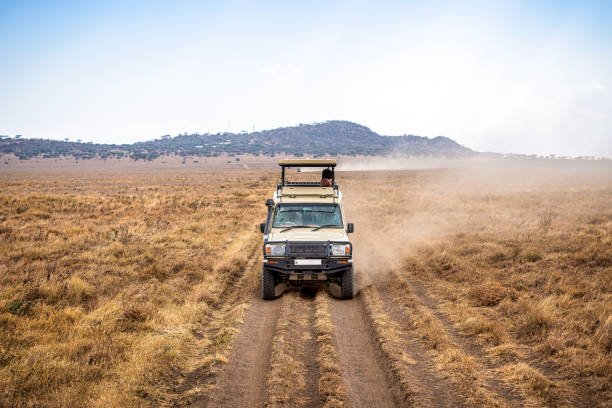
When you land at the Seronera Airstrip, you are not simply walking into a park; you are meeting a pre-arranged 4×4 safari vehicle. Most operators utilize modified Toyota Land Cruisers. These vehicles are ruggedized to handle the corrugated, unpaved tracks that make up the Serengeti road network. The vehicle you are assigned will typically have either a pop-up roof or an open-sided configuration. Both are designed to provide 360-degree visibility, which is critical when tracking elusive predators like leopards that may be perched in acacia trees or hidden in tall grass.
It is important to understand that your vehicle and driver-guide are the most valuable assets of your trip. The driver is not just a chauffeur; they are a professional tracker and naturalist. Their ability to communicate with other drivers via radio to locate wildlife sightings—such as a pride of lions on a kill or a cheetah on the hunt—is what makes the 6-hour window productive. If you have specific, non-negotiable wildlife interests, communicate these to your operator during the booking phase so they can brief the driver to prioritize those specific sectors of the Seronera Valley upon your arrival.
Managing Nutrition and Hydration on the Move
There are no restaurants or snack bars inside the central Serengeti. Your lunch is a logistical operation in itself. In a 1-day itinerary, lunch is almost exclusively a “picnic lunch” prepared in the early morning and transported in the safari vehicle. This is not a hot meal; it is typically a box containing sandwiches, fruit, a boiled egg, a juice box, and perhaps a muffin or pastry. It is designed for speed and portability.
Because these meals are prepared at the lodges or hotels in the early hours of the morning, dietary restrictions must be communicated at least 48 to 72 hours in advance. If you are vegetarian, vegan, gluten-free, or have severe allergies, do not assume these accommodations can be made on the fly. The park operates on a strict “leave no trace” policy. You are responsible for ensuring that all wrappers, plastic bottles, and organic waste remain inside the vehicle or are disposed of at designated, secure waste collection points. Hydration is equally critical; the Serengeti is a high-altitude, dry environment, and the wind in an open-sided vehicle accelerates dehydration. Carry a reusable water bottle that you can refill, as you will be spending hours in the sun.
The 24-Hour Park Entry Fee Logic
One aspect that often confuses travelers is the Serengeti National Park entry fee structure. You will be charged a full 24-hour entry fee even though you are only inside the park for roughly 6 hours. This is not a surcharge for the 1-day trip; it is the standard tariff set by Tanzania National Parks (TANAPA). The fee is valid for a 24-hour period starting from the time of entry. While it may feel financially inefficient to pay for a full day when you are only utilizing a quarter of it, this fee is the primary mechanism for funding anti-poaching units, road maintenance, and ecological monitoring. When you book your 1-day fly-in, you are essentially subsidizing the full daily operational cost of the park, which is a necessary trade-off for the convenience of the flight-based, time-saving itinerary.
Navigating the Airstrip Departure Process
The return leg of your 1-day Serengeti safari is not merely a flight; it is a transition from the raw, untamed wilderness back to the controlled environment of Zanzibar’s airport. Travelers often underestimate the departure process at bush airstrips like Seronera. Unlike major international airports with automated check-in kiosks, digital boarding passes, and standardized security lanes, bush airstrip operations are manual, fluid, and entirely dependent on the physical presence of the pilot and the ground handling staff.
When your guide drops you off at the Seronera Airstrip, do not expect a terminal building in the traditional sense. You will likely be dropped at a small, open-air structure or a designated patch of gravel near the runway. The airstrip is unfenced, meaning wildlife—including elephants, hyenas, or lions—can and often do cross the runway. This is not a hazard, but a standard operating reality. Flight operations are governed by daylight and weather conditions. If a herd of buffalo is grazing on the runway, your pilot will circle overhead and wait for them to clear before attempting a landing. This can cause minor delays, which are perfectly normal and should not be a cause for alarm.
Security checks at bush airstrips are rudimentary but mandatory. You will likely be asked to present your passport and your flight voucher to the pilot or the ground agent. Your luggage will be manually weighed on portable scales to ensure the aircraft remains within its safety performance parameters. Because these planes are weight-sensitive, the pilot may redistribute luggage or even request that passengers sit in specific seats to balance the aircraft. Cooperation is essential here; these requests are strictly for flight safety and are non-negotiable.
Furthermore, be prepared for the “boarding” process. There are no jet bridges or tarmac buses. You will walk directly from the waiting area to the aircraft. If it has rained recently, the ground around the airstrip can be muddy or uneven, so ensure your footwear is practical for walking on unpaved surfaces. Once on board, the briefing is brief and functional. The pilot will explain the seatbelt mechanism, emergency exits, and the flight route. Because these flights often make multiple stops at other camps or airstrips to pick up or drop off other passengers, your return flight might involve brief “touch-and-go” landings. Treat these as extra sightseeing opportunities; you are essentially getting a low-altitude aerial tour of the Serengeti ecosystem as you make your way back toward Zanzibar.
Wildlife Expectations: The 6-Hour Window Reality
A frequent point of friction for 1-day visitors is the discrepancy between the “Big Five” marketing imagery and the actual wildlife viewing experience within a 6-hour window. The Serengeti is vast—covering nearly 15,000 square kilometers. In a single day, you are confined to the Seronera Valley and its immediate surroundings. While this area is the most reliable for big cat sightings, wildlife is wild and unpredictable. It is crucial to manage your expectations: you are not guaranteed to see a hunt, a kill, or even all of the Big Five in a single afternoon.
The 6-hour window is best utilized by adopting a strategy of “active observation” rather than “active searching.” Because your time is limited, you should rely heavily on the radio network. Your driver is part of a larger community of guides who share information via two-way radios about recent sightings. If a leopard is spotted in a sausage tree three kilometers away, your driver will receive that information instantly. This is how you maximize your odds. If you insist on driving aimlessly hoping for a chance encounter, you will likely spend your limited time looking at empty plains. Trust your guide’s network; they are communicating with other vehicles to triangulate where the action is happening.
Also, consider the time of day. Your game drive usually occurs between 10:00 AM and 3:00 PM. This is the hottest part of the day, when predators are most likely to be inactive, sleeping in the shade of acacia trees or tall grass. You might find yourself staring at a sleeping lion for 30 minutes. This is not a failure of the safari; it is the natural behavior of the animal. If you go into the trip expecting high-octane action every minute, you will be disappointed. If you go in expecting to observe the natural rhythms of the Serengeti—the grazing of zebras, the social dynamics of baboons, the patient stillness of predators—you will find the experience deeply rewarding. The goal is to witness the ecosystem, not just the highlights reel.
Managing Operational Risk: Flight Delays and Contingencies
While the 1-day Serengeti safari is a marvel of logistical planning, it operates with virtually zero margin for error. Unlike commercial flights between major international hubs where delays are inconvenient, a disruption on a bush-plane itinerary can be catastrophic for your broader travel schedule. Understanding the reality of bush aviation is essential for any traveler attempting this high-speed excursion.
The Reality of Bush Plane Reliability
Bush planes, such as the Cessna Caravan, are workhorses, but they are subject to strict operational limits that differ significantly from commercial jetliners. They are highly sensitive to weather conditions, particularly visibility and wind. In the Serengeti, sudden afternoon thunderstorms or heavy morning fog can ground flights entirely. Because these airstrips (like Seronera) lack the sophisticated instrument landing systems found at international airports, pilots fly strictly by visual flight rules (VFR). If the pilot cannot see the runway clearly, the flight will not depart. This is not a failure of service; it is a mandatory safety protocol. When planning your trip, you must accept that there is a non-zero probability that your return flight will be delayed or cancelled due to weather, regardless of how sunny it was when you departed Zanzibar.
The “Missed Connection” Scenario
The most critical risk for a 1-day safari participant is the “missed connection” effect. Many travelers book this day trip with an international flight departing from Zanzibar or Dar es Salaam later that same evening. This is a high-risk strategy. If a mechanical issue or weather event grounds your plane in the Serengeti, you will not make your international connection. Because regional airlines often operate on tight schedules with limited spare aircraft, there is rarely a “next flight in an hour” option. If you are grounded, you may be stranded in the Serengeti overnight. While this sounds romantic, it is logistically complex: you will need to secure last-minute accommodation (which is rarely available or affordable in the park on short notice), arrange for new park entry permits for the following day, and deal with the cost of rebooking your international flight. Always build a 24-hour buffer between your Serengeti return and any major international travel.
Essential Insurance for Remote Air Travel
Standard travel insurance policies often contain exclusions for “adventure activities” or “remote area travel” that can leave you vulnerable. When flying on bush planes, ensure your policy explicitly covers regional air transit in Tanzania. Furthermore, consider the value of a temporary membership with an emergency evacuation service like AMREF Flying Doctors. While your safari operator will have basic safety protocols, having independent coverage ensures that if a medical or logistical emergency occurs, you are not solely reliant on the operator’s resources. When reviewing your policy, look specifically for “trip interruption” coverage that accounts for the high cost of last-minute regional flight rebooking and the potential need for unexpected overnight stays in remote locations. Do not assume your credit card’s travel insurance covers these specific bush-aviation scenarios; verify the fine print before you depart.
Connectivity and Communication in the Bush
Travelers often assume they will be reachable throughout the day. While cellular reception has improved in the Seronera area, it remains inconsistent. You may have 4G signal while near the airstrip or at high points, but you will often lose connectivity entirely as you move into the deeper valleys or more remote sectors of the park. If you are relying on your phone to coordinate with a hotel driver in Zanzibar or to check flight status updates, you will likely be disappointed. Treat this day as a digital detox. If you have urgent business or family needs, ensure your operator has a satellite phone or a reliable radio system, and discuss how they communicate with you in the event of a flight delay. Assuming you will be able to “just call someone” if things go wrong is a recipe for anxiety; instead, trust that the ground crew and the airline are working the system, and focus on the wildlife.
The Dynamics of Serengeti Micro-Climates and Seasonal Visibility
While flight reliability is often discussed in terms of mechanical or operational delay, the actual visibility conditions in the Serengeti basin play a critical role in the success of a 1-day itinerary. The Serengeti is not a uniform landscape; it is a complex ecosystem of kopjes, riverine forests, and vast plains, each reacting differently to the seasonal shifts in Tanzania. For the 1-day traveler, understanding how these micro-climates affect your viewing window is vital for managing expectations, particularly when your time on the ground is so restricted.
During the wet seasons—typically the “long rains” in April and May and the “short rains” in November—the Seronera Valley can experience localized, heavy downpours that significantly reduce visibility. While the rain itself is often short-lived, the resulting mist can hang over the plains for hours. If your flight lands during or immediately after a heavy storm, your game drive may be compromised not just by the presence of animals, but by the sheer difficulty of spotting them through thick, wet air. Unlike a multi-day safari where you can wait for the weather to clear, a 1-day trip forces you to navigate these conditions as they are. Your guide will often shift tactics during these times, moving away from the open plains where animals seek shelter and toward the rocky kopjes where predators are more likely to seek vantage points above the damp, tall grass.
Understanding the “Fly-In” Park Gate Regulations
A frequently overlooked logistical detail for 1-day travelers is the specific interaction between aviation transit and park gate protocols. When you land at Seronera Airstrip, you are effectively entering the park through an “aviation gate.” It is crucial to understand that your 24-hour park entry permit is electronically linked to your arrival time. However, this permit does not grant you the same flexibility as a road-based visitor. If your inbound flight is delayed by two hours, that time is permanently subtracted from your total game drive window. There is no “extension” of the permit to compensate for airline delays.
Furthermore, the park authorities enforce strict gate closures for vehicles. While you are flying in, your vehicle must still operate within the park’s rules. If your return flight is scheduled for 4:00 PM, your driver must ensure you are back at the airstrip well before that time to clear security and check-in procedures. This creates a “hard stop” for your game drive. If you are tracking a pride of lions or observing a leopard in a tree, your driver will be forced to leave the sighting precisely when the schedule dictates. This is a common source of frustration for 1-day visitors, but it is a non-negotiable aspect of operating within a protected, highly regulated national park.
The Role of the “Spotter” and Guide Expertise
On a standard, multi-day safari, you have time to build a rapport with your guide, allowing them to gauge your interests—whether you prefer birdwatching, landscape photography, or a relentless pursuit of the Big Five. On a 1-day itinerary, this “getting to know you” phase is non-existent. You are essentially stepping into a high-performance, pre-calculated mission. This is where the expertise of your specific guide becomes the single most important variable in the success of your day.
Because you have such a narrow window, you should communicate your primary wildlife priorities to your operator *before* you even board the plane in Zanzibar. If you are desperate to see a cheetah, tell them. If you prefer to avoid the crowds and focus on the landscape, tell them. A skilled guide will use the 30-minute window between the airstrip landing and the start of the game drive to radio other vehicles in the area, gathering real-time intelligence on where the most significant sightings are currently located. This “pre-drive” scouting is the difference between a mediocre 6-hour experience and a spectacular one. Do not treat the ride from the airstrip to the first wildlife zone as just a transfer; it is the most critical time for your guide to calibrate the day’s strategy based on the latest reports from the field.
The Nuance of Photographic Expectations in a 1-Day Window
While the “Big Five” are the primary marketing driver for Serengeti safaris, the 1-day visitor often grapples with a specific, unspoken challenge: the disparity between professional wildlife photography and the constraints of a high-speed, 6-hour excursion. Unlike multi-day safari-goers who can spend hours waiting for the perfect “golden hour” light or a specific behavioral interaction, the 1-day traveler is effectively on a ticking clock. This reality mandates a shift in photographic strategy before you even board your flight from Zanzibar.
The most common error is bringing inappropriate equipment that requires significant setup time. In a vehicle that is constantly moving to cover ground, you do not have the luxury of setting up tripods or switching lenses frequently. The dust in the Serengeti is pervasive and fine; changing a lens in the field is a high-risk activity that can introduce grit into your camera sensor. For a 1-day trip, prioritize a versatile “all-in-one” zoom lens—typically something in the 100-400mm or 70-300mm range. This allows you to capture both the expansive landscapes of the Seronera Valley and the closer wildlife encounters without the need for manual adjustments that might cause you to miss the action.
Managing the “Crowd Factor” at Sightings
Because the 1-day itinerary focuses on the most accessible parts of the Seronera region, you will inevitably encounter other safari vehicles. When a “big cat” sighting occurs—such as a leopard in an acacia tree or a lion pride near a rock formation—it is common to see a cluster of 5 to 10 vehicles. For the 1-day traveler, this can be disheartening. You may feel like you are waiting in a queue to get a glimpse of the animal. Understand that this is a standard operational reality of the central Serengeti. Rather than fighting for the “perfect” angle that has no other vehicles in the frame, focus on capturing the behavior of the animal itself. A skilled guide will often position the vehicle to minimize the view of other cars, but they are also bound by park rules that prohibit off-roading to avoid the crowd. Patience is your best asset; often, vehicles will rotate, and if you wait 15 minutes, the crowd will thin as other groups move on to their next destination.
The Ethics of Wildlife Interaction
With only 6 hours, there is a temptation to pressure your guide to “chase” sightings—driving faster or demanding the vehicle get closer to the animals. This is counterproductive and, in many cases, unethical. Serengeti National Park has strict regulations regarding how close vehicles can approach wildlife to prevent stress and habitat disruption. Furthermore, animals are acutely aware of vehicle presence. If a driver approaches too aggressively, the animal will often retreat into the tall grass, ending the sighting for everyone. Trust your guide’s judgment. They are trained to read animal behavior; if they stop at a distance, it is usually because that is the optimal range to observe the animal without causing it to flee. By respecting these boundaries, you actually increase the likelihood of witnessing natural behaviors, such as hunting, grooming, or play, which make for far more compelling memories than a simple close-up portrait of a sleeping lion.
The Pre-Dawn Logistical Hurdle: Zanzibar Airport Transfers
While the focus of a 1-day Serengeti safari is naturally on the bush experience, the most common point of failure for this itinerary occurs before you even leave Zanzibar. The Zanzibar International Airport (ZNZ) requires specific logistical attention that many travelers overlook. Because your flight to the Serengeti typically departs between 6:00 AM and 7:00 AM, you are required to be at the airport terminal by 5:00 AM or 5:30 AM at the latest. This necessitates a 4:00 AM or 4:30 AM departure from your hotel.
The primary risk here is the reliance on standard hotel-arranged taxis. In Zanzibar, hotel front desks often subcontract early morning airport transfers to local drivers who may not be accustomed to the strict time-sensitivity of a bush-plane schedule. A driver who is fifteen minutes late might seem trivial in a resort setting, but for a 1-day fly-in safari, it is catastrophic. If you miss the departure, the aircraft will not wait; these flights operate on a tight rotation to ensure they can complete their return legs. We strongly recommend coordinating your airport transfer directly through your safari operator or a dedicated, reputable transfer service that specializes in early morning aviation pickups. Ensure they have your flight number and, if possible, the tail number or airline operator’s name, as this allows the driver to track the specific terminal and gate requirements.
Navigating the Zanzibar Terminal Environment
Zanzibar International Airport has undergone significant expansion, and it is now common for regional safari flights to depart from different areas than your initial arrival flight. Do not assume that because you arrived at a specific terminal, you will depart from there. Your flight operator will provide specific instructions—often in the 24 hours preceding the trip—regarding whether you should head to the domestic terminal or a specific gate area. Arriving at the wrong terminal can add 15 to 20 minutes of transit time, which is the difference between boarding and missing your flight. Furthermore, security procedures at the domestic terminal can be slower than international lines; do not underestimate the time required to clear bag checks, especially if you are traveling with camera gear that may require individual inspection.
The Psychological Shift: From Resort to Savannah and Back
Travelers often describe the 1-day Serengeti experience as having a “whiplash” effect. You are transitioning from the high-humidity, tropical, and relaxed atmosphere of a Zanzibar beach resort to the arid, high-altitude, and intense environment of the Serengeti basin in the span of a few hours. This is not just a physical transition; it is a sensory one. The air in the Serengeti is dry and dusty, the sun is more aggressive due to the lack of sea-breeze cooling, and the pace of the day is dictated by the movement of wildlife rather than the rhythm of the tides.
Upon your return to Zanzibar in the late afternoon or early evening, this shift reverses abruptly. You will likely land feeling physically exhausted from the “logistical marathon” of the day. It is common to experience a form of “safari fatigue”—a mix of dehydration, sun exposure, and the adrenaline crash that follows a high-intensity wildlife viewing session. Do not plan a high-energy activity, such as a late-night Stone Town tour or a heavy dinner reservation, for the evening of your return. The most effective way to process the day is to allow for a quiet evening. The contrast between the two environments is the highlight of the trip, but it requires a buffer period for your system to adjust back to the coastal climate.

Managing the “Day-After” Expectations
One of the most frequent mistakes we see is travelers booking a 1-day Serengeti safari on their penultimate day in Tanzania, followed by a flight out of Zanzibar the next morning. While this is technically possible, it is inadvisable. If you experience a weather delay or a mechanical issue on your return flight, you may not arrive back in Zanzibar until late at night. This leaves you with no “cushion” time to resolve issues before your international departure. Always schedule your 1-day safari at least 48 hours before your final departure from Tanzania. This ensures that even if you face an unexpected logistical delay, you are not stressed about missing your international flight home. Treat the day after your safari as a “recovery day”—a time to organize your photos, enjoy the beach, and decompress from the intensity of the Serengeti transit.
Navigating Tipping and Financial Etiquette for 1-Day Excursions
While the logistical focus of a 1-day Serengeti safari is often on flight times and gate fees, the practicalities of tipping culture in the remote bush present a unique set of challenges for the short-term visitor. Because you are essentially “parachuting” into the ecosystem for a few hours, the standard tipping protocols used for multi-day lodge stays do not apply, and many travelers find themselves unprepared with the correct currency or etiquette at the end of the day.
The primary recipient of your gratuity will be your safari guide/driver. Unlike a multi-day safari where you might tip at the end of a lodge stay, your interaction with the guide is contained within a single, intense 6-hour window. Tipping is expected for this service, as these guides are often independent contractors or employees who rely on gratuities to supplement their income. However, do not feel pressured to tip as if you have received a week of service; a gratuity for a 1-day excursion should reflect the quality of the game drive, the guide’s ability to find wildlife, and the safety provided during the day.
A common point of confusion is whether to tip the bush plane pilot. In the context of a scheduled “seat-in-plane” flight (where you have booked a ticket on a commercial bush airline), tipping the pilot is generally not expected and can often be awkward, as they are managing a strict flight schedule and passenger manifest. If you have chartered a private aircraft for your group, tipping may be more appropriate, but for standard 1-day packages, focus your gratuity budget entirely on your ground guide.
The “Bush Cash” dilemma is a significant logistical hurdle. You will be in the middle of the Serengeti with no access to ATMs or currency exchange services. You must have your intended tip amount prepared in cash before you leave your hotel in Zanzibar. Furthermore, Tanzania strictly enforces a “clean note” policy for US Dollars—bills must be dated 2009 or later, with no tears, ink marks, or heavy creases. Attempting to tip with damaged currency or coins is often impossible for the recipient to exchange at local banks. Plan to carry your tip in an envelope or a small, accessible pouch so that you can hand it directly to your guide at the Seronera Airstrip before you board your return flight. This ensures the transaction is discreet and timely, allowing you to focus on the check-in process for your flight home.
FAQ: Tipping and Finances on a 1-Day Safari
- Should I tip the bush plane pilot on my 1-day safari?
- For standard scheduled flights, it is not expected or customary to tip the pilot. Your financial appreciation should be directed toward your safari guide, who spends the entire day navigating the park and managing your game drive experience.
- What is the best currency to use for tips in the Serengeti?
- US Dollars are the most widely accepted currency for tips in the safari industry. However, ensure all bills are dated 2009 or later and are in pristine condition. Tanzanian Shillings are also acceptable and appreciated by local staff, but USD remains the standard for most safari-related gratuities.
- How much is appropriate to tip for a single 6-hour game drive?
- While there is no fixed mandatory rate, a common guideline for a high-quality 1-day game drive is to tip between $15 and $30 USD per person, depending on your level of satisfaction with the guide’s spotting skills and vehicle management. Adjust this based on your budget, but always ensure the tip is provided in cash at the end of the day.
Managing the “Facility Gap”: The Reality of Mid-Day Comfort
One of the most profound points of friction for travelers transitioning from the luxury beach resorts of Zanzibar to a 1-day Serengeti safari is the sudden, jarring absence of high-end infrastructure. You may be accustomed to the pampered environment of a Zanzibar hotel, where climate control, private showers, and dedicated relaxation spaces are standard. In the Serengeti, particularly on a 1-day itinerary, these amenities simply do not exist. It is vital to manage your expectations regarding the “facility gap” before you land at the airstrip.
Many travelers operate under the assumption that they will have access to a “day-use” room at a lodge during the mid-day hours. This is rarely, if ever, the case for a 1-day trip. Because you are on a strict schedule dictated by the bush plane flight times, you will not have the luxury of checking into a lodge to shower, change clothes, or nap between game drives. Your entire day, from the moment you leave the Seronera Airstrip until the moment you return to it, will be spent either inside the safari vehicle or at a designated, public picnic site.
The picnic sites in the Serengeti are not private dining venues; they are communal, unfenced areas designated by the park authorities for visitor use. While they serve the essential purpose of allowing you to stretch your legs and eat lunch, they are exposed to the elements. You should expect dust, heat, and the presence of other travelers. Facilities at these sites are basic and functional—often consisting of simple, concrete block restrooms. Do not expect the sanitary standards of an international airport or a high-end resort. Carrying a robust supply of high-quality hand sanitizer, wet wipes, and pocket tissues is not merely a suggestion; it is a necessity for maintaining personal hygiene throughout the day.
Furthermore, the lack of climate control is a factor that often surprises visitors. While your safari vehicle will have open sides for optimal viewing, this also means you are fully exposed to the sun, the wind, and the dust of the savannah. There is no “cool-down” period in an air-conditioned room. By mid-afternoon, the combination of high-altitude sun, vehicle movement, and the lack of shade can lead to significant fatigue. This is why the “psychological shift” mentioned earlier is so critical; if you arrive expecting a smooth, resort-style transition, the reality of the bush will feel like a hardship. If you arrive prepared for a rugged, outdoor adventure, the lack of facilities becomes just another part of the authentic experience.
Managing this gap also extends to your post-safari departure. You will be boarding a bush plane back to Zanzibar after spending six to eight hours in the heat and dust. There are no facilities at the Seronera Airstrip to freshen up before the flight. You will be arriving back at Zanzibar International Airport in the same state you were in when you left the park. Plan your wardrobe and your expectations accordingly. Wear breathable, moisture-wicking fabrics that handle dust well, and consider bringing a fresh t-shirt to change into at the airstrip before your flight home. This small, proactive step can make the return journey significantly more comfortable and helps mitigate the feeling of being “worn out” when you finally step back onto the tarmac in Zanzibar.
The Reality of Bush Restroom Logistics
The concept of a “restroom break” in the Serengeti is entirely different from an urban environment. Because you are in a protected ecosystem where you cannot simply wander off into the grass—due to both the presence of predators and strict park conservation rules—you are tethered to the vehicle and the designated stops. Your guide will know the locations of the public restrooms, but these are few and far between. If you are far from a designated site, you must rely on the “bush toilet” method, which involves the guide finding a safe, secluded spot near the vehicle where you can step out briefly. While this is a standard practice for seasoned safari-goers, it can be a source of anxiety for first-time visitors. Discuss this with your guide early in the morning. A professional guide will be discrete and prioritize your comfort and safety, but having this conversation upfront removes the awkwardness and allows you to focus on the wildlife rather than your own discomfort.
The Group vs. Private Booking Dynamic: Impact on Your 6-Hour Window
A frequently overlooked element that dictates the quality of your 1-day Serengeti experience is the booking model of your vehicle. When you book a 1-day excursion, you are generally presented with two distinct options: a ‘seat-in-vehicle’ (shared) arrangement or a private charter. The choice between these two is not merely a matter of budget; it is a fundamental shift in how your 6-hour window is managed.
In a shared arrangement, you are typically grouped with other travelers who have arrived on different bush flights. This creates a significant logistical bottleneck: your game drive cannot begin until the last passenger in your group has landed and cleared the airstrip procedures. If your flight arrives at 8:30 AM but a fellow passenger’s flight is delayed until 9:15 AM, your 6-hour window is effectively reduced by 45 minutes before you have even left the parking area. Furthermore, once inside the park, you are beholden to the group’s consensus. If a fellow traveler wishes to spend 40 minutes watching a pride of lions sleep, or if there is a family with young children who requires more frequent stops, you are contractually obligated to follow that pace. You lose the ability to prioritize your specific interests, such as landscape photography or birding, because the vehicle must cater to the lowest common denominator of the group.
Conversely, a private vehicle booking grants you total control over the 6-hour window. The moment you step off your plane at the Seronera Airstrip, you meet your dedicated guide and depart immediately. You dictate the pace of the drive. If you prefer to skip the designated picnic lunch area to maximize your time viewing wildlife, you can arrange for a packed meal to be eaten inside the vehicle. If you want to bypass the crowded areas where other tourist vehicles are clustered to seek out quieter, more remote tracks, your private guide has the flexibility to do so without needing to consult other passengers. For a trip that is already time-compressed, the private option is the only way to ensure that every minute of your 6-hour window is optimized according to your personal preferences.
Identifying Your Booking Type Before Confirmation
To ensure your expectations align with your booking, you must explicitly clarify the vehicle status during the inquiry phase. Do not assume that a ‘private flight’ (which you may have paid for) automatically includes a ‘private vehicle.’ It is common for operators to bundle private air transfers with shared ground game drives to keep the overall package price competitive. When requesting a quote, ask specifically: ‘Is the safari vehicle exclusive to my party, or will I be sharing with other travelers?’ If you are sharing, ask for the maximum number of passengers permitted in the vehicle. A vehicle filled to its maximum capacity (usually 6 to 7 people) significantly limits your ability to move around, adjust your camera angle, or exit the vehicle quickly for better positioning at a sighting. Understanding this distinction allows you to decide whether the additional cost of a private vehicle is worth the guarantee of a bespoke, high-efficiency experience.
The Decision Matrix: Is a 1-Day Safari Right for Your Zanzibar Trip?
Deciding to undertake a 1-day Serengeti safari is not merely a logistical choice; it is a fundamental decision about how you wish to spend your limited holiday time. Because this excursion is inherently high-intensity and high-cost, it is not universally suitable for every traveler. The most common source of dissatisfaction among 1-day visitors is not the lack of wildlife, but the disparity between their personal travel style and the relentless pace of the itinerary.
The “Check-list” Traveler vs. The Deep-Immersionist
The ideal candidate for a 1-day Serengeti fly-in is what we might call the “check-list” traveler. This individual values the prestige and the singular experience of seeing the Serengeti ecosystem, even if the engagement is brief. You are comfortable with the idea of being in a vehicle for the majority of your active hours, you are willing to endure early-morning airport protocols for the sake of a bucket-list achievement, and you view the trip as a successful “taster” that justifies the cost. If your goal is to confirm you have “done” the Serengeti, this itinerary is perfectly aligned with your objectives.
Conversely, the “deep-immersionist”—the traveler who finds joy in the slow, meditative process of wildlife observation, who enjoys the camaraderie of a safari camp at night, or who seeks to understand the complex ecological relationships between predators and prey—will likely find the 1-day window frustrating. If you are the type of traveler who prefers to wait patiently at a waterhole for hours, or who values the quiet, pre-dawn atmosphere of a bush camp, the 1-day itinerary will feel like a race rather than a safari. For these individuals, the constant movement required to maximize the 6-hour window often feels antithetical to the spirit of the wilderness.
Considering the Southern Alternative: Nyerere National Park
When travelers realize that the intensity of a 1-day Serengeti flight is too demanding or too costly, they often overlook the most viable alternative: Nyerere National Park (formerly the Selous Game Reserve). For visitors based in Zanzibar, Nyerere offers a logistical advantage that the Serengeti cannot match: proximity. While the Serengeti requires a flight of roughly 1.5 to 2 hours over the Tanzanian mainland, Nyerere is significantly closer to the coast.
This proximity changes the entire character of the day trip. The flight time is shorter, which often allows for a slightly more relaxed morning departure or a more generous afternoon return. Furthermore, Nyerere offers a different, but equally compelling, wildlife experience. It is a riverine ecosystem, characterized by the mighty Rufiji River, which provides a dramatic backdrop for boat safaris—an activity that is impossible in the central Serengeti. If your primary goal is to see wildlife, escape the crowds, and experience the African bush without the “logistical marathon” of the Serengeti flight, Nyerere should be a primary consideration in your planning phase.
Comparing the Experience: Serengeti vs. Nyerere
- Landscape and Vibe: The Serengeti is defined by its vast, open plains and iconic kopjes, offering the classic “Lion King” aesthetic. Nyerere is lush, dense, and river-focused, offering a more intimate, tropical bush experience.
- Wildlife Viewing Style: Serengeti game drives are heavily focused on high-density predator sightings in the Seronera valley. Nyerere allows for a more varied experience, including boat safaris and walking safaris, which provide a different perspective on the ecosystem.
- Accessibility: Nyerere is geographically closer to Zanzibar, which generally results in lower flight costs and a more flexible, less rushed daily itinerary compared to the Serengeti.
Managing the “Safari Hangover”
Regardless of whether you choose the Serengeti or an alternative, it is vital to acknowledge the physical reality of a 1-day fly-in trip. We often refer to the aftermath as the “safari hangover.” After spending 12 to 14 hours in transit, navigating airport security, enduring the bumps of a safari vehicle, and processing the sensory overload of a new environment, you will be physically and mentally exhausted. It is a common mistake to schedule an early-morning snorkeling trip or a strenuous tour of Stone Town for the day immediately following your safari. Your body will need time to re-acclimate to the coastal humidity and recover from the altitude shift and the physical vibration of the bush vehicles. When planning your Zanzibar itinerary, treat your 1-day safari as a “recovery day” on the back end, rather than a bridge to another active excursion.
The “Seronera Constraint”: Why the Great Migration is Rarely Part of a 1-Day Itinerary
One of the most persistent misconceptions among travelers booking a 1-day Serengeti safari from Zanzibar is the belief that they will be able to witness the “Great Migration”—the iconic, massive movement of wildebeest and zebra across the plains. It is vital to understand that a 1-day itinerary is almost exclusively tied to the Seronera region (Central Serengeti). This is not a choice made by the operator to limit your experience, but a fundamental logistical reality of bush aviation in Tanzania.
The Serengeti National Park is a massive ecosystem, covering nearly 15,000 square kilometers. A flight from Zanzibar to the Seronera Airstrip—the central “hub” of the park—typically takes between 90 minutes and two hours. This route is the only one that supports the volume, frequency, and reliability of scheduled bush flights required to get you in and out within a single day. To witness the Great Migration, which moves seasonally between the southern Ndutu plains and the northern Kogatende/Mara River region, you would need to fly to airstrips located significantly further from the coast. These flights are longer, less frequent, and often require multiple stops, which would effectively eliminate your 6-hour game drive window and push your return flight time into the late evening or night, creating an unacceptable operational risk.
By focusing on the Seronera region, operators provide a “guaranteed” high-density wildlife experience. The Central Serengeti is the heart of the park’s resident predator population. Because the area is a perennial water source, it supports a high concentration of lions, leopards, and cheetahs year-round, regardless of where the Great Migration herds are currently located. For the 1-day traveler, this is the superior strategy. Attempting to “chase” the migration on a single-day trip is a high-stakes gamble that often results in spending more time in the air than on the ground, and a significantly higher probability of flight delays or missed connections. Accept that your 1-day trip is an immersion into the “Big Cat” capital of the world, rather than a trek to find the migratory herds.
The “Return-to-Resort” Bottleneck: Navigating the Final Leg
While much of the pre-trip anxiety is focused on the early-morning departure, the “return-to-resort” leg is frequently underestimated by travelers. After a full day of game driving, the adrenaline begins to fade, and the reality of the return journey sets in. You will land back at Zanzibar International Airport (ZNZ) in the evening, typically between 5:30 PM and 7:00 PM. Many travelers assume that landing at the airport is the final step, but the transit from the tarmac to your hotel bed can be surprisingly taxing.
Zanzibar’s road infrastructure varies significantly depending on where your resort is located. If you are staying on the northern tip of the island (Nungwi or Kendwa), you are looking at a 60-to-90-minute drive from the airport. If you are staying in Stone Town, the transit is short, but traffic can be unpredictable. After 12 to 14 hours of travel, including bush flights, game drives, and airport security, this final “transfer window” can feel like the longest part of the day. It is common for travelers to be so exhausted by this stage that they underestimate the time needed to reach their accommodation, leading to frustration when they realize they still have an hour of driving ahead.
To manage this, we recommend pre-booking a private transfer to meet you at the airport upon your return. Do not rely on finding a taxi at the terminal late in the evening. Having a driver waiting with your name on a sign removes the final logistical hurdle and allows you to transition directly from the intensity of the bush to the comfort of your resort. Furthermore, communicate your return flight time to your hotel front desk or your transfer provider; they are accustomed to these “safari-return” arrivals and can often facilitate a smoother, faster check-out or dinner arrangement if you arrive later than expected.
FAQ: Navigating Expectations for the 1-Day Traveler
- Q: Can I request a flight to the Northern Serengeti to see the river crossings?
- A: While technically possible via a private charter, it is not recommended for a 1-day itinerary. The flight time is significantly longer, and the cost of a private charter is exponentially higher. Most scheduled “seat-in-plane” 1-day packages are strictly limited to the Seronera (Central) area to ensure you have enough time for a meaningful game drive.
- Q: Is the wildlife in the Central Serengeti “lesser” than in the North or South?
- A: Absolutely not. The Seronera region is widely considered the best place in the entire Serengeti to spot leopards and lions due to the high density of kopjes (rock formations) and acacia woodlands. It offers a higher probability of consistent sightings within a short 6-hour window than the migratory zones.
- Q: How much time should I budget for the drive from ZNZ airport to my hotel after the safari?
- A: Always budget for at least 90 minutes if you are staying in the popular northern beach areas like Nungwi or Kendwa. Even if the distance is not great, Zanzibar traffic and road conditions can vary, and after a long day in the bush, you should plan for a slower, more relaxed transit back to your resort.
The Physiological Toll: Health and Wellness in the 1-Day Window
While much of the preparation for a 1-day Serengeti excursion focuses on flight times and gate fees, the physical reality of the trip is frequently underestimated. You are transitioning from the sea-level, high-humidity environment of Zanzibar to the arid, high-altitude savannah of the Serengeti basin. This change, compounded by the intensity of a 6-hour game drive, presents specific physiological challenges that the short-term visitor must actively manage to avoid feeling depleted before the return flight.
The most immediate factor is the “Serengeti massage.” Serengeti roads are predominantly unpaved, and during the dry season, they become heavily corrugated. Even in well-maintained safari vehicles, the constant vibration and jarring motion of traversing these roads for several hours can be physically exhausting. For travelers with pre-existing back or neck issues, this is not a leisurely scenic drive; it is a rigorous physical activity. It is advisable to maintain a seated position that supports your spine, and if you are prone to motion sickness or joint pain, consider non-drowsy remedies or supportive cushions before you depart the airstrip.
Hydration strategies also shift significantly. In the humid Zanzibar climate, you may be accustomed to drinking water, but the Serengeti’s air is remarkably dry. The combination of high altitude and the wind-chill factor if you are riding in a vehicle with open sides can lead to rapid, unnoticed dehydration. Many travelers become so absorbed in wildlife viewing that they neglect to drink water until they feel a headache or fatigue. We recommend carrying a dedicated, reusable water bottle—not just the small bottles provided by the operator—and setting a personal “hydration interval” of every hour. Do not wait for thirst to strike, as by that point, the dry heat has already begun to impact your energy levels.
Finally, consider the environmental impact of dust. During the dry season, the Serengeti is exceptionally dusty. If you are sensitive to particulates or wear contact lenses, the fine, silty dust kicked up by safari vehicles can cause significant irritation. Many experienced travelers carry saline eye drops and a buff or light scarf to cover their nose and mouth during transit between sightings. While these measures may seem minor, they are the difference between finishing your day feeling energized and arriving back at the Zanzibar terminal feeling physically drained and unwell.
FAQ: Managing Physical Well-being on a 1-Day Safari
- Q: Is the 1-day safari physically demanding enough to require specific preparation?
- A: Yes. While it is not an endurance sport, it is a high-intensity day. Between the early wake-up call, the airport transit, and the 6 hours of navigating bumpy roads, you will experience significant physical fatigue. If you have chronic back pain, consult your physician, and prioritize choosing a private vehicle where you can control the speed and driving style, as this allows you to request a slower pace to minimize the “bumpy road” impact.
- Q: How do I manage the heat and dust while on a game drive?
- A: The most effective strategy is the “layering” approach mentioned elsewhere, but add a physical barrier for dust: a high-quality scarf or buff. Keep a small bottle of saline eye drops in your day pack. Regarding the heat, remember that the sun at 1,500 meters of altitude is stronger than at the coast; even if it feels breezy in the vehicle, you are being exposed to intense UV radiation. A wide-brimmed hat that secures under the chin is essential, as the wind will easily whip a standard hat off during transit.
- Q: Are there medical facilities in the Serengeti if I feel unwell during the safari?
- A: The Seronera area has basic medical clinics capable of handling minor first-aid, hydration needs, or common travel ailments, but these are not hospitals. Your safari guide carries a standard first-aid kit for emergencies. However, for any chronic condition, you must be entirely self-sufficient. Ensure you have your own supply of personal medications, rehydration salts, and basic painkillers in your carry-on luggage. Never rely on the expectation of finding a pharmacy once you have left the Zanzibar airport.
Check Availability for 1-Day Serengeti Safari From Zanzibar By Flight: Cost & Itinerary 2026-2027
Ready to compare dates, prices, and the best option for your group? Send the package name and travel month so the team can reply with a clear quote, availability, and what is included.
2-Day Serengeti Safari From Zanzibar By Flight: Price & Booking Guide
A practical guide to booking a 2-day Serengeti safari from Zanzibar by flight, covering itinerary logistics, cost considerations, and how to maximize your short time in the bush.
View package details4-Day Serengeti Safari From Zanzibar With Return Flights: A Planning Guide
A deep look at planning a 4-day fly-in safari from Zanzibar to the Serengeti, covering flight logistics, itinerary structures, and the critical decisions needed for a successful 2026 or...
View package detailsZanzibar To Serengeti Safari By Flight: Prices & Packages 2026-2027
A practical guide to booking a Zanzibar to Serengeti safari by flight in 2027, covering route options, baggage logistics, and how to choose the right itinerary length.
View package details
3-Day Serengeti & Ngorongoro Safari From Zanzibar By Flight 2027
3-Day Serengeti & Ngorongoro Safari From Zanzibar by Flight is explained with current 2027 planning, price, itinerary and booking information.
View package details
Zanzibar To Serengeti Flight Price –: Planning Your Safari Transfer 2027
Navigate the complex flight and transfer options between Zanzibar and the Serengeti. This deep guide breaks down expected costs, seasonal variables, and optimal routing for 2026 and 2027...
View package details
3-Day Serengeti Fly-In Safari From Zanzibar: All-Inclusive Package Prices 2027
Plan your ultimate Tanzanian adventure, combining Zanzibar's beaches with the Serengeti's wildlife. This guide details all-inclusive package pricing and logistics for a 3-day fly-in safari...
View package detailsSerengeti To Zanzibar Vs Arusha To Which Is Better After Safari? 2027
Choosing the right transfer to Zanzibar after a safari—Serengeti to Zanzibar or Arusha to Zanzibar—depends entirely on your safari route, time constraints, and budget. This guide breaks...
View package details
Serengeti To Zanzibar Flight Baggage Limits And Transfer Costs Guide () 2027
This deep-dive guide covers everything you need to know about baggage restrictions and transfer expenses when flying from the Serengeti region to Zanzibar, ensuring smooth travel planning.
View package detailsSerengeti To Zanzibar One-Way Flight Costs: Your Complete Guide 2027
Planning the transition from the Serengeti plains to the beaches of Zanzibar requires careful consideration of flight options and associated costs. This guide provides expert analysis on...
View package details
How Much Is A Flight From Serengeti To Zanzibar? 2027
How Much Is a Flight From Serengeti to Zanzibar? is explained with current 2027 planning, price, itinerary and booking information.
View package details
Serengeti To Zanzibar Flight Price : Tickets & Airline Logistics Guide 2027
A comprehensive guide to managing the complex travel logistics and expected flight costs when transitioning from the Serengeti National Park to Zanzibar Island in 2027.
View package details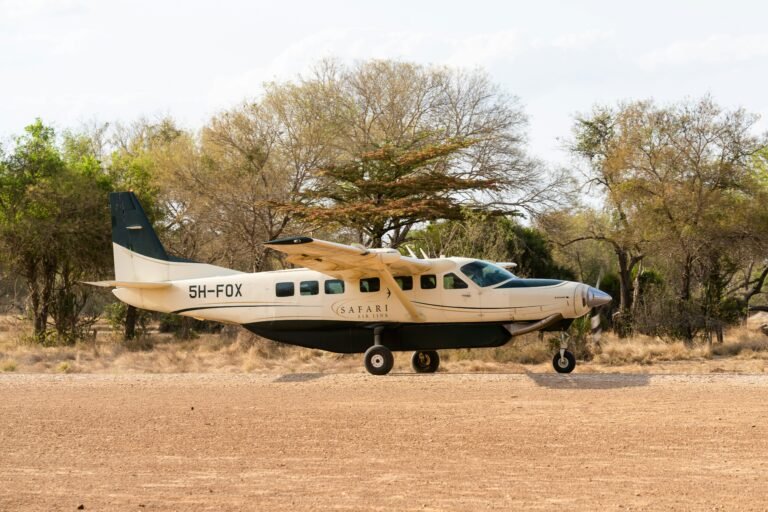
Kogatende To Zanzibar Flights: Northern Serengeti Departure Guide 2027
Kogatende to Zanzibar Flights: Northern Serengeti Departure Guide is explained with current 2027 planning, price, itinerary and booking information.
View package detailsNo related package matches those filters. Clear one or more filters to see the other topic-matched options.



