
A Kilimanjaro climb in September 2027 falls during the shoulder season, offering excellent, stable weather conditions ideal for high-altitude trekking, but requiring careful planning to manage the transition between the dry and wet seasons. For optimal success, the Machame Route or the Lemosho Route are generally recommended for their gradual ascent profile and excellent acclimatization opportunities, which are crucial for minimizing altitude sickness risk.
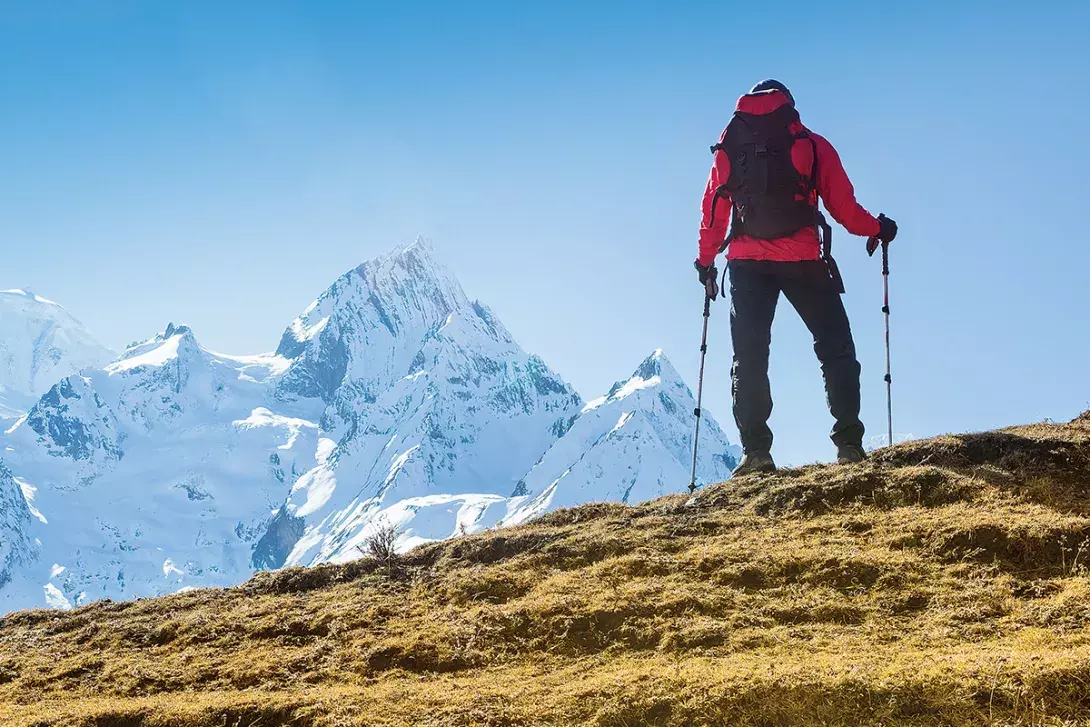
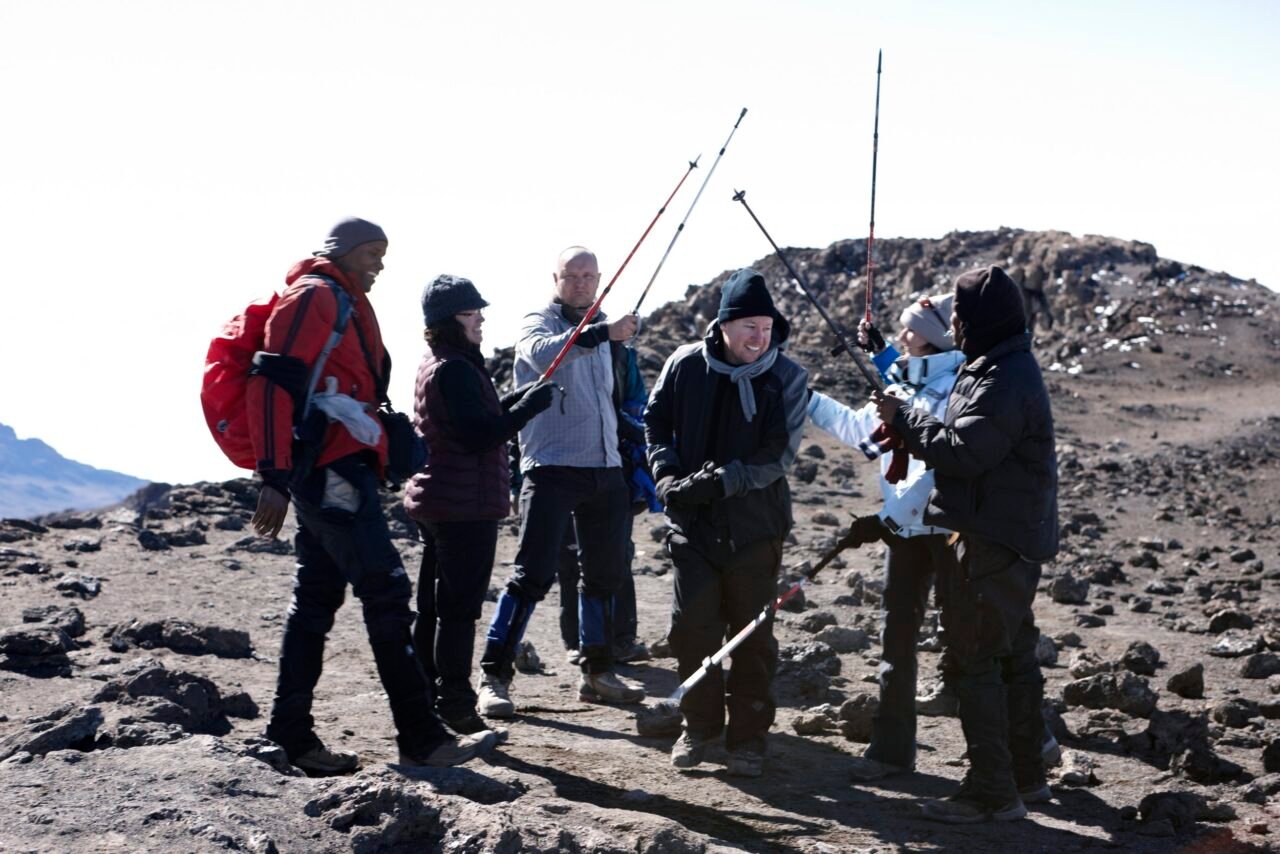
Choosing September for your Kilimanjaro ascent is a practical decision. It positions your trek right at the cusp of the main rainy season, meaning you benefit from the relatively stable, dry conditions of late summer while avoiding the peak crowds of the high season months. However, because it is a transition month, understanding the nuances of the weather and trail conditions is vital for a successful, well-prepared climb. This guide is designed to walk you through every critical decision point, from route selection to packing lists, ensuring your 2027 expedition is as smooth and successful as possible.
Understanding the September Window: Weather and Conditions
When planning a climb for September 2027, you are entering a period of shift. The Kilimanjaro climate is notoriously unpredictable, but September generally offers a sweet spot. The temperatures are mild in the lower sections, and the high-altitude weather tends to be clear and crisp. While the peak dry season has passed, the heavier, more intense rains typically associated with the peak wet season haven’t fully set in. This often translates to fewer extreme downpours compared to the mid-to-late rainy season months.
However, this transition period means trail conditions can vary. Some areas might be damp or muddy after earlier seasonal rains, requiring appropriate gear. Furthermore, the cloud cover can be more frequent than in the absolute driest months. The key takeaway here is that while the chances of encountering severe, disruptive weather are lower than during the heavy rains, you must be prepared for all four seasons in a single day. Always confirm the most current local trail reports with your operator before departure.
Route Selection: Machame vs. Lemosho and Beyond
The choice of route is arguably the most critical decision before booking your Kilimanjaro climb in September 2027. It dictates your pace, your acclimatization strategy, and the overall landscape you experience. There is no single “best” route; there is only the route that best suits your physical condition, desired experience, and comfort level with the logistics.
The most highly regarded routes for maximizing acclimatization—the single most important factor for summit success—are those that offer a longer ascent profile, such as Lemosho and Machame. Let’s break down the considerations for these two major contenders:
Machame Route: The Classic Ascent
The Machame route is often considered the most popular and arguably the most scenic of the established routes. It typically offers a slightly faster progression than some other routes, but crucially, it is known for its continuous, gradual climb, which aids acclimatization. It involves a steady upward trajectory through diverse ecosystems, from rainforest to moorland, before reaching the higher alpine desert. The logistics are well-established, making it a reliable choice for first-time climbers who prioritize a proven path.
Lemosho Route: The Extended Journey
If your primary goal is maximizing your chance of summiting, the Lemosho route is highly recommended. Its advantage lies in its longer duration and its unique trajectory, which allows for more time at intermediate altitudes and often involves a more varied path that facilitates superior acclimatization. Lemosho takes you through different parts of the mountain, offering a profound sense of the mountain’s vastness and diversity. It is generally suited for travelers who are comfortable with a longer trekking commitment.
For those seeking a slightly different experience or a more challenging trek, other routes exist, such as the Northern Circuit. This route is significantly longer and more remote, offering a different cultural and ecological experience, but it demands a higher level of fitness and commitment. For a first-time Kilimanjaro climb in September 2027, Lemosho or Machame are the safest and most advisable starting points. Always check the specific route options available to you and consult with an experienced local operator to determine the best fit for your fitness level.
- Speed vs. Acclimatization: Always choose the longer itinerary. The mantra on Kilimanjaro is: “Pole Pole” (slowly, slowly). A longer route provides more time for your body to adapt to the altitude, which is the single biggest determinant of success.
- Scenery vs. Duration: Lemosho offers a very diverse, sweeping view of the mountain’s different flanks, while Machame offers a more concentrated, classic ascent experience.
- Logistics: Both Machame and Lemosho are well-supported by operators, ensuring reliable guides, porters, and logistics support throughout the climb.
The Critical Factor: Acclimatization Strategy and Pacing
Regardless of the route you select, the success of your expedition hinges entirely on your acclimatization strategy. Altitude sickness (Acute Mountain Sickness, AMS) is a real and serious risk, and rushing the ascent is the primary cause of failure. Kilimanjaro is not a hike; it is a high-altitude expedition, and your body needs time to adjust to the thinning air.
Professional operators manage this through strategic itinerary design. The longer the itinerary, the more time the body has to adapt. While some may opt for shorter, 6-day treks, it is strongly advised, especially for those new to high altitude, to opt for a 7-day or even 8-day itinerary. These extra days allow for critical rest days, slower ascent rates, and more gradual transitions through elevation bands.
Acclimatization is not just about resting; it is about smart trekking. It involves sleeping at a higher altitude than you are during the day, and strategically incorporating short, low-impact hikes at higher points during the trek itself. Your guide will manage this daily pacing, but you must be honest with yourself and your team about how you feel. Any signs of AMS—headache, nausea, dizziness, extreme fatigue—must be reported immediately. Descending is the only guaranteed cure for altitude sickness.
- Pace Yourself: Stick rigorously to the “Pole Pole” principle.
- Hydration: Drink significantly more water than you think you need—at least 3-4 liters per day. Dehydration exacerbates AMS symptoms.
- Listen to Your Body: Do not ignore mild symptoms. Early intervention is crucial.
- Pre-Trek Fitness: While altitude adaptation is key, a baseline level of cardiovascular fitness makes the journey significantly safer and more enjoyable.
Logistics and Planning for September 2027
Planning an international trek requires detailed logistical coordination. Since you are looking at a 2027 departure, this gives you ample time to plan, which is a significant advantage. You should use this time to secure your desired dates and select a reputable local operator. The operator handles everything from park permits and local guides to transfers in Tanzania.
What to Confirm with Your Operator
Before committing to any booking for September 2027, ensure you receive clarity on the following points. These details can change based on local regulations or specific group dynamics:
- Itinerary Specifics: Confirm the exact number of days and the planned route (e.g., Machame 7-Day). Review the day-by-day elevation profile.
- Inclusions and Exclusions: Understand exactly what is covered. Standard inclusions typically cover park fees, guides, porters, food, and camping equipment. Exclusions usually include international flights, travel insurance (which is absolutely mandatory), and tips.
- Permit Status: Verify that the operator holds the necessary and current licenses and that the park permits are secured for your chosen dates.
- Support Structure: Ask about the guide-to-climber ratio and porter-to-climber ratio. A smaller ratio generally indicates better support and safety.
Because Kilimanjaro is a heavily regulated environment, the permits and logistics are managed by the Tanzanian government and the park authority. A trusted local operator like Climb 4 Africa handles this complexity, allowing you to focus purely on the trekking experience.
Travel Insurance: The Non-Negotiable Element
Do not underestimate the importance of comprehensive travel insurance. Standard travel insurance policies often exclude high-altitude trekking or emergency helicopter evacuation, which is a possibility on Kilimanjaro. You must secure a policy that specifically covers high-altitude trekking (up to 6,000m/20,000 ft) and includes emergency medical evacuation.
This is a crucial financial safeguard. Before you finalize any booking for your Kilimanjaro climb in September 2027, ensure your insurance documentation is in place and reviewed by a specialist in adventure travel.
Preparing for the Trek: Physical and Mental Readiness
While the mountain tests your body, the journey also tests your mental resilience. The ascent is a slow, steady grind, and there will be days when motivation wanes. Proper preparation mitigates this.
Physical Training Regimen
You do not need to train like an elite mountaineer, but you do need a solid foundation. Focus your training on endurance, not just strength. Long, sustained walks (hikes) with a weighted backpack are excellent preparation. Incorporate cardio exercises—running, cycling, or swimming—into your routine. Training should simulate the duration and rhythm of the trek, not just the altitude.
Many travelers find that starting their training plan at least 4 to 6 months before the planned September 2027 departure gives them a significant advantage. If you need specific guidance on building a training schedule tailored for Kilimanjaro, reviewing resources on Kilimanjaro training plans can be highly beneficial.
Mental and Emotional Preparation
The mountain is vast and often isolating. Being mentally prepared for long days, slow progress, and challenging weather is as important as physical fitness. Accept that the climb is a process of slow, deliberate effort, not a sprint. Focus on the small victories—reaching the next campsite, enduring a challenging day, or seeing a spectacular sunrise.
While specific daily elevations vary by route (Lemosho vs. Machame), a successful 7-day itinerary generally follows this pattern, designed for maximum acclimatization:
- Day 1: Arrival & Local Acclimatization: Arrival in Kilimanjaro/Moshi, transfer, light activity.
- Day 2: Initial Ascent: Gentle climb out of the base area (e.g., Machame Gate/Lemosho Camp).
- Day 3: Steady Climb: Progress to a mid-altitude camp. Focus on hydration and pacing.
- Day 4: Acclimatization Day: Hike to a higher point during the day, then descend to sleep at a lower elevation. This is a key acclimatization strategy.
- Day 5: Higher Camp Progression: Ascend further into the moorland/alpine zone.
- Day 6: Summit Push (Climb): Early start to reach Uhuru Peak. This is the most physically demanding day.
- Day 7: Descent & Departure: Descend back to base camp, transfer, and departure.
This is a generalized framework. The exact sequence and daily distances must be confirmed with the operator to match the specific route and your fitness level.
Gear Selection: What to Pack for September
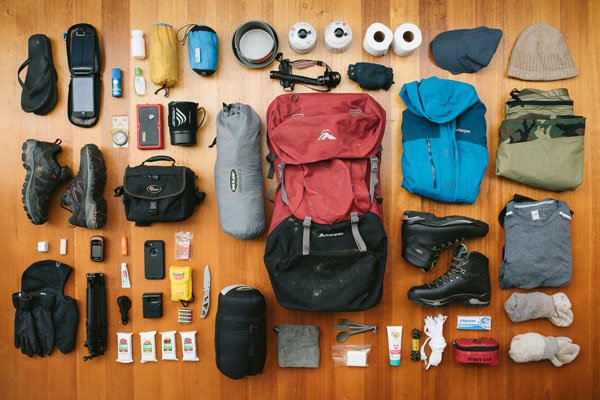
Packing for Kilimanjaro is a balance of protection against extreme cold, managing high-altitude winds, and dealing with potential dampness. Since September is transitional, layering is your best friend.
Instead of packing heavy items, focus on high-quality, technical layers. The goal is to trap heat while allowing moisture to escape.
- Base Layers (Moisture-wicking): Merino wool or synthetic thermal tops and bottoms. These manage sweat effectively.
- Mid Layers (Insulation): Fleece jacket or lightweight puffy jacket. This traps body heat.
- Outer Shell (Protection): A high-quality, breathable, waterproof/windproof jacket and trousers. This is crucial for dealing with transitional weather and wind at altitude.
- Footwear: Sturdy, broken-in hiking boots suitable for rugged, potentially wet terrain. Bring gaiters to keep mud and water out.
- Headwear and Gloves: A warm hat (beanie), sun hat, and layered gloves (a thin liner glove plus a waterproof outer shell glove).
- Sleeping System: A quality sleeping bag rated for low temperatures (comfort rating of around -10°C to -15°C is recommended for high camps).
Many travelers ask about gear rentals. While some operators offer rental services, especially for specialized equipment like sleeping bags, it is often prudent to purchase your core, high-use items (like base layers) from reputable outdoor retailers to ensure they meet your specific needs. A local expert can advise you on the most practical gear strategy for your planned dates.
Addressing Common Traveler Concerns for 2027
As you look ahead to September 2027, several questions naturally arise. Addressing these upfront can streamline your planning process.
Q: How far in advance should I book?
Since 2027 is still some time away, booking too early can sometimes mean missing out on better options or facing dynamic pricing. However, for popular shoulder-season dates like September, it is wise to start conversations with operators 6 to 12 months out. This gives you a good window to secure your desired slot while still allowing flexibility for personal planning.
Q: Is it physically demanding?
Yes, it is physically demanding. The trek requires sustained effort, especially during the final summit push. However, with the proper route selection (Lemosho or Machame), adequate acclimatization, and good training, the difficulty is manageable for fit, determined individuals. It is a challenge, but a rewarding one.
Q: What are the costs involved?
Pricing for Kilimanjaro is highly variable, depending on the duration, the route, the level of support (e.g., standard vs. premium/private), and the time of year. Since you are looking at September 2027, which is a shoulder season, the costs might be slightly more stable than peak season, but this is not guaranteed. Costs generally cover the logistics and local support, but do not include international flights, visas, or personal gear. For a precise and up-to-date cost breakdown, we recommend contacting a specialist operator.
The next critical step is to move from general research to specific planning. To get accurate quotes and tailored itineraries for your Kilimanjaro climb in September 2027, we encourage you to speak directly with the experts at Climb 4 Africa. They can assess your fitness goals, preferred route, and budget, and provide a comprehensive, personalized quote.
For detailed, personalized planning, you can reach out via WhatsApp at +255 747 477 898, or send an email to climb4africa@gmail.com or info@climb-4-africa.com. We look forward to helping you turn your Kilimanjaro dream into a well-planned reality.
Navigating Altitude Sickness: The Physiology of the Ascent
While route selection provides the framework for acclimatization, understanding the physiological reality of ascending Mount Kilimanjaro is the key to personal safety and success. By September 2027, the medical protocols for high-altitude trekking will remain largely unchanged, but your personal awareness of how your body reacts to thin air is a variable you must control. Altitude sickness, medically known as Acute Mountain Sickness (AMS), does not discriminate based on fitness, age, or experience. It is a physiological response to the rapid decrease in barometric pressure and the resulting reduction in available oxygen molecules as you climb above 2,500 meters.
On the slopes of Kilimanjaro, the most critical factor is the rate of ascent. Your body requires time to produce more red blood cells and adjust its breathing patterns to compensate for the oxygen deficit. In September, the weather is generally clear, which can inadvertently tempt trekkers to push harder or faster than they should. The classic mistake is treating the climb like a race. The “pole pole” (slowly, slowly) philosophy is not merely a cultural catchphrase; it is a vital medical strategy. By moving slowly, you allow your heart rate to remain in a zone that facilitates better oxygenation, reducing the strain on your cardiovascular system.
Recognizing the Early Warning Signs
Recognizing the onset of AMS is a non-negotiable skill for every climber. The symptoms are often subtle at first. A mild headache is the most common indicator, but it can be easily dismissed as dehydration or fatigue. In a professional trekking environment, guides will perform daily pulse oximetry readings and health checks. However, you are the first line of defense. If you experience a persistent headache that does not respond to simple analgesics, nausea, dizziness, or a lack of appetite, you must communicate this to your lead guide immediately. Attempting to “push through” these symptoms is the primary cause of evacuations on the mountain.
It is important to distinguish between the typical fatigue of a multi-day hike and the onset of altitude-related distress. Typical fatigue feels like tired muscles; altitude sickness feels like a systemic failure of your body to recover during rest. If you find that you are struggling to sleep, experiencing sudden lethargy, or feeling uncoordinated, these are red flags. By September 2027, ensure you have discussed the use of acetazolamide (Diamox) with your personal physician well in advance of your trip. While not a cure-all, it is a widely accepted prophylactic that can assist the body in acclimatizing, though it should never be used as a substitute for a sensible, slow ascent profile.
The Psychological Impact of High Altitude
The mental aspect of dealing with altitude is frequently underestimated. As you climb, the thinning air can induce a sense of lethargy and reduced cognitive function, often referred to as “altitude fog.” This can make decision-making feel heavier and more laborious. Preparing for this involves mental fortitude—understanding that your brain will not function at 100% capacity at 4,000 meters. Simplify your daily routines, organize your gear the night before, and trust the guidance of your support team. When the summit night arrives, the extreme cold and the physical toll of the previous days will test your resolve. Knowing that your body is operating under physiological stress allows you to manage your expectations; you are not performing poorly, you are performing under extreme conditions.
Hydration and Nutrition at Altitude
Hydration is perhaps the most effective tool you have against altitude sickness, yet it is the most difficult to maintain. At high altitudes, your body loses fluids through increased respiratory rates and the dry, cold air. Furthermore, the suppression of thirst is a common side effect of high altitude. You must force yourself to drink, aiming for 3 to 4 liters of water per day. Adding electrolytes is essential, as simple water consumption alone can lead to hyponatremia if you are sweating heavily and not replacing lost salts. In September, the lower humidity levels of the transition season exacerbate fluid loss, making hydration discipline even more critical than during the humid, rainy months.
Similarly, your appetite will likely diminish as you gain elevation. High-altitude anorexia is real; the mere thought of heavy food can become unappealing. However, your body is burning an immense number of calories, and you need fuel to generate heat and sustain effort. Focus on simple, easily digestible carbohydrates—oats, rice, and soups—that provide energy without taxing your digestive system. Your kitchen crew will be experts in preparing these meals, but you must be the one to ensure you are eating enough to keep your internal “furnace” burning, especially during the freezing nights of the upper camps.
Sustainable Trekking: Ethical Considerations and Environmental Stewardship
As you prepare for your September 2027 ascent, it is crucial to recognize that your presence on Kilimanjaro is part of a delicate ecosystem. The mountain faces significant pressure from the volume of trekkers, and the “Leave No Trace” principles are not merely suggestions but foundational requirements for preserving this UNESCO World Heritage site. In 2027, the focus on sustainable tourism is sharper than ever; operators are increasingly scrutinized for their labor practices and environmental impact. Being an ethical trekker starts before you even arrive at the trailhead.
First, evaluate the credentials of your chosen operator regarding porter welfare. The Kilimanjaro Porters Assistance Project (KPAP) remains the gold standard for independent verification. When you book, explicitly ask if your operator is a partner of KPAP. This ensures that the porters carrying your gear are provided with adequate clothing, fair wages, proper sleeping equipment, and reasonable load limits. In the thin air of September, where temperatures can plummet rapidly at night, ensuring that your support team is as well-protected as you are is a moral imperative. If an operator cannot provide proof of fair labor practices, your contribution to the local economy is compromised.
Environmental stewardship extends to waste management and resource consumption. While your guide service will handle the bulk of waste removal, your personal habits set the tone. Avoid single-use plastics entirely. September’s dry, crisp conditions make it tempting to bring disposable water bottles, but these are a significant burden on the mountain’s waste systems. Instead, invest in high-quality, insulated hydration bladders and reliable water purification tablets or filters. Furthermore, be mindful of the “human waste” aspect of the trek. While established camps have long-drop toilets, using them correctly—and following the “pack it in, pack it out” rule for personal hygiene products—is vital. The mountain’s soil is nutrient-poor, and the decomposition rate at high altitude is exceptionally slow; what you leave behind will likely remain there for years.
The Logistics of Connectivity and Communication
For many, a Kilimanjaro climb is a digital detox, but for others, maintaining a connection to the outside world is a necessity, whether for business, family, or safety updates. Understanding the limitations of connectivity on the mountain is essential for managing expectations during your September 2027 journey. The mountain is not a dead zone, but it is highly inconsistent.
Cellular coverage on Kilimanjaro is surprisingly robust in certain areas due to the proximity of the mountain to major Tanzanian towns. You will often find 3G or even 4G signals at the lower gates and on specific ridges where there is a direct line of sight to the lowlands. However, coverage is dictated by topography; as soon as you descend into a valley or move behind a significant rock formation, signal strength will vanish. Do not rely on mobile data for navigation or critical communication. Instead, treat any signal you find as a luxury, not a utility.
If you require consistent communication, consider renting a satellite messenger device, such as a Garmin inReach or Zoleo. These devices operate via the Iridium satellite network and provide reliable text-based communication from virtually anywhere on the mountain. They are invaluable for checking in with family or, in the event of an emergency, coordinating with your base of operations. Remember that cold weather significantly impacts battery life; keep your devices close to your body in an internal pocket during the day and inside your sleeping bag at night. The cold will drain a lithium-ion battery in hours if left exposed.
Cultural Etiquette and Local Engagement
Your journey to the summit is deeply intertwined with the Chaga and Maasai cultures that surround the mountain. Engaging respectfully with the local communities enhances your experience and honors the mountain’s heritage. In 2027, as you move through the villages surrounding the national park, simple gestures of respect go a long way.
When interacting with your mountain crew, learn a few phrases in Swahili. It is not just about communication; it is about connection. A simple “Jambo” (hello) or “Asante sana” (thank you very much) is universally appreciated. Understand that the hierarchy of the mountain crew—guides, assistant guides, cooks, and porters—is a structured team. Respect this hierarchy. If you have concerns about the trek, address them through your lead guide, who is responsible for the overall safety and organization of the team. Publicly criticizing a crew member undermines the lead guide’s authority and can create unnecessary tension within the group.
Finally, consider the impact of tipping. Tipping is a standard and expected part of the Kilimanjaro experience, serving as a significant portion of the crew’s income. Do not wait until the final morning to figure out your tipping strategy. Research current, fair tipping guidelines well in advance and prepare your cash in small, clean, and crisp denominations. Distributing tips directly to the individuals—rather than handing a lump sum to the lead guide—ensures that every member of the team, especially the hard-working porters who rarely interact directly with clients, receives their fair share. This transparency fosters goodwill and recognizes the immense physical labor required to get you to the summit.
The Final Push: Mastering the Summit Night Strategy
The summit attempt is the defining moment of any Kilimanjaro expedition. In the context of a September 2027 climb, you will likely face clear, crisp, and extremely cold conditions during the final push. This phase, typically starting between 11:00 PM and midnight, is not merely a hike; it is an endurance event that tests your metabolic efficiency, psychological resilience, and equipment management under extreme pressure. Understanding the specific mechanics of this night is essential for success.
The Physics and Psychology of the Alpine Start
The standard practice of an “alpine start” is driven by necessity rather than preference. By beginning the ascent in the dead of night, you aim to reach the crater rim—Stella Point or Gilman’s Point—by sunrise. This timing serves two critical purposes: it allows you to crest the summit just as the sun provides warmth and visibility, and it ensures that your descent, which is arguably more taxing on your joints, occurs before the afternoon cloud cover and potential precipitation set in. Psychologically, the darkness is a double-edged sword. While it prevents you from seeing the sheer scale of the remaining climb, which can be demoralizing, it also restricts your sensory input to a small cone of light from your headlamp. This sensory deprivation can lead to a phenomenon known as “the tunnel,” where you lose track of time and distance. To counter this, focus on micro-goals: reaching the next rock formation or simply completing the next twenty steps. Breaking the climb into these manageable, bite-sized increments is the most effective way to maintain momentum when fatigue begins to set in.
Managing Gear in Sub-Zero Darkness
Equipment failure during the summit night is often a result of temperature mismanagement rather than poor quality. In September, temperatures at the summit can plummet well below freezing, often exacerbated by wind chill. Your primary challenge is the freezing of hydration systems. Standard hydration bladders are notorious for failing at this altitude; the water in the hose will freeze solid within minutes, regardless of insulation. For your 2027 ascent, rely on a wide-mouth Nalgene-style bottle carried inside your jacket, close to your body heat, or use an insulated thermos for hot tea or electrolyte-rich liquids. If you must use a hydration bladder, blow the water back into the reservoir after every sip to clear the tube, and consider using an insulated tube cover. Furthermore, battery management is critical. The extreme cold will drain lithium-ion batteries—for both headlamps and cameras—significantly faster than at base camp. Always carry a spare, fully charged battery for your headlamp, and keep it in an internal pocket against your chest. If your headlamp uses standard alkaline batteries, ensure they are fresh; the cold reduces their voltage output, causing lights to dim prematurely.
The Descent: The Often-Overlooked Second Half
One of the most common errors climbers make is exhausting their physical and mental reserves on the ascent, failing to account for the descent. The walk down from Uhuru Peak to the high-altitude camp—often Mweka or Millennium—is punishing. You are descending thousands of vertical feet on loose scree, which acts like ball bearings under your boots. By this point, your quadriceps are likely fatigued, and your balance may be compromised by the lingering effects of altitude. Use trekking poles aggressively on the descent to absorb the impact that would otherwise be borne by your knees. It is vital to maintain your pace; do not sprint, as this increases the risk of tripping and injury, but do not dawdle, as the goal is to descend as quickly as possible to lower, oxygen-rich altitudes where your body can begin to recover. Hydration remains critical during this phase. Many climbers stop drinking once they reach the summit, assuming the hard part is over. This is a mistake. Your body is still recovering from extreme exertion and dehydration; continue to sip fluids until you reach your final camp.
Post-Summit Recovery: The First 48 Hours Off the Mountain
The journey does not end the moment you step off the trail at Mweka Gate. For a September 2027 expedition, the transition from the thin, freezing air of the summit to the humid, oxygen-rich environment of the lower slopes—and eventually back to civilization—is a physiological shock. Many trekkers mistakenly believe that the exhaustion felt upon reaching the trailhead is the culmination of the effort. In reality, the body undergoes a significant inflammatory response and hormonal shift immediately following the descent. Understanding how to manage these first 48 hours is essential for ensuring your post-climb health and avoiding the common trap of post-summit illness or extreme fatigue.
Upon reaching your hotel, the most immediate physiological threat is not altitude, but immune system suppression. The combination of sleep deprivation, extreme calorie deficit, and the physical trauma of the climb leaves your body highly susceptible to opportunistic infections. It is common for trekkers to feel a sudden onset of cold-like symptoms, sore throats, or general malaise shortly after descending. To mitigate this, prioritize hydration that goes beyond simple water intake. Rehydration salts or electrolyte-replenishment drinks are vital to restore the mineral balance disrupted by days of exertion. Avoid the temptation to immediately celebrate with excessive alcohol; your kidneys and liver are still processing the metabolic waste products of your climb, and alcohol will only exacerbate dehydration and inflammation.
Managing the “Altitude Hangover” and Sleep Patterns
You may experience a phenomenon often described as an “altitude hangover.” Even after descending to lower elevations, your body may continue to exhibit symptoms such as headaches, nausea, or disrupted sleep patterns for up to two days. This is partly due to the residual effects of hypoxia and partly due to the abrupt change in atmospheric pressure. Your sleep will likely be erratic; you may find yourself waking up frequently or experiencing vivid, strange dreams. This is a normal part of the physiological readjustment process. Do not rely on sleeping pills to force rest, as these can suppress respiratory drive, which is the last thing your body needs while still acclimating to the change in oxygen partial pressure. Instead, focus on “active recovery”—light stretching, gentle walking, and ensuring you are in a well-ventilated room.
Nutrition and Metabolic Stabilization
Your caloric requirements during the climb were massive, and your digestive system has likely been operating at a reduced capacity due to altitude-induced appetite suppression. Once back at lower elevations, your metabolism will attempt to “catch up,” leading to intense hunger. However, your digestive tract may be sensitive. Avoid the urge to binge on heavy, greasy, or highly processed foods immediately upon return. Your body needs nutrient-dense, easily digestible fuel to repair muscle tissue damaged during the descent. Lean proteins, complex carbohydrates, and fresh fruits are ideal. If you are experiencing mild gastrointestinal distress, stick to a BRAT diet (bananas, rice, applesauce, toast) for the first 24 hours to stabilize your system before reintroducing more complex meals.
The Psychological Transition: Managing the Post-Summit Low
There is a documented psychological phenomenon known as the “post-summit low” or “post-adventure blues.” After months of intensive training, logistical planning, and the singular, all-consuming goal of reaching Uhuru Peak, the sudden absence of this objective can leave you feeling disoriented or unmotivated. In September 2027, as you reflect on your journey, recognize that this emotional dip is a standard response to the withdrawal of high-intensity goal pursuit. It is helpful to treat your return as a structured period of reflection rather than an immediate return to the grind of daily life. Allow yourself time to process the mental fatigue. Documenting your experiences—not just the photos, but the internal challenges and the lessons learned—can be a powerful tool in grounding your transition back to normalcy.
Monitoring Your Health in the Week Post-Trek
While most issues resolve within 48 hours, be vigilant for signs of delayed-onset altitude issues, specifically High Altitude Pulmonary Edema (HAPE) or High Altitude Cerebral Edema (HACE), which, although rare after descent, can occasionally present symptoms in the immediate aftermath if the descent was too rapid or if pre-existing conditions were masked by adrenaline. If you experience persistent shortness of breath, a wet cough, or neurological symptoms like confusion or severe ataxia after leaving the mountain, seek medical attention immediately. Do not dismiss these as mere “climbing fatigue.” By the end of your first week back, you should feel a return to normal energy levels; if you remain lethargic or symptomatic, consult a physician, as this may indicate an underlying infection or a lingering physiological stressor that requires professional intervention.
The Unspoken Cultural mix: Engaging Beyond the Ascent
While the focus of any Kilimanjaro expedition is naturally the summit, the experience of a September 2027 trek is inextricably linked to the cultural environment of the Chagga people, who have inhabited the slopes of the mountain for centuries. Many trekkers view the local support staff—guides, porters, and cooks—solely as facilitators of their ascent. However, engaging with these individuals not only enriches your personal journey but is also a critical component of ethical tourism. September is a significant time in the local agricultural calendar, often marking the tail end of the coffee harvest, a staple industry in the Moshi and Arusha regions. Asking your guides about the harvest, the significance of the mountain in Chagga folklore, or the challenges of local infrastructure provides a depth of context that transforms the trek from a solitary athletic challenge into a profound human experience.
A nuanced detail often overlooked is the concept of Ujamaa (extended family or community brotherhood) that permeates the support crews. You will notice that your porters often sing, share meals, and assist one another in ways that transcend simple employment contracts. This is not merely for the benefit of the tourists; it is a cultural imperative. When you observe this, understand that your presence is part of a larger socio-economic ecosystem. By 2027, the focus on fair wages and porter welfare will be even more pronounced. Being an active participant in this ecosystem means more than just tipping at the end; it involves respecting the hierarchy and camaraderie of the crew. For instance, avoid the common mistake of only interacting with your lead guide. Take the time to learn the names of your assistant guides, the cook, and the porters. A simple greeting in Swahili—a language that is rhythmic and deeply communal—goes a long way. Phrases like “Habari za asubuhi” (Good morning) or “Asante sana” (Thank you very much) are not just polite; they are bridges that dismantle the transactional nature of the guide-client relationship.
The Role of Local Coffee Culture
If your itinerary allows for a day or two in the Moshi region before or after your climb in September 2027, prioritize a visit to a local coffee plantation. The volcanic soil of Kilimanjaro produces some of the world’s most distinct Arabica beans. Understanding the labor-intensive process of washing, drying, and roasting these beans gives you a newfound respect for the endurance of the local population. This is not just a tourist activity; it is an insight into the economic backbone of the region. Many trekking operators can arrange visits that go beyond the commercial “demonstration” farms. Seek out cooperatives that prioritize sustainable practices. When you drink that coffee on the mountain during your morning routine, you are tasting the literal terroir of the mountain you are climbing. Recognizing this connection adds a sensory layer to your acclimatization days that a strictly fitness-focused mindset would miss.
Navigating Tipping Protocols with Sensitivity
Tipping is the most sensitive aspect of the Kilimanjaro trekking culture. By 2027, the industry will have likely standardized digital payment options, but the cultural expectation of the “tipping ceremony” remains a vital social ritual. This ceremony is not just about the exchange of money; it is a formal acknowledgment of the collective labor that made your summit attempt possible. When preparing your tips, do not simply hand over a lump sum to the head guide and walk away. The proper etiquette involves gathering the entire crew. It is an opportunity to express your gratitude publicly. If you have kept a journal or taken notes during the trek, sharing a specific anecdote about a porter’s assistance or a cook’s resilience can be more valuable than the financial tip itself. Remember, the goal is to reinforce dignity and professional recognition.
The Importance of Linguistic Humility
English is widely spoken by professional guides, but assuming that everyone on the mountain is fluent is a mistake. The porters, who perform the most grueling physical labor, may have limited proficiency in English. This language barrier is often interpreted as a lack of engagement, but it is simply a reality of the diverse educational backgrounds of the mountain crew. Making an effort to learn a few key phrases in Swahili is a gesture of humility. It signals that you are a guest in their land, not just a consumer of their services. Furthermore, if you are traveling with a group, avoid the temptation to speak exclusively in your native language among yourselves when staff are present. It can create an exclusionary atmosphere. Use the time on the trail to bridge these gaps; you will find that even with a limited vocabulary, you can share stories of your respective homes, families, and motivations for being on the mountain. These interactions often become the most cherished memories of the trip, far outlasting the photos of the Uhuru Peak sign.
Strategic Equipment Management: The Micro-Climate Variability of September
While the general consensus for a September 2027 Kilimanjaro expedition centers on stable weather, the reality on the ground is defined by the mountain’s five distinct ecological zones. The challenge in September is not extreme weather, but rather the rapid, vertical transition between these zones. You will effectively experience a journey from the equator to the arctic within a single week. Managing your equipment during this month requires a modular approach rather than a static one. Because September sits in the transition period, you might encounter a humid, rain-dampened rainforest on day one and a bone-dry, high-altitude desert by day four. Your packing strategy must reflect this volatility.
The core of your equipment management strategy should be the “layering system” tailored for the shoulder season. In September, the rainforest zone (the first day of the Machame or Lemosho routes) can be surprisingly humid. If you wear heavy, waterproof-breathable shells too early, you will trap sweat, which then chills your body rapidly when you stop moving. Instead, prioritize a high-wicking base layer for the lower slopes. The crucial error many trekkers make is over-preparing for the summit night while neglecting the thermal regulation needed for the middle trekking days. For the moorland and alpine desert zones, where you spend the majority of your time, the weather is often clear but windy. A wind-resistant softshell jacket, rather than a heavy down parka, is often the most versatile piece of gear you will own during this phase.
Furthermore, September presents a unique challenge regarding dust and moisture. Because the trails have been dried out by the preceding dry months, the volcanic scree can become incredibly fine and powdery. This dust is notoriously abrasive and can clog the zippers of your gear bags, degrade the waterproofing on your boots, and irritate your respiratory system. Conversely, if a late-season shower occurs, that same dust turns into a slick, clay-like mud. Therefore, your gear management must include two specific, often overlooked items: high-quality gaiters and a comprehensive set of dry bags. Do not rely solely on the waterproof cover provided with your daypack, as high-altitude winds can easily strip these covers off or allow rain to seep through the seams. Using dry bags inside your duffel ensures that even if a porter’s pack is exposed to a sudden September downpour, your sleeping bag and spare layers remain bone-dry.
The Ethics of Gear Disposal and Donation
As you conclude your 2027 expedition, you will inevitably face the dilemma of what to do with the gear you no longer wish to carry home. The temptation to leave behind boots, thermal layers, or trekking poles is high, especially if you are traveling onward. However, the ethical landscape of gear donation has shifted significantly. In previous years, trekkers often handed off used gear directly to their guides or porters. While well-intentioned, this practice has been scrutinized for its potential to create dependency or inequity within the crew, where the most senior staff receive the best gear while others are left with nothing.
By 2027, the most responsible approach is to coordinate with your trekking operator *before* you leave home. Many established agencies have formalized gear donation programs. These programs ensure that equipment is collected, cleaned, repaired if necessary, and distributed equitably among the staff based on need and role. If you have high-quality gear you wish to donate, do not simply leave it on your hotel bed. Ask your operator for their specific protocol. Some companies have partnerships with local mountain schools or porter welfare organizations that can put your gear to better use than an individual guide might. This systematic approach respects the dignity of the staff and ensures that the charity does not inadvertently undermine the professional standards of the trekking industry.
Technical Considerations for Photography and Electronics
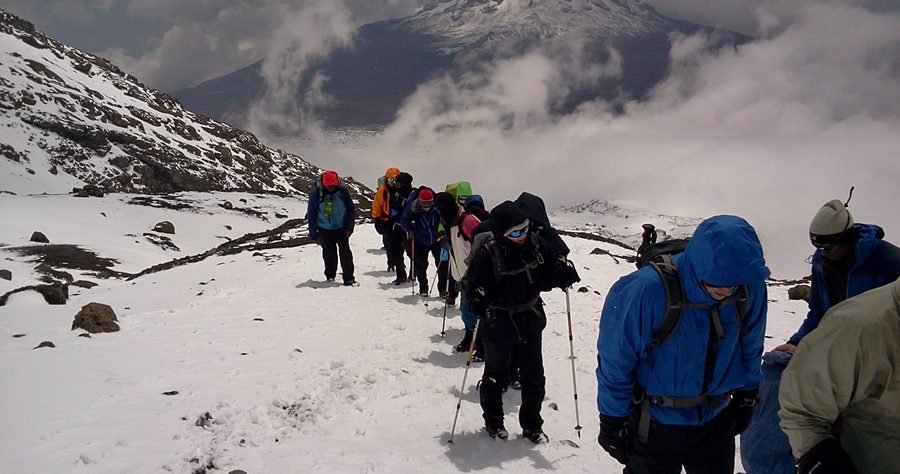
September’s light on Kilimanjaro is distinctive. The angle of the sun and the specific atmospheric clarity of the shoulder season create high-contrast conditions that can be difficult for standard digital cameras and smartphones to balance. The bright, reflective snow and ice near the summit, contrasted with the deep, shadowed volcanic rock, often leads to overexposed highlights and crushed shadows. If you are serious about photography, consider bringing a circular polarizer filter. This will help manage the glare from the snow and enhance the deep blue of the sky, which is particularly striking in the crisp September air.
Beyond the technical photography aspect, you must account for the rapid battery drain caused by high altitude and cold temperatures. Lithium-ion batteries, the standard for almost all modern electronics, suffer a significant drop in voltage when exposed to the sub-zero temperatures of the summit push. A battery that shows 80% charge at the base camp can drop to 10% or even die completely within an hour of exposure to the extreme cold of the alpine zone. To mitigate this, keep your batteries, phone, and camera close to your body heat. Use an internal pocket of your jacket, ideally inside your insulating layer. If you are using a power bank, keep it insulated as well; a frozen power bank is effectively a paperweight. For a September 2027 climb, prioritize ruggedized, weather-sealed equipment. The grit of the mountain is unforgiving to delicate electronics; having a dedicated, dust-proof pouch for your phone or camera is just as important as having a good sleeping bag.
Navigating Common Misconceptions: The Reality of the September Ascent
As you refine your plans for September 2027, you will inevitably encounter a deluge of anecdotal advice, some of which may be outdated or based on misconceptions about high-altitude trekking. Distinguishing between genuine mountain lore and operational myths is critical for maintaining a realistic mindset. One of the most pervasive myths is the ‘pole-pole’ (slowly-slowly) fallacy. While walking slowly is indeed the golden rule of Kilimanjaro, beginners often interpret this as a license to move at a snail’s pace regardless of the terrain or their physical capacity. The reality is that ‘pole-pole’ is not about speed; it is about heart rate management. In September, when the trails are generally drier, there is a temptation to speed up on the lower, easier slopes. This is a strategic error. By maintaining a consistent, low-intensity heart rate from the very first hour of the first day, you preserve glycogen stores for the summit night, where you will need them most. Misunderstanding this rhythm leads to premature exhaustion by the time you reach the alpine desert.
The Myth of ‘Physical Fitness’ vs. ‘Altitude Adaptation’
Another frequent misunderstanding is the belief that superior cardiovascular fitness guarantees success. While being in peak physical condition is undoubtedly beneficial, it does not provide immunity against Acute Mountain Sickness (AMS). In fact, highly athletic individuals often struggle more because they have a psychological tendency to push through discomfort, which is dangerous at altitude. A professional athlete might feel capable of hiking faster than their body can acclimatize, leading to a rapid onset of altitude-related symptoms. For your September 2027 climb, reframe your goal: you are not training for a race; you are training for endurance and metabolic efficiency. The most successful climbers are those who can maintain a steady, moderate pace for six to eight hours a day, day after day, regardless of how ‘easy’ the trail feels.
Clarifying the ‘Summit Night’ Paradox
Many prospective climbers operate under the misconception that the summit night is merely a long hike. This underplays the physiological toll of the final ascent. The summit night is a high-stakes endurance event that occurs in an oxygen-deprived environment, often in sub-zero temperatures. A common mistake is failing to prepare for the *mental* monotony of this phase. Because you are trekking in the dark, usually starting around midnight, you lose the visual cues of progress—the changing landscape, the summit peak, or the distance covered. This sensory deprivation can trigger anxiety or feelings of hopelessness. The reality is that your summit success is 40% physical preparation, 30% pacing, and 30% psychological resilience. To avoid this pitfall, practice ‘chunking’ your progress: focus only on reaching the next break, the next hour, or the next landmark, rather than obsessing over the distance to Uhuru Peak.
Debunking the ‘Hydration Overload’
While hydration is universally cited as the key to preventing altitude sickness, there is a dangerous misconception that ‘more is always better.’ Some climbers attempt to force-drink four to five liters of water daily, believing this will flush out altitude symptoms. This can lead to hyponatremia, a condition where the electrolyte balance in your blood is dangerously diluted. The goal is consistent, steady hydration, not excessive volume. In September, the air is dry, and you will lose moisture through respiration faster than you realize. Your strategy should be to drink small amounts frequently throughout the day, coupled with electrolyte replenishment. Do not wait until you are thirsty to drink, but do not treat water consumption as a competitive sport. Your urine color remains the most reliable, non-invasive indicator of your hydration status; aim for a light straw color throughout the day.
The Fallacy of ‘The Perfect Gear List’
Finally, avoid the trap of believing that buying the most expensive, brand-new gear will compensate for lack of preparation. While high-quality equipment is necessary for safety, many climbers arrive with ‘over-indexed’ gear—expensive technical equipment that they do not know how to use. For example, bringing a pair of high-altitude mountaineering boots that haven’t been broken in is a recipe for blisters that can end your trek before you reach the final camp. September conditions are relatively stable, but you still need to be comfortable in your layers. The most effective gear is that which you have tested extensively. If you are buying new items for your 2027 trip, ensure you use them on local hikes or training sessions months in advance. The mountain is not the place to discover that your new jacket zipper sticks or that your boots pinch your heels on steep descents.
The Solo vs. Group Dynamic: Tailoring Your Social Environment
One of the most overlooked aspects of a Kilimanjaro expedition—particularly for a September ascent, when the mountain is busy but not overwhelmed—is the social environment of your climb. Choosing between a private trek and joining a group is not merely a logistical decision; it fundamentally alters your psychological experience, your pacing, and your overall comfort level on the mountain. By September 2027, the industry will have further refined its group offerings, but the core trade-offs remain the same.
Joining a group trek often provides a safety net of camaraderie. There is an undeniable psychological benefit to sharing the “suffering” of the summit night with others. When morale dips at 4,000 meters, having peers who are experiencing the same fatigue can be validating. However, the limitation of group trekking is the lack of autonomy. You are bound by the group’s collective pace, which is dictated by the slowest member. In September, when weather windows are generally favorable, you may find yourself wanting to push on to the next camp to beat a potential afternoon cloud buildup, only to be held back by a group member struggling with acclimatization. Conversely, if you are the one struggling, the pressure to keep up can be mentally exhausting and physically detrimental to your own health.
A private trek, while more expensive, offers the ultimate luxury: sovereignty over your pace. This is particularly advantageous for climbers who have specific needs—such as those who prefer to stop frequently for photography, those who require extra time to manage gear adjustments due to previous injuries, or those who simply process altitude more slowly and need a “pole-pole” (slowly-slowly) rhythm that is slower than the average group pace. For a September 2027 trip, where you want to maximize your chances of summiting by conserving energy, a private guide allows you to tailor the daily schedule. You can leave earlier in the morning to reach camp before the afternoon mist rolls in, or take extended breaks during the mid-day heat to prevent overheating, which is a subtle but real concern during the sunnier days of September.
Managing Personal Space and Sanitation in Shared Camps
Regardless of whether you choose a group or private experience, the reality of Kilimanjaro is that you will be sharing the mountain’s limited infrastructure. By September, the main routes like the Machame and Lemosho are well-trafficked. Understanding the limitations of camp life is essential for maintaining your physical and mental well-being. Sanitation is the primary concern. While reputable operators provide portable toilet tents, the high volume of traffic on the mountain means that hygiene standards can fluctuate.
For the comfort-conscious traveler, investing in your own personal hygiene kit is non-negotiable. Do not rely on shared facilities provided by the campsite. Bring high-quality, biodegradable wet wipes in bulk—enough for a daily “sponge bath”—and a dedicated, spill-proof container for greywater. Furthermore, consider the acoustics of camp life. Tents on Kilimanjaro are packed closely together. If you are a light sleeper, high-fidelity earplugs are not just a convenience; they are a prerequisite for recovery. The sound of wind, fluttering tent fabric, and the chatter of porters starting their day at 5:00 AM can easily disrupt your sleep, which is already compromised by the altitude. Creating a “sensory sanctuary” within your tent—using a sleeping mask, an inflatable pillow that you have tested at home, and perhaps a small, battery-powered white noise device—can be the difference between waking up refreshed and starting the day with a deficit of energy.
Dietary Customization and Digestive Resilience
High-altitude trekking fundamentally alters your metabolism and appetite. In September, you will be burning thousands of calories daily, yet the high altitude often suppresses the appetite, a phenomenon known as “altitude anorexia.” Operators provide ample food, but it is often standardized. If you have specific dietary preferences or, more importantly, if you know that your stomach is sensitive to sudden changes in diet, you must communicate this well in advance of your 2027 departure.
The standard mountain menu often leans heavily on carbohydrates like rice, potatoes, and pasta to provide fuel. While effective, this can lead to bloating and lethargy. If you find that heavy starch diets exacerbate your digestive issues, request a higher intake of protein-rich soups and lighter, easily digestible snacks. Furthermore, bring your own “comfort food”—items that you know your body tolerates well under stress. This might be specific energy bars, dried fruits, or electrolyte powders that you enjoy the taste of. Do not underestimate the psychological comfort of having a familiar snack when you are exhausted at high camp. If you are prone to digestive distress, consider bringing a small, personal supply of rehydration salts and digestive enzymes, which can help stabilize your system when local water sources or varied meal preparations threaten to upset your stomach.
The Dynamics of Group Composition: Matching Your Trekking Profile
As you look toward your September 2027 ascent, one of the most critical, yet frequently overlooked, decisions is the composition of your trekking group. Kilimanjaro is not a solitary endeavor, even for solo travelers. The social environment of your climb—the dynamic between you, your fellow trekkers, and the support crew—is a primary determinant of your success. In the shoulder season of September, group dynamics can shift significantly compared to the high-traffic months of January or July.
When selecting your group, or deciding whether to join a scheduled departure, you must evaluate three core variables: the group’s collective pace, the social cohesion expectations, and the tolerance for discomfort. A mismatch in these areas is often the silent killer of summit ambitions. If you are a fast, experienced hiker paired with a group that prioritizes a slower, more social pace, you will find yourself constantly reining in your energy, which can lead to frustration and unnecessary cooling of muscles. Conversely, being in a group that pushes too hard can force you to abandon the vital “pole pole” (slowly, slowly) pace required for proper acclimatization.
For 2027, consider requesting a “profile check” from your operator. Ask for the general demographic or trekking history of others already booked on your potential departure date. Are they seasoned mountaineers, or is this their first major trek? Are they looking for a meditative, quiet experience, or a highly social, interactive trip? While operators rarely share personal details, they can often provide a general sense of the group’s personality. If you are a solo traveler, prioritize joining a group that explicitly markets itself as “acclimatization-focused” rather than “summit-focused.” This subtle linguistic distinction usually signals a group that understands the value of a slow, measured ascent.
The Role of the Support Crew: Managing Expectations and Interactions
The relationship with your support crew—guides, assistant guides, porters, and cooks—is the bedrock of your Kilimanjaro experience. In September, as the mountain transitions, the workload for the porters can be slightly more variable due to changing weather patterns. Understanding the hierarchy and the professional boundaries is essential for a respectful and productive relationship.
Your head guide is your primary liaison, safety officer, and, often, your psychological anchor. However, remember that they are managing a team of 10 to 15 people for every trekker. In 2027, as labor standards and porter welfare initiatives continue to evolve, it is vital to interact with your crew as partners rather than servants. This isn’t just an ethical imperative; it directly affects your safety. A crew that feels respected and valued will be significantly more attentive to your needs, more proactive in identifying early signs of altitude sickness, and more motivated to assist you during the grueling summit night.
Establish clear communication lines on day one. During the initial briefing, do not hesitate to ask questions about the crew’s rotation schedule, their experience level, and the safety protocols they follow if a trekker needs to descend. If you have specific needs—such as a requirement for extra assistance with your pack or a need for more frequent hydration checks—communicate these clearly and early. Do not wait until you are at 4,000 meters to express that you are struggling; the crew needs to be aware of your baseline to notice when you deviate from it.
Equipment Longevity and the September Humidity Factor
While September is generally dry, the transition period brings unique challenges to gear maintenance that many trekkers ignore. The lingering humidity can be deceptive. It settles into fabrics and electronics, and if not managed, it can lead to mildew in your sleeping bag or condensation issues in your camera gear. This is particularly relevant if you are using high-end synthetic or down gear that relies on loft for warmth.
To combat this, adopt a “dry-bag discipline” from the moment you leave the hotel in Moshi or Arusha. Every single item in your duffel bag should be inside a waterproof dry bag. Do not rely solely on the duffel bag’s water resistance, as it will be exposed to the elements on the backs of porters for hours at a time. Furthermore, upon arriving at camp, immediately unpack your sleeping bag and allow it to air out for 15–20 minutes inside your tent. This allows any moisture accumulated during the day’s hike to evaporate. If you ignore this step, you will find that your sleeping bag becomes progressively colder and heavier over the course of the trek, as the insulation loses its efficacy.
For your electronics, the humidity of the rainforest zone combined with the rapid temperature drop at high camp can create condensation inside your camera lenses or phone batteries. When moving from a cold outdoor environment to a warmer, enclosed tent, do not immediately take your electronics out of your bag. Let them acclimate gradually. Keeping silica gel packets in your camera bag is a low-cost, high-impact strategy to mitigate moisture damage throughout your week on the mountain.
Strategic Financial Planning: Beyond the Tipping Protocol
While tipping is the most discussed financial aspect of a Kilimanjaro trek, the “hidden” costs of a September expedition are often what catch travelers off guard. By 2027, the inflationary pressures on mountain logistics—fuel, food costs, and park fee adjustments—will likely be reflected in the final prices. However, beyond the core trekking fee, you should budget for the “transition-season contingency.”
This contingency fund should cover three specific areas: unexpected gear replacements, medical contingencies, and last-minute logistical adjustments. For example, if a sudden, unseasonable storm hits in mid-September, you may find that your current rain gear is insufficient, and you might need to rent higher-grade equipment from your operator on the mountain. Having a reserve of local currency (Tanzanian Shillings) or a reliable digital payment method accessible is crucial. Additionally, ensure your travel insurance explicitly covers high-altitude helicopter evacuation up to 6,000 meters. Do not assume your standard policy covers this; verify the altitude limit in your policy documents. Many standard policies cap at 3,000 or 4,000 meters, which is useless on Kilimanjaro. This verification process should be completed no later than three months before your departure.
Q: How do I identify if my travel insurance is actually sufficient for high-altitude trekking?
A: You must specifically look for the “altitude limit” or “mountaineering clause” in your policy’s fine print. Many general travel insurance plans exclude “climbing” or “mountaineering” activities above a certain height. Ensure your policy explicitly mentions “high-altitude trekking” and covers the specific altitude of Uhuru Peak (5,895 meters). If the policy does not state an altitude limit, call the provider and request written confirmation via email that Kilimanjaro is covered.
Q: Should I bring my own water purification system, or rely on the crew?
A: While reputable operators provide purified water, bringing your own backup—such as chlorine dioxide tablets or a lightweight, portable UV purifier—is highly recommended. This provides a safety net if there is a breakdown in the crew’s purification process or if you find the taste of the treated water unpalatable, which can sometimes discourage proper hydration.
Navigating the Operator-Client Contract: Beyond the Booking Confirmation
As you approach your September 2027 departure, the relationship with your trekking operator shifts from a transactional booking phase to an operational partnership. Many climbers mistakenly believe that a paid invoice and a confirmed itinerary are the final steps. However, the period between booking and arrival is when the most critical logistical verification must occur to prevent on-mountain friction. By September, operators are often managing multiple groups simultaneously; ensuring your specific needs are not lost in the shuffle is a proactive responsibility of the climber.
Defining the Scope of Support: What is Included vs. What is Guaranteed
It is essential to clarify the distinction between a service being “included” and a service being “guaranteed.” For instance, while most operators state that “all meals are provided,” this is a broad term. You should explicitly confirm the following details in writing at least 60 days before your ascent:
- Dietary Customization Protocols: If you have specific medical or ethical dietary requirements (vegan, gluten-free, or specific allergen sensitivities), do not rely on the general “we accommodate all diets” promise. Ask for the specific sourcing strategy. Will the food be purchased in Moshi or Arusha? Are there backup plans if fresh produce becomes unavailable due to local supply chain issues?
- Emergency Communication Redundancy: Verify the exact model of communication devices carried by the lead guide. Is it a satellite phone, a radio, or a satellite messenger like an inReach? More importantly, ask for the protocol for testing these devices at the trailhead. A device that is not tested until an emergency occurs is a liability.
- The Ratio of Crew to Client: While park regulations mandate a certain number of porters, confirm your operator’s internal policy on guide-to-climber ratios for summit night. A 1:2 or 1:3 ratio is standard for safety; ensure this is the written agreement, not just a verbal aspiration.
The Pre-Departure Technical Audit
Approximately one month prior to your September trek, conduct a technical audit of your logistics. This is the time to request confirmation on the specific tent models provided. For September, which can present variable humidity, ensure your operator uses four-season tents with proper ventilation systems to prevent condensation buildup, which can lead to soaked sleeping bags—a major risk factor for hypothermia. Furthermore, inquire about the “porter welfare” audit. Ask your operator to provide evidence of their membership in organizations like the Kilimanjaro Porters Assistance Project (KPAP). Verification of fair wages, proper gear for the crew, and adequate shelter is not just an ethical imperative; it directly correlates to the morale and effectiveness of the team supporting your climb.
Managing the Final Logistics Briefing
The final pre-climb briefing, usually held 24 to 48 hours before you start the trek, is your last opportunity to rectify logistical oversights. This meeting should not be a casual “meet and greet.” It should be treated as a formal safety inspection. Use this time to inspect the equipment you are renting. Check the zippers on sleeping bags, the integrity of the poles, and the waterproofing of any rented duffel bags. If a piece of equipment appears worn or unreliable, insist on a replacement immediately. It is far easier to swap a faulty item at the hotel in Moshi or Arusha than it is to deal with a equipment failure at 4,000 meters.
Q: What should I demand to see during the pre-climb briefing?
A: You should request to see the actual equipment you will be using, specifically the sleeping bag, the sleeping pad, and the tent model. You should also ask to see the pulse oximeter that will be used for your daily health checks and confirm that the guide knows how to interpret the readings in the context of your specific acclimatization profile.
Q: If my operator is not KPAP certified, does that mean they are unethical?
A: Not necessarily, but it means they have not submitted to independent, third-party oversight. KPAP certification is the gold standard for transparency regarding porter welfare. If your operator is not certified, you should ask them to provide their own written policy on porter wages, load limits, and sleeping arrangements. If they cannot provide a clear, documented policy, you should reconsider your choice of operator.
Related Reading
Check Availability for Kilimandscharo Besteigung Im September 2026-2027
Ready to compare dates, prices, and the best option for your group? Send the package name and travel month so the team can reply with a clear quote, availability, and what is included.



