
Kilimanjaro group tours in January 2027 offer a strategic advantage for trekkers, as this month marks the beginning of the “short dry season,” characterized by clearer skies, stable weather, and high-visibility summit days. By joining a group departure, you share the significant fixed costs of park fees, transport, and support staff, making the expedition more accessible while ensuring you are accompanied by an experienced team tailored for the specific logistical demands of the mountain.
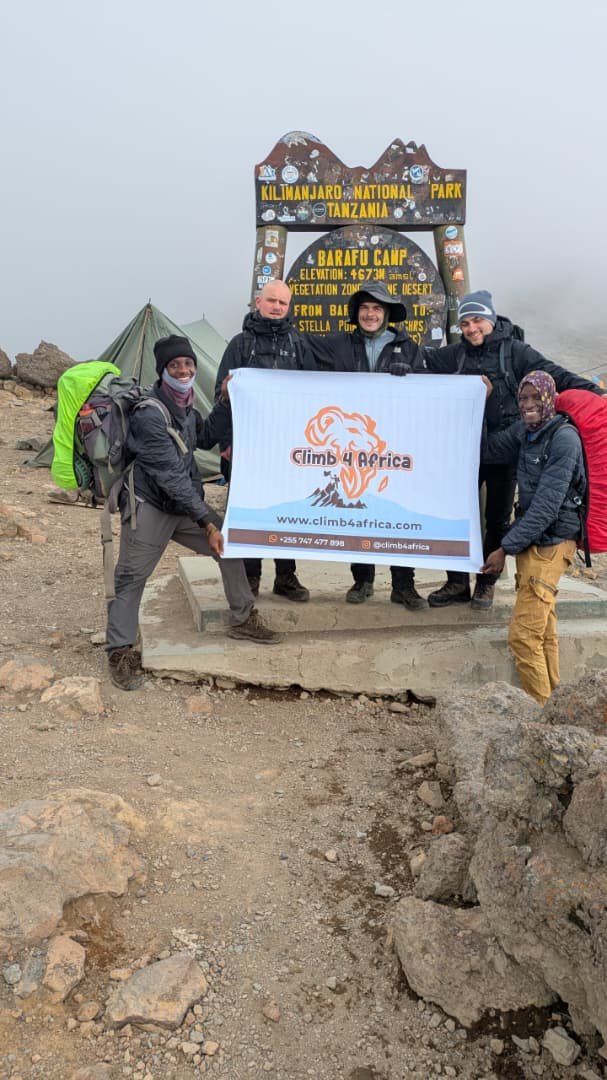
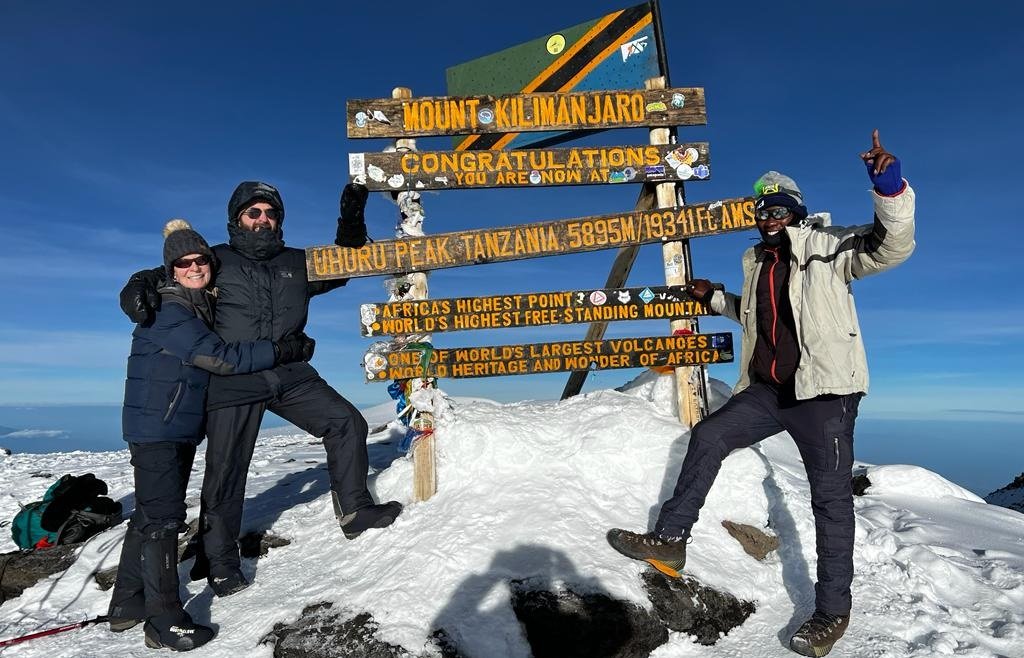
When you start looking at the calendar for 2027, January stands out as a unique window for Kilimanjaro climbers. Unlike the main dry season in mid-year, January offers a distinct atmospheric quality. The air is often crisp, and the “short dry season”—a brief period of respite between the short rains of November/December and the long rains of late March—provides some of the best mountain visibility of the year. For those planning a 2027 ascent, choosing a group departure is not just about cost-efficiency; it is about plugging into a proven, safe, and social infrastructure that Climb 4 Africa has refined over years of operation.
The Strategic Advantage of January for Your 2027 Climb
Many climbers obsess over the summer months, but January is frequently the preferred choice for those in the know. Why? Because the weather patterns are generally predictable. You avoid the peak congestion of the July and August months, meaning the trails feel less crowded, and the campsites are more manageable. This matters when you are trying to get a good night’s sleep before a summit push.
January temperatures at the base are comfortable, and while you will still face the extreme cold of the arctic zone at the summit, the lower slopes are lush and vibrant. Because you are traveling in early 2027, you have the benefit of planning your training cycle around the preceding year, allowing for a focused, consistent preparation period. It is a time when the mountain feels fresh, and the guides are well-rested from the festive season, ready to support your summit goal.
Why Group Tours are the Standard for Kilimanjaro Logistics
There is a common misconception that private tours are always superior. While private treks offer total flexibility, group tours provide a specific, highly optimized operational structure. On a group tour, you are not just a solo traveler; you are part of a coordinated logistics chain.
First, consider the economics. Kilimanjaro trekking is heavily influenced by fixed costs: park entrance fees, camping fees, rescue fees, and the mandatory ratios of guides, cooks, and porters per climber. When you join a group tour, these fixed costs are distributed across the group members. This lowers the individual barrier to entry without sacrificing the quality of the support team.
Second, the safety dynamic of a group is distinct. While your team will always monitor your health regardless of group size, being in a group often provides a psychological boost. You are sharing the experience with like-minded individuals, which can be invaluable during the grueling hours of the summit night. At Climb 4 Africa, our group departures are curated to ensure that the pace is consistent, and the support ratio remains high, regardless of the group size.
The Benefit of Shared Experience
Climbing Kilimanjaro is a singular physical challenge. Having companions who are navigating the same acclimatization hurdles—the same headaches, the same excitement, and the same dietary adjustments—creates a camaraderie that is difficult to replicate on a private trek. It turns a solitary test of endurance into a shared journey.
Choosing the Right Route for Your January 2027 Expedition
Not all routes behave the same way in January. While the weather is generally stable, the choice of route dictates your acclimatization profile. We often recommend specific routes for group departures to balance success rates with the overall experience.
Recommended Routes for Early Year Climbs
- Machame Route: Often called the “Whiskey Route,” this is a classic for a reason. It is scenic and provides excellent acclimatization because it allows you to ‘climb high and sleep low’ effectively. It is a staple for group departures.
- Lemosho Route: If you have the time, this is the superior choice. It approaches from the west and offers a longer, more gradual ascent, which statistically increases your chances of summit success. In January, the lower forest sections are beautiful.
- Rongai Route: For those who prefer a quieter trail, Rongai approaches from the north. It is often drier than the southern routes, which can be an advantage if there are any lingering damp conditions from the short rains.
When you contact our team, we will look at your 2027 calendar and help you match your fitness level and available time with the route that maximizes your summit probability. Read more about Machame route logistics to see how we structure our 7-day itineraries.
Financial Considerations and Inclusions
When you look at the price of a Kilimanjaro group tour, it is essential to understand what you are paying for. A high-quality operator does not cut corners on the things that keep you safe. Our group departures are comprehensive, but it is important to know what the industry standard includes versus what you need to provide.
Typically, a robust group tour package includes:
- Professional Mountain Crew: This includes your lead guide, assistant guides, cook, and porters. We prioritize fair wages and ethical treatment, which is a significant part of the cost.
- Park Fees and Permits: These are non-negotiable, government-mandated fees that represent a large portion of your total trip cost.
- Mountain Accommodation: Whether it is tents or mountain huts (depending on the route), these are included in your package.
- Meals: All meals on the mountain, prepared by our chefs to ensure you have the energy needed for the ascent.
What is usually excluded—and what you should budget for separately—are international flights, entry visas, travel insurance (which must cover high-altitude trekking), tips for the crew, and personal gear. We always advise clients to set aside a buffer for these expenses when planning for 2027.
Physical Preparation: The 2027 Timeline
You cannot “cram” for Kilimanjaro. Even if you book your spot for January 2027 today, your success depends on what you do in the months leading up to the trip. High-altitude trekking requires specific aerobic fitness. You should focus on endurance—long, steady hikes with a loaded backpack are far more effective than short, high-intensity gym sessions.
We encourage our climbers to start a structured training plan at least 3 to 6 months before departure. This involves gradually increasing your weekly mileage and vertical gain. If you are new to this, we have resources on Kilimanjaro training and preparation that break down exactly what you need to do to arrive at the trailhead ready to go.
Planning Your 2027 Expedition with Climb 4 Africa
Booking a trip for 2027 might seem far off, but the best group departures fill up quickly because we intentionally keep our groups small to maintain a high guide-to-climber ratio. Planning ahead allows you to secure your preferred dates, coordinate your international flights, and, most importantly, give yourself the time to train properly.
If you are ready to start the conversation, you don’t need a final decision today. We are here to answer your questions about the different routes, the reality of the acclimatization process, and what you can expect during the summit night. Getting in touch early helps us guide you toward the group that best matches your pace and trekking style.
You can reach our team directly to discuss your 2027 plans:
- WhatsApp: +255 747 477 898
- Email: climb4africa@gmail.com
- Backup Email: info@climb-4-africa.com
When you reach out, let us know if you have a preferred route in mind or if you are leaning toward a specific duration. We can provide you with the most current information on departure slots, group sizes, and the specific logistics for the season. Let’s make your 2027 Kilimanjaro climb a reality.
“,
“faq_schema”: [
{
“question”: “Is January a good month to climb Kilimanjaro?”,
“answer”: “Yes, January is considered part of the ‘short dry season.’ It generally offers clear, sunny days and good visibility, making it an excellent time for trekking and summit photos, although you should always be prepared for changing mountain weather.”
},
{
“question”: “Why should I choose a group tour instead of a private climb?”,
“answer”: “Group tours are often more cost-effective as they allow you to share the fixed costs of park fees, transport, and support staff. They also offer a shared social experience with other climbers, which can be highly motivating during the ascent.”
},
{
“question”: “How far in advance should I book my January 2027 climb?”,
“answer”: “We recommend booking several months in advance. This ensures you secure a spot on your preferred route and gives you adequate time to complete your physical training and organize your travel logistics.”
},
{
“question”: “What training is required for a Kilimanjaro climb?”,
“answer”: “Success on Kilimanjaro is primarily based on endurance. We recommend a training program that focuses on long, steady hikes with a backpack, building up your aerobic capacity over several months before your trip.
The Psychological Dynamics of Group Acclimatization
While the physical training for a Kilimanjaro expedition is often the primary focus of prospective climbers, the psychological aspect of trekking within a group environment is frequently underestimated. When you join a group departure in January 2027, you are not merely sharing logistical costs; you are entering a dynamic ecosystem of shared resilience. Acclimatization is a physiological process, but it is also a mental one. At high altitudes, the body experiences a natural suppression of appetite and a heightened sensitivity to fatigue. In a private setting, these symptoms can lead to internal doubt. In a group setting, however, the collective morale acts as a buffer against these stressors.
The pacing of a group is calibrated to the slowest member, a deliberate strategy that is essential for successful summiting. This might seem counterintuitive to high-performing athletes, but on Kilimanjaro, speed is the enemy of acclimatization. The group structure enforces the “pole-pole” (slowly, slowly) rhythm. When you trek with others, you are less likely to overexert yourself on the lower slopes, preserving vital energy for the final ascent. During the evenings in the mess tents, the group dynamic shifts from physical exertion to communal recovery. Sharing experiences, discussing the day’s challenges, and anticipating the next stage of the climb helps normalize the discomfort of altitude, turning potential anxiety into shared camaraderie.
The Role of Support Staff in Group Synergy
A critical component of a successful January group expedition is the integration of the support crew. On a larger group trek, the ratio of guides to climbers is typically higher, which provides a more robust safety net. This is not just about having more hands on deck; it is about the specialized roles these team members play. In a group, you will often have a lead guide, assistant guides, and a dedicated team for camp setup and logistics. This division of labor allows the guides to focus exclusively on the health and well-being of the climbers.
The guides are trained to monitor the group’s collective “pulse.” They observe not just individual vitals like oxygen saturation levels, but also the group’s mood and energy levels. In January, when the weather is generally favorable but the mountain environment remains unpredictable, the guides act as the bridge between the climbers and the mountain. They facilitate the social cohesion of the group by ensuring that the daily briefings are inclusive and that the rhythm of the climb allows for interaction. This professional facilitation is what separates a disparate collection of individuals from a cohesive climbing team.
Navigating the Micro-Climates of the January Ascent
January on Kilimanjaro is a month of transition, and understanding the micro-climates is essential for any climber. While the “short dry season” offers excellent visibility, it does not mean the mountain is uniform in its conditions. You will pass through five distinct ecological zones: the cultivated zone, the rainforest, the heath and moorland, the alpine desert, and the arctic summit zone. Each of these zones reacts differently to the January atmospheric conditions.
In the rainforest, the humidity can remain high despite the dry season, meaning your clothing choices must account for both moisture management and temperature regulation. As you ascend into the moorland, the landscape opens up, and you are more exposed to the sun. The UV radiation at these altitudes is significantly higher than at sea level, and the clear January skies mean this exposure is relentless. Group tours emphasize the importance of shared equipment checks and sun protection strategies, as the collective experience of the group helps identify risks that an individual might overlook. By the time the group reaches the alpine desert, the focus shifts to cold management. The temperature drops drastically at night, and the support team’s ability to manage camp logistics—ensuring warm water, hot meals, and secure tent placements—becomes the group’s lifeline. Understanding that these zones require different gear and mental approaches is part of the preparation that group leaders impart during the early stages of the trek.
Strategic Decision-Making: Assessing Your Readiness for a 2027 Group Ascent
Before committing to a specific group departure for January 2027, prospective climbers must move beyond the allure of the “short dry season” and conduct an honest audit of their personal mountaineering readiness. While the logistical support of a group tour provides a safety net, the primary variable in your success remains your individual physiological and psychological preparedness. The decision to join a group is not merely a financial transaction; it is a commitment to a shared pace and a collective objective. Understanding the nuances of your own limitations—and how they interact with a group dynamic—is the most critical pre-trip decision you will make.
Defining Your Physical Baseline: Beyond Cardiovascular Fitness
Many participants focus exclusively on cardiovascular endurance, assuming that if they can run a marathon or complete a rigorous hike at sea level, they are prepared for Kilimanjaro. However, the 2027 January ascent requires a specific type of conditioning: eccentric muscle loading and altitude adaptation. When preparing for a January climb, you must factor in that your training cycle will likely occur during the Northern Hemisphere’s autumn and early winter months. This presents a unique challenge: training for high-altitude endurance in potentially cold, dark conditions. Your pre-departure strategy should prioritize “time on feet” over sheer speed. A group tour necessitates walking at a pace dictated by the slowest member to ensure group cohesion and acclimatization success. If your personal training has focused on high-intensity, fast-paced workouts, you may find the “pole pole” (slowly, slowly) rhythm of a group ascent psychologically taxing. Adjusting your training to include long, steady-state hikes—ideally with a weighted pack that mimics your gear load—will better align your physical expectations with the reality of the mountain’s pace.
Evaluating Group Compatibility and Social Dynamics
One of the most overlooked aspects of choosing a group expedition is the inherent social contract. In a group setting, you are not just managing your own ascent; you are part of an ecosystem. Before booking, consider the nature of your interaction style. Are you someone who thrives on external motivation and group camaraderie, or do you prefer solitude to manage your internal state? January group departures often attract a diverse international cohort, ranging from solo travelers seeking community to small groups of friends. A critical pre-departure decision involves assessing whether you are mentally prepared to prioritize the group’s health over your own individual summit aspirations. On a guided group trek, the lead guide will make decisions based on the group’s collective oxygen saturation, heart rate, and fatigue levels. If you are a highly competitive individual or someone who struggles to relinquish control, you may find the group structure restrictive. Conversely, for those who find comfort in shared vulnerability and collective problem-solving, the group dynamic can be the difference between turning back and reaching the Uhuru Peak.
The Logistics of Gear Selection for January Conditions
While your tour operator will provide a comprehensive gear list, the practical decision of what to bring involves balancing weight, warmth, and versatility. January on Kilimanjaro is characterized by sharp temperature fluctuations. You are essentially packing for four seasons in a single week. A common mistake is over-packing, which increases your load and can contribute to fatigue. However, under-packing can lead to hypothermia, particularly during the summit night. When evaluating your gear, focus on modularity. Your clothing system should be based on the principle of layering—base layers for moisture management, mid-layers for insulation, and an outer shell for wind and precipitation protection. Because you are traveling in a group, there is often an opportunity to coordinate shared items, such as power banks, repair kits, or entertainment devices, to reduce individual pack weight. Making these decisions in consultation with your group mates—often facilitated by the tour operator in the months leading up to January 2027—can significantly streamline your logistics.
Assessing Health and Altitude Sensitivity
The final, and perhaps most significant, personal decision is an honest assessment of your altitude history. Have you been to high altitude before? Do you know how your body responds to low-oxygen environments? While group tours employ professional guides who are experts in monitoring altitude sickness, your individual responsibility is to be proactive about your health. This includes consulting with a medical professional regarding altitude medication (such as acetazolamide) and understanding the contraindications. In a group setting, it is vital that you are transparent with your guides and fellow climbers about your physical state. Concealing symptoms of altitude sickness to “keep up with the group” is not only dangerous for you but can compromise the safety and progress of the entire team. A successful climber in a group environment is one who is self-aware, communicative, and willing to prioritize the collective safety over personal ego.
Nutritional Strategies for the High-Altitude Group Trek
Fueling your body for a January Kilimanjaro ascent requires a departure from standard dietary habits. In the unique, oxygen-deprived environment of the mountain, your metabolic rate changes, and your digestive system often slows down. When participating in a group tour, the menu is typically pre-set by the expedition team, but individual responsibility regarding caloric intake and hydration remains paramount. In January, the combination of dry air and physical exertion creates a ‘dehydration trap’ where you may not feel thirsty despite significant fluid loss. Successful group members prioritize consistent hydration—aiming for 3 to 4 liters of water daily—regardless of whether they feel parched. This is a collective responsibility; if one group member falls behind on hydration, the team’s pace often slows to accommodate them.
Regarding nutrition, the primary challenge is palatability. As you ascend toward the 4,000-meter mark, many climbers experience a suppressed appetite. Foods that are appealing at sea level, such as heavy carbohydrates or rich proteins, may suddenly become difficult to stomach. Group menus on well-organized expeditions are designed to be nutrient-dense but easily digestible, focusing on complex carbohydrates like porridge, rice, and potatoes, which provide sustained energy release. For your 2027 expedition, consider bringing a small, personalized stash of high-energy snacks—electrolytes, dried fruits, or specific energy gels—that you have tested during your training months. Sharing your ‘comfort foods’ with group members during difficult mid-day breaks can serve as a powerful morale booster, transforming a simple refueling stop into a moment of social cohesion.
The Impact of January Light and Shadow on Summit Success
The visual experience of a January climb is distinct from any other time of year. Because the sun sits at a different angle compared to the mid-year months, the play of light and shadow across the mountain’s diverse ecosystems—from the rainforest to the moorland—creates unique photographic and psychological conditions. For groups, this lighting shift has practical implications. Early morning starts, which are standard for the summit night, are often met with a crisp, clear sunrise that illuminates the glaciers in a way that feels almost surreal. However, this clarity comes with the risk of intense UV exposure. The thin atmosphere in January, combined with the reflective surface of the ice fields, necessitates rigorous eye protection and sun care.
Psychologically, the light conditions of January influence group rhythm. During the long, steady climbs through the alpine desert, the stark, bright landscape can be mentally fatiguing. Groups often find that the ‘summit fever’ sets in earlier when visibility is high, as the goal is constantly visible in the distance. This can be a double-edged sword; seeing the summit can be motivating, but it can also make the distance feel insurmountable. Experienced group leaders will often manage this by encouraging focus on the immediate terrain rather than the distant peak, ensuring that the group maintains a ‘pole-pole’ (slow-slow) pace that prevents premature burnout. Your preparation for 2027 should include mental conditioning to manage these visual expectations, ensuring you remain present in the current day’s progress rather than fixating on the final push.
Managing Social Burnout in a High-Stakes Environment
While the benefits of group travel are substantial, the reality of living in close quarters with a team for a week requires emotional intelligence. By the fourth or fifth day, even the most compatible groups can experience ‘social burnout.’ Fatigue, altitude-induced irritability, and the lack of privacy can fray nerves. To mitigate this, successful trekkers practice ‘strategic solitude’—taking moments during the day to walk at their own pace, listen to music, or simply observe the landscape in silence. It is perfectly acceptable, and often encouraged, to step back from the group conversation during the hike to conserve energy and mental bandwidth.
Furthermore, recognizing the signs of group friction early is essential. If a particular topic of conversation or a recurring behavior becomes a source of tension, address it with maturity and discretion. Remember that everyone is under physical stress. The most resilient teams are those that establish a culture of mutual support early on, perhaps through a nightly check-in where members can share their high and low points of the day. This practice not only helps in monitoring physical health but also creates a safe space for emotional expression, preventing small annoyances from escalating into conflicts that could jeopardize the expedition’s success.
The Mechanics of Altitude Acclimatization in Group Formations
While physical fitness is the bedrock of your January 2027 expedition, the specific physiological challenge of Kilimanjaro is altitude acclimatization. In a group setting, this process becomes a collective endeavor. It is a common misconception that acclimatization is purely an individual biological event; in reality, the group’s collective pace, hydration discipline, and adherence to the ‘pole-pole’ philosophy significantly dictate the success rate of the entire team. When you join a group, you are essentially entering a synchronized biological rhythm. If one or two members push too hard, it can inadvertently pressure the group to speed up, which is the primary catalyst for altitude sickness. Understanding how to regulate your own ascent within the group dynamic is critical to ensuring your 2027 summit success.
The ‘climb high, sleep low’ principle is non-negotiable. However, in a group tour, this principle is managed by your lead guide. The guides are trained to monitor the group’s collective saturation levels. In January, the drier air can accelerate dehydration, which masks or exacerbates the symptoms of Acute Mountain Sickness (AMS). When moving as a group, you must be hyper-aware of your own hydration status. A helpful strategy is to synchronize your water intake with your peers. If the group pauses for a water break, ensure you are drinking, even if you do not feel thirsty. In the high-altitude environment of January, your thirst mechanism is often suppressed, yet your body is losing fluids at an accelerated rate through respiration in the dry, cold air.
The Role of Pulse Oximetry and Group Monitoring
Modern group expeditions now frequently utilize pulse oximetry to track blood oxygen saturation levels. While this data is personal, it serves a group function. By observing your own trends—and perhaps discussing them with your team members—you create a culture of transparency. If you notice your oxygen levels dipping significantly, it is not a sign of failure; it is a vital data point that informs your guide’s decision-making. In a group setting, this transparency prevents the ‘hidden sickness’ phenomenon, where individuals attempt to mask their symptoms to avoid being sent down or slowing the group. By normalizing the reporting of minor symptoms like headaches or nausea during nightly briefings, the group creates a safety net that protects every member.
Managing the ‘Summit Night’ Bottleneck
January 2027 climbers should be aware that while the month is less crowded than July, the final push to Uhuru Peak still involves a convergence of paths. Summit night is an intense, singular experience. You will likely be part of a long, snaking line of headlamps ascending the scree slopes of the Kibo crater rim. This is where the group dynamic is tested most severely. The cold is biting, the air is thin, and the physical exhaustion is at its peak. The psychological tendency is to focus solely on your own boots, but maintaining connection with your group is essential for safety. Your guides will be managing the pace, but you must be prepared for the ‘accordion effect’—where the line stretches and compresses. Keep your pace consistent, communicate with those immediately in front and behind you, and resist the urge to race to the top. The summit is not a race; it is a test of endurance where the slowest, steadiest member often sets the standard for the group’s survival.
The Physiological Impact of January’s Dry Air
The climate in January is defined by the ‘short dry season,’ which brings with it a specific set of challenges for the human respiratory system. The air on Kilimanjaro is significantly drier than at sea level, and at higher altitudes, the humidity drops to near zero. This environment causes rapid evaporation of moisture from the mucous membranes in your nose, throat, and lungs. For the 2027 climber, this is not just a matter of comfort; it is a matter of respiratory efficiency. A dry throat can lead to the ‘Khumbu cough,’ a persistent, hacking cough caused by the irritation of the airways. While usually not dangerous, it is exhausting and can disrupt sleep.
To combat this, successful climbers employ a multi-layered approach to respiratory care. Using a buff or a neck gaiter to cover your mouth and nose during the ascent is highly recommended. This practice creates a micro-climate of slightly warmer, more humid air, which significantly reduces the drying effect on your respiratory tract. Furthermore, increasing your fluid intake is critical. Because you cannot ‘see’ the moisture leaving your body as you might in a humid environment, you must be disciplined about drinking water. Electrolyte replacement is also essential; simply drinking plain water can lead to hyponatremia, a condition where the electrolyte balance in your blood is diluted. By maintaining this balance, you support the body’s ability to transport oxygen efficiently, which is the single most important factor in preventing AMS.
The Significance of the ‘Kibo Saddle’ Ecosystem in January
While most climbers focus their preparation on the summit night and the physical exertion of the ascent, the Kibo Saddle—the vast, high-altitude desert plateau between the Kibo and Mawenzi peaks—offers a unique environmental experience that is particularly striking in January. Often overlooked in favor of the “summit push” narrative, this area is a geological and ecological anomaly that requires specific attention during your 2027 expedition. Traversing this saddle is not merely a walk; it is an exposure to one of the most desolate yet beautiful landscapes on the continent, and understanding its character is vital for your mental and physical readiness.
In January, the Kibo Saddle is characterized by a stark, lunar-like landscape. Because the short dry season has been in effect for several weeks, the ground is often frozen solid in the early mornings, creating a crunching, crystalline surface under your boots. The lack of cloud cover during the day allows for intense solar radiation, while the nights see temperatures plummeting far below freezing. This extreme diurnal temperature variation is a defining feature of the saddle. For a group trekker, this means that your layering strategy must be highly dynamic. You will frequently find yourself shedding layers during the mid-morning sun and rapidly reapplying them as the wind picks up across the exposed plateau.
The geology here is dominated by volcanic ash and pumice, which, when combined with the dry January winds, can create localized dust storms. While these are rarely dangerous in the sense of a blizzard, they are abrasive. Protecting your eyes with high-quality, polarized sunglasses is non-negotiable. Furthermore, the dust can settle on your gear and skin, leading to rapid dehydration of the skin and potential irritation if not managed. Many veteran guides suggest using a moisturizer or lip balm with an SPF rating during the transit across the saddle, as the combination of high altitude, thin air, and reflected UV radiation from the light-colored volcanic soil creates a “double-burn” effect on exposed skin.
Beyond the physical challenges, the Kibo Saddle serves as the ultimate psychological threshold for the group. It is here, at altitudes consistently above 4,000 meters, that the ” Kilimanjaro silence” becomes profound. The air is so thin that sound does not carry in the same way it does at sea level, and the vastness of the landscape can feel isolating. For group travelers, this is a critical moment to reinforce the social contract of the expedition. The fatigue of the previous days of climbing begins to accumulate, and the sheer scale of the landscape can make the summit feel impossibly distant. Encouragement within the group during the traverse of the saddle is often more important than during the actual summit push, as it prevents the onset of “summit anxiety” before the final ascent begins.
From an ecological perspective, the Kibo Saddle is a test of resilience. While it appears devoid of life, keen observers in January may spot hardy species of lichens and perhaps the occasional resilient “everlasting” flower (Helichrysum) clinging to the volcanic rock. These organisms are masters of survival in an environment that experiences near-zero humidity and intense thermal stress. Observing these small, tenacious life forms can serve as a powerful mental metaphor for your own ascent. Just as these plants survive by minimizing their metabolic footprint and conserving every drop of moisture, you, too, must approach the climb with efficiency and conservation of energy. It is a subtle, almost meditative aspect of the January climb that rewards those who take the time to look down, rather than constantly staring at the distant summit.
Managing Gear Integrity in Volcanic Terrain
The volcanic substrate of the saddle is notoriously hard on equipment. The sharp, abrasive nature of the pumice and ash can degrade the soles of trekking boots and the fabric of gaiters more quickly than the soil-heavy trails lower down. Before starting your 2027 trek, ensure your boots have been properly broken in but still have sufficient tread depth. If your soles are worn, the lack of traction on the loose scree paths leading out of the saddle can be hazardous. Additionally, consider using trekking poles with durable carbide tips. The volcanic rock will quickly wear down soft rubber tips, and having a reliable, sharp point to bite into the terrain provides essential stability when fatigue sets in. This is a detail often missed by casual hikers but emphasized by experienced mountain guides as a core component of safety and equipment longevity.

Navigating the Variable Micro-Climates of the January Ascent
While the broader meteorological trend for Kilimanjaro in January is classified as the ‘short dry season,’ the mountain itself operates on a vertical climate scale that renders general weather forecasts somewhat reductive. When planning your 2027 group ascent, it is essential to understand that you are not simply walking through one weather system; you are traversing five distinct ecological zones, each with its own set of January-specific challenges. The group dynamic relies heavily on the collective ability to adapt to these transitions, as the ‘group pace’ is often dictated by the slowest member’s reaction to the changing atmospheric pressure and temperature gradients.
In the rainforest zone (the base of the mountain), January weather is humid and warm, yet the forest canopy provides a dense, protective layer. This is where most groups experience their first ‘layering mistake.’ The excitement of the start often leads climbers to keep their thermal base layers on, leading to premature sweating. In the humid environment of the lower slopes, moisture management is critical; if your clothing is damp from sweat when you eventually reach the higher, colder zones, you risk hypothermia. Experienced group guides will mandate ‘layering stops’ every 45 to 60 minutes. Adhering to this protocol is not just about comfort; it is a safety mechanism to ensure that the group arrives at the higher camps with dry, functional clothing.
As you ascend into the moorland and alpine desert, the January air begins to lose its moisture content rapidly. This is where the ‘short dry season’ truly becomes evident. The air becomes desiccated, which has a two-fold effect on the group. First, it accelerates dehydration. Climbers often forget to drink because the cold air suppresses the thirst reflex, even though the body is losing significant fluid through respiration. Second, the dry, dusty conditions of the January alpine desert can irritate the respiratory tract. For groups, this often manifests as the ‘Kilimanjaro cough,’ a common ailment caused by the inhalation of fine volcanic dust combined with the drying effects of high-altitude air. Proactive hydration strategies, such as the use of hydration bladders with insulated tubes to prevent freezing, are non-negotiable for 2027 climbers.
The Psychology of Pacing in Group Formations
The success of a January 2027 group climb is often determined long before the summit push, specifically in how the group manages its cadence during the acclimatization days. A common pitfall in group travel is the ‘competitive pace’—the subconscious desire for individuals to set a speed that keeps them at the front of the pack. However, Kilimanjaro is a test of endurance, not speed. The guides employed by established operators are trained to enforce a ‘pole-pole’ (slowly-slowly) rhythm, which is mathematically designed to keep the group’s collective heart rate within an aerobic zone that facilitates better oxygen uptake.
When you are part of a group, you must accept that your personal optimal speed may not be the group’s optimal speed. If you are a naturally fast hiker, the discipline of slowing down is a strategic investment in your own summit success. By maintaining a slower pace, you allow your body more time to process the altitude, reducing the likelihood of acute mountain sickness (AMS) symptoms that could force you to descend. Conversely, if you find yourself struggling to keep up, the psychological pressure of ‘holding up the group’ can be intense. It is vital to communicate openly with your guides about your physical state. Remember, the group’s pace is set to maximize the success rate of the entire team; it is a collective endeavor where the slowest member’s well-being is the benchmark for the group’s safety.
Furthermore, the social dynamic of the group can either be a buffer against the mental strain of the climb or a source of added stress. In January, when the visibility is high and the summit is often visible for days before you reach it, the psychological weight of the looming peak can be daunting. Engaging in positive, low-stress conversation during the trek is a recognized tactic to distract from the physical discomfort of the ascent. However, it is equally important to respect ‘quiet time.’ Many climbers find that the meditative aspect of the trek is essential for their mental resilience. A balanced group understands that silence is not a sign of social friction, but a tool for energy conservation.
Strategic Decision-Making: Assessing Your Readiness for a 2027 Group Ascent
Before finalizing your 2027 Kilimanjaro expedition, you must move beyond the basic physical requirements and conduct a candid assessment of your adaptability. A group climb is not a solo endeavor; it is an exercise in communal logistics. Are you prepared to share a tent with a stranger for seven to nine days? Can you maintain a positive attitude when the group is delayed by a weather event or a slower climber? These social variables are just as critical to the expedition’s success as your VO2 max.
Moreover, consider your altitude sensitivity. If you have never climbed above 3,000 meters, your 2027 plan should include a pre-expedition ‘altitude check’ or a training program that emphasizes cardiovascular endurance at high intensity. While no one can predict exactly how they will react to 5,000 meters, understanding your general physiological baseline—how your body handles stress, recovery, and sleep deprivation—will give you a significant advantage. The most successful group members are those who are self-aware, prepared for the inevitable discomforts of high-altitude camping, and committed to the group’s collective goal rather than their own individual performance metrics.
Debunking Myths: Navigating Common Misconceptions of January Group Ascents
As you refine your plans for a January 2027 expedition, the sheer volume of advice available online can often obscure the reality of the mountain. Many prospective climbers fall into the trap of over-preparing for the wrong variables while neglecting the subtle, often counter-intuitive realities of a high-altitude group trek. Understanding these common misunderstandings is not merely an academic exercise; it is a practical strategy for ensuring your summit attempt remains focused and safe.
The Myth of the ‘January Heat’
One of the most persistent misconceptions about January climbs is the expectation of tropical warmth. Because Kilimanjaro sits near the equator, many first-time visitors assume that January—being a summer month in the Southern Hemisphere—implies a hot, humid trekking experience. This is dangerously misleading. While the base of the mountain (the rainforest zone) can indeed be warm and humid, the reality of the ascent is a rapid transition through five distinct climate zones. By the time you reach the alpine desert and the arctic summit zone, the temperature will plummet well below freezing, regardless of the month. In January, the dry air actually exacerbates the sensation of cold, as there is less humidity to insulate the body. Experienced climbers know that January gear lists are identical to those for any other month; the key is layering for extreme temperature fluctuations rather than assuming the season grants immunity from the cold.
The Fallacy of ‘Powering Through’ Altitude Sickness
Perhaps the most dangerous myth in group climbing is the belief that altitude sickness is a test of willpower or physical strength. In the context of a 2027 group tour, this manifests as a reluctance to report early symptoms of Acute Mountain Sickness (AMS) for fear of slowing down the team or being forced to descend. This is a critical error. Altitude sickness does not discriminate based on fitness, age, or athletic prowess. It is a physiological response to lower oxygen partial pressure. The ‘powering through’ mentality is the single greatest risk factor for developing more severe conditions like HAPE (High Altitude Pulmonary Edema) or HACE (High Altitude Cerebral Edema). In a group setting, honesty is your greatest asset. If you feel a headache, nausea, or dizziness, communicating this to your guides immediately allows them to implement management strategies—such as slowing the pace, increasing hydration, or administering oxygen if necessary—before the condition escalates. True strength on Kilimanjaro is the discipline to recognize when your body needs intervention, not the stubbornness to ignore it.
The Misunderstanding of ‘Group Pace’
There is a pervasive belief that joining a group means sacrificing your personal pace. Many independent-minded trekkers worry that they will be forced to walk at a speed that is either too fast (causing exhaustion) or too slow (causing boredom and muscle stiffness). In reality, professional group expeditions utilize the ‘pole-pole’ (slowly, slowly) methodology precisely because it is the most scientifically sound way to facilitate acclimatization. When you are in a group, the guides are managing the collective energy output of multiple individuals. The pace is not arbitrary; it is calculated to minimize heart rate spikes and maximize oxygen uptake. If you feel the group is moving ‘too slowly,’ understand that this is a deliberate strategy to keep the entire team in an aerobic zone. Trying to ‘break away’ or maintain your own faster pace is counter-productive; it burns glycogen stores that you will desperately need for the final summit push. Embracing the group pace is not a concession of your athletic ability; it is a tactical decision to preserve your stamina for the final 1,000 meters of elevation gain.
The Illusion of ‘Summit Night’ Certainty
Many climbers view the summit night as a guaranteed eventuality, provided they reach the final camp. This leads to a misunderstanding of the ‘summit window.’ January, while generally stable, does not guarantee perfect weather. High winds, localized storms, or unexpected changes in barometric pressure can make the final ascent unsafe. Group tours are managed by professionals who prioritize safety above all else. If your group is told that the summit push is delayed or that the route is adjusted due to conditions, this is not a failure of planning; it is the correct application of risk management. The mountain dictates the schedule, not the itinerary. Accepting that the summit is a possibility rather than a right is essential for maintaining morale. This psychological flexibility is what separates successful climbers from those who become bitter or discouraged when the mountain presents challenges.
The Reality of Sanitary Logistics
Finally, there is often a naive expectation regarding the ‘glamour’ of the trek. Social media often portrays Kilimanjaro as a picturesque adventure, downplaying the gritty reality of life on the trail. In a group setting, this extends to sanitation. Understanding that you will be using portable toilets or basic facilities for several days is crucial. This is not just a comfort issue; it is a health issue. Maintaining rigorous hygiene standards—using hand sanitizer religiously, avoiding cross-contamination, and managing your personal waste—is the best defense against gastrointestinal issues that can derail an entire group. When one person falls ill due to poor hygiene, the risk spreads rapidly through the camp. Taking personal responsibility for your hygiene is a communal duty, ensuring that the group remains healthy enough to attempt the summit together.
The Dynamics of Sleep Hygiene in High-Altitude Group Quarters
One of the most overlooked aspects of a group ascent in January 2027 is the radical shift in sleep quality. While many trekkers focus on physical training and gear, the reality of communal tent living often catches participants off guard. On the mountain, you are not merely sleeping; you are recovering. In a group setting, your “bedroom” is a nylon tent shared with a trekking partner, located in a campsite that may house dozens of other climbers, porters, and support staff. January, being part of the dry season, means that while the weather is favorable, the trails are open and the camps are active. The ambient noise of a busy campsite—clattering cooking pots, the murmur of guides discussing the next day’s itinerary, and the wind whipping against tent walls—can be significant.
To mitigate the impact of this environment, veterans of high-altitude trekking prioritize “sleep hygiene” as a strategic tool for summit success. This begins with the selection of your sleeping system. Do not rely solely on the provided foam mat. Investing in a high-quality, insulated sleeping pad with a high R-value is essential. Not only does it provide comfort, but it acts as a thermal barrier against the frozen ground, which is particularly cold in the early hours of a January morning. Furthermore, noise-canceling earplugs and a comfortable eye mask are not luxury items; they are essential equipment. Because the mountain schedule often requires early starts—sometimes as early as 4:00 AM or 5:00 AM—your ability to fall asleep quickly, even if the sun is still setting or the camp is noisy, is a physiological necessity for recovery.
The Critical Role of Hydration Logistics in Group Cohesion
Hydration is the single most important physiological variable you can control on Kilimanjaro, yet in a group context, it becomes a logistical challenge. The requirement to drink 3 to 4 liters of water daily is not an arbitrary recommendation; it is the primary defense against altitude-induced headaches and fatigue. However, in a group, this creates a “bottleneck” effect. If every member of a group of twelve stops to refill their hydration bladders at the same stream or water station, the group loses valuable time, and the core temperature of individuals begins to drop as they stand still.
Effective groups solve this by staggering their hydration logistics. Experienced trekkers know that relying on a single large reservoir is often inefficient. Using a combination of a hydration bladder for the trek and a dedicated, insulated wide-mouth bottle for camp use allows for faster refills and easier purification. Furthermore, purification tablets or drops often require a contact time of 30 to 60 minutes before the water is safe to consume. If you are waiting until you are thirsty to start this process, you are already behind. Proactive hydration management—purifying water in the evening for the next morning—is a habit that separates the prepared climber from the one who is constantly struggling to catch up. This is a communal responsibility: if one person in the group is dehydrated, they move slower, and the entire group’s pace suffers. By maintaining your own hydration status, you are directly contributing to the group’s overall success.
Managing Personal Space and Social Boundaries
The psychological toll of being in constant proximity to others should not be underestimated. Even for the most extroverted individuals, the lack of privacy on a Kilimanjaro expedition can lead to “social burnout.” You are eating, walking, and sleeping within a few feet of your group members for a week or more. This intensity can amplify minor annoyances—a snoring tent-mate, a difference in walking speed, or conflicting opinions on equipment usage. Recognizing that this friction is a normal part of the high-altitude experience is the first step in managing it.
To maintain group harmony, establish clear boundaries early. If you need 30 minutes of solitude in the morning to journal or meditate, communicate this to your tent-mate or group leader. It is perfectly acceptable to spend time alone during the afternoon hours at camp, provided you inform the lead guide of your location. Furthermore, avoid the temptation to constantly compare your physical condition with others. One climber may struggle with the ascent on Day 2 but thrive on Day 4, while another may feel invincible at the start but hit a wall during the final push. Respecting the individual arc of each climber’s journey reduces unnecessary competition and fosters a more supportive team environment. When you view your fellow trekkers as partners in a shared goal rather than competitors in a race, the psychological burden of the ascent is significantly lightened.
The Anatomy of Decision-Fatigue in High-Altitude Group Dynamics
As you progress through your January 2027 Kilimanjaro expedition, you will encounter a phenomenon often overlooked in preparatory literature: decision-fatigue. At sea level, making a choice between two brands of boots or deciding what to eat for lunch is trivial. At 4,000 meters, cognitive function is subtly compromised by hypoxia. When you layer the complex social requirements of a group tour on top of this physiological stress, the cumulative effect of small decisions can lead to irritability, poor judgment, or, in extreme cases, a breakdown in group cohesion. Recognizing this as a predictable element of your trek is the first step toward mitigating its impact.
Decision-fatigue often manifests during the “in-between” moments of the day: deciding whether to add or remove a layer during a mid-morning break, choosing which dry socks to pull from a packed duffel, or debating whether to push for a faster pace to reach camp before a potential weather shift. In a group setting, these choices are rarely made in isolation. If four people have four different opinions on whether to wear a fleece or a hardshell, the resulting negotiation—even if friendly—consumes valuable mental energy. By the time you reach the higher camps, such as Barafu or Kibo, the capacity for complex negotiation has significantly diminished. This is why experienced guides often shift from a consultative leadership style to a directive one as the altitude increases; they are effectively outsourcing the decision-making process to preserve your energy for the physical ascent.
Strategies for Minimizing Cognitive Load
To combat this, your pre-trip preparation for January 2027 should involve rigorous standardization of your personal systems. The goal is to automate as many decisions as possible before you even set foot on the Marangu or Machame gate. Consider the following tactical approaches to reduce your daily cognitive burden:
- The “Kit-System” Approach: Organize your clothing into daily modules rather than categories. Instead of digging for socks, base layers, and mid-layers, pack your clothing for each day into clearly labeled, waterproof dry bags. When the guide calls for a “layer change,” you simply grab the designated bag. This eliminates the need to assess the weather and choose from a full wardrobe, turning a five-minute decision into a ten-second action.
- Pre-Set Nutritional Protocols: Decision-fatigue is heavily linked to blood sugar stability. If you find yourself staring at a snack bag, wondering what to eat, you are wasting energy. Establish a rigid eating schedule: specific items for the morning hike, specific items for the afternoon, and a designated recovery snack for the moment you arrive at camp. When the routine is automatic, you do not need to negotiate with your appetite.
- The “One-Question” Rule for Groups: If you are traveling with a partner or a close group of friends, agree on a protocol for low-stakes decisions before the trip begins. For instance, designate one person as the “navigator” for the day’s gear adjustments. If that person says, “It is time to put on the rain cover,” the group follows the instruction without debate. This removes the democratic burden that often leads to social friction at high altitudes.
The Role of Environmental Cues in January
January’s unique atmospheric conditions—specifically the high-contrast light and the dry, thin air—can also exacerbate sensory overload. The intense, unfiltered sunlight at altitude can be physically draining, leading to “glare fatigue,” which further degrades decision-making speed. Using high-quality, polarized eyewear is not merely a matter of eye protection; it is a tool for cognitive preservation. When your eyes are not constantly struggling against the harsh glare of the January sun, your brain retains more bandwidth for monitoring your own physiological state and maintaining your pace.
Furthermore, the dry air of January, while excellent for visibility, accelerates dehydration. Dehydration is a primary driver of cognitive decline. By automating your hydration intake—drinking small amounts at set intervals, triggered by a watch alarm rather than thirst—you stabilize your internal environment. When your cognitive state is stable, you are more resilient to the inevitable stresses of group travel. You become less reactive to a tent-mate’s mood, more patient with the slower pace of a group member, and more capable of absorbing the awe-inspiring vistas that define the Kilimanjaro experience. In the final assessment, the climber who manages their own decision-making load is the climber who reaches the summit with the most reserves—both physical and mental—to enjoy the achievement.
Verifying Operational Integrity: What to Demand from Your 2027 January Operator
While the previous sections have focused on the physiological and psychological preparation for a January 2027 expedition, there is a critical, often overlooked phase: the granular verification of your operator’s operational standards. Because January is a popular window, demand for reputable guides spikes. This creates a market where less experienced operators may promise “all-inclusive” packages that lack the necessary infrastructure for safe, high-altitude group management. When vetting an operator for a 2027 group ascent, you must move beyond marketing brochures and ask specific, technical questions that reveal the company’s true operational capacity.
The Specificity of Staff-to-Climber Ratios
It is not enough to ask if an operator has “enough staff.” You must demand the exact ratio of assistant guides to clients for your specific group size. In the context of a January ascent, where weather is generally favorable but unpredictable, the safety margin relies entirely on the guides’ ability to monitor individual climbers. A standard ratio might suffice for a private trek, but in a group setting, the dynamics change. Ask for the breakdown: How many assistant guides are assigned to the group if the group splits? If a client needs to descend due to altitude sickness, does the group have a dedicated support team member who can descend with them without leaving the rest of the group under-supervised? A reputable operator will have a clear, pre-defined contingency plan for group splitting, ensuring that the “summit push” ratio remains compliant with national park regulations and safety standards, regardless of how many people are in your specific cohort.
Verifying Equipment Maintenance Cycles
January marks the tail end of the short rains in some years, and the gear used in December often undergoes significant wear. You should explicitly inquire about the equipment replacement cycle for your 2027 departure. Specifically, ask about the maintenance of group gear: tents, mess equipment, and, most importantly, the communication devices and medical kits. Do not accept a vague “we maintain our gear well.” Ask for the last date of inspection for the group’s oxygen cylinders and pulse oximeters. A professional operator will have a log of when these life-saving tools were last calibrated. If they cannot provide a clear answer regarding their equipment maintenance schedule, it is a significant red flag that they may be cutting corners on the logistical infrastructure that keeps you safe.
Defining ‘Emergency Evacuation’ Protocols
Many travelers assume that “evacuation” is a uniform service provided by the mountain. In reality, evacuation protocols vary wildly between operators. For your 2027 planning, you need to clarify exactly what the operator’s partnership is with local emergency services. Ask: Does the operator have a dedicated vehicle on standby at the trailhead for the duration of your descent? How do they communicate with the park authorities if a rescue is needed? Some operators rely on the park’s limited resources, while others maintain private agreements with emergency transport services. Knowing the difference can save hours of critical time in the event of an emergency. Furthermore, ensure that your travel insurance is compatible with the specific evacuation method your operator utilizes. There is often a disconnect between what an operator considers an “evacuation” and what an insurance company considers a “covered event.”
The Transparency of ‘Hidden’ Costs and Park Fees
Financial transparency is the bedrock of a successful group tour. Because January is a peak demand month, some operators may attempt to bundle costs in ways that obscure the true price of park fees, rescue fees, and staff gratuities. You must request a line-item breakdown of your 2027 quote. Ensure that the “park fees” cover the full duration of your chosen route—including buffer days if you have selected a longer itinerary for better acclimatization. Beware of operators who offer a “base price” that excludes mandatory costs like the Crater Camp supplement or the specific gate fees for less common routes. When you are part of a group, these costs should be transparently divided. If an operator is hesitant to provide a clear, itemized invoice, it suggests that they may be managing their margins by reducing the quality of support staff or food, both of which are non-negotiable for a successful high-altitude ascent.
Assessing Cultural and Ethical Standards
Finally, the most reputable operators are those who are transparent about their treatment of porters and support staff. This is not just an ethical concern; it is a performance metric. A well-treated, well-fed, and properly equipped support team is the single most significant factor in your group’s success. Ask your operator for their specific policy on porter welfare. Do they adhere to the Kilimanjaro Porters Assistance Project (KPAP) guidelines? Do they provide proper gear for their staff in the January conditions? A company that invests in its people is a company that invests in your safety. If an operator cannot provide proof of their commitment to fair wages and proper treatment of staff, you should reconsider your choice, regardless of the price point. Your success on the mountain is inextricably linked to the well-being of the people who carry your gear and prepare your meals.
The Criticality of Post-Expedition Decompression and Data Review
While the focus of most literature remains on the ascent, the success of a January 2027 Kilimanjaro group expedition is often cemented or undermined by how the group handles the immediate post-climb phase. Upon descending to the Mweka Gate, the physiological and psychological shift is profound. You are moving from a state of hyper-vigilance, where every breath, step, and calorie is monitored, back to the chaotic, oxygen-rich environment of low-altitude life. For group participants, this transition period is vital for processing the experience and ensuring that the “Summit Night” adrenaline does not mask underlying fatigue or altitude-related issues that might require medical follow-up.
Documenting Physiological Data for Future Trekking
One of the most underutilized assets of a group climb is the collective data you have generated. If your group utilized pulse oximeters, heart rate monitors, or even simple daily journals to track hydration and appetite, this information is invaluable. Before departing Arusha, take an hour to synthesize this with your group members. Did specific members struggle at the 4,000-meter mark? Did certain hydration strategies correlate with better sleep quality in the Kibo Saddle? By reviewing this data, you transform a personal anecdote into a repeatable methodology for future high-altitude endeavors. This is particularly important for January climbers, as the specific dry-air conditions of this season create unique physiological stress points that are distinct from the humid conditions of the “long rains” in April or May.
The ‘Post-Summit Slump’ and Social Integration
There is a documented psychological phenomenon among group trekkers known as the “Post-Summit Slump.” After the intense social cohesion required to navigate the mountain, the sudden dissolution of the group structure upon returning to hotel life can be jarring. You have spent seven to ten days in a state of extreme intimacy with relative strangers, sharing the most vulnerable moments of your physical life. When this ends, the sudden return to solitude or standard professional obligations can trigger a sense of disorientation. The most successful January 2027 expeditions will incorporate a structured “debrief” dinner. This is not merely a celebration; it is a critical psychological mechanism to provide closure. It allows the group to acknowledge the shared challenges—the freezing winds, the mental fatigue, the collective push for the summit—and transition back to their individual lives with a sense of accomplishment rather than a sense of loss.
Managing the Transition to Low Altitude
Do not underestimate the physical toll of the descent. While the risk of Acute Mountain Sickness (AMS) vanishes as you drop below 3,000 meters, the risk of edema or lingering fatigue remains. Many climbers make the mistake of booking international flights for the same evening they descend from the mountain. This is a logistical error. Your body has been in a catabolic state for over a week; your immune system is suppressed, and your muscles are inflamed. A 24-hour buffer period in Arusha or Moshi is non-negotiable. Use this time for active recovery—light stretching, high-protein intake, and rehydration with electrolytes rather than alcohol. Your group support staff will likely advise this, but it is your responsibility to enforce this boundary against the temptation to rush home.
Evaluating the ‘January Effect’ on Your Future Training
Reflecting on your January climb provides the ultimate blueprint for your 2027–2028 training cycle. Because January conditions represent a “best-case” scenario for visibility and weather stability, any difficulties you encountered regarding cold tolerance or gear management are likely to be magnified if you choose to climb in more volatile months later. Use your post-expedition review to audit your gear. Which layers remained unused? Which pieces of equipment failed under the stress of the Kibo ascent? By documenting these failures now, you provide yourself with a roadmap for future expeditions. The lessons learned during a January 2027 group climb are not just about reaching the summit; they are about building a library of personal high-altitude expertise that will serve you for decades.
Related Reading
Check Availability for Kilimandscharo Besteigung Im Januar – Gruppenreisen 2026-2027
Ready to compare dates, prices, and the best option for your group? Send the package name and travel month so the team can reply with a clear quote, availability, and what is included.
Kilimanjaro Climb : Guided Group Tours & Planning Guide 2026-2027
A deep look at planning your 2027 Kilimanjaro expedition. Learn why guided group tours are the preferred choice for safety, logistics, and shared camaraderie on the roof of Africa.
View package detailsNo related package matches those filters. Clear one or more filters to see the other topic-matched options.



