African safari prices in Tanzania are most commonly quoted per person, especially for shared or group tours, but can also be quoted per vehicle for exclusive private safaris. Understanding this distinction is crucial for budgeting your 2026-2027 adventure, as it significantly impacts the total cost and what is included in the price.
Understanding Safari Pricing Models: Per Person vs. Per Vehicle
When planning your dream African safari, especially to iconic destinations like Tanzania’s Serengeti and Ngorongoro Crater, one of the first questions that arises is how the pricing works. Are you paying for your spot in a safari vehicle, or is the entire vehicle cost spread out amongst your group? The answer, as is often the case with complex travel arrangements, is nuanced. However, for the vast majority of safari experiences booked by international travelers, the standard is per person pricing.
This model is straightforward for solo travelers or couples, as the quoted price directly reflects their individual cost for the safari package. For groups, it means the total cost is simply the per-person rate multiplied by the number of travelers. This approach helps tour operators manage logistics, accommodation bookings, park fees, and guide salaries more efficiently. It also allows for easier comparison between different operators and tour packages. As you look ahead to planning your 2026 or 2027 safari, keeping this primary pricing structure in mind will streamline your research.
However, the per vehicle pricing model exists, and it’s important to recognize when it might apply. This is typically reserved for high-end, exclusive private safaris where you’ve chartered a vehicle and guide entirely for your party. In such cases, the price isn’t dependent on the number of people (up to the vehicle’s capacity), but rather on the cost of the vehicle, guide, fuel, and associated services for the duration of the safari. This offers greater flexibility and privacy but often comes with a higher upfront cost.
Let’s break down these two models, explore why per person pricing is dominant, and examine the scenarios where per vehicle pricing might be an option, all while considering the practicalities for your 2026-2027 travel plans.
Why ‘Per Person’ is the Standard for Most Tanzania Safaris
The prevalence of per person pricing in the safari industry, particularly in Tanzania, stems from several practical and logistical reasons that benefit both tour operators and travelers seeking authentic wildlife experiences. For tour operators like Climb 4 Africa, this model simplifies the complex web of inclusions and associated costs.
- Simplified Costing and Inclusions: A per-person rate allows operators to build a comprehensive package that includes a defined set of services. This typically covers park entrance fees, accommodation (lodges or camping), meals, a professional guide, and the use of a specialized safari vehicle. By fixing a rate per individual, it becomes easier to calculate profitability and ensure all operational costs are covered.
- Accommodation and Resource Allocation: Lodges and tented camps in prime safari areas often have fixed room rates or per-person rates for meals and services. Similarly, campsite fees are often calculated per person or per tent, with a limit on occupants. Per-person safari pricing directly aligns with these accommodation cost structures, making it straightforward to manage bookings for varying group sizes.
- Park Fees and Concessions: National parks and game reserves in Tanzania charge entrance fees, which are almost universally levied on a per person basis, often with different rates for international visitors, East African residents, and Tanzanian citizens. Some areas might also have vehicle entry fees, but the per-person fee is usually the dominant component. Including these directly in a per-person package ensures transparency and fairness.
- Logistical Planning for Vehicles and Guides: While the vehicle itself is a significant asset, the cost of operating it (fuel, maintenance, driver/guide salary) is often factored into the per-person rate. Tour operators need to ensure they can afford to assign a qualified guide and a well-maintained 4×4 safari vehicle to each safari. Spreading these operational costs across the individuals experiencing the safari makes the pricing more accessible than a single, high per vehicle charge for a small group.
- Marketability and Comparison: A standardized per person pricing model makes it easier for travelers to compare offers from different tour operators. You can readily see what each company offers for a specific daily rate or for a particular itinerary, allowing for more informed decision-making when planning for 2026 or 2027.
- Group Dynamics and Fairness: For travelers joining group or shared departures, per person pricing ensures fairness. Everyone pays the same rate for the same inclusions, regardless of whether they are a solo traveler or part of a larger family group. This is a common and accessible option for many seeking budget-conscious or social safari experiences.
When you see prices advertised for safaris in Tanzania, whether for a 7-day Serengeti and Ngorongoro tour or a shorter exploration, the initial quote is almost always a per person figure. This is the baseline you should expect for most standard safari packages.
Important Note for 2026-2027 Planning:
Always confirm what is included in the per-person rate. Does it cover all park fees, meals, accommodation, transfers, and a dedicated guide? Understanding the inclusions is as critical as understanding the pricing model itself. For instance, some operators might exclude park fees or tips, which can significantly increase your final expenditure.
When Safari Prices Might Be Quoted ‘Per Vehicle’
While per person pricing dominates the landscape for most standard safari packages, there are specific circumstances where a per vehicle quote becomes relevant. This typically applies to private, bespoke, or luxury safari experiences where the focus is on exclusivity and complete control over the itinerary and pace.
- Exclusive Private Safaris: If you are chartering a safari vehicle and a dedicated guide solely for your group, the operator might quote a price per vehicle per day. This is common for families or groups of friends who want complete privacy and the flexibility to set their own schedule, decide where to stop, and how long to spend at sightings. The price will cover the vehicle, guide, fuel, and potentially park fees for the vehicle itself, but accommodation and meals might be itemized separately or included as an add-on.
- Luxury and High-End Experiences: Some high-end lodges and safari operators offer exclusive use of vehicles as part of their premium packages. The cost of these luxury experiences is often bundled into a comprehensive rate that might be presented as a daily vehicle rate, with the understanding that a certain number of guests (usually up to 6-7) can share it. The justification here is the provision of a top-tier vehicle, an experienced guide, and the operational costs associated with maintaining such a high standard.
- Specialized Photography Safaris: For serious wildlife photographers who require a specialized vehicle (e.g., with open sides for better shooting angles, beanbags, and ample space for equipment) and a guide with specific photographic knowledge, a per vehicle quote is more likely. These safaris often involve longer hours in the field and custom arrangements, justifying a vehicle-centric pricing model.
- Short-Term or Custom Itineraries: If you’re arranging a very specific, short-duration safari outside of standard package offerings, an operator might opt for a per vehicle quote to cover the unique logistical challenges and dedicated resources required.
In these per vehicle scenarios, the price isn’t directly tied to the number of people (within the vehicle’s capacity, usually 3-7 guests). The core cost is the operational expense of the vehicle and guide for that day. This can sometimes be more cost-effective for larger groups (e.g., 5-6 people) booking a private safari, as the total cost might be lower than booking individual per-person spots on separate tours or on a standard group tour that doesn’t offer the desired privacy.
When considering a per vehicle quote for your 2026 or 2027 safari, it’s crucial to clarify exactly what is included. Does it cover park entry fees for all passengers? Does it include the guide’s accommodation and meals? Is fuel consumption capped? These details are vital to avoid unexpected expenses.
When a ‘Per Vehicle’ Quote Might Be Advantageous:
For a group of 5-6 travelers looking for maximum flexibility and privacy on a 2026-2027 safari, a per vehicle quote for a private safari could potentially offer better value than booking individual spots on a shared tour, provided all costs are transparently itemized and understood.
Factors Influencing Safari Pricing (Per Person and Per Vehicle)
Regardless of whether the price is quoted per person or per vehicle, several key factors significantly influence the overall cost of your Tanzanian safari. Understanding these elements will help you better interpret quotes and budget effectively for your 2026-2027 adventure.
1. Duration of the Safari
This is perhaps the most obvious factor. The longer your safari, the more days you will spend in the parks, requiring more accommodation, meals, fuel, and guide services. A 10-day safari will inherently cost more than a 5-day safari, whether priced per person or per vehicle.
2. Level of Accommodation
This is a major cost driver. Your choice of lodging dramatically impacts the price:
- Budget/Camping Safaris: These involve staying in public campsites within or near national parks, using basic facilities, and often include meals prepared by a camp cook. This is the most economical option.
- Mid-Range Lodges/Tented Camps: These offer more comfortable rooms with en-suite bathrooms, better dining experiences, and amenities like swimming pools. Prices here are moderate.
- Luxury Lodges/Exclusive Tented Camps: These provide high-end furnishings, gourmet dining, exceptional service, private plunge pools, and often prime locations within the parks. This is the most expensive tier.
For per person pricing, the accommodation choice is usually built into different package tiers. For per vehicle pricing, the operator might quote a base rate and then add the accommodation costs based on your selection, or offer different vehicle/guide rates depending on the luxury level desired.
3. National Parks and Game Reserves Visited
Different parks have varying entrance fees, and some are more remote, incurring higher transport and logistical costs. For example:
- Serengeti National Park: Known for its vast plains and iconic Great Migration, it has a significant daily per person entrance fee and a daily vehicle fee.
- Ngorongoro Conservation Area: This unique caldera has its own set of fees, which include a per person conservation fee and a per vehicle fee for entry and crater descent.
- Tarangire National Park: Famous for its baobab trees and elephant herds, it has standard park fees.
- Lake Manyara National Park: Known for its tree-climbing lions, it also has standard park fees.
- Selous Game Reserve (Nyerere National Park) / Ruaha National Park: These southern circuit parks often have higher fees and require more complex logistics (e.g., flights), which can increase costs.
When you book a safari, especially on a per person basis, these park fees are typically included. For per vehicle quotes, it’s essential to verify if these fees are covered.
4. Type of Safari (Shared vs. Private)
As discussed, this is a fundamental differentiator. Shared safaris are almost always per person and offer a more budget-friendly option. Private safaris, which can be quoted either per person (for a private group booking a standard package) or per vehicle (for exclusive charter), will naturally be more expensive due to the dedicated vehicle, guide, and lack of cost-sharing with other travelers.
5. Time of Year (High Season vs. Low Season)
Safari prices fluctuate based on demand. The peak seasons, often coinciding with the Great Migration river crossings (typically July-October) and the dry season (June-October), command higher prices. The shoulder seasons (e.g., March-May, November) can offer better value, with lower rates for accommodation and sometimes even package prices. This applies to both per person and per vehicle quotes for 2026 and 2027.
6. Inclusions and Exclusions
The ‘what’s included’ list is paramount. A comprehensive per person package might include:
- All park and conservation fees
- Accommodation
- All meals
- Drinking water in the vehicle
- A professional English-speaking guide
- A 4×4 safari vehicle with pop-up roof
- Airport transfers
Conversely, a less inclusive package might exclude park fees, tips for guides, alcoholic beverages, or personal insurance. Always scrutinize the inclusions to understand the total potential cost. For per vehicle quotes, verify if guide’s fees, fuel, and park fees are all part of the daily rate.
7. Operator’s Reputation and Service Level
Reputable operators who invest in highly experienced guides, well-maintained vehicles, and excellent customer service will often charge more. This reflects the quality of the experience. You are paying for expertise, safety, and reliability, which is a crucial consideration for any safari, especially when planning for 2026-2027.
Key Questions to Ask About Safari Pricing:
- Is the price quoted per person or per vehicle?
- What is the minimum and maximum number of people per vehicle? (For shared tours)
- What specific national park and conservation fees are included?
- Are all meals included? If so, what is the meal plan?
- Are drinks (water, soft drinks, alcohol) included?
- What is the accommodation standard? Can I see examples of lodges/camps?
- What is the policy on vehicle breakdowns or unexpected issues?
- Are tips for guides and staff included or expected?
- What is the cancellation policy, especially for bookings made for 2026 or 2027?
Comparing Per Person Safari Packages
When you are actively comparing safari options for your 2026-2027 trip, you’ll find most tour operators will present their standard itineraries with per person pricing. This allows for a more direct comparison of value and inclusions.
Standard Group/Shared Safaris
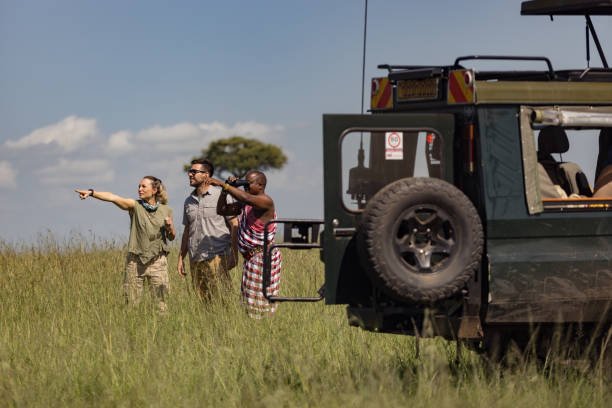
These are designed for individuals or small groups who are willing to share a safari vehicle with other travelers. The price is strictly per person. This is the most common and often the most budget-friendly way to experience a Tanzania safari. Operators typically limit the number of passengers per vehicle (e.g., a maximum of 6-7 travelers in a 4×4 with 3 rows of seats) to ensure everyone has a good view and comfortable space. The per person cost covers their share of the vehicle, guide, park fees, accommodation, and meals.
Private Group Safaris (Priced Per Person)
If you have a family or a group of friends, you can book a safari exclusively for your party, but still have it priced on a per person basis. This means you get a private vehicle and guide, but the total cost is calculated by multiplying the per person rate by the number of people in your group. This offers privacy and flexibility without the potentially higher upfront cost of a true per vehicle charter.
What to Look For in Per Person Quotes:
- Clear Breakdown: While the final quote is per person, understanding the components (accommodation cost, park fees, guide fees, vehicle costs) helps assess value.
- Vehicle Capacity: Ensure the per-person price aligns with a comfortable vehicle capacity. A per-person price for a 7-seater vehicle packed with 7 adults is different from a per-person price in a vehicle with only 4 passengers.
- Inclusions: As mentioned, park fees, meals, and accommodation are the biggest variables. A slightly higher per person rate that includes everything is often better than a lower one that requires significant add-ons.
For example, a typical 7-day Northern Circuit safari (Tarangire, Serengeti, Ngorongoro) in 2026 could range from $2,000 to $6,000+ per person, depending heavily on accommodation style and inclusions. Always ask for a detailed itinerary and cost breakdown.
Comparing Per Vehicle Safari Packages
Per vehicle pricing is less common for standard tours but is found in niche markets. When you receive a per vehicle quote, it usually implies a higher level of customization or exclusivity.
Exclusive Charter Safaris
This is where a per vehicle quote is most likely. You are essentially hiring the vehicle, the driver-guide, and the operational services for a set period (often per day). The price will cover the vehicle, fuel, guide’s salary, and potentially a base park entry fee for the vehicle itself. You then add:
- Park entrance fees for each person
- Accommodation costs (which can vary wildly based on lodge choice)
- Meals (sometimes included, sometimes extra)
The benefit is that the vehicle cost is fixed, regardless of whether 2 or 6 people are traveling. This can make it economical for larger groups who want maximum flexibility. However, if you are a solo traveler or a couple, this model is generally not cost-effective unless it’s part of a very high-end luxury package where everything is bundled.
High-End Luxury Packages
Some luxury lodges offer packages that include a private safari vehicle and guide for game drives. The daily rate for these vehicles can be substantial, perhaps $800 – $1,500+ per vehicle per day, not including park fees or accommodation. This is then often bundled into a higher overall package price that might be presented as a daily rate or a total trip cost.
Key Considerations for Per Vehicle Quotes:
- Total Capacity: What is the maximum number of passengers allowed in the vehicle?
- Included Mileage/Fuel: Is there a limit on daily mileage or fuel consumption?
- Guide Inclusions: Does the price cover the guide’s accommodation, meals, and park fees?
- Park Fees: Are park entrance fees for the vehicle and passengers included, or are they separate? This is a critical detail.
- Flexibility: How much control do you have over the itinerary and schedule?
For instance, a 5-day private safari quoted at $1,000 per vehicle per day, plus $70 per person per day for park fees, and $300 per person per night for mid-range accommodation, would cost for 4 people: ($1000 x 5 days) + ($70 x 4 people x 5 days) + ($300 x 4 people x 4 nights) = $5,000 + $1,400 + $4,800 = $11,200 total. If this same group booked a shared tour at $400 per person per day, it would be $400 x 4 people x 5 days = $8,000. The private option is more expensive in this scenario, but offers distinct advantages.
Understanding the Inclusions: What Your Safari Price Covers
The most crucial aspect of any safari quote, whether per person or per vehicle, is understanding exactly what is included. Misunderstandings here can lead to significant unexpected costs during your 2026 or 2027 trip.
Typically Included in Per Person Prices:
- Accommodation: Nights in lodges, tented camps, or campsites as per the itinerary.
- Meals: Breakfast, lunch, and dinner, often specified as full board or half board.
- Park Fees: Entrance fees for all national parks and conservation areas visited. These are substantial and a major part of the cost.
- Vehicle and Guide: Use of a 4×4 safari vehicle with a pop-up roof and a professional, English-speaking driver-guide.
- Fuel: For the duration of the safari drives.
- Water: Bottled water provided in the safari vehicle.
- Game Drives: Scheduled game drives as per the itinerary.
- Transfers: Typically includes airport transfers to and from your safari starting point.
Commonly Excluded from Per Person Prices:
- International Flights: Flights to and from Tanzania.
- Visa Fees: For entry into Tanzania.
- Travel Insurance: Highly recommended but usually not included.
- Tips: For guides, lodge staff, and cooks. This is a significant part of the local economy.
- Beverages: Alcoholic drinks, soft drinks, and sometimes even bottled water outside game drives.
- Optional Activities: Hot air balloon safaris, cultural visits, walking safaris (if not standard).
- Personal Expenses: Souvenirs, laundry, etc.
- Gratuities: For hotel staff at start/end points if applicable.
For Per Vehicle Quotes, Verify:
- Park entrance fees for all passengers.
- Guide’s accommodation, meals, and park fees.
- Fuel limits.
- What meals are provided and where.
Climb 4 Africa aims to provide clear, all-inclusive pricing for most of its standard safari packages. When you inquire for a 2026 or 2027 safari, we provide a detailed breakdown of what each per person price covers, ensuring no surprises.
Example of Package Inclusions (Per Person):
A typical 7-day Northern Circuit safari package from Climb 4 Africa includes:
- All park and entry fees (Serengeti, Ngorongoro, Tarangire, Manyara)
- Accommodation in selected lodges/camps
- All meals (breakfast, lunch, dinner)
- Professional English-speaking guide
- 4×4 safari vehicle with pop-up roof
- Unlimited mileage game drives
- Bottled drinking water in the vehicle
- Airport transfers
Excluded items typically include international flights, visa, tips, and personal expenses.
Budgeting for Your 2026-2027 Tanzania Safari: Per Person vs. Per Vehicle Impact
The pricing model directly affects how you budget. If you are planning a 2026 or 2027 safari, understanding this will help you allocate funds accurately.
Budgeting with Per Person Pricing:
This is the most straightforward. You take the per person quoted rate and multiply it by the number of travelers in your party. Then, you add estimates for excluded items like international flights, visas, tips, and personal spending money. For example, if a 5-day safari is $350 per person per day, and you are 4 people, the safari cost is $350 x 4 people x 5 days = $7,000. Add an estimated $100-$150 per person per day for tips and extras, bringing the total for extras to $2,000 – $3,000 for the group. The total safari cost would be around $9,000 – $10,000, plus international flights and visas.
Budgeting with Per Vehicle Pricing:
This requires a slightly different approach. You need to identify the per vehicle daily rate and then add other per-person or per-item costs.
- Vehicle/Guide Daily Rate: e.g., $900 per vehicle per day for 5 days = $4,500.
- Park Fees: e.g., $70 per person per day. For 4 people over 5 days: $70 x 4 x 5 = $1,400.
- Accommodation: e.g., $250 per person per night. For 4 people over 4 nights: $250 x 4 x 4 = $4,000.
- Meals (if not included in accommodation): Estimate daily costs.
- Fuel (if limited): Factor in potential extra costs.
- Tips and Extras: Similar to per-person budgeting.
In this example, the total safari cost would be $4,500 + $1,400 + $4,000 = $9,900. This is comparable to the private group per person example, but the structure is different. The key is to get a comprehensive quote that itemizes all costs.
For 2026-2027 bookings, operators are increasingly transparent about these breakdowns. Always ask for a detailed quote that clearly distinguishes between per-person and per-vehicle components, and list all inclusions and exclusions.
Making Your Booking Decision for 2026-2027
When you’re ready to book your unforgettable Tanzanian safari for 2026 or 2027, the clarity around per person versus per vehicle pricing is paramount. As a local expert operator, Climb 4 Africa prioritizes transparency and value.
For most travelers, especially those seeking the quintessential Northern Circuit experience (Serengeti, Ngorongoro, Tarangire), our safaris are priced per person. This ensures a clear, predictable cost that encompasses all essential elements of your adventure, from park fees and accommodation to your expert guide and comfortable safari vehicle. We offer different tiers based on accommodation choice, allowing you to tailor the experience to your budget and comfort preferences, all while maintaining the integrity of a per-person package.
If you are planning a highly specialized trip, perhaps a photography expedition or a bespoke itinerary requiring exclusive vehicle use, we can certainly discuss per vehicle pricing options. These are custom-tailored and designed for maximum flexibility and privacy, but we will ensure you have a full understanding of all associated costs before you commit.
To get the most accurate quote for your 2026 or 2027 safari, please contact us directly. Provide us with your preferred travel dates, the number of people in your group, your desired accommodation style (budget, mid-range, luxury), and any specific parks or activities you are interested in. This information allows us to craft a personalized itinerary and a precise quote, clearly outlining whether the pricing is per person or if a per-vehicle arrangement is more suitable and cost-effective for your specific needs.
We are here to guide you through every step, ensuring your African safari is everything you dreamed of, without any hidden surprises. Let’s plan your incredible journey!
Contact Climb 4 Africa today:
- WhatsApp: +255 747 477 898
- Email: climb4africa@gmail.com
- Visit our website for more inspiration: Climb 4 Africa
Check Availability for Are African Safari Prices Per Person Or Vehicle? Understanding Tanzania…
Ready to compare dates, prices, and the best option for your group? Send the package name and travel month so the team can reply with a clear quote, availability, and what is included.
December Tanzania Group Joining Safari Dates And Prices: Best Guide 2026
A detailed guide on planning your December 2026 Tanzania safari, covering group joining logistics, cost considerations, and how to prepare for this peak travel window.
View package details
Budget Fly-In Safari From Zanzibar: Best Packages & Prices 2026-2027
Discover how to plan a budget-friendly fly-in safari from Zanzibar to Tanzania's top parks without sacrificing the quality of your wildlife experience.
View package detailsZanzibar To Ruaha National Park Fly-In Safari: Prices & Booking Guide
A practical guide to planning a fly-in safari from Zanzibar to Ruaha National Park, covering flight logistics, itinerary choices, and how to book with Climb 4 Africa.
View package details2-Day Nyerere Safari From Zanzibar: Flight-Inclusive Package Prices 2026-2027
An expert guide to planning a 2-day Nyerere safari from Zanzibar, covering flight-inclusive package structures, cost drivers, and the practical rhythm of a short-stay wildlife adventure.
View package detailsZanzibar To Mikumi Safari By Flight: Prices & Travel Options 2026-2027
A practical guide to the logistics, costs, and planning steps for flying from Zanzibar to Mikumi National Park.
View package detailsZanzibar To Serengeti Safari By Flight: Prices & Packages 2026-2027
A practical guide to booking a Zanzibar to Serengeti safari by flight in 2027, covering route options, baggage logistics, and how to choose the right itinerary length.
View package details
Zanzibar To Tarangire Safari By Flight: Prices & Travel Options 2026-2027
A detailed breakdown of the logistics, flight connections, and road transfers required to travel from Zanzibar to Tarangire National Park for a safari.
View package detailsZanzibar To Lake Manyara Flights: Prices & Safari Transfers 2026-2027
Zanzibar to Lake Manyara Flights: Prices & Safari Transfers is explained with current 2026-2027 planning, price, itinerary and booking information.
View package details_1_John_from-rednote-web-768x1024.jpg)
3-Day Serengeti Fly-In Safari From Zanzibar: All-Inclusive Package Prices 2027
Plan your ultimate Tanzanian adventure, combining Zanzibar's beaches with the Serengeti's wildlife. This guide details all-inclusive package pricing and logistics for a 3-day fly-in safari...
View package detailsSerengeti Airstrip Transfer Prices: From Plane To Safari Lodge 2027
Serengeti Airstrip Transfer Prices: From Plane to Safari Lodge is explained with current 2027 planning, price, itinerary and booking information.
View package detailsLamai Airstrip Flights: Prices & Northern Serengeti Safari 2027
Lamai Airstrip Flights: Prices & Northern Serengeti Safari is explained with current 2027 planning, price, itinerary and booking information.
View package details
Lobo Airstrip Flight Prices & Safari Lodge Transfers 2027
Lobo Airstrip Flight Prices & Safari Lodge Transfers is explained with current 2027 planning, price, itinerary and booking information.
View package detailsNo related package matches those filters. Clear one or more filters to see the other topic-matched options.