Budget Tanzania safari packages for 2026-2027 offer a cost-effective way to experience the iconic wildlife and landscapes of East Africa, typically involving shared group tours, select national parks like Tarangire and Lake Manyara, and comfortable yet economical lodges or tented camps. These packages focus on maximizing wildlife viewing opportunities within a defined price range, often spanning 3 to 7 days, and are ideal for travelers prioritizing wildlife encounters over luxury amenities.
Planning a safari in Tanzania is an exciting prospect, and for many, the key consideration is how to make this dream trip accessible without an exorbitant price tag. The good news is that budget Tanzania safari packages are readily available, designed to offer incredible wildlife experiences at a more manageable cost. These packages are not about cutting corners on safety or the actual wildlife viewing, but rather on smart choices regarding accommodation, group size, and itinerary specifics. As you look towards planning your adventure in 2026 or 2027, understanding the components of a budget safari will be crucial to securing the best value and an unforgettable journey.
Understanding What Defines a Budget Tanzania Safari Package
When we talk about a budget Tanzania safari package, we’re referring to a tour designed to be more affordable than its luxury or private counterparts. The core elements that contribute to this lower cost are typically:
- Shared Group Safaris: This is perhaps the most significant factor. Instead of a private vehicle and guide for your party, you join a small group of other travelers. This splits the costs of the vehicle, fuel, and guide among multiple people.
- Accommodation Choices: Budget packages often utilize comfortable, clean, and safe public campsites with shared bathroom facilities, or mid-range tented camps and lodges that offer essential amenities without the premium extras of high-end resorts.
- Itinerary Focus: While iconic parks like the Serengeti and Ngorongoro Crater are often included, budget itineraries might focus on areas offering excellent game viewing with potentially lower park fees or fewer travel days. Parks like Tarangire National Park, Lake Manyara National Park, and the Ngorongoro Conservation Area are frequent inclusions due to their accessibility and abundant wildlife.
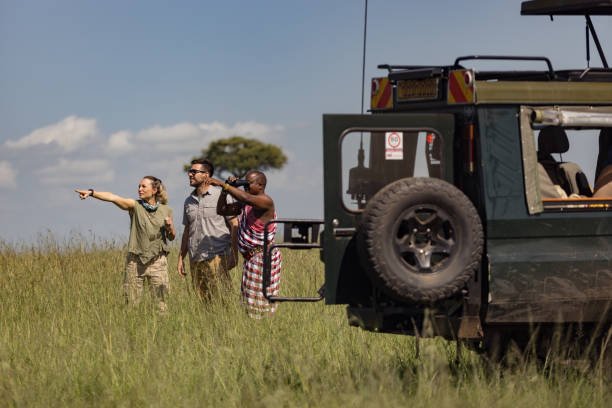
- Vehicle Type: Standard safari vehicles, typically 4×4 Land Cruisers or Land Rovers with pop-up roofs, are used. While excellent for game viewing, they might not have the same extensive customization or amenities as those in luxury packages.
- Meal Plans: Most packages include all meals, prepared by a safari chef or at the lodges/camps. The quality is generally good, focusing on hearty and nutritious meals suitable for safari days.
It’s important to note that even on a budget, Tanzania’s national parks and conservation areas have mandatory fees. These park fees, along with the cost of the vehicle, guide, fuel, and accommodation, form the baseline cost. Budget packages efficiently manage these elements to provide the best possible experience within a price-conscious framework. For 2026-2027 travel, booking in advance is always recommended, especially for shared departures, to secure your spot.
Key Destinations for Budget Tanzania Safari Packages
While Tanzania boasts a vast array of wildlife destinations, certain parks and conservation areas are particularly well-suited for budget-conscious itineraries due to their accessibility, concentrated wildlife populations, and established infrastructure for various accommodation levels. When looking at budget Tanzania safari packages, you’ll most commonly see these prime locations featured:
The Northern Circuit: The Crown Jewel for Budget Safaris
The Northern Circuit is the most popular safari circuit in Tanzania and is remarkably efficient for budget travel, especially for shorter trips. It allows travelers to visit multiple diverse ecosystems within a relatively short span, minimizing travel time and associated costs.
Serengeti National Park: The Endless Plains
No safari in Tanzania is complete without a visit to the Serengeti. Famous for its vast plains and the Great Migration, it offers unparalleled wildlife viewing year-round. While it can be one of the more expensive parks due to its size and remoteness, budget packages often include 1-3 days here, focusing on specific areas depending on the season and the migration’s location. The experience is still world-class, with excellent chances of seeing the Big Five.
Ngorongoro Conservation Area: The ‘Eighth Wonder’
The Ngorongoro Crater is a UNESCO World Heritage Site and a caldera that hosts an astonishing density of wildlife, including a high concentration of predators and the rare black rhino. Its compact size means you can see a lot in a single day. Budget safaris typically include a full-day crater tour. The views from the crater rim are spectacular, and the game viewing inside is often sensational. Park fees here are significant, but the payoff in wildlife sightings is immense, making it a must-do even on a budget.
Tarangire National Park: Land of Giants
Tarangire is renowned for its large elephant herds, particularly during the dry season (June to October), and its iconic baobab trees. It’s often one of the first or last stops on a Northern Circuit safari. The park offers fantastic game viewing and is generally more affordable than the Serengeti. Many budget Tanzania safari packages include a full day here, providing excellent opportunities to see elephants, giraffes, zebras, and various predators.
Lake Manyara National Park: Tree-Climbing Lions and Flamingos
Although small, Lake Manyara packs a punch. It’s famous for its elusive tree-climbing lions, large troops of baboons, and a stunning alkaline lake that attracts thousands of flamingos. It’s a beautiful park with diverse habitats, including groundwater forests. A half-day or full-day visit is common in budget itineraries, offering a different landscape and wildlife experience.
Other Potential Destinations for Extended Budget Safaris
For travelers with more time and a slightly larger budget for their budget Tanzania safari packages, or those seeking alternatives to the Northern Circuit, other areas can be explored, though they might involve longer travel times or different logistics:
- Arusha National Park: Close to Arusha town, this park offers stunning views of Mount Meru and is home to diverse wildlife, including colobus monkeys, elephants, and giraffes. It’s great for shorter safaris or day trips.
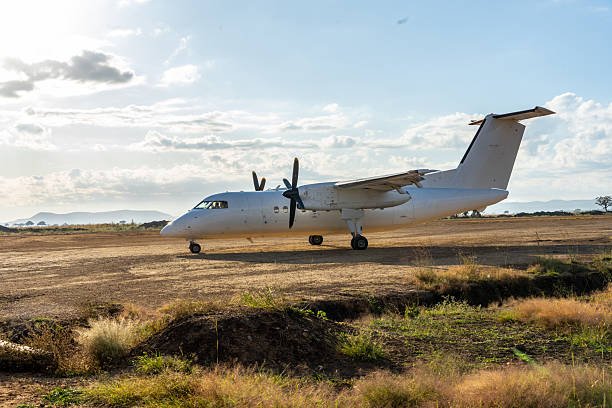
- Ruaha National Park: Located in southern Tanzania, Ruaha is the country’s largest national park and offers a wilder, more remote safari experience. It’s known for its large elephant and buffalo herds, and high predator density. Reaching Ruaha often requires a light aircraft flight, which increases costs, making it less common for typical short budget Tanzania safari packages but possible for longer, more customized trips.
- Selous Game Reserve (Nyerere National Park): Also in the south, Selous (now officially Nyerere National Park) is one of Africa’s largest game reserves. It offers a unique boat safari experience on the Rufiji River, alongside traditional game drives. Like Ruaha, access typically involves flights, making it a higher-cost option unless integrated into a very specific, longer itinerary.
For most travelers seeking the quintessential Tanzanian safari experience on a budget, the Northern Circuit remains the most practical and rewarding choice. It offers an incredible concentration of wildlife and diverse landscapes, all within a manageable travel distance, making it ideal for 3-7 day safaris that are the hallmark of budget Tanzania safari packages.
Typical Itinerary Structures for Budget Tanzania Safaris
Budget Tanzania safari packages are often structured around common durations, allowing travelers to choose the length that best fits their time and budget. These itineraries are designed to maximize wildlife sightings while keeping logistics and costs efficient. Here are a few common structures you’ll encounter when planning for 2026 or 2027:
3-Day Budget Safari: A Taste of the Wild
A 3-day safari is the shortest practical option for experiencing Tanzania’s northern circuit. It typically focuses on 2-3 parks closest to Arusha.
- Day 1: Arusha to Tarangire National Park. Drive from Arusha to Tarangire, enjoy an afternoon game drive, and overnight in a lodge or campsite near the park.
- Day 2: Tarangire to Lake Manyara. Morning game drive in Tarangire, then drive to Lake Manyara for an afternoon game drive. Overnight near Lake Manyara or Karatu.
- Day 3: Ngorongoro Crater Tour and return to Arusha. Descend into the Ngorongoro Crater for a morning game drive, ascend in the afternoon, and drive back to Arusha.
This is a fast-paced itinerary, but it hits three key parks and offers a good introduction to Tanzania’s wildlife. It’s a popular choice for those with limited time and a strict budget.
5-Day Budget Safari: Deeper Exploration
A 5-day safari allows for more time in each location and often includes the Serengeti, making it a more comprehensive experience.
- Day 1: Arusha to Tarangire National Park. Game drive and overnight in Tarangire.
- Day 2: Tarangire to Lake Manyara & Karatu. Morning game drive in Tarangire, then drive to Lake Manyara for a game drive. Overnight in Karatu.
- Day 3: Ngorongoro Crater Tour. Full-day game drive within the Ngorongoro Crater. Overnight in Karatu.
- Day 4: Karatu to Serengeti National Park. Drive to the Serengeti, entering via the Ngorongoro Conservation Area. Enjoy a game drive en route to your camp/lodge in the central Serengeti.
- Day 5: Serengeti Game Drive and return to Arusha. Morning game drive in the Serengeti, then begin the long drive back to Arusha, often with a stop at a Maasai village (optional, extra cost).
This itinerary provides a better balance, allowing for more extensive game viewing in the Serengeti. The long drive back on Day 5 is a trade-off for including this iconic park.
7-Day Budget Safari: The Full Northern Circuit Experience
A 7-day safari offers the most relaxed pace and the best opportunity to explore the Serengeti more thoroughly, potentially venturing into different regions.
- Day 1: Arusha to Tarangire National Park. Drive to Tarangire, afternoon game drive, overnight.
- Day 2: Tarangire to Lake Manyara & Karatu. Morning game drive in Tarangire, then transfer to Lake Manyara for a game drive, overnight in Karatu.
- Day 3: Ngorongoro Crater Tour. Full-day game drive in the Ngorongoro Crater, overnight in Karatu.
- Day 4: Karatu to Serengeti National Park (Central). Drive to the Serengeti, game drive en route, overnight in Central Serengeti.
- Day 5: Serengeti National Park (Central/North/South). Full day exploring the Serengeti, potentially moving camp to follow the migration or explore different zones.
- Day 6: Serengeti to Lake Natron or back towards Karatu. Depending on the season and migration, you might spend another day in the Serengeti or head towards Lake Natron for a different landscape and culture, or begin the journey back towards Karatu/Arusha. For budget packages, often a return towards Karatu is chosen to shorten the final drive.
- Day 7: Final Game Drive and Return to Arusha. Depending on the previous day’s location, a final morning activity or game drive before the drive back to Arusha.
A 7-day budget Tanzania safari package allows for a more in-depth exploration of the Serengeti and potentially an additional destination, providing a richer and more comprehensive wildlife experience. It significantly reduces the feeling of being rushed.
Customizing Your Budget Safari
While these are standard structures, many operators, including Climb 4 Africa, can tailor these itineraries. You might opt for a 4-day safari that splits time between Tarangire and the Serengeti, or a 6-day trip that dedicates more time to the Ngorongoro Highlands. When inquiring for 2026-2027, be clear about your priorities and the duration you have available. Flexibility is key when trying to find the perfect budget Tanzania safari package.
Accommodation Options on a Budget Tanzania Safari
The choice of accommodation is a significant determinant of cost in any safari package. For budget Tanzania safari packages, the focus is on clean, safe, and comfortable options that provide a good base for your wildlife adventures without the frills of luxury lodges. Here’s a breakdown of what you can typically expect:
Public Campsites (Budget Safari Standard)
These are the most economical accommodation option. Public campsites are designated areas within or near national parks where you can set up tents. They usually have basic facilities:
- Facilities: Expect shared pit latrines or basic flush toilets and showers. Sometimes there’s a communal mess tent or area for dining.
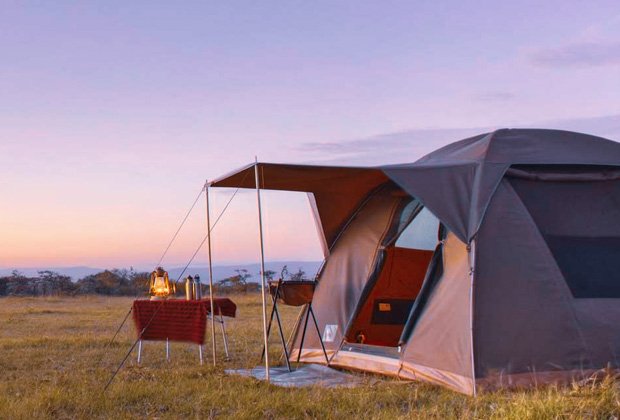
- Tents: Most budget packages provide good quality, spacious dome tents with comfortable sleeping mats or basic beds. You’ll usually have a sleeping bag provided.
- Experience: Camping offers a more in-depth experience, with the sounds of the bush around you. It’s a fantastic way to connect with nature.
- Meals: A safari chef often accompanies group camping safaris, preparing delicious meals at a designated cooking area at the campsite.
Trade-off: While economical and adventurous, it means sacrificing private bathrooms and some creature comforts. It’s ideal for younger travelers, backpackers, or anyone prioritizing experience over luxury.
Mid-Range Tented Camps and Lodges
For a step up in comfort while still remaining budget-conscious, mid-range tented camps and lodges are a great choice. These offer more amenities than public campsites.
- Tents: These are often more permanent canvas tents, sometimes on raised platforms, with proper beds, linens, and en-suite bathrooms (toilet and shower).
- Lodges: Simpler lodges might offer rooms with en-suite facilities, a restaurant, and a bar area. They provide a solid roof over your head and more privacy.
- Location: Many are located just outside park boundaries in areas like Karatu or near Arusha, offering good value. Some are situated within the parks or conservation areas, providing excellent access.
- Meals: Meals are typically served in a communal dining area or restaurant.
Trade-off: These options increase the package price compared to camping but offer significantly more comfort, privacy, and convenience. They are perfect for families or travelers who want a good night’s sleep and a hot shower after a day of exploring.
Budget vs. Mid-Range Pricing
The difference in price between camping and mid-range lodges for a budget Tanzania safari package can vary. For a 5-day Northern Circuit safari, camping might range from $900 – $1300 per person, while opting for mid-range lodges could add $300 – $600+ per person. These are indicative ranges for 2026-2027, and actual quotes will depend on the operator, specific lodges chosen, and the time of year.
When booking your budget Tanzania safari package for 2026-2027, it’s crucial to clarify exactly which accommodation level is included in the quoted price. Sometimes, operators offer a choice, allowing you to adjust the package cost based on your comfort preferences.
What’s Typically Included in Budget Tanzania Safari Packages?
Understanding what’s covered in your budget Tanzania safari package is essential for accurate budgeting and to avoid unexpected expenses. While inclusions can vary slightly between operators, most reputable companies will clearly outline what’s part of the deal. For 2026-2027 bookings, always confirm the specifics.
Standard Inclusions
- Vehicle and Guide: A reliable 4×4 safari vehicle (Land Cruiser or Land Rover) with a pop-up roof, driven by an experienced English-speaking safari guide. For shared safaris, you’ll be sharing the vehicle with other travelers.
- Park Fees: Entrance fees to all national parks and conservation areas included in the itinerary. This is a significant cost, so ensure it’s covered.
- Accommodation: As discussed, this will be either public campsites with tents or mid-range lodges/tented camps, as per the package’s chosen level.
- Meals: All meals (breakfast, lunch, dinner) during the safari, often prepared by a dedicated safari chef for camping portions or served at lodges/camps. Bottled water is usually provided in the vehicle.
- Crater Service Fees: Fees associated with descending into the Ngorongoro Crater.
- Transfer: Transfers from your arrival point in Arusha to your starting point for the safari and back to Arusha at the end.
Common Exclusions
Being aware of what’s *not* included helps you budget for additional expenses:
- International Flights: Flights to and from Tanzania (e.g., Kilimanjaro International Airport – JRO).
- Visa Fees: Tanzania visa costs, which can often be obtained on arrival or in advance online.
- Travel Insurance: Comprehensive travel and medical insurance is highly recommended and usually mandatory.
- Gratuities: Tips for your safari guide, cook (if camping), and camp assistants. This is a significant part of the local economy and expected.
- Personal Expenses: Such as drinks (beyond water in the vehicle), laundry, souvenirs, and alcoholic beverages.
- Optional Activities: Hot air balloon safaris (a popular, albeit expensive, add-on in the Serengeti), Maasai village visits, or cultural tours often incur extra fees.
- Pre- and Post-Safari Accommodation: Accommodation in Arusha before the safari begins or after it concludes, unless specifically included.
- Vaccinations and Medications: Costs associated with any health preparations required for travel to Tanzania.
When comparing budget Tanzania safari packages for 2026-2027, pay close attention to the detailed list of inclusions and exclusions provided by each operator. This transparency is key to avoiding misunderstandings and ensuring your budget is managed effectively.
How to Find and Book the Best Budget Tanzania Safari Packages
Securing a great budget Tanzania safari package involves a combination of research, understanding your needs, and choosing a reliable operator. Here’s a practical approach:
1. Research Reputable Operators
Look for tour operators that specialize in Tanzanian safaris and have a strong reputation for handling budget and mid-range travel. Local operators often provide better value and deeper local knowledge. Seek out companies with:
- Positive Reviews: Check platforms like TripAdvisor, Google Reviews, and other travel forums. Look for consistent feedback on service, guides, and value for money.
- Clear Communication: A responsive operator that answers your questions promptly and thoroughly is a good sign.
- Transparency: They should clearly list inclusions, exclusions, and provide detailed itineraries.
- Local Expertise: Companies based in Tanzania or with strong local ties often understand the nuances of budget travel best. Climb 4 Africa, for instance, is a locally-rooted company with extensive experience in crafting affordable yet quality safaris.
2. Define Your Priorities
Before contacting operators, decide:
- Duration: How many days can you realistically allocate to a safari?
- Parks: Are there specific parks you absolutely must visit (e.g., Serengeti, Ngorongoro)?
- Accommodation Style: Are you comfortable with camping, or do you prefer basic lodges?
- Group Size: Are you happy joining a larger shared group, or do you prefer a smaller group? (Smaller shared groups might have a slight premium but offer a better experience).
3. Request Customized Quotes
Once you have a shortlist of operators, reach out with your specific requirements. For budget Tanzania safari packages, you might ask for:
- A quote for a 5-day Northern Circuit safari using public campsites.
- A quote for the same itinerary but with mid-range lodges.
- Options for shared group departures in 2026 or 2027.
Be specific about dates if you have them, as this can affect availability and sometimes pricing (e.g., shoulder seasons might be cheaper).
4. Compare Quotes Carefully
Don’t just look at the bottom line. Compare the itineraries, the quality of accommodation proposed, the number of people typically in a group vehicle, and what’s included/excluded. A slightly cheaper quote might exclude critical items like park fees or have significantly longer driving days.
5. Booking and Payment
Once you’ve chosen an operator and package:
- Deposit: Most operators will require a deposit (often 20-30%) to confirm your booking and secure your spot, especially for 2026-2027 dates.
- Final Payment: The balance is typically due 30-60 days before the safari start date.
- Confirmation: Ensure you receive a detailed booking confirmation, itinerary, and invoice.
For those planning for 2026-2027, booking 6-12 months in advance is advisable, especially for peak seasons or if you have specific date requirements for shared departures. This gives you the best chance of securing your preferred dates and accommodations.
Maximizing Your Budget While on Safari
Beyond choosing a budget Tanzania safari package, there are several ways to stretch your money further and ensure you get the most value from your trip.
Travel During Shoulder Seasons
While the dry season (June to October) is popular for its excellent game viewing and the Great Migration river crossings, it’s also peak season and can be more expensive. Consider traveling during the shoulder seasons:
- March to May (Long Rains): This period can see lower prices, fewer crowds, and lush green landscapes. Wildlife is still abundant, and the rains often occur in the afternoon, leaving mornings clear for game drives.
- November to February (Short Rains): This is another period that can offer good value. The short rains usually mean brief showers, and the landscape becomes beautiful. Birdlife is exceptional during this time.
For 2026-2027, checking seasonal patterns and consulting with operators about potential savings during these periods is a smart move.
Be Flexible with Dates and Parks
If your dates are flexible, you might be able to snag a spot on a shared group departure that has a slightly lower per-person cost. Similarly, while Serengeti and Ngorongoro are must-sees, exploring parks like Tarangire and Lake Manyara more extensively can also yield incredible wildlife sightings at a lower overall cost than spending maximum time in the most expensive parks.
Pack Smartly to Avoid Buying Essentials at High Prices
Safari lodges and shops near parks often have inflated prices for essentials like sunscreen, insect repellent, or basic toiletries. Pack everything you need from home.
Limit Optional Activities
While tempting, activities like hot air balloon safaris can add several hundred dollars to your trip cost. If budget is a primary concern, consider skipping these or choosing just one as a special treat.
Manage Your Souvenir Shopping
Bargaining is expected in local markets, but set a budget beforehand. Avoid impulse purchases, and focus on authentic crafts if you decide to buy.
Understand Gratuity Expectations
While tipping is an exclusion, knowing the expected amounts can help you budget. Typically, a tip for a guide might be in the range of $15-$25 per day per group, and for a cook, $10-$15 per day per group. These figures are for guidance and can be confirmed with your operator.
By combining a well-chosen budget Tanzania safari package with these practical money-saving tips, you can ensure your Tanzanian adventure is both spectacular and financially manageable for your 2026-2027 travel plans.
Choosing Between Shared and Private Budget Safaris
When looking at budget Tanzania safari packages, the distinction between shared and private tours is fundamental to understanding cost and experience. While the term “budget” most commonly refers to shared safaris, it’s worth understanding the private option’s positioning within a value-conscious framework.
Shared Safari: The Core of Budget Travel
As detailed earlier, shared safaris are the backbone of budget travel. You join a small group (typically 4-7 people) in a safari vehicle. The advantages are clear:
- Cost Savings: The primary benefit. Sharing vehicle, guide, and fuel costs significantly reduces the per-person price.
- Social Experience: Traveling with others can be enjoyable, sharing sightings and experiences.
- Regular Departures: Operators often have set departure dates for shared safaris, making it easier to find a spot.
Trade-offs: You have less control over the itinerary’s pace. If the group wants to spend more time at one sighting, it might mean less time elsewhere. You also share the vehicle, so game viewing positions might be shared.
Private Safari: Value-Focused Flexibility
A private safari means you have exclusive use of the safari vehicle and guide for your party. While generally more expensive than shared options, a budget-conscious private safari is achievable by:
- Traveling in a Larger Group: If you have 4-6 people, a private safari might not be drastically more expensive per person than a shared one, especially if you opt for camping accommodation.
- Choosing Shorter Durations: A 3-day private safari can be more affordable than a longer shared one.
- Opting for Camping: Combining a private vehicle with camping accommodation is the most budget-friendly way to achieve private safari flexibility.
Advantages of Private: Complete control over pace, itinerary, and where you spend your time. More flexibility for early morning starts or late evening game drives. Ideal for photographers or families with specific needs.
Trade-offs: Higher base cost. Even with budget accommodations, the private vehicle and guide fee is substantial.
Making the Choice for 2026-2027
For truly budget Tanzania safari packages, shared departures are the way to go. However, if you have a slightly larger budget, a small group of friends, or specific photography needs, a private safari using budget accommodations can offer excellent value and a personalized experience. Always clarify whether a quote is for a shared or private tour when you inquire for your 2026-2027 travel.
Safety and Health Considerations for Budget Safaris
Safety and health are paramount for any safari, including budget-focused trips. Reputable operators prioritize these aspects, but travelers should also be informed.
Guide Expertise
Your safari guide is your primary resource for safety. Experienced guides are trained to handle wildlife encounters, navigate park rules, and understand animal behavior. Ensure your chosen operator employs qualified and experienced guides.
Wildlife Encounters
Always follow your guide’s instructions. Do not exit the vehicle in parks unless in designated safe areas. Maintain a safe distance from wildlife, even seemingly docile animals. Your guide will know how to position the vehicle for optimal viewing while maintaining safety.
Health Precautions
- Malaria: Tanzania is a malaria-endemic country. Consult your doctor about malaria prophylaxis well in advance of your 2026-2027 trip. Use insect repellent, especially during dawn and dusk, and wear long sleeves and trousers.
- Vaccinations: Yellow fever vaccination may be required, especially if traveling from or through certain countries. Other recommended vaccinations include Hepatitis A, Typhoid, and Tetanus. Check with your doctor or a travel clinic for the latest recommendations.
- Water and Food Safety: Stick to bottled water provided by your tour operator. Meals prepared by safari chefs or at lodges are generally safe, but practice good hygiene (hand washing/sanitizing) before eating.
- Sun Protection: The African sun is intense. Use high-SPF sunscreen, wear a wide-brimmed hat, sunglasses, and light, long-sleeved clothing.
Travel Insurance
Comprehensive travel insurance is non-negotiable. It should cover medical emergencies, evacuation (including helicopter rescue if needed), trip cancellation, and lost luggage. Ensure your policy covers adventure activities like safaris.
When booking your budget Tanzania safari package, ask the operator about their safety protocols and emergency procedures. A responsible operator will be transparent about these measures.
Booking Your 2026-2027 Budget Tanzania Safari Package with Climb 4 Africa
Planning your dream safari for 2026 or 2027 should be an exciting process. At Climb 4 Africa, we specialize in creating memorable and authentic Tanzanian experiences, including a wide range of budget Tanzania safari packages that don’t compromise on quality or wildlife viewing opportunities. We understand that value for money is crucial, and our packages are designed to offer just that.
Whether you envision yourself camping under the stars in the Serengeti or enjoying comfortable mid-range lodges with stunning views, we can tailor an itinerary to your specific needs and budget. Our experienced local guides are passionate about sharing Tanzania’s incredible wildlife and culture with you. We pride ourselves on transparent pricing, clear communication, and ensuring every traveler has an unforgettable adventure.
To start planning your budget Tanzania safari package for 2026-2027, or if you have any questions about our offerings, please don’t hesitate to get in touch. We are here to help you craft the perfect safari experience. You can reach us via:
- WhatsApp: +255 747 477 898
- Email: climb4africa@gmail.com
Let us help you turn your safari dreams into reality with a fantastic budget Tanzania safari package.
Key Takeaways for Budget Tanzania Safari Packages:
- Shared Safaris: The most common and cost-effective option for budget travel.
- Accommodation: Public campsites offer the lowest cost; mid-range lodges/tented camps provide more comfort at an increased price.
- Northern Circuit: Typically the most practical and wildlife-rich region for budget itineraries (Serengeti, Ngorongoro, Tarangire, Manyara).
- Inclusions: Always verify what’s covered, especially park fees, vehicle, guide, accommodation, and meals.
- Exclusions: Budget for tips, drinks, personal expenses, visas, and international flights.
- Booking: Book in advance (6-12 months) for 2026-2027 travel, especially for peak season or specific dates.
- Value: Consider shoulder seasons and flexible dates for better pricing.
Frequently Asked Questions about Budget Tanzania Safaris
Here are answers to some common questions prospective travelers have regarding budget safaris in Tanzania:
Can I really see the Big Five on a budget safari?
Absolutely. The Big Five (lion, leopard, elephant, rhino, buffalo) are widely distributed across Tanzania’s northern parks, especially in the Serengeti and Ngorongoro Crater. While luxury safaris might offer more chances for elusive animals like leopards due to private guiding and flexibility, budget safaris, particularly those including the Ngorongoro Crater, provide excellent opportunities to spot all of them. The key is sufficient time in the parks and a skilled guide.
Is camping safe on a budget safari?
Yes, camping on a guided safari in Tanzania is generally very safe. Reputable tour operators use designated campsites within or near national parks. These sites are often managed by park authorities or private companies and have rangers or security personnel. Your safari guide will also ensure all safety protocols are followed, such as securing the camp at night and advising on wildlife proximity. The tents themselves are secure and comfortable.
What is the best time of year for a budget Tanzania safari?
For budget travelers, the shoulder seasons (March-May and November-February) can offer lower prices and fewer crowds. The long rains (March-May) can make some roads challenging, but game viewing is still excellent, and the landscapes are beautiful. The short rains (November-February) are typically brief, and this period is also great for birdwatching and can be more affordable than the peak dry season (June-October). However, if your priority is witnessing the Great Migration river crossings, you’ll need to aim for July-September, which is peak season and thus more expensive.
How much should I budget for tips on a budget safari?
Tipping is customary and greatly appreciated by safari staff. For a typical 5-7 day budget Tanzania safari package, budget approximately $150-$250 per person for tips. This usually covers your guide, cook (if camping), and camp assistants. Your tour operator can provide specific recommended amounts. It’s common to tip the guide at the end of the safari and the cook/assistants at the end of the trip or when departing camp.
Are park fees included in budget safari packages?
Yes, reputable budget Tanzania safari packages should always include all mandatory park entrance fees and conservation fees for the parks listed in the itinerary. These fees are a significant portion of the overall safari cost in Tanzania, so ensure they are clearly itemized in the quote you receive. If a package seems unusually cheap, double-check if park fees are indeed included.
Can I customize a budget safari package?
Most tour operators, including Climb 4 Africa, are happy to customize budget Tanzania safari packages. You can adjust the number of days, choose specific parks to focus on, or select between camping and mid-range lodge accommodations to fit your budget and interests. Communicating your preferences clearly when requesting a quote is key to getting a tailored experience.
What essential items should I pack for a budget safari?
Pack light, breathable clothing in neutral colors (khaki, beige, green) to blend in with the environment and avoid attracting insects. Essential items include: binoculars, a good camera with extra batteries/memory cards, sunscreen, insect repellent, a hat, sunglasses, comfortable walking shoes, a reusable water bottle, a small backpack for day use, basic first-aid kit, and any personal medications. A headlamp or flashlight is also very useful, especially for camping.
What is the difference between a budget and mid-range safari?
The primary difference lies in the accommodation and sometimes the vehicle or guide’s level of exclusivity. Budget safaris typically use public campsites with shared facilities and standard safari vehicles. Mid-range safaris often upgrade to comfortable tented camps or lodges with en-suite bathrooms, better amenities, and potentially a slightly more personalized service, though they may still be part of a shared group.
”
}
“`
Check Availability for Budget Tanzania Safari Packages 2026-2027
Ready to compare dates, prices, and the best option for your group? Send the package name and travel month so the team can reply with a clear quote, availability, and what is included.
Nov 12, – 5 Day Tanzania Budget Camping Group Joining Safari 2026
A detailed guide to the November 12, 2026, 5-day budget camping group joining safari in Tanzania, covering route logistics, group dynamics, and planning essentials.
View package details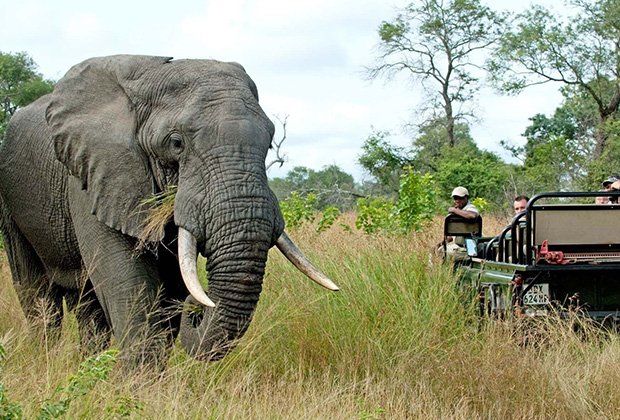
I Am On A Budget—What Is The Cheapest Serengeti Group Safari?
I Am on a Budget—What Is the Cheapest Serengeti Group Safari?
View package details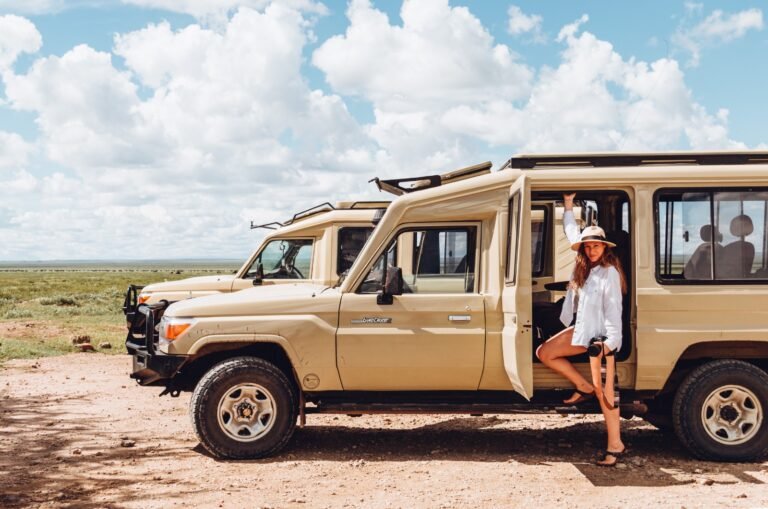
Nov 6, – 3 Day Serengeti And Ngorongoro Budget Group Safari 2026
A detailed look at our November 6, 2026 group departure for a 3-day Serengeti and Ngorongoro safari, including planning tips and route logistics.
View package details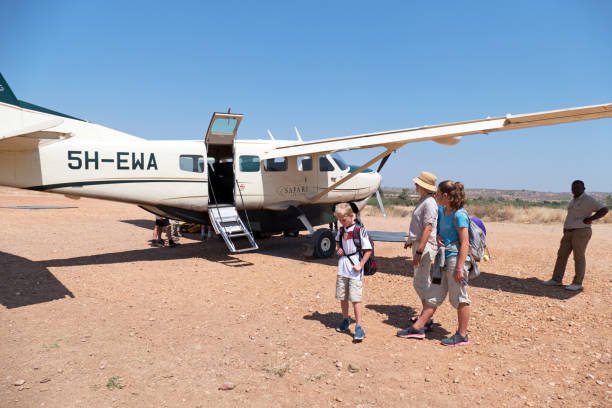
Budget Fly-In Safari From Zanzibar: Best Packages & Prices 2026-2027
Discover how to plan a budget-friendly fly-in safari from Zanzibar to Tanzania's top parks without sacrificing the quality of your wildlife experience.
View package details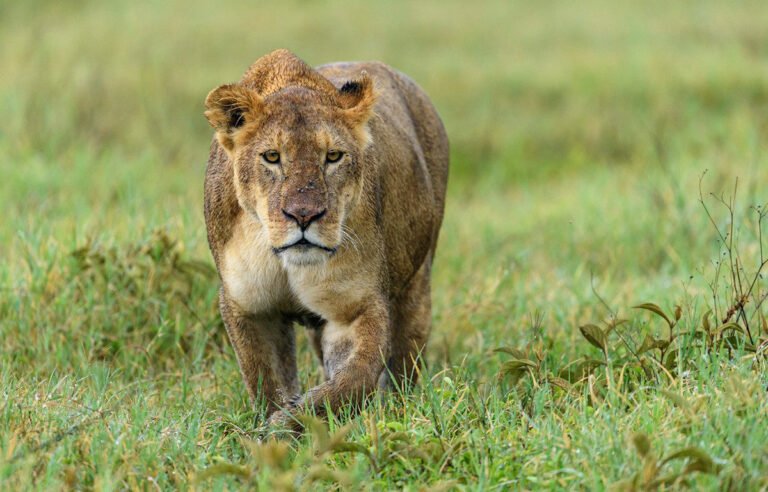
Dec 20, – 10 Day Complete Tanzania Group Joining Safari
Dec 20, 2026 – 10 Day Complete Tanzania Group Joining Safari.
View package details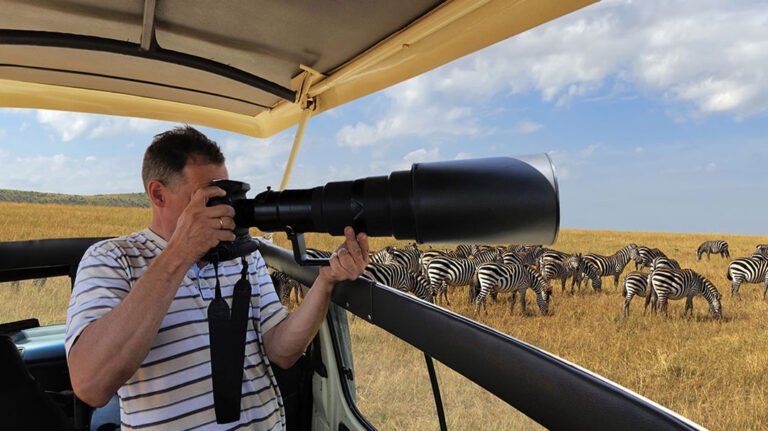
How Early Should I Book A Nov Or Dec Tanzania Group Safari?
How Early Should I Book a Nov or Dec Tanzania Group Safari?
View package details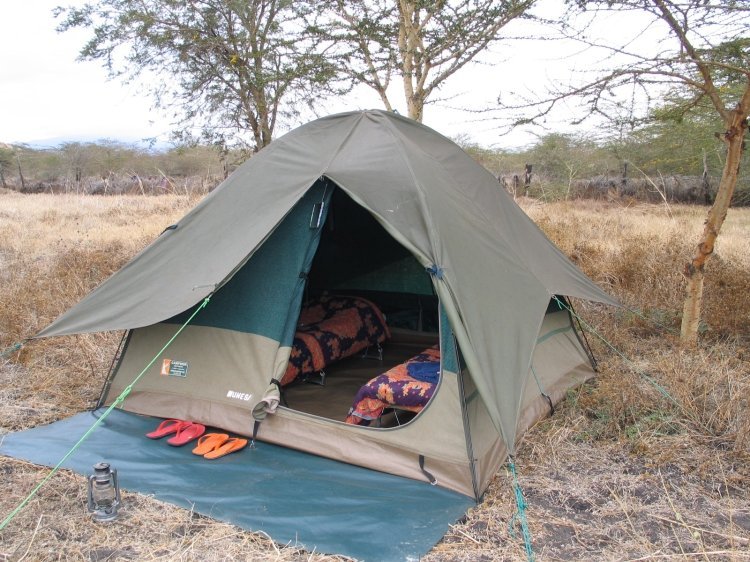
Can I Pay A Deposit To Reserve A Tanzania Group Safari?
Can I Pay a Deposit to Reserve a Tanzania Group Safari?
View package details
Dec 30, – 7 Day New Year Tanzania Group Joining Safari 2026
A complete guide to our 7-day group joining safari for the 2026/2027 New Year season, covering the Northern Circuit, wildlife expectations, and how to secure your spot.
View package details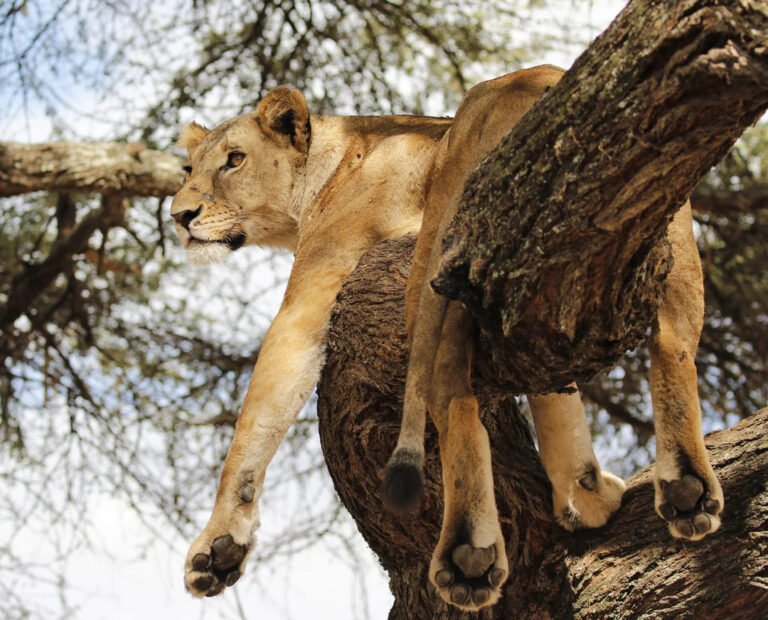
Dec 25, – 5 Day Christmas Tanzania Group Joining Safari 2026
Celebrate Christmas in the heart of the Tanzanian wilderness. Join our 5-day group safari departing December 25, 2026, and experience the iconic Northern Circuit.
View package detailsDec 18, – 9 Day Tanzania Wildlife And Cultural Group Safari 2026
A deep look at our 9-day wildlife and cultural group safari departing December 18, 2026. This trip balances classic Northern Circuit game viewing with genuine cultural engagement.
View package detailsDec 14, – 7 Day Complete Tanzania Northern Circuit Group Safari 2026
Planning for December 2026? Join our 7-day complete Tanzania Northern Circuit group safari. A deep look at the Serengeti, Ngorongoro, and Tarangire with expert, locally-led logistics.
View package detailsDec 10, – 5 Day Northern Tanzania Group Joining Safari 2026
A detailed guide to our 5-day Northern Tanzania group joining safari scheduled for December 10, 2026. Learn about the route, group logistics, and how to book your spot.
View package detailsNo related package matches those filters. Clear one or more filters to see the other topic-matched options.