Combining Kenya’s Masai Mara and Tanzania’s Serengeti into a single safari trip is a natural choice for experiencing the Great Migration and diverse wildlife across two of Africa’s most renowned ecosystems. Adding Zanzibar at the end offers a perfect blend of adventure and relaxation. For 2026-2027 travel, planning this multi-country itinerary requires careful consideration of logistics, timing, and specific park entry requirements to ensure a smooth experience, typically involving flights between locations or overland transfers that maximize wildlife viewing opportunities.
Understanding the Kenya-Tanzania Safari Combination
The allure of combining Kenya and Tanzania for a safari lies in the unparalleled wildlife viewing opportunities, particularly the Great Migration. These two countries share the vast Serengeti-Mara ecosystem, a continentally significant natural wonder. For travelers looking to experience this phenomenon, or simply to witness the incredible density and diversity of wildlife in both the Masai Mara National Reserve (Kenya) and the Serengeti National Park (Tanzania), a combined safari is often the most comprehensive and rewarding approach. This combination is not just about seeing more animals; it’s about understanding the dynamic movements of wildlife across a colossal landscape, offering different perspectives and unique experiences in each park.
The Serengeti and Masai Mara are not separated by fences in the way many people imagine. Instead, they are contiguous ecosystems, with the Mara River acting as a natural, albeit sometimes challenging, boundary. The wildebeest and zebra herds, the stars of the Great Migration, traverse this entire ecosystem throughout the year. Understanding their predictable (yet still wild) movements is key to planning an optimal safari. A well-structured itinerary allows you to follow these herds, witnessing their incredible journeys, river crossings, and the predator-prey interactions that define these plains.
Beyond the migration, both parks offer distinct landscapes and resident wildlife populations. The Serengeti is known for its vast, seemingly endless plains, dotted with acacia trees and kopjes (rocky outcrops), providing habitats for large prides of lions, cheetahs, and elusive leopards. The Masai Mara, while also grassland-dominated, features more varied terrain, including riverine forests and hills, which can offer different viewing experiences and attract specific species. The combination allows travelers to appreciate these nuances, making their safari richer and more memorable. For 2026-2027 planning, recognizing these differences helps in tailoring the trip to specific interests, whether it’s bird watching, photography, or focusing on specific animal species.
Why Combine Masai Mara and Serengeti?
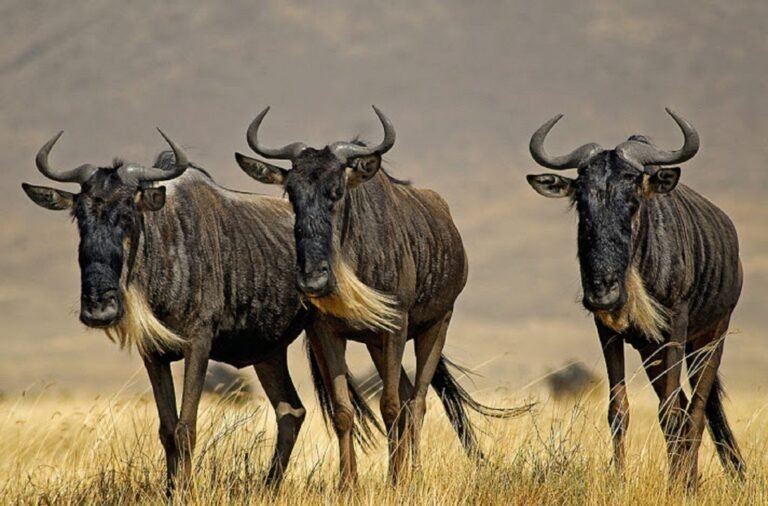
The primary driver for combining the Masai Mara and Serengeti is the Great Migration. This colossal movement of over 1.5 million wildebeest, zebras, and antelopes is a spectacle unlike any other. While the migration is a year-round phenomenon, its location varies. Generally, the herds are in the Serengeti from January to March (calving season) and then move north through the central and western Serengeti from around April to June. They typically reach the Mara River in July and August, crossing into Kenya’s Masai Mara between August and October, before moving south again through the Mara and back into the Serengeti for the remainder of the year. Witnessing a river crossing is a bucket-list item for many, and planning a trip to coincide with this event is a significant factor in choosing this combination.
However, even outside of the peak migration months, both parks teem with resident wildlife. The Serengeti boasts an exceptionally high concentration of predators, including lions, leopards, cheetahs, hyenas, and wild dogs. Its sheer size means that wildlife is abundant throughout the year. Similarly, the Masai Mara is famous for its large lion prides, abundant cheetahs, and the presence of all three big cats. The Mara’s conservancies, often bordering the main reserve, offer exclusive game drives with fewer vehicles and the chance to see animals that might be more elusive in the busier main areas.
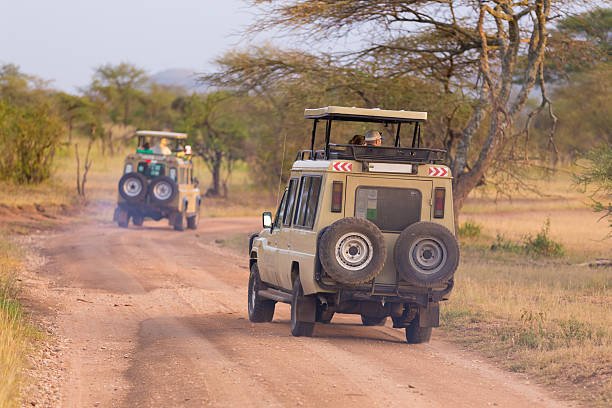
Logistical Simplicity and Efficiency: While it involves crossing a border, the proximity of the Masai Mara and Serengeti makes them logistically feasible to combine. Many travelers opt for a short flight from the Masai Mara airstrip to the Serengeti’s Grumeti or Kogatende airstrips, or vice-versa. This saves considerable travel time compared to overland routes and allows for more time on safari. Alternatively, overland transfers are possible, often taking a full day and providing a chance to see more of the border regions, though this is generally less recommended for maximizing wildlife viewing time.
Diverse Landscapes and Experiences: The Serengeti’s vast, open plains offer a sense of immense space and are ideal for spotting large herds and predators from a distance. The Masai Mara, with its rolling hills, acacia woodlands, and the Mara River, provides a more varied backdrop and often a more intimate wildlife viewing experience, especially within the conservancies. Combining them ensures a broader appreciation of the East African savanna.
Maximizing Your Investment: For travelers making the long journey to East Africa, combining these two world-class destinations often represents better value for money than visiting just one. You maximize your time in a region renowned for its wildlife, experiencing the best of what both Kenya and Tanzania have to offer in terms of safari. For 2026-2027 trips, booking in advance is crucial, especially if targeting peak migration periods.
Planning Your Kenya-Tanzania Safari: Key Considerations
Successfully combining the Masai Mara and Serengeti for your 2026-2027 safari requires meticulous planning. Several factors need careful consideration:
Timing and the Great Migration
As mentioned, timing is paramount if your primary goal is to witness the Great Migration, especially the river crossings. The herds are generally in the Masai Mara between August and October. However, this is also peak season, meaning higher prices and more crowds. For those interested in the calving season, January to March is ideal, with the herds concentrated in the southern Serengeti’s Ndutu area (which straddles the Ngorongoro Conservation Area and Serengeti National Park). Between April and June, the herds are typically on the move north, often in the western or central Serengeti, and the landscape is lush and green, offering a different, less crowded experience.
- August – October: Masai Mara, Kenya. Prime time for river crossings. High season.
- November – December: Herds begin moving south from the Mara back into the Serengeti.
- January – March: Southern Serengeti (Ndutu area). Calving season.
- April – June: Central and Western Serengeti. Herds on the move. Green season, fewer tourists.
- July: Herds reach the Grumeti River in the Western Serengeti before heading north.
Important Note for 2026-2027: While these patterns are generally consistent, wildlife movements are unpredictable. Climate change can also influence the timing. It’s essential to work with experienced operators who track these movements closely and can adjust itineraries where possible.
Visa and Border Crossing
You will need separate visas for Kenya and Tanzania. Depending on your nationality, you can obtain these in advance or upon arrival at the airport. For overland border crossings, ensure you have all necessary documentation. For flights between the Masai Mara and Serengeti, the process is usually smooth, handled by the charter flight companies and local authorities at the airstrips.
Park Fees
Both countries charge daily park fees. These are a significant part of the safari cost. In Kenya, Masai Mara fees are typically $80 per person per day. In Tanzania, Serengeti fees are around $70-$80 per person per day, plus vehicle fees. These fees are subject to change, so always confirm the latest rates for your 2026-2027 travel dates. Many tour operators include these in their package prices, but it’s crucial to clarify what’s covered.
Accommodation Options
Both parks offer a wide range of accommodation, from basic camping and budget lodges to luxurious tented camps and lodges. The choice of accommodation significantly impacts the overall cost and experience. For a classic migration experience in the Masai Mara, consider camps in the northern or central areas. For more exclusive viewing, especially in migration season, look at camps in the Mara Triangle or private conservancies. In the Serengeti, options range from lodges in the central Seronera area (known for resident wildlife) to mobile camps that follow the migration, or camps in the northern Serengeti (Kogatende/Lamai) when the herds are present there.
Choosing Your Operator
Selecting a reputable tour operator is vital for a multi-country safari. Look for companies with strong local knowledge in both Kenya and Tanzania, good reviews, and a track record of handling complex itineraries. Climb 4 Africa specializes in Tanzania and Kilimanjaro but partners with trusted operators in Kenya, ensuring a smooth experience. They can help coordinate flights, lodges, and ground arrangements across both countries, crucial for a smooth 2026-2027 trip.
Mode of Transport
Flights: The most efficient way to travel between the Masai Mara and Serengeti is by light aircraft. Daily scheduled or charter flights operate between the main airstrips. This saves significant travel time and offers spectacular aerial views of the landscape.
Overland: It is possible to drive from the Masai Mara to the Serengeti. This typically involves driving to the Isebania border crossing, crossing into Tanzania, and then driving to the nearest Serengeti entry gate (e.g., Ikoma or Grumeti). This is a long day (8-10 hours or more) and involves navigating potentially rough roads. While it offers a different perspective, it significantly reduces your safari time. For most travelers prioritizing wildlife viewing, flying is recommended for 2026-2027 itineraries.
Sample Itinerary Structure: Masai Mara & Serengeti
A typical combined safari might look something like this, though it can be customized extensively for 2026-2027:
- Day 1-3: Masai Mara, Kenya. Arrive at Jomo Kenyatta International Airport (NBO) in Nairobi, take a domestic flight to the Masai Mara. Spend three days exploring the reserve and its conservancies.
- Day 4: Transfer to Tanzania. Morning game drive in the Mara, followed by a flight from the Masai Mara airstrip to a Serengeti airstrip (e.g., Kogatende or Grumeti).
- Day 5-7: Serengeti National Park, Tanzania. Three days of game drives in the Serengeti, focusing on areas where the migration is present or resident wildlife is abundant.
- Day 8: Departure. Morning game drive, then fly from a Serengeti airstrip to Kilimanjaro International Airport (JRO) for your onward journey or to Zanzibar.
This is a basic framework. Durations can be adjusted, and specific areas within each park can be targeted based on the time of year and your interests. For instance, a longer stay might include the Ngorongoro Crater in Tanzania before or after the Serengeti.
Adding Zanzibar: The Perfect Beach Finale
After the excitement of a Kenya-Tanzania safari, the island of Zanzibar offers a tranquil and culturally rich contrast. Known as the ‘Spice Island,’ Zanzibar is famed for its pristine white-sand beaches, turquoise waters, vibrant coral reefs, and its historic Stone Town, a UNESCO World Heritage site.
Why Zanzibar?
- Stunning Beaches: From the popular shores of Nungwi and Kendwa in the north to the more secluded beaches of Matemwe and Paje in the east, Zanzibar offers idyllic settings for relaxation, swimming, and water sports.
- Rich History and Culture: Stone Town is a fascinating labyrinth of narrow streets, bustling bazaars, historic mosques, and intricately carved wooden doors. It’s a melting pot of Swahili, Arab, Indian, and European influences.
- Spice Tours: Discover the origins of Zanzibar’s famed spices – cloves, nutmeg, cinnamon, vanilla, and more – on guided tours through local plantations.
- Water Activities: Snorkeling and diving are exceptional, particularly around Mnemba Atoll. You can also enjoy dhow cruises, deep-sea fishing, and kite-surfing.
- Proximity to Mainland Tanzania: Zanzibar is a short flight from Arusha or Dar es Salaam, making it an easy add-on to any Tanzanian safari.
Logistics: Safari to Zanzibar
The most common way to get to Zanzibar from a Serengeti safari is to fly from Kilimanjaro International Airport (JRO) or Arusha Airport (ARK) to Abeid Amani Karume International Airport (ZNZ) in Zanzibar. The flight is typically around 1-1.5 hours. Some operators can arrange for you to fly directly from a Serengeti airstrip to Zanzibar, though this is less common and usually more expensive.
If your safari ends in Nairobi, Kenya, you can also fly directly from Jomo Kenyatta International Airport (NBO) to Zanzibar (ZNZ). This makes the combined Kenya-Tanzania-Zanzibar trip logistically straightforward.
Sample Itinerary Extension: Safari + Zanzibar
Building on the previous safari example:
- Day 1-3: Masai Mara, Kenya
- Day 4: Transfer to Tanzania
- Day 5-7: Serengeti National Park, Tanzania
- Day 8: Fly to Zanzibar. Morning game drive, then fly from Serengeti to Kilimanjaro (JRO) or Arusha (ARK), connect to a flight to Zanzibar (ZNZ). Check into your beach resort or Stone Town hotel.
- Day 9-11: Zanzibar Exploration. Relax on the beaches, explore Stone Town, take a spice tour, or go snorkeling.
- Day 12: Departure. Fly from Zanzibar (ZNZ) to your international departure point.
This 12-day itinerary offers a fantastic introduction to East Africa’s wildlife and its tropical paradise. For 2026-2027, you can easily extend or shorten stays in each location based on your preferences and budget.
Choosing Your Safari Style: Private vs. Group
When planning a Kenya-Tanzania-Zanzibar trip for 2026-2027, one of the biggest decisions is whether to opt for a private or group safari. Both have their advantages:
Private Safaris
- Flexibility: You set the pace, choose your game drive times, and can spend as long as you wish at sightings.
- Exclusivity: You have your own dedicated vehicle and guide, ensuring personalized attention and a more intimate experience.
- Customization: Itineraries are tailored precisely to your interests, budget, and desired pace.
- Cost: Generally more expensive per person, especially for solo travelers or couples, as you bear the full cost of the vehicle and guide.
Ideal for: Families, groups of friends, honeymooners, photographers, or anyone seeking maximum flexibility and a personalized safari.
Group Safaris (Shared Departures)
- Cost-Effective: Sharing the cost of the vehicle and guide with other travelers makes this a more budget-friendly option.
- Social Experience: You’ll meet like-minded travelers from around the world.
- Fixed Departures: These safaris run on set dates, offering less flexibility in terms of timing.
- Vehicle Sharing: You will share a safari vehicle with other participants.
Ideal for: Budget-conscious travelers, solo travelers looking to meet people, or those who prefer a structured, set itinerary. Climb 4 Africa offers excellent shared departure options for Tanzanian safaris, which can be combined with arrangements in Kenya and Zanzibar. You can find Tanzania safari group departures dates and best shared tours on their website.
Budgeting for Your 2026-2027 Kenya-Tanzania-Zanzibar Trip
The cost of such a multi-destination trip can vary significantly based on several factors:
- Duration: Longer trips naturally cost more.
- Accommodation Level: Luxury lodges and tented camps are considerably more expensive than mid-range or budget options.
- Time of Year: Peak season (July-October, December-February) is more expensive than the green season (April-June, November).
- Mode of Transport: Flying between parks adds to the cost but saves time.
- Type of Safari: Private safaris are more expensive than group safaris.
- Inclusions: What is included in your package (park fees, meals, activities, drinks, tips, international flights)?
General Cost Estimates (per person, per day, excluding international flights):
- Budget/Mid-Range: $300 – $500 per day. This might involve camping, basic lodges, and fewer internal flights.
- Mid-Range/Comfort: $500 – $800 per day. Comfortable lodges, good quality camps, some internal flights.
- Luxury: $800 – $1500+ per day. High-end lodges, exclusive tented camps, private charter flights, premium services.
Key Cost Components to Factor In:
- Park Fees: Essential and non-negotiable.
- Accommodation: The largest variable cost.
- Internal Flights: Crucial for efficiency between Masai Mara and Serengeti, and to/from Zanzibar.
- Vehicle & Guide: Cost varies based on private vs. group.
- Visas: Check current requirements and costs for Kenya and Tanzania.
- Travel Insurance: Highly recommended.
- Tips: For guides, lodge staff, etc.
- Personal Expenses: Souvenirs, drinks, optional activities.
For accurate 2026-2027 pricing, it’s best to get a customized quote. Operators like Climb 4 Africa can provide detailed breakdowns based on your specific requirements.
When is the Best Time to Visit for a Kenya-Tanzania-Zanzibar Trip?
The “best” time depends heavily on your priorities for 2026-2027:
- For the Great Migration River Crossings: August to October in the Masai Mara. Expect good weather but also the highest prices and largest crowds.
- For Calving Season: January to March in the southern Serengeti (Ndutu). Witness thousands of newborn wildebeest and zebra. This is also a good time for predator action.
- For Lush Landscapes & Fewer Crowds: April to June (the ‘green season’). The landscape is beautiful, and prices are lower, but it can rain. The migration is on the move through the Serengeti.
- For Overall Wildlife Viewing & Good Weather: June to October generally offers dry weather and excellent game viewing across both parks, though the migration will be in different locations.
- For Zanzibar: Zanzibar has two rainy seasons (March-May and November-December). The driest and sunniest months are generally from June to October, which aligns well with the peak safari season. January and February are also typically dry and warm, ideal for beach time.
Combining Safari and Zanzibar Timing:
If you want to combine the migration river crossings with beach time, aim for August to October. If you prioritize fewer crowds and lower prices, consider a trip in June or November, accepting that the migration might be in transition or the weather slightly less predictable.
Packing Essentials for Your East African Adventure
Packing light, practical, and appropriate clothing is crucial for an East African safari and beach holiday. Aim for neutral colors (khaki, beige, olive green) to blend in with the environment and avoid bright colors that can startle wildlife.
Safari Clothing:
- Lightweight long-sleeved shirts and trousers (for sun and insect protection).
- T-shirts and shorts.
- A fleece or warm jacket (mornings and evenings can be cool, especially in open vehicles).
- Comfortable walking shoes or hiking boots (if doing any walking safaris).
- Sandals or flip-flops for relaxing at the lodge/camp.
- A wide-brimmed hat or cap for sun protection.
- Sunglasses.
- Swimsuit (many lodges have pools).
Zanzibar Clothing:
- Light cotton clothing, sundresses, shorts, t-shirts.
- Swimwear.
- A light cover-up or sarong.
- Consider slightly more modest clothing (covering shoulders and knees) if visiting Stone Town or local villages, out of respect for the local culture.
Other Essentials:
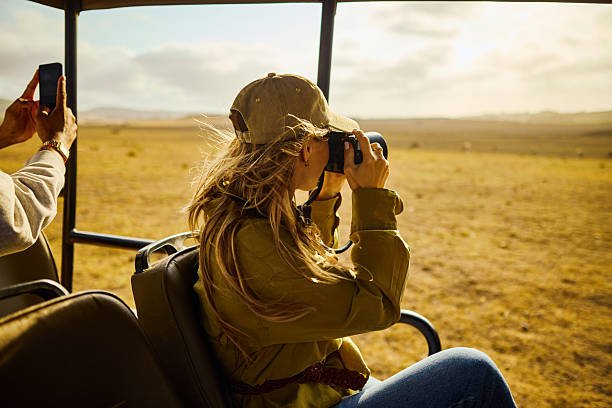
- Binoculars: Absolutely essential for wildlife viewing.
- Camera: With extra batteries and memory cards. A zoom lens is highly recommended.
- Sunscreen: High SPF.
- Insect Repellent: With DEET.
- Personal First-Aid Kit: Include any personal medications.
- Hand Sanitizer.
- Adapter: For charging electronics (power sockets are typically Type G in Kenya and Tanzania, similar to the UK).
- Headlamp or small flashlight: Useful at camps.
- Reusable Water Bottle: To minimize plastic waste.
- Passport and Visas: Ensure they are valid.
- Copies of important documents: Passport, flight tickets, insurance.
Important Note: Most internal flights in East Africa have strict luggage weight limits (usually 15-20 kg per person in soft bags). Check with your operator.
Potential Challenges and How to Mitigate Them
While planning a Kenya-Tanzania-Zanzibar trip for 2026-2027 is exciting, it’s wise to be aware of potential challenges:
- Weather: While generally good, unexpected rains can occur, especially during the shoulder seasons. Pack accordingly.
- Road Conditions: Roads within parks can be rough, especially after rain. This is part of the adventure, but comfortable vehicles and experienced drivers are key.
- Wildlife is Wild: There’s no guarantee of seeing specific animals or events like river crossings, though experienced guides maximize your chances. Patience is rewarded.
- Border Formalities: While usually smooth, border crossings can sometimes involve delays. Ensure all your paperwork is in order.
- Health: Consult your doctor about vaccinations (e.g., Yellow Fever) and malaria precautions well in advance of your 2026-2027 trip.
Mitigation Strategies:
- Choose a Reputable Operator: Companies like Climb 4 Africa have the local knowledge and contacts to navigate these challenges effectively. They will advise on the best timing, pack lists, and health precautions.
- Travel Insurance: Ensure you have comprehensive travel insurance that covers medical emergencies, trip cancellation, and lost luggage.
- Be Flexible: Wildlife and weather are unpredictable. Embrace the unexpected; it’s often where the most memorable moments happen.
- Communicate: Keep your operator informed of any concerns or special needs.
Why Choose Climb 4 Africa for Your 2026-2027 Safari?
While Climb 4 Africa is primarily known as a Kilimanjaro expert tour operator and Tanzania travel company, their expertise extends to crafting comprehensive East African safari experiences. They understand the intricate logistics of combining destinations within Tanzania and can seamlessly integrate Kenya and Zanzibar into your itinerary through trusted local partnerships.
Their Strengths Include:
- Deep Local Knowledge: With operations based in Tanzania, they have unparalleled insights into the parks, lodges, and local conditions.
- Tailor-Made Experiences: Whether you’re seeking a private luxury safari or a well-organized group tour, they can customize an itinerary to fit your budget and preferences for 2026-2027.
- Practical Support: From initial planning to on-the-ground logistics, they provide reliable support.
- smooth Connections: They can arrange flights, transfers, and accommodation across Kenya and Tanzania, ensuring a smooth transition between the Masai Mara, Serengeti, and Zanzibar.
Planning Your 2026-2027 Kenya-Tanzania-Zanzibar Trip:
To start planning your dream safari and beach combination, reach out to the experts. They can guide you through the best timing, accommodation options, and logistical arrangements to make your 2026-2027 adventure unforgettable. Whether you’re focusing on the Great Migration, seeking out the Big Five, or simply looking for a relaxing beach escape, they have the expertise to craft the perfect journey.
Contact Climb 4 Africa today:
- WhatsApp: +255 747 477 898
- Email: climb4africa@gmail.com
By leveraging their knowledge, you can ensure your 2026-2027 East African adventure is everything you dreamed of and more. They understand that combining these iconic destinations requires meticulous attention to detail, from park entry procedures to flight schedules, ensuring you get the most out of your valuable travel time.
“,
“faq_schema”: [
{
“question”: “What is the best time of year for a Kenya, Tanzania, and Zanzibar combination trip in 2026-2027?”,
“answer”: “The best time depends on your priorities. For the Great Migration river crossings, aim for August-October in the Masai Mara. For calving season, January-March in the southern Serengeti. June-October offers dry weather and good game viewing across both parks. Zanzibar is pleasant year-round, but June-October and January-February are particularly good for beach activities.”
},
{
“question”: “How do I travel between the Masai Mara and Serengeti?”,
“answer”: “The most efficient method is by light aircraft, flying between the respective airstrips. This saves significant travel time. Overland travel is possible but is a long and arduous journey, typically taking a full day.”
},
{
“question”: “What is the typical duration for a Kenya, Tanzania, and Zanzibar trip?”,
“answer”: “A good introductory itinerary is around 10-14 days. This allows for approximately 3 days in the Masai Mara, 3 days in the Serengeti, and 3-4 days in Zanzibar, plus travel days. Longer trips can be arranged to include more parks or activities.”
},
{
“question”: “Are park fees included in safari packages?”,
“answer”: “Many safari packages include park fees, but it’s crucial to confirm this with your tour operator. Park fees are a significant part of the cost, with daily rates per person for both Kenya and Tanzania.”
},
{
“question”: “What kind of accommodation is available in the Masai Mara and Serengeti?”,
“answer”: “Both parks offer a wide range of options, from budget-friendly camping and basic lodges to mid-range tented camps and luxurious lodges. The choice significantly impacts the overall cost of your 2026-2027 safari.”
},
{
“question”: “Do I need separate visas for Kenya and Tanzania?”,
“answer”: “Yes, you will need separate visas for Kenya and Tanzania. Depending on your nationality, these can often be obtained in advance online or upon arrival at the airport. Check the latest visa requirements for your country of origin.”
}
]
}
“`
Check Availability for Kenya + Tanzania Ni Moja Ya Combinations Zenye Natural Search Intent Kwa
Ready to compare dates, prices, and the best option for your group? Send the package name and travel month so the team can reply with a clear quote, availability, and what is included.
Nov 23, – 3 Day Serengeti And Ngorongoro Safari From Zanzibar
Nov 23, 2026 – 3 Day Serengeti and Ngorongoro Safari from Zanzibar.
View package details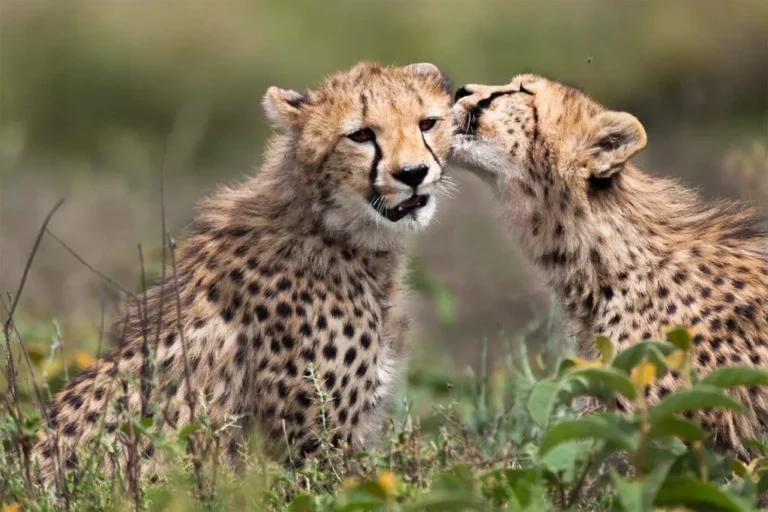
Nov 28, – 3 Day Fly-In Serengeti Group Safari From Zanzibar 2026
A detailed look at the 3-day fly-in Serengeti group safari departing November 28, 2026, including logistics, itinerary highlights, and travel tips for your Tanzania adventure.
View package details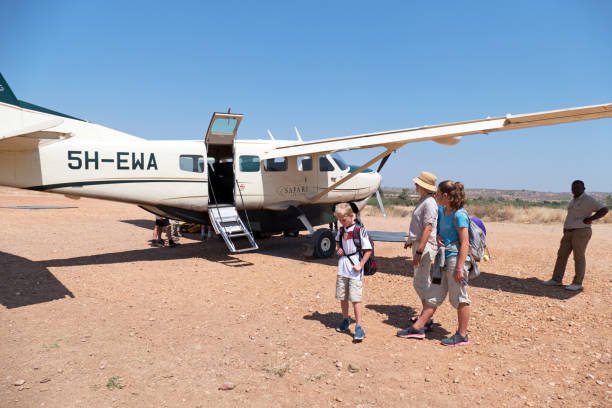
2-Day Serengeti Safari From Zanzibar By Flight: Price & Booking Guide
A practical guide to booking a 2-day Serengeti safari from Zanzibar by flight, covering itinerary logistics, cost considerations, and how to maximize your short time in the bush.
View package details4-Day Serengeti Safari From Zanzibar With Return Flights: A Planning Guide
A deep look at planning a 4-day fly-in safari from Zanzibar to the Serengeti, covering flight logistics, itinerary structures, and the critical decisions needed for a successful 2026 or...
View package details1-Day Serengeti Safari From Zanzibar By Flight: Cost & Itinerary 2026-2027
Is a 1-day Serengeti safari from Zanzibar feasible? Get the expert breakdown on the flight logistics, cost factors, and how to manage your expectations for this intense, one-day wildlife...
View package detailsZanzibar To Serengeti Safari By Flight: Prices & Packages 2026-2027
A practical guide to booking a Zanzibar to Serengeti safari by flight in 2027, covering route options, baggage logistics, and how to choose the right itinerary length.
View package details
3-Day Serengeti & Ngorongoro Safari From Zanzibar By Flight 2027
3-Day Serengeti & Ngorongoro Safari From Zanzibar by Flight is explained with current 2027 planning, price, itinerary and booking information.
View package details_1_John_from-rednote-web-768x1024.jpg)
3-Day Serengeti Fly-In Safari From Zanzibar: All-Inclusive Package Prices 2027
Plan your ultimate Tanzanian adventure, combining Zanzibar's beaches with the Serengeti's wildlife. This guide details all-inclusive package pricing and logistics for a 3-day fly-in safari...
View package detailsSerengeti To Zanzibar Vs Arusha To Which Is Better After Safari? 2027
Choosing the right transfer to Zanzibar after a safari—Serengeti to Zanzibar or Arusha to Zanzibar—depends entirely on your safari route, time constraints, and budget. This guide breaks...
View package details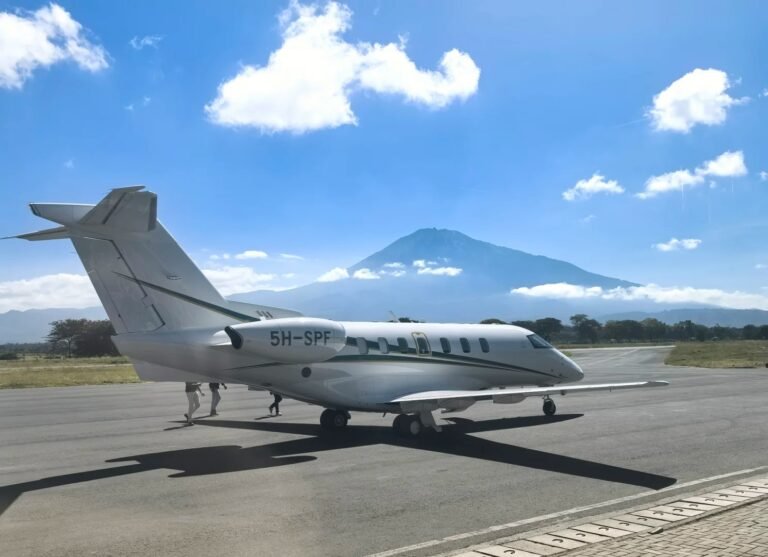
Zanzibar To Serengeti Flight Price –: Planning Your Safari Transfer 2027
Navigate the complex flight and transfer options between Zanzibar and the Serengeti. This deep guide breaks down expected costs, seasonal variables, and optimal routing for 2026 and 2027...
View package details
Serengeti To Zanzibar Flight Baggage Limits And Transfer Costs Guide () 2027
This deep-dive guide covers everything you need to know about baggage restrictions and transfer expenses when flying from the Serengeti region to Zanzibar, ensuring smooth travel planning.
View package details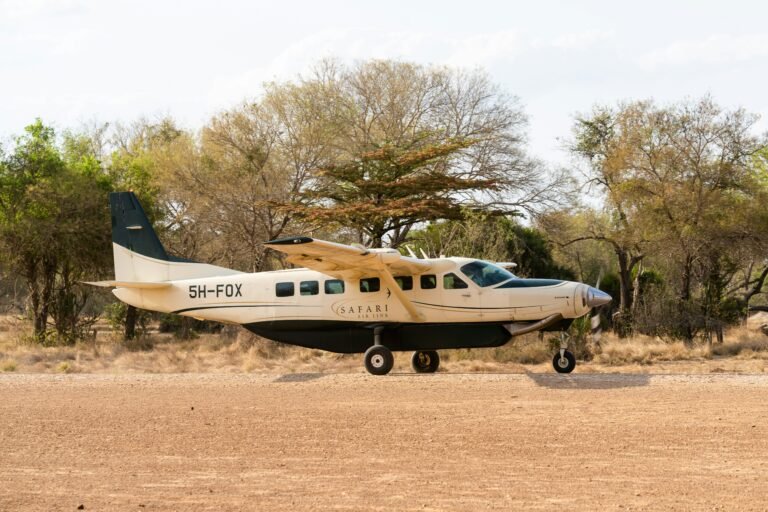
Kogatende To Zanzibar Flights: Northern Serengeti Departure Guide 2027
Kogatende to Zanzibar Flights: Northern Serengeti Departure Guide is explained with current 2027 planning, price, itinerary and booking information.
View package detailsNo related package matches those filters. Clear one or more filters to see the other topic-matched options.