To experience both the Great Migration and the Ngorongoro Crater effectively, plan for a minimum of 6 to 8 days. This timeframe allows for sufficient travel between locations, dedicated game drives in the Serengeti to witness the migration’s movements, and a full day exploring the abundant wildlife within the Ngorongoro Crater. For a more relaxed pace or to incorporate other nearby attractions, extending this to 9-10 days is highly recommended for 2026-2027 itineraries.
Understanding the Core Components: Migration & Ngorongoro Crater
Combining the Great Migration and the Ngorongoro Crater represents a quintessential Tanzanian safari, offering two distinct yet equally magnificent wildlife viewing experiences. Understanding what each entails is the first step in planning the right duration for your trip. The Great Migration is a perpetual movement of over 1.5 million wildebeest, zebras, and gazelles across the Serengeti and Maasai Mara ecosystems, driven by the search for fresh grazing and water. Its location varies significantly throughout the year, making timing crucial. The Ngorongoro Crater, on the other hand, is a UNESCO World Heritage Site and a natural caldera that holds a remarkably high concentration of wildlife year-round, including the Big Five, within its 260 square kilometer floor. Because these are such distinct attractions, many travelers want to see both, but the question of how many days should we allow for migration plus Ngorongoro Crater is paramount to crafting a successful itinerary.
The Serengeti: A Stage for the Great Migration
The Serengeti National Park is vast, covering approximately 14,750 square kilometers. Its sheer size means that simply ‘being in the Serengeti’ doesn’t guarantee you’ll see the migration. The herds are constantly on the move, following a predictable, yet dynamic, annual cycle. This cycle is dictated by rainfall patterns, which influence the availability of nutritious grass. Therefore, the best location within the Serengeti to witness the migration depends entirely on the time of year you plan to travel in 2026 or 2027. You might need to spend several days in different parts of the park to track the herds effectively. A typical migration safari might involve spending 3-5 days in the Serengeti, strategically positioning yourself where the herds are most likely to be. This might mean staying in the central Serengeti for resident game, venturing north for river crossings (typically July-October), or heading south and east for calving season (December-March).
Ngorongoro Crater: A Wildlife Jewel Box
The Ngorongoro Crater offers a different safari dynamic. It’s a compact, self-contained ecosystem. You can descend into the crater floor for a full day of game viewing, often seeing a high density of animals, including lions, elephants, rhinos, buffaloes, and hippos, in a single outing. The crater’s unique geography means that animals tend to stay within its boundaries year-round, making it a reliable destination. Most visitors spend one full day on the crater floor. This typically involves an early morning descent, a picnic lunch by the hippo pool, and an ascent in the late afternoon. While one day is sufficient for many, some travelers opt for two days if they wish to explore the crater at a more leisurely pace, perhaps focusing on birdwatching or specific photographic opportunities, or if they want to combine a crater descent with exploring the wider Ngorongoro Conservation Area, which includes the less-visited Empakai and Olmoti craters, or visiting a Maasai village.
Minimum Recommended Duration: The 6-Day Framework
For travelers asking how many days should we allow for migration plus Ngorongoro Crater, a 6-day safari is often considered the absolute minimum to get a taste of both. This is a tightly packed itinerary, and it assumes efficient travel and logistical planning. Here’s how a 6-day trip might be structured, keeping in mind that travel days between locations can consume significant time:
- Day 1: Arrival in Arusha/Kilimanjaro Airport (JRO) & Transfer to Arusha. Settle in, prepare for your safari.
- Day 2: Transfer to Serengeti National Park. This is usually a full day’s travel, either by road (a scenic but long drive) or by a short bush flight from Arusha to a Serengeti airstrip. Game drive en route to your lodge/camp.
- Day 3: Full Day Serengeti National Park. Focus on game drives, aiming to locate the migration if your timing and location within the park are correct.
- Day 4: Serengeti to Ngorongoro Conservation Area. Morning game drive in the Serengeti, then drive towards the Ngorongoro Conservation Area, potentially stopping at Olduvai Gorge. Overnight near the crater rim or in Karatu.
- Day 5: Full Day Ngorongoro Crater Tour. Descend into the crater for a full day of game viewing. Overnight in Karatu or back towards Arusha.
- Day 6: Transfer to Arusha & Departure. Depending on your flight schedule, you might have time for some souvenir shopping before heading to JRO.
This 6-day plan is ambitious. It involves significant travel time, especially on days 2 and 4. The Serengeti portion might feel rushed, and you’re heavily reliant on the migration being in a relatively accessible area. While it ticks the boxes for seeing both, it doesn’t allow much room for unexpected delays, extended game viewing, or simply relaxing and soaking in the atmosphere. It’s best suited for those with very limited time who want to maximize their experience within a short window for 2026-2027 travel.
The Ideal Duration: 7-8 Days for a Balanced Experience
To truly appreciate the Serengeti’s vastness and the Ngorongoro Crater’s unique ecosystem without feeling constantly rushed, 7 to 8 days is a much more comfortable and rewarding duration for a migration plus Ngorongoro Crater safari. This allows for deeper immersion and a more flexible approach to wildlife viewing.
Extended Serengeti Exploration (Days 1-4/5)
With an extra day or two dedicated to the Serengeti, you can:
- Cover More Ground: Explore different regions of the Serengeti. If the migration is in the north, you’ll need more time to reach those areas. If you’re visiting during calving season, spending more time in the southern plains allows for better chances of witnessing predator-prey interactions.
- Increase Wildlife Viewing Opportunities: More time means more game drives, increasing your chances of seeing a wider variety of animals and experiencing different behaviors. Early morning and late afternoon drives are often the most productive, and having more days allows you to do these without feeling like you’re sacrificing other parts of the itinerary.
- Account for Travel Logistics: A bush flight into the Serengeti (e.g., Seronera Airstrip, Kogatende Airstrip) saves considerable time compared to road travel. An 8-day trip might allow for a flight in and a road transfer out, or vice-versa, offering a varied travel experience and saving valuable safari time.
Comfortable Ngorongoro Crater Experience (Days 5/6-7/8)
Adding a day to the Ngorongoro portion offers several advantages:
- Deeper Crater Exploration: While one day is often sufficient, a second day allows for a more relaxed exploration. You could spend more time at specific viewpoints, dedicate a morning to birdwatching, or even venture slightly outside the main crater floor to explore the highlands if your lodge offers guided walks (subject to regulations).
- Explore the Wider Ngorongoro Conservation Area (NCA): The NCA is more than just the crater. A longer stay allows you to visit a Maasai village for a cultural experience, explore the unique landscapes around Lake Eyasi (if time permits and you’re interested in unique tribal cultures), or visit the smaller, less-visited Olmoti and Empakai craters, which offer excellent walking opportunities and stunning scenery.
- Reduced Travel Stress: Instead of rushing from the Serengeti directly to an overnight near the crater, you can take a more leisurely drive, perhaps stopping for a picnic lunch with spectacular views or visiting the Maasai Mara cultural heritage site of Olduvai Gorge without feeling time-pressured. You might spend one night on the crater rim for sunset and sunrise views, and then another night in Karatu, a charming town at the base of the escarpment, offering different accommodation options and a chance to explore local life.
An 8-day itinerary, for example, could look like this:
- Day 1: Arrive JRO, transfer to Arusha.
- Day 2: Fly to Serengeti, game drive en route to camp/lodge.
- Day 3: Full day Serengeti game drives.
- Day 4: Full day Serengeti game drives, focusing on a different region.
- Day 5: Morning game drive in Serengeti, drive to Ngorongoro Conservation Area, overnight at lodge near crater rim.
- Day 6: Full day Ngorongoro Crater tour. Overnight in Karatu.
- Day 7: Visit a Maasai village or explore Karatu area, drive back to Arusha.
- Day 8: Depart from JRO.
This 7-8 day structure provides a much more comprehensive and enjoyable safari experience, striking an excellent balance between seeing the key highlights and having time to absorb the incredible natural beauty and wildlife of Tanzania. This is often the sweet spot for many travelers planning for 2026-2027.
Maximizing the Experience: 9-10 Days or More
If your schedule and budget allow, extending your safari to 9-10 days or even longer offers significant advantages, allowing for a truly in-depth exploration of the region and potentially incorporating other nearby attractions. This is particularly beneficial if you are planning for peak season in 2026 or 2027, where crowds might necessitate more time to find quieter viewing spots.
Deeper Serengeti Immersion
With 4-5 full days dedicated to the Serengeti, you can:
- Track the Migration More Effectively: If the migration is spread out or on the move, having more days allows you to follow its path, potentially witnessing dramatic events like river crossings or large predator hunts. You can explore remote corners of the park, seeking out less-visited areas that often yield incredible sightings.
- Experience Different Ecosystems within the Serengeti: The Serengeti isn’t monolithic. You can spend time in the central Seronera Valley for its resident wildlife and big cats, then move north to the Lamai Wedge or Kogatende area for river crossings, or head south to the Ndutu region during the calving season (late December to March) to witness the incredible spectacle of thousands of newborns.
- Enjoy a Slower Pace: Longer stays mean you can enjoy leisurely morning drives, take a break mid-day to relax at your lodge or camp, and head out for extended evening game drives. This reduces safari fatigue and allows for a more profound connection with the environment.
- Consider Hot Air Balloon Safaris: A sunrise hot air balloon ride over the Serengeti is an unforgettable experience. With more days, you can comfortably schedule this activity, knowing that even if weather conditions postpone it one day, you have flexibility.
Comprehensive Ngorongoro and Beyond
An extended stay in the Ngorongoro area can include:
- Multiple Crater Dives: Spending two full days in the Ngorongoro Crater allows for different experiences. One day could focus on general game viewing, while another might be dedicated to specific photographic interests, birdwatching, or exploring the marshy areas where hippos congregate.
- Exploring the Ngorongoro Highlands: Beyond the crater, the highlands offer stunning scenery and opportunities for guided walks (with armed rangers), birding, and visiting local communities. This provides a different perspective on the region’s natural beauty and cultural heritage.
- Lake Eyasi Cultural Immersion: For those interested in truly unique cultural experiences, a day trip or overnight stay at Lake Eyasi can be incorporated. Here, you can visit the Hadzabe bushmen, one of the last hunter-gatherer tribes in Africa, and the Datoga blacksmiths. This requires additional travel time and accommodation, so it’s best suited for safaris of 10 days or more.
- Tarangire National Park: Often combined with the Serengeti and Ngorongoro, Tarangire National Park is famous for its large elephant herds and iconic baobab trees. It’s a fantastic addition for a 9-10 day safari, offering a different landscape and wildlife viewing experience. You could spend 2-3 days here before heading to the Serengeti or after your Ngorongoro visit.
A 10-day itinerary could look like this:
- Day 1: Arrive JRO, transfer to Arusha.
- Day 2: Drive to Tarangire National Park, afternoon game drive.
- Day 3: Full day Tarangire National Park.
- Day 4: Drive to Serengeti, afternoon game drive.
- Day 5: Full day Serengeti game drives.
- Day 6: Full day Serengeti game drives, perhaps moving to a new area.
- Day 7: Morning game drive in Serengeti, drive to Ngorongoro Conservation Area, overnight at lodge near crater rim.
- Day 8: Full day Ngorongoro Crater tour. Overnight in Karatu.
- Day 9: Visit a Maasai village, drive back to Arusha.
- Day 10: Depart from JRO.
This extended duration allows for a truly comprehensive and unhurried exploration of northern Tanzania’s premier wildlife destinations, ensuring you make the most of your 2026-2027 safari adventure.
Factors Influencing Your Decision on Duration
When deciding how many days should we allow for migration plus Ngorongoro Crater, several key factors come into play:
1. Time of Year and Migration Location
As mentioned, the Great Migration’s location is dynamic. If you’re traveling during a time when the migration is in the northern Serengeti (e.g., July-October for river crossings), reaching those areas from Arusha can take longer, and you’ll need more days to properly explore the northern circuits. Conversely, if you’re visiting during the calving season (December-March), the migration will be in the southern Serengeti and Ndutu area, which is more accessible and might require slightly less transit time within the park itself. Understanding the expected migration movements for your specific travel dates in 2026 or 2027 is critical.
Migration Timing Guide (General)
- December – March: Southern Serengeti & Ndutu Area (Calving Season)
- April – May: Central/Western Serengeti (Wildebeest begin moving north, rains can make roads difficult)
- June: Western Corridor & Grumeti River (Wildebeest gather before crossing the Mara River)
- July – October: Northern Serengeti & Maasai Mara (Mara River Crossings)
- November: Eastern Serengeti (Herds begin to return south)
Note: This is a general guide. Rainfall patterns can shift migration timings slightly each year. Consult with safari experts for the most up-to-date information for your 2026-2027 travel dates.
2. Travel Style and Pace
Do you prefer a fast-paced adventure that hits the highlights, or a more relaxed journey where you can linger and truly absorb the surroundings? A faster pace might fit into 6 days, but it will be intense. If you value downtime, photography, or simply soaking in the atmosphere without constantly moving, 8-10 days is far more appropriate. Consider how much travel time you’re comfortable with each day. Long drives in a safari vehicle can be tiring, especially on unpaved roads.
3. Budget Considerations
Generally, the longer your safari, the higher the overall cost. However, the cost per day might decrease slightly with longer packages due to economies of scale in vehicle and guide hire. Park fees are charged per day, so extending your stay in the Serengeti and Ngorongoro will increase park entry costs. Accommodation choices also play a significant role. Luxury lodges will naturally be more expensive than mid-range camps or budget-friendly options. When planning for 2026-2027, factor in that prices can increase annually.
Cost Factors to Consider for 2026-2027 Safaris:
- Number of Safari Days: More days mean higher costs for accommodation, park fees, and guiding.
- Accommodation Level: Luxury lodges, mid-range tented camps, and budget camps have vastly different price points.
- Transportation: Private 4×4 vehicle with a dedicated guide vs. shared safari vehicle. Bush flights significantly add to the cost but save time.
- Park Fees: These are set by the Tanzanian government and are typically charged per person per day. They are a significant component of safari costs.
- Time of Year: Peak season (July-October, December) is generally more expensive than the low season (April-May).
- Inclusions: Meals, drinks, park entry, activities (game drives, guided walks), transfers, and guide fees.
Climb 4 Africa can provide detailed quotes tailored to your specific duration and preferences for 2026-2027.
4. Other Interests and Destinations
Are you only interested in the migration and Ngorongoro, or do you want to combine this with other Tanzanian experiences? For instance, many travelers add:
- Tarangire National Park: Known for its large elephant herds and baobab trees.
- Lake Manyara National Park: Famous for its tree-climbing lions and flamingos.
- Mount Kilimanjaro Climb: A significant undertaking that requires its own dedicated time (typically 7-10 days).
- Zanzibar: A tropical island paradise offering beaches, history, and spice tours, usually requiring at least 3-4 days.
If you plan to incorporate any of these, you’ll need to add more days to your overall trip duration. A common combination is Serengeti/Ngorongoro followed by Zanzibar, which might extend a 7-day safari to a 10-14 day trip.
Sample Itineraries: Comparing Durations
To help visualize the difference, let’s compare two sample itineraries for 2026-2027, focusing on the migration and Ngorongoro.
Sample Itinerary 1: The 7-Day “Migration & Crater Highlights”
This itinerary is designed for travelers who want to experience the best of both worlds efficiently.
- Day 1: Arrive Kilimanjaro International Airport (JRO), transfer to Arusha.
- Day 2: Fly to Serengeti National Park (e.g., Seronera Airstrip), game drive en route to your lodge/camp. Afternoon game drive.
- Day 3: Full day Serengeti game drives, focusing on the migration’s current location.
- Day 4: Morning game drive in Serengeti, drive towards Ngorongoro Conservation Area (NCA), stopping at Olduvai Gorge. Overnight near the crater rim.
- Day 5: Full day Ngorongoro Crater tour. Early descent, picnic lunch, ascend in the afternoon. Overnight in Karatu.
- Day 6: Visit a Maasai village or explore the Karatu area, drive back to Arusha.
- Day 7: Depart from JRO.
Pros: Efficient, covers the absolute must-sees, manageable for shorter trips.
Cons: Can feel rushed, limited time for deeper exploration of either location, relies heavily on migration being in an accessible area.
Sample Itinerary 2: The 10-Day “Northern Tanzania Explorer”
This itinerary allows for a more in-depth experience and includes Tarangire National Park.
- Day 1: Arrive JRO, transfer to Arusha.
- Day 2: Drive to Tarangire National Park, afternoon game drive.
- Day 3: Full day Tarangire National Park, focus on elephants and baobabs.
- Day 4: Drive to Serengeti National Park (e.g., Seronera Airstrip), game drive en route.
- Day 5: Full day Serengeti game drives, exploring the central region.
- Day 6: Full day Serengeti game drives, potentially moving north or south depending on migration.
- Day 7: Morning game drive in Serengeti, drive to Ngorongoro Conservation Area, overnight at lodge on the crater rim for sunset views.
- Day 8: Full day Ngorongoro Crater tour. Enjoy a leisurely pace and picnic lunch.
- Day 9: Explore the Ngorongoro Highlands with a guided walk or visit a Maasai village. Drive back to Arusha.
- Day 10: Depart from JRO.
Pros: More relaxed pace, deeper exploration of each park, includes an additional diverse park (Tarangire), greater flexibility for migration viewing, more time for cultural experiences.
Cons: Higher overall cost due to more days and additional park fees.
Making Your Decision: Practical Advice for 2026-2027
When you’re deciding how many days should we allow for migration plus Ngorongoro Crater, consider these practical points:
- Travel Time is Key: Tanzania’s parks are vast, and travel between them can take several hours, often on unpaved roads. Factor in that a ‘travel day’ often means a half-day or more of transit, potentially with a game drive along the way. Bush flights significantly reduce travel time but add to the cost. For a 2026-2027 trip, confirm flight schedules and road conditions with your operator.
- The “Perfect” Migration Sighting is Rare: While river crossings are spectacular, they are also unpredictable and can be brief. Don’t base your entire trip duration solely on witnessing one specific event. Focus on enjoying the overall abundance of wildlife.
- Ngorongoro Crater Rules: You have a maximum of 6 hours on the crater floor per day. This is usually ample time, but it means you can’t spend an entire day slowly meandering. If you want more time, you’d need two separate days within the 6-hour limit.
- Accommodation Choices Impact Experience: Staying inside the Serengeti or on the Ngorongoro Crater rim offers unparalleled access and views, but often comes at a premium price. Staying outside the parks (e.g., in Karatu for Ngorongoro) is more budget-friendly and can offer a different cultural perspective, but requires more travel time to enter the park each day.
- Consider the “Shoulder Seasons”: For 2026-2027, traveling during the shoulder seasons (e.g., November, March-May) can offer a good balance of wildlife viewing and fewer crowds, potentially at a slightly lower cost than peak times. However, these periods also carry a higher risk of rain, which can affect road conditions and migration movements.
Booking Your 2026-2027 Safari
Planning a safari that perfectly balances the Great Migration and the Ngorongoro Crater requires expert knowledge of the parks, the migration cycle, and logistical considerations. The best way to determine the ideal duration and tailor an itinerary for your specific interests and budget for 2026 or 2027 is to consult with experienced local tour operators. They can:
- Advise on the best time of year for your specific migration viewing goals.
- Recommend optimal park circuits and accommodation based on the season.
- Help you balance travel time with quality game viewing.
- Provide transparent pricing and explain what’s included.
- Handle all booking logistics, permits, and ground arrangements.
For personalized advice and to craft your dream migration and Ngorongoro Crater safari for 2026-2027, reach out to Climb 4 Africa. We specialize in creating tailor-made Tanzanian adventures. You can contact us via WhatsApp at +255 747 477 898 or email us at climb4africa@gmail.com to discuss your travel plans and get a customized itinerary.
Check Availability for Migration Plus Ngorongoro Crater: How Many Days Should You Allow? 2026-2027
Ready to compare dates, prices, and the best option for your group? Send the package name and travel month so the team can reply with a clear quote, availability, and what is included.
Dec 28, – 5 Day Ndutu Migration And Ngorongoro Group Safari 2026
Join a small group for a 5-day safari departing December 28, 2026, targeting the Ndutu region for the start of the calving season and the Ngorongoro Crater.
View package details
Dec 12, – 6 Day Serengeti, Ngorongoro, Tarangire And Manyara Group Safari 2026
Dec 12, 2026 – 6 Day Serengeti, Ngorongoro, Tarangire and Manyara Group Safari.
View package details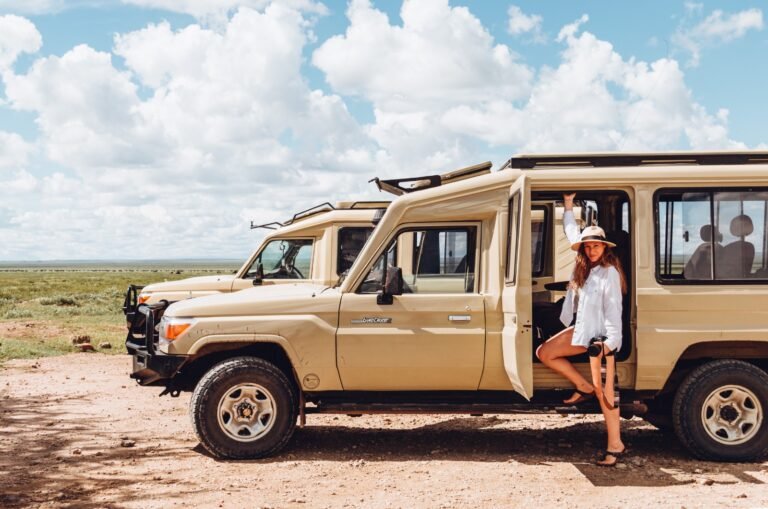
Dec 6, – 3 Day Tarangire, Lake Manyara And Ngorongoro Group Safari 2026
Dec 6, 2026 – 3 Day Tarangire, Lake Manyara and Ngorongoro Group Safari.
View package detailsOct 31, – 6 Day Serengeti, Ngorongoro, Tarangire And Manyara Group Safari 2026
A detailed look at the 6-day Northern Circuit group safari departing October 31, 2026, covering Tarangire, Manyara, Serengeti, and Ngorongoro Crater.
View package detailsOct 28, – 3 Day Tarangire, Lake Manyara And Ngorongoro Group Safari 2026
A detailed guide to our 3-day group joining safari departing October 28, 2026. Explore the logistics, wildlife highlights, and why this specific route is ideal for travelers looking to...
View package detailsOct 25, – 1 Day Ngorongoro Crater Group Safari From Moshi 2026
A detailed guide to organizing a one-day group safari to the Ngorongoro Crater starting from Moshi, specifically focusing on the logistics for October 25, 2026.
View package details
Nearest Airport To Ngorongoro Crater: Logistics & Planning For 2026-2027
A practical guide to reaching the Ngorongoro Conservation Area, covering the vital difference between international gateways and local airstrips for your 2026-2027 safari itinerary.
View package details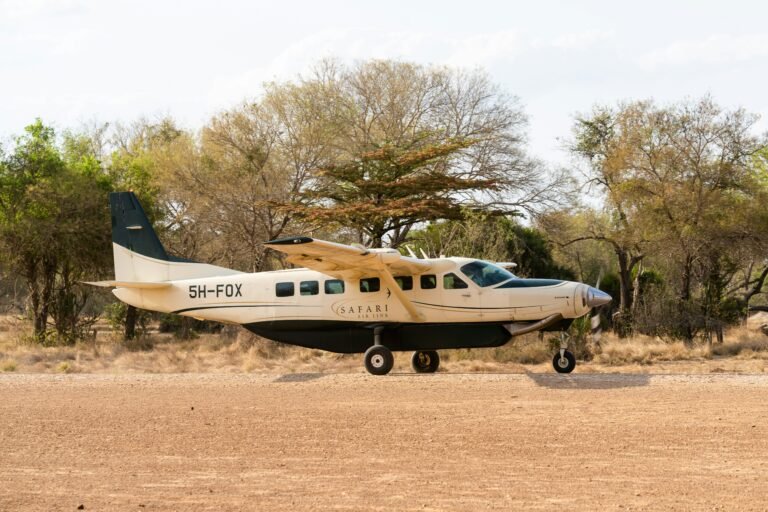
Lake Manyara Airstrip Vs Arusha Airport: Which Is Best For Ngorongoro In ?
Deciding between Lake Manyara Airstrip and Arusha Airport for your Ngorongoro Crater safari? We compare the transfer times, costs, and travel styles to help you choose the right gateway for...
View package details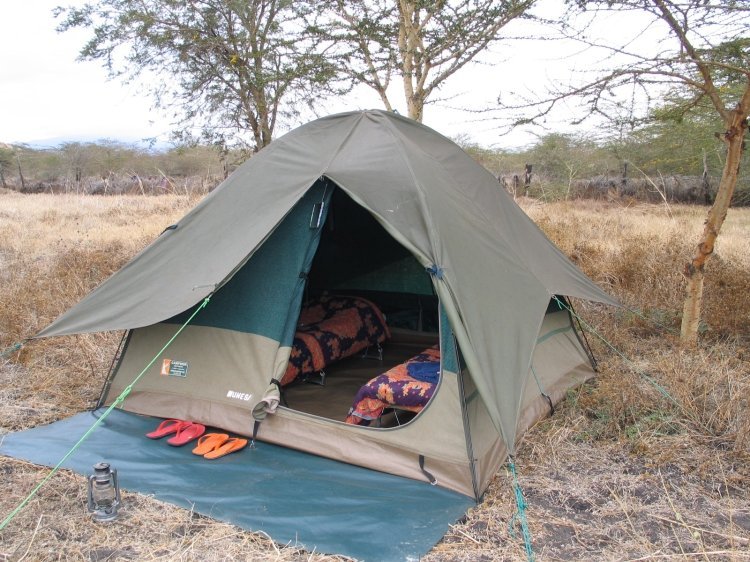
Four Day Serengeti na Ngorongoro Safari During AFCON 2027
Mwongozo wa safari ya siku 4 kwenye Serengeti na Ngorongoro wakati AFCON 2027; jinsi ya kupanga, nini cha kujali, na jinsi ya kuandaa,”
View package details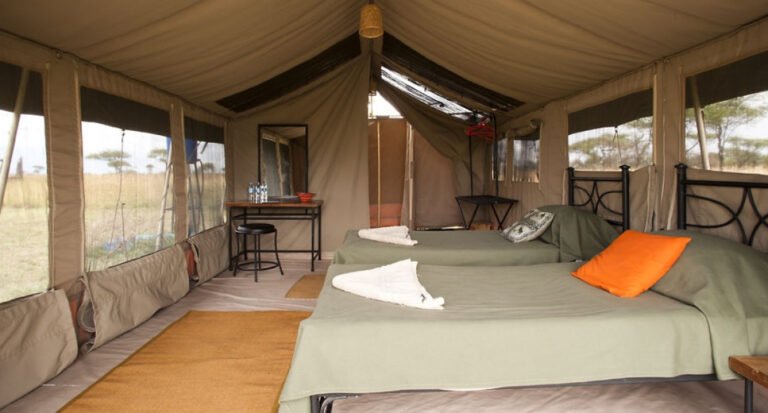
Afcon Kilimanjaro Ngorongoro And Zanzibar Holiday
AFCON 2027 Kilimanjaro Ngorongoro and Zanzibar Holiday.
View package details
Dec 24, – 3 Day Christmas Serengeti And Ngorongoro Group Safari
Dec 24, 2026 – 3 Day Christmas Serengeti and Ngorongoro Group Safari.
View package details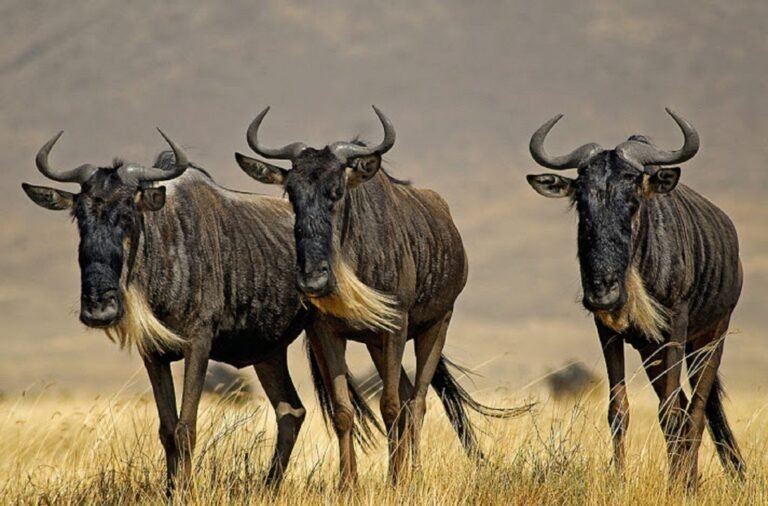
Nov 23, – 3 Day Serengeti And Ngorongoro Safari From Zanzibar
Nov 23, 2026 – 3 Day Serengeti and Ngorongoro Safari from Zanzibar.
View package detailsNo related package matches those filters. Clear one or more filters to see the other topic-matched options.