
For a migration safari in the Northern Serengeti, the best airstrip often depends on the specific location of the Great Migration herds, typically along the Mara River, and your safari itinerary. Kogatende Airstrip (KOG) is generally the most strategic for accessing the northern plains and the river crossings during the migration season (roughly June to October). However, Seronera Airstrip (SEU), while more central, can also serve as a gateway, especially if your safari begins in the central Serengeti or includes multiple regions. For those focusing strictly on the northernmost points, consider that proximity to the Mara River is paramount, making Kogatende the preferred choice for maximizing migration viewing opportunities, particularly for river crossings, throughout 2026 and 2027.
Navigating Your Northern Serengeti Safari: Airstrip Choices
- Understanding the Serengeti Migration and Its Location
- Kogatende Airstrip (KOG): The Northern Gateway
- Seronera Airstrip (SEU): A Versatile Hub
- Comparing Kogatende and Seronera for Migration Viewing
- Other Potential Airstrips and Considerations
- Factors Influencing Your Airstrip Choice for 2026-2027
- Planning Your Safari Logistics: Flights, Transfers, and Itineraries
- Booking Your Northern Serengeti Migration Safari
Understanding the Serengeti Migration and Its Location
The Great Migration is not a static event; it’s a perpetual, awe-inspiring journey of over 1.5 million wildebeest, zebras, and gazelles. This colossal movement is dictated by the annual rainfall patterns and the availability of fresh grazing. While the Serengeti ecosystem is vast, the most dramatic and sought-after phase for many safari-goers is the period when the herds congregate along the Mara River in the Northern Serengeti, typically from around June through October. This is when the iconic river crossings, fraught with peril from crocodiles and predators, occur with frequency. Understanding this dynamic is the first step to choosing the right airstrip for your 2026-2027 migration safari.
The Northern Serengeti, bordering Kenya’s Maasai Mara National Reserve, becomes the stage for this spectacle. The Mara River acts as a natural barrier, and the wildebeest must cross it to reach the greener pastures on the other side. These crossings are the highlight for many, offering unparalleled photographic opportunities and raw wildlife drama. However, the herds don’t just stay put; they move, and their precise location can shift based on local weather. This is why selecting an airstrip that offers the best access to the areas where the migration is most likely to be found during your specific travel dates in 2026 or 2027 is crucial.
The Serengeti National Park is divided into several areas, each with its own unique character and wildlife concentrations throughout the year. The Northern Sector, specifically, is defined by its open plains, acacia woodlands, and the winding Mara River. It’s remote, less visited than the central Serengeti, and offers a more exclusive safari experience, especially during the migration season. Access to this region is primarily via light aircraft, landing at strategically located airstrips. Your choice of airstrip directly impacts how quickly you can reach the prime migration viewing areas and, consequently, the quality of your experience.
Kogatende Airstrip (KOG): The Northern Gateway
When the Great Migration’s main event—the Mara River crossings—is in full swing, Kogatende Airstrip (KOG) emerges as the undisputed king for accessing the Northern Serengeti. Located in the heart of the northern plains, Kogatende offers the most direct and efficient access to the areas where thousands of wildebeest are likely to attempt crossing the Mara River. For travelers specifically targeting these dramatic scenes during the migration season, landing at Kogatende is often the most logical choice.
The advantage of Kogatende is its proximity. From the airstrip, many of the prime migration viewing spots along the Mara River are just a short game drive away. This means less travel time on dusty tracks and more time observing wildlife. Lodges and tented camps in the vicinity are specifically positioned to maximize guests’ chances of witnessing these crossings. If your safari is timed for the peak migration months of July, August, September, and even into October, and your primary goal is to see the river crossings, Kogatende should be your primary consideration for 2026 and 2027.
However, it’s important to understand that Kogatende is a seasonal gateway. While the Northern Serengeti is a wildlife-rich area year-round, the sheer concentration of the migration, and thus the buzz around Kogatende, is highest during these months. Outside of the main migration period, the northern plains still offer excellent game viewing, but the dramatic river crossings become less frequent or cease altogether. The terrain around Kogatende is characterized by vast, open grasslands dotted with acacia trees, providing excellent visibility for spotting herds. The airstrip itself is a simple, unpaved landing strip, typical of many remote safari locations in Tanzania.
Key Benefits of Kogatende Airstrip:
- Proximity to Mara River Crossings: Offers the shortest transfer times to the most active crossing points.
- Prime Migration Access: Ideal for travelers focused on witnessing the dramatic wildebeest crossings.
- Seasonal Advantage: Best suited for safaris between June and October.
- Exclusive Experience: Access to the less crowded Northern Serengeti during peak migration.
The trade-off, of course, is that Kogatende is more remote from Arusha or Kilimanjaro International Airport (JRO) compared to Seronera. This means potentially longer flight times from the main hubs, and flights to Kogatende might be more expensive or have less frequent schedules, especially outside the peak season. When planning your 2026-2027 safari, confirm flight availability and costs to Kogatende well in advance.
Seronera Airstrip (SEU): A Versatile Hub
While Kogatende is the specialist for the northern river crossings, Seronera Airstrip (SEU) serves as the central hub for the entire Serengeti National Park. It’s the busiest airstrip in the park, and for good reason. Seronera is located in the Seronera Valley, which is known for its resident wildlife populations, including large prides of lions, cheetahs, leopards, and elephants, throughout the year. This makes it an excellent starting or ending point for safaris that cover multiple regions of the Serengeti, or for those who want to experience the Serengeti’s diverse game viewing even outside the peak migration months.
For a migration safari, Seronera can be a strategic choice, particularly in the early or late stages of the migration’s northern sojourn, or if your itinerary involves combining the Northern Serengeti with other sectors like the Central or Western Serengeti. For instance, if you are traveling in May or early June, or late October and November, the herds might be moving through or away from the north, and Seronera offers a good vantage point to catch them during these transitional periods. Furthermore, if your 2026-2027 safari plan includes significant time in the central Serengeti to focus on resident predators, Seronera is the obvious choice.
The main advantage of Seronera is its accessibility and connectivity. It receives more frequent flights from Arusha and Kilimanjaro than Kogatende, often making it a more convenient and sometimes more cost-effective option for the initial flight into the park. The infrastructure is more developed, and the surrounding area is teeming with wildlife, ensuring excellent game viewing even if the main migration herds are not directly in the vicinity. However, Seronera is a significant distance from the Mara River crossings. If your sole focus is witnessing the river crossings, a transfer from Seronera to the northernmost game areas can take several hours, eating into valuable game drive time.
Key Benefits of Seronera Airstrip:
- Central Location: Access to diverse wildlife viewing areas across the Serengeti.
- Year-Round Wildlife: Excellent for resident predators and general game viewing.
- Connectivity: More frequent and often more affordable flights from Arusha/JRO.
- Flexibility: Ideal for multi-region Serengeti safaris or transitional migration periods.
Choosing Seronera means accepting that you might need to spend a day or two traveling to the far north to reach the Mara River, or your lodge might be positioned to catch the herds as they move towards or away from the northern extremes. For many, this is a worthwhile trade-off for the flexibility and broader wildlife viewing opportunities that Seronera provides. When planning your 2026-2027 trip, discuss with your tour operator how Seronera fits into your migration viewing strategy.
Comparing Kogatende and Seronera for Migration Viewing
The choice between Kogatende and Seronera for your Northern Serengeti migration safari in 2026-2027 boils down to your priorities. It’s a classic trade-off between specialization and versatility.
For the Dedicated River Crossing Enthusiast: Kogatende Airstrip (KOG)
- Best For: Travelers whose primary goal is to witness the dramatic Mara River crossings.
- Timing: Ideal from July to October.
- Experience: Direct access to the heart of the migration action, minimizing travel time to the river. Offers a more focused Northern Serengeti experience.
- Considerations: Can be more expensive to fly into, less frequent flight schedules outside peak season, and less convenient if you want to combine with central or western Serengeti in a short timeframe.
For the All-Rounder or Transitional Traveler: Seronera Airstrip (SEU)
- Best For: Those who want a broader Serengeti experience, including excellent predator viewing, or who are traveling during the shoulder seasons of the migration. Also suitable for those combining Northern Serengeti with other park regions.
- Timing: Effective year-round, and particularly useful for catching the migration as it moves north (May/June) or south (Oct/Nov).
- Experience: Excellent general game viewing, access to diverse habitats, and better connectivity. Requires longer drives to the Mara River for specific crossing events.
- Considerations: You may spend more time driving to reach the Mara River crossings, and the experience might be less concentrated on the specific river crossing spectacle if not timed perfectly.
Table: Airstrip Comparison for Migration Safaris
| Feature | Kogatende Airstrip (KOG) | Seronera Airstrip (SEU) |
|---|---|---|
| Primary Focus | Mara River Crossings, Northern Migration Concentration | Central Serengeti Wildlife, Multi-Region Access |
| Best Migration Timing | July – October | May – June (moving north), October – November (moving south), Year-round resident wildlife |
| Proximity to Mara River | Very High (Short game drives) | Moderate to Low (Longer game drives) |
| Flight Frequency/Cost | Lower frequency, potentially higher cost, especially off-peak | Higher frequency, often more competitive pricing |
| Overall Serengeti Experience | Focused on Northern Plains & River | Diverse Habitats, Predator Hotspot |
| Ideal for 2026-2027 Traveler | Witnessing the iconic river crossings is the top priority. | Balancing migration viewing with other Serengeti highlights or seeking flexibility. |
When discussing your 2026 or 2027 safari plans with your tour operator, clearly articulate your priorities regarding the migration. If seeing a river crossing is non-negotiable, and you’re traveling in the core season, Kogatende is likely your best bet. If you’re after a more comprehensive Serengeti experience or traveling slightly outside the peak, Seronera offers greater flexibility.
Other Potential Airstrips and Considerations
While Kogatende and Seronera are the primary gateways for most Northern Serengeti migration safaris, other airstrips exist and might play a role depending on specific lodge locations or itinerary nuances. These are often smaller, less frequently used, or serve very specific lodges. Understanding them can be useful for niche itineraries or when planning for 2026-2027.
Lamai Wedge Airstrip (LWM): This airstrip is located further north than Kogatende, closer to the Kenyan border. It’s often used by lodges situated in the northernmost reaches of the Serengeti, which can offer even more immediate access to areas where the migration congregates along the Mara River. If your chosen lodge is in this extreme northern sector, Lamai Wedge might be the designated landing strip. It’s a smaller, more exclusive airstrip, catering to a limited number of guests. Its main advantage is its unparalleled proximity to prime migration viewing grounds in the far north, especially during the peak crossing season.
Grumeti Airstrip (GTZ): Located in the Western Serengeti, Grumeti Airstrip is primarily associated with the Grumeti Reserve, a private concession known for its luxury lodges and resident wildlife, including large crocodiles in the Grumeti River. While not typically the first choice for accessing the Mara River crossings in the far north, it can be part of a multi-region Serengeti itinerary. If your safari begins or ends in the Western Serengeti, Grumeti Airstrip might be your entry or exit point. It offers a different facet of the Serengeti experience, often with fewer vehicles.
Important Considerations for Niche Airstrips:
- Lodge Specificity: These airstrips are often tied to one or a few specific luxury lodges. Your choice of airstrip will likely dictate your accommodation choice.
- Flight Availability: Flights to these smaller airstrips can be less frequent, more expensive, and may require charter arrangements.
- Transfer Times: While they offer proximity to certain areas, the transfer from the airstrip to the lodge might still involve significant driving, depending on the lodge’s exact location within the concession.
- Seasonal Relevance: Their utility is highly dependent on the migration’s movement patterns.
For most travelers planning a Northern Serengeti migration safari for 2026-2027, focusing on Kogatende and Seronera will cover the vast majority of scenarios. However, if you’re looking at high-end luxury lodges in the extreme north, inquire specifically about Lamai Wedge. If your trip includes the Western Serengeti, Grumeti will be relevant.
Factors Influencing Your Airstrip Choice for 2026-2027
Selecting the optimal airstrip for your Northern Serengeti migration safari in 2026 or 2027 involves more than just knowing where the migration is. It requires a holistic view of your safari plans, preferences, and practical considerations. Here’s a breakdown of the key factors to weigh:
1. Timing of Your Safari:
- June – October: This is the prime time for the Mara River crossings. Kogatende (KOG) is usually the best choice for direct access to the action. Lamai Wedge might be considered for lodges in the absolute northernmost tip.
- May/Early June & Late October/November: The migration is moving into or out of the north. Seronera (SEU) can be advantageous as it’s well-positioned to catch the herds during these transitional phases, or to combine with other areas as the herds disperse.
- December – April: The migration is typically in the Southern and Eastern Serengeti plains for calving season. While not a ‘Northern Serengeti’ migration safari, if your trip is during these months and you still wish to fly into the north for its resident wildlife, Kogatende or even Seronera would be your options, but river crossings are unlikely.
2. Your Primary Safari Goals:
- Witnessing River Crossings: If this is your absolute top priority and you’re traveling during the peak season, Kogatende is almost always the superior choice.
- Comprehensive Serengeti Experience: If you want to see the migration but also focus on predators, diverse landscapes, and potentially combine with other Serengeti regions (Central, West), Seronera offers more versatility.
- Photography Focus: For dramatic river crossing action, Kogatende’s proximity is invaluable.
3. Lodge Location and Availability:
- Many lodges and tented camps in the Northern Serengeti are strategically located near Kogatende to maximize access to the Mara River. Your chosen accommodation will often dictate the most convenient airstrip.
- Some high-end lodges in the far north may use Lamai Wedge.
- If your itinerary includes lodges in the central Serengeti, Seronera is the logical entry/exit point for that sector.
4. Flight Logistics and Cost:
- Flights from Arusha (ARK) or Kilimanjaro International Airport (JRO) to Seronera (SEU) are generally more frequent and can be more cost-effective due to higher demand and competition.
- Flights to Kogatende (KOG) are typically less frequent, especially outside the peak migration months of July to October. This can sometimes translate to higher costs or less flexible scheduling.
- Connecting flights or longer travel times might be necessary to reach Kogatende, depending on the airline and schedule.
- Consider the total travel time from your arrival in Tanzania (usually JRO) to your lodge. A longer flight into Kogatende might mean a shorter game drive, but more time spent in transit initially.
5. Desired Pace and Travel Style:
- If you prefer a more relaxed pace with minimal long drives once you’ve landed, choosing an airstrip close to your lodge is beneficial.
- If you are on a multi-park safari in Tanzania (e.g., Ngorongoro, Tarangire, Serengeti), Seronera might offer better connections and reduce the need for costly internal flights or lengthy road transfers between regions.
6. Crowd Levels:
- The Northern Serengeti, particularly around Kogatende during the migration season, can be busy with safari vehicles at prime viewing spots. While still incredible, it’s worth noting.
- Seronera, being a year-round destination with resident wildlife, can also experience vehicle concentrations, especially around predator sightings.
For your 2026-2027 safari planning, discuss these factors openly with your tour operator. They can help you weigh the pros and cons based on your specific travel dates and desired outcomes. For instance, if you’re booking a 2026 safari and aim for August, Kogatende is almost certainly the answer. If you’re looking at a 2027 trip in early May, Seronera might be more strategic.
Planning Your Safari Logistics: Flights, Transfers, and Itineraries
Once you’ve identified the most suitable airstrip for your Northern Serengeti migration safari in 2026 or 2027, the next step is to meticulously plan the logistics. This ensures a smooth and efficient experience, maximizing your time with the wildlife.
1. Booking Internal Flights:
- Airlines: Several reputable Tanzanian bush flight operators service the Serengeti, including Auric Air, Coastal Aviation, and Grumeti Air. Your tour operator will typically book these on your behalf.
- Departure Points: Most flights depart from Arusha Airport (ARK) or Kilimanjaro International Airport (JRO). Some may offer direct flights from Zanzibar (ZNZ) or other safari destinations.
- Booking Window: It’s advisable to book these internal flights well in advance, especially for peak migration season travel in 2026 and 2027, as seats are limited and fill up quickly.
- Luggage Restrictions: Be aware of strict luggage limits on bush flights, usually around 15-20 kg (33-44 lbs) per person in soft-sided bags. This is crucial for packing efficiently.
- Flight Schedules: Flight times are subject to change and often depend on passenger numbers and weather. They typically operate in the morning and afternoon.
2. Airstrip Transfers:
- Upon arrival at your chosen airstrip (Kogatende, Seronera, etc.), you will be met by your safari guide and vehicle from your lodge or tour operator.
- The transfer from the airstrip to your accommodation is usually your first game drive. Your guide will begin spotting wildlife from the moment you leave the airstrip.
- Transfer times can vary significantly. From Kogatende, it might be 30-60 minutes to nearby lodges. From Seronera, it could be anywhere from 30 minutes to over an hour, depending on the lodge’s location in the vast Seronera Valley.
3. Crafting Your Itinerary:
- Duration: For a Northern Serengeti migration safari, a minimum of 3 nights is recommended to allow sufficient time for game drives and potential river crossings. 4-5 nights offer a more relaxed pace and better chances of witnessing different migration behaviors.
- Multi-Region Safaris: If you plan to visit other parks (e.g., Ngorongoro Crater, Tarangire), your itinerary needs careful sequencing. For example, flying into Seronera after visiting the Ngorongoro Conservation Area, or flying out of Kogatende to connect to Kilimanjaro.
- Pacing: Avoid packing too much into each day. Allow for downtime, especially during the heat of the day. Your guide will manage the game drives to maximize sightings.
- Flexibility: While itineraries are planned, be prepared for slight adjustments based on wildlife movements. Your guide’s expertise is key here.
4. Communication and Support:
- Ensure your tour operator has your correct flight details into and out of Tanzania (e.g., JRO arrival).
- Have contact information for your tour operator and lodge readily available.
- For any last-minute changes or urgent queries regarding your 2026-2027 safari plans, direct communication is vital.
Careful logistical planning is as important as choosing the right airstrip. It ensures that your precious safari time is spent in the wild, not struggling with transport issues. Your tour operator, like Climb 4 Africa, plays a crucial role in coordinating these complex elements for your Northern Serengeti migration safari.
Booking Your Northern Serengeti Migration Safari
Securing your Northern Serengeti migration safari for 2026 or 2027 requires careful planning and booking with a reputable operator who understands the nuances of this incredible wildlife event. Given the popularity and seasonal nature of the migration, especially the river crossings, booking well in advance is paramount.
When to Book:
- For peak migration season (July-October), it is highly recommended to book 9-12 months in advance. For 2026, start planning now. For 2027, early 2026 would be ideal.
- Shoulder seasons (May, June, November) may offer more flexibility, but booking 6-8 months ahead is still advisable.
What to Discuss with Your Operator:
- Your Migration Priorities: Clearly state if seeing river crossings is your main goal. This will help them recommend the best airstrip (likely Kogatende) and lodge.
- Travel Dates: Provide your exact safari dates so they can advise on the most probable location of the migration herds.
- Budget: Discuss your budget range. Northern Serengeti lodges, especially during the migration, can range from mid-luxury to ultra-luxury. Airstrip choice can also influence flight costs.
- Itinerary: Whether you want a Serengeti-only trip or a multi-park adventure.
- Accommodation Style: Tented camps, permanent lodges, mobile camps.
Why Choose Climb 4 Africa for Your 2026-2027 Safari:
As experienced local experts in Tanzania, Climb 4 Africa specializes in crafting tailor-made safari experiences. We understand the intricacies of the Great Migration, the best times to witness its different phases, and the logistical considerations involved in accessing prime viewing areas. We can guide you through selecting the most appropriate airstrip – whether it’s the strategic access of Kogatende for river crossings, the versatile hub of Seronera, or other options for specific lodge locations.
Our team will help you navigate flight bookings, select lodges that align with your safari goals and budget, and design an itinerary that maximizes your chances of an unforgettable encounter with the Great Migration in 2026 or 2027. We provide practical, on-the-ground support, ensuring your safari is smooth from arrival to departure.
Ready to plan your dream Northern Serengeti migration safari?
Contact us to discuss your ideal 2026-2027 itinerary. We’re here to help you make informed decisions about the best airstrip and safari experience for your needs.
WhatsApp: +255 747 477 898
Email: climb4africa@gmail.com
Let us help you craft an adventure of a lifetime, ensuring you land at the right airstrip for the best possible migration viewing experience.
Check Availability for Northern Serengeti Migration Safari: Which Airstrip Is Best For You?…
Ready to compare dates, prices, and the best option for your group? Send the package name and travel month so the team can reply with a clear quote, availability, and what is included.
Serengeti Great Migration Safari Packages: Your Guide To Witnessing The Wonder
start an unforgettable journey with our comprehensive guide to Serengeti Great Migration safari packages for 2026-2027. Understand the best times to go, optimal viewing locations, and how...
View package details
Serengeti Safari Tours: Prices, Packages & Best Time To Visit In 2026-2027
Discover everything you need to know for planning your Serengeti safari tour, from understanding pricing and package variations to identifying the ideal travel times in 2026-2027. This...
View package details
3-Day Serengeti And Ngorongoro Safari: Your Ultimate Tanzania Wildlife
start a concise yet unforgettable 3-day Serengeti and Ngorongoro safari, designed to maximize wildlife encounters in Tanzania's most celebrated parks. This compact adventure offers a taste...
View package details
Serengeti Safari And Zanzibar Beach Holiday: The Ultimate Tanzania
Combine the thrill of a Serengeti safari with the relaxation of a Zanzibar beach holiday. This guide covers everything you need to know for an unforgettable Tanzania adventure in 2026-2027...
View package details
Zanzibar To Serengeti Safari Packages 2026-2027
Zanzibar to Serengeti Safari Packages is explained with current 2026-2027 planning, price, itinerary and booking information.
View package details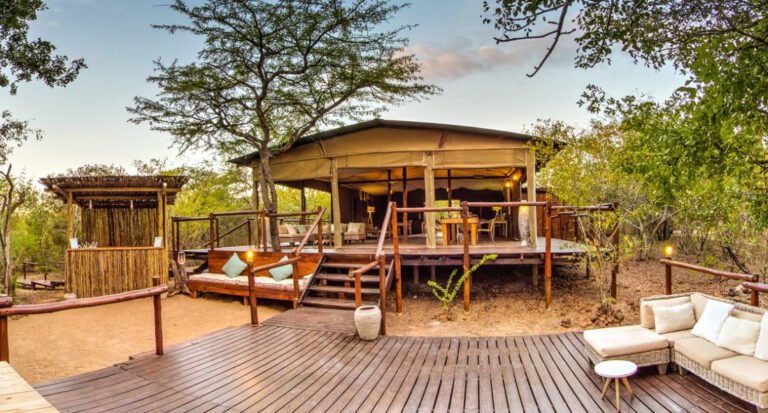
7-Day Tanzania Safari: Serengeti, Ngorongoro, And Tarangire In 2026-2027
A comprehensive guide to a 7-day Tanzania safari adventure, focusing on the iconic Serengeti National Park, the Ngorongoro Crater, and Tarangire National Park. Learn about optimal...
View package details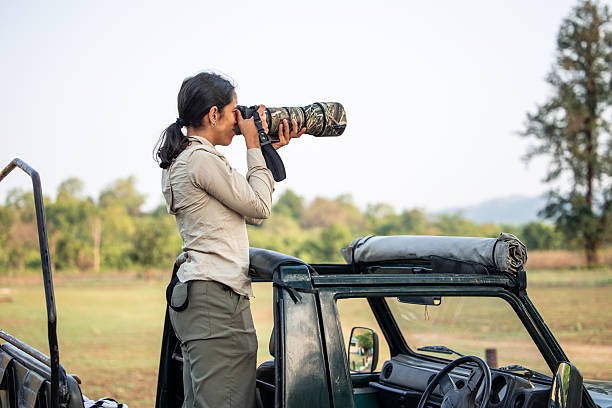
All-Inclusive African Safari Vacations Guide
start an all-inclusive African safari vacation in Tanzania, a premier destination for wildlife viewing in 2026-2027. This comprehensive guide covers everything from iconic parks like the...
View package details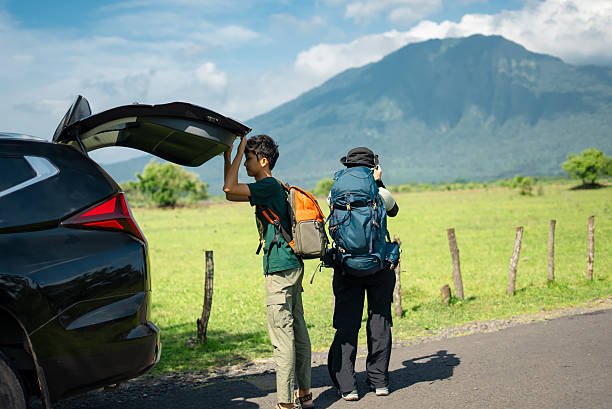
Tanzania Safari Tours & Packages /: Your Ultimate Wildlife Adventure 2026-2027
Discover the magic of Tanzania with expertly crafted safari tours and packages for 2026 and 2027. From the vast plains of the Serengeti to the depths of the Ngorongoro Crater, find your...
View package details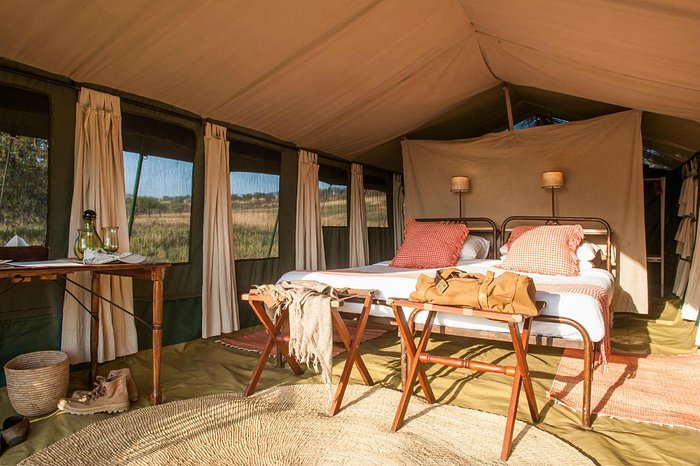
Best African Safari Tours & Vacation Packages /: Your Ultimate Tanzania
start an unforgettable African safari adventure in 2026/2027 with expertly curated tours and vacation packages in Tanzania's most iconic wildlife destinations. From the Serengeti to the...
View package details
Private Tanzania Safari Packages: Your Ultimate Guide For 2026-2027
Discover the unparalleled freedom and personalized experience of a private Tanzania safari package. This comprehensive guide for 2026-2027 explores custom itineraries, key destinations like...
View package detailsBest Places To See Wild Animals In Tanzania: Your Ultimate Safari Guide
Planning a safari to witness incredible wildlife? Tanzania offers some of the planet's most spectacular viewing opportunities. This guide explores the top destinations for seeing wild...
View package detailsWhen Is The Great Migration In Tanzania And Kenya? Your Guide 2026-2027
The Great Migration's timing is dynamic, following the rains. Generally, it's in Kenya's Masai Mara from July to October, and in Tanzania's Serengeti from December to March. Planning around...
View package detailsNo related package matches those filters. Clear one or more filters to see the other topic-matched options.



