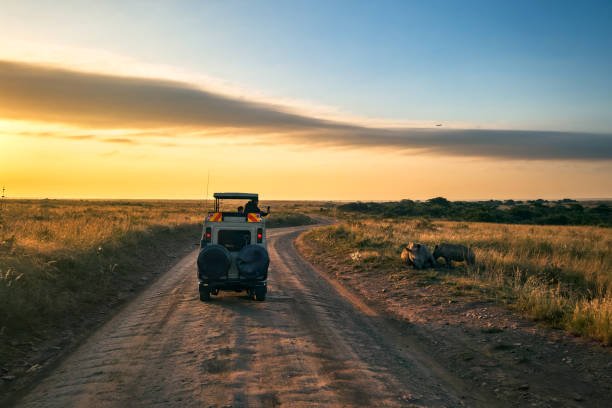
For a Tanzania safari with only one vacation week available, the most recommended and logistically sensible approach is to focus on the Northern Circuit. A typical 7-day itinerary would concentrate on Tarangire National Park for its abundant elephants, the world-renowned Serengeti National Park for its vast plains and incredible predator sightings, and the unique Ngorongoro Crater for its dense, easily accessible wildlife population. This combination ensures a rich and diverse wildlife experience within your limited timeframe, offering a fantastic introduction to Tanzania’s safari offerings for 2026-2027.
Planning Your One-Week Tanzania Safari: Key Decisions
Embarking on a Tanzanian safari is an exciting prospect, and for those with just one week, careful planning is paramount. The goal is to maximize your wildlife encounters and minimize travel time between locations. Tanzania is vast, and trying to see too much in seven days will lead to a rushed and less enjoyable experience. Instead, we advocate for a focused itinerary that delves deep into a select few of its most spectacular wildlife areas.
The primary decision revolves around which parks to visit. While Tanzania boasts numerous incredible destinations, the Northern Circuit remains the most popular and accessible for shorter trips. It’s a well-established tourist route with excellent infrastructure, making it efficient for a week-long adventure. You’ll need to consider your priorities: are you keen on seeing the Great Migration (timing is crucial here), large elephant herds, big cats, or the unique birdlife? Your chosen parks will depend on these preferences.
Another crucial consideration is the pace of your safari. A week is short, so we recommend limiting yourself to two or at most three main locations. This allows for at least two full days in each prime location, giving you ample time for game drives and soaking in the atmosphere. Rushing between camps daily will mean more time in vehicles traveling and less time observing wildlife.
Finally, consider the type of safari experience you desire. Will it be a lodge-based safari, camping under the stars, or a combination? Your accommodation choices will impact comfort levels, budget, and the overall feel of your adventure. For a one-week trip in 2026 or 2027, booking well in advance is highly advisable, especially if you’re targeting peak seasons like the dry season.
The Northern Circuit: Your Ideal One-Week Safari Hub
When time is of the essence, the Northern Circuit of Tanzania presents the most compelling safari option. This region is home to some of Africa’s most famous national parks and conservation areas, offering an unparalleled density and diversity of wildlife. It’s a well-trodden path for a reason: the game viewing is consistently exceptional, and the logistics are streamlined, making it perfect for a week-long vacation.
The typical route for a 7-day safari in the Northern Circuit usually starts from Arusha, the gateway city. From there, you’ll typically head west and north, visiting parks in a logical sequence to minimize driving distances. The sequence often looks like this: Arusha → Tarangire → Serengeti → Ngorongoro → Arusha. However, depending on the specific route and your interests, the order might vary slightly. For instance, some itineraries might include Lake Manyara National Park, known for its tree-climbing lions, though for a strict one-week trip, it might be skipped to allow more time in the Serengeti and Ngorongoro.
Why the Northern Circuit for a Short Trip?
- Exceptional Wildlife Density: Parks like the Serengeti and Ngorongoro Crater are renowned for having some of the highest concentrations of wildlife on the continent.
- Iconic Species: You have excellent chances of spotting the ‘Big Five’ (lion, leopard, elephant, rhino, buffalo) and a vast array of other mammals and birds.
- Efficient Logistics: The parks are relatively close to each other, and the road network, while sometimes challenging, is well-established for safari vehicles. This reduces travel time.
- Variety of Landscapes: From the acacia-dotted plains of the Serengeti to the volcanic caldera of Ngorongoro and the baobab-laden savannas of Tarangire, the scenery is incredibly diverse.
- Established Infrastructure: A range of accommodation options, from luxury lodges to comfortable tented camps and budget-friendly campsites, are available to suit different preferences and budgets for 2026-2027 travel.
Choosing the Northern Circuit for your one-week Tanzania safari means you’re opting for a proven formula for success. It’s designed to give you the most impactful wildlife encounters in the shortest amount of time.
Recommended 7-Day Tanzania Safari Itinerary: The Classic Northern Circuit
Crafting the perfect 7-day Tanzania safari requires balancing iconic sights with practical travel times. This itinerary is designed to maximize your wildlife viewing opportunities within your limited vacation week, focusing on the jewels of the Northern Circuit. It’s a structure that many travelers find immensely rewarding.
Day 1: Arrival in Arusha & Safari Briefing
Arrive at Kilimanjaro International Airport (JRO) and be met by your guide. Transfer to your lodge in Arusha. This day is for relaxing after your flight and a pre-safari briefing where you’ll discuss the upcoming itinerary, meet your guide, and ask any last-minute questions. It’s important to start your safari feeling prepared.
Accommodation: Lodge in Arusha.
Day 2: Arusha to Tarangire National Park
After breakfast, drive to Tarangire National Park, famous for its large elephant herds and iconic baobab trees. Spend the afternoon on a game drive, searching for elephants, lions, giraffes, zebras, and various antelope species. Tarangire offers a different feel to the Serengeti, with more dense bushland and dramatic landscapes.
Accommodation: Tented camp or lodge near Tarangire.
Day 3: Tarangire to Serengeti National Park
Enjoy a final morning game drive in Tarangire before heading towards the legendary Serengeti National Park. The drive itself is scenic, and as you enter the Serengeti, the vast, open plains stretch out before you, often dotted with wildlife. Depending on the time of year, you might be in an area where the Great Migration herds are present.
Accommodation: Tented camp or lodge in Central Serengeti.
Day 4: Full Day Game Drive in Serengeti
A full day dedicated to exploring the Serengeti. Your experienced guide will track animals based on recent sightings and knowledge of animal movements. Focus on finding predators like lions, cheetahs, and leopards, as well as the vast herds that characterize this park. Early morning and late afternoon game drives are often the most productive for spotting active wildlife.
Accommodation: Tented camp or lodge in Central Serengeti.
Day 5: Serengeti to Ngorongoro Conservation Area
After a morning game drive in the Serengeti, you’ll depart for the Ngorongoro Conservation Area. You’ll typically drive to the rim of the Ngorongoro Crater, where your lodge or camp will offer stunning views. Some itineraries might include a visit to a Maasai village en route, offering a cultural insight.
Accommodation: Lodge or tented camp on the Ngorongoro Crater rim.
Day 6: Ngorongoro Crater Game Drive & Return towards Arusha
Descend into the Ngorongoro Crater for an unforgettable morning game drive. This UNESCO World Heritage Site is a natural amphitheater teeming with wildlife, including a high chance of spotting the endangered black rhino. After your crater tour, you’ll ascend and begin your drive back towards Arusha, stopping for lunch en route. You’ll likely spend the night closer to Arusha or the airport for your departure.
Accommodation: Lodge in Arusha or Karatu.
Day 7: Departure
Depending on your flight schedule, you might have time for some last-minute souvenir shopping in Arusha. Transfer to Kilimanjaro International Airport (JRO) for your departure flight, concluding your one-week Tanzania safari adventure.
This itinerary is a template and can be customized. For example, if you are traveling in mid-2026 and the Great Migration is in the Western Corridor, your Serengeti stay might be adjusted. The key is flexibility and working with your tour operator to align the itinerary with the best wildlife viewing opportunities for your specific travel dates in 2026 or 2027.
Understanding the Parks: What to Expect in Your Week
Each park on the Northern Circuit offers a unique safari experience. Knowing what to expect can help you appreciate the diversity of Tanzania’s wildlife and landscapes even more during your limited time.
Tarangire National Park: The Land of Giants
Tarangire is often the first major park visited after Arusha, and it’s a fantastic introduction. It’s particularly renowned for its massive elephant populations, especially during the dry season (June to October) when they congregate around the Tarangire River. Beyond elephants, you’ll find large herds of wildebeest and zebra, graceful giraffes, and predators like lions and leopards. The park’s landscape is dominated by ancient baobab trees, which add a dramatic, prehistoric feel to the scenery. Its relatively smaller size compared to the Serengeti makes it excellent for a concentrated game drive on your first full day.
Serengeti National Park: The Endless Plains
The Serengeti is the heart of the Tanzanian safari experience and is arguably its most famous park. Its name, derived from the Maasai word ‘Siringet,’ means ‘endless plains,’ and this is exactly what you’ll see: vast, sweeping grasslands dotted with acacia trees and kopjes (rocky outcrops). The Serengeti is home to over 300 species of birds and mammals, including the Big Five, cheetahs, hyenas, and countless gazelles and wildebeest. If your visit aligns with the Great Migration (typically in the central/southern plains from December to March, western corridor from May to July, and northern plains from August to October), you might witness one of nature’s most spectacular events.
Ngorongoro Crater: A Natural Wildlife Sanctuary
The Ngorongoro Crater is a geological marvel. It’s a large, intact volcanic caldera, and within its relatively small area (about 260 square kilometers), you’ll find an astonishingly high density of wildlife. The crater floor is a self-contained ecosystem supporting an estimated 25,000 large animals, including the Big Five. It’s one of the best places in Tanzania to see the critically endangered black rhino. Due to its unique ecosystem and the fact that animals don’t need to migrate in and out for water, game viewing is excellent year-round. The landscape is impressive, with lush grasslands, swamps, and a soda lake.
Lake Manyara National Park (Optional Addition/Alternative)
While often skipped in a tight 7-day itinerary to maximize time in the Serengeti and Ngorongoro, Lake Manyara is worth mentioning. It’s known for its tree-climbing lions, large troops of baboons, and significant birdlife, especially around the shallow alkaline lake. It offers a different, more compact safari experience, often described as a ‘gem.'”
Tailoring Your One-Week Safari: Key Considerations for 2026-2027
While the classic Northern Circuit itinerary is a strong foundation, personalization is key to a truly memorable one-week safari. Several factors will influence the best choices for your trip in 2026 or 2027.
Timing is Everything: The Great Migration
If witnessing the Great Migration is a top priority, your timing is critical. The migration is a year-round phenomenon, but the location of the massive herds of wildebeest and zebra changes depending on the season. Generally:
- December – March: Southern Serengeti (Ndutu area) for calving season. Lush green plains, high predator activity.
- April – May: Moving north and west, often a quieter period.
- May – July: Western Corridor, with the dramatic river crossings of the Grumeti River.
- August – October: Northern Serengeti, with crossings of the Mara River. This is often considered the peak time for dramatic river crossings, but also the busiest and most expensive.
For a one-week trip, aligning with the migration’s presence in the Serengeti is a significant advantage. However, even outside of migration season, the Serengeti offers incredible resident wildlife viewing. If your week doesn’t perfectly align, focus on the other strengths of the Northern Circuit.
Accommodation Styles: Comfort vs. Immersion
Your choice of accommodation will significantly shape your safari experience and budget. For a one-week trip, you’ll typically stay in a mix of lodges and tented camps.
- Luxury Lodges: Offer high-end amenities, private bathrooms, swimming pools, fine dining, and often stunning views. Ideal for those seeking comfort and service.
- Tented Camps (Permanent/Semi-Permanent): These offer a more authentic safari feel with comfortable canvas tents, often with en-suite bathrooms and beds. They are strategically located within or near prime wildlife areas. Some are mobile, following the migration.
- Mobile Camps: These camps move seasonally to be in the best wildlife areas, especially for migration viewing. They offer a very in-depth experience.
- Budget Campsites: For the more adventurous and budget-conscious traveler, public or special campsites offer a basic but authentic way to experience the bush, often with shared facilities.
For a one-week safari in 2026-2027, a mid-range to luxury tented camp experience often strikes a great balance between comfort, immersion, and value.
Private vs. Shared Safaris
When planning your one-week Tanzania safari, you’ll likely encounter options for private or shared tours.
- Private Safari: You have your own dedicated safari vehicle and guide for the duration of your trip. This offers maximum flexibility in terms of game drive times, routes, and pace. You can spend as long as you like at a sighting. This is ideal for families or groups with specific interests.
- Shared/Group Safari: You join a small group of other travelers in a safari vehicle. This is a more budget-friendly option, as costs are shared. However, it means less flexibility; you’ll adhere to a set itinerary and group decisions on stops. For a one-week trip, shared departures are readily available and can be an excellent way to experience Tanzania affordably. Climb 4 Africa offers excellent group departure dates for shared safaris.
For a short one-week trip, a private safari offers the ultimate control over your time, while a shared safari provides excellent value and a social experience.
Vehicle Choice: Land Cruiser vs. Land Rover
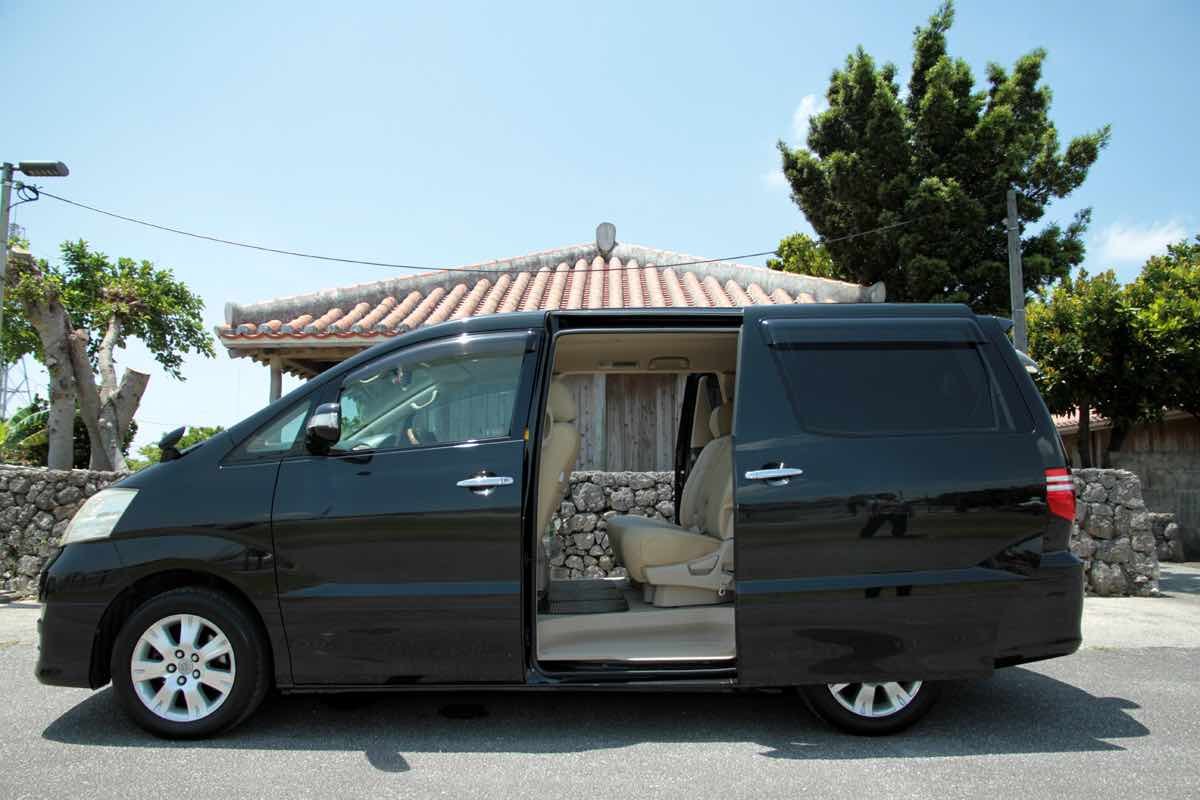
Most safari operators use either Toyota Land Cruisers or Land Rovers. Both are robust 4×4 vehicles well-suited for Tanzanian terrain. Land Cruisers are often preferred for their reliability and comfort, while Land Rovers are classic safari vehicles. Ensure your chosen vehicle has pop-up roofs for game viewing and photography.
Practicalities for Your One-Week Safari in 2026-2027
Beyond the itinerary and park choices, several practical details are essential for a smooth one-week safari. Getting these right ensures you can focus on the incredible wildlife.
Booking Window and Availability
For a one-week safari in 2026 or 2027, especially if you’re traveling during peak season (June to October, and December to February), it’s crucial to book at least 6-9 months in advance. Popular lodges and tented camps, particularly those in prime locations like the Serengeti and Ngorongoro Crater rim, get booked up quickly. Group departures for shared safaris also fill up. Early booking secures your preferred accommodation and ensures availability.
Visa and Passport Requirements
Ensure your passport is valid for at least six months beyond your intended stay and has sufficient blank pages for entry and exit stamps. Many nationalities require a visa for Tanzania. These can often be obtained online in advance or upon arrival at the airport. Check the latest requirements well before your travel dates for 2026-2027.
Health and Vaccinations
Consult your doctor or a travel clinic 4-6 weeks before your trip regarding recommended vaccinations and malaria prophylaxis. Tanzania is a malaria-risk area, so precautions are usually advised. Insect repellent containing DEET is essential.
Packing Essentials
Pack light, neutral-colored clothing (khaki, beige, olive green). Avoid bright colors and dark blue or black, which can attract insects. Key items include:
- Lightweight long-sleeved shirts and trousers
- T-shirts and shorts
- Fleece or warm jacket for cool mornings and evenings
- Comfortable walking shoes or hiking boots (though extensive walking isn’t usually part of a safari)
- Hat with a brim for sun protection
- Sunglasses
- Sunscreen (high SPF)
- Insect repellent
- Camera with extra batteries and memory cards
- Binoculars (essential for wildlife spotting)
- Small backpack for day trips
- Personal first-aid kit
- Swimsuit (for lodges with pools)
Remember that safari vehicles have limited luggage space, so soft duffel bags are often preferred over rigid suitcases.
Currency and Payments
The local currency is the Tanzanian Shilling (TZS), but US Dollars are widely accepted for tourist services (safaris, lodges, park fees). It’s advisable to carry smaller denominations of USD for tips and personal expenses. ATMs are available in major towns like Arusha, but can be unreliable. Credit cards are accepted at most lodges and larger hotels, but often with a surcharge.
Tipping
Tipping is customary for guides, drivers, and lodge staff. Your tour operator will usually provide guidelines. A common range for a safari guide is $15-$25 per person per day, but discuss this with your operator.
Comparing Safari Options for Your Week
While the Northern Circuit is the star for a one-week trip, it’s helpful to understand why it’s often preferred over other Tanzanian destinations for such a short duration.
Northern Circuit vs. Southern Circuit (Selous/Ruaha) for One Week
The Southern Circuit, including the vast Selous Game Reserve (now Nyerere National Park) and Ruaha National Park, offers a more remote and wild experience. However, for a one-week safari, it’s generally less practical due to longer travel times. Getting to the Southern Circuit often involves a domestic flight from Arusha or Dar es Salaam, adding significant cost and complexity to a short trip. While incredibly rewarding for longer safaris, the Northern Circuit’s compact nature makes it far superior for maximizing wildlife viewing within just seven days.
Northern Circuit vs. Western Tanzania (Gombe/Mahale) for One Week
Parks like Gombe Stream and Mahale Mountains National Park are famous for chimpanzee trekking. These destinations are remote and require significant travel, typically involving flights. While the chimpanzee encounters are unparalleled, fitting this into a one-week trip alongside other safari experiences would be nearly impossible and extremely rushed. These are better suited for dedicated primate-focused trips or longer overall itineraries.
Why the Northern Circuit Dominates for Short Safaris
The Northern Circuit’s combination of iconic parks, high wildlife concentrations, relatively shorter driving distances between locations, and well-established tourist infrastructure makes it the undisputed champion for a one-week Tanzania safari. It offers the best chance of seeing a wide variety of animals, including the Big Five, in a manageable timeframe. For 2026-2027, this remains the most efficient and rewarding choice for travelers with limited vacation time.
Making Your Booking: Next Steps for a 2026-2027 Safari
Choosing the right safari operator is as important as choosing the right parks. A local, experienced operator understands the nuances of Tanzania’s parks, the best times to visit, and how to craft an itinerary that maximizes your one-week adventure.
When you’re ready to plan your one-week Tanzania safari for 2026 or 2027, consider reaching out to a specialist like Climb 4 Africa. We have deep local knowledge and a passion for creating unforgettable safari experiences. We can help you:
- Select the best parks and itinerary based on your interests and travel dates.
- Advise on the optimal time of year for your chosen wildlife experiences.
- Recommend suitable accommodation options to match your budget and style.
- Handle all logistics, including park fees, vehicle hire, guides, and accommodation bookings.
- Provide up-to-date information on travel requirements for 2026-2027.
To get started, consider what your priorities are for this one-week safari. Are you hoping to see specific animals? What is your approximate budget range? Do you prefer a more luxurious stay or a more rustic, adventurous experience? The more information you can provide, the better we can tailor a proposal for you.
Don’t hesitate to contact us with any questions. A well-planned one-week safari can be an incredibly profound experience, offering a concentrated dose of Tanzania’s wild heart. We’re here to help you make it happen.
Contact Climb 4 Africa:
- WhatsApp: +255 747 477 898
- Email: climb4africa@gmail.com
Let us help you craft your perfect one-week Tanzania safari for 2026-2027.
“,
“faq_schema”: [
{
“question”: “What is the best Tanzania safari for someone with only one week?”,
“answer”: “For a one-week vacation, the most recommended Tanzania safari is a focused itinerary on the Northern Circuit, typically including Tarangire National Park, Serengeti National Park, and the Ngorongoro Crater. This route offers the highest density of wildlife and is logistically efficient for a short trip.”
},
{
“question”: “Can I see the Great Migration in one week?”,
“answer”: “It’s possible to see parts of the Great Migration within a one-week safari, but it depends heavily on your travel dates. The herds move throughout the year, so aligning your week with their location in the Serengeti is key. A specialist operator can help plan your trip for the best chances.”
},
{
“question”: “What is the best time of year for a one-week Tanzania safari in 2026-2027?”,
“answer”: “The dry season, from June to October, is generally considered the best time for wildlife viewing on a one-week safari, as animals congregate around water sources. However, the shoulder seasons (March-May, November) can offer fewer crowds and lower prices, while still providing excellent game viewing, especially if the migration is in the area.”
},
{
“question”: “How much does a one-week Tanzania safari cost?”,
“answer”: “The cost of a one-week Tanzania safari varies significantly based on accommodation style (budget camping, mid-range lodges, luxury camps), group size (private vs. shared), and time of year. Expect prices to range from approximately $2,000 to $6,000+ per person for a 7-day trip in 2026-2027, excluding international flights.”
},
{
“question”: “Is a 7-day safari enough for Tanzania?”,
“answer”: “A 7-day safari is sufficient for a highly rewarding introduction to Tanzania’s wildlife, particularly if focused on the Northern Circuit. While longer safaris offer deeper exploration, a well-planned week can provide incredible game viewing experiences and fulfill the dream of seeing iconic African wildlife.”
}
]
}
“`
Check Availability for What Tanzania Safari Would You Recommend For Someone Who Only Has One
Ready to compare dates, prices, and the best option for your group? Send the package name and travel month so the team can reply with a clear quote, availability, and what is included.
Dec 20, – 10 Day Complete Tanzania Group Joining Safari
Dec 20, 2026 – 10 Day Complete Tanzania Group Joining Safari.
View package details
How Early Should I Book A Nov Or Dec Tanzania Group Safari?
How Early Should I Book a Nov or Dec Tanzania Group Safari?
View package details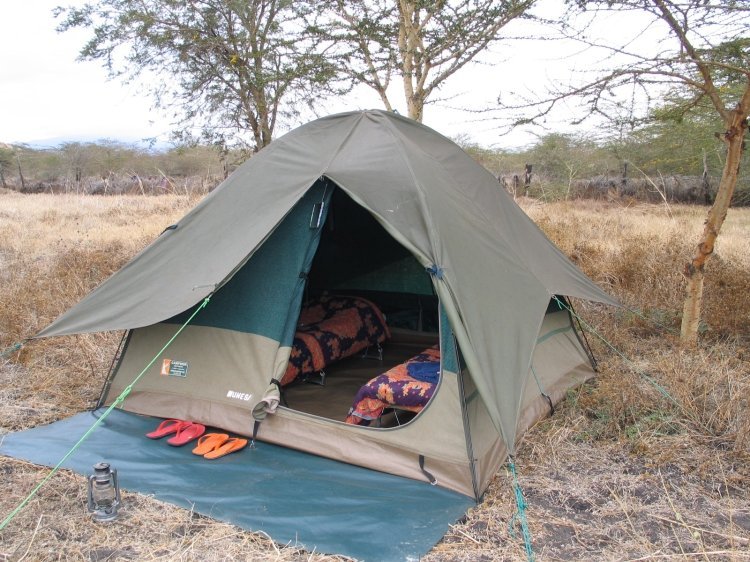
Can I Pay A Deposit To Reserve A Tanzania Group Safari?
Can I Pay a Deposit to Reserve a Tanzania Group Safari?
View package details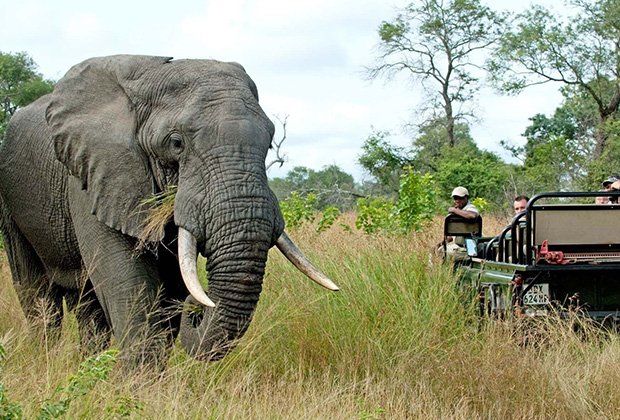
I Am On A Budget—What Is The Cheapest Serengeti Group Safari?
I Am on a Budget—What Is the Cheapest Serengeti Group Safari?
View package details
Dec 30, – 7 Day New Year Tanzania Group Joining Safari 2026
A complete guide to our 7-day group joining safari for the 2026/2027 New Year season, covering the Northern Circuit, wildlife expectations, and how to secure your spot.
View package details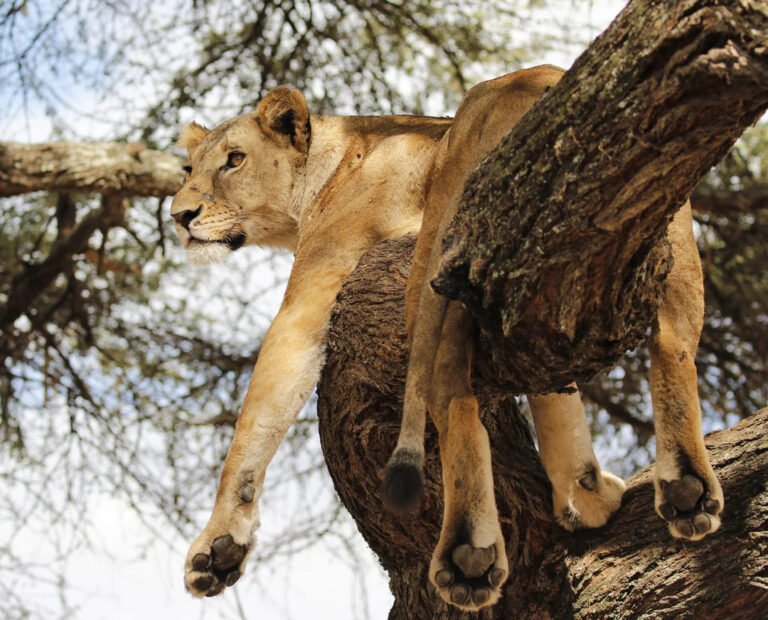
Dec 25, – 5 Day Christmas Tanzania Group Joining Safari 2026
Celebrate Christmas in the heart of the Tanzanian wilderness. Join our 5-day group safari departing December 25, 2026, and experience the iconic Northern Circuit.
View package details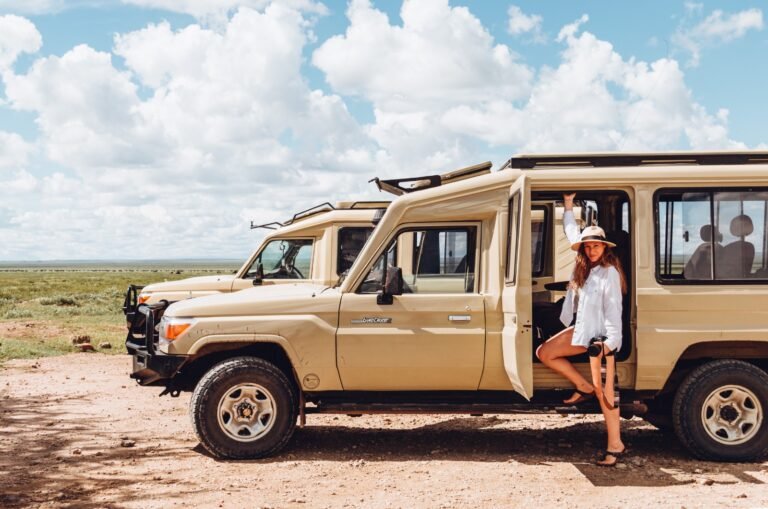
Dec 18, – 9 Day Tanzania Wildlife And Cultural Group Safari 2026
A deep look at our 9-day wildlife and cultural group safari departing December 18, 2026. This trip balances classic Northern Circuit game viewing with genuine cultural engagement.
View package detailsDec 14, – 7 Day Complete Tanzania Northern Circuit Group Safari 2026
Planning for December 2026? Join our 7-day complete Tanzania Northern Circuit group safari. A deep look at the Serengeti, Ngorongoro, and Tarangire with expert, locally-led logistics.
View package detailsDec 10, – 5 Day Northern Tanzania Group Joining Safari 2026
A detailed guide to our 5-day Northern Tanzania group joining safari scheduled for December 10, 2026. Learn about the route, group logistics, and how to book your spot.
View package detailsNov 27, – Black Friday Tanzania Group Safari Deals 2026
Discover why group joining safaris are the best way to secure value for your 2027 Tanzania adventure, plus expert advice on route planning and booking.
View package detailsNov 20, – 8 Day Complete Northern Tanzania Group Safari: Planning Your Trip
A comprehensive guide to the 8-day Northern Tanzania group safari departing November 20, 2026, covering logistics, route advantages, and planning essentials.
View package detailsNov 16, – 6 Day Tanzania Northern Circuit Group Safari 2026
Planning for November 2026? Join our 6-day group safari covering Tanzania's premier Northern Circuit parks. Expert-led, social, and cost-effective wildlife viewing.
View package detailsNo related package matches those filters. Clear one or more filters to see the other topic-matched options.