A Tanzania wildlife trip with two full days in the Serengeti typically involves a 5-7 day itinerary, often starting in Arusha, visiting Tarangire or Lake Manyara for a day, then heading to the Serengeti for two full days, potentially including the Ngorongoro Crater before returning to Arusha. This structure maximizes wildlife viewing opportunities in the Serengeti’s prime areas while allowing for exploration of other diverse ecosystems in northern Tanzania during 2026-2027.
Why Two Full Days in Serengeti is Key for Your Tanzania Wildlife Trip
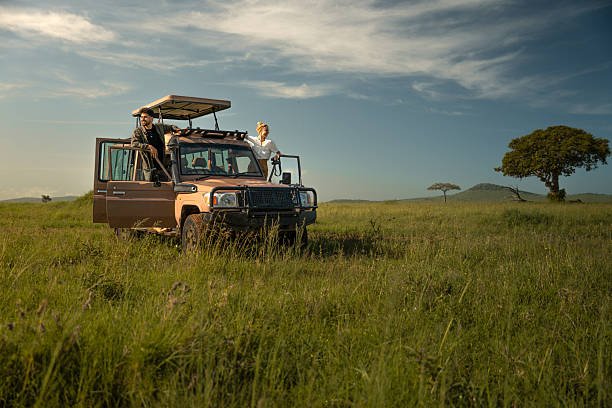
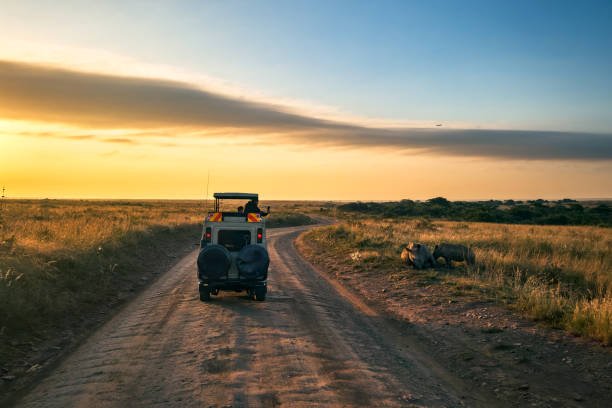
The Serengeti is, quite simply, the heart of a classic Tanzania wildlife trip. Its sheer size and the incredible density of wildlife, particularly during the Great Migration (though it’s a year-round spectacle), demand focused time. While you can technically see animals in a single day, two full days allow for a much deeper experience, moving between different regions within the park and increasing your chances of witnessing a wider array of behaviors and species. This isn’t just about ticking off sightings; it’s about absorbing the vastness and the intricate ecosystem.
Think of it this way: the Serengeti is not a zoo. Animals move. Predators hunt. Prey graze and migrate. To truly appreciate this dynamic, you need time. A single day might offer a great game drive, but it’s unlikely to provide the nuanced understanding that comes from observing a pride of lions over several hours, tracking a herd of elephants, or waiting patiently for a leopard to emerge. Two full days give you that crucial buffer, reducing the feeling of being rushed and increasing the potential for truly memorable encounters.
For many travelers planning a Tanzania wildlife trip in 2026 or 2027, the Serengeti is the non-negotiable centerpiece. The question then becomes how to integrate it effectively into a broader safari experience. This typically means balancing travel time with actual game viewing time. Two full days in the Serengeti means at least three nights spent in or very near the park, accounting for arrival and departure days.
This dedicated time allows for varied game drives:
* Morning and Afternoon Drives: Capitalizing on peak animal activity.
* Exploring Different Zones: Depending on the season, you might focus on the central Seronera area, the western corridor, or the northern Serengeti, each offering unique landscapes and wildlife concentrations.
* Patience and Observation: Allowing guides time to track specific animals or wait for natural events to unfold.
Without these two full days, your Tanzania wildlife trip risks feeling superficial, like a whirlwind tour rather than a genuine immersion into one of the world’s most spectacular wildlife destinations. It’s the difference between seeing animals and truly experiencing the wild.
Core Itinerary: 5-Day Serengeti Explorer
This is the foundational itinerary that most closely aligns with wanting two full days in the Serengeti, while also offering a taste of other Tanzanian highlights. It’s efficient, popular, and provides a solid wildlife experience. It assumes you are flying into and out of Kilimanjaro International Airport (JRO) and includes a mix of iconic parks.
Day 1: Arrival in Arusha & Transfer to Karatu/Ngorongoro Gateway
* Morning/Afternoon: Arrive at Kilimanjaro International Airport (JRO).
* Meet your guide and transfer to your lodge in or near Arusha for an overnight stay, or, if time permits and you prefer to start immediately, drive towards the Ngorongoro Conservation Area.
* Why this start: Arusha is the safari capital of northern Tanzania. It’s the logical starting point after international flights. Staying overnight allows you to rest and prepare for the safari ahead. Alternatively, an immediate transfer to Karatu (a town bordering Ngorongoro) saves a day but is a longer travel day upon arrival.
* Accommodation: Mid-range lodges in Arusha or comfortable guesthouses/lodges in Karatu.
Day 2: Tarangire National Park – The Land of Giants
* Morning: After breakfast, drive to Tarangire National Park. This park is renowned for its large elephant herds and iconic baobab trees.
* Full Day: Enjoy a full day of game drives in Tarangire. The Silale Swamp is a magnet for wildlife, especially during the dry season (June-October).
* Afternoon: Drive to your accommodation near the Ngorongoro Crater or in Karatu.
* Why Tarangire: It offers a different landscape and wildlife experience compared to the Serengeti. It’s particularly famous for elephants and birdlife. It’s a great introduction to Tanzania’s diverse ecosystems.
* Accommodation: Lodges or tented camps in Karatu or near the Ngorongoro Conservation Area entrance.
Day 3: Serengeti National Park – Central Serengeti (Seronera)
* Morning: After an early breakfast, drive to the Serengeti National Park. You’ll likely enter via the Ndutu or Naabi Hill Gate and make your way towards the central Seronera area.
* En Route Game Drive: Your drive into the Serengeti is itself a game drive. Keep an eye out for wildlife as you traverse the plains.
* Afternoon: Arrive at your lodge/camp in the central Serengeti. After settling in, start an afternoon game drive in the Seronera Valley, known for its resident wildlife, including lions, leopards, and cheetahs.
* Why Central Serengeti: Seronera is often considered the wildlife capital of the Serengeti. It’s accessible year-round and offers excellent sightings due to permanent water sources attracting a high concentration of animals.
* Accommodation: Tented camps or lodges in the central Serengeti.
Day 4: Serengeti National Park – Full Day Exploration
* Full Day: Dedicate this entire day to exploring the Serengeti. Depending on the season and wildlife movements, your guide will tailor the drives. This could involve heading north towards the Mara River during migration season (July-October), exploring the western corridor, or focusing on different predator hotspots within the central region.
* Options: Consider an early morning hot air balloon safari (extra cost) for a unique perspective. This is an incredible way to see the vastness of the Serengeti and potentially spot wildlife from above.
* Why a Full Day: This is your second full day, crucial for deeper exploration and increasing the odds of seeing varied wildlife behavior and species. It allows you to cover more ground and find elusive animals.
* Accommodation: Same lodge/camp in the central Serengeti.
Day 5: Ngorongoro Crater Descent & Departure Prep
* Morning: Enjoy a final early morning game drive in the Serengeti as you head towards the Ngorongoro Conservation Area.
* Afternoon: Descend into the Ngorongoro Crater for a unique game drive. This caldera is a UNESCO World Heritage site and boasts an incredible density of wildlife, including the Big Five (lion, leopard, elephant, rhino, buffalo) in a relatively small area. The alkaline lake often attracts flamingos.
* Late Afternoon: Ascend from the crater and drive back to Arusha or Karatu for your final night.
* Why the Crater: It’s a compact, highly rewarding wildlife experience. Seeing the Big Five is often easier here than in the vast Serengeti. It’s a dramatic contrast to the open plains.
* Accommodation: Lodge in Arusha or Karatu.
Day 6: Departure
* Morning: Depending on your flight schedule, you might have time for souvenir shopping in Arusha or a visit to a local market.
* Transfer to Kilimanjaro International Airport (JRO) for your onward flight.
This 5-day structure is a common starting point. For a Tanzania wildlife trip with two full days in Serengeti, it’s essential to ensure the days allocated to Serengeti are truly *full* days of game driving, not including travel time into or out of the park.
Expanding Your Tanzania Wildlife Trip: Beyond the Core
If you have more time for your Tanzania wildlife trip, especially for 2026-2027, you can significantly enhance the experience by adding more destinations or extending your stay in existing ones. The goal is to offer variety in landscapes, wildlife, and activities without making the trip feel rushed. Here are common and valuable additions:
Option 1: Adding Lake Manyara National Park
* Placement: Often inserted between Tarangire and Serengeti, or before Tarangire if coming from Arusha.
* Experience: Famous for its tree-climbing lions (though sightings are never guaranteed), large troops of baboons, and a beautiful alkaline lake that attracts flamingos and other water birds. The park is smaller and more compact than the Serengeti or Tarangire, offering a different feel.
* Duration: Can be a half-day or full-day visit.
* Why add it: It provides a diverse habitat – groundwater forest, acacia woodlands, and open savanna – and is excellent for birdwatching. It’s a good stop if you want a slightly more varied landscape before heading to the vast Serengeti.
Option 2: Extending Serengeti Time
* Focus: Instead of just two full days, aim for three or even four full days in the Serengeti.
* Benefit: This allows you to explore different regions more thoroughly. For instance, you could spend two days in the central Serengeti (Seronera) and two days in the north (Kogatende/Lamai) to follow the Great Migration river crossings (seasonal). Or, explore the far western corridor during the migration’s passage there.
* Logistics: This often means moving camps within the Serengeti to cover more ground efficiently. Internal flights within the Serengeti can save significant driving time.
Option 3: Adding the Ngorongoro Crater as a Dedicated Day
* Placement: If the 5-day itinerary includes the Crater on Day 5 and then departure, you might feel rushed. Adding an extra day specifically for the Crater allows for a more leisurely exploration.
* Benefit: You can spend a full day inside the crater, maximizing your chances of seeing the elusive black rhino and other inhabitants. It also allows for a more relaxed pace on your return journey.
Option 4: Including the Maasai Mara (Kenya) – Requires a flight or longer overland trip
* Note: This is a significant expansion and often involves a separate trip or a longer, more complex itinerary. While the Serengeti and Maasai Mara are ecologically one ecosystem, crossing the border requires specific planning.
* Benefit: If your primary goal is to witness the Great Migration river crossings, combining both parks offers unparalleled opportunities during the peak season (July-October).
* Logistics: Typically involves flying between parks or a lengthy overland journey.
Option 5: Adding a Cultural Experience
* Options: Visit a Maasai village for a cultural immersion, or explore local markets in Arusha or Karatu.
* Benefit: Adds a human dimension to the wildlife focus, offering insights into the lives of people who coexist with the wildlife.
Example Extended Itinerary (7 Days / 6 Nights):
* Day 1: Arrive JRO, transfer to Arusha. Overnight in Arusha.
* Day 2: Drive to Lake Manyara NP for game drive, continue to Karatu. Overnight in Karatu.
* Day 3: Full day Serengeti National Park (Central). Overnight in Central Serengeti camp.
* Day 4: Full day Serengeti National Park (Central/North depending on season). Overnight in Central Serengeti camp.
* Day 5: Morning game drive in Serengeti, drive to Ngorongoro Conservation Area. Overnight at lodge on crater rim or Karatu.
* Day 6: Full day Ngorongoro Crater tour. Return to Arusha. Overnight in Arusha.
* Day 7: Departure from JRO.
This 7-day plan gives you two full days in the Serengeti and a comprehensive look at the northern circuit’s highlights. For 2026-2027 travel, booking well in advance for these extended itineraries is highly recommended, especially for popular camps and lodges.
Choosing Your Northern Circuit Parks for a Tanzania Wildlife Trip
Northern Tanzania is blessed with a constellation of world-class wildlife parks, each offering a distinct experience. When planning a Tanzania wildlife trip with two full days in Serengeti, you’ll invariably consider which other parks to include. Here’s a breakdown to help you decide, focusing on the most common additions:
### Serengeti National Park
* **Key Features:** Vast plains, iconic Great Migration (seasonal), incredible predator-prey interactions, diverse habitats (grasslands, woodlands, rivers), year-round resident wildlife.
* **Wildlife Highlights:** Lions, leopards, cheetahs, elephants, giraffes, zebras, wildebeest (millions during migration), rhinos (rarely seen), hippos, crocodiles, vast birdlife.
* **Best For:** Experiencing the sheer scale of African wildlife, witnessing the Great Migration (timing is crucial), excellent predator sightings, diverse game drives.
* **Considerations:** It’s huge; different regions are best at different times of year. Two full days are a minimum to scratch the surface.
### Ngorongoro Crater
* **Key Features:** A collapsed volcanic caldera, a UNESCO World Heritage Site, exceptionally high wildlife density, a contained ecosystem.
* **Wildlife Highlights:** High chance of seeing the Big Five (including black rhinos), lions, elephants, buffalo, hippos, flamingos, numerous bird species.
* **Best For:** High concentration of animals in a compact area, excellent chance of seeing rare species like black rhinos, dramatic scenery.
* **Considerations:** It’s a crater floor, so it feels different from the open plains. Limited visitor numbers and time restrictions apply to preserve the environment. Often visited as a single-day excursion.
### Tarangire National Park
* **Key Features:** Famous for massive elephant herds, iconic baobab trees, dry-season sanctuary (especially June-October).
* **Wildlife Highlights:** Large elephant populations, lions, leopards, giraffes, zebras, wildebeest, a birdwatcher’s paradise.
* **Best For:** Seeing large numbers of elephants, unique tree-climbing lions (though not guaranteed), scenic landscapes dominated by baobabs, birding.
* **Considerations:** Can get crowded during the dry season. Best experienced with a full day.
### Lake Manyara National Park
* **Key Features:** Diverse habitats in a small area (woodland, savanna, lake shore), known for tree-climbing lions, large baboon troops, abundant birdlife.
* **Wildlife Highlights:** Lions (tree-climbing), elephants, giraffes, zebras, hippos, diverse bird species (flamingos, pelicans).
* **Best For:** A shorter, diverse safari experience, birdwatching, potential for tree-climbing lion sightings, scenic beauty.
* **Considerations:** It’s a smaller park, often visited as a half or full day.
### Other Potential Parks (Less Common for a Short Trip)
* Arusha National Park: Good for day trips from Arusha, offers Mount Meru views, Momella Lakes, and varied wildlife like colobus monkeys. Not typically part of a Serengeti-focused itinerary.
* Mkomazi National Park: A conservation area focusing on rhino and wild dog. More remote and rugged.
* Saadani National Park: Unique for its coastal location where wildlife meets the Indian Ocean. Requires a separate trip south.
Decision Making for your 2026-2027 Tanzania Wildlife Trip:
* For a 5-Day trip with 2 full days Serengeti: The classic combination is often Tarangire (1 day) and Ngorongoro Crater (1 day, often combined with travel to/from Serengeti). Some might swap Tarangire for Lake Manyara.
* For a 6-7 Day trip: You can add Lake Manyara, dedicate a full day to the Ngorongoro Crater, or extend Serengeti to 3 full days. This provides a more relaxed pace and deeper exploration.
* For longer trips (8+ days): You can combine most of the above, perhaps spending 3-4 days in Serengeti and including both Tarangire and Manyara, plus a full day in the Crater.
Your choice depends on your interests (e.g., birding, big cats, elephants, migration), the time of year (migration location), and your overall pace preference. For a Tanzania wildlife trip focused on Serengeti, ensuring sufficient time there is paramount, and the other parks serve as excellent complements.
Where to Stay: Serengeti & Beyond for Your Tanzania Wildlife Trip
Accommodation is a critical component of any Tanzania wildlife trip, directly impacting your comfort, experience, and budget. For a trip with two full days in the Serengeti, choosing the right lodges and camps is key. Here’s a guide to the types of accommodation and what to consider:
### Types of Accommodation:
1. Tented Camps (Permanent & Semi-Permanent):
* Description: These offer a classic safari feel. Permanent camps have solid floors, en-suite bathrooms with flush toilets and hot showers, and comfortable beds within canvas structures. Semi-permanent camps are often more mobile, following the migration, and might have slightly more basic facilities but still offer comfort.
* Pros: in-depth experience, often located in prime wildlife areas, good balance of comfort and adventure.
* Cons: Can be more expensive than lodges, noise from wildlife might be more noticeable.
* Best For: Experiencing the wild while maintaining comfort.
2. Safari Lodges:
* **Description:** These are more permanent structures, often built with brick or stone, resembling hotels. They offer amenities like swimming pools, restaurants, bars, and spacious rooms with en-suite bathrooms.
* **Pros:** High level of comfort, excellent facilities, often have stunning views, good for families or those preferring hotel-like amenities.
* **Cons:** Can feel less “wild” than tented camps, may be located further from prime wildlife viewing areas (especially if they are large, fixed properties).
* Best For: Travelers seeking maximum comfort and amenities.
3. Budget/Mid-Range Options:
* **Description:** This can include simpler lodges, guesthouses in towns like Karatu or Arusha, or more basic tented camps. Facilities might be shared or simpler.
* **Pros:** More affordable.
* **Cons:** Less comfort, potentially fewer amenities, locations might be less optimal for wildlife viewing.
* Best For: Budget-conscious travelers or those prioritizing more time on safari over accommodation luxury.
### Location Considerations for Serengeti:
* **Central Serengeti (Seronera Area):
* **Why:** Excellent wildlife viewing year-round due to permanent water sources. Good for seeing big cats. Most lodges and camps are located here.
* **Best For:** First-time visitors, those seeking consistent wildlife sightings, and itineraries focusing on the central plains.
* **Northern Serengeti (Kogatende/Lamai Area):
* **Why:** Prime location for witnessing the Great Migration river crossings (typically July-October).
* **Best For:** Travelers specifically seeking the migration spectacle during the relevant months.
* **Logistics:** Can be remote; often requires flying into a nearby airstrip.
* **Western Corridor (Grumeti River Area):
* **Why:** Also a migration hotspot (typically May-July) and known for large crocodiles and resident wildlife.
* **Best For:** Travelers interested in migration movements outside the northern peak season.
* **Logistics:** Accessible by road or airstrip.
* Southern Serengeti (Ndutu Area):
* Why: Best for calving season (December-March) when wildebeest congregate here.
* **Best For:** Witnessing the “birth of the Serengeti” and the predator action that follows.
### Accommodation Outside Serengeti:
* **Arusha:** Numerous hotels and lodges catering to safari-goers. Good for arrival/departure nights.
* **Karatu:** A hub for lodges and guesthouses, offering a convenient base for Ngorongoro Crater and Lake Manyara.
* Ngorongoro Conservation Area: Lodges are available both on the crater rim (offering spectacular views but often pricier) and slightly further afield near Karatu.
* Tarangire: Lodges and tented camps are available both inside and just outside the park boundaries.
### What to Consider When Booking for 2026-2027:
* **Seasonality:** Prices and availability fluctuate significantly. Peak season (June-October, December-February) requires booking 6-12 months in advance for 2026-2027. Shoulder seasons (March-May, November) offer better value and fewer crowds.
* **Proximity to Gates/Airstrips:** For efficiency, especially on shorter trips, proximity to park gates or airstrips can save travel time.
* **Inclusions:** Check what’s included – meals, drinks (alcoholic/non-alcoholic), laundry, park fees, activities (like walking safaris if offered).
* **Mobile Camps:** If your trip aligns with the Great Migration’s path, a mobile camp can place you right in the heart of the action, though these move seasonally.
For a Tanzania wildlife trip that includes two full days in Serengeti, staying within the park itself (in a lodge or tented camp) is highly recommended to maximize game viewing time and reduce travel to/from the park gates each day. This is a crucial decision for your itinerary’s success.
Logistics and Practical Planning for 2026-2027
Planning a Tanzania wildlife trip involves more than just choosing parks and accommodation. Understanding the logistics is crucial for a smooth and enjoyable experience, especially when planning for 2026 or 2027. Here’s what you need to consider:
### Transportation:
* **4×4 Safari Vehicles:** This is the standard for Tanzanian safaris. Your vehicle should be a sturdy, pop-top 4×4 Land Cruiser or Land Rover, allowing for comfortable game viewing and off-road capabilities. Ensure it has ample space for luggage and passengers.
* **Driver-Guide:** A knowledgeable, experienced driver-guide is invaluable. They know the parks, animal behavior, and the best spots for sightings. They also handle navigation and vehicle maintenance.
* **Internal Flights:** For longer distances or to save time, especially within the Serengeti or to/from remote airstrips, bush flights are common. These are typically small aircraft operated by local airlines. They significantly reduce travel time but add to the cost.
### Park Fees:
* **Daily Fees:** National Parks and Conservation Areas charge daily entrance fees per person and per vehicle. These are substantial and a significant part of the safari cost. Fees vary by park (e.g., Serengeti, Ngorongoro Crater, Tarangire). For 2026-2027, expect these fees to remain a major budget item and potentially increase.
* **Crater Fees:** The Ngorongoro Crater has a separate, higher fee for vehicle entry and a per-person fee for descending into the crater.
### Best Time to Travel (2026-2027):
* **Dry Season (June to October): Ideal for wildlife viewing as animals congregate around water sources. The Great Migration is typically in the northern Serengeti and Maasai Mara. This is peak season, so book well in advance for 2026-2027.
* **Wet Season (November to May):
* Short Rains (Nov-Dec): Can be beautiful with greener landscapes, but some roads might become difficult.
* Long Rains (March-May): Southern Serengeti (Ndutu) is prime for the wildebeest calving season. Landscapes are lush, but some parks (especially those with poor drainage) might be less accessible. This is the low season, offering better prices.
* **Migration Timing:** The Great Migration is not static. It moves in a circular pattern. Knowing its approximate location during your planned 2026-2027 trip is key if seeing it is a priority.
### Health and Safety:
* **Malaria:** Tanzania is a malaria-risk area. Consult your doctor about antimalarial medication well in advance of your trip.
* **Vaccinations:** Check with your doctor or a travel clinic for recommended vaccinations (e.g., Yellow Fever, Hepatitis A).
* **Sun Protection:** High SPF sunscreen, hats, and sunglasses are essential.
* **Insect Repellent:** Use repellent, especially during dawn and dusk.
* **Water:** Drink only bottled or purified water.
### Packing Essentials:
* Lightweight, neutral-colored clothing (khaki, green, brown).
* Warm layer for cool mornings/evenings.
* Comfortable walking shoes (though most safaris involve minimal walking).
* Binoculars (highly recommended).
* Camera with extra batteries and memory cards.
* Personal first-aid kit.
* Headlamp or flashlight.
* Adapter for electronics (Tanzania uses Type G sockets).
### Visas:
* Most nationalities require a visa for Tanzania. You can often obtain this on arrival at JRO, but applying online in advance is recommended to save time and ensure smooth entry for your 2026-2027 trip.
### Travel Insurance:
* Comprehensive travel insurance is essential. Ensure it covers medical emergencies, evacuation, trip cancellation, and loss of belongings.
### Connectivity:
* Wi-Fi is available in most lodges and camps, but can be slow or intermittent, especially in remote areas like the Serengeti. Embrace the opportunity to disconnect!
### Tipping:
* Tipping your driver-guide and lodge staff is customary and appreciated. Your tour operator will usually provide recommended tipping guidelines.
By carefully considering these logistical aspects, you can ensure your Tanzania wildlife trip with two full days in Serengeti is well-prepared, allowing you to focus on the incredible wildlife and landscapes.
Booking Your Tanzania Wildlife Trip: Decisions for 2026-2027
Choosing the right tour operator and understanding the booking process are vital steps for your Tanzania wildlife trip, particularly for planning well into 2026 and 2027. Here’s what to look for and how to approach it:
### Choosing a Tour Operator:
* **Local Expertise:** Partnering with a local operator like Climb 4 Africa offers significant advantages. They have firsthand knowledge of the parks, lodges, guides, and current conditions. They can often secure better rates and offer more authentic experiences.
* **Customization:** A good operator will work with you to tailor an itinerary to your specific interests, budget, and timeframe. For a Tanzania wildlife trip with two full days in Serengeti, they can advise on the best camps, optimal routes, and seasonal considerations.
* **Reputation and Reviews:** Look for operators with positive reviews on platforms like TripAdvisor. Check for their responsiveness and clarity in communication.
* **Inclusions and Exclusions:** Clearly understand what is included in your package (accommodation, meals, park fees, activities, transfers, guide services) and what is not (international flights, visas, tips, personal expenses, optional activities like balloon safaris).
* **Vehicle and Guide Quality:** Inquire about the type of safari vehicles used and the experience level of their guides. A pop-top 4×4 Land Cruiser and a seasoned guide are non-negotiable for a quality safari.
### Booking Process:
1. Initial Inquiry: Contact your chosen operator with your desired dates (e.g., for 2026-2027), number of travelers, budget range, and key interests (e.g., two full days in Serengeti, specific wildlife you hope to see).
2. Itinerary Proposal: The operator will create a draft itinerary, including accommodation suggestions, daily activities, and a price estimate. For a Tanzania wildlife trip with two full days in Serengeti, this proposal should clearly allocate those two full days to game drives within the park.
3. Refinement: Discuss the proposal. You might want to swap lodges, adjust the pacing, or add/remove destinations. The operator should be flexible and provide expert advice.
4. Confirmation and Deposit: Once you’re happy with the itinerary, you’ll typically pay a deposit (often 30-50%) to secure your bookings, especially for accommodations and internal flights, which often require upfront payment. Ensure you understand the payment schedule.
5. Final Payment: The remaining balance is usually due 60-90 days before departure.
6. Pre-Departure Information: Closer to your travel date, the operator will provide a detailed itinerary, packing list, emergency contact information, and any final reminders.
### Key Decisions for Your 2026-2027 Trip:
* **Accommodation Level:** Decide between luxury lodges, comfortable tented camps, or more budget-friendly options. This significantly impacts the overall cost.
* **Private vs. Group Safari:** A private safari offers maximum flexibility and exclusivity but is more expensive. Group or shared safaris are more budget-friendly but have fixed departure dates and a less flexible schedule.
* **Internal Flights:** Determine if internal flights are necessary or desirable to save time, especially if you have a shorter trip or want to cover more ground in Serengeti.
* **Optional Activities:** Budget for extras like hot air balloon safaris, cultural visits, or sundowners if these appeal to you.
### Planning Ahead for 2026-2027:
* **Early Booking:** For peak seasons in 2026-2027, especially for Serengeti accommodations and popular lodges, booking 9-12 months in advance is strongly recommended. This ensures availability and secures your preferred choices.
* **Flexibility:** While planning is key, be prepared for minor adjustments. Wildlife movements and weather can influence daily activities.
When you’re ready to plan your specific Tanzania wildlife trip with two full days in Serengeti, reaching out to a local expert is the best next step. They can translate your vision into a concrete, smooth itinerary. For personalized planning and expert advice tailored to your 2026-2027 safari, contact Climb 4 Africa.
Contact Climb 4 Africa:
* WhatsApp: +255 747 477 898
* Email: climb4africa@gmail.com
By engaging with an experienced operator, you can ensure your Tanzania wildlife trip is meticulously planned, maximizing your time in the Serengeti and other incredible locations, creating memories that will last a lifetime.
“,
“faq_schema”: [
{
“question”: “What is the minimum time needed for a Tanzania wildlife trip with two full days in Serengeti?”,
“answer”: “A Tanzania wildlife trip with two full days in Serengeti typically requires a minimum of 5 days. This allows for travel time to and from the Serengeti, two full days of game drives within the park, and potentially a visit to another park like Ngorongoro Crater or Tarangire. A 6-7 day itinerary would provide a more relaxed pace and allow for exploration of more than just the Serengeti.”
},
{
“question”: “When is the best time of year for a Tanzania wildlife trip to see the Great Migration in Serengeti?”,
“answer”: “The best time to see the Great Migration in the Serengeti depends on which part of its annual cycle you wish to witness. For river crossings (wildebeest vs. crocodiles), the prime time is typically July to October in the northern Serengeti. For the calving season (wildebeest birth), head to the southern Serengeti (Ndutu area) from December to March. Outside of these specific events, the Serengeti offers excellent resident wildlife viewing year-round.”
},
{
“question”: “What should I pack for a Tanzania wildlife trip with two full days in Serengeti?”,
“answer”: “Essential items for a Tanzania wildlife trip include lightweight, neutral-colored clothing (khaki, green, brown), a warm layer for cool mornings and evenings, comfortable walking shoes, a wide-brimmed hat, sunglasses, high SPF sunscreen, insect repellent, binoculars, and a camera with extra batteries and memory cards. A personal first-aid kit and a headlamp are also recommended. Avoid bright colors and white clothing, which can disturb wildlife.”
},
{
“question”: “Are internal flights necessary for a Tanzania wildlife trip with two full days in Serengeti?”,
“answer”: “Internal flights are not strictly necessary but can significantly enhance your Tanzania wildlife trip, especially if you have limited time or want to maximize your two full days in the Serengeti. Flying into a Serengeti airstrip saves considerable driving time compared to driving from Arusha, allowing more time for game drives. Operators like Climb 4 Africa can advise on whether internal flights are beneficial for your specific itinerary and budget for 2026-2027 travel.”
},
{
“question”: “What is the cost of a Tanzania wildlife trip with two full days in Serengeti?”,
“answer”: “The cost of a Tanzania wildlife trip with two full days in Serengeti varies greatly depending on accommodation choices (budget, mid-range, luxury), the number of days, included parks, private versus shared safari, and time of year. A mid-range 5-day trip including Serengeti, Ngorongoro, and another park could range from approximately $1,800 to $3,000+ per person, excluding international flights. For precise quotes for 2026-2027, it’s best to contact a local tour operator like Climb 4 Africa.”
},
{
“question”: “Can I see the Big Five in two days in Serengeti?”,
“answer”: “While it’s possible to see the Big Five (lion, leopard, elephant, rhino, buffalo) during two days in the Serengeti, it’s not guaranteed. The Serengeti is vast, and seeing all five, especially the elusive leopard and rhino, requires luck, good guiding, and sometimes spending extended time in specific areas. The Ngorongoro Crater, often visited alongside the Serengeti, offers a much higher probability of seeing the Big Five due to its compact ecosystem.”
}
]
}
“`
Check Availability for I Want A Tanzania Wildlife Trip With Two Full Days In Serengeti, What
Ready to compare dates, prices, and the best option for your group? Send the package name and travel month so the team can reply with a clear quote, availability, and what is included.
I Am On A Budget—What Is The Cheapest Serengeti Group Safari?
I Am on a Budget—What Is the Cheapest Serengeti Group Safari?
View package details
1-Day Serengeti Safari From Zanzibar By Flight: Cost & Itinerary 2026-2027
Is a 1-day Serengeti safari from Zanzibar feasible? Get the expert breakdown on the flight logistics, cost factors, and how to manage your expectations for this intense, one-day wildlife...
View package details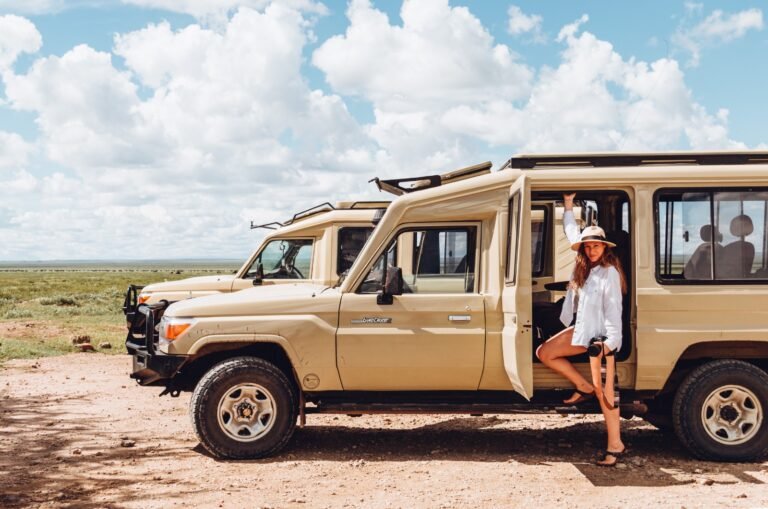
Afcon Private Serengeti Safari With Lodges
AFCON 2027 Private Serengeti Safari with Lodges.
View package detailsAfcon Luxury Serengeti Safari Packages
AFCON 2027 Luxury Serengeti Safari Packages.
View package details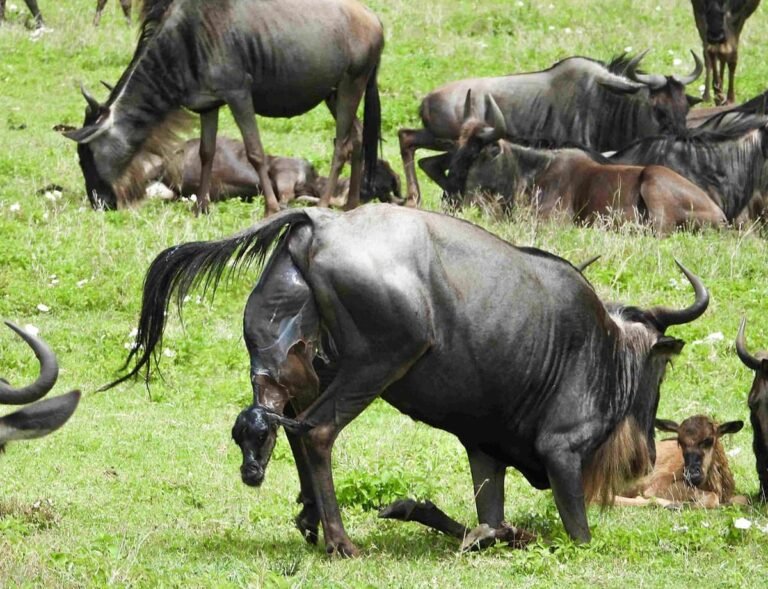
Serengeti Great Migration Safari During AFCON 2027
Mwongozo wa kina kwa safari ya Serengeti Great Migration wakati wa AFCON 2027, ukilenga kuelewa maeneo, kipindi cha mwendo wa mnyama, na mapendekezo ya mipango ya kiutendaji.
View package details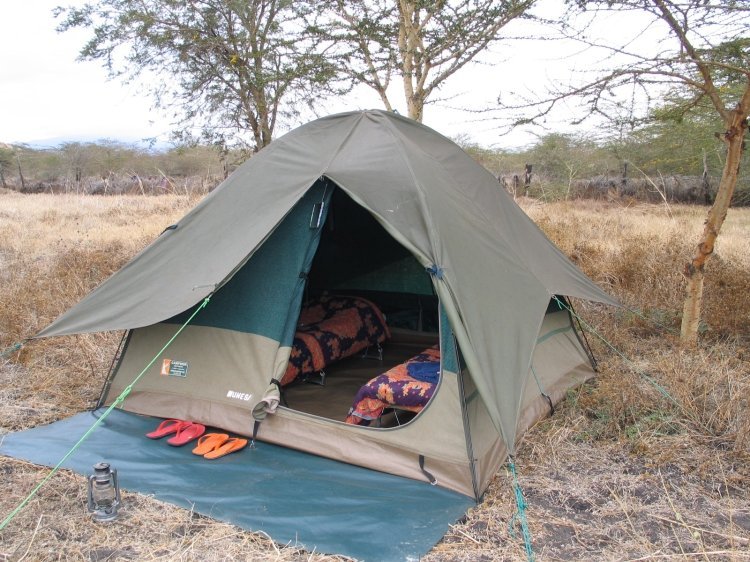
Four Day Serengeti na Ngorongoro Safari During AFCON 2027
Mwongozo wa safari ya siku 4 kwenye Serengeti na Ngorongoro wakati AFCON 2027; jinsi ya kupanga, nini cha kujali, na jinsi ya kuandaa,”
View package detailsThree Day Serengeti Safari During AFCON 2027
Mwongozo wa kiutendaji kwa safari ya siku tatu ya Serengeti wakati AFCON 2027, ukijumuisha mwelekeo wa maeneo, ratiba ya siku, na ushauri wa ubashiri wa kupanga pamoja na jinsi ya...
View package details
Afcon Mount Kilimanjaro And Serengeti Package
AFCON 2027 Mount Kilimanjaro and Serengeti Package.
View package details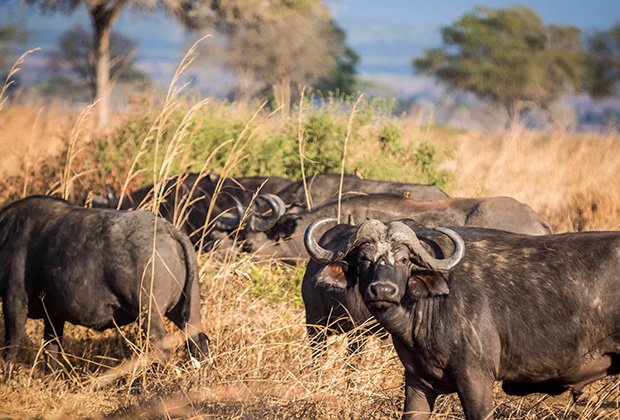
Dec 24, – 3 Day Christmas Serengeti And Ngorongoro Group Safari
Dec 24, 2026 – 3 Day Christmas Serengeti and Ngorongoro Group Safari.
View package details
Nov 23, – 3 Day Serengeti And Ngorongoro Safari From Zanzibar
Nov 23, 2026 – 3 Day Serengeti and Ngorongoro Safari from Zanzibar.
View package details
Dec 31, : New Year’s Eve Serengeti Group Safari Planning Guide
This guide provides essential planning details for a group safari trip to the Serengeti for New Year's Eve 2026, covering logistics, seasonal highlights, and what to expect.
View package details
Dec 29, – 6 Day Ndutu, Serengeti And Ngorongoro Group Safari 2026
A detailed guide to our 6-day group safari departure on December 29, 2026, focusing on the Ndutu plains, the Serengeti, and the Ngorongoro Crater.
View package detailsNo related package matches those filters. Clear one or more filters to see the other topic-matched options.