A Zimbabwe and Tanzania safari combination itinerary offers an extraordinary contrast of experiences, merging Tanzania’s renowned Big Five territories in the Serengeti and Ngorongoro Crater with Zimbabwe’s spectacular Victoria Falls and the vast, game-rich plains of Hwange National Park. Such a trip typically spans 14-21 days, allowing for sufficient travel time between countries and in-depth exploration of each region. Key considerations for 2026-2027 include optimal park choices, flight logistics between Tanzania and Zimbabwe, accommodation styles, and the best seasons for wildlife viewing and experiencing Victoria Falls’ water levels.

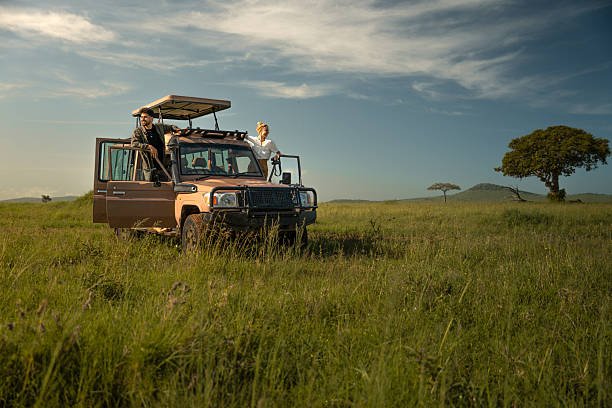
Crafting Your Zimbabwe and Tanzania Safari Combination Itinerary
Combining the unparalleled wildlife viewing of Tanzania with the dramatic landscapes and iconic attractions of Zimbabwe presents an exceptionally rewarding African travel experience. This kind of itinerary is for the traveler who seeks not just to see wildlife, but to witness it in diverse ecosystems and also to experience one of the world’s most awe-inspiring natural wonders. The Serengeti’s endless plains, the Ngorongoro Crater’s dense animal population, Victoria Falls’ thundering spray, and Hwange’s large elephant herds create a compelling narrative for any safari enthusiast. Planning such a multi-country trip requires careful consideration of logistics, timing, and the specific experiences each destination offers.
For 2026 and 2027, the fundamentals of planning a Zimbabwe and Tanzania safari combination remain consistent, focusing on maximizing your time in prime wildlife areas while minimizing travel friction. The primary challenge and opportunity lie in connecting these two distinct Southern and Eastern African safari powerhouses. This guide aims to break down the elements of such an itinerary, offering practical advice for crafting an unforgettable journey.
The decision to combine these destinations often stems from a desire for variety. Tanzania is world-famous for the Great Migration, its sheer density of predators, and the unique caldera ecosystem of Ngorongoro. Zimbabwe, on the other hand, offers a more raw, less crowded safari experience in parks like Hwange, alongside the undeniable spectacle of Victoria Falls. When planning for 2026-2027, understanding the best times to visit each location is crucial for aligning your itinerary with peak wildlife activity and optimal weather conditions.
Understanding the Core Appeal: Tanzania vs. Zimbabwe
Before diving into specific itineraries, it’s essential to grasp what makes each country a must-visit for safari-goers. This understanding will help you tailor your Zimbabwe and Tanzania safari combination itinerary to your specific interests.
Tanzania: The Crown Jewel of East African Safaris
Tanzania is synonymous with classic African safaris. Its northern circuit, in particular, is a pilgrimage for wildlife lovers:
- Serengeti National Park: The undisputed star, famous for the Great Migration, where millions of wildebeest, zebras, and gazelles traverse the plains in search of fresh grazing. It’s also a prime location for spotting lions, leopards, cheetahs, and a vast array of other wildlife year-round. The sheer scale and drama of the Serengeti are unmatched.
- Ngorongoro Conservation Area: Home to the Ngorongoro Crater, a UNESCO World Heritage Site and one of the most densely packed wildlife areas on Earth. This extinct volcanic caldera teems with lions, elephants, rhinos (including the rare black rhino), buffaloes, and hippos. It offers incredible viewing opportunities in a contained, visually stunning environment.
- Tarangire National Park: Known for its large elephant herds, particularly during the dry season when they congregate around the Tarangire River. It also boasts ancient baobab trees and a diverse birdlife.
- Lake Manyara National Park: Famous for its tree-climbing lions, large troops of baboons, and a beautiful soda lake attracting thousands of flamingos.
A typical Tanzanian safari focuses on experiencing these parks, often over 5-7 days, though longer durations allow for deeper exploration. The infrastructure is well-developed, with a range of lodges and camps catering to different budgets and comfort levels.
Zimbabwe: Majestic Falls and Untamed Wilderness
Zimbabwe offers a different, yet equally compelling, safari narrative:
- Victoria Falls: One of the Seven Natural Wonders of the World, known locally as ‘Mosi-oa-Tunya’ (The Smoke That Thunders). The sheer volume of water plunging into the Zambezi River creates a spectacular sight and a deafening roar, especially during the high-water season (typically March to May). Beyond the falls themselves, the surrounding area offers adventure activities and wildlife viewing in Zambezi National Park.
- Hwange National Park: Zimbabwe’s largest park and a true wildlife sanctuary. It is renowned for its massive elephant populations, particularly during the dry season when they gather at the park’s waterholes. Hwange also hosts a high concentration of predators, including lions, leopards, and wild dogs, as well as diverse antelope species. It’s a park that rewards patience and offers a more traditional, less crowded safari experience.
- Mana Pools National Park: Another UNESCO World Heritage Site, famous for its walking safaris and canoeing expeditions along the Zambezi River. It offers intimate wildlife encounters, especially during the dry season when animals come to the riverbanks. While excellent, it’s often logistically more complex to integrate into a multi-country trip compared to Hwange.
Zimbabwe’s tourism infrastructure has been steadily improving, and it offers a more authentic, less commercialized safari feel in its national parks.
Structuring Your Zimbabwe and Tanzania Safari Combination
The most logical flow for a Zimbabwe and Tanzania safari combination itinerary usually involves flying between the two countries. There are two primary sequence options:
- Tanzania First, then Zimbabwe: Start with the Tanzanian Northern Circuit, fly from Kilimanjaro International Airport (JRO) or Arusha Airport (ARK) to a hub like Johannesburg (JNB) or Nairobi (NBO), and then connect to Victoria Falls (VFA) or Livingstone (LVI in Zambia, which is also a gateway to the falls).
- Zimbabwe First, then Tanzania: Begin with Victoria Falls and Hwange, then fly from VFA/LVI to JNB/NBO and onwards to JRO/ARK.
The choice often depends on flight availability, pricing for 2026-2027, and personal preference. Many find starting with the iconic falls and then moving to the wildlife-centric parks of Tanzania a great way to build up the safari intensity.
Key Logistics for Combination Itineraries
Flights: International flights will typically arrive in Tanzania (e.g., Kilimanjaro International Airport – JRO) and depart from Zimbabwe (e.g., Victoria Falls Airport – VFA), or vice versa. The inter-country travel will likely involve a flight from Tanzania to a major Southern African hub (like Johannesburg or Nairobi), followed by a separate flight to Victoria Falls. Booking these flights well in advance for 2026-2027 is crucial, as routes can be limited and prices fluctuate significantly.
Visas: Ensure you check the latest visa requirements for both Tanzania and Zimbabwe for your nationality. Some nationalities can obtain visas on arrival, while others may need to apply in advance.
Transfers: Airport and inter-park transfers will be part of your itinerary. In Tanzania, these are typically in 4×4 safari vehicles. In Zimbabwe, transfers to Victoria Falls and then to Hwange are usually by road. Coordinating these seamlessly is part of a well-planned trip.
Sample Itinerary Frameworks for a Zimbabwe and Tanzania Safari Combination
Here are a few framework examples to illustrate how a Zimbabwe and Tanzania safari combination itinerary could be structured. These are starting points, and Climb 4 Africa can customize them extensively for 2026-2027 travel.
Option 1: Classic Northern Tanzania & Victoria Falls Explorer (Approx. 16 Days)
This itinerary prioritizes the most iconic wildlife experiences in Tanzania before heading to the majestic falls.
Days 1-3: Arusha & Mount Kilimanjaro Foothills (Optional Acclimatization/Relaxation)
- Arrival at Kilimanjaro International Airport (JRO).
- Transfer to Arusha for overnight stay.
- Optional: Visit local markets, coffee plantations, or simply relax and prepare for your safari. If you are also considering Kilimanjaro, this is your staging point.
Days 4-6: Tarangire National Park
- Drive to Tarangire, famous for its large elephant herds and baobab trees.
- Full days of game drives, focusing on elephants, lions, and diverse birdlife.
- Overnight in lodges or tented camps within or near the park.
Days 7-9: Ngorongoro Crater
- Descend into the Ngorongoro Crater for an unforgettable game drive.
- High chances of spotting the Big Five (lion, leopard, elephant, rhino, buffalo) in a single day.
- Overnight at a lodge on the crater rim or in Karatu.
Days 10-12: Serengeti National Park
- Fly or drive to the vast Serengeti plains.
- Focus on predator sightings and, depending on the time of year (check for 2026-2027 migration patterns), witness the Great Migration.
- Multiple game drives exploring different regions of the Serengeti.
- Overnight in central Serengeti lodges or luxury tented camps.
Day 13: Travel to Zimbabwe
- Morning game drive in Serengeti.
- Fly from Serengeti (e.g., Seronera Airstrip) to Kilimanjaro (JRO) or Arusha (ARK).
- Connect to an international flight from JRO to a hub (e.g., Johannesburg – JNB) and then to Victoria Falls (VFA). This is a significant travel day.
- Overnight in Victoria Falls.
Days 14-15: Victoria Falls
- Explore the magnificent Victoria Falls National Park, witnessing the immense waterfalls.
- Optional activities: Sunset cruise on the Zambezi River, helicopter flight over the falls, guided tours of the falls.
- Visit Zambezi National Park for a different wildlife viewing experience.
Day 16: Departure
- Depending on flight schedules, enjoy a final activity or breakfast.
- Transfer to Victoria Falls Airport (VFA) for your onward flight.
Option 2: Zimbabwe’s Wilderness & Falls, then Tanzania’s Icons (Approx. 18 Days)
This option starts with the unique allure of Zimbabwe before immersing in Tanzania’s wildlife spectacles.
Days 1-2: Arrival in Victoria Falls & Falls Exploration
- Arrive at Victoria Falls Airport (VFA).
- Transfer to your hotel.
- Explore the Mosi-oa-Tunya National Park and witness the falls.
- Optional: Sunset cruise, traditional dinner.
Days 3-6: Hwange National Park
- Road transfer to Hwange National Park.
- Full days of game drives, focusing on the large elephant herds, predators, and diverse birdlife. Hwange is renowned for its unique desert-adapted wildlife.
- Stay in lodges or tented camps within or on the borders of the park.
Day 7: Travel to Tanzania
- Morning game drive in Hwange.
- Transfer back to Victoria Falls Airport (VFA).
- Fly from VFA to a hub (e.g., Johannesburg – JNB).
- Connect to an international flight to Kilimanjaro International Airport (JRO) in Tanzania. This is another major travel day.
- Overnight near JRO or in Arusha.
Days 8-10: Tarangire National Park
- Drive to Tarangire, known for its elephants and baobab trees.
- Game drives, birdwatching, and exploring the park’s unique landscape.
- Overnight in lodges or tented camps.
Days 11-13: Ngorongoro Crater
- Visit the Ngorongoro Conservation Area.
- Descend into the crater for a spectacular game drive, seeking out the Big Five.
- Overnight on the crater rim or in Karatu.
Days 14-17: Serengeti National Park
- Travel to the Serengeti, the heart of Tanzania’s wildlife.
- Focus on predator sightings and the Great Migration (timing is key for 2026-2027).
- Multiple game drives, potentially including a hot-air balloon safari (optional).
- Overnight in central Serengeti lodges or tented camps.
Day 18: Departure
- Final morning game drive in Serengeti.
- Fly from Serengeti airstrip to Kilimanjaro (JRO) or Arusha (ARK).
- Connect to your international departure flight from JRO.
Factors Influencing Itinerary Choices for 2026-2027
When planning your Zimbabwe and Tanzania safari combination itinerary for 2026-2027, several factors will influence the best approach:
- Duration: How much time do you have? A 14-day trip will be more condensed than a 21-day journey, requiring choices about which parks to focus on.
- Budget: Accommodation, internal flights, and activity choices significantly impact cost. Luxury lodges in the Serengeti will differ vastly from comfortable tented camps in Hwange.
- Interests: Are you primarily focused on predator sightings, birdwatching, the Great Migration, or the sheer drama of Victoria Falls? This will dictate how many days you allocate to each park.
- Travel Style: Do you prefer fly-in safaris to maximize time in parks, or are you comfortable with road transfers?
- Time of Year: This is perhaps the most critical factor for 2026-2027.
Best Times to Visit for a Combined Itinerary (2026-2027)
Tanzania:
- Dry Season (June to October): Excellent for wildlife viewing across all parks. Animals concentrate around water sources. This is also peak season for the Great Migration in the Serengeti, with dramatic river crossings often occurring around July-September. This is generally the best time for a combination safari.
- Green Season (November to May): Offers lush landscapes and fewer crowds. The Ngorongoro Crater is good year-round. The Serengeti experiences calving season (January-February), which attracts predators. Victoria Falls can be at its most powerful in the early months of the year (February-April).
Zimbabwe:
- Dry Season (May to October): Ideal for game viewing in Hwange as animals rely on waterholes. Victoria Falls is spectacular, though water levels might start decreasing towards the end of this period.
- Wet Season (November to April): Victoria Falls is at its most powerful and impressive, often with a permanent rainbow. However, game viewing can be more challenging due to thicker vegetation and dispersed wildlife. Roads in Hwange can become impassable.
For a 2026-2027 combination: Aiming for June to September often provides the best balance, offering excellent wildlife viewing in both countries and impressive water levels at Victoria Falls (though not at absolute peak). If experiencing the height of the falls is paramount, consider March-May, but be aware that game viewing in Zimbabwe might be slightly less predictable.
Detailed Park & Activity Choices
Choosing the right parks and activities is what truly customizes your Zimbabwe and Tanzania safari combination itinerary.
In Tanzania: Beyond the Main Circuit
While the Northern Circuit is standard, consider these if time and interest allow:
- Selous Game Reserve (Nyerere National Park): In southern Tanzania, this vast wilderness offers boat safaris on the Rufiji River and walking safaris, providing a different perspective than the northern parks. It’s a significant detour but offers a unique experience.
- Ruaha National Park: Tanzania’s largest park, known for its wild, remote feel and large predator populations, especially lions and wild dogs. It requires flying in and is for those seeking a more off-the-beaten-path adventure.
In Zimbabwe: Enhancing the Experience
Beyond the main attractions:
- Walking Safaris in Hwange: Many camps offer guided walking safaris, providing an intimate connection with the bush and a chance to learn about tracking and smaller details often missed from a vehicle.
- Mana Pools National Park: If you have extra time and are interested in canoeing or walking safaris, Mana Pools is exceptional, but it adds significant travel time and logistical complexity to a combined trip. It is best visited during the dry season.
- Matobo National Park: South of Hwange, known for its unique granite rock formations, rhino tracking on foot, and as the resting place of Cecil Rhodes. It’s a different kind of landscape and offers a cultural element.
Victoria Falls Activities: More Than Just the Falls
Victoria Falls offers a range of activities that can be tailored to your adventure level and budget. When planning for 2026-2027, consider booking popular activities in advance:
- Guided Tour of Victoria Falls: Essential to understand the scale and history.
- Sunset Cruise on the Zambezi: A relaxing way to see hippos, crocodiles, elephants, and enjoy sundowner drinks.
- Helicopter Flight (“Flight of Angels”): Offers a impressive aerial perspective of the falls and the surrounding landscape. Highly recommended.
- White-Water Rafting: World-class rafting on the Zambezi, especially during the lower water season.
- Bungee Jumping, Gorge Swing, Ziplining: For the adrenaline junkies.
- Livingstone Island & Devil’s Pool: (Seasonal, typically August-January, and on the Zambian side) An exhilarating experience of swimming on the edge of the falls.
Accommodation Styles for Your Combination Safari
Your choice of accommodation will significantly shape your experience and budget for a Zimbabwe and Tanzania safari combination itinerary. Options range from:
- Luxury Lodges & Camps: High-end facilities offering exquisite service, gourmet dining, private plunge pools, and prime locations. Common in Serengeti and prime spots around Victoria Falls.
- Tented Camps: Offer a more in-depth “bush” experience, often with canvas walls and en-suite bathrooms. Can range from comfortable to ultra-luxurious. Excellent in Serengeti, Hwange, and Tarangire.
- Mid-Range Hotels & Lodges: Comfortable and well-equipped, offering good value. Found in Arusha, Karatu, and Victoria Falls.
- Budget Guesthouses & Campsites: Basic but clean accommodation for the most budget-conscious travelers.
When planning for 2026-2027, consider mixing styles. For example, a luxury tented camp in the Serengeti, a comfortable lodge on the Ngorongoro rim, and a well-appointed hotel in Victoria Falls can offer a balanced experience.
Budgeting for Your Zimbabwe and Tanzania Safari Combination (2026-2027)
Providing exact costs is impossible without a detailed itinerary, but here’s a breakdown of cost factors for a Zimbabwe and Tanzania safari combination itinerary:
Key Cost Components:
- International Flights: Highly variable based on origin, booking time, and season.
- Inter-country Flights: Flights between Tanzania and Zimbabwe (e.g., JRO to VFA via a hub) can be a significant expense. Booking these early for 2026-2027 is recommended.
- Park Fees: Tanzania has some of the highest park fees in Africa. Hwange also has daily entry fees.
- Accommodation: This is often the largest component. Luxury lodges are considerably more expensive than mid-range options.
- Vehicle & Guide Hire: Daily rates for private 4×4 safari vehicles and guides in Tanzania. In Zimbabwe, this is often included in lodge packages for Hwange.
- Activities: Victoria Falls activities (helicopter rides, rafting, etc.) add to the overall cost. Hot-air balloon safaris in the Serengeti are also an optional extra.
- Visas & Travel Insurance: Essential but generally smaller costs.
- Tips & Personal Expenses: Gratuities for guides, drivers, lodge staff, and personal shopping.
Estimated Budget Ranges (Per Person, Excluding International Flights):
- Mid-Range: $5,000 – $8,000 USD for a 14-16 day trip. This typically includes comfortable lodges/camps, private safari vehicles in Tanzania, and standard Victoria Falls activities.
- Luxury: $9,000 – $15,000+ USD for a 14-16 day trip. This includes high-end lodges, fly-in options where possible, premium Victoria Falls experiences, and potentially private charter flights.
Note: These are estimates for 2026-2027. Prices can fluctuate based on specific lodge choices, internal flight costs, and the exact season. Contacting a specialist like Climb 4 Africa is the best way to get a personalized quote.
Planning Your 2026-2027 Zimbabwe and Tanzania Safari Combination
To ensure a smooth and memorable Zimbabwe and Tanzania safari combination itinerary, start your planning well in advance, especially for 2026-2027 travel. Here’s a practical checklist:
Planning Checklist:
- Define Your Priorities: What are your must-see wildlife, landscapes, and activities?
- Determine Duration: How many days can you allocate?
- Set Your Budget: Be realistic about costs for a multi-country trip.
- Choose Your Travel Dates: Consider the best time of year for both destinations.
- Select Your Parks: Which Tanzanian parks and which Zimbabwean attractions are most important?
- Research Accommodation: Align choices with your budget and desired experience.
- Book Flights Early: International and inter-country flights are key.
- Consult a Specialist: Work with a tour operator experienced in multi-country African safaris.
- Check Visa Requirements: For all nationalities involved.
- Arrange Travel Insurance: Comprehensive cover is essential.
- Vaccinations & Health: Consult your doctor regarding necessary vaccinations and malaria precautions.
- Pack Appropriately: Neutral-colored clothing, layers, sun protection, insect repellent, binoculars.
Why Choose Climb 4 Africa for Your Combination Safari?
Planning a Zimbabwe and Tanzania safari combination itinerary involves navigating complex logistics across two countries. Climb 4 Africa specializes in creating smooth, tailor-made African travel experiences, drawing on deep local knowledge and expertise.
- Expertise in Both Regions: While renowned for Kilimanjaro and Tanzania safaris, our network and experience extend to Zimbabwe, allowing us to craft comprehensive itineraries that bridge these destinations effectively.
- Tailor-Made Itineraries: We don’t offer one-size-fits-all packages. Your itinerary for 2026-2027 will be designed around your specific interests, budget, and pace.
- Logistical Management: We handle the intricate details of flights, transfers, accommodation bookings, and park entries, ensuring a smooth journey.
- Local Knowledge: Our guides and partners on the ground provide invaluable insights, enhancing your wildlife viewing and cultural experiences.
- Value for Money: We leverage our relationships with lodges and operators to provide competitive pricing without compromising on quality.
For your Zimbabwe and Tanzania safari combination itinerary, whether you’re planning for 2026 or 2027, let us help you create the adventure of a lifetime. We understand the nuances of combining these incredible destinations and can offer practical advice, personalized recommendations, and meticulous planning.
To start designing your bespoke Zimbabwe and Tanzania safari combination itinerary, or if you have any questions about planning your 2026-2027 adventure, please do not hesitate to reach out to our expert team. We are here to guide you through every step, ensuring your journey is as incredible as the destinations themselves.
Contact Climb 4 Africa today:
- WhatsApp: +255 747 477 898
- Email: climb4africa@gmail.com
We look forward to helping you plan an unforgettable African safari experience.
“,
“faq_schema”: [
{
“question”: “What is the best time of year for a Zimbabwe and Tanzania safari combination itinerary in 2026-2027?”,
“answer”: “The best time for a Zimbabwe and Tanzania safari combination itinerary, balancing wildlife viewing and Victoria Falls, is typically from June to September. During these months, Tanzania’s dry season offers excellent game viewing and potential Great Migration sightings, while Victoria Falls is still impressive, though not at its absolute peak flow. For peak water at Victoria Falls, consider March to May, but be aware that game viewing in Zimbabwe might be less predictable.”
},
{
“question”: “How long should a Zimbabwe and Tanzania safari combination itinerary be?”,
“answer”: “A comprehensive Zimbabwe and Tanzania safari combination itinerary typically requires at least 14 days, with 16-21 days being ideal to allow for sufficient time in each country’s key parks and to account for travel between them. This duration enables in-depth exploration of Tanzania’s Serengeti and Ngorongoro, and Zimbabwe’s Victoria Falls and Hwange National Park without feeling rushed.”
},
{
“question”: “What are the main logistical challenges for a Zimbabwe and Tanzania safari combination?”,
“answer”: “The primary logistical challenge is the inter-country travel. This usually involves flying from Tanzania (e.g., Kilimanjaro) to a major hub like Johannesburg or Nairobi, and then taking a separate flight to Victoria Falls (VFA) or Livingstone (LVI). Booking these flights well in advance for 2026-2027 is crucial. Additionally, coordinating visas and ensuring smooth transfers between airports and parks are important considerations.”
},
{
“question”: “What is the estimated cost for a Zimbabwe and Tanzania safari combination in 2026-2027?”,
“answer”: “Excluding international flights, a mid-range Zimbabwe and Tanzania safari combination for 14-16 days typically costs between $5,000 and $8,000 USD per person. A luxury itinerary can range from $9,000 to $15,000+ USD per person. These estimates depend heavily on accommodation choices, internal flight costs, park fees, and chosen activities. Contacting a specialist like Climb 4 Africa for a personalized quote for 2026-2027 is recommended.”
},
{
“question”: “Which parks are essential for a Zimbabwe and Tanzania safari combination itinerary?”,
“answer”: “For a Zimbabwe and Tanzania safari combination, essential parks include Tanzania’s Serengeti National Park (for the Great Migration and predators) and Ngorongoro Crater (for dense wildlife viewing). In Zimbabwe, Victoria Falls is a must-see natural wonder, and Hwange National Park is vital for its large elephant herds and diverse wildlife, offering a classic safari experience.”
}
]
}
“`
Check Availability for Zimbabwe And Tanzania Safari Combination Itinerary 2026-2027
Ready to compare dates, prices, and the best option for your group? Send the package name and travel month so the team can reply with a clear quote, availability, and what is included.
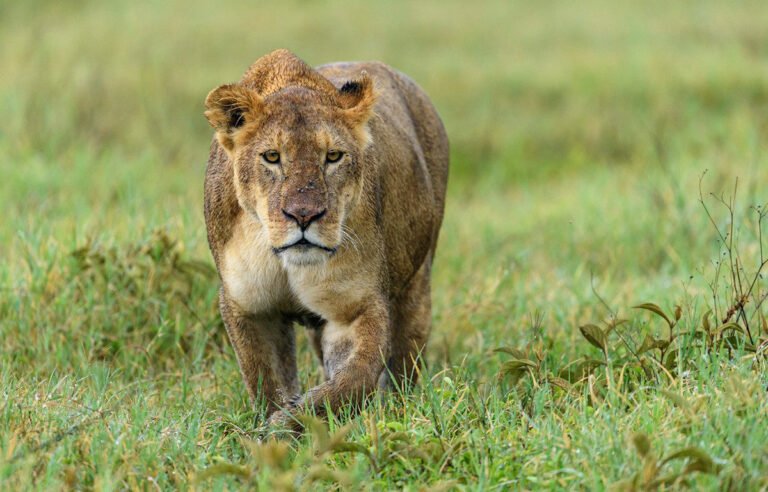
Dec 20, – 10 Day Complete Tanzania Group Joining Safari
Dec 20, 2026 – 10 Day Complete Tanzania Group Joining Safari.
View package details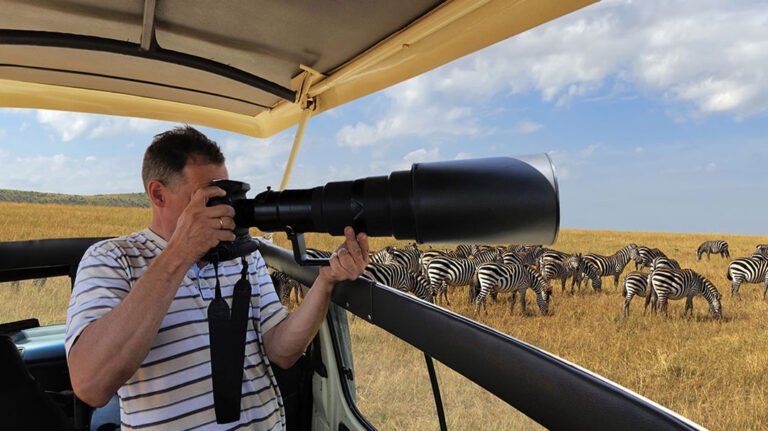
How Early Should I Book A Nov Or Dec Tanzania Group Safari?
How Early Should I Book a Nov or Dec Tanzania Group Safari?
View package details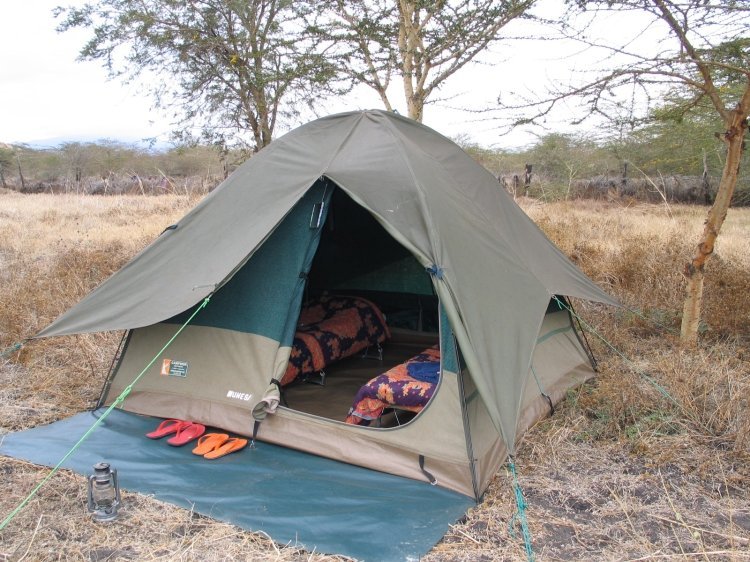
Can I Pay A Deposit To Reserve A Tanzania Group Safari?
Can I Pay a Deposit to Reserve a Tanzania Group Safari?
View package details
Dec 30, – 7 Day New Year Tanzania Group Joining Safari 2026
A complete guide to our 7-day group joining safari for the 2026/2027 New Year season, covering the Northern Circuit, wildlife expectations, and how to secure your spot.
View package details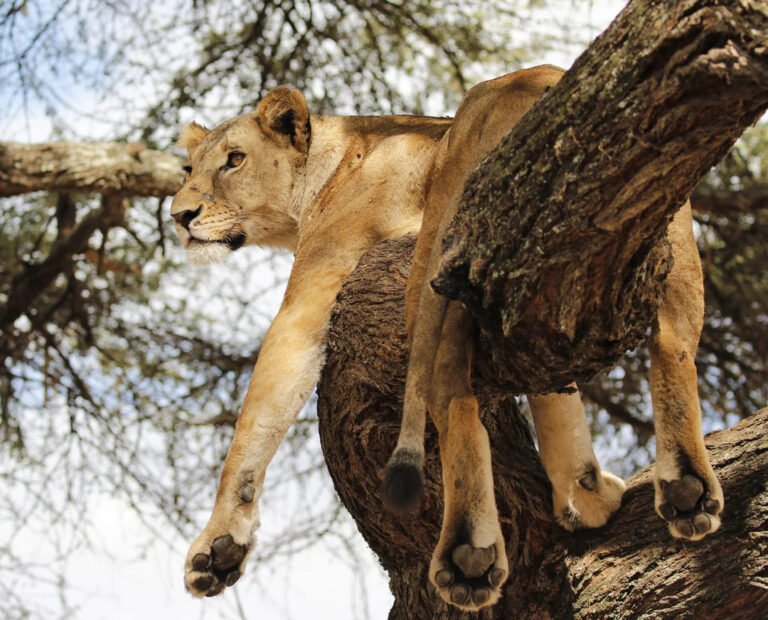
Dec 25, – 5 Day Christmas Tanzania Group Joining Safari 2026
Celebrate Christmas in the heart of the Tanzanian wilderness. Join our 5-day group safari departing December 25, 2026, and experience the iconic Northern Circuit.
View package details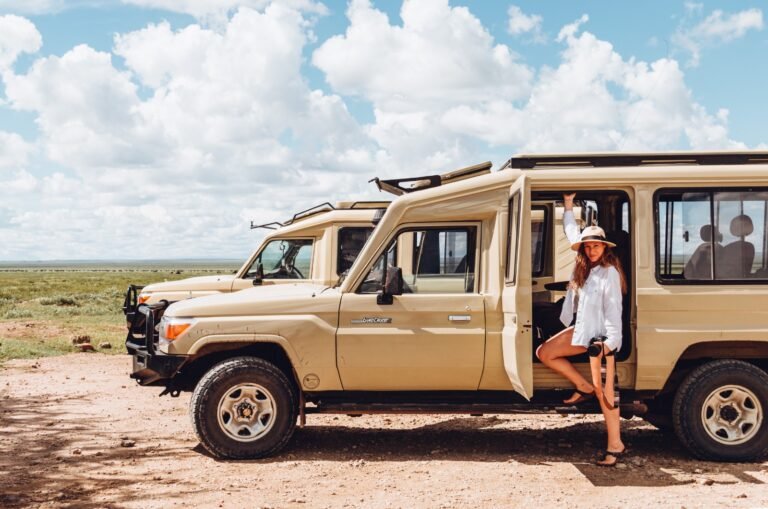
Dec 18, – 9 Day Tanzania Wildlife And Cultural Group Safari 2026
A deep look at our 9-day wildlife and cultural group safari departing December 18, 2026. This trip balances classic Northern Circuit game viewing with genuine cultural engagement.
View package detailsDec 14, – 7 Day Complete Tanzania Northern Circuit Group Safari 2026
Planning for December 2026? Join our 7-day complete Tanzania Northern Circuit group safari. A deep look at the Serengeti, Ngorongoro, and Tarangire with expert, locally-led logistics.
View package detailsDec 10, – 5 Day Northern Tanzania Group Joining Safari 2026
A detailed guide to our 5-day Northern Tanzania group joining safari scheduled for December 10, 2026. Learn about the route, group logistics, and how to book your spot.
View package detailsNov 27, – Black Friday Tanzania Group Safari Deals 2026
Discover why group joining safaris are the best way to secure value for your 2027 Tanzania adventure, plus expert advice on route planning and booking.
View package detailsNov 20, – 8 Day Complete Northern Tanzania Group Safari: Planning Your Trip
A comprehensive guide to the 8-day Northern Tanzania group safari departing November 20, 2026, covering logistics, route advantages, and planning essentials.
View package detailsNov 16, – 6 Day Tanzania Northern Circuit Group Safari 2026
Planning for November 2026? Join our 6-day group safari covering Tanzania's premier Northern Circuit parks. Expert-led, social, and cost-effective wildlife viewing.
View package detailsNov 14, – 5 Day Tanzania Lodge Group Joining Safari 2026
Join our November 14, 2026, 5-day Tanzania lodge safari. This group-joining itinerary offers a balanced, cost-effective way to explore the Northern Circuit.
View package detailsNo related package matches those filters. Clear one or more filters to see the other topic-matched options.