The best Tanzania safari for families with two children typically focuses on parks offering abundant, easily visible wildlife, shorter travel times between locations, and family-friendly lodges or camps. Options like the Tarangire National Park, renowned for its elephants and baobab trees, and Lake Manyara National Park, famous for its tree-climbing lions and diverse birdlife, are excellent choices for families. Combining these with the Ngorongoro Conservation Area provides a concentrated wildlife experience within a manageable itinerary for 2026-2027, minimizing long drives that can challenge younger travelers while maximizing diverse animal encounters.
Understanding Family Safari Needs in Tanzania
When planning a safari to Tanzania with children, the primary goal is to create an experience that is both exciting and manageable for everyone. This means considering factors beyond just ticking off the ‘Big Five.’ For families traveling in 2026 or 2027, prioritizing shorter game drives, comfortable accommodation with amenities that cater to younger guests, and destinations known for consistent wildlife sightings without excessive travel is key. The ‘best’ safari isn’t necessarily the one that covers the most ground, but the one that allows children to engage with the incredible natural world of Tanzania in a safe, enjoyable, and memorable way.
Tanzania offers a vast array of safari experiences, from the iconic Serengeti to the less-visited southern parks. For families, however, a strategic approach is needed. Long, bumpy drives can quickly turn excitement into exhaustion for children. Therefore, selecting parks that are geographically closer to each other, or that offer dense wildlife populations within smaller areas, becomes paramount. Furthermore, the type of accommodation plays a significant role. Lodges with swimming pools, family rooms, and engaging staff can make a big difference in a child’s overall enjoyment and comfort.
The wildlife viewing itself needs to be considered. While the Serengeti is legendary, its sheer scale means that covering vast distances can be part of the experience. For families, parks like Tarangire, with its elephant herds and unique tree-climbing lions often seen closer to the ground, or Lake Manyara, offering diverse habitats and accessible game viewing, can be more rewarding for younger eyes. The Ngorongoro Crater, a UNESCO World Heritage Site, offers a contained ecosystem where wildlife is incredibly concentrated, making for dynamic and often close-up sightings that are perfect for sparking a child’s imagination.
Safety and health are also critical considerations. Choosing tour operators who understand the needs of families, have experienced guides adept at handling children, and can recommend appropriate accommodations is essential. When planning for 2026-2027, it’s wise to discuss any specific concerns with your tour provider, such as malaria precautions, dietary needs, or the need for child-friendly activities outside of game drives.
Choosing the Right Safari Circuit for Families
Tanzania’s safari circuit is often broadly divided into the Northern Circuit and the Southern Circuit (and increasingly, the Western Circuit). For families with children, the Northern Circuit is almost always the recommended choice. This is due to its accessibility, well-developed infrastructure, and the concentration of world-famous parks within a relatively compact area. The parks here offer a high probability of seeing a wide variety of animals, often within shorter game drives.
The Northern Circuit: The Family Favorite
The Northern Circuit typically includes Arusha National Park, Tarangire National Park, Lake Manyara National Park, the Ngorongoro Conservation Area, and the Serengeti National Park. For families, the real gems lie in the parks that offer dense, diverse, and accessible wildlife viewing with manageable travel distances.
Tarangire National Park: Elephant Haven and Baobab Wonderland
Tarangire is an outstanding choice for families for several compelling reasons. Its relatively smaller size compared to the Serengeti means that wildlife is often concentrated, and game drives can be highly productive without covering vast distances. The park is particularly famous for its massive elephant herds, which are a constant source of fascination for children. Seeing these gentle giants up close, especially during the dry season when they congregate around the Tarangire River, is an unforgettable experience.
Beyond elephants, Tarangire boasts a remarkable diversity of wildlife. Predators like lions, leopards, and cheetahs are present, and the park is also home to the unique tree-climbing lions, adding an element of surprise to game drives. The landscape itself is dramatic, dominated by ancient baobab trees that look like they’ve been plucked from a fairytale. These distinctive trees provide a picturesque backdrop and are often a point of interest for children, sparking curiosity about their size and age.
Why Tarangire is great for kids:
- Abundant Elephants: Easy to spot and often seen in large family groups.
- Diverse Wildlife: High chances of seeing many different species in a single drive.
- Manageable Size: Game drives are typically shorter and more focused.
- Unique Scenery: The iconic baobab trees offer a memorable visual.
- Predator Sightings: Lions, including the tree-climbing variety, are a thrilling possibility.
For families planning a safari in 2026 or 2027, incorporating Tarangire early in the itinerary, perhaps after arriving in Arusha, allows for an immediate immersion into Tanzania’s wildlife without overwhelming younger travelers.
Lake Manyara National Park: A Compact Gem of Biodiversity
Lake Manyara is another jewel in the Northern Circuit that excels for family safaris. This park, though small, packs an incredible punch in terms of wildlife density and variety. It’s renowned for its shallow alkaline lake, which attracts a spectacular array of birdlife, including thousands of flamingos, pelicans, and storks. Birdwatching can be a surprisingly engaging activity for children, offering a different perspective on the safari experience.
The park is also famous for its elusive tree-climbing lions, a sight that often captivates visitors. While not guaranteed, the chance to spot them lounging in the branches of acacia trees adds an element of adventure. The dense woodland and open grasslands provide habitats for a wide range of animals, including large herds of buffalo, zebras, wildebeest, giraffes, and hippos. The park’s compact size means that you can experience a significant amount of its biodiversity in a single day, making it ideal for families who prefer shorter, more impactful game drives.
Why Lake Manyara is ideal for children:
- Birdlife Spectacle: Thousands of flamingos and other colorful birds.
- Tree-Climbing Lions: A unique and exciting wildlife phenomenon.
- Compact and Accessible: Excellent wildlife viewing within a small area.
- Variety of Habitats: From groundwater forests to open plains and the lake itself.
- Proximity to Karatu/Ngorongoro: Conveniently located for onward travel.
Lake Manyara serves as an excellent introduction to the wonders of a Tanzanian safari, offering a rich wildlife experience without the logistical complexities of larger, more spread-out parks. For families booking a safari for 2026-2027, it’s a must-consider stop.
The Ngorongoro Crater: A Natural Wildlife Amphitheater
The Ngorongoro Crater is a UNESCO World Heritage Site and a truly unique destination. It’s a massive volcanic caldera that houses an astonishing density of wildlife within its 260 square kilometer floor. The crater rim offers impressive views, and descending into the crater feels like entering a natural amphitheater teeming with life. For families, this concentration of animals means that game drives are often highly rewarding and dynamic, with a high probability of seeing a wide array of species in close proximity.
The crater is one of the best places in Tanzania to spot the endangered black rhinoceros. You’ll also find large populations of lions, elephants (though often without tusks due to specific genetic traits), buffalo, hippos, hyenas, and a multitude of plains game like wildebeest and zebras. The sheer abundance and visibility of animals make it an exhilarating experience for children, offering ample opportunities for observation and learning.
Key advantages of the Ngorongoro Crater for families:
- Incredible Wildlife Density: A huge number of animals in a contained area.
- High Chance of Seeing Rare Animals: Including the black rhino.
- Dramatic Scenery: The sheer scale of the crater is awe-inspiring.
- Shorter Game Drives Possible: Due to the concentration of wildlife.
- Unique Ecosystem: A self-contained world offering diverse habitats.
When planning a family safari for 2026 or 2027, the Ngorongoro Crater offers an unparalleled wildlife spectacle that is almost guaranteed to captivate both adults and children. It’s important to note that overnight stays are not permitted on the crater floor, so game drives are typically for a half-day duration, which suits younger attention spans.
Serengeti National Park: The Iconic, But How for Families?
The Serengeti is arguably the most famous safari destination in the world, known for its vast plains, incredible predator-prey interactions, and the Great Migration. While its fame is well-deserved, it presents a slightly different set of considerations for families with children compared to Tarangire or Lake Manyara.
The Serengeti is enormous. While this means endless opportunities for wildlife viewing, it also means that travel distances between prime viewing areas can be significant. For families, especially those with very young children, this can translate into longer, more tiring game drives. However, the Serengeti can absolutely be a part of a family safari, especially if planned strategically. Focusing on specific regions within the Serengeti that are known for resident wildlife year-round, or timing your visit to coincide with the migration in an accessible area, can mitigate the challenges.
Considerations for families in the Serengeti:
- Vastness: Requires careful itinerary planning to minimize travel time.
- Game Drive Duration: May need to be shorter or more focused.
- Accommodation Location: Choosing a lodge/camp in an area with high resident wildlife is crucial.
- The Great Migration: Can be a spectacular event, but requires strategic timing and location.
For families traveling in 2026 or 2027, if the Serengeti is a must-see, consider splitting your time between a more contained park like the Ngorongoro Crater and a strategically chosen area of the Serengeti. For instance, the Seronera area in central Serengeti offers excellent resident wildlife year-round, making it a good option for families who want to experience the Serengeti without excessive travel.
The Southern Circuit: A Quieter Alternative
The Southern Circuit, comprising parks like Selous Game Reserve (now Nyerere National Park) and Ruaha National Park, offers a more remote and less crowded safari experience. While it boasts incredible wildlife and stunning landscapes, it generally involves longer travel times (often by light aircraft or long drives) and fewer family-specific amenities compared to the Northern Circuit.
For families with very young children or those who prefer a more tranquil experience, the Southern Circuit might be less ideal as a primary safari destination. However, for older children or families seeking a more adventurous and less-trodden path, it can be an option. Boat safaris in Nyerere National Park offer a unique perspective, and Ruaha’s large elephant and wild dog populations are impressive.
When the Southern Circuit might suit:
- Older Children: Who can handle longer travel and appreciate a wilder experience.
- Families Seeking Fewer Crowds: A more exclusive feel.
- Interest in Unique Activities: Such as boat safaris.
For most families with children, especially those planning for 2026-2027, the Northern Circuit remains the most practical and rewarding choice due to its accessibility and concentration of child-friendly wildlife viewing opportunities.
Accommodation Choices for Families on Safari
Selecting the right accommodation is as crucial as choosing the right park when traveling with children. Family-friendly lodges and camps in Tanzania are designed to provide comfort, safety, and entertainment for younger guests, ensuring a positive overall safari experience.
Types of Family-Friendly Accommodation:
- Family Cottages/Suites: Many lodges offer separate family units, often with two bedrooms or a main room and an adjoining room for children. This provides privacy and space for the whole family.
- Interconnecting Rooms: Some lodges offer rooms that can be connected, allowing parents to be close to their children while maintaining separate sleeping spaces.
- Lodges with Pools: A swimming pool can be a lifesaver for children, providing a fun way to cool down after a game drive and burn off energy.
- Child-Friendly Menus: Look for accommodations that can cater to picky eaters or provide familiar food options.
- Activities for Children: Some camps offer guided nature walks (for older children), storytelling sessions, or educational talks about wildlife.
When booking for 2026 or 2027, it’s essential to discuss accommodation needs directly with your tour operator. Specify the ages of your children and any particular requirements you might have. For example, some lodges might have age restrictions for certain activities or may not be suitable for very young children due to their open design.
Key Accommodation Considerations for Families:
Safety: Ensure the property has secure boundaries or a design that minimizes risks for children, especially around water features or open areas. Always supervise children closely.
Space: Children need room to move. Family rooms or adjoining rooms offer more comfort than standard double rooms.
Amenities: A pool, Wi-Fi (if desired), and comfortable common areas can enhance the family experience.
Location: Lodges located within or very close to parks minimize travel time to game drives.
Tailoring the Itinerary: Duration and Pace
The length of your safari and the pace at which you travel should be carefully considered to match the energy levels and interests of your children. For a first-time family safari, a duration of 5 to 7 days in the Northern Circuit is often ideal. This allows for exploration of 2-3 key parks without feeling rushed.
Pacing the Safari:
- Shorter Game Drives: Instead of full-day drives, opt for morning and afternoon drives that are typically 2-3 hours long. This keeps children engaged and prevents fatigue.
- Downtime: Schedule in time for rest, swimming, or other activities at the lodge, especially during the hottest parts of the day.
- Flexibility: Be prepared to adjust plans based on your children’s mood and energy. A spontaneous stop to watch monkeys might be more memorable than rushing to the next viewpoint.
- Variety: Mix game drives with other experiences. A visit to a local Maasai village (if appropriate and well-managed) or a guided walk around the lodge can offer a different perspective.
When planning for 2026-2027, discuss this balanced approach with your tour operator. They can help craft an itinerary that maximizes wildlife encounters while ensuring ample rest and enjoyment for the entire family.
Sample Family Safari Itinerary Flow (Northern Circuit)
- Day 1: Arrive Kilimanjaro International Airport (JRO), transfer to Arusha. Relax, acclimatize.
- Day 2: Drive to Tarangire National Park. Afternoon game drive. Overnight near Tarangire.
- Day 3: Morning game drive in Tarangire. Drive to Lake Manyara region. Afternoon game drive in Lake Manyara. Overnight near Lake Manyara.
- Day 4: Morning visit to Lake Manyara or drive to Ngorongoro Conservation Area. Descend into the Ngorongoro Crater for a half-day game drive. Overnight on the crater rim or in Karatu.
- Day 5: Drive to a chosen area of the Serengeti (e.g., Seronera). Afternoon game drive. Overnight in Serengeti.
- Day 6: Morning game drive in Serengeti. Fly from Seronera airstrip back to Arusha or Kilimanjaro.
- Day 7: Departure.
Wildlife Viewing with Children: Tips and Tricks
Making wildlife viewing enjoyable and educational for children requires a slightly different approach than for adults. The focus should be on engagement, discovery, and creating excitement.
Tips for Successful Wildlife Viewing:
- Binoculars: Provide children with their own small, easy-to-use binoculars. This gives them a sense of participation and allows them to spot details you might miss.
- Field Guides: Simple, visually appealing field guides for birds and mammals can be great tools for identification and spark curiosity.
- Storytelling: Your guide is your greatest asset. Encourage them to tell stories about the animals, their behaviors, and the ecosystem.
- Scavenger Hunts: Create a simple checklist of animals or features to spot (e.g., ‘find a bird with a red chest,’ ‘spot a giraffe eating leaves’).
- Patience and Observation: Teach children to be quiet and patient. Sometimes the most rewarding sightings come after a period of stillness.
- Focus on Behavior: Instead of just ‘seeing’ an animal, encourage observation of what it’s doing – is it grazing, playing, hunting, resting?
- Snacks and Drinks: Keep a good supply of water and snacks in the vehicle to maintain energy levels and spirits.
For families planning a safari in 2026-2027, discussing these techniques with your guide before or at the start of your trip will help ensure everyone gets the most out of their wildlife encounters.
Safety and Health Considerations for Families
Safety and health are paramount when traveling with children to any foreign destination, and Tanzania is no exception. Reputable tour operators prioritize these aspects, but families also need to be informed and prepared.
Health:
- Malaria: Tanzania is a malaria-endemic country. Consult your pediatrician or travel clinic well in advance of your trip (ideally 6-8 weeks before) regarding appropriate malaria prophylaxis for children. The recommendations can vary by age.
- Vaccinations: Ensure all routine childhood vaccinations are up-to-date. Discuss any additional recommended vaccinations (like Hepatitis A, Typhoid) with your doctor.
- Water: Only drink bottled or purified water. Avoid ice in drinks unless you are certain it’s made from purified water.
- Food: Eat well-cooked food. Be cautious with raw fruits and vegetables unless they can be peeled or are prepared hygienically.
- Sun Protection: The African sun is intense. Use high-SPF sunscreen, hats, and light, long-sleeved clothing.
- Insect Repellent: Use child-safe insect repellent, especially during dawn and dusk.
Safety:
- Wildlife: Always maintain a safe distance from animals. Never exit the vehicle in areas where it is not permitted or advised by your guide. Educate children on respecting wildlife.
- Accommodation: Supervise children closely at lodges, especially near pools or open balconies.
- Vehicle Safety: Ensure children are seated securely in the safari vehicle and understand not to stand up suddenly, especially when the vehicle is moving.
- Medical Facilities: While major towns have hospitals, medical facilities in remote safari areas are limited. Ensure you have adequate travel insurance that covers medical evacuation.
When booking your 2026-2027 family safari, ask your tour operator about their safety protocols and what medical facilities are accessible from the areas you will be visiting. Companies like Climb 4 Africa are well-versed in these considerations and can provide tailored advice.
When to Travel: Best Seasons for Family Safaris
Tanzania has two main seasons: the dry season and the wet season. Each offers a different safari experience, and understanding these can help you choose the best time for your family.
- Dry Season (June to October): This is generally considered the peak tourist season and often the best time for wildlife viewing. Animals are concentrated around water sources, making them easier to spot. The weather is cooler and less humid. However, this is also the busiest and most expensive time. For families planning for 2026 or 2027, booking well in advance is crucial if you plan to travel during these months.
- Wet Season (November to May): This period offers lush green landscapes, fewer crowds, and lower prices. The ‘short rains’ occur in November and December, while the ‘long rains’ are typically from March to May. Wildlife viewing can still be excellent, especially in the early mornings and late afternoons. The calving season for wildebeest in the Serengeti (around January/February) is a spectacular event during this time. The rains can sometimes make travel more challenging, but many families find this period offers great value and a more intimate experience.
Considerations for families:
- June-October: Ideal for consistent sightings, pleasant weather. Book early for 2026-2027.
- November-December: Transition period, good value, fewer crowds.
- January-February: Good for Serengeti calving season, can be hot.
- March-May: Long rains, can impact road conditions, but very lush and green, fewer tourists, lower prices.
For many families, the shoulder months of June or October offer a good balance of excellent weather, good wildlife viewing, and slightly fewer crowds than the absolute peak of July-September.
Choosing the Right Safari Vehicle and Guide
The safari vehicle and the guide are central to your family’s experience. A well-chosen vehicle and an experienced guide can make all the difference.
Safari Vehicle:
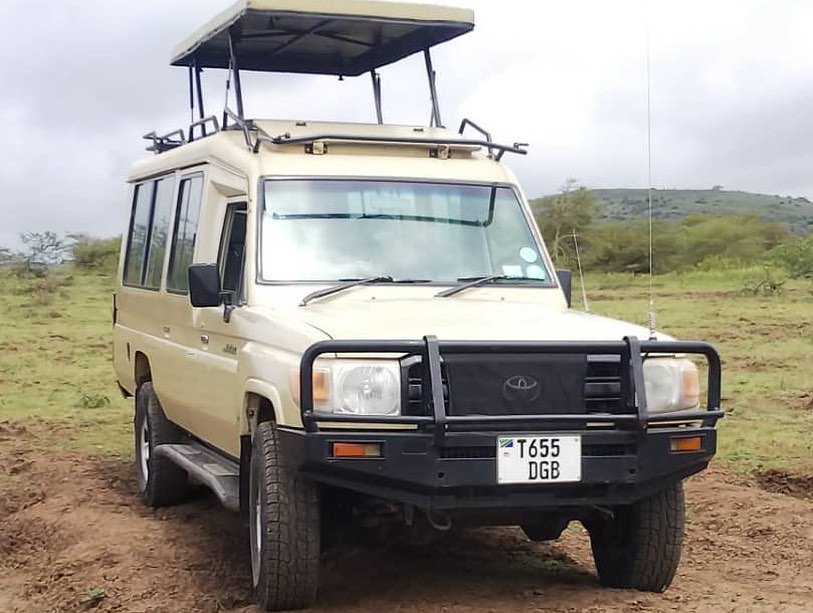
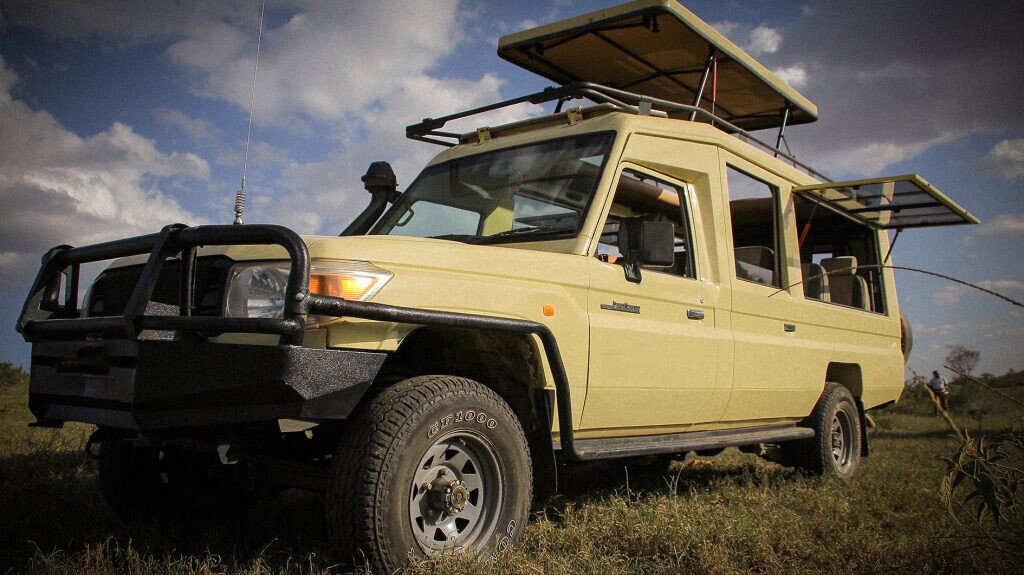
- 4×4 Land Cruisers/Land Rovers: These are the standard for Northern Circuit safaris. They are robust, comfortable, and offer good visibility.
- Pop-Top Roofs: Essential for families. A pop-top roof allows for unobstructed 360-degree views and excellent photography opportunities. It also provides better ventilation and headroom for children.
- Window Seats: Ensure your vehicle configuration guarantees a window seat for every passenger, especially children, for optimal viewing.
- Space: While not overly luxurious, the vehicle should have enough space for comfortable seating and luggage storage.
Safari Guide:
- Experience: Look for guides with extensive experience, particularly those who have worked with families.
- Knowledge: A good guide is not just a driver but a naturalist, storyteller, and problem-solver. They should be able to identify animals, explain behaviors, and answer children’s questions knowledgeably and engagingly.
- Patience and Adaptability: A guide who understands the needs of children, can adjust the pace, and knows how to manage wildlife sightings for maximum excitement without risk is invaluable.
- Communication: Good communication skills are vital. They should be able to explain what they are seeing and what might be around the next bend.
When booking your 2026-2027 safari, inquire about the type of vehicle and the qualifications and experience of your potential guide. A conversation with your tour operator about their guide selection process is highly recommended.
Making it Memorable: Beyond Just Wildlife
While wildlife is the main draw, incorporating other elements can make a family safari even more special and educational for children.
- Cultural Visits: A well-organized visit to a Maasai village can be fascinating for children, offering a glimpse into traditional life. Ensure this is done respectfully and ethically.
- Nature Walks: For older children (usually 12+), guided nature walks around lodges can be a great way to learn about smaller flora and fauna, tracking, and the environment. Always ensure these are led by armed rangers or experienced guides.
- Stargazing: Away from city lights, the African night sky is spectacular. Encourage children to look up and marvel at the constellations.
- Campfire Stories: Many lodges have communal areas where guides can share stories and insights about the bush.
- Photography: Encourage children to take photos or draw what they see. This can be a wonderful way for them to document their adventure and process their experiences.
These elements add depth to the safari experience, creating lasting memories that go beyond just animal sightings.
Comparing Safari Styles for Families
When planning a family safari for 2026-2027, understanding the different safari styles can help you choose the best fit for your family’s preferences and budget.
Safari Style Comparison for Families
| Style | Description | Pros for Families | Cons for Families | Best For |
|---|---|---|---|---|
| Private Safari | Your own dedicated vehicle and guide. Itinerary is fully customizable. | Maximum flexibility, pace controlled by your family, exclusive experience. Ideal for specific interests or needs. | Highest cost. | Families seeking ultimate control, with specific needs or a higher budget. |
| Shared/Group Safari | Joining a pre-set itinerary with other travelers in a safari vehicle. | Most budget-friendly option. Often well-organized itineraries. | Less flexibility, pace dictated by the group, may need to compromise on stops or duration. | Families on a tighter budget who are comfortable with group dynamics. |
| Fly-In Safari | Utilizes light aircraft to travel between parks, minimizing road travel. | Saves significant travel time, allows access to more remote areas, can be more comfortable for younger children. | Significantly more expensive than road safaris. Strict luggage weight limits. | Families with a higher budget who want to maximize time in parks and minimize travel fatigue. |
For most families, a private safari offers the best balance of flexibility, comfort, and personalized experience, even if it comes at a higher price point. This allows you to tailor game drives to your children’s stamina and interests, making the safari more enjoyable for everyone.
Budgeting for a Family Safari in 2026-2027
Tanzania safaris are a significant investment. For families, budgeting needs to account for more than just park fees and accommodation; it includes considerations like specialized family rooms, potentially private guides, and longer itineraries to accommodate a comfortable pace.
Key Cost Components:
- Park Fees: These are charged per person per day and can add up significantly for a family.
- Accommodation: Lodges and camps range from budget to ultra-luxury. Family rooms or adjoining rooms often have a surcharge.
- Vehicle and Guide: Private safaris are more expensive than shared ones.
- Meals: Usually included in lodge rates, but check for drinks and special requests.
- Transfers: Airport transfers and transfers between parks.
- Flights: Internal flights (if opting for a fly-in safari) are a major cost.
- Visas, Tips, Personal Expenses: Additional costs to factor in.
As a general guide for 2026-2027, a mid-range to comfortable family safari in the Northern Circuit, including private vehicle and guide, might range from $400 to $700+ per person per day. Luxury options can easily exceed this. Budget-friendly shared safaris are less common for families with young children due to the need for flexibility.
It is crucial to get a detailed quote that clearly outlines what is included and excluded. For families, ensuring that the quote accounts for all members and any specific rooming requirements is vital. Companies like Climb 4 Africa can provide tailored quotes based on your family’s specific needs and preferences for 2026-2027 travel.
Booking Your Family Safari with Climb 4 Africa
Choosing the right tour operator is the most critical step in planning a successful family safari. Climb 4 Africa specializes in creating bespoke Tanzanian travel experiences, with a deep understanding of the nuances involved in family travel.
Why Choose Climb 4 Africa for Your Family Safari:
- Local Expertise: As a Tanzanian company, they have intimate knowledge of the parks, lodges, and logistical considerations.
- Tailor-Made Itineraries: They excel at crafting itineraries that specifically cater to families, balancing adventure with comfort and safety.
- Experienced Guides: They work with guides who are not only knowledgeable about wildlife but also skilled in engaging and managing children.
- Focus on Safety and Comfort: They prioritize family well-being, recommending suitable accommodations and ensuring all logistical aspects are handled smoothly.
- Practical Support: From initial planning for 2026-2027 to on-the-ground support, they are there to ensure a smooth experience.
To get started with planning your family safari, we recommend reaching out to Climb 4 Africa. You can discuss your family’s ages, interests, desired pace, and budget. They will then work with you to design a personalized itinerary that perfectly suits your needs. For inquiries and to request a quote for your 2026-2027 adventure, you can contact them via:
- WhatsApp: +255 747 477 898
- Email: climb4africa@gmail.com
By partnering with a dedicated local operator, you ensure that your family’s Tanzanian safari is not just a trip, but a carefully curated, unforgettable adventure.
Frequently Asked Questions for Families Planning a Tanzania Safari
Can toddlers and very young children go on safari in Tanzania?
Yes, with careful planning. Safaris can be adapted for toddlers by focusing on shorter game drives, choosing lodges with amenities like pools, and ensuring a comfortable pace. Parks like Lake Manyara and Tarangire are often more suitable due to shorter travel times. Safety protocols and malaria precautions are critical. It’s best to consult with a specialist tour operator experienced with family travel.
What is the best age to take children on safari?
There isn’t a single ‘best’ age, as it depends on the child’s temperament and maturity. Many families find safaris enjoyable from around 5-6 years old, as children at this age can often sit through shorter game drives and engage with the wildlife. Older children (10+) can typically handle longer drives and gain more from the educational aspects. However, with careful planning and a focus on comfort and safety, even younger children can have a wonderful experience.
Are safaris safe for children?
Tanzania safaris, when planned with reputable operators and experienced guides, are generally very safe for children. The primary safety concerns revolve around wildlife interactions (maintaining distance from animals, never exiting the vehicle unless instructed) and health (malaria prevention, sun protection). Tour operators like Climb 4 Africa prioritize safety protocols and recommend appropriate health measures.
What should children pack for a safari?
Comfortable, neutral-colored clothing (long sleeves and trousers for sun and insect protection), a hat, sturdy walking shoes, a light jacket or fleece for cool mornings/evenings, swimwear, sunscreen, insect repellent, and any personal comfort items. Binoculars and a small backpack for their own essentials are also great. Avoid bright colors that can startle animals.
How much does a family safari cost in Tanzania for 2026-2027?
Costs vary widely based on accommodation style, duration, and whether it’s a private or shared safari. For a mid-range to comfortable family safari in the Northern Circuit (e.g., 5-7 days), expect costs to be in the range of $400 – $700+ per person per day. Luxury options will be higher. It’s essential to get a detailed, personalized quote from a tour operator.
Can we see the Great Migration with children?
Yes, it’s possible to see parts of the Great Migration with children, but it requires strategic planning. The migration’s location changes throughout the year. For families, focusing on areas where the migration is concentrated and accessible, or visiting during calving season (January-February), can be more manageable than trying to cover vast distances. It’s crucial to choose accommodation and game drive routes that minimize travel time for children.
Finalizing Your Family Safari Plan
Choosing the best Tanzania safari for your family with two children hinges on balancing the incredible wildlife opportunities with the practicalities of traveling with young ones. The Northern Circuit, with its concentration of accessible parks like Tarangire, Lake Manyara, and the Ngorongoro Crater, offers the most reliable and enjoyable experience for families. Prioritizing shorter game drives, comfortable and engaging accommodations, and a flexible pace will ensure that everyone, from the youngest to the oldest, has an unforgettable adventure. Planning for 2026-2027 means booking in advance, especially for peak seasons, and working closely with an experienced tour operator. By focusing on these elements, your family safari in Tanzania will be a journey filled with wonder, discovery, and cherished memories.
Check Availability for Best Tanzania Safari For Families With Children: Expert Guide 2026-2027
Ready to compare dates, prices, and the best option for your group? Send the package name and travel month so the team can reply with a clear quote, availability, and what is included.
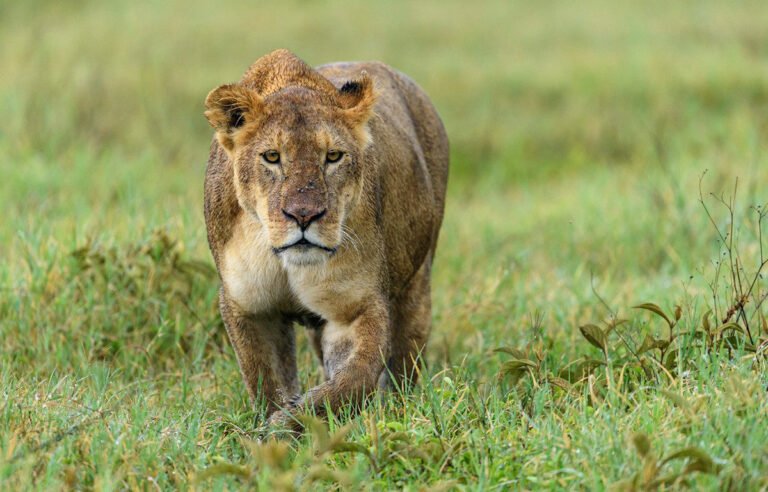
Dec 20, – 10 Day Complete Tanzania Group Joining Safari
Dec 20, 2026 – 10 Day Complete Tanzania Group Joining Safari.
View package details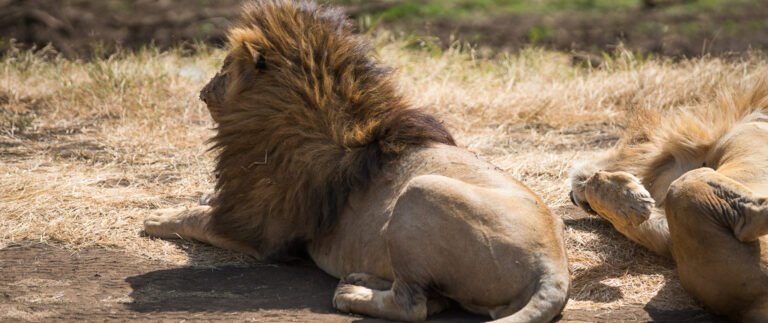
Which Dec Group Safari Ends Before New Year’s Eve?
Which Dec Group Safari Ends Before New Year’s Eve?
View package details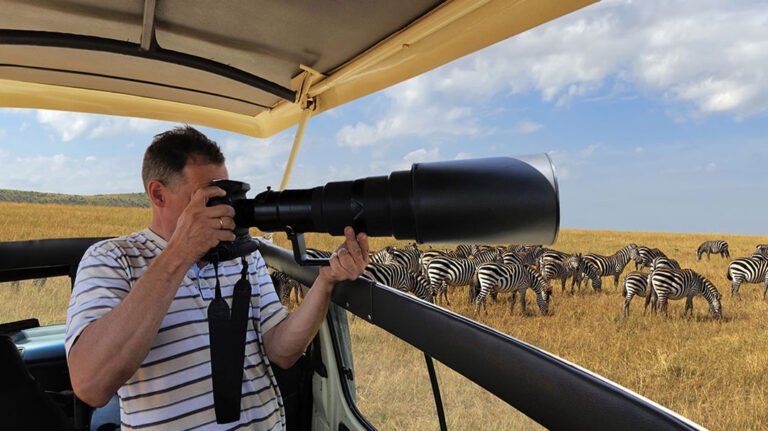
How Early Should I Book A Nov Or Dec Tanzania Group Safari?
How Early Should I Book a Nov or Dec Tanzania Group Safari?
View package details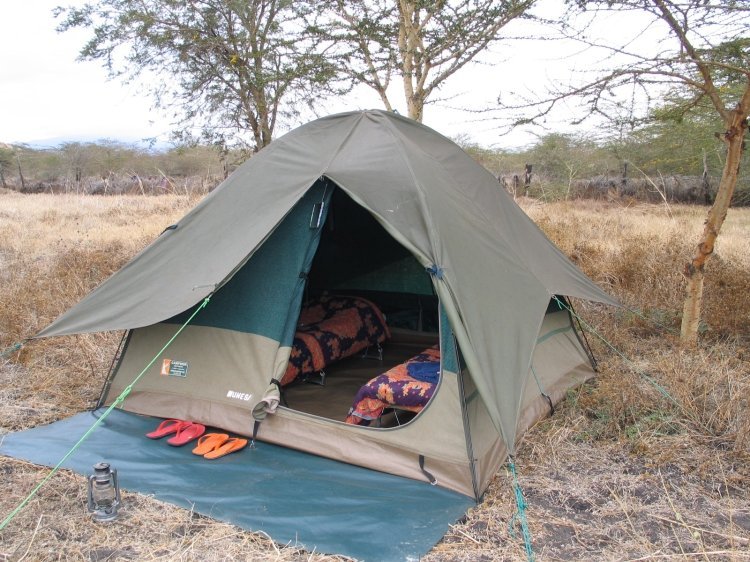
Can I Pay A Deposit To Reserve A Tanzania Group Safari?
Can I Pay a Deposit to Reserve a Tanzania Group Safari?
View package details
Dec 30, – 7 Day New Year Tanzania Group Joining Safari 2026
A complete guide to our 7-day group joining safari for the 2026/2027 New Year season, covering the Northern Circuit, wildlife expectations, and how to secure your spot.
View package details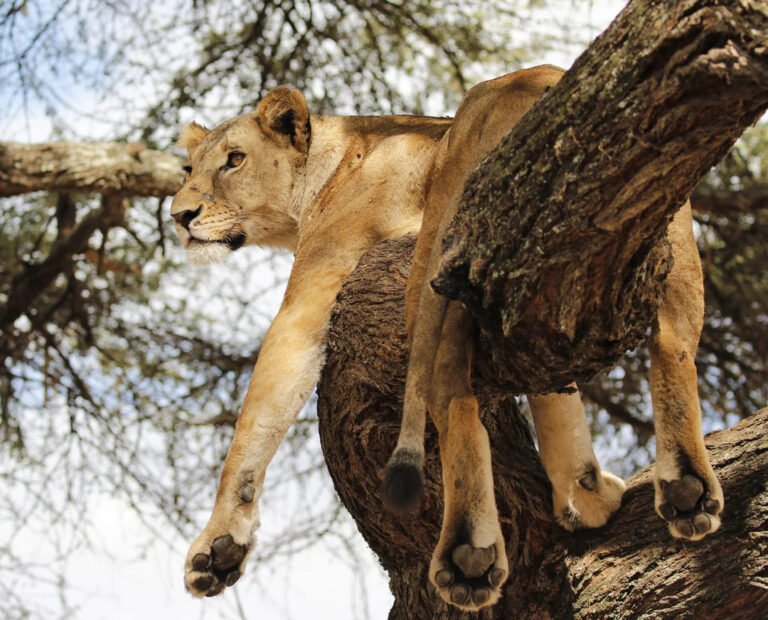
Dec 25, – 5 Day Christmas Tanzania Group Joining Safari 2026
Celebrate Christmas in the heart of the Tanzanian wilderness. Join our 5-day group safari departing December 25, 2026, and experience the iconic Northern Circuit.
View package details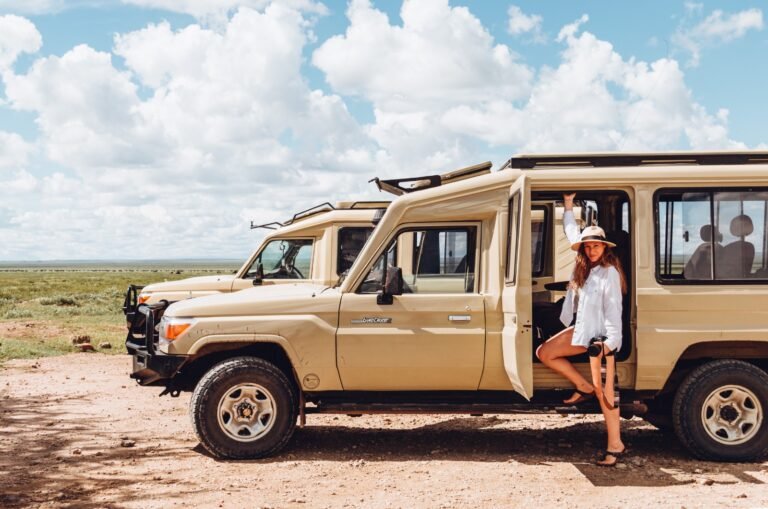
Dec 18, – 9 Day Tanzania Wildlife And Cultural Group Safari 2026
A deep look at our 9-day wildlife and cultural group safari departing December 18, 2026. This trip balances classic Northern Circuit game viewing with genuine cultural engagement.
View package detailsDec 14, – 7 Day Complete Tanzania Northern Circuit Group Safari 2026
Planning for December 2026? Join our 7-day complete Tanzania Northern Circuit group safari. A deep look at the Serengeti, Ngorongoro, and Tarangire with expert, locally-led logistics.
View package detailsDec 10, – 5 Day Northern Tanzania Group Joining Safari 2026
A detailed guide to our 5-day Northern Tanzania group joining safari scheduled for December 10, 2026. Learn about the route, group logistics, and how to book your spot.
View package detailsNov 27, – Black Friday Tanzania Group Safari Deals 2026
Discover why group joining safaris are the best way to secure value for your 2027 Tanzania adventure, plus expert advice on route planning and booking.
View package detailsNov 20, – 8 Day Complete Northern Tanzania Group Safari: Planning Your Trip
A comprehensive guide to the 8-day Northern Tanzania group safari departing November 20, 2026, covering logistics, route advantages, and planning essentials.
View package detailsNov 16, – 6 Day Tanzania Northern Circuit Group Safari 2026
Planning for November 2026? Join our 6-day group safari covering Tanzania's premier Northern Circuit parks. Expert-led, social, and cost-effective wildlife viewing.
View package detailsNo related package matches those filters. Clear one or more filters to see the other topic-matched options.