For a group of 8 friends on a Tanzania safari in 2026-2027, using two safari vehicles is generally the recommended approach. While fitting into one vehicle might seem like a way to save costs, it often leads to a cramped and less enjoyable experience, hindering game viewing and wildlife photography. Two vehicles ensure better comfort, more space for everyone to move around, improved sightlines for spotting animals, and greater flexibility in managing the group’s needs and interests during game drives.

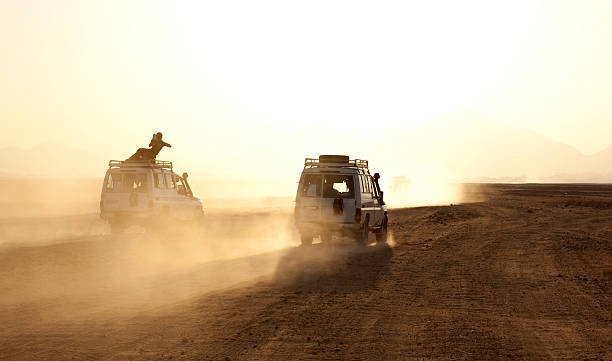
Navigating the Tanzania Safari Vehicle Decision for 8 Friends
Planning a safari for a group of friends is exciting, and in Tanzania, the vehicle is your primary mode of exploration. For a party of eight, the question of whether to opt for a single, larger vehicle or split into two standard safari vehicles is a pivotal one. This choice influences everything from your comfort levels and ability to spot wildlife to the practical logistics of moving across vast national parks. Let’s break down the considerations so you can make the best decision for your 2026-2027 Tanzania safari adventure.
At Climb 4 Africa, we’ve guided countless groups through the planning process, and the ‘one or two vehicles’ query for an 8-person safari group is a frequent one. Our perspective is rooted in providing the most practical and enjoyable experience possible, considering the realities of Tanzanian parks and the desires of travelers seeking to witness the incredible wildlife. While a single vehicle might appear more economical on the surface, the trade-offs in comfort and viewing potential are significant for a group this size. This article will guide you through the factors to weigh, helping you understand the nuances of each option and ultimately decide which setup best suits your group’s dynamics and safari goals for 2026 or 2027.
Understanding Standard Safari Vehicle Capacity and Configuration
Before diving into the ‘one or two’ debate, it’s essential to understand what constitutes a ‘standard’ safari vehicle in Tanzania. Most tour operators utilize modified 4×4 Land Cruisers or Land Rovers. These vehicles are specifically equipped for safari with features like pop-up roofs for unobstructed viewing and photography, rugged suspension for off-road conditions, and often ample space for luggage. However, their typical passenger capacity is where the core of our discussion lies.
A standard safari vehicle is generally designed to comfortably seat 6 passengers. This configuration typically involves three rows of seating, with two seats in each row. This setup allows each passenger a window seat, providing good views and space to operate cameras without constantly bumping elbows. Some operators might offer slightly larger vehicles, perhaps seating up to 7 or even 8 passengers, but these are less common and can quickly become crowded, especially when factoring in camera gear, binoculars, and personal items. For a group of 8 friends, squeezing everyone into a single vehicle designed for 6 or even 7 is where the challenges begin.
The ‘pop-up roof’ is a critical feature for game viewing. When a vehicle is at its comfortable capacity (6 people), each person generally has easy access to the pop-up roof for standing and scanning the horizon for wildlife. If you add more people to this same space, it becomes a jostling match. People at the back might struggle to get a clear view, and the overall experience of wildlife observation is diminished. This is why, from a practical standpoint, an 8-person group often exceeds the optimal capacity for a single standard safari vehicle.
Vehicle Types and Their Implications
The primary vehicle types you’ll encounter for Tanzanian safaris are the Toyota Land Cruiser and the Land Rover Defender, both heavily modified for safari use. These are robust, reliable 4x4s built to handle the demanding terrain of the national parks. The Land Cruiser is perhaps the most ubiquitous, known for its durability and comfort.
Land Cruisers typically come in configurations that accommodate 6-7 passengers comfortably. Some operators might offer ‘extended’ versions, but the standard is usually 6. The pop-top roof is standard, allowing for excellent viewing. The advantage of these vehicles is their spaciousness relative to their passenger count, meaning even with 6 people, there’s room to move and store gear.
Land Rovers, particularly the Defender models, are also popular. They offer a classic safari feel and are incredibly capable off-road. Their seating configuration is often similar, accommodating 6-7 passengers. Some travelers prefer the ‘classic’ feel of a Land Rover, while others find the Land Cruiser slightly more comfortable for longer drives.
For an 8-person group, a single vehicle, even if it technically has 8 seats, will likely feel significantly more cramped than a vehicle with 6 people. This is due to the nature of safari viewing – people need space to stand, turn, and use their equipment. Luggage space is also a consideration; safari vehicles typically have dedicated space for duffels and small day packs, but this can become tight with 8 people and their belongings in one vehicle. This is why the conversation almost always shifts to using two vehicles for groups of this size to ensure a superior Tanzania safari for 8 friends.
The Case for Two Vehicles: Comfort, Viewing, and Flexibility
When you have 8 friends planning a safari, the decision to use two vehicles instead of one is less about luxury and more about optimizing your entire safari experience. This approach offers tangible benefits that significantly enhance your enjoyment and the effectiveness of your wildlife encounters. Let’s explore why splitting into two vehicles is often the smarter choice for your Tanzania safari in 2026-2027.
The most immediate benefit is comfort. Imagine 8 adults sharing a vehicle designed for 6. This means people will be sitting in the middle seats, potentially with restricted views and less personal space. On long game drives, which are common in parks like the Serengeti or Tarangire, this lack of space can lead to fatigue and discomfort. With two vehicles, you’d typically have 4 people per vehicle. This allows everyone to have a window seat, ample legroom, and the ability to move around more freely. It transforms a potentially cramped journey into a much more relaxed and pleasant exploration.
Secondly, game viewing is dramatically improved. With fewer people in each vehicle (4 vs. 8), everyone has a better vantage point. When an animal is spotted, all 4 people in that vehicle can easily stand up through the pop-up roof, scan the area, and capture photographs without obstructing each other. If one vehicle spots something, they can communicate with the other, and both can converge for a better collective viewing experience. This is especially crucial for spotting elusive animals or observing behaviors. The ability for everyone to have an unobstructed view is paramount to a successful safari.
Flexibility is another significant advantage. Groups of friends often have diverse interests. Some might be keen photographers wanting to spend more time with a particular subject, while others might be more interested in birdwatching or simply soaking in the vast landscapes. With two vehicles, you have the flexibility to split interests temporarily. One vehicle might stop for an extended period with a pride of lions, while the other might pursue a rare bird species or head towards a different area of interest. This allows each sub-group to tailor their experience, catering to individual preferences without compromising the overall group itinerary. This flexibility is invaluable for ensuring everyone in your party of 8 has a fulfilling Tanzania safari.
Finally, consider the logistics and safety. Having two vehicles means that if one experiences a minor mechanical issue, the other can remain with the group or assist. While breakdowns are rare with well-maintained vehicles, having a backup provides peace of mind. It also allows for more efficient movement within the parks. Two vehicles can often cover more ground and explore different areas simultaneously, maximizing your chances of encountering a wider variety of wildlife across the vast expanses of Tanzania’s renowned parks for your 2026-2027 trip.
Maximizing Wildlife Photography Opportunities
For many groups, especially friends traveling together, capturing high-quality photographs of the incredible wildlife is a major priority. The choice of vehicles directly impacts this. With 8 people crammed into one vehicle, the challenges for photographers are numerous:
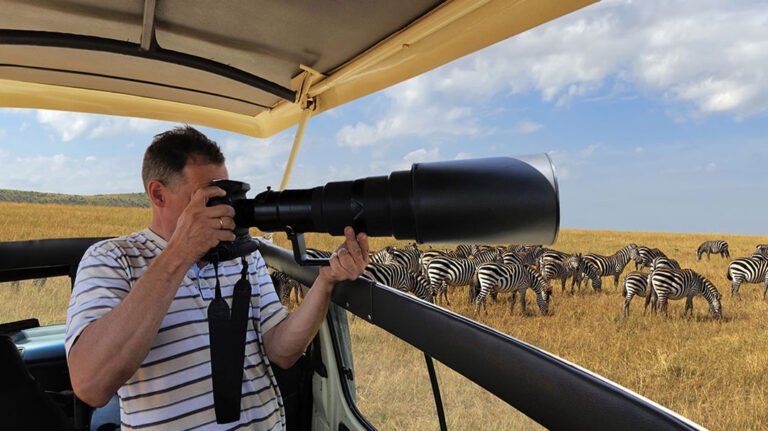
- Limited Space for Gear: Each photographer needs space for their camera body, lenses, and potentially tripods or monopods. In a crowded vehicle, this gear can become cumbersome and difficult to manage, increasing the risk of accidental damage.
- Obstructed Views: When multiple people are trying to shoot through the pop-up roof or open windows, the angles can become compromised. You might find yourself trying to shoot around someone else’s head or lens, leading to missed shots or awkward compositions.
- Reduced Mobility: In a crowded vehicle, it’s harder to quickly reposition yourself to get the perfect shot as an animal moves. You might miss a crucial moment because you’re unable to shift your position effectively.
- Noise and Disturbance: A more crowded vehicle can sometimes lead to more noise and movement, which can potentially disturb wildlife. While guides are trained to manage this, a more spacious setup inherently reduces these risks.
With two vehicles, each carrying 4 people, photographers gain significantly:
- Ample Space: Each photographer has more room to set up their equipment, manage multiple lenses, and move around without disturbing others.
- Unimpeded Angles: With only 4 people, everyone can usually find an excellent, unobstructed shooting position. You can lean out, adjust your angle, and track moving animals with ease.
- Dedicated Photo Time: If one vehicle has keen photographers, they can work together with their guide to find the best light and positions, while the other vehicle might be focused on general wildlife spotting or a different aspect of the safari.
- Reduced Stress: The overall experience is less stressful, allowing photographers to concentrate fully on capturing the moment rather than worrying about space or disturbing others.
This improved photographic potential is a strong argument for selecting two vehicles for your 8 friends Tanzania safari, especially if photography is a key interest for your group in 2026 or 2027.
Managing Group Dynamics and Preferences
Traveling with friends means navigating different personalities, energy levels, and interests. A safari, while a shared experience, can present opportunities for individual preferences to emerge. This is where the flexibility of two vehicles truly shines for a group of 8.
Consider these scenarios:
- Pace of Travel: Some friends might prefer a slower, more relaxed pace, stopping frequently to admire scenery or smaller creatures. Others might be eager to cover more ground, seeking out the ‘big ticket’ sightings. With two vehicles, you can assign a pace to each, allowing both preferences to be met without one group feeling rushed or the other feeling held back.
- Interest in Specific Wildlife: While everyone wants to see the ‘big five,’ some might have a particular fascination with birds, reptiles, or specific mammal species. One vehicle could focus on a particular habitat known for birdlife while the other continues the search for larger game.
- Photography vs. Observation: As mentioned, photographers often need different conditions and patience levels than those who are simply enjoying the experience. Splitting allows photographers to maximize their opportunities without holding back the rest of the group, and vice versa.
- Rest and Relaxation: On long safari days, one vehicle might decide to return to camp slightly earlier for a rest, while the other continues the game drive, offering a choice to the group members.
For an 8-person group, the potential for varied interests is high. Trying to satisfy everyone equally in a single vehicle can lead to compromises that leave some members of the group feeling underserved. Two vehicles allow for a more personalized experience within the group framework, ensuring that everyone feels their safari expectations are being met. This is a crucial aspect of group travel planning for any Tanzania safari in 2026-2027.
The Potential Downsides of One Vehicle for 8 Friends
While the idea of using a single safari vehicle for 8 friends might initially appeal due to perceived cost savings or simplicity, it’s important to understand the significant drawbacks. For a group of this size, attempting to fit everyone into one vehicle often leads to a compromised experience. These are not minor inconveniences but factors that can fundamentally alter the enjoyment and effectiveness of your safari.
The most prominent issue is overcrowding and reduced comfort. Standard safari vehicles are designed for 6 passengers, with 7 being the absolute maximum for many configurations, and even then, it’s tight. For 8 adults, this means at least two people will be in the middle seat, significantly limiting their view and personal space. Imagine sitting in the middle of a row of three for hours on end, trying to see over the heads of those in front and beside you, while also dealing with the limited legroom. This discomfort can lead to fatigue, irritability, and a generally less pleasant safari experience, especially during long game drives in the heat of the Tanzanian sun.
Compromised game viewing is another major concern. When a vehicle is at its optimal capacity (6 people), each person generally has a good view and can stand up through the pop-up roof with relative ease. With 8 people, the space within the pop-up roof becomes significantly more crowded. People will inevitably jostle for position, and those seated further back will struggle to get clear sightlines. This can mean missing fleeting glimpses of animals or having difficulty tracking them as they move. The ability to easily pivot and follow wildlife is diminished, reducing the chances of capturing memorable sightings or photographs. For a group that has traveled a long way to experience Tanzania’s wildlife, this reduction in viewing quality can be profoundly disappointing.
Logistical challenges also arise. Luggage space in safari vehicles is often at a premium. While operators typically provide specific storage areas for duffel bags and day packs, fitting the luggage for 8 people into one vehicle can be difficult. This might mean leaving some items behind or having bags encroaching on passenger space, further reducing comfort. Furthermore, if the vehicle needs to stop for any reason (e.g., a flat tire, a brief mechanical check), managing 8 people and their belongings can become more cumbersome than with a smaller group.
Finally, the overall safari experience can feel less personal and more rushed. In a single vehicle with 8 people, the group dynamic can become diluted. It’s harder for guides to engage with each individual’s specific interests or questions when they are managing a larger, more spread-out group. The sense of shared, intimate discovery that many seek on safari can be harder to achieve when everyone is competing for space and attention. This is particularly relevant for a group of friends who may want to share personal moments and observations more intimately.
For these reasons, while a single vehicle might seem like a straightforward solution for 8 friends planning a Tanzania safari in 2026-2027, the practical reality often points towards the significant benefits of opting for two vehicles to ensure comfort, optimal viewing, and a more fulfilling group adventure.
The Cost Factor: Is One Vehicle Truly Cheaper?
The primary driver for considering a single vehicle for 8 friends is often the perception of cost savings. It’s logical to assume that hiring one vehicle will be cheaper than hiring two. However, the economics of safari pricing in Tanzania are nuanced, and this isn’t always the case, especially when you consider the value you receive.
Most safari operators price their vehicles based on a daily rate, which covers the vehicle, driver-guide, fuel, and park entry fees for the vehicle itself. When you book a safari, you are typically paying for the vehicle and guide for a set number of days, and then adding the per-person park fees and accommodation costs.
Let’s look at how this plays out:
- Vehicle Daily Rate: A standard safari vehicle (e.g., 6-seater Land Cruiser) has a daily rate. If you book one vehicle for 8 people, you pay this rate once. If you book two vehicles for 8 people (4 per vehicle), you pay the daily rate twice. This is where the initial cost difference appears.
- Park Fees: Park entry fees are charged per person, per day, and also per vehicle, per day. So, for 8 people, you’ll pay 8 times the per-person park fee regardless of whether you have one or two vehicles. However, with two vehicles, you’ll also pay the per-vehicle park fee twice. This adds to the cost of using two vehicles.
- Guide Fees: Typically, each vehicle comes with its own driver-guide. So, two vehicles mean two guides. While this provides better service and more focused attention, it does increase the guide cost component.
- Accommodation: Accommodation is priced per person and is unaffected by the number of vehicles.
Therefore, hiring two vehicles for 8 people will, in most cases, be more expensive than hiring one vehicle for 8 people. The exact difference depends on the operator’s pricing structure, but you can expect the total cost for two vehicles to be roughly 50-70% higher than for one vehicle, considering the vehicle and guide fees are doubled.
However, it’s crucial to look beyond the sticker price. The ‘cheaper’ option of one vehicle often comes with significant trade-offs in comfort and viewing quality. For a group of 8 friends planning a Tanzania safari in 2026-2027, the question isn’t just “how much does it cost?” but “what value do I get for my money?” The enhanced experience, better photo opportunities, and greater comfort afforded by two vehicles often justify the additional expense. It’s about ensuring the entire group has a memorable and enjoyable adventure, which can be difficult to achieve when crammed into a single, overloaded vehicle. When comparing quotes, always ask for a detailed breakdown to understand what’s included and how the vehicle count affects the total price.
When Might One Vehicle Still Be Considered?
While our strong recommendation for 8 friends is two vehicles, there are very specific circumstances where one vehicle might be considered, albeit with significant caveats. These situations usually involve a trade-off where other factors are prioritized over space and comfort.
- Extremely Tight Budget: If your group has an absolutely inflexible and very low budget, and the cost difference between one and two vehicles is prohibitive, then one vehicle might be the only financially viable option. In this scenario, the group must be fully aware of and willing to accept the compromises in comfort and viewing. It requires a collective understanding that this is a necessity driven by budget, not an ideal setup.
- Very Short Safari Duration: If your safari is only for a single day or perhaps two days, the impact of being in a slightly more cramped vehicle is less pronounced than on a multi-day expedition. However, even for short durations, 8 people in a 6-seater vehicle can still be uncomfortable.
- Specific Vehicle Types: Some operators might have larger, custom-built safari vehicles that can genuinely accommodate 8 passengers comfortably, with good viewing for all. These are much less common than standard 6-seaters and are often more expensive per day than a standard vehicle, potentially negating some of the cost savings. If such a vehicle is available and the operator can confirm its comfort and suitability for 8, it’s worth considering.
- Group Composition: If the 8 friends are all very slender individuals with minimal luggage and an incredibly easy-going nature, they *might* tolerate a single vehicle. However, this is a risky assumption to make for an entire group.
In most typical scenarios for an 8-person group embarking on a multi-day Tanzania safari in 2026-2027, the drawbacks of a single vehicle will likely outweigh the perceived benefits. The cost difference, while real, often pales in comparison to the enhanced experience provided by two vehicles. It’s always best to discuss these specific circumstances with your tour operator to get their expert advice based on the exact vehicles they use and their experience with groups of your size.
Planning Your Safari with 8 Friends: Key Considerations
Beyond the vehicle count, planning a safari for a group of 8 friends involves several other important considerations to ensure everyone has a fantastic experience. These details, when addressed early in the planning stages for your 2026-2027 Tanzania safari, can prevent potential issues and maximize enjoyment for all.
1. Group Communication and Consensus: Before you even start looking at itineraries, have a thorough discussion with all 8 friends. What are everyone’s expectations? Are there must-see parks (e.g., Serengeti, Ngorongoro Crater, Tarangire)? What’s the budget range? Are there any mobility issues or dietary restrictions? Establishing a shared understanding and consensus early on is vital. It’s also a good time to confirm who will be handling the booking and communication with the tour operator.
2. Itinerary Design: With 8 people, you’ll want an itinerary that balances iconic sightings with efficient travel. Consider:
- Park Selection: The Northern Circuit (Serengeti, Ngorongoro, Tarangire, Lake Manyara) is the most popular and accessible. For longer trips, you might consider adding parks in the South or West, but this adds complexity and travel time.
- Pace: Avoid packing too much into each day. Allow for downtime, especially in the afternoons. With two vehicles, you can sometimes split interests, but a well-paced itinerary is still key.
- Accommodation: Group bookings can sometimes offer better rates. Discuss whether you prefer lodges, tented camps, or a mix. Consider the proximity of rooms/tents and common areas.
3. Booking Window and Availability: For group travel, especially for popular seasons in 2026-2027, booking well in advance is crucial. High season (June-October, December-February) sees high demand for both accommodation and vehicles. Booking 6-12 months ahead is advisable for groups to secure preferred lodges and ensure vehicle availability, particularly if you decide on two vehicles.
4. Budget Allocation: Clearly define the budget per person. This should cover accommodation, park fees, vehicle hire, meals, internal transfers, and any activities. It’s also wise to have a small contingency fund for unexpected expenses or personal purchases. Understanding the cost difference between one and two vehicles is part of this budget discussion.
5. Guide Selection: Your driver-guide is central to your safari experience. A good guide for a group of 8 needs to be knowledgeable, patient, and adept at managing group dynamics. With two vehicles, you’ll have two guides, which can offer even more personalized attention.
6. Inclusions and Exclusions: Carefully review what is included in your safari package. Typically, this includes vehicle hire, guide, park fees, accommodation, and meals. Exclusions might be international flights, visas, travel insurance, tips, drinks, and optional activities. Clarity on this prevents surprises.
By addressing these planning points, your group of 8 friends can move forward with confidence, ensuring your Tanzania safari is as smooth and rewarding as possible, whether you choose one or two vehicles.
Choosing Parks and Itinerary Length for 8 Friends
The vastness of Tanzania’s national parks offers incredible diversity, but for a group of 8, careful selection of parks and itinerary length is key to a cohesive and enjoyable experience. The most popular and generally recommended circuit for a first-time safari, especially for groups, is the Northern Circuit. This circuit is well-established, offers excellent infrastructure, and hosts an astonishing array of wildlife.
Key Parks on the Northern Circuit:
- Serengeti National Park: The undisputed crown jewel. Famous for the Great Migration, vast plains, and incredible predator sightings. It requires significant time to explore its different regions. For 8 friends, allocating at least 3-4 full days here is recommended to truly appreciate its scale.
- Ngorongoro Conservation Area: Home to the Ngorongoro Crater, a UNESCO World Heritage site. This unique caldera offers dense wildlife populations, including the rare black rhino, within a relatively small area. A single day game drive within the crater is typical, but booking accommodation on the crater rim or nearby is essential.
- Tarangire National Park: Known for its large elephant herds, especially during the dry season (July-October), and its iconic baobab trees. It’s often visited for 1-2 days.
- Lake Manyara National Park: Famous for its tree-climbing lions, flamingos, and diverse birdlife. It’s a smaller park, often visited for a half-day or full-day game drive.
Recommended Itinerary Length for 8 Friends:
- Minimum: 5-6 Days: This would typically cover 2-3 parks, perhaps Tarangire and Ngorongoro, with a brief visit to Lake Manyara or a shorter Serengeti exploration. This can feel a bit rushed for a group of 8, especially if travel between parks takes up significant time.
- Ideal: 7-10 Days: This duration allows for a more relaxed exploration of the core Northern Circuit parks (Serengeti, Ngorongoro, Tarangire). You can spend ample time in the Serengeti, dedicate a full day to the Ngorongoro Crater, and explore Tarangire thoroughly. This length provides a good balance between seeing diverse wildlife and not feeling overly rushed. It allows for flexibility within the two-vehicle setup, where one vehicle might spend more time on photography while the other focuses on general sightings.
- Extended: 10+ Days: For groups wanting a more in-depth experience, perhaps including less-visited areas of the Serengeti, or adding other destinations like the unique landscapes of Kilimanjaro foothills or even a brief cultural interaction, longer itineraries are possible. This offers the most flexibility for diverse interests within your group of 8.
When planning for 8 friends in 2026-2027, remember that travel time between parks can be significant. Longer itineraries allow for more relaxed transit days and less pressure to ‘see it all’ in a single visit. Discussing these preferences with your tour operator will help craft an itinerary that suits your group’s pace and interests.
Accommodation Options for Groups of 8
Selecting the right accommodation is as crucial as choosing your safari vehicle. For a group of 8 friends, you’ll need to consider how lodges and camps accommodate larger parties. Options range from budget-friendly public campsites to luxurious tented camps and lodges.
- Public Campsites: The most basic and cost-effective. You’ll need to bring your own camping gear or rent it. Facilities are shared and can be basic. Best for very budget-conscious groups. You’ll likely need to book multiple adjacent sites for 8 people.
- Special Campsites: These are exclusive-use campsites within national parks or reserves, offering more privacy and a more ‘wild’ experience than public sites. They often have basic facilities like pit toilets and a campfire area. You’ll need to book these well in advance. You might need two adjacent special campsites for 8 people.
- Budget/Mid-Range Lodges & Tented Camps: These offer a step up in comfort with permanent structures or canvas tents on raised platforms, often with en-suite bathrooms and common dining areas. For a group of 8, you’ll typically book multiple rooms or tents. Many camps can accommodate groups by booking 4 double/twin rooms or a combination of single and double rooms.
- Luxury Tented Camps & Lodges: These offer high-end amenities, often with private plunge pools, gourmet dining, and exceptional service. Booking 4 double/twin rooms or suites would be the standard for a group of 8. Some luxury camps might offer larger family suites that could potentially accommodate more, but this is less common for 8 adults.
Key considerations for groups of 8:
- Booking Rooms/Tents: Most accommodations price per person sharing. For 8 people, you’ll typically book 4 twin or double rooms/tents. If some friends prefer single occupancy, the cost will increase significantly, so discuss this preference early.
- Group Dining: Many lodges and camps have communal dining areas. For a group of 8, you’ll likely be seated together, which is great for group bonding. If you opt for two vehicles, you might return to camp at slightly different times, but guides usually coordinate this.
- Privacy vs. Socializing: Decide as a group what balance you want. Some accommodations offer private dining options for groups, while others are more communal.
- Location: Consider accommodation location relative to key wildlife areas or scenic spots. For example, staying on the Ngorongoro crater rim offers stunning views and early access.
When you book with Climb 4 Africa for your 2026-2027 Tanzania safari, we will work with you to find accommodation that suits your group’s budget, comfort level, and desired atmosphere. We have established relationships with a wide range of properties across Tanzania.
The Role of the Safari Guide and Driver
Your safari guide and driver are arguably the most critical components of your safari experience, especially for a group of 8 friends. They are not just drivers; they are your educators, trackers, problem-solvers, and companions. For a group this size, the quality of your guide is even more paramount.
What makes a great safari guide for a group of 8?
- Expertise: Deep knowledge of local wildlife, flora, fauna, and the geography of the parks. They should be able to identify animals, explain their behaviors, and understand migration patterns.
- Tracking Skills: The ability to spot animals that might be camouflaged or hidden, using tracks, sounds, and other signs.
- Driving Skill: Navigating challenging terrain safely and smoothly, especially important when carrying 8 passengers. They also need to position the vehicle optimally for viewing and photography without disturbing the animals.
- Interpersonal Skills: This is crucial for a group. A good guide needs to be patient, engaging, and able to read the group’s mood. They should be able to manage different interests, answer questions from various individuals, and ensure everyone feels included.
- Problem-Solving: Safaris can sometimes present unexpected situations, from minor vehicle issues to weather changes. A skilled guide can handle these calmly and efficiently.
- Communication: Excellent communication skills, both with the group and with other guides in the field (sharing information about animal sightings).
With two vehicles for 8 friends:
- Dual Expertise: You have two knowledgeable guides, potentially offering different insights or areas of specialization.
- More Focused Attention: With only 4 people per vehicle, each guide can provide more personalized attention, answer more questions, and cater to the specific interests of their smaller group.
- Enhanced Communication: The two guides can communicate with each other via radio, coordinating sightings, sharing information, and ensuring the group’s overall safari strategy is effective.
- Backup and Support: If one guide needs to address a specific issue (e.g., a brief stop for a mechanical check), the other guide can continue with their group or provide support.
When booking your Tanzania safari for 8 friends in 2026-2027, inquire about the experience and qualifications of the guides. A reputable operator like Climb 4 Africa will assign highly skilled and experienced guides who are accustomed to handling groups and maximizing the safari experience for everyone.
Making the Final Decision: One or Two Vehicles?
After weighing all the factors, the decision for 8 friends planning a Tanzania safari in 2026-2027 typically leans heavily towards two safari vehicles. The primary reasons are comfort, enhanced game viewing, improved photography opportunities, and greater flexibility in catering to diverse group interests. While the cost of two vehicles will be higher than one, the significant increase in the quality of the overall safari experience often justifies the additional investment.
Summary of Benefits for Two Vehicles (4 people per vehicle):
- Comfort: Ample legroom, window seats for everyone, ability to move around.
- Game Viewing: Unobstructed views, easier to spot and track animals, better for everyone in the group.
- Photography: Space for gear, better angles, less jostling for position.
- Flexibility: Ability to cater to different interests or paces within the group.
- Reduced Fatigue: More comfortable for long drives.
When One Vehicle Might Be Considered (with significant compromises):
- Extremely tight budget where the cost difference is prohibitive.
- Very short duration (e.g., one-day safari).
- Availability of a rare, genuinely comfortable 8-seater vehicle.
- A group that is unusually small in stature and extremely tolerant of close quarters.
Ultimately, the choice depends on your group’s priorities. If maximizing comfort, wildlife viewing quality, and overall enjoyment are high on your list for your 2026-2027 Tanzania safari, then two vehicles are the way to go for your group of 8.
For personalized advice and to discuss the best vehicle configuration for your specific group of 8 friends, including detailed itineraries and quotes for 2026 and 2027, we invite you to contact Climb 4 Africa. Our team has extensive local knowledge and experience in crafting unforgettable safari experiences. You can reach us via WhatsApp at +255 747 477 898 or by emailing climb4africa@gmail.com. Let us help you plan the perfect Tanzanian adventure.
“,
“faq_schema”: [
{
“question”: “What is the standard capacity of a safari vehicle in Tanzania?”,
“answer”: “Standard safari vehicles in Tanzania, typically Land Cruisers or Land Rovers, are designed to comfortably seat 6 passengers. Some may accommodate up to 7, but this can be quite cramped. For a group of 8 friends, this size is generally considered too small for optimal comfort and viewing.”
},
{
“question”: “Is it better to use one or two vehicles for 8 friends on a Tanzania safari?”,
“answer”: “For a group of 8 friends planning a Tanzania safari in 2026-2027, using two safari vehicles is strongly recommended. This provides significantly better comfort, improved game viewing opportunities for everyone, more space for photography, and greater flexibility to cater to individual interests within the group.”
},
{
“question”: “Will using two vehicles for 8 friends be much more expensive?”,
“answer”: “Yes, using two vehicles for 8 friends will generally be more expensive than using one vehicle, as you are paying for two vehicles and two guides. However, the substantial increase in comfort and the quality of the overall safari experience often makes the additional cost worthwhile for groups of this size.”
},
{
“question”: “What are the main downsides of using only one vehicle for 8 friends?”,
“answer”: “The main downsides include severe overcrowding, reduced comfort, significantly compromised game viewing (especially for those in the middle seats), limited space for photography equipment, and a less personal experience. Long drives can become very uncomfortable.”
},
{
“question”: “What are the benefits of having 4 people per vehicle on a safari?”,
“answer”: “With 4 people per vehicle, everyone gets a window seat, enjoys ample legroom, has unobstructed views through the pop-up roof, and can move around more freely. This leads to a more relaxed, enjoyable, and visually rewarding safari experience, with better opportunities for photography and wildlife observation.”
},
{
“question”: “Can a single vehicle truly accommodate 8 people comfortably for a multi-day safari?”,
“answer”: “It is highly unlikely that a standard safari vehicle designed for 6 passengers can comfortably accommodate 8 adults for a multi-day safari. While it might be technically possible to fit 8 people, it would lead to significant discomfort, reduced viewing opportunities, and a generally less enjoyable experience for the entire group.”
},
{
“question”: “When might one vehicle be considered for 8 friends?”,
“answer”: “One vehicle might be considered only if the group has an extremely tight budget that makes two vehicles impossible, for a very short duration safari (e.g., a single day), or if a rare, specifically designed 8-seater safari vehicle is available. Even then, compromises are expected.”
},
{
“question”: “How does the vehicle choice affect photography on a safari?”,
“answer”: “Fewer people per vehicle (e.g., 4) means more space for camera gear, better angles for shooting, and less jostling for position. This allows photographers to concentrate on capturing images without being hindered by cramped conditions, leading to higher quality photos.”
}
]
}
“`
Check Availability for We Are 8 Friends Planning A Tanzania Safari, Should We Use One Or Two
Ready to compare dates, prices, and the best option for your group? Send the package name and travel month so the team can reply with a clear quote, availability, and what is included.
How Early Should I Book A Nov Or Dec Tanzania Group Safari?
How Early Should I Book a Nov or Dec Tanzania Group Safari?
View package details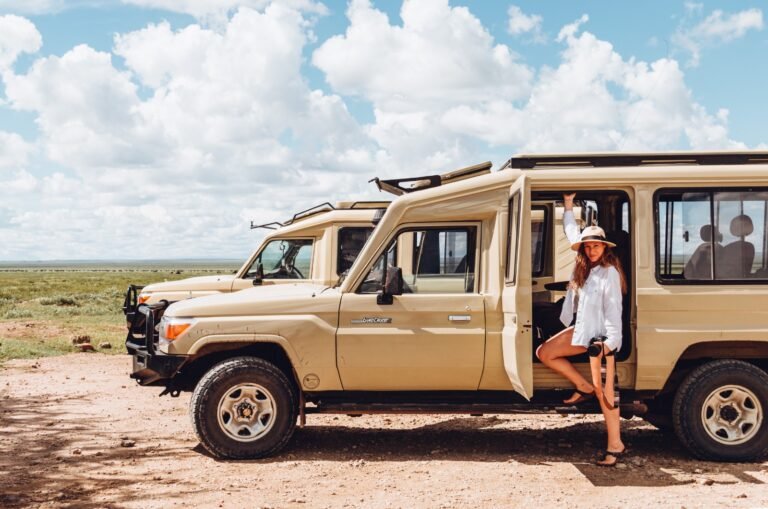
Nov 20, – 8 Day Complete Northern Tanzania Group Safari: Planning Your Trip
A comprehensive guide to the 8-day Northern Tanzania group safari departing November 20, 2026, covering logistics, route advantages, and planning essentials.
View package details
Dec 20, – 10 Day Complete Tanzania Group Joining Safari
Dec 20, 2026 – 10 Day Complete Tanzania Group Joining Safari.
View package details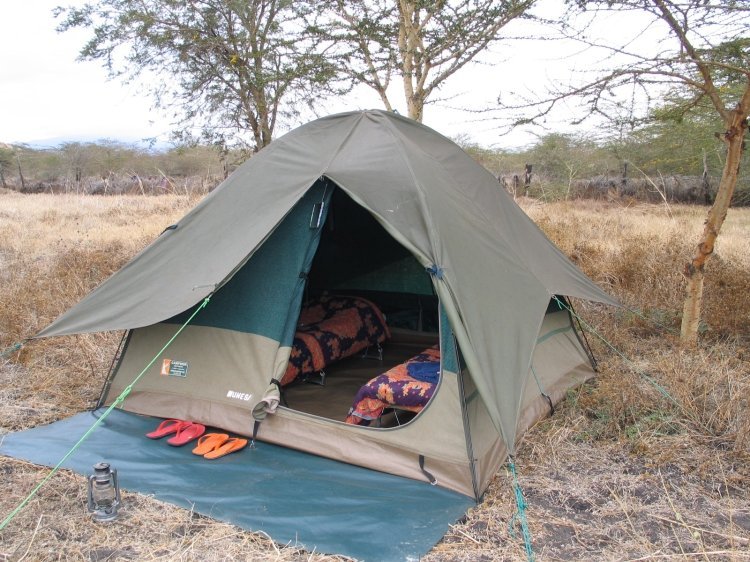
Can I Pay A Deposit To Reserve A Tanzania Group Safari?
Can I Pay a Deposit to Reserve a Tanzania Group Safari?
View package details
Dec 31, : New Year’s Eve Serengeti Group Safari Planning Guide
This guide provides essential planning details for a group safari trip to the Serengeti for New Year's Eve 2026, covering logistics, seasonal highlights, and what to expect.
View package details
Dec 30, – 7 Day New Year Tanzania Group Joining Safari 2026
A complete guide to our 7-day group joining safari for the 2026/2027 New Year season, covering the Northern Circuit, wildlife expectations, and how to secure your spot.
View package details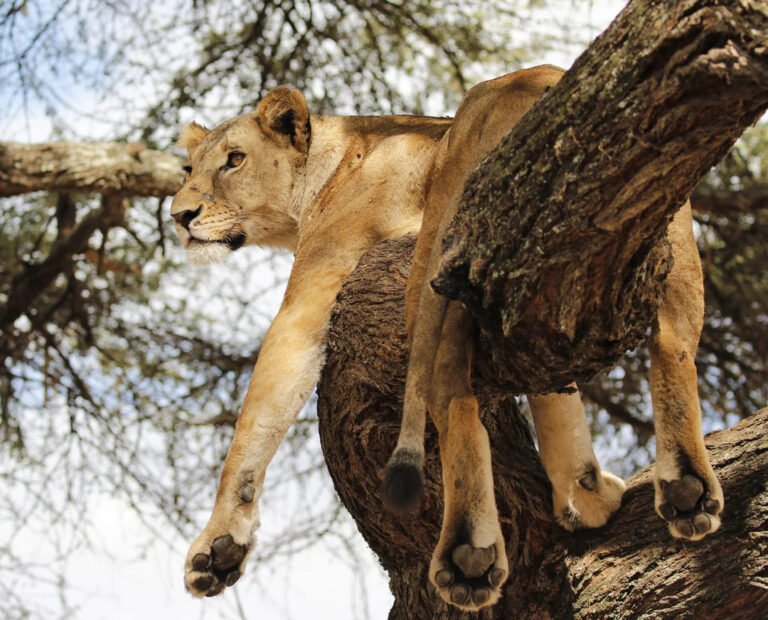
Dec 25, – 5 Day Christmas Tanzania Group Joining Safari 2026
Celebrate Christmas in the heart of the Tanzanian wilderness. Join our 5-day group safari departing December 25, 2026, and experience the iconic Northern Circuit.
View package detailsDec 18, – 9 Day Tanzania Wildlife And Cultural Group Safari 2026
A deep look at our 9-day wildlife and cultural group safari departing December 18, 2026. This trip balances classic Northern Circuit game viewing with genuine cultural engagement.
View package detailsDec 14, – 7 Day Complete Tanzania Northern Circuit Group Safari 2026
Planning for December 2026? Join our 7-day complete Tanzania Northern Circuit group safari. A deep look at the Serengeti, Ngorongoro, and Tarangire with expert, locally-led logistics.
View package detailsDec 10, – 5 Day Northern Tanzania Group Joining Safari 2026
A detailed guide to our 5-day Northern Tanzania group joining safari scheduled for December 10, 2026. Learn about the route, group logistics, and how to book your spot.
View package detailsNov 27, – Black Friday Tanzania Group Safari Deals 2026
Discover why group joining safaris are the best way to secure value for your 2027 Tanzania adventure, plus expert advice on route planning and booking.
View package detailsNov 24, – 3 Day Mikumi And Udzungwa Group Safari: Trip Planning Guide 2026
Join our scheduled group departure on November 24, 2026, for a 3-day safari through Mikumi National Park and the Udzungwa Mountains. This guide covers logistics, park highlights, and what...
View package detailsNo related package matches those filters. Clear one or more filters to see the other topic-matched options.