Yes, you should absolutely expect to pay extra for Ngorongoro Crater fees. These are mandatory government charges, separate from your general park entry fees and safari package price, levied by the Ngorongoro Conservation Area Authority (NCAA). Understanding these specific costs is crucial for accurate 2026-2027 safari budgeting, as they can significantly influence the overall expense of visiting this unique World Heritage Site.
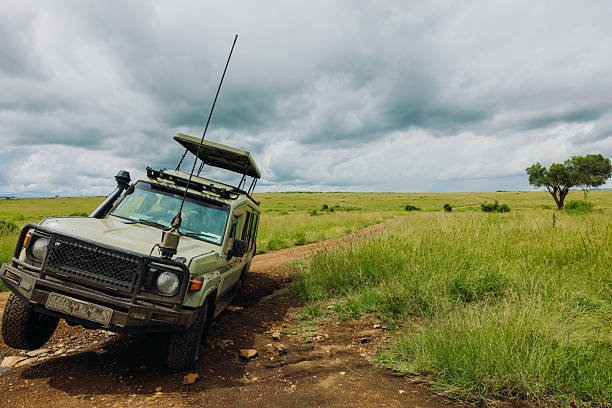
Understanding Ngorongoro Crater Fees: What You Need to Know
The Ngorongoro Crater, a UNESCO World Heritage Site, is a jewel in Tanzania’s crown. Its caldera boasts an unparalleled concentration of wildlife, making it a must-visit for any safari-goer. However, its protected status and unique management structure mean that visiting incurs specific fees beyond the standard national park entry. For travelers planning their adventure in 2026 or 2027, grasping these charges upfront is essential for a smooth and budget-friendly experience. These fees are not optional; they are a fundamental part of conservation efforts and management within the Ngorongoro Conservation Area (NCA).
When you book a safari that includes the Ngorongoro Crater, the tour operator will typically quote you a price that covers most aspects of your trip: accommodation, vehicle, guide, fuel, and often general park fees for surrounding areas. However, the Ngorongoro Crater fees are often itemized separately or clearly stated as an additional charge. This transparency is key, as these fees are substantial and directly support the protection of this incredible ecosystem.
The primary fees you’ll encounter are:
- Crater Service Fee: This is a per-vehicle fee charged for each entry into the crater.
- Per Person Fee: A daily fee charged for each individual entering the Ngorongoro Conservation Area, which includes the crater.
- Conservation Fee: A separate fee that contributes to the overall management and conservation efforts within the NCA.
- Road Access Fee: Sometimes bundled or listed separately, this covers the use of the roads within the crater.
It’s important to note that these fees are subject to change, though significant alterations are usually announced well in advance. For planning purposes in 2026-2027, always confirm the latest rates with your tour operator. They are the best source for up-to-date pricing and will ensure these are factored into your safari itinerary and quotation.
The Breakdown: Specific Ngorongoro Crater Charges
Delving deeper into the actual costs, the Ngorongoro Crater fees are structured to reflect the unique value and management requirements of the area. For travelers in 2026 and 2027, expect these charges to be levied based on vehicle type, number of occupants, and duration of stay. The Ngorongoro Conservation Area Authority (NCAA) sets these rates, and they are non-negotiable.
Crater Service Fee (Per Vehicle)
This is a significant component of the Ngorongoro Crater fees. It’s charged per vehicle for each 24-hour period or part thereof that the vehicle spends inside the crater floor. The purpose is to manage the impact of vehicles on the fragile ecosystem and to contribute to the operational costs of patrolling and maintaining the crater area. For a standard safari vehicle carrying up to six passengers, this fee is a fixed amount. Larger groups or specialized vehicles might incur different rates. This fee is applied once per day you descend into the crater. If you spend a full day and then exit and re-enter the next morning, you might be charged twice, depending on the exact timing and NCAA regulations.
Per Person Fee (Daily Conservation Fee)
In addition to the vehicle fee, each person entering the Ngorongoro Conservation Area (which encompasses the crater) is charged a daily fee. This fee contributes directly to the conservation initiatives, anti-poaching efforts, community development projects within the NCA, and the general upkeep of the area. This is a standard charge for all visitors, whether you are on a game drive within the crater itself or elsewhere within the vast NCA boundaries. For a typical 2026-2027 safari, this means budgeting for this per-person cost for every day you are within the NCA.
Road Access Fee (if applicable)
Sometimes, a specific road access fee is mentioned, though it’s often consolidated into the other charges. This fee covers the maintenance and usage of the roads leading down to and around the crater floor. Given the steepness and the volume of traffic, road upkeep is a constant necessity, and this fee helps fund those efforts.
What These Fees Typically Cover
It’s crucial to understand that these Ngorongoro Crater fees are not arbitrary. They are meticulously calculated to cover:
- Wildlife Conservation and Anti-Poaching: Funding ranger patrols, monitoring wildlife populations, and protecting endangered species.
- Habitat Management: Maintaining the delicate balance of the ecosystem, including managing water sources and vegetation.
- Infrastructure Development and Maintenance: Upkeep of roads, signage, and visitor facilities within the NCA.
- Research and Monitoring: Supporting scientific studies to better understand and protect the area’s biodiversity.
- Community Engagement: Projects aimed at fostering positive relationships with local communities and ensuring they benefit from tourism, which in turn encourages conservation.
When you pay these Ngorongoro Crater fees, you are directly contributing to the preservation of one of the planet’s most extraordinary natural wonders. For 2026-2027 travelers, this direct impact can add a layer of meaning to their safari experience.
How Ngorongoro Crater Fees Impact Your 2026-2027 Safari Budget
The question of whether to expect extra Ngorongoro Crater fees is fundamentally about budgeting. These charges can add a significant amount to the total cost of a Tanzania safari, particularly for longer trips or those focusing heavily on this region. As a rough guide for 2026-2027 planning, these fees can add anywhere from $150 to $300+ per person to the overall safari cost, depending on the number of days spent in the crater and the specific vehicle arrangements. This is in addition to general park fees for other reserves like Serengeti.
Factoring Fees into Your Package
Reputable tour operators, like Climb 4 Africa, will be upfront about these costs. When you receive a quotation for your 2026-2027 safari, look for a clear breakdown. Some operators might include these fees within the total package price for simplicity, while others will list them as separate, mandatory inclusions. Either way, ensure you understand the total amount dedicated to crater access.
Why the Separation?
- Transparency: It allows you to see exactly where your money is going and understand the value of the Ngorongoro experience.
- Variable Itineraries: Some travelers might choose to spend one day in the crater, while others might opt for two shorter visits or spend more time in the wider NCA. Separating the fees allows for more flexible pricing based on actual usage.
- Government Mandate: These are government-imposed fees, and operators are obligated to collect them and pass them on.
Cost Comparison: Crater vs. Other Parks
It’s worth noting that Ngorongoro Crater fees are generally higher than standard park entry fees in many other Tanzanian national parks. This reflects its unique status as a conservation area with a high concentration of wildlife and the associated management costs. While Serengeti National Park has its own substantial fees, the Ngorongoro Crater often has a separate, distinct fee structure for crater floor access.
For instance, a typical 2026-2027 safari might include:
- Serengeti National Park: Per person per day fee + per vehicle per day fee.
- Ngorongoro Conservation Area: Per person per day fee + Crater Service Fee (per vehicle, per entry).
This distinction is why it’s so important to ask your tour operator for a detailed breakdown of all park and conservation fees, specifically clarifying the Ngorongoro Crater fees, to avoid surprises.
Budgeting Tip for 2026-2027: Always add a buffer of 10-15% to your initial safari quote to account for any unforeseen minor costs or potential minor fee adjustments. However, for the specific Ngorongoro Crater fees, ensure these are clearly communicated and included in your final quote.
Navigating the Logistics: When Are Fees Paid?
Understanding when and how the Ngorongoro Crater fees are paid is part of ensuring a smooth safari experience in 2026-2027. Tour operators handle the bulk of this administrative process, but knowing the timeline helps manage expectations.
Included in Your Safari Package
The most common and convenient method is for your tour operator to include the Ngorongoro Crater fees within the overall safari package price. This means that when you make your final payment for the trip, these costs are already covered. The operator then handles the payment to the NCAA on your behalf, typically before your arrival or at the park gate. This is the preferred method for most travelers as it simplifies logistics on the ground.
What to Confirm: When reviewing your quote from Climb 4 Africa or any other operator, look for explicit mention of ‘Ngorongoro Crater fees’ or ‘NCAA fees’ in the inclusions list. If it’s not itemized separately, ensure the total package price reflects these mandatory charges. A good operator will always clarify this.
Payment at the Gate
In some cases, especially with very last-minute bookings or if specific itinerary changes occur, you might be asked to pay some park fees directly at the gate. While less common for Ngorongoro Crater fees when booked through a reputable agency, it’s not entirely unheard of. This would typically involve your guide arranging payment with cash or sometimes a card machine, though card machines can be unreliable in remote areas.
Caution for 2026-2027: Relying on paying fees at the gate, especially for Ngorongoro Crater, is generally not recommended. It can cause delays, and there’s always a risk of technical issues with payment systems. It’s far more reliable to have these costs pre-paid by your tour operator as part of your package.
Tour Operator’s Role
Your tour operator acts as your intermediary with the NCAA. They have established accounts and processes for paying these fees efficiently. They understand the required documentation and payment procedures, which can be complex for individual travelers. For example, Climb 4 Africa, with its local expertise, ensures that all necessary permits and fees for your 2026-2027 safari are handled smoothly, allowing you to focus on the incredible wildlife viewing.
Key Action: Before confirming your booking for a 2026-2027 safari, ask your tour operator: “Are the Ngorongoro Crater fees explicitly included in my quote, or will they be an additional cost payable separately?”
Understanding the Ngorongoro Conservation Area vs. National Park Distinction
A common point of confusion for travelers planning their 2026-2027 Tanzanian adventures is the difference between a National Park and a Conservation Area, particularly concerning fees. The Ngorongoro Conservation Area (NCA) is unique in that it’s managed differently from, say, the Serengeti National Park. This distinction directly affects the fee structure.
The Integrated Approach of the NCA
Unlike national parks, which are primarily focused on wildlife conservation and tourism, the Ngorongoro Conservation Area is a multi-use area. It is the only protected area in Tanzania where conservation and human habitation coexist. Indigenous Maasai people live within the NCA, practice traditional pastoralism, and are integral to the area’s cultural landscape. This dual mandate—protecting wildlife while also accommodating human populations—necessitates a different management strategy and, consequently, a different fee structure.
The Ngorongoro Crater fees are a reflection of this complex management. The fees collected are not solely for wildlife protection but also contribute to managing the interactions between humans and wildlife, supporting local communities, and maintaining the cultural heritage of the Maasai people. This is why you’ll find both conservation fees (per person, per day) and service/access fees (per vehicle) that are distinct from typical national park entry charges.
Why This Matters for Your 2026-2027 Safari
When you book a safari that includes the Serengeti and the Ngorongoro Crater, you will likely encounter separate fee structures. Your tour operator will need to account for:
- Serengeti National Park fees: Standard park entry fees per person, per day, and per vehicle, per day.
- Ngorongoro Conservation Area fees: Per person, per day conservation fees applicable to the entire NCA, plus the specific Ngorongoro Crater fees for descending onto the crater floor.
This means that a day spent within the Ngorongoro Conservation Area but not descending into the crater might only incur the standard NCAA per-person fee. However, the moment your vehicle drives down the steep escarpment onto the crater floor, the additional Crater Service Fee (per vehicle) and potentially specific road access charges kick in.
Implications for Itinerary Planning
Understanding this distinction is vital for planning your 2026-2027 safari itinerary and budget. For example:
- A safari spending a full day on the crater floor will incur the highest Ngorongoro Crater fees.
- A safari that drives through the NCA but only stays on the rim or visits other parts of the NCA (like Olduvai Gorge) might incur different or fewer fees compared to a full crater descent.
- Travelers often combine a visit to the Ngorongoro Crater with a stay in the nearby Serengeti. The fees for each are separate and must be accounted for.
Climb 4 Africa specializes in creating smooth itineraries that clearly outline these different fee structures. When discussing your 2026-2027 safari plans, we can provide a detailed breakdown of how fees apply to each location, ensuring you have a clear picture of the total cost.
Avoiding Surprises: What to Confirm Before Booking for 2026-2027
To ensure you’re not caught off guard by unexpected charges, particularly regarding Ngorongoro Crater fees, proactive communication with your tour operator is key. This diligence will pay off for your 2026-2027 travel plans.
Request a Detailed Itinerary and Fee Breakdown
Don’t settle for a lump-sum price. Ask for a document that clearly itemizes:
- Daily park entry fees for each park visited (e.g., Serengeti, Tarangire).
- Ngorongoro Conservation Area fees (per person, per day).
- Ngorongoro Crater Service Fee (per vehicle, per day/entry).
- Any other specific conservation or access fees.
This level of detail ensures transparency and helps you understand the true value of your safari package.
Clarify What’s Included in Your Quote
When you receive a quotation from a company like Climb 4 Africa, scrutinize the ‘Inclusions’ and ‘Exclusions’ sections carefully. Ensure that all mandatory Ngorongoro Crater fees are listed under ‘Inclusions’. If they are listed under ‘Exclusions’, you know this is an additional cost you’ll need to budget for separately.
Key Questions to Ask:
- “Are the Ngorongoro Crater fees included in the quoted price?”
- “If not, what is the estimated total for these fees for my specific itinerary (mention number of days/nights)?”
- “What is the daily per-person conservation fee for the Ngorongoro Conservation Area?”
- “What is the per-vehicle fee for entering the Ngorongoro Crater itself?”
Understand the Fee Structure for Your Group Size
The per-vehicle fees for the Ngorongoro Crater are often based on standard safari vehicles accommodating up to 6 passengers. If you are traveling with a larger group or require a different vehicle setup for 2026-2027, confirm if this impacts the fees. While the per-person fee scales with your group size, the vehicle fee might be fixed or change depending on vehicle type.
Ask About Potential Fee Changes
While major fee changes are uncommon without notice, it’s wise to inquire about the possibility of any adjustments between booking and travel, especially for trips planned far in advance for 2027. Reputable operators will absorb minor fluctuations or clearly communicate any necessary price revisions due to official fee increases.
Consider the Timing of Your Visit (2026-2027)
While the Ngorongoro Crater fees themselves don’t typically vary by season, the overall cost of your safari might. High season (typically June-October and December-February) often sees higher prices for accommodation and sometimes flights. Booking your 2026-2027 safari during the shoulder seasons can offer better value while still providing excellent wildlife viewing opportunities.
Booking with Confidence: When you engage with Climb 4 Africa for your 2026-2027 Tanzanian adventure, we prioritize clear communication. We will provide you with a comprehensive quote detailing all mandatory fees, including the specific Ngorongoro Crater fees, so you can budget accurately and travel with peace of mind. You can reach us via WhatsApp at +255 747 477 898 or email at climb4africa@gmail.com to discuss your specific requirements.
Maximizing Your Ngorongoro Crater Experience (and Value)
Knowing that you have to pay extra for Ngorongoro Crater fees is one thing; ensuring you get the most out of that investment is another. For your 2026-2027 safari, here’s how to maximize both the experience and the value derived from these mandatory charges.
Strategic Itinerary Planning
The Ngorongoro Crater is best experienced with a full day’s game drive. The fees are often structured on a 24-hour basis, so a full day allows you to descend early, spend ample time exploring the diverse habitats on the crater floor, and ascend in the late afternoon. Splitting this into two shorter visits might incur the vehicle fee twice, potentially costing more without necessarily adding significantly to the sightings, unless your itinerary demands it for logistical reasons.
Example for 2026-2027: A typical 7-day Northern Circuit safari might allocate one full day to the Ngorongoro Crater. This allows for exploration of the crater floor in the morning and early afternoon, followed by a visit to an optional cultural boma or a scenic drive along the crater rim before exiting the NCA. This maximizes the value of the per-vehicle fee by utilizing the full day effectively.
Choosing the Right Time of Day
While the Ngorongoro Crater fees are fixed regardless of the time of day you enter, the wildlife viewing experience certainly varies. Early morning (starting around 6:30 AM) offers the best chances for predator sightings as they are often still active from their nocturnal hunts. The light is also beautiful for photography. As the day progresses, especially during the hotter midday hours, animals may retreat to the shade of the forests or waterholes. Therefore, planning your descent to coincide with the cooler, more active parts of the day is crucial for maximizing sightings within your paid time.
Working with Experienced Guides
A skilled guide is invaluable in the Ngorongoro Crater. They know the best spots for sightings, understand animal behavior, and can navigate the crater floor efficiently to make the most of your game drive time. They are also adept at spotting animals that might otherwise be missed. For your 2026-2027 trip, ensure your operator provides guides who are not only knowledgeable about general wildlife but specifically experienced within the Ngorongoro ecosystem.
Local Expertise Matters: Guides from local companies like Climb 4 Africa often have decades of experience within the NCA. They understand the nuances of the crater, the best times to visit specific areas, and how to interpret the landscape for optimal wildlife viewing. This expertise ensures you get the best possible return on your investment in the Ngorongoro Crater fees.
Understanding the Crater’s Unique Ecosystem
The Ngorongoro Crater is an ecological island. Its sheer walls mean that animals largely stay within the crater, creating an environment with one of the highest densities of wildlife in Africa. You can expect to see lions, elephants, buffalo, rhinos (though sightings are rare and require luck), hippos, hyenas, and a vast array of plains game like wildebeest, zebras, gazelles, and warthogs, all within a relatively small area. Birdlife is also abundant.
Appreciating this unique concentration of wildlife enhances the value of the fees paid. Knowing that you’re in a place where seeing the ‘Big Five’ (though rhinos are notoriously elusive) is a distinct possibility within a single day makes the expenditure feel justified.
Combine with Other NCA Attractions
While the crater is the main draw, the wider Ngorongoro Conservation Area offers other points of interest that can add value to your visit and justify the daily conservation fees. These include:
- Olduvai Gorge: A significant paleoanthropological site, often called the ‘Cradle of Mankind’.
- Maasai Bomas: Opportunities to visit traditional Maasai villages and learn about their culture (ensure this is arranged ethically and respectfully).
- Empakai Crater and Ol Doinyo Lengai: For the more adventurous, hiking opportunities exist, though these often require separate arrangements and permits.
Including some of these elements can enrich your 2026-2027 safari experience and make the overall cost of visiting the NCA feel more comprehensive.
Planning Your 2026-2027 Tanzania Safari with Clarity on Ngorongoro Crater Fees
Ultimately, the question “Should I expect to pay extra for Ngorongoro Crater fees?” is answered with a definitive yes. These are essential, non-negotiable charges that contribute to the preservation of one of Africa’s most spectacular natural wonders. For travelers planning their safari for 2026 or 2027, understanding these costs upfront is crucial for accurate budgeting and a stress-free journey.
The fees are typically composed of a per-person daily conservation charge for the Ngorongoro Conservation Area and a per-vehicle service fee for descending onto the crater floor. These charges, set by the Ngorongoro Conservation Area Authority (NCAA), are vital for funding wildlife protection, habitat management, and community support initiatives within this unique multi-use area.
Key Takeaways for 2026-2027 Planning:
- Mandatory Costs: Ngorongoro Crater fees are always extra and not usually included in basic safari package prices unless explicitly stated.
- Budget Accordingly: Factor in approximately $150-$300+ per person for these specific fees, depending on itinerary duration.
- Seek Transparency: Always request a detailed breakdown of all costs from your tour operator, clearly showing park fees, conservation fees, and Ngorongoro Crater service fees.
- Leverage Local Expertise: Companies like Climb 4 Africa are adept at managing these logistics, ensuring all fees are handled correctly and transparently as part of your safari package.
By approaching your 2026-2027 safari planning with a clear understanding of the Ngorongoro Crater fees, you can make informed decisions, avoid unexpected expenses, and fully experience the magic of this unparalleled wildlife destination. We are here to help you craft the perfect Tanzanian adventure, ensuring every detail, including all necessary fees, is clear and accounted for.
Ready to plan your unforgettable Tanzania safari in 2026 or 2027? Get in touch with Climb 4 Africa today to receive a personalized itinerary and a transparent quote that includes all relevant Ngorongoro Crater fees and other essential costs. Contact us via WhatsApp at +255 747 477 898 or send an email to climb4africa@gmail.com. Let us handle the details so you can focus on the adventure.
“,
“faq_schema”: [
{
“question”: “Are Ngorongoro Crater fees included in most safari packages?”,
“answer”: “Generally, no. While reputable tour operators will clearly state this, Ngorongoro Crater fees are usually considered an additional cost on top of the base safari package price. They are mandatory government charges managed by the Ngorongoro Conservation Area Authority (NCAA) and are often itemized separately for transparency. Always confirm with your operator for your 2026-2027 booking.”
},
{
“question”: “What exactly do Ngorongoro Crater fees cover?”,
“answer”: “These fees contribute to vital conservation efforts within the Ngorongoro Conservation Area (NCA). This includes wildlife protection, anti-poaching initiatives, habitat management, research, infrastructure maintenance (like roads), and supporting the local Maasai communities who coexist within the area. The fees ensure the long-term preservation of this unique World Heritage Site for future generations.”
},
{
“question”: “How much should I budget for Ngorongoro Crater fees for a 2026-2027 safari?”,
“answer”: “For a typical 2026-2027 safari, you should expect to budget approximately $150 to $300+ per person for the mandatory Ngorongoro Crater fees. This includes the per-person daily conservation fee for the NCA and the per-vehicle service fee for entering the crater floor. The exact amount depends on the number of days spent in the crater and the specific vehicle arrangements.”
},
{
“question”: “When are Ngorongoro Crater fees paid?”,
“answer”: “Most commonly, your tour operator will include these fees in your total safari package price, handling the payment to the NCAA on your behalf. This is the most convenient method. Less commonly, and often only for last-minute bookings, you might be asked to pay at the park gate, but it’s best to confirm pre-payment with your operator for a smoother experience in 2026-2027.”
},
{
“question”: “Is the Ngorongoro Crater a National Park or a Conservation Area, and how does this affect fees?”,
“answer”: “The Ngorongoro Crater is part of the Ngorongoro Conservation Area (NCA), not a national park. The NCA is unique because it allows human habitation (primarily Maasai people) alongside wildlife conservation. This multi-use status leads to a distinct fee structure, including per-person daily conservation fees for the NCA and specific per-vehicle fees for crater floor access, which differ from standard national park fees.”
}
]
}
“`
Check Availability for Should I Expect To Pay Extra For Ngorongoro Crater Fees? 2026-2027
Ready to compare dates, prices, and the best option for your group? Send the package name and travel month so the team can reply with a clear quote, availability, and what is included.
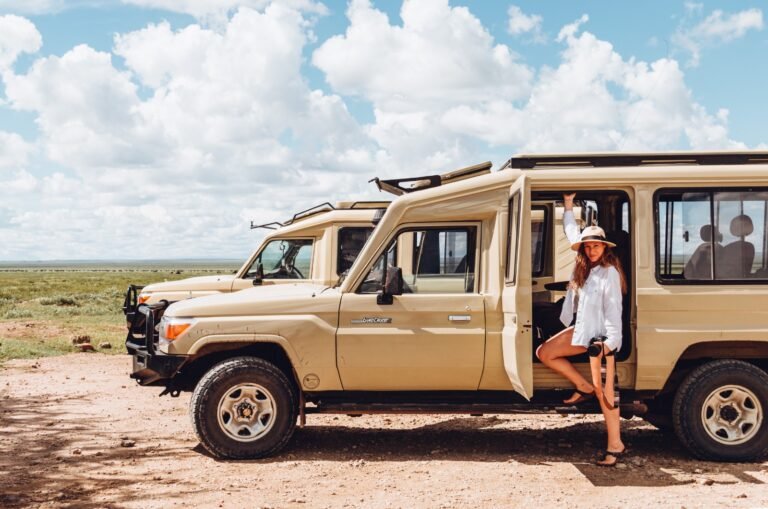
Oct 25, – 1 Day Ngorongoro Crater Group Safari From Moshi 2026
A detailed guide to organizing a one-day group safari to the Ngorongoro Crater starting from Moshi, specifically focusing on the logistics for October 25, 2026.
View package details
Nearest Airport To Ngorongoro Crater: Logistics & Planning For 2026-2027
A practical guide to reaching the Ngorongoro Conservation Area, covering the vital difference between international gateways and local airstrips for your 2026-2027 safari itinerary.
View package details
Four Day Serengeti na Ngorongoro Safari During AFCON 2027
Mwongozo wa safari ya siku 4 kwenye Serengeti na Ngorongoro wakati AFCON 2027; jinsi ya kupanga, nini cha kujali, na jinsi ya kuandaa,”
View package details
Afcon Kilimanjaro Ngorongoro And Zanzibar Holiday
AFCON 2027 Kilimanjaro Ngorongoro and Zanzibar Holiday.
View package details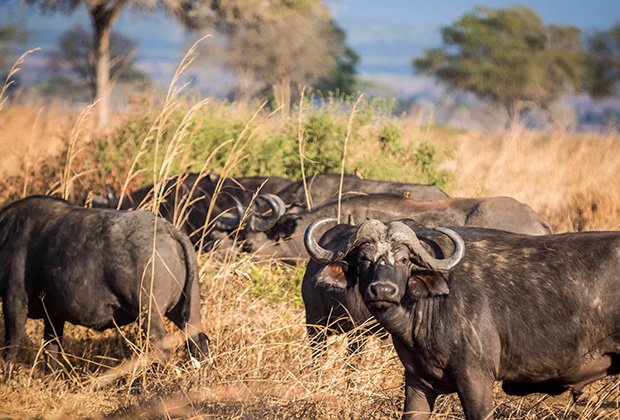
Dec 24, – 3 Day Christmas Serengeti And Ngorongoro Group Safari
Dec 24, 2026 – 3 Day Christmas Serengeti and Ngorongoro Group Safari.
View package details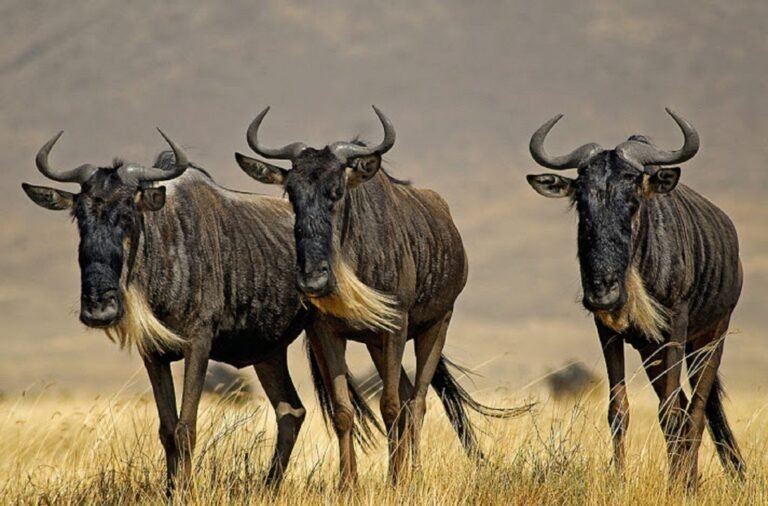
Nov 23, – 3 Day Serengeti And Ngorongoro Safari From Zanzibar
Nov 23, 2026 – 3 Day Serengeti and Ngorongoro Safari from Zanzibar.
View package details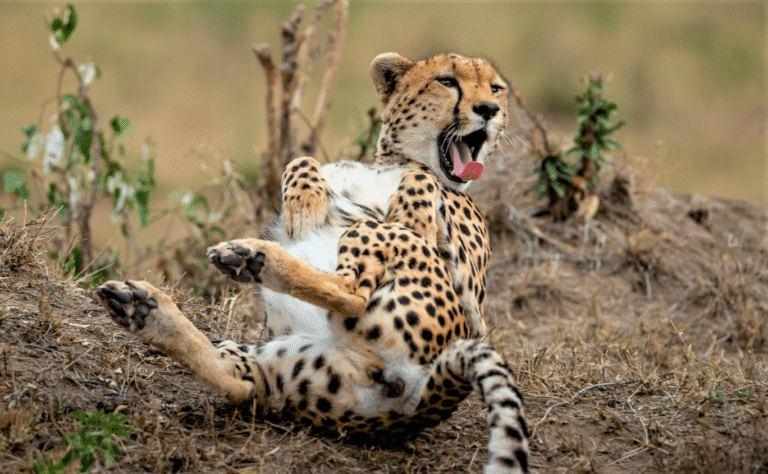
Dec 29, – 6 Day Ndutu, Serengeti And Ngorongoro Group Safari 2026
A detailed guide to our 6-day group safari departure on December 29, 2026, focusing on the Ndutu plains, the Serengeti, and the Ngorongoro Crater.
View package details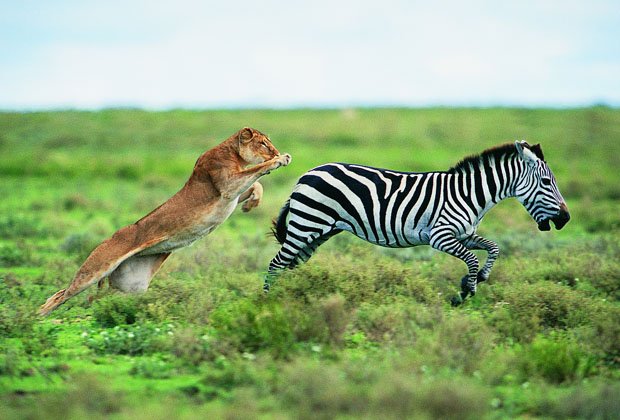
Dec 28, – 5 Day Ndutu Migration And Ngorongoro Group Safari 2026
Join a small group for a 5-day safari departing December 28, 2026, targeting the Ndutu region for the start of the calving season and the Ngorongoro Crater.
View package details8 Day Serengeti And Ngorongoro Group Safari – December 16, 2026
Planning your December 2026 Tanzanian adventure? Our 8-day group safari offers a deep, unhurried exploration of the Serengeti and Ngorongoro Crater.
View package details
Dec 12, – 6 Day Serengeti, Ngorongoro, Tarangire And Manyara Group Safari 2026
Dec 12, 2026 – 6 Day Serengeti, Ngorongoro, Tarangire and Manyara Group Safari.
View package detailsDec 8, – 4 Day Tarangire, Serengeti And Ngorongoro Group Safari 2026
A detailed guide to our December 8, 2026 group joining safari, covering the itinerary, logistics, and what to expect during this 4-day wildlife adventure in Tanzania.
View package detailsDec 6, – 3 Day Tarangire, Lake Manyara And Ngorongoro Group Safari 2026
Dec 6, 2026 – 3 Day Tarangire, Lake Manyara and Ngorongoro Group Safari.
View package detailsNo related package matches those filters. Clear one or more filters to see the other topic-matched options.