
Yes, most reputable Tanzania safari packages, especially those from established operators like Climb 4 Africa, do include national park entry fees. This is a critical component of safari costs, and while some budget operators might exclude them to appear cheaper upfront, it’s far more common and practical for comprehensive packages to cover these daily conservation charges. When planning for 2026 or 2027, always confirm this detail explicitly in your itinerary and quote, as park fees represent a significant portion of the overall safari expense.

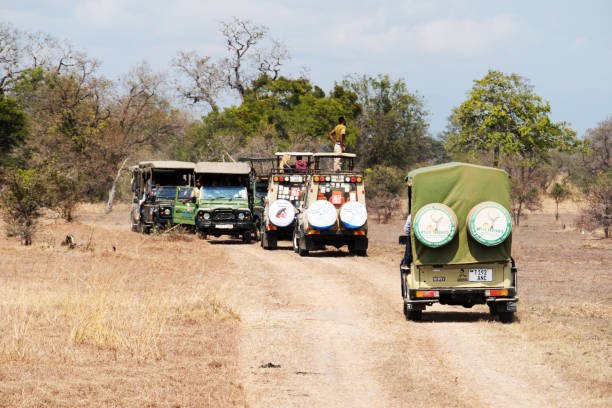
Understanding Tanzania’s National Park Fees: The Foundation of Your Safari Cost
Tanzania boasts an incredible array of protected areas, from the iconic Serengeti and Ngorongoro Conservation Area to the vast Selous Game Reserve (now Nyerere National Park) and the more remote Ruaha. Each of these destinations charges entry and conservation fees, which are fundamental to funding wildlife protection, anti-poaching efforts, infrastructure maintenance, and community development programs within these vital ecosystems. For any traveler embarking on a Tanzanian safari, understanding these fees is not just about budgeting; it’s about appreciating the direct contribution your visit makes to preserving these natural wonders for future generations, including those planning trips in 2026 and 2027.
These fees are collected by the Tanzania National Parks Authority (TANAPA) for national parks and the Ngorongoro Conservation Area Authority (NCAA) for the Ngorongoro Crater and its surroundings. They are typically levied on a per-person, per-24-hour basis. This means that if your safari itinerary involves spending multiple days within the same park, you will incur the daily fee for each day you are inside the park boundaries. For example, a 3-day safari in the Serengeti will incur three days of park fees for each person.
The specific amounts vary significantly between parks and conservation areas. For instance, the Serengeti National Park generally has a higher daily fee than a less-visited park. The Ngorongoro Crater, being a unique and highly protected ecosystem, also has its own set of fees, which can include crater service fees in addition to conservation fees. These rates are subject to change, and it’s crucial for tour operators to stay updated on the latest fee structures to provide accurate quotes for 2026-2027 safaris.
When you book a safari package, the tour operator essentially pre-pays these fees on your behalf as part of the overall tour cost. This simplifies the logistics for you on the ground, allowing you to focus on the wildlife viewing experience rather than managing individual payments at park gates, which can sometimes be time-consuming or require specific currency. The transparency of whether these fees are included is a hallmark of a well-organized and reputable safari operator.
Inclusion vs. Exclusion: Why Park Fees Matter in Safari Packages
The crucial question of whether Tanzania park fees are included in a safari package boils down to the operator’s pricing philosophy and the type of package offered. For most comprehensive, mid-range to luxury safari packages, including park fees is the standard practice. This approach offers several key advantages for travelers:
- Budget Predictability: When park fees are included, you have a much clearer picture of your total safari cost upfront. This reduces the risk of unexpected expenses arising during your trip, which is especially important for travelers planning their finances well in advance for 2026 or 2027 adventures.
- Simplified Logistics: Safari operators handle the payment of these fees, often with pre-arranged accounts or by making payments at park entry points. This means you don’t need to carry large amounts of cash (often USD) to pay daily at park gates, which can be inconvenient and raise security concerns.
- Fairer Comparison: When comparing quotes from different tour operators, a package that includes park fees allows for a more direct comparison of the services and quality offered. If park fees are excluded, a seemingly lower price might actually become more expensive once these significant costs are added.
- Focus on the Experience: With park fees handled, you can fully experience the safari experience without the administrative burden of tracking and paying multiple fees for different parks and days.
However, there are scenarios where park fees might be quoted separately:
- Ultra-Budget Operators: Some operators, particularly those catering to backpackers or offering extremely low-cost options, may exclude park fees to present a headline price that looks very attractive. This strategy often requires travelers to pay these fees directly, sometimes in cash, adding a layer of complexity and potential for hidden costs if not clearly communicated.
- Customized/DIY Itineraries: If you are arranging a highly customized or self-drive safari where you have significant control over your movements and accommodation choices, you might be expected to manage park fee payments yourself. However, this is less common for traditional guided safaris in Tanzania.
- Specific Package Types: Very occasionally, a package might be designed to offer maximum flexibility, allowing travelers to choose which parks they visit, with fees then calculated based on the actual itinerary. This is rare for standard Tanzanian wildlife safaris.
For the vast majority of travelers seeking a well-organized and stress-free safari in 2026 or 2027, the expectation should be that park fees are included. A reputable operator will clearly state this in their inclusions list. If it’s not explicitly mentioned, it’s a red flag that warrants further inquiry.
How Tanzania Park Fees Are Calculated: Daily Rates and Park Types
The calculation of park fees in Tanzania is primarily based on a per-person, per-24-hour system, but the exact amounts and specific charges depend on the type of park or conservation area you visit and your nationality. Generally, international tourists pay higher fees than East African residents or Tanzanian citizens. For most international visitors planning safaris in 2026 or 2027, you will be subject to the international tourist rates.
Here’s a breakdown of the common fee structures:
- National Parks (TANAPA): Parks like the Serengeti, Tarangire, Lake Manyara, Mikumi, Saadani, and Ruaha fall under TANAPA. The standard fee for international tourists is typically around $60 USD per person per day. However, this can vary; for example, some highly popular or unique areas might have slightly different rates.
- Ngorongoro Conservation Area (NCAA): This area has a more complex fee structure. International tourists usually pay a conservation fee of around $70 USD per person per day. In addition to this, there is a separate vehicle fee (per vehicle, per day) and, crucially, a Crater Service Fee of $300 USD per vehicle for entry into the Ngorongoro Crater itself. This crater fee is a significant cost and is often bundled into packages.
- Other Protected Areas: Areas like Selous Game Reserve (now Nyerere National Park) and other game reserves might have different fee structures, often around $30-$50 USD per person per day, plus vehicle fees.
- Camping Fees: If your safari includes camping inside the parks (public campsites or special campsites), there will be additional daily camping fees per person. These can range from $10-$60 USD or more depending on the type of campsite.
- Special Permits: Certain activities, like walking safaris in designated areas or fly camping, may require special permits and associated fees.
Important Considerations for 2026-2027 Planning:
- Fee Adjustments: Park fees are subject to change, usually annually. Operators should be aware of and quote based on the most current rates applicable for your travel dates in 2026 or 2027. It’s wise to check if the quote is based on current rates or if there’s a clause about potential increases.
- 24-Hour Rule: The ‘per 24-hour’ rule means that if you enter a park at 10 AM on Monday and leave at 11 AM on Tuesday, you will be charged for two days. This is standard practice and generally assumed in package pricing.
- Park Boundaries: Operators must be precise about when park fees commence. Usually, they start from the first day you enter a national park or conservation area and end on the day you exit. Days spent entirely in towns like Arusha or Moshi, or traveling between destinations without entering a park, are not subject to park fees.
Understanding these nuances helps explain why safari costs can fluctuate and why a package that includes these fees offers significant value and peace of mind.
Factors Influencing Safari Package Prices Beyond Park Fees
While Tanzania park fees are a substantial component, they are by no means the only factor determining the overall cost of a safari package. Reputable operators carefully balance multiple elements to create a comprehensive and enjoyable experience. When evaluating quotes for 2026 or 2027 safaris, consider these other significant cost drivers:
- Accommodation Level: This is arguably the largest variable after park fees. Options range from basic public campsites (cheapest) to mid-range tented camps, luxury lodges, and exclusive tented suites. The quality of amenities, service, location, and exclusivity directly impacts the price.
- Vehicle Type and Quality: The type of safari vehicle used (e.g., 4×4 Land Cruiser vs. Land Rover, open-sided vs. pop-top roof) and its condition, including regular maintenance and comfort features like charging ports or refrigerators, influence the cost. Private safari vehicles generally command higher prices than shared ones.
- Duration of Safari: Naturally, longer safaris with more days in the parks will incur higher total costs due to accumulated park fees, accommodation, and guide expenses.
- Number of People (Group Size): While park fees are per person, vehicle and guide costs are often spread across the group. This means private safaris for fewer people are more expensive per person than shared safaris or larger private groups. Shared safaris are the most budget-friendly option.
- Guide Expertise and Ratio: Experienced, knowledgeable guides are invaluable. Operators investing in highly trained, English-speaking (or other language) guides who can enhance your wildlife spotting and understanding of the ecosystem often charge more. The number of guides per vehicle also plays a role.
- Itinerary and Parks Visited: Some parks are more logistically challenging or remote to reach (e.g., Ruaha, Katavi), which can increase transportation costs and thus the overall package price. Including a wider range of parks or more remote destinations typically costs more.
- Meals and Drinks: The quality and variety of meals provided, from bush breakfasts to multi-course dinners, and whether drinks (including alcoholic beverages) are included, affect the price.
- Seasonality: Peak seasons (e.g., July-October for the Great Migration, December-February for calving season) often have higher demand and consequently higher prices for accommodation and sometimes even park fees or permits. The shoulder and low seasons can offer better value.
- Operational Costs: This includes fuel, vehicle maintenance, staff salaries, insurance, office overheads, and the operator’s profit margin. Reputable companies with strong local support, fair wages, and robust safety protocols will have higher operational costs.
- Inclusions/Exclusions: Beyond park fees, other inclusions like internal flights, specific activities (e.g., hot air balloon safaris, walking safaris), laundry, tips, and travel insurance significantly alter the final price.
When you receive a quote, it’s essential to look beyond just the headline figure and examine the detailed list of inclusions and exclusions to understand what constitutes the total value of the package for your 2026-2027 safari.
Comparing Operator Policies: What to Expect for 2026-2027 Safaris
As you research safari operators for your 2026 or 2027 trip, you’ll notice variations in how park fees and other core costs are presented. Understanding these differences is key to making an informed decision.
1. Fully Inclusive Packages (Most Common & Recommended):
These are the standard for reputable operators. They aim to cover almost everything from park entry fees, accommodation, meals, a dedicated safari vehicle, and a guide. The goal is a predictable cost for the traveler. For example, a 7-day Northern Circuit safari package quote from a company like Climb 4 Africa would typically list:
- Park fees for Serengeti, Ngorongoro, Tarangire, Lake Manyara
- Crater service fees for Ngorongoro
- Accommodation in chosen lodges/camps
- All meals (breakfast, lunch, dinner)
- A private 4×4 safari vehicle with a pop-top roof
- An experienced English-speaking driver-guide
- Bottled water in the vehicle
- Transfer to/from Kilimanjaro International Airport (JRO) or Arusha airport
What’s usually NOT included: International flights, visa fees, travel insurance, tips for guides and staff, drinks (beyond water), and personal expenses.
2. Partially Inclusive / ‘Build-Your-Own’ Packages:
Less common for standard safaris, these might be offered by some operators focusing on budget or very specific niche travel. Park fees might be listed as an ‘add-on’ or payable directly by the client. This approach requires more active management from the traveler.
Example of how it might be presented:
* Safari Package Price (excluding park fees): $X per person
* Estimated Park Fees: $Y per person (based on itinerary)
* Total Estimated Cost: $X + $Y
Travelers opting for this must be diligent in confirming the exact park fee amounts and payment methods. They might be asked to pay these fees in USD cash upon arrival or at specific points during the safari.
3. Budget / Camping Safaris:
Even within budget camping safaris, park fees are almost always included. The lower cost comes from using public campsites, simpler meals, and often more basic vehicles or slightly larger group sizes. The inclusion of park fees ensures the core wildlife viewing experience is accessible.
Key Questions to Ask Operators for 2026-2027 Bookings:
- “Are all national park entry fees and conservation fees included in the quoted price for the duration of my safari?”
- “Does the quote include the Ngorongoro Crater Service Fee?”
- “If park fees are not included, what is the estimated total cost for park fees based on my proposed itinerary, and how should I plan to pay them (currency, payment method)?”
- “Are there any other mandatory fees or levies I should be aware of that are not listed in the inclusions?”
By asking these direct questions, you can cut through any ambiguity and ensure you’re comparing apples to apples when choosing your safari provider for 2026 or 2027.
Planning Your Budget: Budgeting for Park Fees and Other Safari Expenses
Accurate budgeting is paramount for a stress-free safari. Since park fees are a significant and often fixed cost, understanding their potential impact is crucial for planning your 2026-2027 trip. While most packages include them, knowing the approximate figures can help you appreciate the value and manage your overall travel expenses.
Estimating Park Fee Costs (for reference, actual rates may vary):
Let’s consider a typical 7-day Northern Circuit safari for two international tourists, visiting:
- Day 1: Tarangire National Park
- Day 2: Serengeti National Park
- Day 3: Serengeti National Park
- Day 4: Serengeti National Park
- Day 5: Ngorongoro Crater (including Crater Service Fee)
- Day 6: Lake Manyara National Park
- Day 7: Travel day / Optional cultural visit
Based on approximate rates (subject to change for 2026-2027):
- Tarangire NP: $60/person/day x 1 day x 2 people = $120
- Serengeti NP: $60/person/day x 3 days x 2 people = $360
- Ngorongoro Conservation Area: $70/person/day x 1 day x 2 people = $140
- Ngorongoro Crater Service Fee: $300/vehicle x 1 vehicle = $300
- Lake Manyara NP: $60/person/day x 1 day x 2 people = $120
Total Estimated Park Fees for this 7-day itinerary (for 2 people): $120 + $360 + $140 + $300 + $120 = $1,040 USD.
This estimate highlights that park fees alone can amount to a substantial portion of a safari cost, especially for shorter trips or for solo travelers where the vehicle cost isn’t shared among many. For a 7-day safari, this is roughly $520 per person in park fees. This demonstrates why operators including them provides significant value.
Beyond Park Fees: Other Budget Considerations:
- Accommodation: A mid-range lodge might cost $200-$400 per person per night, while luxury options can be $500-$1000+ per person per night. Camping is significantly cheaper, around $50-$100 per person per night.
- Guide & Vehicle: A private vehicle and guide can add $200-$400+ per day to the total cost, depending on the operator and vehicle type.
- Meals: While often included, if not, budget $40-$80 per person per day for meals.
- Activities: Hot air balloon safaris ($500-$600 pp), cultural village visits ($30-$50 pp), or optional walking safaris will add to your budget.
- Tips: A common guideline is $20-$30 per day for the driver-guide and $10-$15 per day for camp/lodge staff, per group.
- Miscellaneous: Souvenirs, personal items, extra drinks, and travel insurance.
Budgeting Strategy for 2026-2027:
1. Get Detailed Quotes: Obtain quotes from several reputable operators, ensuring they clearly list what’s included, especially park fees.
2. Calculate Total Cost Per Person: Understand the total price and break it down into components if possible.
3. Factor in Exclusions: Budget separately for international flights, visas, tips, personal expenses, and any optional activities.
4. Contingency Fund: Always keep a small buffer for unforeseen expenses.
By understanding the cost structure, particularly regarding Tanzania park fees, you can better appreciate the value offered by inclusive packages and plan your finances effectively for a memorable safari.
Booking Your Tanzania Safari: What to Confirm About Park Fees
Securing your dream safari for 2026 or 2027 involves meticulous planning and clear communication with your chosen tour operator. Regarding park fees, confirmation is not just a formality; it’s a critical step to avoid misunderstandings and unexpected costs. Here’s a practical guide on what to confirm:
1. Explicit Inclusion in the Itinerary:
Don’t rely on assumptions. When you receive a quote or itinerary, look for a specific line item detailing “National Park Fees,” “Conservation Fees,” or “Entry Fees.” It should clearly state that these are included for all parks mentioned in your itinerary.
* Example wording to look for: “All national park entrance fees, conservation fees, and Ngorongoro Crater Service Fees as per the itinerary are included.”
2. Clarity on Which Fees are Covered:
Ensure the operator specifies which types of fees are included. This is particularly important for the Ngorongoro Conservation Area, which has multiple fee components (conservation fee, crater service fee, vehicle fee). A comprehensive package will cover all of these that apply to your itinerary.
3. Per-Person vs. Per-Vehicle:
Park fees are predominantly per person, per day. However, vehicle fees and specific service fees (like the Ngorongoro Crater fee) are per vehicle. Confirm that the operator has accounted for both types of charges appropriately based on your group size and vehicle.
4. Fee Changes and Price Guarantees:
Park fees can be adjusted by the Tanzanian government. Reputable operators will usually quote based on current rates and may include a clause stating that if fees increase significantly before your travel date (e.g., for 2026-2027 bookings), the price might be adjusted. Always ask about their policy on fee changes.
* Clarification Point: “If park fees are increased by the government after I book, will my quoted price be adjusted? If so, by how much is the typical increase, or do you offer a price guarantee on fees?”
5. Payment Method for Excluded Fees (If Applicable):
In the rare event that park fees are not included, you need absolute clarity on how and when to pay.
* Confirm: “If I need to pay park fees directly, what is the total estimated cost, in what currency (usually USD), and what is the preferred payment method (cash, credit card, mobile payment)?”
* Beware: Operators who insist on cash payments for large, unitemized amounts might be trying to obscure costs or avoid financial tracking. Always ensure you receive official receipts.
6. Operator’s Experience and Reputation:
Choosing an operator with a proven track record, like Climb 4 Africa, significantly reduces the risk of issues with fee inclusions. Experienced operators understand the complexities of park fee structures and build them accurately into their pricing. Check reviews and ask for references.
7. Communication Channel:
Use email for all critical confirmations regarding inclusions, exclusions, and pricing. This creates a written record. For immediate clarification or to discuss your 2026-2027 safari plans, don’t hesitate to reach out via WhatsApp or email.
* Direct Contact: For personalized advice on inclusions and a transparent quote for your 2026-2027 Tanzania safari, contact Climb 4 Africa via WhatsApp +255 747 477 898 or email climb4africa@gmail.com.
By diligently confirming these details, you ensure your safari package aligns with your expectations and budget, allowing you to focus on the incredible wildlife and landscapes that await you.
Alternatives and Considerations: When Fees Might Be Separate
While the overwhelming norm for organized Tanzania safaris is to include park fees within the package price, it’s wise to be aware of situations where this might not be the case, or where alternative arrangements exist. Understanding these nuances helps you navigate the booking process more confidently for your 2026-2027 adventure.
1. Extremely Budget-Focused Tours:
Some operators, particularly those advertising the absolute lowest prices, may opt to exclude park fees to achieve a headline figure that appeals to budget-conscious travelers. In such cases, the operator will typically state this clearly and provide an estimated amount for the traveler to pay directly. This often means carrying a significant amount of USD cash, which carries its own risks (security, finding exact change, potential for unexpected increases).
* Trade-off: Lower upfront package cost vs. carrying cash, managing payments, and potential for surprise fee hikes.
* Recommendation: If considering such a package, ensure the operator provides a detailed breakdown of the expected fees and a clear process for payment. Always confirm the exact amount needed before your trip.
2. Self-Drive or Independent Travel:
If you are arranging a safari in a less conventional way, perhaps combining a rental vehicle with independent lodge bookings, you will almost certainly be responsible for paying park fees directly. This is common in some other African destinations but less so for organized safaris in Tanzania where the infrastructure relies heavily on tour operators.
* Consideration: This route requires significant research into park regulations, fee structures, and the practicalities of payment at various park gates. It’s generally more complex and less common for international tourists seeking a guided experience.
3. Specific Activity-Based Packages:
Occasionally, a tour might be designed around a specific, high-cost activity where park fees are a secondary consideration. For example, a specialized photographic safari focusing on remote areas or a multi-day walking safari might have a structure where fees are itemized. However, even in these cases, reputable operators will still clearly define what is included.
4. Park Fee Increases and Communication:
Even in fully inclusive packages, there’s a possibility of park fee increases between booking and travel, especially for trips booked far in advance for 2026 or 2027. While most operators absorb minor fluctuations, substantial hikes can sometimes lead to price adjustments. Transparency is key here. A good operator will communicate any potential changes proactively.
* What to Ask: “What is your policy regarding government-mandated park fee increases between booking and departure?”
5. Choosing an Operator with Local Expertise:
Operators deeply rooted in Tanzania, like Climb 4 Africa, have established relationships with park authorities and understand the fee system intimately. This local knowledge translates into accurate pricing and smooth logistics. They are best placed to advise on whether fees are included and manage these payments efficiently.
* Benefit: Local operators often have better insights into fee structures and can negotiate or manage them more effectively, passing on that efficiency and certainty to the client.
In summary, while the default expectation for most organized Tanzania safaris should be that park fees are included, being aware of these exceptions and asking the right questions ensures you make an informed booking decision for your 2026-2027 travel plans.
The Climb 4 Africa Approach to Transparency and Inclusions
At Climb 4 Africa, we believe that a successful safari is built on trust, transparency, and meticulous planning. We understand that the cost of a Tanzanian safari can seem complex, with various fees and inclusions to consider. That’s why we are committed to making our pricing as clear and straightforward as possible, particularly concerning the significant cost of national park and conservation fees.
Our Commitment to Inclusion:
For the vast majority of our Tanzania wildlife safari packages, all mandatory national park entry fees, conservation fees, and Ngorongoro Crater Service Fees are fully included in the quoted price. This is not a hidden cost or an optional add-on; it’s a core component of the value we provide. We aim to give you a predictable budget so you can focus on the excitement of your upcoming adventure in 2026 or 2027.
When you receive a detailed itinerary and quote from us, you will find a clear breakdown of what is covered. This includes:
- Daily park fees for all national parks and conservation areas visited (e.g., Serengeti, Ngorongoro, Tarangire, Lake Manyara).
- The Ngorongoro Crater Service Fee (per vehicle).
- Vehicle entry fees where applicable.
- Accommodation in your chosen lodges or tented camps.
- All meals as specified in the itinerary.
- A dedicated, experienced driver-guide.
- A custom-built 4×4 safari vehicle equipped for wildlife viewing.
- Bottled drinking water in the vehicle during game drives.
Why We Include Park Fees:
We understand that park fees represent a substantial portion of the safari cost. By including them, we offer:
- Peace of Mind: You avoid the stress of carrying large sums of cash or managing multiple payments at park gates.
- Budget Certainty: Your quoted price is a reliable estimate of your safari cost, allowing for easier financial planning for your 2026-2027 trip.
- Fair Value: We ensure that the price reflects the true cost of accessing Tanzania’s incredible wildlife heritage, supporting conservation efforts, and providing a high-quality experience.
Handling Fee Adjustments:
We constantly monitor any changes to park fee structures announced by TANAPA and NCAA. While we quote based on current rates, should there be a significant, government-mandated increase in park fees for 2026 or 2027 after you have booked, we will communicate this to you promptly and transparently. Our aim is always to absorb minor fluctuations, but for substantial changes, we will discuss the implications openly.
Personalized Planning and Support:
We encourage you to reach out to us with any questions about inclusions, pricing, or itinerary customization. Our team is dedicated to providing clear, honest advice to help you plan the perfect Tanzanian safari.
Whether you’re dreaming of the Great Migration in the Serengeti, the dense wildlife of Tarangire, or the unique ecosystem of the Ngorongoro Crater, Climb 4 Africa is here to ensure your safari is unforgettable and hassle-free. We handle the complexities so you can cherish the moments.
Ready to Plan Your 2026-2027 Tanzania Safari?
Understanding safari costs, especially Tanzania park fees, is a key part of planning. At Climb 4 Africa, we prioritize transparency and ensure that essential costs like park fees are typically included in our comprehensive safari packages. This allows you to budget with confidence and focus on the incredible wildlife experiences that await you.
Let us help you craft the perfect itinerary. Contact us today to discuss your dream Tanzania safari for 2026 or 2027. We offer expert advice, tailor-made itineraries, and a commitment to exceptional service.
Get in touch:
- WhatsApp: +255 747 477 898
- Email: climb4africa@gmail.com
We look forward to helping you plan an unforgettable African adventure.
Check Availability for Are Tanzania Park Fees Included In Most Safari Packages? A Planning Guide
Ready to compare dates, prices, and the best option for your group? Send the package name and travel month so the team can reply with a clear quote, availability, and what is included.
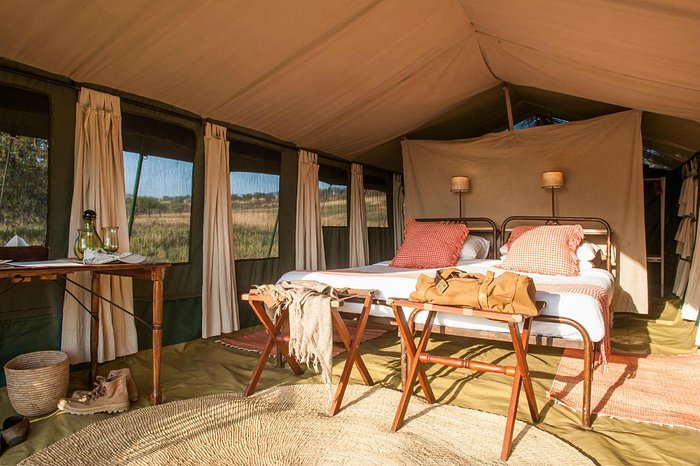
Safari From Zanzibar: Best Packages, Prices & Parks For 2026-2027
Combining a Zanzibar beach holiday with a Tanzania safari is a dream for many travelers. This guide details the best safari packages from Zanzibar, covering essential planning, park...
View package details
What Is Included In An African Safari Package? A Complete Guide For 2026-2027
Demystifying African safari packages. This guide details what you can expect to be included, from essential logistics like accommodation and transport to crucial elements like park fees and...
View package detailsAffordable African Safari Packages: Your Guide To Budget-Friendly Tanzania
Discover how to plan and book affordable African safari packages for 2026-2027. This guide provides practical advice on choosing budget-friendly Tanzania tours, understanding costs, and...
View package details
Kenya And Tanzania Combined Safari Packages: Ultimate Guide 2026-2027
Discover the unparalleled adventure of combining Kenya and Tanzania for a comprehensive East African safari. This guide details everything you need to know for planning your 2026-2027...
View package details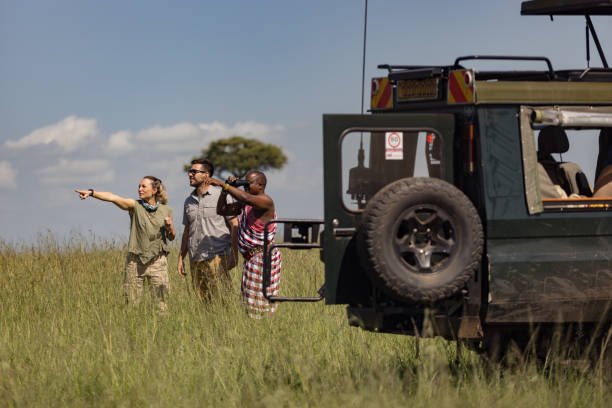
3-Day Serengeti And Ngorongoro Safari: Your Ultimate Tanzania Wildlife
start a concise yet unforgettable 3-day Serengeti and Ngorongoro safari, designed to maximize wildlife encounters in Tanzania's most celebrated parks. This compact adventure offers a taste...
View package details
Serengeti Safari And Zanzibar Beach Holiday: The Ultimate Tanzania
Combine the thrill of a Serengeti safari with the relaxation of a Zanzibar beach holiday. This guide covers everything you need to know for an unforgettable Tanzania adventure in 2026-2027...
View package detailsTanzania Safari And Zanzibar All-Inclusive Packages Guide
Combine the thrill of a Tanzanian wildlife safari with the serene beauty of Zanzibar on an all-inclusive package. This comprehensive guide covers everything you need to know for planning...
View package details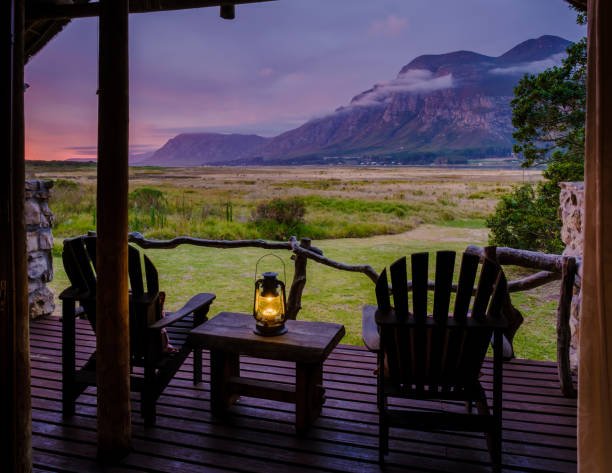
Are African Safari Prices Per Person Or Vehicle? Understanding Tanzania Costs
African safari costs can be confusing. This guide clarifies whether prices are quoted per person or per vehicle, detailing factors that influence your 2026-2027 safari budget in Tanzania.
View package details
Is Tanzania Or Kenya Better For Safari? A Detailed Comparison 2026-2027
Comparing Tanzania and Kenya for your next safari? This in-depth guide breaks down wildlife viewing, landscapes, costs, and optimal travel times to help you choose the perfect East African...
View package details
Luxury African Safari Packages: The Ultimate Tanzania Experience In 2026-2027
Explore the pinnacle of African adventure with luxury safari packages in Tanzania. This guide details exclusive lodges, tailor-made itineraries, and the best wildlife experiences for your...
View package detailsKruger National Park Safari Packages: Your Ultimate Guide To Adventures
Discover tailored Kruger National Park safari packages for 2026-2027. This comprehensive guide covers everything from choosing the right lodge and activities to understanding costs and...
View package details
Tanzania Safari Tours & Packages /: Your Ultimate Wildlife Adventure 2026-2027
Discover the magic of Tanzania with expertly crafted safari tours and packages for 2026 and 2027. From the vast plains of the Serengeti to the depths of the Ngorongoro Crater, find your...
View package detailsNo related package matches those filters. Clear one or more filters to see the other topic-matched options.



