For most travelers seeking a balance of personalized experience and cost-effectiveness, a private safari vs group safari in Tanzania often tips towards the private option if budget allows, offering unparalleled flexibility and exclusivity, especially for families or small groups with specific interests. However, a group safari can be an excellent choice for solo travelers or those prioritizing budget savings, providing a social atmosphere and established itineraries that work well for a first-time visitor in 2026-2027 looking to experience Tanzania’s iconic wildlife without breaking the bank.

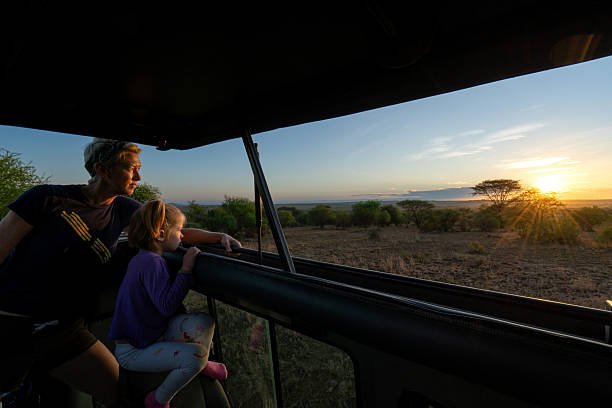
Understanding the Core Differences: Private Safari vs Group Safari Tanzania
When planning your dream Tanzanian safari, one of the first major decisions you’ll face is whether to opt for a private safari or join a group safari. These two approaches to exploring the Serengeti, Ngorongoro Crater, Tarangire, and other magnificent parks offer fundamentally different experiences, each with its own set of advantages and disadvantages. Your choice will significantly impact your budget, itinerary flexibility, the pace of your game drives, and the overall intimacy of your wildlife encounters. Let’s explore what truly sets a private safari vs group safari Tanzania apart, so you can make an informed decision for your 2026-2027 adventure.
At its heart, the distinction lies in who you share your safari vehicle and guide with, and how much control you have over the daily schedule. A private safari is, as the name suggests, exclusively for your party. This could be a solo traveler wanting ultimate solitude, a couple seeking a romantic escape, a family with young children needing a tailored pace, or a group of friends wanting to share a unique experience together. The vehicle, the guide, and the itinerary are all yours to command, within the bounds of park regulations and logistical realities, of course.
Conversely, a group safari involves joining a pre-arranged tour with other travelers, often strangers, who have booked onto the same itinerary. You share a safari vehicle, typically a 7-seater Land Cruiser, with these other individuals. The itinerary is fixed, the departure dates are set, and the pace is dictated by the group’s collective needs and the tour operator’s schedule. This model is popular for its affordability and for facilitating social interaction among travelers.
The nuances of a private safari vs group safari Tanzania extend far beyond just sharing a vehicle. They influence everything from your ability to linger at a lion kill to the types of accommodations you might consider, and even the level of detail your guide can provide without feeling rushed. Understanding these differences is crucial for setting realistic expectations and ensuring your Tanzanian safari aligns perfectly with your travel style and priorities for 2026-2027.
The Allure of Exclusivity: What a Private Safari Offers
Opting for a private safari in Tanzania means you’re essentially chartering your own adventure. This level of customization and control is the primary draw for many discerning travelers. Imagine having a dedicated 4×4 safari vehicle, equipped with pop-up roofs for optimal game viewing, and a highly experienced, English-speaking guide all to yourself and your chosen companions. This isn’t just about luxury; it’s about maximizing your safari experience according to your unique desires.
The most significant benefit of a private safari is the unmatched flexibility. Your schedule is your own. If you spot a herd of elephants and want to spend an hour observing their social dynamics, you can. If you’re captivated by a distant leopard and wish to track it for longer, your guide can oblige. There’s no need to compromise with other travelers who might have different interests or be on a tighter schedule. This allows for spontaneous decisions, such as an impromptu picnic lunch at a scenic spot or a detour to a particular area where recent sightings have been reported. For photographers, this flexibility is invaluable, allowing them to wait for the perfect light or the ideal animal behavior.
Personalized Guiding: With a private safari, your guide’s attention is focused entirely on you. They can tailor their commentary, explanations, and wildlife spotting efforts to your specific interests. Are you fascinated by birds? Your guide can point out various species and explain their habitats. Are you keen to learn about the Maasai culture? Your guide can arrange a respectful visit to a local village. This one-on-one interaction fosters a deeper connection with the environment and the culture, making the experience more educational and engaging. They are also more likely to go the extra mile to find specific animals you’re hoping to see, given they aren’t balancing the needs of multiple other parties.
Pace and Comfort: A private safari allows you to set the pace. There’s no need to rush through your morning coffee if you’re enjoying the sunrise over the savanna, and no pressure to cut short a fascinating sighting. You can decide when to stop for breaks, when to have meals, and when to return to your lodge or camp. This is particularly beneficial for families with young children, elderly travelers, or anyone who prefers a more relaxed tempo. The vehicle is also solely for your group, meaning more space, comfort, and the freedom to store your gear, snacks, and drinks without worrying about disturbing others.
Privacy and Intimacy: For couples or families, a private safari offers a more intimate and exclusive experience. You can share moments of awe, discuss sightings openly, and enjoy the vastness of the African wilderness without the distractions of a larger group. This enhanced privacy can make the experience feel more profound and memorable, allowing for deeper reflection and connection.
Who benefits most from a private safari?
- Families: With children of varying ages and interests, a private safari allows for flexibility in pace, stops, and activities.
- Honeymooners/Couples: Seeking romance and privacy, a private safari offers an intimate setting for special moments.
- Photographers: Needing dedicated time for specific shots and lighting conditions, the flexibility is paramount.
- Special Interest Groups: Birdwatchers, specific animal enthusiasts, or those with particular research interests can tailor the safari to their focus.
- Travelers with Mobility Issues: A private safari allows for customized stops and pacing to accommodate physical needs.
- Those Prioritizing Exclusivity: Simply wanting the ultimate personalized and unhurried experience.
While the benefits are compelling, it’s important to note that a private safari typically comes with a higher price tag compared to a group safari. However, when comparing the cost on a per-person basis for a small group, the gap can narrow significantly, making it a more accessible option than many assume for 2026-2027 bookings.
The Value Proposition: What a Group Safari Delivers
Group safaris are the backbone of affordable wildlife tourism in Tanzania, offering a fantastic way to experience the country’s incredible biodiversity without the premium cost associated with private tours. The core principle is shared resources – a vehicle, a guide, and an itinerary – with a group of fellow travelers, usually numbering between 4 to 7 people per vehicle. This shared model is what makes group safaris significantly more budget-friendly.
Cost-Effectiveness: This is the most compelling reason to choose a group safari. By dividing the costs of the vehicle, guide, fuel, and park entry fees among multiple people, the per-person price is substantially lower than for a private safari. This makes iconic Tanzanian destinations like the Serengeti and Ngorongoro Crater accessible to a wider range of travelers, including backpackers, students, and those on a tighter budget for their 2026-2027 travels. You get to experience the magic of Tanzania’s wildlife parks at a fraction of the cost of a private tour.
Social Interaction and Camaraderie: For solo travelers or those who enjoy meeting new people, a group safari offers a built-in social element. Sharing daily experiences, spotting animals together, and discussing sightings around the campfire can lead to new friendships and a more communal travel experience. Many travelers enjoy the camaraderie that develops within a group, making the journey feel less solitary and more like an adventure shared with like-minded individuals.
Established Itineraries and Ease of Booking: Group safaris often follow well-trodden paths and proven itineraries. This means that tour operators have honed these routes over years, ensuring they hit the highlights and maximize wildlife viewing opportunities. For first-time safari-goers, this can be reassuring. Booking is typically straightforward, often involving selecting a departure date from a list provided by the tour operator. This removes the complexity of custom itinerary planning, making it an easy option for those who want a hassle-free booking process.
Efficient Wildlife Spotting: While you share the vehicle, guides on group safaris are adept at coordinating with each other. They often communicate sightings via radio, helping the group cover more ground and increasing the chances of spotting rarer animals. While you might not have exclusive access to a sighting for as long as you might on a private tour, the collective effort often ensures that the group sees a wide variety of wildlife.
Who benefits most from a group safari?
- Solo Travelers: Seeking company and a more economical way to explore.
- Budget-Conscious Travelers: Prioritizing cost savings without compromising on the core safari experience.
- First-Time Safari Goers: Appreciating the simplicity of a set itinerary and the social aspect.
- Travelers Seeking Social Interaction: Enjoying the company of others and the potential for new friendships.
- Groups of Friends on a Budget: Who are happy to share a vehicle and experiences.
The trade-off for the lower cost and social benefits is, naturally, less flexibility and privacy. You’ll need to adhere to the group’s schedule, and game drives might feel more rushed at times if other group members have different preferences. However, for many, the value proposition of a group safari in Tanzania is simply unbeatable, providing an authentic and memorable wildlife adventure within a manageable budget for 2026-2027.
Key Decision Factors: Private Safari vs Group Safari Tanzania
When weighing the options for your private safari vs group safari Tanzania, several key factors will guide your decision. It’s not just about the price; it’s about aligning the safari experience with your personal travel style, priorities, and what you hope to gain from your time in the wilderness. Consider these critical elements:
1. Budget and Cost Considerations
This is often the most significant differentiator. A private safari is inherently more expensive. You are paying for the exclusive use of the vehicle, guide, and the complete customization of your itinerary. For a 7-day safari in the northern circuit parks, a private tour could range from $3,500 to $7,000+ per person, depending on the level of accommodation, vehicle type, and season. This cost is for the entire group, so for a couple or a family of four, the total cost will be higher, but the per-person rate might be comparable to mid-range hotels plus private guiding.
A group safari, on the other hand, offers a much lower entry point. The same 7-day northern circuit itinerary on a group basis might cost anywhere from $1,800 to $3,500 per person. This lower cost is achieved by spreading fixed expenses across multiple travelers. It’s crucial to understand what’s included in both types of tours. Typically, both will include park fees, accommodation, meals, a safari vehicle, and a guide. However, private safaris might offer higher-end accommodation options or more specialized guiding.
When comparing:
- Per-Person Cost: Group safaris are almost always cheaper per person.
- Value for Money: For a family or group of friends, a private safari can offer excellent value when the total cost is divided. You get more for your money in terms of exclusivity and flexibility.
- Accommodation Level: Private safaris often include or allow for higher-tier lodges and luxury tented camps, which naturally increases the price. Group safaris might stick to more standard, comfortable, but less luxurious options to keep costs down.
- Hidden Costs: Always clarify what’s included. Park fees, meals, accommodation, and the safari vehicle are standard. Tips, drinks, and personal expenses are usually extra for both.
For 2026-2027 bookings, early planning can sometimes secure better rates, especially for private tours where specific vehicle and guide availability needs to be confirmed well in advance. Group tours often have fixed departure dates, so availability might be less of an issue but popular dates can still fill up.
2. Flexibility and Itinerary Control
This is where the private safari truly shines. You are the master of your schedule. Want to spend an extra hour watching a cheetah hunt? Do it. Need to stop for a specific bird? Your guide will search. This level of spontaneity is impossible on a group safari.
On a group safari, the itinerary is set, and departure times are fixed. While guides strive to accommodate reasonable requests, the needs of the entire group must be considered. If one person wants to stop for an hour at a particular viewpoint, it might inconvenience others. Decisions about where to spend time are often made with the group’s collective interest in mind, and the pace is generally more consistent. If you have very specific interests, such as focusing heavily on birdlife or a particular region, a private safari offers the control needed to achieve this.
Consider your pace:
- Fast-paced, see-it-all: A group safari might work, as the itinerary is designed to cover the key highlights efficiently.
- Slow-paced, in-depth exploration: A private safari is essential. You can linger, revisit spots, and truly absorb the environment.
- Spontaneity: Do you want to chase a sighting that just came over the radio? Private safari. Do you prefer a predictable schedule? Group safari.
3. Group Size and Dynamics
The number of people you share your safari with can profoundly impact your experience. In a private safari, your group is limited to those you know and have chosen to travel with – your family, partner, or friends. This ensures comfort, privacy, and shared decision-making among your companions.
A group safari means sharing a vehicle with strangers. While this can be a positive experience, fostering new friendships, it can also present challenges. You might encounter travelers with very different habits, energy levels, or interests. Someone might be constantly on their phone, another might talk loudly, or someone might be consistently late. While good tour operators screen their groups and guides manage dynamics well, it’s a variable you must accept. For solo travelers, this is often a positive aspect, but for couples or families seeking a more intimate experience, it can be a drawback.
Think about your travel companions:
- Traveling with children: A private safari offers more control over stops, noise levels, and the pace, making it far more practical.
- Solo traveler seeking company: A group safari is ideal for meeting people.
- Couple or friends wanting quiet time: A private safari is better for intimacy and avoiding potential group disruptions.
4. Accommodation and Customization
Both private and group safaris can offer a range of accommodation, from budget-friendly tented camps to luxurious lodges. However, private safaris often provide greater flexibility in selecting accommodations. You can choose lodges that are more secluded, offer specific amenities, or are located in prime areas for wildlife viewing. This allows for a highly customized lodging experience that complements the exclusive nature of the safari itself.
Group safaris tend to utilize a more standardized set of lodges and camps that are popular with tour operators and offer good value. While these are generally comfortable and well-located, the choice is more limited. The operator has pre-arranged contracts and specific lodges that fit their package pricing. If you have very specific accommodation preferences or are looking for a particular type of luxury or unique experience, a private safari will offer more options.
5. Guide Interaction and Expertise
In a private safari, your guide’s focus is 100% on your group. This allows for a deeper, more personalized relationship. They can dedicate more time to answering your questions, sharing their extensive knowledge of flora, fauna, and local culture, and actively tailoring their spotting techniques to your interests. This often leads to a richer learning experience and a stronger connection with your guide.
On a group safari, the guide must balance the needs and attention of several different parties. While they are still highly professional and knowledgeable, the depth of individual interaction might be slightly less. They need to ensure everyone in the vehicle gets a chance to see and photograph wildlife, and might not be able to spend as much time explaining intricate details if others are eager to move on. However, experienced guides are skilled at managing group dynamics and ensuring everyone has a fulfilling experience.
For 2026-2027, consider that highly sought-after guides might be more readily available for private bookings with sufficient advance notice. This can further enhance the quality of your private safari.
Crafting Your Itinerary: The Impact on Private vs Group Safari Tanzania
The way an itinerary is structured and experienced differs significantly between a private and a group safari. While the destinations might be the same – the iconic parks of Tanzania’s northern circuit like the Serengeti, Ngorongoro Crater, Tarangire, and Lake Manyara – the journey and the time spent within them are shaped by the safari type.
The Private Safari Itinerary: Tailored to Your Rhythm
A private safari itinerary is built around you. This means:
- Flexible Start and End Times: You decide when your day begins and ends. Prefer early morning game drives for the best light and animal activity, or a leisurely start after breakfast? It’s your call.
- Extended Game Drives: No need to adhere to a strict schedule. If a pride of lions is on the move or a leopard is perched in a tree, you can stay for as long as you wish, waiting for the perfect moment, observing behavior, or simply soaking it in. This is invaluable for photographers.
- Spontaneous Detours: Heard about a rare sighting on the radio? Your guide can divert the vehicle to investigate, without needing consensus from a group.
- Picnic Lunches in Scenic Spots: Instead of a rushed meal at a designated rest area, your guide can find a secluded, beautiful spot for a private picnic lunch, enhancing the sense of exclusivity.
- Accommodation Choice: You have the freedom to choose from a wider range of lodges and camps, from intimate boutique properties to full-service luxury resorts, or even unique mobile tented camps that follow the wildlife migrations.
- Pace Adjustment: If you have young children, elderly companions, or simply prefer a slower pace, the itinerary can be adjusted daily to accommodate breaks, shorter driving times between locations, and less demanding schedules.
For instance, a 7-day private safari might include 3 days in the Serengeti, 2 days in the Ngorongoro Crater (staying on the crater rim for sunrise views), and 2 days exploring Tarangire National Park, with the flexibility to spend more time in one area if compelling wildlife activity warrants it. The travel between parks can also be adjusted, perhaps including more scenic stops or shorter driving days.
The Group Safari Itinerary: Efficient and Comprehensive
A group safari itinerary is designed for efficiency and to ensure a broad overview of Tanzania’s highlights for all participants. This typically means:
- Fixed Schedule: Days start and end at predetermined times. Game drives are typically conducted in the morning and late afternoon, with a break for lunch.
- Standardized Game Drive Duration: While guides aim to maximize sightings, the time spent at any one location is usually balanced to ensure all group members get a chance to see and photograph.
- Pre-determined Routes: The itinerary is set, and deviations are rare, primarily for logistical reasons or to pursue significant wildlife sightings that benefit the whole group.
- Group Meal Times: Lunches are often taken at designated picnic sites or lodges within the parks, with fixed times to keep the schedule on track.
- Standard Accommodation: Lodges and camps are chosen for their reliability, value, and location, fitting within the tour operator’s package.
- Consistent Pace: The itinerary is paced to suit the average traveler, ensuring all parks are covered within the allocated time.
A typical 7-day group safari might follow a similar route (Serengeti, Ngorongoro, Tarangire) but with fixed durations for each park, and less room for extended stays or spontaneous changes. For example, you might have a morning game drive in the Serengeti, then drive to the Ngorongoro Conservation Area, descend into the crater the next morning, and then proceed to Tarangire. The schedule is packed to ensure you see as much as possible within the group’s framework.
Which itinerary suits you best for 2026-2027?
- If you value spontaneity, in-depth observation, and personalized pacing, a private safari is ideal.
- If you are looking for a well-structured, cost-effective way to see the main attractions and enjoy the company of others, a group safari is a great choice.
Comparing Costs: Private vs Group Safari Tanzania in 2026-2027
Understanding the financial implications of a private safari vs group safari Tanzania is crucial for budgeting your 2026-2027 trip. While private safaris are generally more expensive, the value proposition changes depending on the number of people in your party and your expectations for the experience.
Private Safari Cost Breakdown
The cost of a private safari is typically quoted as a daily rate or a per-person rate for a set itinerary, factoring in:
- Vehicle Hire: A dedicated 4×4 safari Land Cruiser or Land Rover, including fuel, driver/guide, and maintenance. This is a significant portion of the cost.
- Guide Fees: The salary and expenses for an experienced, professional safari guide.
- Accommodation: Based on your chosen lodge or camp category (budget, mid-range, luxury). Private safaris allow for a wider choice, impacting the total price.
- Park and Conservation Fees: Daily entry fees for national parks and conservation areas. These are standard regardless of safari type but are often bundled into the tour price.
- Meals: Usually full board (breakfast, lunch, dinner) when on safari.
- Activities: Some private tours might include optional activities like hot air balloon safaris or guided walking safaris, which incur extra charges.
Example Pricing (Estimates for 2026-2027, per person for 7 days):
- Budget Private Safari: $2,800 – $4,000 (using basic tented camps, simpler lodges)
- Mid-Range Private Safari: $4,000 – $6,000 (comfortable lodges, good locations)
- Luxury Private Safari: $6,000 – $10,000+ (high-end lodges, exclusive camps, premium services)
For a couple or a family of four, a private safari could range from $14,000 to $40,000+ for a 7-day trip, depending on the luxury level. However, when you divide this by the number of people, the per-person cost can become more competitive, especially for groups of 4-6.
Group Safari Cost Breakdown
Group safari costs are significantly lower because expenses are shared. The pricing usually covers:
- Shared Vehicle and Guide: The cost of the safari vehicle and guide is divided among all participants in that vehicle.
- Standard Accommodation: Lodges and camps are selected for their value and suitability for group tours.
- Park and Conservation Fees: As with private safaris, these are mandatory and included.
- Meals: Typically full board.
Example Pricing (Estimates for 2026-2027, per person for 7 days):
- Budget Group Safari: $1,500 – $2,500 (basic camps, shared facilities)
- Mid-Range Group Safari: $2,500 – $3,500 (comfortable lodges, good locations)
- Higher-End Group Safari: $3,500 – $4,500 (nicer lodges, often smaller group sizes)
A 7-day group safari might cost between $1,500 to $4,500 per person. This makes it a very attractive option for solo travelers or those on a tighter budget.
Making the Financial Decision
When deciding between private safari vs group safari Tanzania based on cost:
- Solo Traveler: A group safari is almost always the more economical choice.
- Couple: The cost difference between a private and group safari might be significant, but the value of privacy and flexibility can often justify the extra expense for a special trip.
- Family/Small Group (3-6 people): This is where a private safari can offer excellent value. The per-person cost can be close to or even less than a mid-range group safari, but you gain complete control, flexibility, and privacy.
- Budget Priority: If cost is the absolute primary concern, a group safari is the way to go.
- Experience Priority: If flexibility, personalization, and exclusivity are paramount, a private safari is worth the investment.
For 2026-2027 bookings, inquire about any early booking discounts or special offers that tour operators might have. These can sometimes help to bridge the cost gap.
When to Choose Which: Matching Safari Type to Your Travel Style
The best safari for you isn’t just about price or flexibility; it’s about aligning the experience with your personal travel style, your companions, and what you hope to achieve on your Tanzanian adventure. Here’s a breakdown to help you decide on your private safari vs group safari Tanzania choice for 2026-2027.
Choose a Private Safari If:
- You value exclusivity and privacy: You want to share intimate wildlife moments with only your travel companions.
- Flexibility is paramount: You want the freedom to change plans, linger longer at sightings, or explore off-the-beaten-path areas.
- You have specific interests: Birdwatching, photography, tracking particular species, or cultural immersion where a dedicated guide can tailor the experience.
- You are traveling with family (especially young children or elderly members): The ability to control the pace, stops, and comfort is invaluable.
- You are a solo traveler who prefers solitude: While less common, a solo private safari ensures you have the guide’s undivided attention.
- Budget allows for a premium experience: You are willing to invest more for a highly personalized and comfortable safari.
- You are celebrating a special occasion: Honeymoons, anniversaries, or milestone birthdays often call for the extra touch of a private safari.
Choose a Group Safari If:
- Budget is a primary concern: You want to experience Tanzania’s wildlife parks affordably.
- You are a solo traveler looking for company: The social aspect of meeting new people and sharing experiences is appealing.
- You prefer a structured, no-fuss itinerary: You like having everything planned out and don’t want to make constant decisions.
- You are a first-time safari-goer: A group tour is a great way to get a comprehensive introduction to Tanzania’s wildlife and safari etiquette.
- You enjoy meeting new people and sharing experiences: The camaraderie of a group can enhance the journey.
- You are happy with standard, comfortable accommodations: You don’t require highly specialized or exclusive lodging.
- You are part of a larger group of friends or family who are happy to join a shared tour: If your whole party agrees on a group format.
Logistics and Planning: What to Expect in 2026-2027
Regardless of whether you choose a private safari vs group safari Tanzania, the underlying logistics involve navigating national parks, adhering to regulations, and ensuring smooth transitions between locations. Understanding these practical aspects will help you prepare for your 2026-2027 trip.
Vehicle Types
In Tanzania, the standard safari vehicle is a 4×4 Land Cruiser or Land Rover. These vehicles are robust, designed for rough terrain, and typically feature a pop-up roof for optimal game viewing and photography. For private safaris, you’ll have your own vehicle exclusively. For group safaris, the vehicle is shared among the group members, usually accommodating up to 7 passengers plus the driver/guide.
Guides and Expertise
Tanzanian safari guides are highly knowledgeable about the wildlife, ecosystems, and local culture. They are trained to spot animals, interpret animal behavior, and ensure your safety. On a private safari, you build a direct relationship with your guide. On a group safari, the guide manages the group’s experience, often coordinating with other guides.
Park Regulations and Etiquette
Both private and group safaris must adhere to park rules:
- Speed Limits: Strictly enforced to protect wildlife and prevent accidents.
- Staying on Tracks: Vehicles must remain on designated tracks to minimize environmental impact.
- Animal Viewing Distance: Maintaining a respectful distance from wildlife. Private safaris might have slightly more leeway in *how* they approach a sighting, but the fundamental rules apply.
- No Feeding Wildlife: Never feed animals.
- Littering: Parks are pristine; take all your trash with you.
Your guide will brief you on these regulations. The key difference is that on a private safari, you have more control over *when* and *how long* you observe an animal, within these rules. On a group safari, the guide makes decisions for the collective good of the group.
Accommodation Booking
For private safaris, your tour operator handles all accommodation bookings according to your preferences and budget. For group safaris, the operator books standard accommodations that fit the tour package. It’s always wise to confirm your accommodation details in advance for both types of tours.
Booking Windows for 2026-2027
The earlier you book, the better, especially for popular travel times like the peak migration season (June-October) and holidays.
- Private Safaris: Book at least 6-12 months in advance, particularly if you have specific lodge requests or are traveling during peak season.
- Group Safaris: While often more flexible, booking 3-6 months in advance is recommended, especially for fixed departure dates, to secure your spot.
For 2026-2027 travel, now is an excellent time to start researching and planning. Early bookings can sometimes secure better rates or ensure availability of your preferred options.
Making the Final Decision: Private vs Group Safari Tanzania
The choice between a private safari vs group safari Tanzania ultimately boils down to your personal priorities. There’s no single ‘better’ option; only the option that is better for *you* and your specific travel circumstances.
Consider the trade-offs:
- Cost vs. Exclusivity: Group safaris offer affordability, while private safaris provide unparalleled exclusivity and personalization.
- Flexibility vs. Structure: Private safaris grant you control over your itinerary, while group safaris offer a well-defined, efficient structure.
- Social Interaction vs. Intimacy: Group safaris foster camaraderie, whereas private safaris offer a more intimate experience.
If you’re a solo traveler on a tight budget, a group safari is likely your best bet. If you’re a family seeking a comfortable, tailored pace, or a couple wanting a romantic and exclusive adventure, investing in a private safari will likely yield a more fulfilling experience. For groups of friends, especially if you’re 4-6 people, a private safari can often be more cost-effective per person than you might think, while offering significant benefits in flexibility and privacy.
Questions to ask yourself:
- What is my absolute maximum budget for the safari portion of my trip?
- Who am I traveling with, and what are their needs and expectations?
- How important is flexibility and spontaneity to me?
- Do I prefer to travel with others or have my own space?
- What are my specific interests (photography, birding, specific animals)?
By honestly assessing these questions, you can confidently choose between a private safari and a group safari for your unforgettable 2026-2027 Tanzanian journey. Both offer the chance to witness Africa’s incredible wildlife in its natural habitat, but the *way* you experience it will be distinct.
Planning Your 2026-2027 Tanzanian Safari with Climb 4 Africa
Deciding between a private and group safari in Tanzania is a significant step in planning your adventure. At Climb 4 Africa, we specialize in creating bespoke Tanzanian travel experiences. Whether you envision the ultimate flexibility of a private safari tailored to your exact desires or the social energy and value of a well-organized group safari, we can help craft the perfect itinerary for your 2026-2027 trip. We understand the nuances of the northern circuit parks and can advise on the best approach for families, couples, solo travelers, and photographers alike. To discuss your specific needs, get personalized recommendations, and start planning your dream safari, please reach out to us. We’re here to ensure your Tanzanian wildlife adventure is everything you hope for and more.
Contact us today:
- WhatsApp: +255 747 477 898
- Email: climb4africa@gmail.com
Let us help you navigate the options for your private safari vs group safari Tanzania and build an unforgettable journey.
Frequently Asked Questions about Private vs Group Safaris in Tanzania
What is the main difference between a private and group safari in Tanzania?
The primary difference lies in exclusivity and flexibility. A private safari means you have your own dedicated vehicle and guide, with a fully customizable itinerary. A group safari involves sharing a vehicle and a fixed itinerary with other travelers, making it more budget-friendly but less flexible.
Is a private safari significantly more expensive than a group safari?
Generally, yes. Private safaris are more expensive on a per-person basis due to the exclusive use of resources. However, for families or small groups (4-6 people), the per-person cost of a private safari can become comparable to or only slightly higher than a mid-range group safari, while offering much greater value in terms of customization and privacy for your 2026-2027 trip.
Which type of safari is better for solo travelers?
A group safari is typically better for solo travelers. It’s more economical and provides opportunities to meet and travel with other like-minded individuals. While a private safari is possible for a solo traveler, it is considerably more expensive.
Can I customize the itinerary on a group safari?
While group safaris have fixed itineraries, guides are often accommodating of reasonable requests if they don’t significantly impact the schedule or inconvenience other group members. However, extensive customization is only possible on a private safari.
What are the advantages of a private safari for photographers?
Photographers greatly benefit from private safaris due to the flexibility. They can spend extended periods at sightings, wait for ideal lighting conditions, and make spontaneous detours to capture unique shots without being constrained by a group’s schedule. This level of control is crucial for serious wildlife photography.
When should I book my 2026-2027 Tanzania safari?
It’s advisable to book as early as possible, especially for peak seasons. For private safaris, aim for 9-12 months in advance. For group safaris, 4-6 months in advance is generally recommended to secure your preferred departure dates.
Check Availability for Private Safari Vs Group Tanzania: Which Is Better For Your Adventure?
Ready to compare dates, prices, and the best option for your group? Send the package name and travel month so the team can reply with a clear quote, availability, and what is included.
Dec 20, – 10 Day Complete Tanzania Group Joining Safari
Dec 20, 2026 – 10 Day Complete Tanzania Group Joining Safari.
View package details
Which Dec Group Safari Ends Before New Year’s Eve?
Which Dec Group Safari Ends Before New Year’s Eve?
View package details
How Early Should I Book A Nov Or Dec Tanzania Group Safari?
How Early Should I Book a Nov or Dec Tanzania Group Safari?
View package details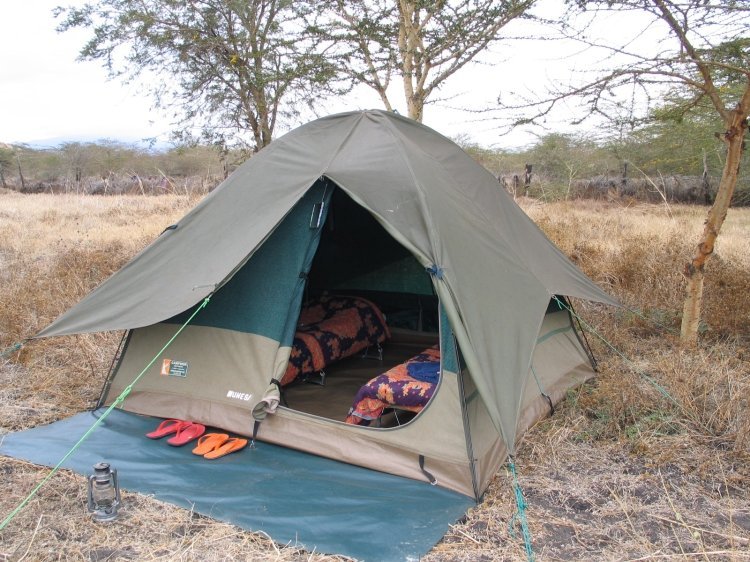
Can I Pay A Deposit To Reserve A Tanzania Group Safari?
Can I Pay a Deposit to Reserve a Tanzania Group Safari?
View package details
Dec 30, – 7 Day New Year Tanzania Group Joining Safari 2026
A complete guide to our 7-day group joining safari for the 2026/2027 New Year season, covering the Northern Circuit, wildlife expectations, and how to secure your spot.
View package details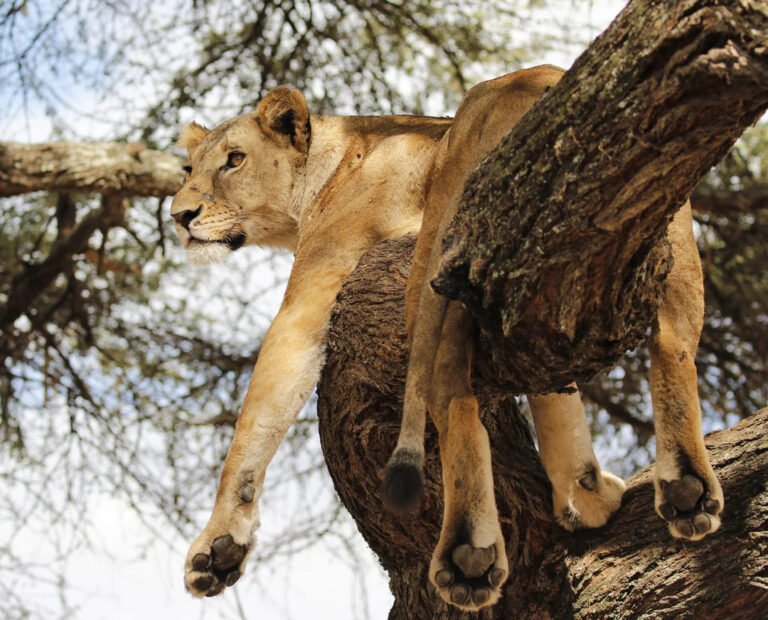
Dec 25, – 5 Day Christmas Tanzania Group Joining Safari 2026
Celebrate Christmas in the heart of the Tanzanian wilderness. Join our 5-day group safari departing December 25, 2026, and experience the iconic Northern Circuit.
View package details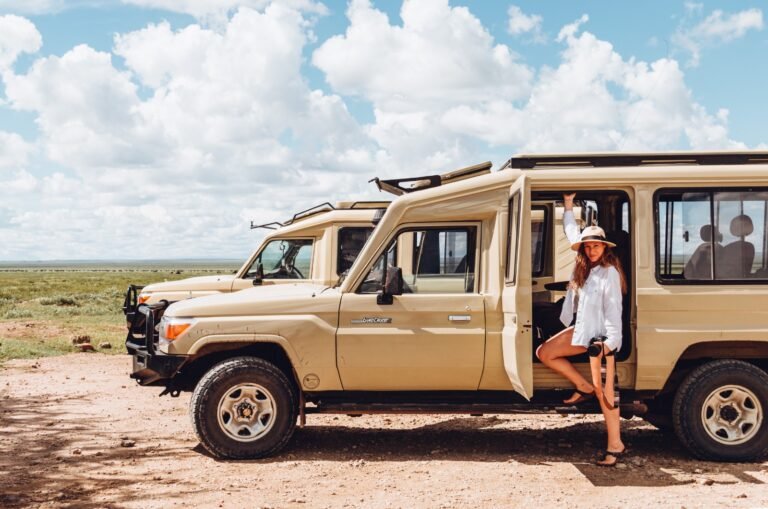
Dec 18, – 9 Day Tanzania Wildlife And Cultural Group Safari 2026
A deep look at our 9-day wildlife and cultural group safari departing December 18, 2026. This trip balances classic Northern Circuit game viewing with genuine cultural engagement.
View package detailsDec 14, – 7 Day Complete Tanzania Northern Circuit Group Safari 2026
Planning for December 2026? Join our 7-day complete Tanzania Northern Circuit group safari. A deep look at the Serengeti, Ngorongoro, and Tarangire with expert, locally-led logistics.
View package detailsDec 10, – 5 Day Northern Tanzania Group Joining Safari 2026
A detailed guide to our 5-day Northern Tanzania group joining safari scheduled for December 10, 2026. Learn about the route, group logistics, and how to book your spot.
View package detailsNov 27, – Black Friday Tanzania Group Safari Deals 2026
Discover why group joining safaris are the best way to secure value for your 2027 Tanzania adventure, plus expert advice on route planning and booking.
View package detailsNov 20, – 8 Day Complete Northern Tanzania Group Safari: Planning Your Trip
A comprehensive guide to the 8-day Northern Tanzania group safari departing November 20, 2026, covering logistics, route advantages, and planning essentials.
View package detailsNov 16, – 6 Day Tanzania Northern Circuit Group Safari 2026
Planning for November 2026? Join our 6-day group safari covering Tanzania's premier Northern Circuit parks. Expert-led, social, and cost-effective wildlife viewing.
View package detailsNo related package matches those filters. Clear one or more filters to see the other topic-matched options.