The most beautiful safari destinations in Africa are those offering unparalleled wildlife encounters combined with dramatic landscapes, exceptional guiding, and diverse experiences; for many, this points to Tanzania’s Serengeti and Ngorongoro Crater, Kenya’s Maasai Mara, Botswana’s Okavango Delta, and South Africa’s Kruger National Park, with the best planning for 2026-2027 involving early booking for peak seasons and specific wildlife events.
Planning Your Unforgettable African Safari: What Makes a Destination ‘Most Beautiful’?
When we talk about the “most beautiful safari destinations in Africa,” we’re not just referring to pretty scenery, although that’s certainly part of it. True beauty on safari is a potent blend: the sheer abundance and visibility of iconic wildlife, the vastness and drama of the landscapes, the intimacy of the encounters, and the overall quality of the experience. It’s about feeling a profound connection to the natural world, witnessing life’s cycles unfold in real-time, and knowing you’re in a place that has been preserved for generations. For travelers planning for 2026 or 2027, understanding these elements is key to choosing a destination that will truly resonate.
At Climb 4 Africa, we’ve spent years guiding travelers through the continent’s most spectacular wildlife areas. We understand that ‘beauty’ is subjective, but certain locations consistently deliver on the promise of an exceptional safari. This guide will explore the destinations that, in our expert opinion and based on countless guest experiences, stand out. We’ll cover why they are special, what wildlife you can expect, the best times to visit, and what kind of experience each offers, helping you make an informed decision for your 2026-2027 adventure.
A Note on ‘Beauty’ and Expectations
It’s important to manage expectations. While we aim for the ‘most beautiful,’ wildlife sightings are never guaranteed. The thrill of safari lies in its wildness. However, the destinations we highlight are those that maximize your chances of incredible sightings due to their ecosystems, conservation efforts, and expert guiding. Planning with a local operator like Climb 4 Africa ensures you’re positioned for success, especially when booking for popular years like 2026 and 2027.
The Majestic Serengeti National Park, Tanzania
It’s almost impossible to discuss the most beautiful safari destinations in Africa without placing the Serengeti National Park at the very top. This vast, iconic ecosystem is synonymous with the quintessential African safari experience. Its name, derived from the Maasai word ‘Siringet,’ meaning ‘endless plains,’ perfectly captures its essence. For travelers looking at 2026 or 2027, the Serengeti offers a wildlife spectacle that is truly world-class.
A Canvas of Wildlife Abundance
The Serengeti is most famous for hosting the Great Migration, one of nature’s most awe-inspiring events. Billions of wildebeest, zebras, and gazelles traverse the plains in a constant search for fresh grazing, followed closely by a formidable array of predators. Witnessing the dramatic river crossings, the calving season, or the sheer scale of movement across the landscape is an experience that stays with you forever. Beyond the migration, the Serengeti boasts a resident population of wildlife that is extraordinary year-round.
Expect to see:
- The Big Five: Lion, Leopard, Elephant, Rhino (though elusive), and Buffalo are all present. The Serengeti is particularly renowned for its lion populations, with prides often seen lounging or actively hunting.
- Vast Herds: Millions of wildebeest and zebras form the backbone of the migration, creating moving landscapes. Topi, hartebeest, and various antelope species are also abundant.
- Predators: Cheetahs are frequently spotted on the open plains, while hyenas, wild dogs, and jackals are part of the complex ecosystem.
- Birdlife: Over 500 species of birds, including ostriches, secretary birds, and a variety of raptors.
Landscapes of Endless Beauty
The Serengeti isn’t just about the animals; its landscapes are equally impressive. Rolling grasslands stretch to the horizon, punctuated by acacia trees that have become synonymous with African vistas. The central Seronera region is known for its kopjes (rocky outcrops) that provide vantage points for lions and other predators. The Grumeti River in the west and the Mara River in the north offer dramatic backdrops, especially during migration crossings. The sheer scale and openness of the Serengeti create a sense of profound wilderness.
When to Visit the Serengeti for 2026-2027
The best time to visit the Serengeti depends on what you want to see:
- December to March: This is the calving season for wildebeest, primarily in the southern Serengeti. It’s a prime time for predator action as lions, hyenas, and cheetahs take advantage of the vulnerable newborns. The weather is generally good, though short rains can occur.
- April to May: The long rains. This is the low season, with fewer crowds and lower prices. However, many lodges close, and roads can be challenging. The migration moves northwards during this period.
- June to October: The dry season. This is peak migration season, with animals congregating around permanent water sources, often leading to dramatic river crossings (particularly the Mara River in the north). This is a very popular time, so booking for 2026 or 2027 well in advance is crucial. Expect excellent game viewing but higher prices and more vehicles.
- November: The short rains. The migration begins its journey south, often returning to the central and eastern plains. The landscape turns a vibrant green.
For the iconic river crossings, aiming for July to September in the northern Serengeti is typically best. For the calving season and predator action, January to February in the southern Serengeti is ideal. For general game viewing with a good chance of seeing parts of the migration, the central Serengeti is excellent year-round.
Serengeti Safari Experience Types
The Serengeti offers a range of safari experiences, from budget camping to ultra-luxury lodges. For those seeking the most exclusive and intimate encounters, consider private conservancies bordering the main park, where off-road driving and night drives are often permitted, offering a different perspective on the wildlife. For families or groups planning for 2026-2027, a private safari allows for custom itineraries and dedicated vehicles.
The Ngorongoro Conservation Area, Tanzania
Often visited in conjunction with the Serengeti, the Ngorongoro Conservation Area (NCA) is a UNESCO World Heritage Site and home to the Ngorongoro Crater, a geological marvel and one of the most densely populated wildlife areas on Earth. Its unique caldera ecosystem creates a self-contained world, making it a phenomenal destination for spotting a wide array of animals in a relatively small area.
A Natural Amphitheatre of Wildlife
The crater floor, approximately 19 kilometers (12 miles) wide, is a impressive sight. It’s a natural amphitheatre supporting an incredible density of wildlife. Unlike many other destinations where you might drive for hours to find animals, the Ngorongoro Crater often delivers a spectacular concentration of sightings within a single day’s game drive.
What makes the Ngorongoro Crater so special:
- The Big Five: All of the Big Five are present and frequently seen. The crater is one of the best places in Tanzania to find the endangered black rhino.
- Predator-Prey Dynamics: The high density of herbivores (wildebeest, zebras, buffalo, gazelles, hippos) supports a large population of predators, including lions, hyenas, jackals, and cheetahs.
- Unique Habitat: The crater floor features a diverse range of habitats – grasslands, swamps, forests, and a soda lake – supporting a wide variety of species.
- Maasai Presence: The NCA is unique in that it allows Maasai pastoralists to coexist with wildlife, adding a cultural dimension to the experience.
Landscapes and Panoramic Views
The drive down into the crater is an experience in itself, offering stunning panoramic views from the rim. The crater floor is a vast expanse of green plains, dotted with acacia trees and the shimmering soda lake. The sheer walls of the crater create a dramatic backdrop. The surrounding highlands of the NCA also offer beautiful scenery and opportunities to see different wildlife and landscapes.
Best Time to Visit Ngorongoro for 2026-2027
The Ngorongoro Crater is a year-round destination, as the wildlife is largely resident. However, some periods offer distinct advantages:
- Dry Season (June to October): Game viewing is excellent, and the landscape is drier, making roads more accessible. The animals tend to congregate around water sources, increasing visibility. This is also a peak tourist season.
- Wet Season (November to May): The landscape is lush and green, offering stunning photographic opportunities. Birdlife is at its best, and it’s the calving season for wildebeest and zebras within the crater. However, rain can make roads muddy and difficult, and some wildlife may disperse slightly. The period from January to March can see significant rainfall.
For the best combination of good weather and high wildlife visibility, June to September remains a strong choice for 2026-2027 planning. However, the crater’s density means it’s rarely a disappointment at any time of year.
Planning Considerations for Ngorongoro
A key consideration for Ngorongoro is the crater access permit and the limited time allowed on the crater floor (typically 6 hours). This ensures the ecosystem isn’t over-exploited. Lodges on the crater rim offer spectacular views and convenience but come at a premium price. Options also exist within the NCA but outside the crater itself.
When booking a safari that includes Ngorongoro for 2026 or 2027, ensure your itinerary allows sufficient time to appreciate the crater’s unique environment. Often, a full day is dedicated to exploring the crater floor.
The Iconic Maasai Mara National Reserve, Kenya
Often paired with the Serengeti as part of the Greater Mara-Serengeti ecosystem, the Maasai Mara National Reserve in Kenya is a legendary destination for its vast savannas, incredible predator sightings, and, of course, its role in the Great Migration. It’s a place that truly embodies the spirit of an African safari.
Unrivaled Predator Encounters
The Mara is particularly famous for its high concentration of predators, especially lions. You’ll often see prides resting under acacia trees or on the open plains. Cheetahs are also a common sight, with their sleek forms perfectly adapted to hunting on the open grasslands. Leopards, while more elusive, are present, and the chance of spotting them in the riverine forests is always exciting.
Key wildlife highlights:
- Lions: Abundant and often visible, with various prides and hunting opportunities.
- Cheetahs: Excellent chances of sightings, particularly in the open plains.
- Leopards: Present, especially in areas with denser vegetation.
- Elephants: Large herds can be seen, particularly in the Mara River region.
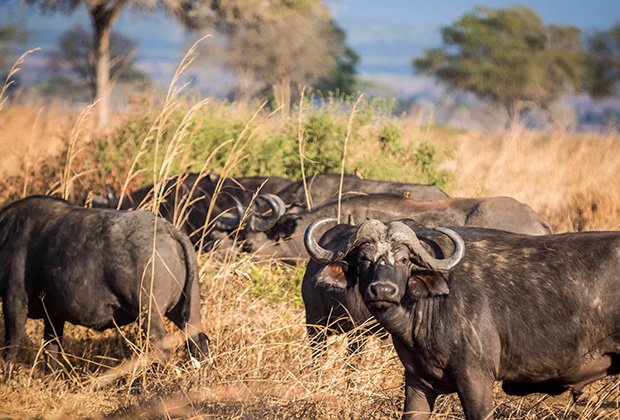
- Buffalo: Massive herds are a common sight.
- The Big Five: All are present, with rhinos being the most difficult to spot but found in specific sanctuaries.
The Great Migration in the Mara
From approximately July to October, the Maasai Mara receives the bulk of the migrating wildebeest and zebras from the Serengeti. The Mara River crossings are a major draw during this period. Watching thousands of animals brave the crocodile-infested waters is one of nature’s most dramatic spectacles. Booking for these months in 2026 or 2027 requires booking 12-18 months in advance.
Landscapes of Classic Beauty
The Maasai Mara is characterized by vast, rolling grasslands, acacia-dotted savannas, and the winding Mara River lined with fig trees and riverine forest. The landscape is quintessentially African, offering endless vistas that are perfect for photography and that classic safari feel. The open plains allow for excellent game viewing, with animals often visible from a great distance.
Best Time to Visit the Maasai Mara for 2026-2027
The best time depends on your priorities:
- July to October: Peak Great Migration season, especially for river crossings. This is the busiest and most expensive time, with incredible wildlife action.
- November to June: This is the ‘green season’ with fewer crowds and lower prices. Wildlife is still abundant, as many animals are resident. The landscape is lush and beautiful, and birdlife is excellent. The period from December to March offers good general game viewing.
For the most dramatic wildlife events, aim for July to September. For a more serene experience with excellent game viewing and lower costs, consider the shoulder months like November or April-May for your 2026-2027 trip.
The Advantage of Mara Conservancies
For a more exclusive and intimate safari experience, consider staying in one of the private conservancies that border the Maasai Mara National Reserve. These conservancies offer benefits like limited vehicle numbers, off-road driving, night drives, and walking safaris – experiences often restricted in the main reserve. This can significantly enhance the ‘beauty’ and quality of your safari, especially if you’re looking for unique photographic opportunities or a deeper connection with the environment.
The Unique Okavango Delta, Botswana
Botswana’s Okavango Delta is a truly unique and impressive safari destination. It’s the world’s largest inland delta, where the Okavango River fans out into a labyrinth of channels, lagoons, and islands in the heart of the Kalahari Desert. This creates a vibrant oasis that attracts an astonishing array of wildlife.
Water-Based Adventures
What sets the Okavango Delta apart is its water-based safari experience. While game drives are available in certain areas, much of the exploration is done by mokoro (traditional dugout canoe) or motorboat. Gliding silently through the waterways, surrounded by lily pads and reeds, offers an incredibly intimate perspective of the wildlife and the delicate ecosystem.
Wildlife encounters here are often:
- Abundant and Diverse: The delta supports vast numbers of elephants, hippos, crocodiles, buffalo, and a rich variety of antelope species.
- Birdwatcher’s Paradise: With over 400 species of birds, the delta is a dream for bird enthusiasts.
- Predator Sightings: Lions, leopards, and wild dogs are present and often seen, particularly during the dry season when they congregate around water sources. The delta is one of the best places in Africa to see packs of African wild dogs.
- Rhinos: Efforts have reintroduced both black and white rhinos to certain protected areas within the delta.
Landscapes of Water and Desert
The Okavango Delta is a stunning juxtaposition of water and desert. The ever-changing waterways, lush floodplains, and ancient forests create a visually spectacular environment. The seasonal flooding, which peaks between June and August, transforms the landscape, creating a maze of channels that are navigable by mokoro. This dynamic environment is a huge part of its beauty.
Best Time to Visit the Okavango Delta for 2026-2027
The best time to visit the Okavango Delta is generally dictated by the arrival of the floodwaters:
- June to October: This is the peak of the dry season and when the delta is most flooded. Wildlife congregates around the permanent water sources, making game viewing exceptional. This is also the peak tourist season, so booking for 2026 or 2027 far in advance is essential.
- November to May: This is the wetter season, and while some areas may become inaccessible, it’s a fantastic time for birding and photography, with lush green landscapes and fewer crowds. The rains usually fall in short, intense bursts. The period from January to March can be very wet.
For the ultimate Okavango experience, combining excellent game viewing with the magic of the floodwaters, aim for July to September for your 2026-2027 safari.
Exclusivity and Cost Considerations
The Okavango Delta is known for its high-end, exclusive safari camps. Access is typically by light aircraft, adding to the cost but also to the sense of remoteness and exclusivity. This is a destination that appeals to travelers seeking a luxurious and intimate wildlife experience, away from the crowds. The cost reflects the exclusive nature and the logistical challenges of operating in such a pristine environment. Safaris here are generally more expensive than in East Africa, but the quality and uniqueness are undeniable.
The Vast Kruger National Park, South Africa
Kruger National Park in South Africa is one of the continent’s largest and most famous game reserves. Its sheer size, accessibility, and incredible biodiversity make it a top contender for one of the most beautiful safari destinations in Africa, offering a different, yet equally compelling, experience compared to East Africa or Botswana.
Exceptional Biodiversity and Accessibility
Kruger is renowned for its incredible diversity of habitats, supporting an astonishing array of wildlife. It is home to the Big Five, plus a vast number of other mammals, reptiles, and over 500 bird species. Its well-developed infrastructure, including a network of roads, rest camps, and private lodges, makes it accessible to a wide range of travelers.
Key wildlife attractions:
- The Big Five: Kruger is one of the best places to see lions, leopards, elephants, rhinos (both black and white), and buffalo.
- Cheetahs and Wild Dogs: While more elusive than in the Mara, cheetahs and the endangered African wild dog can be found, particularly in the northern areas of the park.
- Vast Herds: Large herds of impala, zebra, wildebeest, and kudu are common.
- Birding: Kruger is a paradise for birdwatchers, with many rare and sought-after species.
Diverse and Dramatic Landscapes
Kruger’s beauty lies in its varied landscapes. From the dense bushveld of the south to the more open plains and rocky outcrops of the central regions, and the mopane woodlands and rugged mountains of the north, the scenery is constantly changing. The Sabie and Crocodile Rivers, along with other waterholes, are focal points for wildlife, especially during the dry season.
Best Time to Visit Kruger for 2026-2027
Kruger is a year-round destination, but the dry season is generally preferred for game viewing:
- Dry Season (May to October): Vegetation thins out, and animals congregate around permanent water sources, making them easier to spot. This is the most popular time to visit, with pleasant temperatures.
- Wet Season (November to April): The landscape is lush and green, offering beautiful photographic opportunities. It’s the breeding season for many animals, and birdlife is at its peak. However, rain can make game viewing more challenging, and temperatures are higher.
For optimal game viewing in 2026 or 2027, the June to September period is highly recommended.
Types of Safari Experiences in Kruger
Kruger offers a range of safari styles:
- Self-Drive: The park’s excellent road network and affordable rest camps make it a popular choice for independent travelers.
- Guided Safaris: Numerous private lodges offer all-inclusive luxury experiences, often located in private concessions bordering the main park. These concessions allow for off-road driving, night drives, and walking safaris, providing a more exclusive experience.
For those seeking the ‘most beautiful’ experience, combining a stay in a private lodge in a concession area with visits to public rest camps for variety can be ideal. Booking for 2026-2027 should be done well in advance, especially for private lodges during peak season.
Other Remarkable African Safari Destinations
While the Serengeti, Ngorongoro, Maasai Mara, Okavango Delta, and Kruger are often cited as the pinnacle, Africa offers many other destinations that can be considered among the most beautiful, each with its unique charm and wildlife appeal. Exploring these can offer a different perspective and perhaps a less crowded experience for your 2026-2027 travel plans.
Chobe National Park, Botswana
Adjacent to the Okavango Delta, Chobe is famous for its massive elephant herds, particularly along the Chobe River. Boat safaris on the river offer incredible close-up views of elephants, hippos, crocodiles, and a plethora of birdlife. It’s a photographer’s dream.
South Luangwa National Park, Zambia
Often hailed as the birthplace of the walking safari, South Luangwa offers an incredibly wild and authentic experience. The Luangwa River supports abundant wildlife, including large leopard populations, hippos, and crocodiles. Walking safaris here allow for a deeper connection with the bush.
Hwange National Park, Zimbabwe
Zimbabwe’s largest park, Hwange, is known for its huge elephant population, especially during the dry season when they gather at waterholes. It also offers excellent chances of seeing wild dogs and other predators. It’s a vast and rugged landscape.
Etosha National Park, Namibia
Etosha’s unique landscape centers around a massive salt pan. Wildlife congregates at waterholes, making for fantastic and predictable game viewing, especially during the dry season. It’s a starkly beautiful and different kind of safari experience.
Rwanda and Uganda: Gorilla Trekking
While not traditional savanna safaris, trekking to see mountain gorillas in Volcanoes National Park (Rwanda) or Bwindi Impenetrable National Park (Uganda) offers an unparalleled wildlife encounter. The lush, mountainous rainforests are incredibly beautiful, and the experience of coming face-to-face with these gentle giants is profoundly moving. These trips are often combined with other safari activities in East Africa for 2026-2027.
Choosing Your Perfect Safari Destination for 2026-2027
Selecting the “most beautiful” destination for your safari depends entirely on your personal preferences, what you want to see, your budget, and the time of year you plan to travel. Here’s a guide to help you decide for your 2026 or 2027 adventure:
Key Decision Factors:
- Wildlife Focus: Do you dream of witnessing the Great Migration? The Serengeti and Maasai Mara are your top choices. Are you keen on seeing rhinos? Ngorongoro is excellent. For sheer density and variety in one place, Ngorongoro Crater is hard to beat. For elephants and birdlife, Chobe is superb. For a unique water-based experience, the Okavango Delta is unparalleled. For pure wildness and walking safaris, South Luangwa shines.
- Landscape Preferences: Do you prefer endless plains (Serengeti), dramatic craters (Ngorongoro), riverine landscapes (Maasai Mara), water channels (Okavango), or vast bushveld (Kruger)?
- Activity Types: Do you want classic game drives, or are you interested in mokoro excursions, walking safaris, or night drives?
- Budget: East Africa (Tanzania/Kenya) can offer a range of options from mid-range to luxury. Botswana’s Okavango Delta is generally at the higher end due to its exclusivity and logistical costs. South Africa’s Kruger offers a wide spectrum, from self-drive to ultra-luxury private lodges.
- Crowds: If avoiding crowds is a priority, consider visiting during the shoulder seasons (e.g., April-May, November) or opting for private conservancies or less-visited parks.
- Travel Time: Consider the travel time from your point of origin. East Africa and South Africa are relatively well-connected.
For 2026 and 2027, booking well in advance is highly recommended, especially for peak seasons or specific events like the Great Migration river crossings. Popular lodges and camps, particularly in the Okavango Delta and private conservancies in East Africa, fill up quickly.
Planning Your Safari with Climb 4 Africa
Choosing the most beautiful safari destination is just the first step. The real magic happens when your safari is expertly planned and executed. At Climb 4 Africa, we specialize in crafting unforgettable wildlife adventures, drawing on our deep local knowledge and passion for conservation. Whether you’re drawn to the endless plains of the Serengeti, the unique waterways of the Okavango Delta, or the predator-rich savannas of the Maasai Mara, we can help you design the perfect itinerary for 2026 or 2027.
Why Choose Climb 4 Africa?
- Local Expertise: We live and breathe Tanzania and East Africa. Our guides are among the best, with intimate knowledge of the parks and wildlife behavior.
- Tailor-Made Itineraries: We don’t offer one-size-fits-all tours. We listen to your desires, budget, and interests to create a bespoke safari that matches your vision of the ‘most beautiful’ experience.
- Practical Support: From visa advice to packing lists, we provide comprehensive support to ensure your trip runs smoothly. We understand the practicalities of travel in Africa.
- Commitment to Value: We aim to provide exceptional value, ensuring you get the most incredible experience for your investment. We work with a network of trusted lodges and camps.
- Focus on Tanzania and Beyond: While we are experts in Kilimanjaro climbs and Tanzanian safaris, we can also arrange trips to other iconic destinations across East Africa and beyond, ensuring you access the most beautiful safari destinations.
Ready to Plan Your 2026-2027 Safari?
The most beautiful safari destinations in Africa await. To start planning your dream trip, whether it’s for 2026 or 2027, get in touch with our team. We can discuss your interests, recommend the best destinations and timings based on your preferences, and provide a personalized quote. Let us help you craft an adventure that exceeds your expectations.
You can reach us via:
- WhatsApp: +255 747 477 898
- Email: climb4africa@gmail.com
We look forward to helping you explore the wonders of Africa!
Check Availability for Most Beautiful Safari Destinations In Africa: Your Expert Guide For…
Ready to compare dates, prices, and the best option for your group? Send the package name and travel month so the team can reply with a clear quote, availability, and what is included.
Dec 24, – 3 Day Christmas Serengeti And Ngorongoro Group Safari
Dec 24, 2026 – 3 Day Christmas Serengeti and Ngorongoro Group Safari.
View package details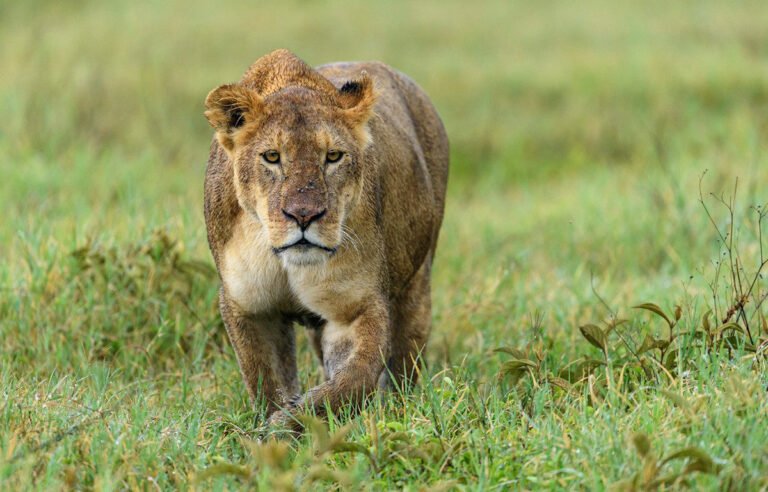
Dec 20, – 10 Day Complete Tanzania Group Joining Safari
Dec 20, 2026 – 10 Day Complete Tanzania Group Joining Safari.
View package details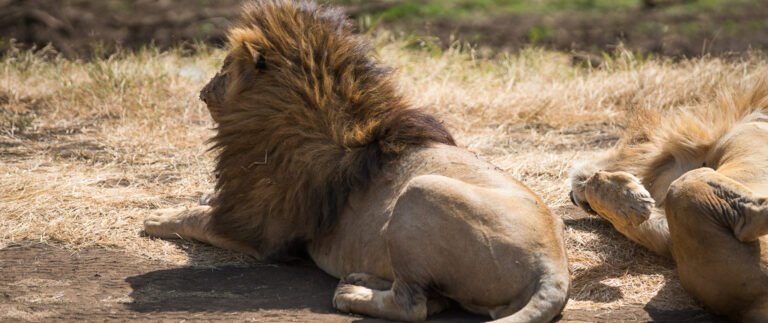
Which Dec Group Safari Ends Before New Year’s Eve?
Which Dec Group Safari Ends Before New Year’s Eve?
View package details
How Early Should I Book A Nov Or Dec Tanzania Group Safari?
How Early Should I Book a Nov or Dec Tanzania Group Safari?
View package details
Can I Pay A Deposit To Reserve A Tanzania Group Safari?
Can I Pay a Deposit to Reserve a Tanzania Group Safari?
View package details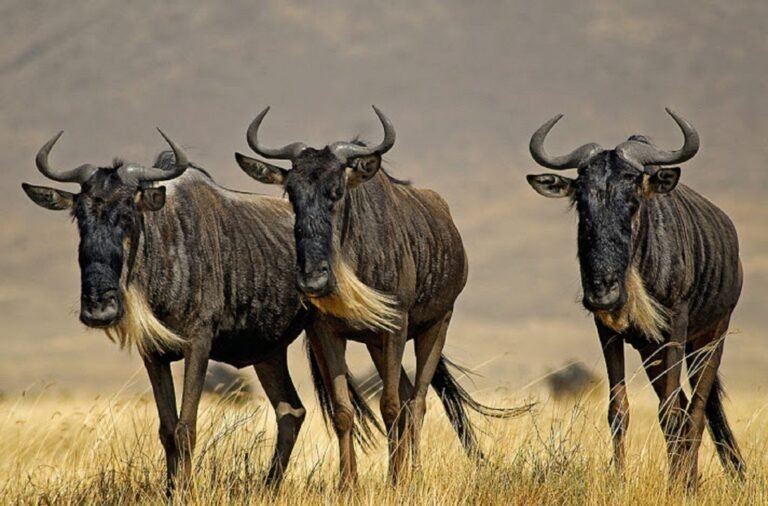
Nov 23, – 3 Day Serengeti And Ngorongoro Safari From Zanzibar
Nov 23, 2026 – 3 Day Serengeti and Ngorongoro Safari from Zanzibar.
View package details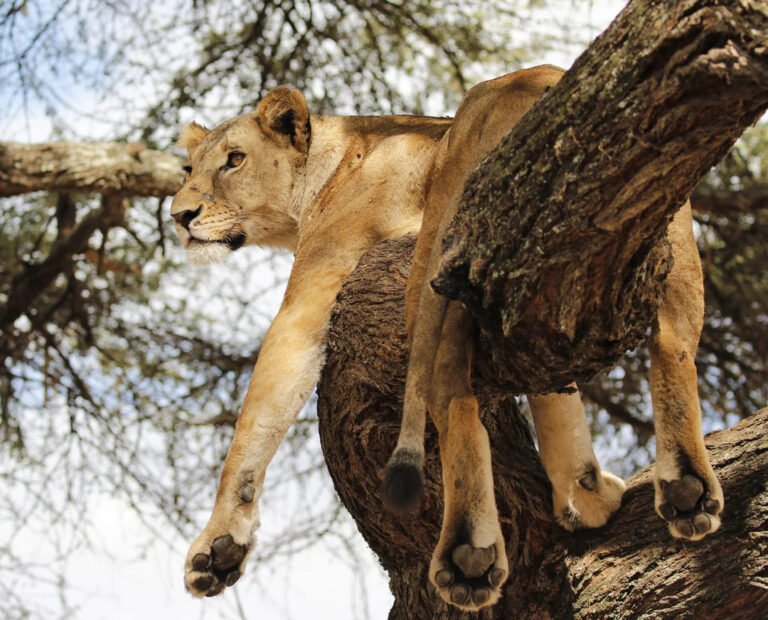
Dec 26, – 6 Day Christmas And New Year Northern Circuit Safari
Dec 26, 2026 – 6 Day Christmas and New Year Northern Circuit Safari.
View package details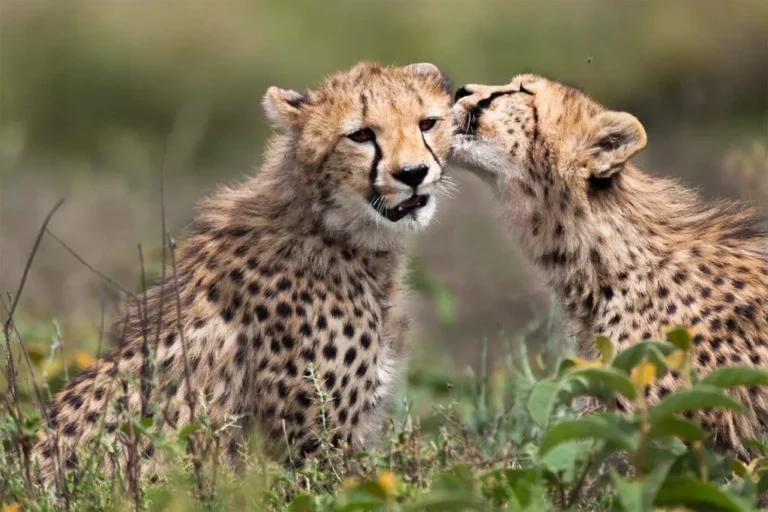
Dec 31, : New Year’s Eve Serengeti Group Safari Planning Guide
This guide provides essential planning details for a group safari trip to the Serengeti for New Year's Eve 2026, covering logistics, seasonal highlights, and what to expect.
View package details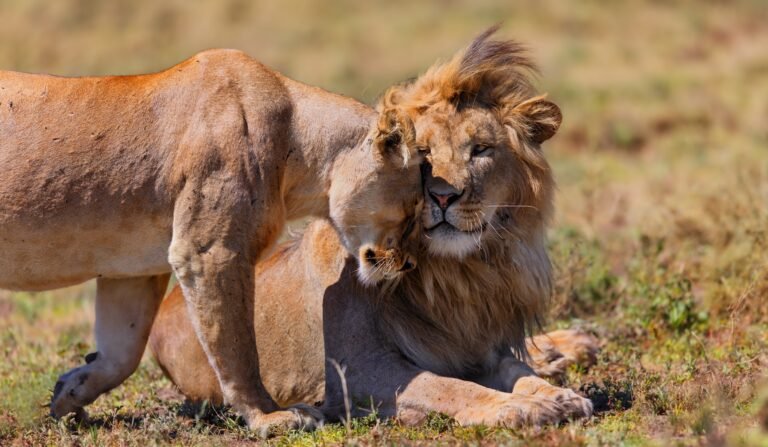
Dec 22, – 3 Day Nyerere Group Joining Safari
Dec 22, 2026 – 3 Day Nyerere Group Joining Safari.
View package details
Can I Join A Safari That Has Already Confirmed Travellers?
Can I Join a Safari That Has Already Confirmed Travellers?
View package details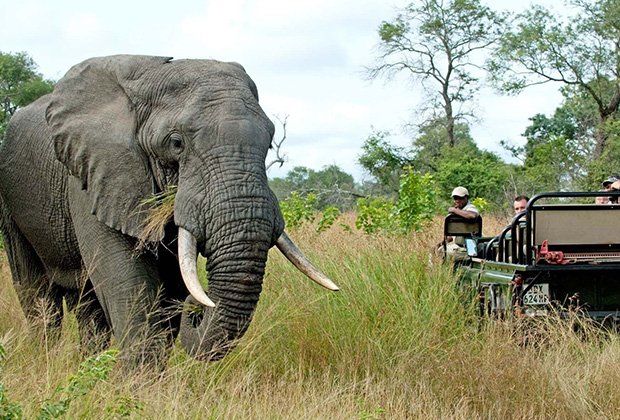
I Am On A Budget—What Is The Cheapest Serengeti Group Safari?
I Am on a Budget—What Is the Cheapest Serengeti Group Safari?
View package details_1_John_from-rednote-web-768x1024.jpg)
Dec 13, – 2 Day Nyerere Fly-In Group Safari From Zanzibar 2026
A detailed guide to the December 13, 2026 group fly-in safari from Zanzibar to Nyerere National Park, covering the itinerary, logistics, and planning for your trip.
View package detailsNo related package matches those filters. Clear one or more filters to see the other topic-matched options.