
The Mont Meru trek, typically starting from Arusha, Tanzania, is a rewarding 3-day or 4-day climb to its summit at 4,566 meters (14,980 feet). It serves as an excellent acclimatization climb for Kilimanjaro, offering diverse wildlife, varied terrain, and panoramic views, with the most common routes being the Momella Route and the Arusha Route (also known as the Ranger Route). Planning for 2026 or 2027 involves selecting a route, understanding the physical demands, packing appropriate gear, and arranging logistics through a reputable local operator.
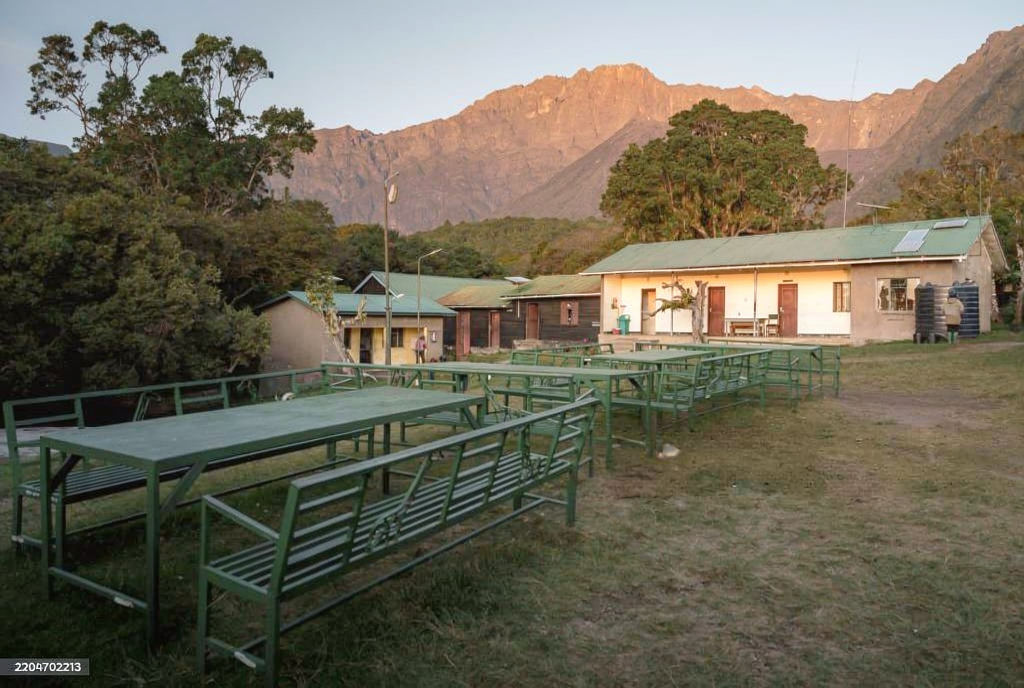
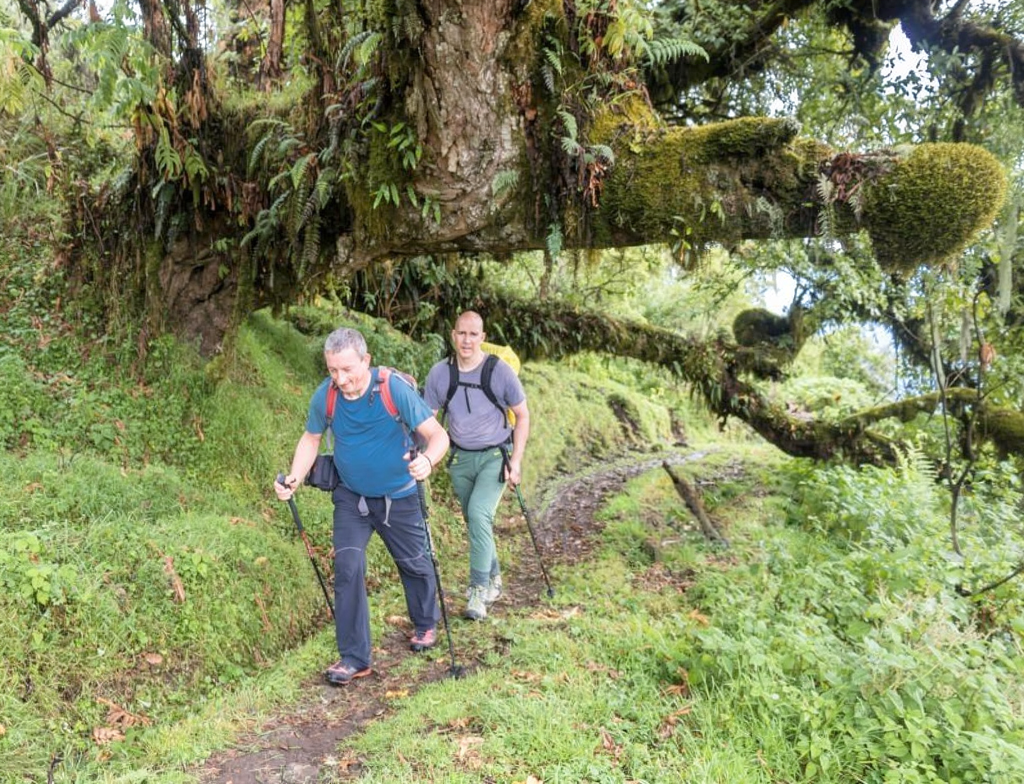
Mont Meru stands as Tanzania’s second-highest peak, often overshadowed by its colossal neighbour, Kilimanjaro. Yet, for many, the trek up Mont Meru offers a more intimate and challenging mountain experience. Its dramatic caldera, diverse ecosystems ranging from savannah to alpine desert, and abundant wildlife, including buffalo and giraffes often seen on the lower slopes, make it a compelling destination in its own right. For those planning a trip to Tanzania in 2026 or 2027, a Mont Meru trek from Arusha presents a fantastic opportunity for adventure, acclimatization, and appreciating the raw beauty of East Africa.
Mont Meru Trekking: An Overview for 2026-2027 Climbers
Mont Meru, standing at 4,566 meters (14,980 feet), is a stratovolcano located within Arusha National Park, a mere stone’s throw from the bustling town of Arusha, Tanzania. The trek to its summit, often referred to as Socialist Peak, is a popular choice for adventurers seeking a challenging yet accessible mountain climb in East Africa. Unlike Kilimanjaro, which requires multiple days solely for the ascent and descent on its own trails, Mont Meru can be climbed in a shorter timeframe, typically 3 to 4 days. This makes it an ideal option for those with limited time, or as a superb acclimatization climb for those intending to tackle Kilimanjaro shortly after. For trekkers planning their expeditions for 2026 and 2027, understanding the nuances of Mont Meru is key to a successful and enjoyable climb.
The mountain’s proximity to Arusha means that logistics are generally straightforward. Most treks begin with a drive from Arusha to the Momella Gate or Arusha Gate of Arusha National Park, marking the start of your journey. The park itself is a haven for wildlife, and the lower slopes of Mont Meru are frequented by elephants, buffalo, giraffes, zebras, and various antelope species. This offers a unique trekking experience where you are not just climbing a mountain but also traversing a vibrant ecosystem. The trails are well-maintained, though they can be steep and demanding, especially as you gain altitude and transition from dense forest to moorland and finally to the rocky, exposed summit ridge.
The summit, Socialist Peak, is actually the rim of the crater, with the true volcanic cone having collapsed long ago, forming the dramatic inner crater and the distinctive Ash Cone. The final push to the summit involves a scramble along the crater rim, which can be exhilarating and requires a head for heights for some, though it is not technically difficult. The views from the summit, particularly at sunrise, are legendary, offering a panoramic vista that often includes Kilimanjaro on clear days, Lake Natron, and the vast plains of the African savanna. For many, reaching the summit of Mont Meru is a significant personal achievement and a highlight of their Tanzanian adventure.
When considering a Mont Meru trek for 2026 or 2027, it’s important to note that while it is less demanding than Kilimanjaro in terms of technical difficulty and duration, it still requires a good level of physical fitness and mental fortitude. Altitude sickness is a real concern, and proper acclimatization, even on a shorter trek, is crucial. The services of a licensed guide and porters are mandatory, as are park entry fees and camping fees. Working with a reputable tour operator like Climb 4 Africa ensures that all these logistical aspects are handled, allowing you to focus on the climb itself.
Choosing Your Mont Meru Route: Momella vs. Arusha (Ranger) Route
Selecting the right route is one of the first critical decisions for any Mont Meru trekker. Both the Momella Route and the Arusha Route (often called the Ranger Route) ascend Mont Meru, but they differ significantly in terms of scenery, difficulty, and the typical itinerary length. Understanding these differences will help you choose the path that best suits your preferences and fitness levels for your 2026 or 2027 expedition.
The Momella Route
The Momella Route is generally considered the more scenic and arguably more popular route for Mont Meru treks. It starts from the Momella Gate, located on the eastern side of Arusha National Park. This route is known for its gentler initial ascent through diverse wildlife habitats, offering excellent opportunities for game viewing. You’ll traverse grasslands, forests, and moorlands, encountering a variety of animals.
Key characteristics of the Momella Route:
- Starting Point: Momella Gate (1,500m / 4,921 ft).
- Scenery: Rich in wildlife on lower slopes, diverse vegetation zones, beautiful views of the surrounding plains and other lakes in the park.
- Difficulty: Generally considered less steep than the Arusha Route, particularly in the initial stages. However, the ascent to the summit is still demanding, especially the final push.
- Typical Duration: Most commonly done as a 3-day trek, but a 4-day option is also available and recommended for better acclimatization.
- Water Sources: Water is available at various points along the route, though purification or treatment is always advised.
- Wildlife Encounters: High probability of seeing buffalo, giraffes, zebras, and various antelope species, especially on day one.
The Momella Route typically involves camping at designated sites such as Miriakamba Hut (2,514m / 8,248 ft) and Saddle Hut (3,570m / 11,712 ft). The climb from Miriakamba to Saddle Hut is a significant ascent, and staying at Saddle Hut provides a good base for the summit attempt. The summit day is long, involving an early morning start from Saddle Hut to ascend to Socialist Peak.
The Arusha Route (Ranger Route)
The Arusha Route, also known as the Ranger Route, starts from the Arusha Gate, on the western side of the park. This route is steeper and more direct, offering a more challenging ascent. It bypasses some of the lower-lying wildlife areas but provides a more rugged and arguably more adventurous trek.
Key characteristics of the Arusha Route:
- Starting Point: Arusha Gate (1,400m / 4,593 ft).
- Scenery: Denser forest, a more direct ascent, less focus on large game viewing on the trails compared to Momella, but still within a national park.
- Difficulty: Steeper and more physically demanding from the outset. The trail is often described as a relentless climb.
- Typical Duration: Usually completed in 3 days, but a 4-day itinerary is also possible and can offer a more comfortable pace.
- Water Sources: Water availability can be more challenging on certain sections compared to the Momella Route, requiring careful planning.
- Acclimatization: Due to its steepness, it can be harder to acclimatize effectively on the 3-day version compared to the Momella Route, especially for those new to altitude.
The Arusha Route often uses the same campsite/hut system as the Momella Route (Miriakamba and Saddle Hut) for its overnight stays, though the progression through these points is faster due to the directness of the trail. The final summit push from Saddle Hut is identical for both routes.
Which Route to Choose?
For most trekkers, especially those using Mont Meru as an acclimatization climb for Kilimanjaro or those who prefer a more varied experience with wildlife, the Momella Route is often the preferred choice. Its gentler start and more diverse scenery make the initial days more enjoyable and potentially better for acclimatization. The 4-day Momella itinerary is highly recommended for this reason.
The Arusha Route might appeal to experienced hikers looking for a quicker, more intense challenge, or those who are very confident in their fitness and acclimatization abilities. However, for the majority of travelers planning their Mont Meru trek from Arusha in 2026 or 2027, the Momella Route, particularly the 4-day version, offers a more balanced and rewarding experience.
Mont Meru Itinerary Options: 3-Day vs. 4-Day Treks
The duration of your Mont Meru trek significantly impacts your acclimatization, enjoyment, and overall success rate. While a 3-day trek is possible, a 4-day itinerary is widely recommended by experienced guides and operators, especially for those new to high-altitude trekking or aiming for summit success. For trekkers planning their trips in 2026 or 2027, understanding the typical flow of these itineraries is crucial for preparation.
The 3-Day Mont Meru Trek
A 3-day trek is the shortest option available, typically following the Momella Route or the Arusha Route. It’s a fast-paced climb that prioritizes covering ground quickly.
Example 3-Day Momella Route Itinerary:
- Day 1: Momella Gate to Miriakamba Hut
Drive from Arusha to Momella Gate (1,500m). Trek through the rainforest and savannah, observing wildlife. Arrive at Miriakamba Hut (2,514m). Approx. 4-5 hours of trekking. - Day 2: Miriakamba Hut to Saddle Hut
A steeper ascent through montane forest and moorland to Saddle Hut (3,570m). This is a significant altitude gain. Approx. 3-4 hours of trekking. - Day 3: Saddle Hut to Summit and Descent to Momella Gate
An early morning start (around 2-3 AM) for the summit push to Socialist Peak (4,566m). Descend back to Saddle Hut for a brief rest, then continue down to Miriakamba Hut and finally to Momella Gate. This is a very long and demanding day. Approx. 8-10 hours total.
Pros of a 3-Day Trek: Shorter time commitment, potentially lower cost.
Cons of a 3-Day Trek: Significantly higher risk of altitude sickness due to rapid ascent, very long and exhausting summit day, less time for acclimatization and enjoyment of the scenery, lower summit success rate for many.
The 4-Day Mont Meru Trek
The 4-day itinerary is the standard and most recommended option. It spreads the ascent over an extra day, allowing for better acclimatization and a more enjoyable experience, significantly increasing the chances of reaching the summit comfortably.
Example 4-Day Momella Route Itinerary:
- Day 1: Momella Gate to Miriakamba Hut
Drive from Arusha to Momella Gate (1,500m). Trek through varied landscapes with good wildlife viewing opportunities. Overnight at Miriakamba Hut (2,514m). Approx. 4-5 hours. - Day 2: Miriakamba Hut to Saddle Hut
Ascend through montane forest and moorland to Saddle Hut (3,570m). This day is still challenging but less rushed than in a 3-day itinerary. Approx. 3-4 hours. - Day 3: Saddle Hut to Little Meru and back to Saddle Hut
This extra day is dedicated to acclimatization. A morning hike to Little Meru (3,800m) offers excellent views and helps the body adjust to the altitude. Return to Saddle Hut for the night. This is a crucial step for summit success. Approx. 2-3 hours. - Day 4: Saddle Hut to Summit and Descent to Momella Gate
Start the summit attempt in the early hours (around 2-3 AM). Reach Socialist Peak (4,566m) for sunrise. Descend all the way back to Momella Gate, passing Miriakamba Hut. This is still a long day but more manageable after the acclimatization day. Approx. 10-12 hours total.
Pros of a 4-Day Trek: Significantly improved acclimatization, reduced risk of altitude sickness, higher summit success rates, more enjoyable pace, better appreciation of the mountain environment, less exhausting summit day.
Cons of a 4-Day Trek: Slightly higher cost due to an extra day of park fees and crew services, requires more vacation time.
Recommendation for 2026-2027 Trekkers
For nearly all trekkers planning a Mont Meru climb from Arusha in 2026 or 2027, the 4-day Momella Route is the superior choice. It balances the challenge of the mountain with the necessity of acclimatization, making the experience more rewarding and safer. If your primary goal is to enjoy the trek, see the wildlife, and reach the summit successfully, invest the extra day. It makes a considerable difference.
Physical Preparation and Fitness for Mont Meru
Mont Meru, while not as high or technically demanding as Kilimanjaro, is still a serious mountain climb. Reaching the summit at 4,566 meters requires a good level of physical fitness and mental resilience. For those planning their trek in 2026 or 2027, starting your preparation well in advance is key to a successful and enjoyable experience.
Cardiovascular Endurance
The most important aspect of your training should be cardiovascular fitness. This means engaging in activities that elevate your heart rate for sustained periods. Aim for at least 3-4 sessions per week in the months leading up to your trek.
- Hiking: This is the most relevant training. Find hills or mountains in your area and go for long hikes (3-5 hours) carrying a daypack of 5-10 kg (10-20 lbs). This simulates the actual trekking experience.
- Running/Jogging: Excellent for building aerobic capacity.
- Cycling: A good low-impact option for building leg strength and cardiovascular fitness.
- Swimming: A full-body workout that improves overall stamina.
Strength Training
While not as critical as cardio, building leg and core strength will help you navigate steep ascents and descents more comfortably and reduce fatigue.
- Squats and Lunges: Essential for leg strength.
- Calf Raises: Important for uphill climbing.
- Core Exercises (planks, crunches): A strong core improves balance and stability, especially on uneven terrain.
- Step-ups: Mimic climbing stairs and can be done with or without weights.
Hiking with a Backpack
You will be carrying a daypack with essentials (water, snacks, extra layers) during the trek, and your porters will carry the main luggage. Training with a weighted backpack is crucial. Start with a lighter load and gradually increase it to simulate what you’ll carry. This helps your body adapt to the extra weight and improves your posture and balance.
Altitude Simulation and Acclimatization Practice
While it’s difficult to simulate high altitude precisely without being at altitude, you can practice hiking in conditions that mimic the physical stress. For example, hiking in warmer weather can make you breathe harder, simulating some effects of thinner air. More importantly, pay close attention to how your body responds to exertion. Learn to recognize early signs of fatigue or discomfort.
Mental Preparation
High-altitude trekking is as much a mental challenge as it is physical. The summit days can be long and arduous, with cold temperatures and steep ascents. Developing mental toughness, focusing on one step at a time, and maintaining a positive attitude are vital. Visualize success and prepare for challenging moments.
General Health and Well-being
Ensure you are in good general health before undertaking the trek. Consult your doctor if you have any pre-existing medical conditions. Getting enough sleep, eating a balanced diet, and staying hydrated in the weeks leading up to your departure will also contribute to your overall readiness.
What to Expect on the Mountain
On the mountain, you’ll be hiking for several hours each day. The terrain varies from well-trodden paths to rocky, uneven ground. The summit push is particularly steep and can be done in the dark. Listen to your guide, pace yourself, drink plenty of water, and communicate any discomfort immediately. Remember, the 4-day itinerary is designed to help your body acclimatize gradually, so embrace the slower pace and enjoy the journey.
Essential Gear and Packing List for Mont Meru
Proper gear is fundamental for a safe and comfortable Mont Meru trek. Packing smart means bringing layers that can adapt to changing temperatures and conditions, from the warm, humid rainforest floor to the cold, windswept summit. For your 2026 or 2027 climb, consider this comprehensive list, focusing on quality and functionality.
Clothing Layers
Layering is the most effective way to manage body temperature. Avoid cotton, which retains moisture and chills you when wet.
- Base Layers: Moisture-wicking thermal tops and bottoms (synthetic or merino wool). Bring at least two sets.
- Mid Layers: Fleece jacket or a down/synthetic insulated jacket for warmth. A fleece is versatile for cooler days, while a puffy jacket is essential for summit night.
- Outer Layer (Shell): Waterproof and windproof jacket (Gore-Tex or similar) and waterproof trousers. This protects you from rain and wind.
- Trekking Trousers: Lightweight, quick-drying hiking trousers (2 pairs). Avoid jeans.
- Trekking Shirts: Moisture-wicking short-sleeved and long-sleeved shirts (3-4).
- Insulated Pants: Optional, but recommended for summit night if you feel the cold easily.
Headwear and Handwear
- Warm Hat: A wool or fleece hat that covers your ears. Essential for cold temperatures, especially at night and on summit day.
- Sun Hat/Cap: For protection from the sun during the day.
- Balaclava or Neck Gaiter: To protect your face and neck from wind and cold.
- Gloves: Warm, waterproof/windproof gloves (mittens are warmer) for summit night, and thinner liner gloves for cooler daytime trekking.
Footwear
- Hiking Boots: Sturdy, waterproof, broken-in hiking boots with good ankle support. These are non-negotiable.
- Camp Shoes/Sandals: Lightweight footwear for wearing around camp to give your feet a rest.
- Socks: Several pairs of warm, moisture-wicking hiking socks (wool or synthetic). Bring at least 4-5 pairs. Liner socks can help prevent blisters.
Sleeping Gear
While operators usually provide tents and sleeping mats, you’ll need your personal sleeping bag. Ensure it’s rated for cold temperatures (e.g., -10°C to -20°C / 0°F to -4°F comfort rating).
- Sleeping Bag: A warm, 4-season sleeping bag.
- Sleeping Bag Liner: Adds warmth and keeps your sleeping bag clean.
Backpacks
- Duffel Bag: A large, waterproof duffel bag (80-100 litres) for your main luggage to be carried by porters.
- Daypack: A comfortable daypack (30-40 litres) for essentials you need during the trek (water, snacks, camera, rain gear, warm layer).
- Waterproof Covers: For both the duffel bag and daypack.
Hydration and Nutrition
- Water Bottles/Hydration Reservoir: At least 2-3 litres capacity. Consider a hydration reservoir with an insulated tube to prevent freezing on summit night.
- Water Purification: Water purification tablets or a filter.
- Snacks: High-energy snacks like nuts, dried fruit, energy bars, chocolate.
Health and Safety
- First-Aid Kit: Personal kit including blister treatment, pain relievers, antiseptic wipes, bandages, and any personal medications.
- Sunscreen: High SPF sunscreen.
- Lip Balm: With SPF.
- Insect Repellent: Especially for lower forest sections.
- Hand Sanitizer: Essential for hygiene.
- Headlamp/Torch: With extra batteries. Crucial for summit night and around camp.
- Personal Toiletries: Biodegradable soap, toothbrush, toothpaste, wet wipes.
Other Essentials
- Trekking Poles: Highly recommended for stability and reducing strain on knees, especially on descents.
- Sunglasses: For eye protection.
- Camera and Spare Batteries/Power Bank: To capture the stunning scenery.
- Passport, Visa, and Travel Insurance Documents: Keep these secure.
- Cash: For tips and personal expenses.
Tip for 2026-2027 Trekkers: Renting certain gear like sleeping bags or trekking poles is often possible through your tour operator. Confirm what is included and what you need to bring or rent well in advance. Packing light but smart is key; porters have weight limits for the duffel bags.
Acclimatization and Altitude Sickness on Mont Meru
Altitude sickness, or Acute Mountain Sickness (AMS), is a significant concern on any high-altitude trek, including Mont Meru. While Mont Meru is lower than Kilimanjaro, its summit at 4,566 meters (14,980 feet) is high enough to cause symptoms in many individuals. Proper acclimatization strategies are crucial for a safe and successful trek in 2026 or 2027.
Understanding Altitude Sickness
AMS occurs when your body cannot adjust quickly enough to the lower oxygen levels at higher altitudes. Symptoms can range from mild to severe and include:
- Headache
- Nausea and vomiting
- Dizziness and lightheadedness
- Fatigue and weakness
- Loss of appetite
- Difficulty sleeping
- Shortness of breath
In severe cases, AMS can progress to life-threatening conditions like High Altitude Pulmonary Edema (HAPE) or High Altitude Cerebral Edema (HACE). Recognizing symptoms and acting quickly is paramount.
Key Principles of Acclimatization
The golden rule of acclimatization is: “Climb high, sleep low.” While this is more applicable on longer treks, the principle of gradual ascent is vital for Mont Meru.
- Ascend Slowly: The 4-day itinerary is specifically designed to allow for a more gradual ascent than the 3-day option. This is why it’s highly recommended.
- Hydrate: Drink plenty of water (3-4 litres per day). Dehydration can exacerbate AMS symptoms. Avoid alcohol and caffeine, which can contribute to dehydration.
- Eat Well: Maintain a good intake of carbohydrates, which are easier to digest at altitude.
- Pace Yourself: Walk at a slow, steady pace (“pole pole” – slowly, slowly). Don’t overexert yourself, especially on the first few days.
- Monitor Symptoms: Be aware of how you are feeling and communicate any symptoms to your guide immediately.
The Role of the 4-Day Itinerary
The 4-day itinerary provides an invaluable acclimatization day. The hike to Little Meru (3,800m) on Day 3 of the 4-day trek is a prime example of “climb high, sleep low.” You ascend to a higher altitude during the day and then descend back to Saddle Hut (3,570m) to sleep. This allows your body to produce more red blood cells and adapt to the thinner air while resting at a lower elevation. This extra day significantly reduces the risk of AMS compared to the compressed 3-day climb.
Medication for Altitude Sickness
Diamox (Acetazolamide) is a prescription medication that can aid acclimatization. It helps your body breathe faster, facilitating oxygen uptake and speeding up acclimatization. It’s not a cure, but it can help prevent or reduce symptoms. Discuss using Diamox with your doctor well before your trip, as it requires a prescription and specific dosage instructions. It’s advisable to start taking it a day or two before ascending and continue during the trek.
What Your Guide Will Do
Your licensed mountain guide is trained to recognize and manage altitude sickness. They will monitor your condition daily, check your breathing rate, and ask about your well-being. If symptoms become severe, they will recommend descending immediately. Trust your guide’s judgment; their priority is your safety.
Prevention is Key
For your 2026 or 2027 Mont Meru trek, prioritize the 4-day itinerary and follow the principles of slow ascent, hydration, and proper pacing. Be honest about your symptoms. While Mont Meru is a fantastic climb, respecting the altitude is essential for a safe and successful summit experience.
Wildlife and Scenery on the Slopes of Mont Meru
One of the unique draws of trekking Mont Meru from Arusha is the incredible diversity of landscapes and the abundant wildlife you encounter, especially on the Momella Route. Arusha National Park is a protected area teeming with life, and the lower slopes of Mont Meru are an integral part of this ecosystem. For trekkers in 2026 and 2027, this offers a truly in-depth African wilderness experience.
Diverse Ecosystems
As you ascend Mont Meru, you transition through several distinct ecological zones, each with its own flora and fauna:
- Savannah/Grasslands: The initial areas near Momella Gate are characterized by open grasslands, dotted with acacia trees. This is prime habitat for grazing animals.
- Rainforest: As you climb higher, the trails enter dense, humid montane rainforests. These areas are rich in plant life, including ferns, mosses, and various tree species. The air is often misty, and the sounds of the forest are interesting.
- Moorland: Above the treeline, the vegetation changes to moorland, featuring giant heathers, senecios, and lobelias. This zone is more exposed and subject to changing weather.
- Alpine Desert: The highest reaches of the mountain are characterized by sparse vegetation, rocks, and scree, transitioning into the barren, rocky terrain of the crater rim and summit.
Wildlife Viewing Opportunities
Arusha National Park is home to a remarkable variety of wildlife, and sightings are common, particularly on the lower slopes and during the initial stages of the trek:
- Large Mammals: Keep an eye out for Cape buffalo, often seen grazing in herds. You might also spot giraffes browsing on acacia trees, herds of zebras, and various species of antelope, including bushbucks, dik-diks, and waterbucks. Elephants are also present in the park, though sightings on the immediate trekking trails can be less frequent than buffalo or giraffes.
- Primates: The rainforest sections are home to various monkeys, including the colobus monkey (both black-and-white and red colobus) and blue monkeys. Their calls and movements through the canopy can be quite entertaining.
- Birds: Arusha National Park is a birdwatcher’s paradise, with over 400 species recorded. Look for turacos, trogons, hornbills, and various raptors. On higher slopes, you might see alpine chat and white-necked raven.
- Predators: While less commonly seen on the trekking routes, predators like leopards, hyenas, and jackals do inhabit the park.
Important Note: You will be accompanied by an armed ranger on the lower sections of the mountain (especially on the Momella Route) due to the presence of large animals like buffalo and elephants. This is a safety measure and adds to the unique experience of trekking in a wildlife-rich environment.
Scenic Vistas
Beyond the wildlife, the scenery itself is a major attraction:
- Crater Views: The dramatic caldera, formed by ancient eruptions and collapses, is a impressive sight. The inner Ash Cone offers a stark, volcanic landscape.
- Panoramic Views: On clear days, especially from higher elevations and the summit, you are rewarded with spectacular panoramic views. The majestic snow-capped peak of Mount Kilimanjaro is often visible to the east, providing an awe-inspiring backdrop. Lake Natron, the Great Rift Valley, and the vast plains of Tanzania can also be seen.
- Waterfalls and Lakes: The park contains several beautiful lakes, such as Momella Lakes, known for their varying colours due to algae and mineral content, and picturesque waterfalls.
For your Mont Meru trek in 2026 or 2027, embrace the journey through these diverse environments. Keep your camera ready, stay alert, and savour the moments of encountering wildlife and soaking in the stunning landscapes – it’s an integral part of what makes this trek so special.
Costs and Budgeting for Your Mont Meru Trek in 2026-2027
Understanding the costs involved in a Mont Meru trek is essential for planning your budget. While generally less expensive than climbing Kilimanjaro, there are several components that contribute to the overall price. For trekkers looking to book their adventure for 2026 or 2027, here’s a breakdown of what to expect.
Typical Inclusions and Exclusions
Most reputable tour operators will include the following in their Mont Meru trek packages:
Included:
- Park entrance fees (Arusha National Park)
- Camping fees or hut fees
- Mount Meru climbing permit
- Professional mountain guides (licensed)
- Porters (to carry main luggage)
- Cook and cooking equipment
- Meals during the trek (breakfast, lunch, dinner)
- Accommodation in tents or huts
- Transfer from Arusha to the park gate and back
- Armed ranger for wildlife protection on lower slopes (often mandatory)
Typically Excluded:
- Flights to and from Tanzania
- Visa fees
- Travel insurance (mandatory)
- Personal gear (sleeping bag, hiking boots, clothing etc.)
- Tips for guides, porters, and cook
- Personal expenses (souvenirs, extra drinks)
- Pre and post-trek accommodation in Arusha
- Vaccinations and medications (e.g., Diamox)
Factors Influencing Cost
The price of a Mont Meru trek can vary based on:
- Operator Type: Local operators like Climb 4 Africa generally offer more competitive pricing than international operators, while ensuring high standards of service and safety.
- Group Size: Private treks are more expensive per person than joining a group trek. Group treks for 2026-2027 can offer significant savings.
- Itinerary Length: A 4-day trek will be slightly more expensive than a 3-day trek due to additional park and crew fees.
- Level of Service: While Mont Meru is primarily camping-based, the quality of equipment, food, and guide expertise can influence pricing.
Budgeting Guidelines for 2026-2027
For a standard 4-day Mont Meru trek with a reputable local operator in 2026 or 2027, you can generally expect costs to range from approximately $700 to $1,200 USD per person. This range reflects different levels of service and group versus private options.
- Budget/Shared Group Treks: Might be closer to the lower end of the range, focusing on essential services and group departures.
- Mid-Range/Private Treks: Will typically fall in the middle to upper range, offering more personalized service, potentially better equipment, and flexibility.
Important Considerations:
- Park Fees: These are set by the Tanzanian government and can fluctuate. Operators usually build these into their quotes. For 2026-2027, expect park and camping fees to be a significant portion of the cost.
- Crew Wages and Tips: Fair wages for guides and porters are essential. Tips are customary and a significant part of their income; budget around $150-$250 USD per trekker for tipping, depending on group size and satisfaction. Your operator will provide tipping guidelines.
- Quality over Price: While cost is a factor, prioritize safety and experience. Extremely cheap treks may cut corners on guide training, equipment maintenance, food quality, or porter welfare.
When requesting quotes for 2026 or 2027, ensure you understand exactly what is included. A detailed itinerary and clear list of inclusions/exclusions will help you compare offers effectively.
Booking Your Mont Meru Trek with Climb 4 Africa
Choosing the right tour operator is paramount for a successful and safe Mont Meru trek. Climb 4 Africa specializes in Tanzanian mountain climbs and safaris, offering local expertise and a commitment to client satisfaction. For your 2026 or 2027 expedition, partnering with an experienced operator ensures that all logistical and safety aspects are handled professionally.
Why Choose Climb 4 Africa?
- Local Expertise: As a Tanzanian-based company, Climb 4 Africa has deep-rooted knowledge of the mountains, local regulations, and the best practices for trekking.
- Experienced Guides: Our guides are highly trained, experienced, and certified in mountain rescue and first aid. They understand altitude acclimatization and are skilled in wildlife management.
- Safety First: Client safety is our top priority. We adhere to strict safety protocols, ensuring you have the necessary support, including oxygen systems for Kilimanjaro climbs and proper emergency procedures for Mont Meru.
- Fair Porter Welfare: We are committed to ethical treatment and fair wages for our porters, ensuring they are well-equipped and treated with respect.
- Tailored Experiences: Whether you prefer a group trek or a private ascent for 2026 or 2027, we can customize itineraries to suit your needs and preferences.
- Value for Money: We offer competitive pricing for high-quality services, providing excellent value without compromising on safety or experience.
How to Book Your Mont Meru Trek
Booking your Mont Meru trek with Climb 4 Africa is a straightforward process:
- Contact Us: Reach out to us via email at climb4africa@gmail.com or send a WhatsApp message to +255 747 477 898.
- Specify Your Requirements: Let us know your preferred trek dates for 2026 or 2027, the number of people in your group, your preferred itinerary (3-day or 4-day, Momella or Arusha Route), and any specific requests or concerns you may have.
- Receive a Custom Quote: Based on your requirements, we will provide a detailed itinerary and a comprehensive quote outlining all inclusions and exclusions.
- Confirm and Deposit: Once you are happy with the quote, we will send you a booking form. A deposit is typically required to confirm your reservation.
- Pre-Trek Preparation: We will provide you with detailed pre-trek information, including a packing list, training advice, and travel tips. We are available to answer any questions you may have leading up to your departure.
- Meet Your Team: Upon arrival in Arusha, you will meet your guide for a pre-trek briefing, where you can ask final questions and finalize any arrangements.
Planning a mountain trek involves many details. By choosing Climb 4 Africa, you gain a reliable partner dedicated to making your Mont Meru adventure safe, memorable, and successful. We look forward to helping you conquer this magnificent peak in 2026 or 2027.
Frequently Asked Questions About Mont Meru Treks
Is Mont Meru harder than Kilimanjaro?
Mont Meru is generally considered less challenging than Kilimanjaro due to its lower altitude and shorter duration. However, the summit day on Mont Meru can be very demanding, involving a steep, rocky ascent. For some, the steepness of the Arusha Route can feel more intense than parts of Kilimanjaro. The primary advantage of Mont Meru, especially the 4-day trek, is the better acclimatization it offers for those planning to climb Kilimanjaro afterwards.
Do I need a guide and porters for Mont Meru?
Yes, it is mandatory to trek with a licensed guide and crew (which typically includes porters and a cook) in Arusha National Park. This is for safety reasons, to manage the trails, and to ensure a well-organized expedition. You will also need an armed ranger for wildlife protection on the lower slopes, which is usually arranged by your tour operator.
What is the best time of year to climb Mont Meru?
The best times to climb Mont Meru are during the dry seasons: January to March and June to October
Check Availability for Mont Meru Tanzanie : Trek Depuis Arusha 2026-2027
Ready to compare dates, prices, and the best option for your group? Send the package name and travel month so the team can reply with a clear quote, availability, and what is included.
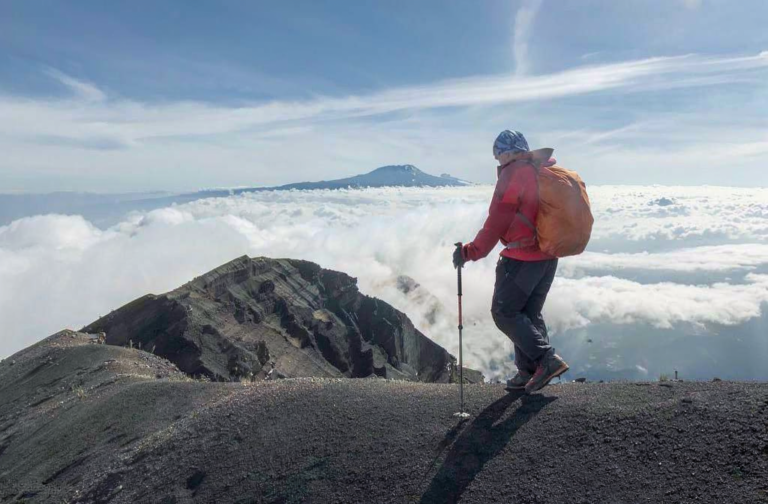
Trekking Monte Meru Desde Arusha: Your Ultimate Guide For 2026-2027
Your comprehensive guide to trekking Mount Meru from Arusha, covering everything from route options and difficulty to essential preparation and booking advice for climbs in 2026-2027.
View package details
Monte Meru Tanzania Trekking From Arusha: Your Essential Guide 2026-2027
start a trek up Mount Meru from Arusha, Tanzania's stunning dormant volcano. This guide covers everything from routes and difficulty to preparation and best times to go for your 2026-2027...
View package details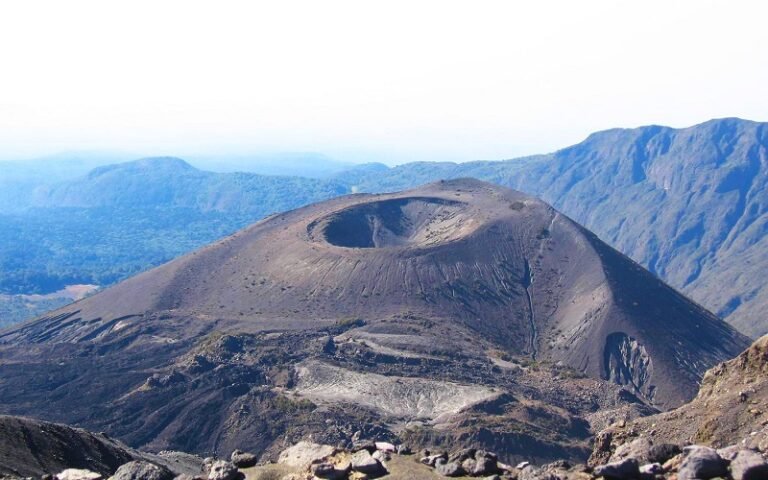
Mount Meru Trekking Ab Arusha 2026-2027
Mount Meru Trekking ab Arusha is explained with current 2026-2027 planning, price, itinerary and booking information.
View package detailsTrek Mont Meru 4 Jours: Your Complete Guide 2026-2027
start a 4-day trek up Mount Meru, a challenging yet rewarding climb near Kilimanjaro. This guide covers routes, preparation, gear, and essential tips for your 2026-2027 expedition.
View package details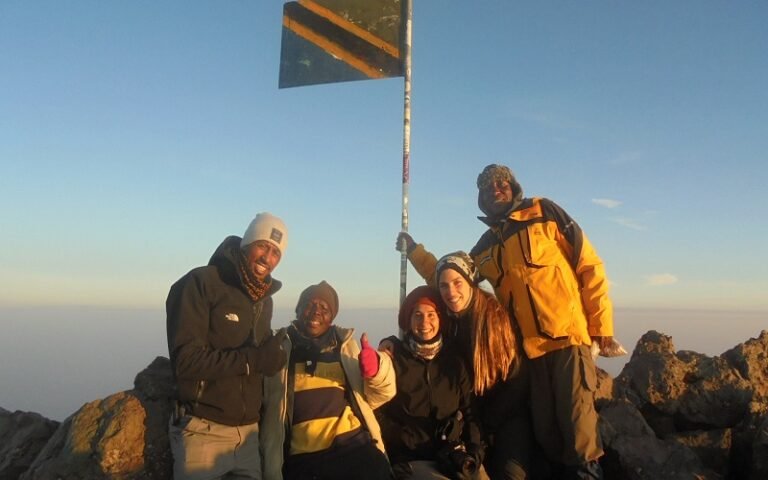
Trekking Monte Meru Tanzania: Precios, Ruta Y Consejos 2026-2027
Trekking Monte Meru Tanzania: precios, ruta y consejos is explained with current 2026-2027 planning, price, itinerary and booking information.
View package details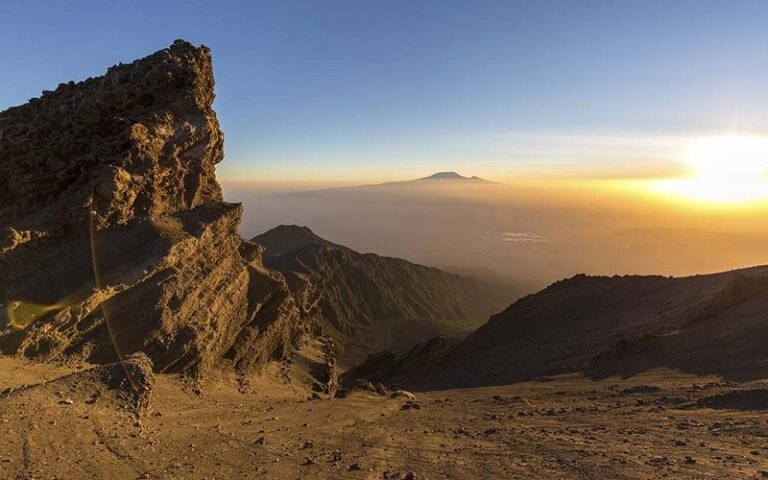
Monte Meru Y Kilimanjaro: Trekking En Tanzania 2026-2027
Discover the ultimate trekking experience in Tanzania by combining Mount Meru and Mount Kilimanjaro. This comprehensive guide covers everything from route selection and preparation to...
View package details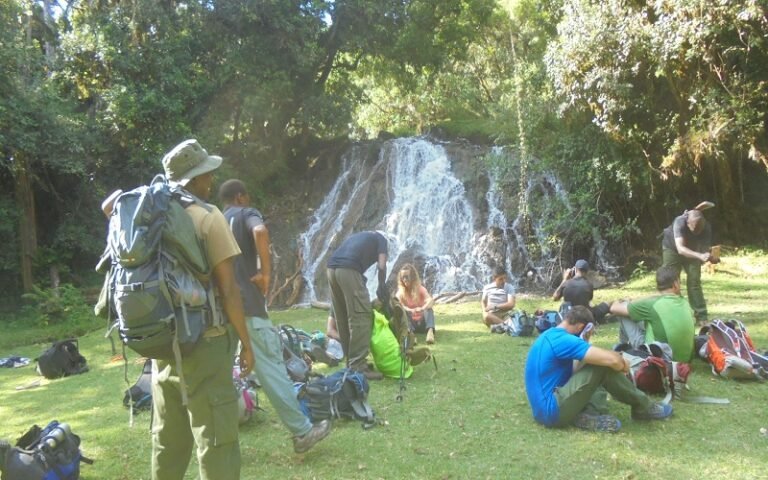
Precio Trekking Monte Meru: ¿Cuánto Cuesta Tu Aventura En ? 2026-2027
Planifica tu aventura en el Monte Meru conociendo los costos detallados. Explora las opciones de rutas, duraciones y lo que influye en el precio para tu expedición 2026-2027.
View package details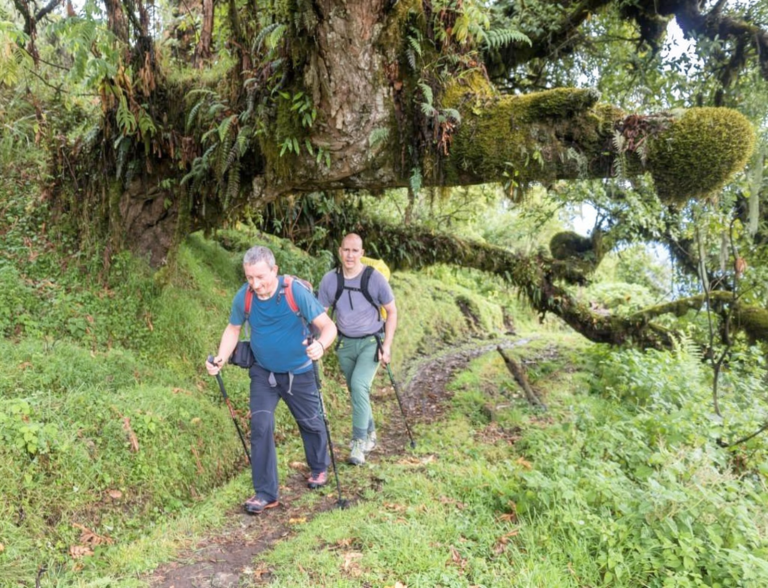
Trekking Monte Meru 4 Días 2026-2027
Trekking Monte Meru 4 días is explained with current 2026-2027 planning, price, itinerary and booking information.
View package detailsTrekking Monte Meru 3 Días 2026-2027
Trekking Monte Meru 3 días is explained with current 2026-2027 planning, price, itinerary and booking information.
View package detailsMount Meru Trekking 3 Tage: Your Essential Planning Guide 2026-2027
A comprehensive guide to the 3-day Mount Meru trek, covering essential planning details for 2026-2027, including routes, preparation, what to expect, and booking advice.
View package detailsRuta Momella Monte Meru: Your Complete Guide 2026-2027
Your comprehensive guide to the Momella Route on Mount Meru, covering everything from preparation and typical itineraries to what makes this climb a unique Tanzanian adventure, ideal for...
View package detailsMonte Meru Y Safari En Tanzania: Guía Completa Para Tu Aventura Africana
Explora la combinación perfecta de trekking en Monte Meru y safaris inolvidables en Tanzania. Esta guía detallada te ayudará a planificar tu viaje de ensueño para 2026-2027, cubriendo...
View package detailsNo related package matches those filters. Clear one or more filters to see the other topic-matched options.



