
A private safari combining Lake Natron and the Ngorongoro Crater typically spans 4 to 7 days, starting from Arusha. The cost varies significantly based on accommodation style, vehicle type, and specific inclusions, but expect a mid-range private safari to cost approximately $2,500 – $4,500 per person for a 5-day trip in 2026-2027. This itinerary offers a unique blend of dramatic alkaline lake scenery and unparalleled wildlife viewing within the Ngorongoro Conservation Area.

Understanding the Lake Natron & Ngorongoro Private Safari Experience
Embarking on a private safari to Lake Natron and the Ngorongoro Crater offers a journey into two of Tanzania’s most distinct and awe-inspiring natural wonders. This isn’t your typical “big five” focused safari, though the Ngorongoro Crater certainly delivers on that front. Instead, this combined adventure appeals to travelers seeking a deeper connection with Tanzania’s diverse ecosystems, from the stark, otherworldly beauty of Africa’s largest soda lake to the condensed biodiversity of the “eighth natural wonder of the world.” A private safari ensures flexibility, personalized attention, and the freedom to explore at your own pace, making it the ideal way to experience these iconic locations.
For many, the allure lies in the contrast. Lake Natron is a place of raw, elemental beauty. Its often-striking red hues, created by thermophilic bacteria, and the dramatic backdrop of the active Ol Doinyo Lengai volcano, create a landscape that feels ancient and powerful. It’s a critical breeding ground for the Lesser Flamingos, offering a unique avian spectacle. In contrast, the Ngorongoro Crater is a caldera teeming with life, a natural amphitheater where predators and prey coexist in a delicate, interesting balance. This juxtaposition is precisely what makes a Lake Natron & Ngorongoro private safari so compelling for discerning travelers in 2026 and 2027.
Choosing a private safari means you’re not tied to a fixed schedule dictated by a group. Your vehicle, your guide, and your itinerary are yours to command. This is particularly valuable when visiting remote areas like Lake Natron, where travel can be slower and more demanding. It allows for spontaneous stops, extended photography sessions, and the ability to tailor game drives to your specific interests, whether that’s birdwatching, geological formations, or simply soaking in the vast Tanzanian landscapes. For those planning their trips for 2026-2027, understanding these nuances is key to crafting an unforgettable adventure.
Why Combine Lake Natron and Ngorongoro?
The strategic advantage of combining Lake Natron with the Ngorongoro Crater lies in their geographical proximity and the complementary nature of their attractions. Both are situated within the wider Northern Tanzania safari circuit, making them logistically feasible to link within a single safari journey. However, their appeal is vastly different, offering a richer, more varied experience than visiting just one.
The Unique Draw of Lake Natron
Lake Natron is far from a typical safari destination. Its primary draw is its dramatic, almost alien landscape. The lake’s high alkalinity and temperature can appear inhospitable, leading to the calcified remains of birds and small animals that venture too close, earning it the nickname “the petrifying lake.” This eerie phenomenon, coupled with the striking colours that can shift from pale pink to deep red depending on the season and microbial activity, makes it a photographer’s dream and a geologically fascinating site. It’s also the single most important breeding site for Lesser Flamingos in East Africa, with millions congregating here during the breeding season (typically July to September, though this can vary). Witnessing this spectacle, even from a distance, is a rare privilege.
Furthermore, Lake Natron is located at the base of Ol Doinyo Lengai, the only active volcano in the East African Rift Valley. For the adventurous, a guided hike up Ol Doinyo Lengai (often undertaken at night to avoid the heat) offers unparalleled views of the surrounding landscape, including the vast salt flats of Lake Natron and, on clear days, Mount Kilimanjaro. This adds a significant adventure and cultural element, as the Maasai people consider the volcano sacred.
The journey to Lake Natron itself is part of the experience. The roads are often rough and dusty, passing through remote Maasai villages and vast, arid plains. This journey underscores the remoteness and wildness of the region, offering a stark contrast to the more developed tourist infrastructure found elsewhere. A private safari allows you to take your time on these roads, stopping to interact respectfully with local communities or simply to admire the impressive vistas.
The Wildlife Powerhouse of Ngorongoro
In stark contrast to Natron’s stark beauty, the Ngorongoro Crater is a caldera brimming with life. Descending into this natural enclosure is like entering a perfectly preserved ecosystem. Its 260 square kilometers (100 sq mi) floor hosts an astonishing density of wildlife, including a healthy population of the endangered black rhino, lions, leopards, cheetahs, elephants, buffalos, hippos, and a myriad of bird species. The high concentration of predators makes for thrilling game viewing, and the relatively small area means that spotting a variety of animals is highly probable within a single day.
The Ngorongoro Conservation Area (NCA) itself is a UNESCO World Heritage Site, renowned not only for its wildlife but also for its cultural significance as the ancestral home of the Maasai people. Unlike national parks, the NCA allows Maasai communities to live within its boundaries, coexisting with wildlife. This unique arrangement adds a cultural dimension to the safari, offering opportunities to learn about traditional Maasai life and their relationship with the land. A private safari can be tailored to include visits to Maasai villages or cultural centers within the NCA, providing deeper insights.
The Crater floor is a microcosm of the Serengeti’s diverse habitats, featuring grasslands, swamps, acacia forests, and a soda lake that attracts flamingos and other water birds. This diversity supports a wide range of herbivores, which in turn sustain the impressive predator population. The sheer abundance and accessibility of wildlife make Ngorongoro a highlight for almost any Tanzanian safari.
Synergy and Contrast: The Combined Value
By combining Lake Natron and Ngorongoro, you achieve a safari experience that is both visually stunning and biologically rich. You move from the geological marvels and unique avian life of Natron to the unparalleled density of large mammals in Ngorongoro. This contrast provides a comprehensive understanding of Tanzania’s natural heritage. For travelers planning for 2026 or 2027, this combination offers a more complete and memorable journey, satisfying diverse interests from geology and ornithology to classic wildlife photography and cultural immersion.
The logistical flow is also efficient. Typically, a Lake Natron & Ngorongoro private safari would start from Arusha, proceed to Lake Natron (often with an overnight stay or two), then move south towards the Ngorongoro Conservation Area for crater exploration and potentially stays on the crater rim or in nearby areas. This route minimizes backtracking and maximizes your time experiencing these unique destinations.
Crafting Your Lake Natron & Ngorongoro Private Safari Itinerary
The ideal itinerary for a Lake Natron & Ngorongoro private safari depends on your interests, pace, and the time you have available. A common duration ranges from 4 to 7 days, but it can be extended to incorporate other nearby attractions or allow for more in-depth exploration. Here are a few potential itinerary structures, keeping in mind that a private safari with Climb 4 Africa is fully customizable for your 2026-2027 adventure.
Sample 4-Day Itinerary: A Taste of Both Worlds
This is a fast-paced option for those with limited time, focusing on the highlights. It often involves longer travel days.
- Day 1: Arusha to Lake Natron. After an early breakfast in Arusha, you’ll drive north-west towards Lake Natron. The journey takes approximately 4-6 hours, depending on road conditions. You’ll arrive in time for lunch and an afternoon visit to the lake itself to witness its unique colours and landscape. Overnight near Lake Natron.
- Day 2: Lake Natron Exploration & Ngorongoro Transfer. Morning activities could include a visit to the waterfalls near Lake Natron or a guided walk along the lake shore. After lunch, you’ll begin the scenic drive towards the Ngorongoro Conservation Area. This drive can take 3-5 hours. You’ll likely stay at a lodge on the crater rim or just outside the conservation area.
- Day 3: Ngorongoro Crater Tour. Descend into the Ngorongoro Crater for a full day of game viewing. Your private guide will help you spot lions, elephants, rhinos, hippos, and a host of other animals. Enjoy a picnic lunch on the crater floor. Ascend in the late afternoon and overnight at your chosen lodge.
- Day 4: Ngorongoro to Arusha. Enjoy a final morning game drive in the wider Ngorongoro Conservation Area or visit a Maasai village (optional). After breakfast, drive back to Arusha (approximately 3-4 hours), arriving in the afternoon for your onward travel or overnight stay.
Considerations for the 4-day itinerary: This option is intense. You’ll have limited time at Lake Natron and might feel rushed. It’s best suited for travelers who prioritize seeing the main attractions of both locations but have strict time constraints.
Sample 5-Day Itinerary: Balanced Exploration
This offers a more relaxed pace, allowing for more in-depth exploration of both destinations.
- Day 1: Arusha to Lake Natron. Depart Arusha after breakfast and drive to Lake Natron. Settle into your accommodation and take an afternoon excursion to the lake’s shores.
- Day 2: Lake Natron Activities. A full day dedicated to exploring the Lake Natron area. Options include visiting the flamingo breeding grounds (seasonal), hiking to the waterfalls, or a guided walk with a Maasai guide to learn about local culture and the environment. For the very adventurous, a night hike up Ol Doinyo Lengai can be arranged (requires good fitness and an early start on Day 3, or a very late start on Day 2).
- Day 3: Lake Natron to Ngorongoro Highlands. After a final morning activity at Lake Natron (perhaps a visit to a Maasai village if not done the previous day), you’ll drive south towards the Ngorongoro Conservation Area. The drive is scenic and takes around 3-5 hours. You’ll stay at a lodge on the crater rim, offering stunning views.
- Day 4: Ngorongoro Crater Tour. Spend the entire day exploring the Ngorongoro Crater floor. Your private guide will maximize your chances of seeing the diverse wildlife, including the elusive black rhino. Enjoy a picnic lunch amidst this unique caldera. Return to your rim lodge in the evening.
- Day 5: Ngorongoro to Arusha. After breakfast, you might opt for a short game drive in the wider NCA, visit a Maasai cultural boma, or explore the Olduvai Gorge (optional, extra cost). Then, drive back to Arusha, arriving by early afternoon.
Considerations for the 5-day itinerary: This is a popular choice, offering a good balance between travel time and exploration. It allows for a more in-depth experience at Lake Natron and a thorough game drive in Ngorongoro.
Sample 7-Day Itinerary: Deep Dive & Relaxation
This longer itinerary allows for a more leisurely pace, deeper cultural immersion, and potentially additional activities or nearby sights.
- Day 1: Arusha to Lake Natron. Leisurely start from Arusha, arriving at Lake Natron in the afternoon. Settle in and enjoy the unique surroundings.
- Day 2: Lake Natron Exploration. Full day for exploring the lake, waterfalls, and surrounding Maasai communities. Perhaps a guided walk to learn about medicinal plants and local traditions.
- Day 3: Ol Doinyo Lengai Hike (Optional) or Cultural Immersion. For the very fit and adventurous, an overnight or early morning hike up Ol Doinyo Lengai can be arranged. Alternatively, spend more time with local communities or explore the area’s geological features.
- Day 4: Lake Natron to Tarangire National Park. After a relaxed morning, depart Lake Natron and drive towards Tarangire National Park (approximately 4-5 hours). Tarangire is known for its large elephant herds and baobab trees. Enjoy an afternoon game drive. Overnight inside or near Tarangire.
- Day 5: Tarangire to Ngorongoro. Morning game drive in Tarangire before driving to the Ngorongoro Conservation Area (approx. 2-3 hours). Check into your lodge on the crater rim.
- Day 6: Ngorongoro Crater Tour. Full day game drive within the Ngorongoro Crater, focusing on diverse wildlife encounters.
- Day 7: Ngorongoro to Arusha. Optional morning activity (e.g., Olduvai Gorge, Maasai village) before the drive back to Arusha.
Considerations for the 7-day itinerary: This itinerary adds Tarangire, providing another dimension of wildlife viewing. It significantly reduces travel fatigue and allows for a more profound experience of each location. This is an excellent option for those who want to avoid feeling rushed and truly absorb the Tanzanian wilderness and culture. This would be a fantastic itinerary for 2026-2027 planning.
Customization is Key
Remember, these are just sample itineraries. With a private safari, you work directly with Climb 4 Africa to tailor every aspect. You can adjust the number of nights at each location, specify your accommodation preferences (from rustic tented camps to luxury lodges), and request specific activities like birdwatching excursions, cultural visits, or challenging hikes. If you’re planning for 2026 or 2027, now is the time to start thinking about your ideal pace and priorities.
Decoding the Cost of Your Private Safari
The cost of a Lake Natron & Ngorongoro private safari is one of the most significant planning factors for travelers in 2026-2027. As a private tour, it inherently costs more per person than a group safari due to the dedicated vehicle, guide, and personalized service. However, the value and flexibility it offers are considerable. Several key components influence the final price:
1. Accommodation Level
This is often the largest variable. Your choice of lodging significantly impacts the overall budget.
- Budget/Mid-Range: This typically involves staying in comfortable, clean tented camps or lodges that offer essential amenities. They are often located slightly further from prime attractions, requiring more driving time, or are more basic in their facilities. Expect good value for money.
- Mid-Range/Comfort: Lodges and tented camps in this category offer enhanced comfort, better locations (e.g., crater rim views in Ngorongoro), more amenities (like swimming pools or fine dining), and often more personalized service. This is a popular choice for many travelers seeking a balance of comfort and experience.
- Luxury: High-end lodges and tented camps provide exquisite furnishings, gourmet dining, exceptional service, and prime locations. These properties are often exclusive, offering unparalleled views and privacy, and come with a premium price tag.
Price implication: Luxury accommodation can easily double or triple the accommodation cost per night compared to mid-range options.
2. Vehicle and Guide
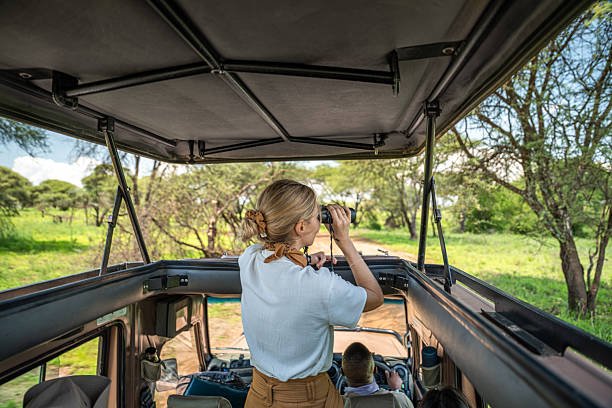
For a private safari, you will have a dedicated 4×4 safari vehicle (usually a Land Cruiser or Land Rover) and an experienced, professional driver-guide. The quality of the vehicle (well-maintained, pop-top roof for viewing) and the expertise of your guide are crucial for a successful safari. While most reputable operators use similar quality vehicles, the guide’s knowledge, patience, and ability to spot wildlife and share insights are invaluable. The cost of a private vehicle and guide is factored into the per-person price.
3. Duration and Distance
Longer safaris naturally incur higher costs due to more days of vehicle hire, guide fees, park fees, and accommodation. The route also plays a role; Lake Natron is more remote than Ngorongoro, and the roads can be challenging, requiring more robust vehicles and potentially longer driving times, which adds to fuel and maintenance costs.
4. Park and Conservation Fees
These are non-negotiable and set by the Tanzanian government. They are a significant part of the safari cost and are usually included in tour packages.
- Ngorongoro Conservation Area (NCA) Fees: These include a daily conservation fee per person and a vehicle entrance fee. The Crater Service Fee is also applied for vehicles entering the crater floor.
- National Park Fees: If your itinerary includes other parks like Tarangire or Lake Manyara (though not typically part of a core Natron/Ngorongoro trip), these will have their own daily entrance fees per person and per vehicle.
- Lake Natron: While not a national park, there are often local community fees or conservation fees associated with visiting specific sites around Lake Natron, especially if engaging with local guides or visiting certain natural attractions.
Note: Fees are subject to change annually. For 2026-2027 trips, expect potential modest increases from current rates.
5. Meals and Drinks
Most safari packages include full board (breakfast, lunch, and dinner). However, drinks, especially alcoholic beverages, are often an additional cost. Some lodges may include selected house wines or local beers, but this is not standard. Clarify what is included in your quote.
6. Included Activities
While game drives are standard, specific activities like guided walking safaris (if offered near Natron or in the NCA), visits to Maasai villages, Ol Doinyo Lengai hikes, or cultural tours might be included or offered as optional extras with associated costs.
7. Travel Style and Seasonality
Private vs. Shared: As discussed, this is a private safari, meaning higher per-person costs than joining a group. However, within private safaris, there are no further subdivisions. The cost is for your private vehicle and guide.
Seasonality: While less pronounced for private safaris than for group departures, peak seasons (e.g., June-October, December-February) can sometimes see slightly higher rates for accommodation. The shoulder seasons might offer slightly better value. For Lake Natron, the flamingo breeding season (July-September) is peak time for birdwatchers, potentially influencing demand.
Estimated Cost Ranges (Per Person for 5 Days, 2026-2027)**
These are approximate figures and can fluctuate based on the exact choices made. They typically assume two people sharing.
- Mid-Range Safari: $2,500 – $4,500 USD per person. This covers comfortable lodges/camps, a private 4×4 vehicle, experienced guide, park fees, and full board meals.
- Luxury Safari: $4,500 – $7,000+ USD per person. This includes high-end lodges, exclusive camps, premium service, potentially more exclusive vehicle options, and all-inclusive drinks at some lodges.
What’s typically excluded: International flights, visa fees, travel insurance, tips for guides and staff, personal expenses (souvenirs, extra drinks, laundry), optional activities not specified in the itinerary, and departure taxes.
Important Note on Pricing for 2026-2027: While general trends can be predicted, exact pricing for 2026-2027 will depend on the specific operator’s rates, government fee adjustments, and accommodation contracts. It’s always best to get a detailed, personalized quote.
Essential Planning for Your 2026-2027 Safari
Planning a Lake Natron & Ngorongoro private safari requires attention to detail, especially given the remote nature of Lake Natron and the logistical complexity of combining these two distinct destinations. Here’s a breakdown of key considerations for your 2026-2027 trip:
Best Time to Visit
The best time for a Lake Natron & Ngorongoro private safari is generally during the dry seasons, which offer the most favorable weather conditions for wildlife viewing and travel.
- Dry Season (June to October): This is peak season. Weather is generally dry and sunny with cooler temperatures. Wildlife congregates around water sources, making game viewing in Ngorongoro excellent. Lake Natron is accessible, and the flamingo population may be present.
- Short Rains (November): A brief period of rain, usually not disruptive.
- Long Rains (March to May): This is the low season. Expect frequent and heavy rainfall, which can make roads challenging, especially to Lake Natron. Wildlife disperses as water is plentiful. However, it’s a great time for birdwatching, and prices may be lower.
- Flamingo Season at Lake Natron: The Lesser Flamingos typically breed at Lake Natron from July to September. If seeing large flocks is a priority, aim for this period. However, check with local experts as breeding cycles can vary.
Recommendation for 2026-2027: For a balance of good weather and wildlife viewing, aim for June-October. If flamingos are a must, target July-September. Be aware that even in the dry season, occasional showers can occur.
Health and Vaccinations
Consult your doctor or a travel clinic 4-6 weeks before your departure for personalized advice. Standard recommendations for Tanzania often include:
- Yellow Fever: Vaccination is often required, especially if arriving from or transiting through a country with a risk of yellow fever. Carry your vaccination certificate.
- Malaria Prevention: Tanzania is a malaria risk area. Discuss appropriate antimalarial medication with your doctor.
- Other Vaccinations: Routine vaccinations (like Tetanus, Diphtheria, Hepatitis A) are recommended. Typhoid and Rabies might also be considered based on your activities and travel history.
- Traveler’s Diarrhea: Take precautions with food and water. Drink only bottled or purified water.
- Insect Repellent: Use repellent with DEET, especially during dawn and dusk, to protect against mosquito bites.
Visa and Entry Requirements
Most nationalities require a visa to enter Tanzania. You can typically apply for a tourist visa online in advance (e-Visa) or obtain one upon arrival at Kilimanjaro International Airport (JRO). Check the latest requirements for your specific nationality with the Tanzanian embassy or consulate in your country well before your 2026-2027 travel dates.
Packing Essentials
Packing smart is crucial for comfort and practicality on safari.
- Clothing: Lightweight, neutral-colored clothing (khaki, beige, olive green) is best for safaris. Avoid bright colors and dark blue/black, which can attract insects. Pack layers for cooler mornings and evenings. Include long-sleeved shirts and trousers for sun and insect protection.
- Footwear: Comfortable walking shoes or hiking boots (if planning Ol Doinyo Lengai hike) and sandals or flip-flops for relaxing at lodges.
- Sun Protection: Wide-brimmed hat, sunglasses, and high SPF sunscreen are essential.
- Camera Gear: Bring extra batteries, memory cards, and a good zoom lens. A dust protector for your camera is advisable.
- Binoculars: Highly recommended for spotting wildlife.
- First-Aid Kit: Include personal medications, pain relievers, antiseptic wipes, bandages, and any specific items recommended by your doctor.
- Adapter: Tanzania uses Type G (UK style) sockets, 230V.
- Headlamp/Torch: Useful for navigating lodges at night.
- Reusable Water Bottle: To stay hydrated and minimize plastic waste.
Special Note for Lake Natron: Pack sturdy shoes suitable for walking on uneven, dusty terrain. Consider a lightweight scarf or bandana to protect your face from dust on the road.
Travel Insurance
Comprehensive travel insurance is non-negotiable. Ensure it covers:
- Medical emergencies and evacuation (including remote areas).
- Trip cancellation or interruption.
- Lost or stolen baggage.
- Activities like hiking (if applicable).
Verify your policy details carefully before purchasing for your 2026-2027 trip.
Booking Window
For popular destinations like Ngorongoro and specific times (e.g., peak season, flamingo season at Natron), booking well in advance is highly recommended, especially for 2026-2027. Aim to book at least 6-12 months ahead to secure your preferred accommodation and ensure availability, particularly for private tours which have limited vehicle and guide capacity.
Booking Your Lake Natron & Ngorongoro Private Safari
Choosing the right tour operator is paramount for a successful Lake Natron & Ngorongoro private safari. Climb 4 Africa specializes in creating bespoke Tanzanian adventures, offering local expertise and personalized service that makes a real difference.
Why Choose Climb 4 Africa for Your Private Safari?
As a locally-based operator with deep knowledge of Tanzania’s parks and remote areas like Lake Natron, Climb 4 Africa offers distinct advantages:
- Local Expertise: We understand the nuances of traveling to Lake Natron, including road conditions, best times to visit specific sites, and local cultural protocols. Our guides are highly trained and passionate about sharing Tanzania’s natural and cultural heritage.
- Customization: We excel at crafting tailor-made itineraries. Whether you envision a 4-day highlights tour or a comprehensive 7-day exploration with cultural elements, we design it around your interests, budget, and pace for your 2026-2027 trip.
- Quality & Value: We focus on providing excellent value for money. This means well-maintained vehicles, experienced guides, carefully selected accommodations, and transparent pricing. We don’t cut corners on safety or the quality of your experience.
- Support: From your initial inquiry to your departure from Tanzania, you’ll receive dedicated support. We are available to answer all your questions and ensure a smooth planning process.
What to Expect When Booking
The process of booking your Lake Natron & Ngorongoro private safari with Climb 4 Africa is designed to be straightforward and collaborative:
- Initial Inquiry: Reach out to us with your travel dates (e.g., for 2026 or 2027), the number of travelers, your preferred itinerary length (e.g., 5 days), accommodation style (budget, mid-range, luxury), and any specific interests (e.g., birding, photography, hiking).
- Personalized Quote & Itinerary: Based on your input, we will craft a detailed itinerary and a comprehensive quote. This will clearly outline inclusions, exclusions, and the estimated costs. We encourage you to ask questions and request adjustments until the itinerary is perfect for you.
- Confirmation and Deposit: Once you are happy with the proposed itinerary and quote, a deposit is required to confirm your booking. This secures your preferred accommodation and guide.
- Pre-Departure Information: We will provide you with detailed pre-departure information, including packing lists, health advice, and visa guidance.
- Final Payment: The balance payment is typically due 30-60 days before your safari start date.
- On the Ground: Your private guide will meet you in Arusha, and your unforgettable Lake Natron & Ngorongoro safari adventure begins!
Making Your Decision for 2026-2027
A Lake Natron & Ngorongoro private safari is a unique journey that offers a profound connection with Tanzania’s wild heart. It’s for the traveler who appreciates stark, natural beauty alongside incredible wildlife density, and who values the flexibility and comfort of a private experience. The investment reflects the exclusivity, personalized service, and the opportunity to explore these remarkable destinations at your own pace.
When planning for 2026 or 2027, consider what truly matters to you: the photographic opportunities at Natron, the sheer volume of wildlife in Ngorongoro, the cultural interactions, or the adventure of climbing Ol Doinyo Lengai. By clearly defining your priorities, you can work with Climb 4 Africa to create a safari that exceeds your expectations.
Ready to plan your bespoke Lake Natron & Ngorongoro private safari for 2026-2027? Contact Climb 4 Africa today. We’re here to help you design an extraordinary Tanzanian adventure. Reach us via WhatsApp at +255 747 477 898 or email us at climb4africa@gmail.com. Let’s start crafting your dream safari.
Check Availability for Lake Natron & Ngorongoro Private Safari – Cost & Itinerary Guide
Ready to compare dates, prices, and the best option for your group? Send the package name and travel month so the team can reply with a clear quote, availability, and what is included.
Kilimanjaro And Mara River Crossing Safari August : Peak Season Adventure 2027
Combining the ultimate challenge of climbing Mount Kilimanjaro with the awe-inspiring spectacle of the Great Migration river crossing in the Maasai Mara offers an unparalleled African...
View package details
Kilimanjaro And Great Migration Safari August : Your Peak Season Adventure
Plan your ultimate Tanzanian adventure in August 2027, combining a Kilimanjaro climb with the spectacle of the Great Migration. This guide details the best timings, routes, and safari...
View package detailsKilimanjaro And Mara River Crossing Safari July 2027
Kilimanjaro and Mara River Crossing Safari July 2027 is explained with current 2027 planning, price, itinerary and booking information.
View package detailsKilimanjaro And Great Migration Safari July : Your Ultimate Tanzanian
Combining a Kilimanjaro climb with a Great Migration safari in July 2027 offers a spectacular Tanzanian adventure. This guide helps you plan your ideal itinerary, considering the best...
View package details
Kilimanjaro And Grumeti Migration Safari June : The Ultimate Tanzanian
Plan your unforgettable Kilimanjaro and Grumeti Migration safari for June 2027. This comprehensive guide details how to combine the challenge of summiting Africa's highest peak with the...
View package details
Best Kilimanjaro And Serengeti Calving Season Safari March 2027
Discover the magic of a March 2027 Kilimanjaro and Serengeti calving season safari. This guide explores the unique advantages and considerations for experiencing Tanzania's wildlife...
View package details
Kilimanjaro And Serengeti Calving Safari February : The Ultimate Planning
Combine the majesty of Mount Kilimanjaro with the impressive spectacle of the Serengeti's calving season in February 2027. This guide details how to plan this dual adventure, focusing on...
View package details
Kilimanjaro And Serengeti Calving Safari January 2026-2027
Kilimanjaro and Serengeti Calving Safari January 2027 is explained with current 2026-2027 planning, price, itinerary and booking information.
View package details
Kilimanjaro Christmas Climb And Tanzania Safari : Your Festive Adventure
Combine the magic of a Christmas ascent of Kilimanjaro with a thrilling Tanzania safari in 2026. Discover how to plan this dual adventure for a truly unique festive season.
View package detailsNo related package matches those filters. Clear one or more filters to see the other topic-matched options.



