
A 2-day Lake Eyasi Hadzabe & Datoga Cultural Safari offers a profound, in-depth experience focused on encountering Tanzania’s most ancient indigenous communities, the Hadzabe hunter-gatherers and the Datoga pastoralists and artisans, set against the backdrop of the scenic Lake Eyasi basin. This short trip is designed for travelers seeking deep cultural connection, understanding traditional ways of life, witnessing ancient hunting methods, and appreciating unique crafts, typically including overnight accommodation near the lake. Planning for 2026 and 2027 involves understanding the best times to visit for optimal cultural interaction and weather, typical itinerary structures, what to expect from community visits, and how to book this specialized experience with local expertise.

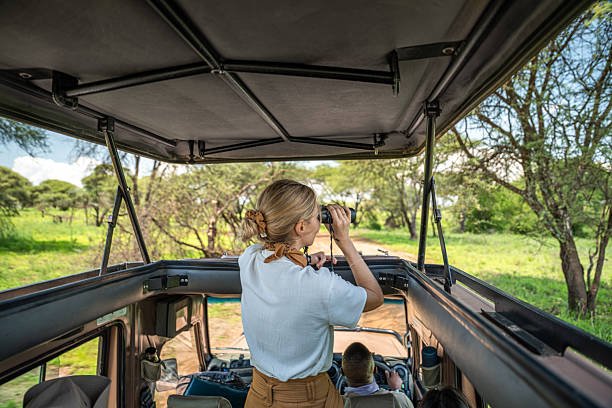
Understanding the Lake Eyasi Experience
The region surrounding Lake Eyasi, a vast, shallow soda lake in Tanzania’s Great Rift Valley, is more than just a geographical feature; it’s a sanctuary for some of the continent’s most ancient and fascinating human cultures. Unlike the wildlife-centric safaris common in northern Tanzania, a 2 Days Lake Eyasi Hadzabe & Datoga Cultural Safari prioritizes direct, respectful engagement with the indigenous communities who call this arid, beautiful landscape home. This is a journey into a living history, a chance to witness traditions that have endured for millennia, largely untouched by the modern world. The experience is raw, authentic, and deeply rewarding for those who approach it with curiosity and respect. Travelers often find this safari a profound counterpoint to the more conventional wildlife viewing, offering a unique perspective on human diversity and resilience.
Why Choose a Lake Eyasi Cultural Safari?
Opting for a 2-day cultural safari to Lake Eyasi is a deliberate choice for travelers seeking a departure from the ordinary. It’s for those who wish to understand the human story of Tanzania, not just its natural wonders. The primary draw is the unparalleled opportunity to interact with the Hadzabe people, one of the last remaining hunter-gatherer tribes in Africa, and the Datoga people, known for their traditional pastoralism and intricate metalworking. This safari offers:
- Authentic Cultural Immersion: Direct interaction with communities, observing their daily lives, survival techniques, and social structures.
- Unique Witnessing of Ancient Practices: Observing the Hadzabe’s traditional hunting methods using bows and arrows, and the Datoga’s skilled craftsmanship.
- Off-the-Beaten-Path Exploration: Lake Eyasi is less visited than the major national parks, offering a more intimate and less commercialized experience.
- Photographic Opportunities: Capturing unique portraits and scenes of traditional life, provided it’s done respectfully.
- Insight into Human History: A tangible connection to humanity’s ancestral past, showcasing survival strategies developed over thousands of years.
For travelers planning ahead for 2026 and 2027, securing a well-organized cultural tour is crucial for a respectful and impactful visit. This type of safari requires sensitivity, local knowledge, and ethical guiding, which is where experienced operators like Climb 4 Africa excel.
The Hadzabe and Datoga: Living Legacies
The heart of any 2 Days Lake Eyasi Hadzabe & Datoga Cultural Safari lies in the people you meet. The Hadzabe and Datoga are distinct groups with unique histories, languages, and traditions, each offering a different window into the past and present of the region.
The Hadzabe: Masters of the Hunt
The Hadzabe (also known as Watindiga) are a Khoisan-speaking people, their language characterized by click consonants, a linguistic link to ancient human communication. They are hunter-gatherers, living a life that has remained remarkably consistent for millennia. Their subsistence relies on hunting small game (such as dik-dik and guinea fowl) using bows and arrows, and gathering wild fruits, tubers, and honey. Their social structure is egalitarian, with no chiefs or formal leaders. Decisions are often made communally, and resources are shared. A visit typically involves waking before dawn to accompany a hunting party, a truly humbling experience that showcases their incredible tracking skills and deep knowledge of the bush. You’ll see how they use natural materials for tools, shelter, and medicine. Understanding the Hadzabe means appreciating their resilience and their deep spiritual connection to the land, which they view as a provider, not something to be owned.
The Datoga: Artisans and Pastoralists
The Datoga (also referred to as Mangati) are a Nilotic people with a strong pastoralist tradition, herding cattle, goats, and sheep. They are also renowned for their exceptional craftsmanship, particularly in metalwork. Datoga men are skilled blacksmiths, creating beautiful and functional items like knives, spears, bracelets, and arrowheads from scrap metal. Datoga women are known for their intricate beadwork and distinctive tattoos, which often signify marital status and tribal affiliation. Visiting a Datoga village offers insight into their social organization, their relationship with their livestock, and their artistic heritage. You can often witness the blacksmiths at work, observe the women’s traditional adornments, and learn about their agricultural practices. Their cultural practices, while different from the Hadzabe, are equally vital to the mix of the Lake Eyasi region.
Planning Your 2-Day Lake Eyasi Safari
A 2 Days Lake Eyasi Hadzabe & Datoga Cultural Safari is a focused, impactful experience. Proper planning ensures you make the most of your limited time while ensuring a respectful and authentic encounter. Key considerations for 2026 and 2027 travel include timing, itinerary, packing, and cultural sensitivity.
Best Time to Visit Lake Eyasi for Cultural Encounters (2026-2027)
The Lake Eyasi region has a semi-arid climate, meaning it’s generally accessible year-round, but certain periods offer a more comfortable and potentially richer experience for cultural interactions:
- Dry Season (June to October): This is often considered the best time. The weather is cooler and less humid, making excursions more pleasant. The vegetation is sparser, which can aid in tracking during Hadzabe hunts. The dry conditions also mean communities are more concentrated around water sources, potentially making them easier to find. This period aligns with peak tourist seasons elsewhere in Tanzania, so booking ahead for 2026 and 2027 is advisable.
- Shoulder Seasons (November, March to May): These months can also be excellent. November often marks the end of the short rains, with landscapes starting to dry out. March to May sees the long rains, which can make roads challenging, but the scenery is lush and beautiful, and there are fewer tourists. Cultural interactions can still be very rewarding during this time, provided your tour operator has robust logistics.
- Wet Season (December to February): While the rains can make travel more difficult, especially on unpaved roads leading to Lake Eyasi, this period offers lush scenery and fewer visitors. The communities are still active, and cultural exchanges can be just as meaningful.
For a 2 Days Lake Eyasi Hadzabe & Datoga Cultural Safari, focusing on the dry season ensures maximum comfort and accessibility for your short trip.
Typical 2-Day Itinerary Structure
A 2-day itinerary is intense and packed, designed to maximize cultural exposure. It usually starts from Arusha or a location en route:
Day 1: Journey to Lake Eyasi & Datoga Immersion
- Morning: Depart from Arusha (or your starting point) after breakfast. The drive to Lake Eyasi is scenic, passing through diverse landscapes. This journey can take 4-6 hours depending on road conditions and starting point.
- Afternoon: Arrive at your lodge or camp near Lake Eyasi. After settling in, you’ll head out for a guided visit to a Datoga village. Here, you’ll witness blacksmiths at work, learn about their traditional attire, beadwork, and pastoralist lifestyle. You might have the opportunity to purchase handmade crafts directly from the artisans.
- Evening: Return to your accommodation for dinner and an overnight stay. Some lodges may offer cultural talks or storytelling around a campfire.
Day 2: Hadzabe Dawn Hunt & Departure
- Early Morning (Pre-dawn): Wake up very early to accompany Hadzabe hunters on their morning hunt. This is a highlight, offering a profound glimpse into their tracking skills and traditional methods using bows and arrows. This experience is weather-dependent and requires significant patience and respect for the community’s practices.
- Late Morning: After the hunt (which may or may not result in a kill, as it is a real hunt), you might visit a Hadzabe settlement to learn more about their daily life, gather food (like berries or roots, if available and appropriate), and understand their social dynamics.
- Afternoon: Begin your journey back to Arusha, arriving in the late afternoon or early evening.
This structure is a guideline; actual experiences can vary based on community availability, weather, and the specific arrangements made by your tour operator. For 2026-2027 bookings, confirm the exact timing and activities with your guide.
What to Pack for Lake Eyasi
Packing light but smart is key for this short, active cultural safari. The climate is generally warm to hot, with cooler mornings and evenings, especially during the dry season. Emphasis is on comfort, practicality, and respect:
- Lightweight, breathable clothing: Long-sleeved shirts and trousers to protect from the sun and insects, and for cultural modesty. Neutral colors are best for observing wildlife and communities.
- Comfortable walking shoes: Essential for walking with the Hadzabe and exploring villages.
- Hat and sunglasses: For sun protection.
- Sunscreen: High SPF.
- Insect repellent: Especially for evenings.
- Camera and extra batteries/power bank: You’ll want to capture memories, but always ask permission before photographing people.
- Small backpack: For day trips, carrying water, snacks, and your camera.
- Water bottle: Reusable is preferred. Your lodge will provide filtered water.
- Personal first-aid kit: With any personal medications.
- Hand sanitizer: For hygiene.
- Small gifts (optional): If you wish to offer something, consult your guide on appropriate items. Often, practical items like basic medical supplies (e.g., antiseptic wipes, bandages) or school supplies for children are more appreciated than trinkets. Cash is generally not recommended as a gift.
Remember, this is a rustic environment. While comfort is considered, it’s not a luxury lodge experience. Your 2 Days Lake Eyasi Hadzabe & Datoga Cultural Safari should prioritize experience over amenities.
Essential Cultural Etiquette and Respect
Interacting with indigenous communities requires a high degree of respect and sensitivity. This is paramount for a positive and ethical 2 Days Lake Eyasi Hadzabe & Datoga Cultural Safari:
- Ask Permission: Always ask for permission before taking photographs or videos of people, especially children. Many communities have specific customs regarding photography.
- Respect Elders: Show deference to elders. If you are introduced to someone, wait for them to initiate a handshake.
- Dress Modestly: Cover shoulders and knees when visiting villages. Avoid revealing clothing.
- Observe, Don’t Intrude: Be a respectful observer. Avoid pointing, loud noises, or interfering in daily activities unless invited to participate.
- No Littering: Take all your rubbish with you.
- Be Patient: Cultural interactions are not performances. They are glimpses into real
Check Availability for 2 Days Lake Eyasi Hadzabe & Datoga Cultural Safari 2026-2027
Ready to compare dates, prices, and the best option for your group? Send the package name and travel month so the team can reply with a clear quote, availability, and what is included.
9 closely related packages
Kilimanjaro And Mara River Crossing Safari August : Peak Season Adventure 2027
Combining the ultimate challenge of climbing Mount Kilimanjaro with the awe-inspiring spectacle of the Great Migration river crossing in the Maasai Mara offers an unparalleled African...
View package details
Kilimanjaro And Great Migration Safari August : Your Peak Season Adventure
Plan your ultimate Tanzanian adventure in August 2027, combining a Kilimanjaro climb with the spectacle of the Great Migration. This guide details the best timings, routes, and safari...
View package detailsKilimanjaro And Mara River Crossing Safari July 2027
Kilimanjaro and Mara River Crossing Safari July 2027 is explained with current 2027 planning, price, itinerary and booking information.
View package detailsKilimanjaro And Great Migration Safari July : Your Ultimate Tanzanian
Combining a Kilimanjaro climb with a Great Migration safari in July 2027 offers a spectacular Tanzanian adventure. This guide helps you plan your ideal itinerary, considering the best...
View package details
Kilimanjaro And Grumeti Migration Safari June : The Ultimate Tanzanian
Plan your unforgettable Kilimanjaro and Grumeti Migration safari for June 2027. This comprehensive guide details how to combine the challenge of summiting Africa's highest peak with the...
View package details
Best Kilimanjaro And Serengeti Calving Season Safari March 2027
Discover the magic of a March 2027 Kilimanjaro and Serengeti calving season safari. This guide explores the unique advantages and considerations for experiencing Tanzania's wildlife...
View package details
Kilimanjaro And Serengeti Calving Safari February : The Ultimate Planning
Combine the majesty of Mount Kilimanjaro with the impressive spectacle of the Serengeti's calving season in February 2027. This guide details how to plan this dual adventure, focusing on...
View package details
Kilimanjaro And Serengeti Calving Safari January 2026-2027
Kilimanjaro and Serengeti Calving Safari January 2027 is explained with current 2026-2027 planning, price, itinerary and booking information.
View package details
Kilimanjaro Christmas Climb And Tanzania Safari : Your Festive Adventure
Combine the magic of a Christmas ascent of Kilimanjaro with a thrilling Tanzania safari in 2026. Discover how to plan this dual adventure for a truly unique festive season.
View package detailsNo related package matches those filters. Clear one or more filters to see the other topic-matched options.



